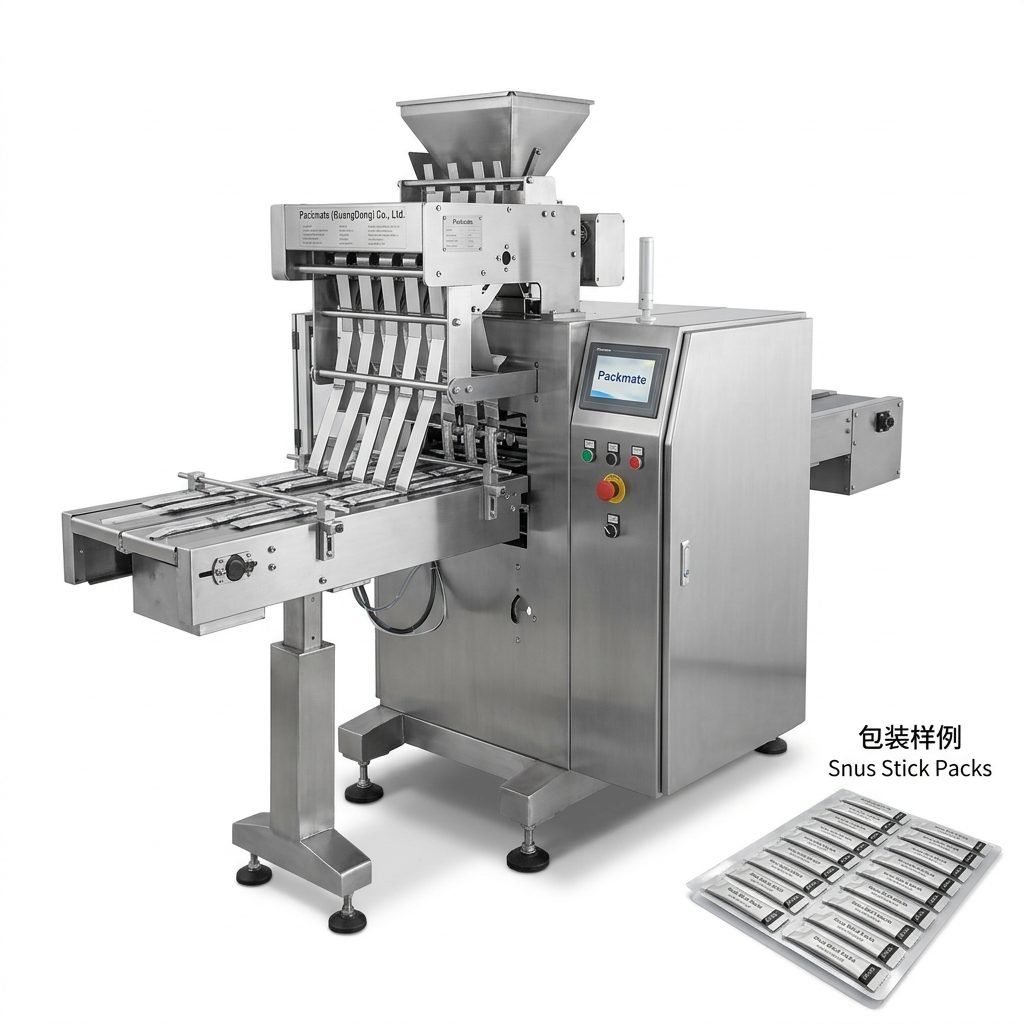
Choosing the right snus packaging machine in Georgia (the country) is more than a technical purchase — it is a strategic decision that affects product quality, regulatory compliance, production costs, and how your brand is perceived by local consumers. This guide walks you through the factors that matter most when selecting a snus or nicotine pouch packaging line in Georgia, combining practical machine criteria with local customs, electrical and regulatory considerations, and supplier selection tips.
1. Understand the Georgia market and local customs ℹ️
Georgia’s consumer culture places strong emphasis on authenticity and trust. Georgian shoppers often value locally compliant labeling, traditional packaging cues, and products presented with clear information in the Georgian language. While snus and nicotine pouch consumption patterns are influenced by trends from Europe, you should adapt packaging sizes, portion formats, and labeling to local preferences. In many urban centers such as Tbilisi, demand for modern, discreet portion formats is growing — small sachets and multi-pouch tins are popular.
Practical note: Georgia uses 220V 50Hz power and Type C/F plugs, so ensure exported machines are configured for local voltage and plugs, or request appropriate power modules from the supplier.
2. Match machine type to your product format ✅
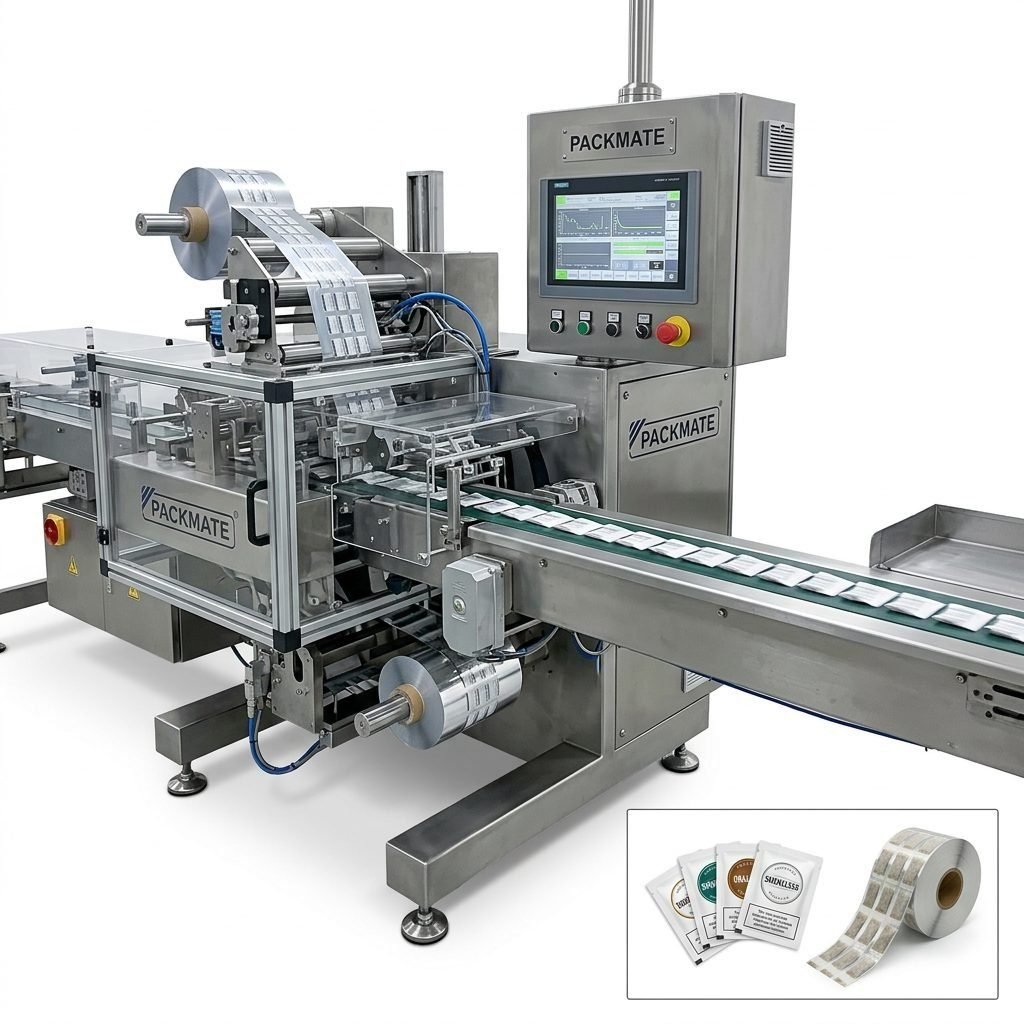
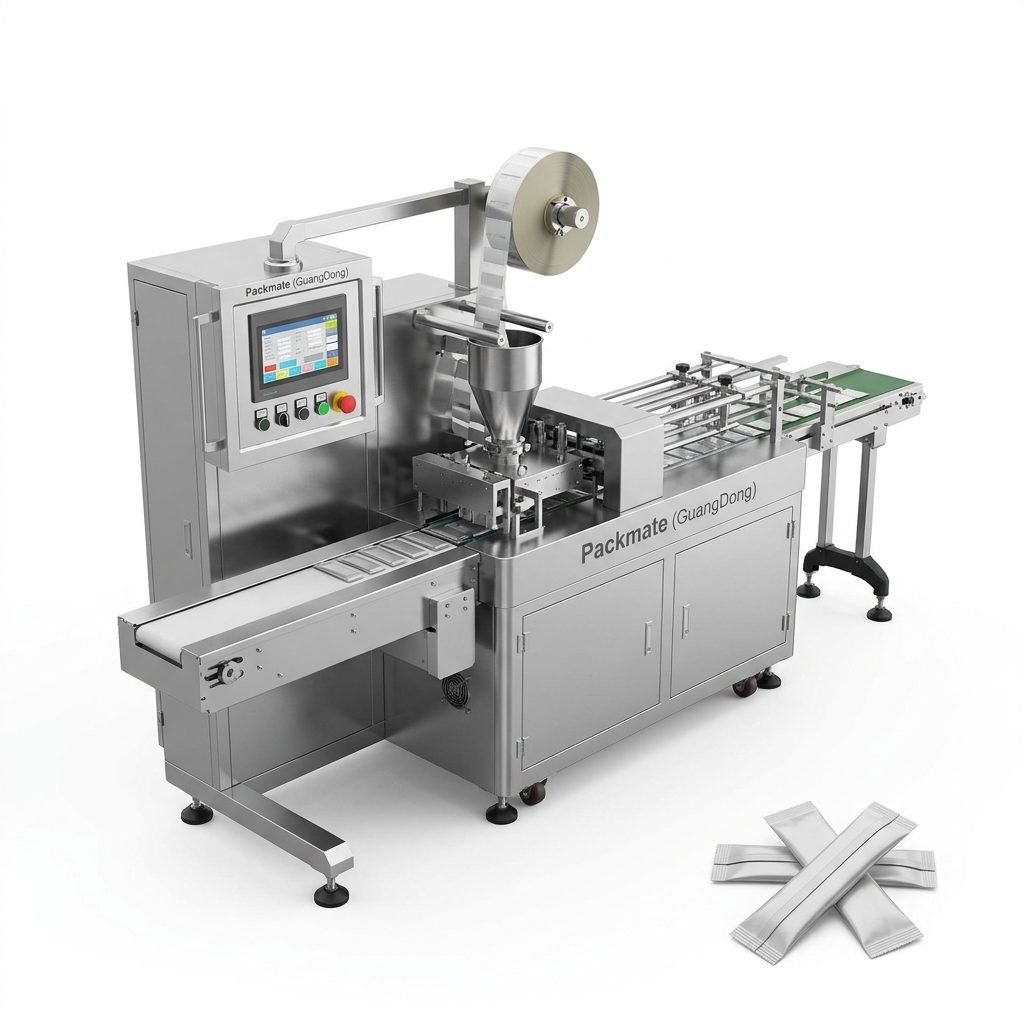
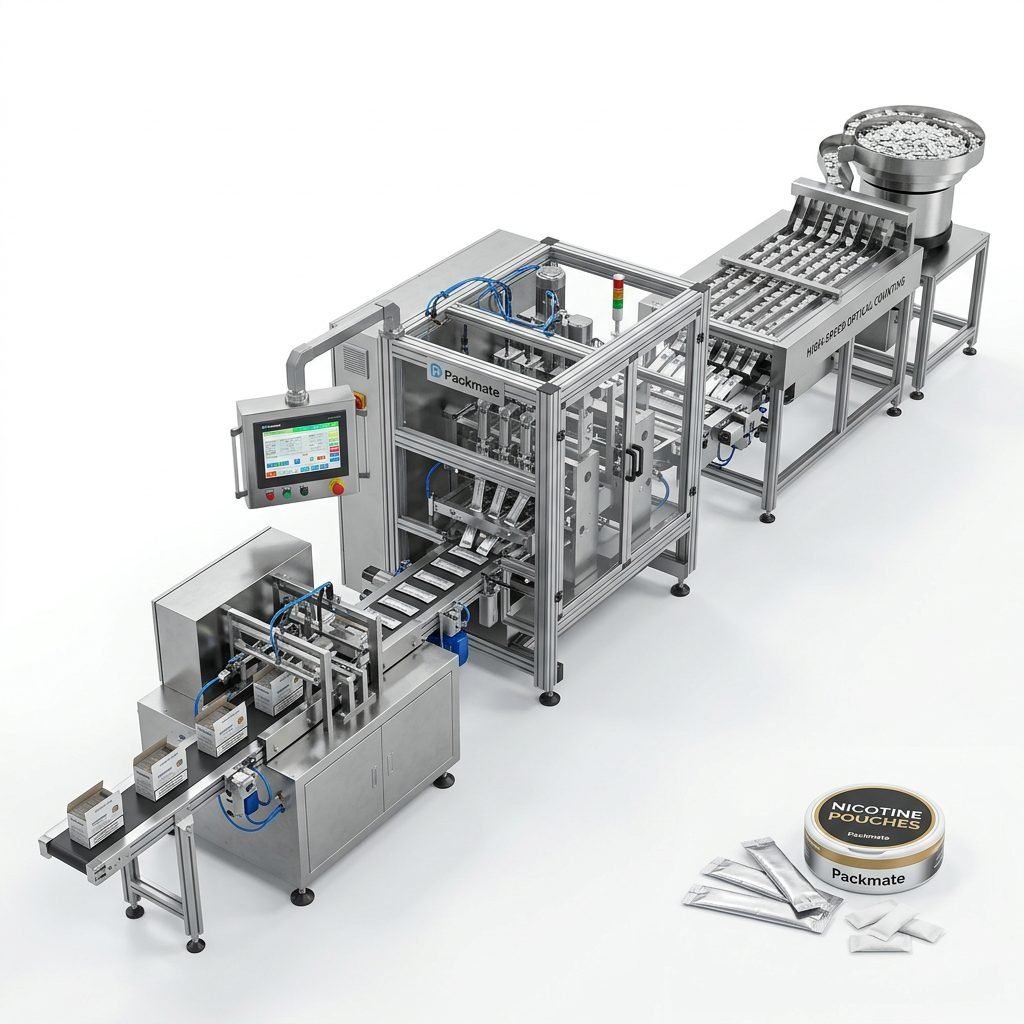
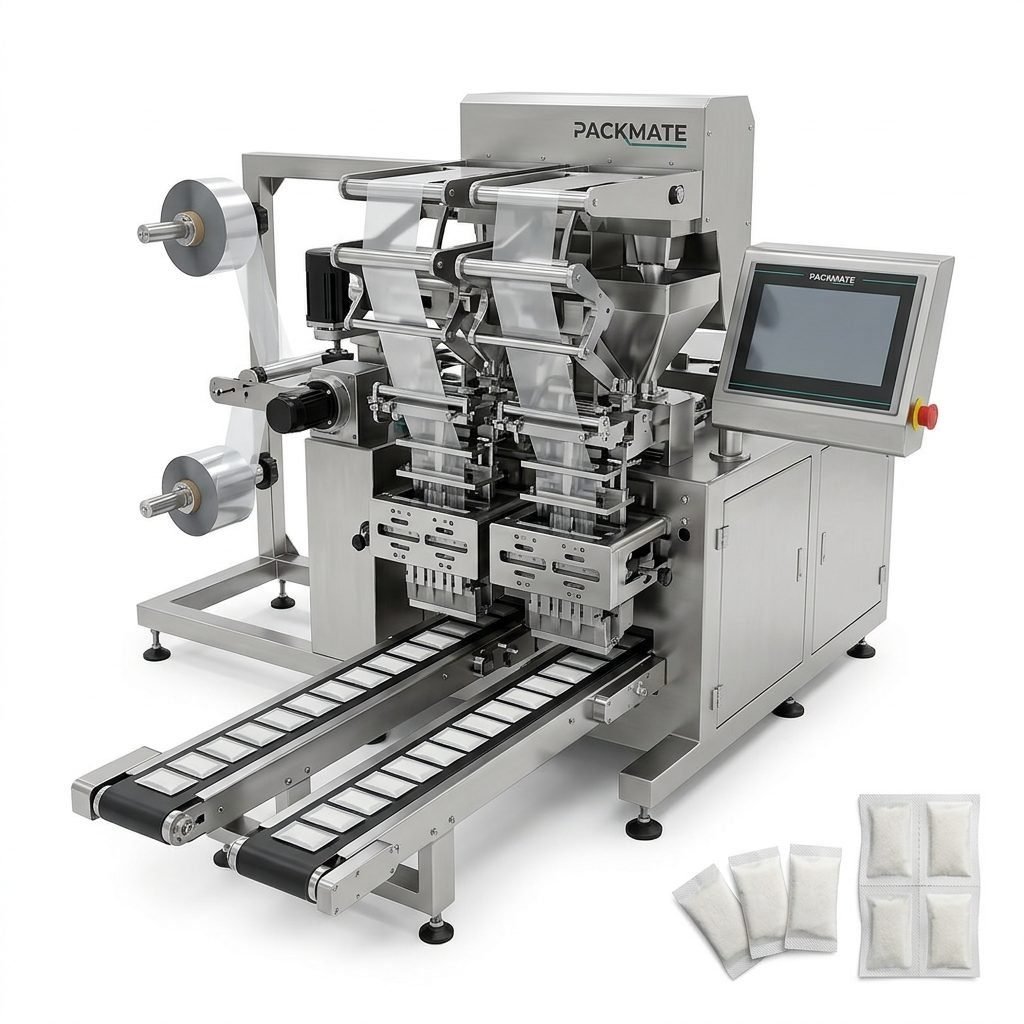
Choosing the right packaging style is the first step. The most common snus packaging machines fall into several categories:
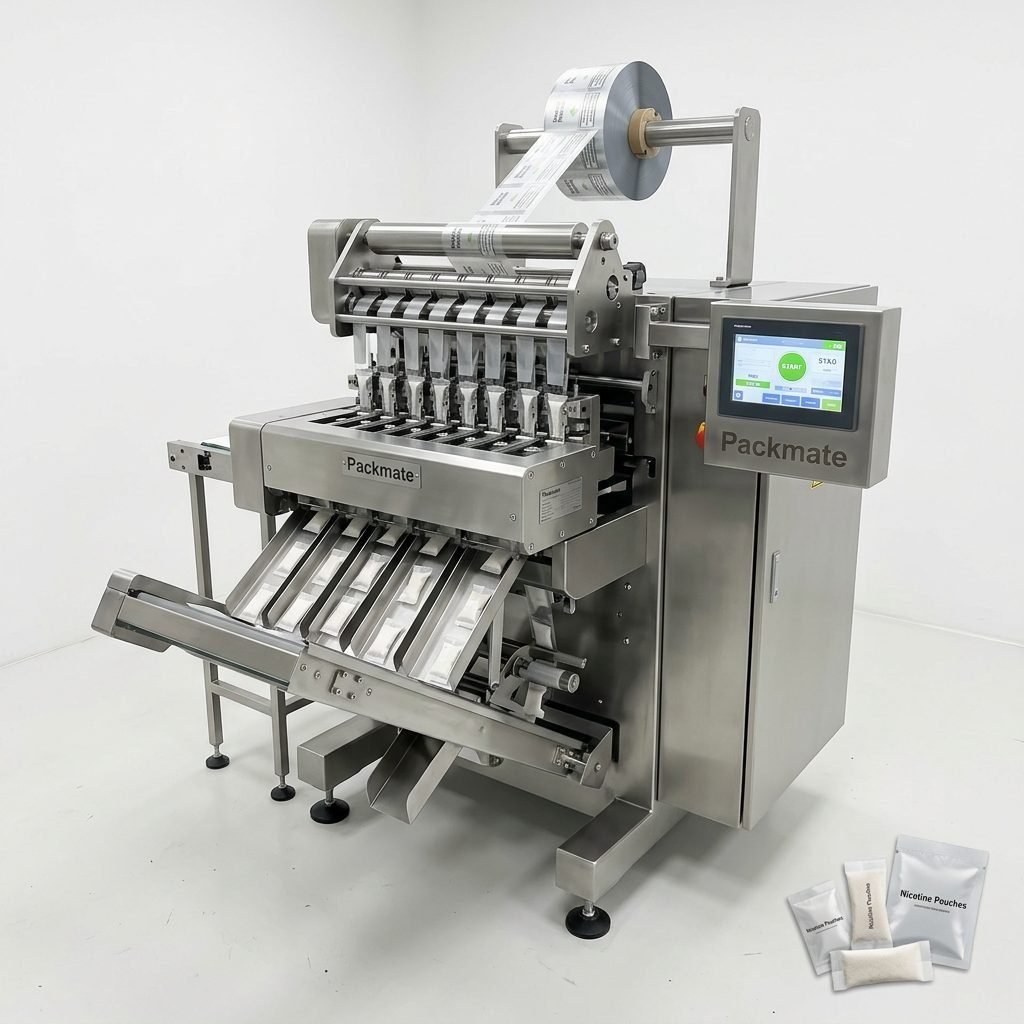
• Stick pack & sachet machines — ideal for single-dose pouches and sachets used for single servings.
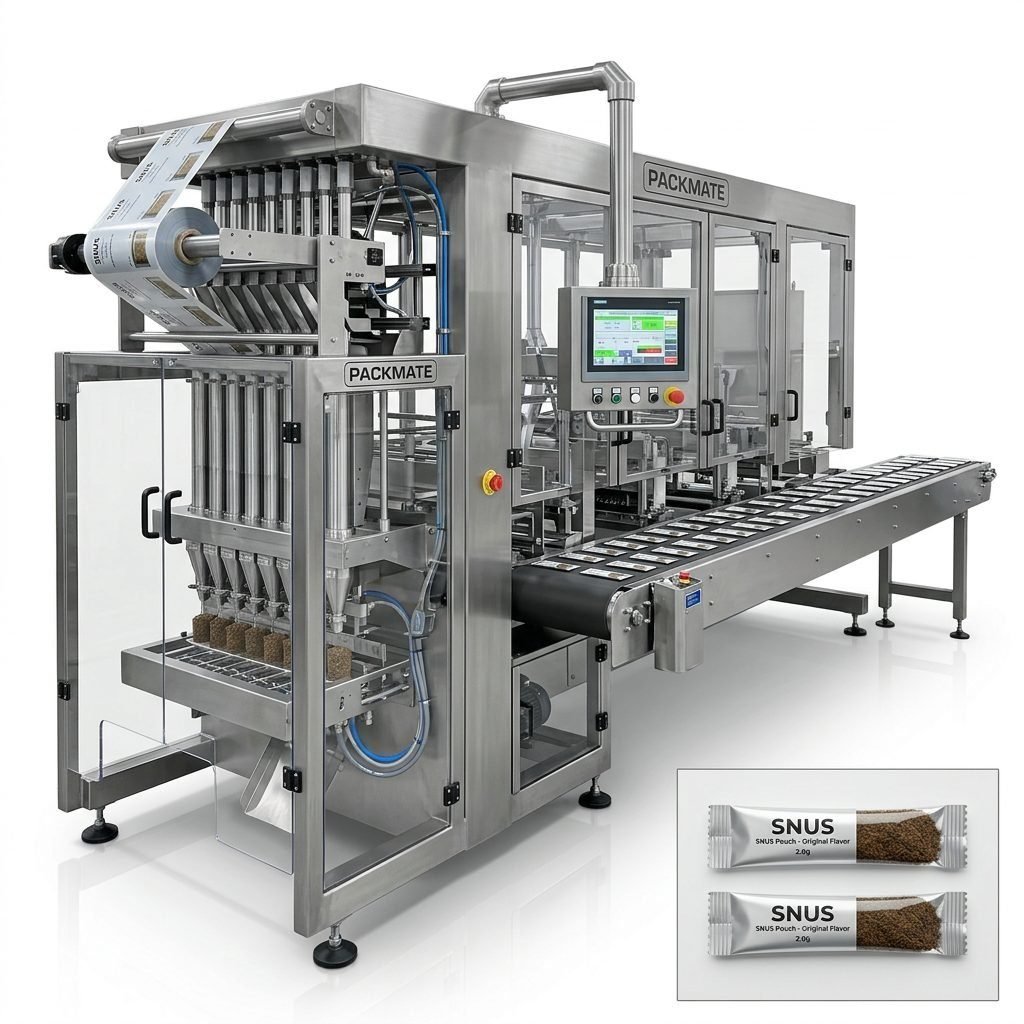
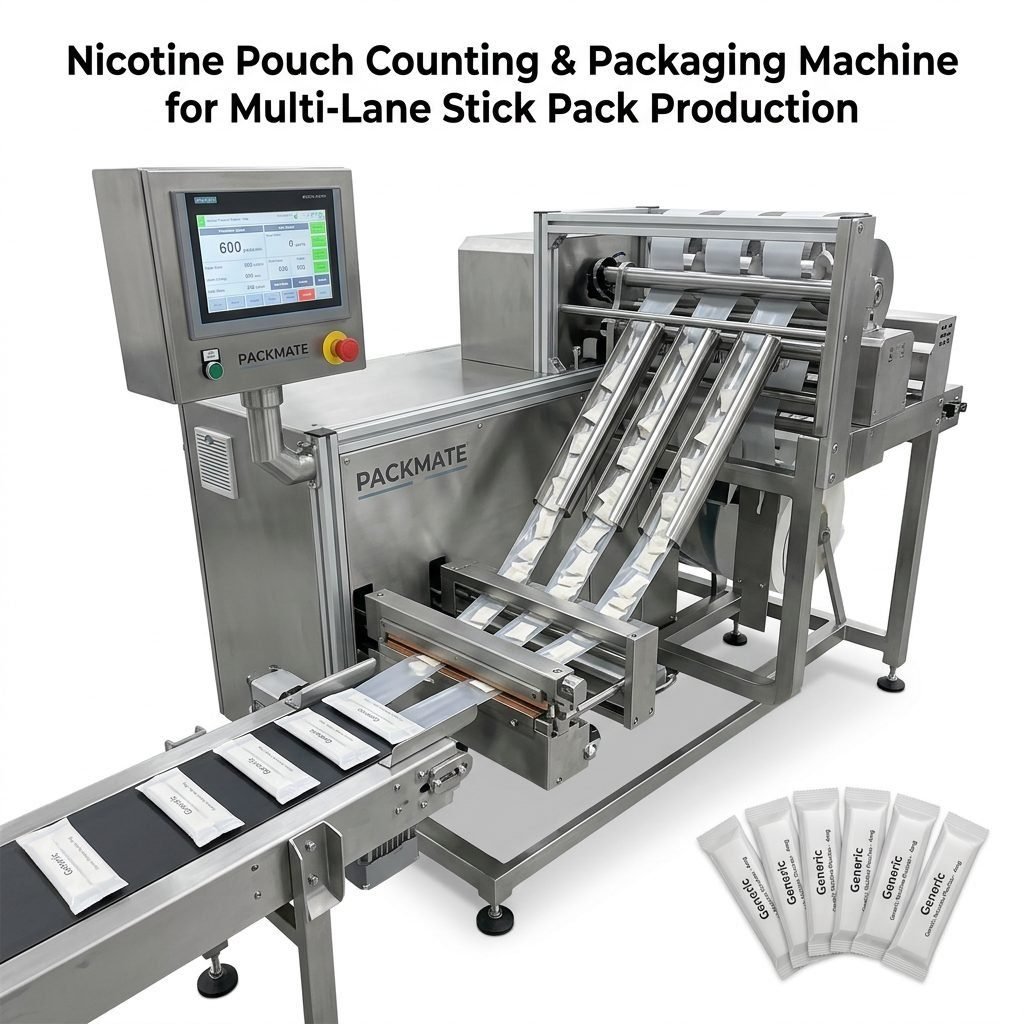
• Multi-lane pouch machines — for high throughput production of nicotine pouches in multiple lanes simultaneously.
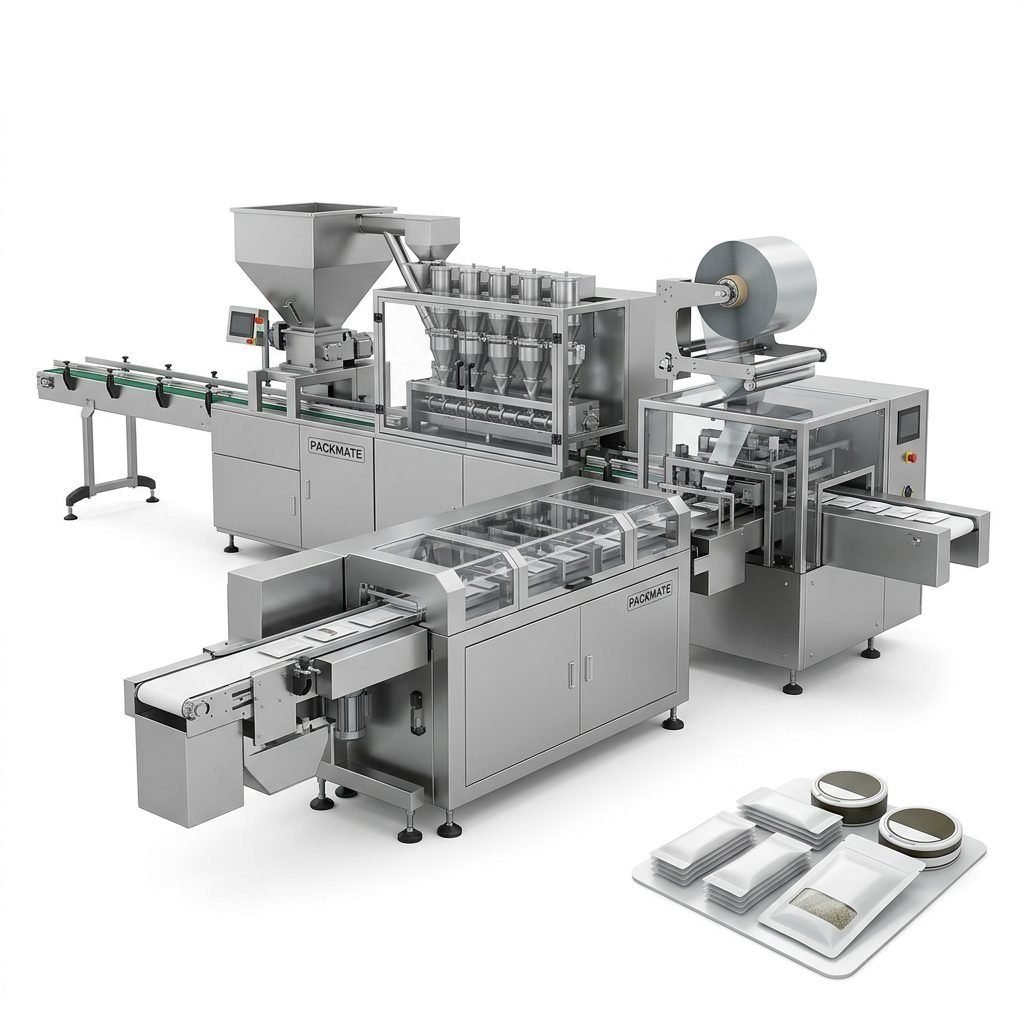
• Box/carton bundling and secondary packing lines — for assembling tins, cartons, and retail-ready packages.
Key tip: If you plan to scale quickly in Georgia’s metropolitan markets, a multi-lane system provides the best balance of throughput and cost per pouch. For niche artisan brands, single-lane sachet or stick pack machines offer flexibility for small batches and frequent flavor changes.
3. Production capacity & speed considerations ⚙️
Define your target output (pouches per minute, per hour, per shift). Typical considerations:
• Pilot / small run: 500–2,000 pouches/day — compact sachet or stick pack machines.
• Medium production: 2,000–20,000 pouches/day — single-lane automated lines.
• High-volume: 20,000+ pouches/day — multi-lane continuous systems with integrated feeders and secondary packing.
4. Filling accuracy, dosing and material compatibility 🔬
Nicotine pouches require tight dosing accuracy for safety and regulatory compliance. Evaluate:
• Dosing system type: volumetric, auger, or weigh-scale filling. For powders and blends, precision auger or weigh systems perform best.
• Repeatability: ask vendors for CV (coefficient of variation) data.
• Material compatibility: assess machine contact materials for corrosion resistance and cleanability, especially if you use acidic or moist blends.
5. Hygiene, cleanability & maintenance 🧰
Pack hygiene is critical. Choose machines with sanitary design: stainless steel frames, quick-release hoppers, and minimal dead zones. In Georgia’s production environment, where seasonal humidity can increase microbial risks, prioritize equipment that supports rapid cleaning and validation.
6. Automation level & integration possibilities 🤖
Decide how automated you want the line to be: semi-automatic for flexible small-batch work, or fully automated for continuous high-throughput production. Look for:
• PLC and HMI control for recipe management and quick changeovers.
• Compatibility with upstream weighers, feeders and downstream case packers.
• Remote diagnostics and IoT-ready modules to reduce downtime — particularly useful if technical support is remote from your Georgian site.
7. Quality & compliance: certifications and testing ✅
Ensure machines comply with international standards and can support local regulatory needs. Look for vendors offering CE and ISO certifications and ask about validation documentation. Packmate machines, for example, are built to international standards and can support compliance across multiple markets. Learn more about product lines like Snus & Nicotine Packaging Machines and Sachet & Stick Pack Machines.
8. Supplier selection: service, training and spare parts ⚠️
Buying the machine is only the start. Favor suppliers who provide:
• Local or regional service partners, spare parts availability and clear lead times.
• Operator and maintenance training — essential for reliable operation and long service life.
• Documentation in English and, where possible, Georgian labeling guidance so your packaging meets local expectations.
Consider reviewing vendor case studies to understand how their lines perform in similar markets: Case.
9. Total cost of ownership (TCO): beyond purchase price 💰
Evaluate TCO, not just the initial machine price. TCO includes spare parts, energy consumption, maintenance labor, and expected uptime. A higher-spec multi-lane machine may cost more upfront but reduce cost per pouch and lower labor costs in high-volume scenarios.
Practical checklist: Confirm voltage and plug type (220V 50Hz), request spare parts list and lead times, confirm local language documentation, verify machine sanitary design, and request production samples or demo videos.
10. Customization & packaging materials in Georgia’s climate 🌦️
Georgia’s climate varies from humid subtropical on the Black Sea coast to more continental inland. Choose packaging materials and sealing technologies suited to humidity and storage conditions. Machines should support barrier films, heat-seal parameters, and optionally nitrogen flushing for longer shelf life.
11. Logistics, import considerations & after-sales in Georgia 🚚
When importing equipment to Georgia, plan for customs clearance, VAT handling, and power adapter needs. Confirm with your supplier whether they offer installation supervision and commissioning on-site. Packmate and similar manufacturers frequently provide global turnkey solutions and remote support; explore options on their About Packmate page.
12. Sustainability & energy efficiency ♻️
Energy-efficient servo systems and optimized pneumatic designs reduce operational costs and environmental impact. If your brand emphasizes sustainability (a growing trend among Georgian youth), choose machines compatible with recyclable films and that minimize waste through accurate dosing and quick changeovers.
13. Demo, validation and pilot runs 🔍
Request machine demos, performance data, and sample runs using your actual product formula. Run pilot batches to validate fill accuracy, packaging hermeticity, and pouch appearance. Many suppliers will provide sample videos or host live demos at exhibitions — consider visiting industry shows; view upcoming events on Our Exhibition.
Selecting the right vendor — a short vendor scorecard
Use a simple scorecard to rank vendors by: machine performance, support network in region, spare parts availability, compliance & documentation, and price/TCO. Vendors with 30+ years of experience and a wide model range can offer better-customized turnkey solutions for the Georgian market.
Vendor highlight: A manufacturer with a 20,000㎡ factory and a broad product catalog can typically offer quicker spare part supply and customization options. Explore product families like Bag & Pouch Packaging Machines and ask for tailored turnkey lines via Contact Us.
Final steps before purchase ✔️
1) Document your product specification and target throughput. 2) Request references and production footage. 3) Validate electrical and installation requirements for Georgia. 4) Negotiate spare part kits and training packages. 5) Plan a commissioning window with supplier support.
Useful resources
For product catalogs and technical sheets, check manufacturer documentation and ask for relevant certificates (CE, ISO). Further reading: Catalog, Certificate, and Service.
Summary — how to choose in one page
In Georgia, choose a snus packaging machine that matches your product format, capacity needs, and hygiene standards; confirm local electrical compatibility (220V 50Hz); prioritize dosing accuracy and sanitary design; verify vendor experience, spare parts and after-sales support; and validate through pilot runs. Factoring in these elements will minimize downtime, reduce cost per pouch, and help your product succeed with Georgian consumers.
Common Questions (FAQs)
Q1: What voltage do machines for Georgia use?
A1: Georgia uses 220V 50Hz mains power and Type C/F plugs. Confirm the supplier configures the machine accordingly or provides suitable transformers and power cables.
Q2: How important is dosing accuracy for nicotine pouches?
A2: Extremely important — precise dosing ensures regulatory compliance and consumer safety. Ask for CV data, sample runs, and calibration procedures.
Q3: What spare parts should I stock locally in Georgia?
A3: Keep critical wear parts and consumables on hand: sealing jaws, auger screws, sensors, belts, and spare PLC modules. Your supplier can recommend a starter kit based on model and throughput.
Q4: Do I need special labeling for the Georgian market?
A4: Labels should be clear and, where required, use Georgian language for consumer information. Confirm local regulatory requirements for nicotine products and adapt artwork accordingly.
Q5: Where can I find reputable machines for snus packaging?
A5: Look for manufacturers with decades of experience, comprehensive catalogs, and global turnkey solutions. Explore product lines including Weighing & Packaging Systems and Filling & Packaging Lines.