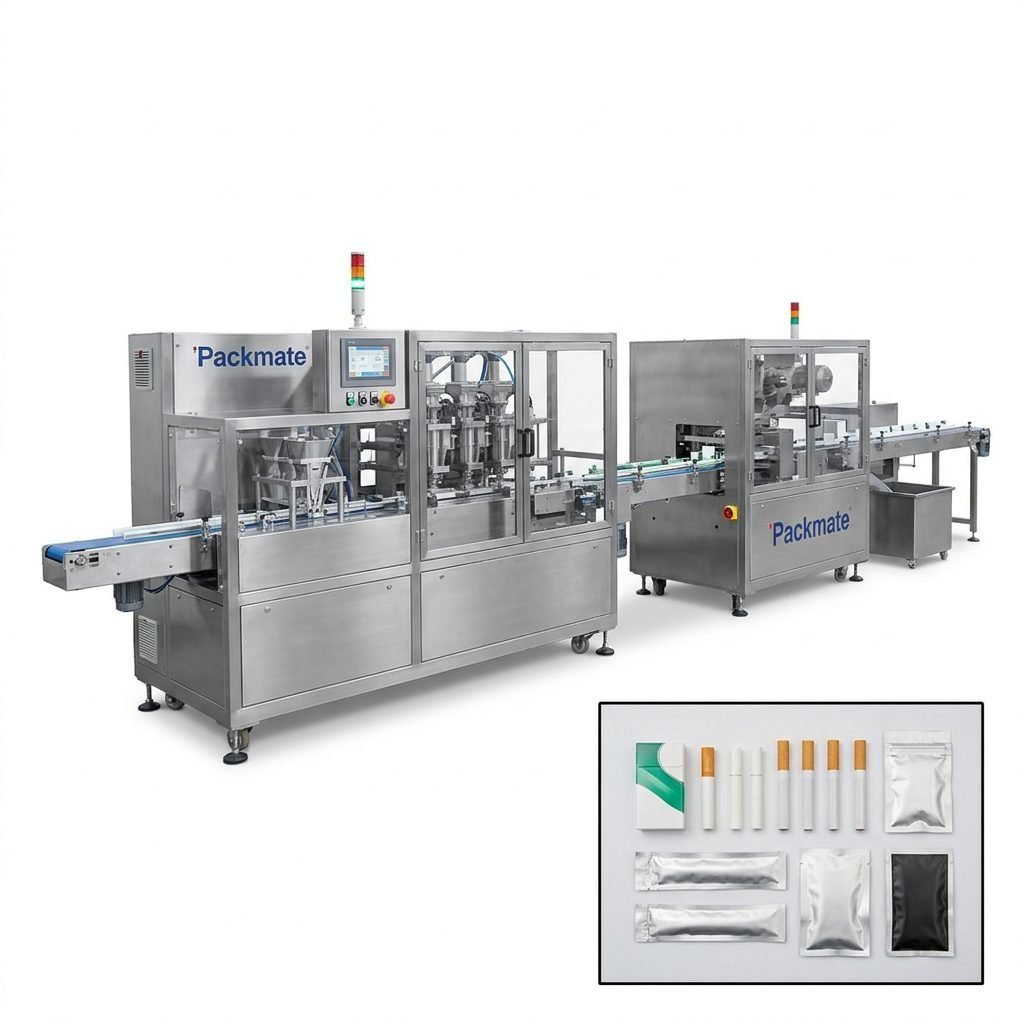
Choosing the right snus packaging machinery supplier for your factory in Kuwait is a strategic decision that affects production efficiency, regulatory compliance, and long-term profitability. This guide walks you through practical steps to evaluate suppliers, compare technology and service, and align solutions with local market needs and cultural considerations in Kuwait. Whether you manufacture nicotine pouches, snus, or related products, these criteria will help you select a dependable partner that delivers performance, safety, and value.
Understand Kuwait’s Market & Cultural Context
For suppliers targeting Kuwait, it’s essential to consider local consumption patterns, import regulations, and workplace norms. Kuwait’s market includes a mix of expatriate and local consumers; product presentation, labeling in English and Arabic, and discreet packaging options can influence market acceptance. Additionally, compliance with customs and health regulations, plus sensitivity to local cultural attitudes toward nicotine products, will shape packaging choices and labeling requirements.
Key local points to keep in mind
- Ensure labelling supports bilingual information (English and Arabic).
- Consider compact, discreet formats preferred by on-the-go consumers.
- Evaluate import documentation and CE/ISO certifications for smoother customs clearance.
Step 1 — Define Your Production Needs
Before contacting suppliers, clearly define your target output, product formats, and material types. Common considerations for snus packaging lines include pouch format (stick, sachet, multi-lane), dosing precision, speed (pouches per minute), and secondary packaging requirements.
Quick checklist: target capacity, pouch size range, multi-lane needs, integration with weighing or filling systems, and cleanability for hygienic production.
Step 2 — Match Machine Types to Your Product Line
Different machine families excel at different tasks. For nicotine pouches and snus, consider:
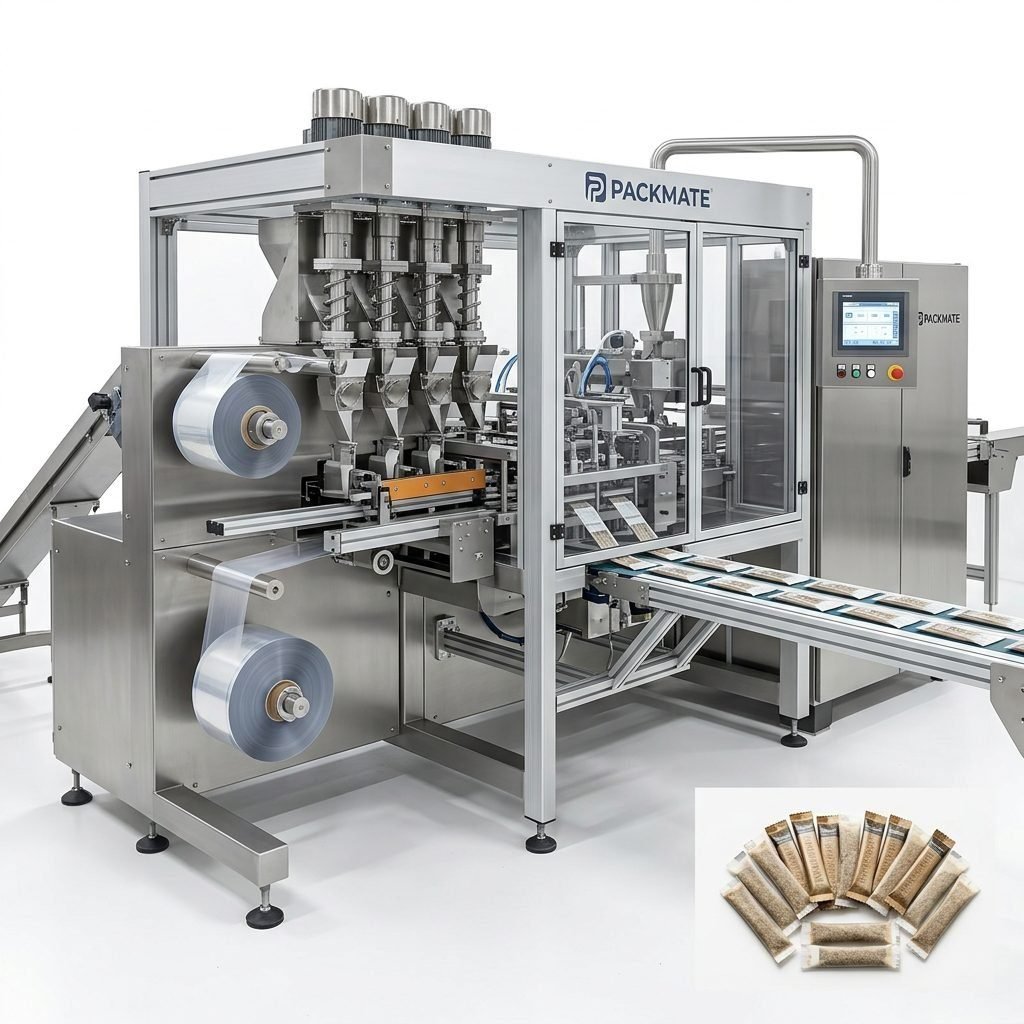
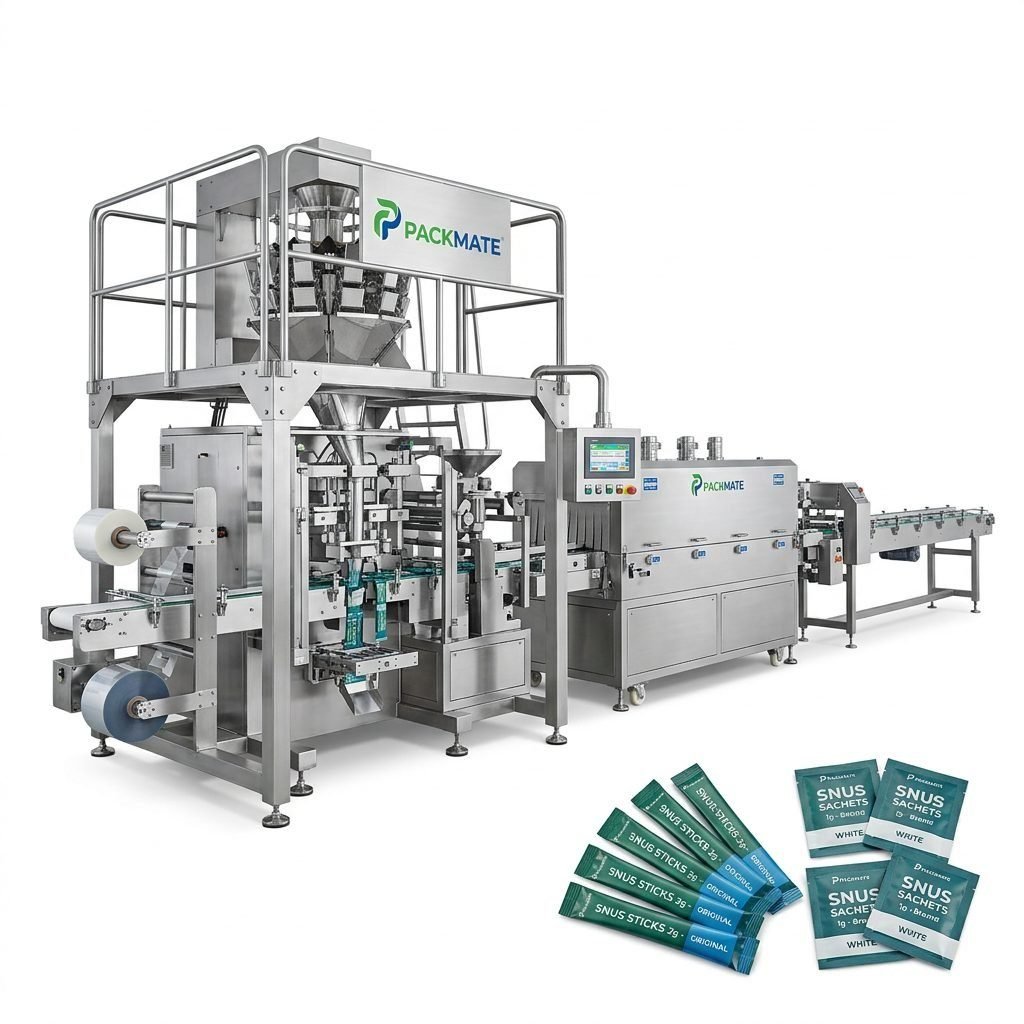
- Stick pack machines for single-dose portability and minimal packaging waste.
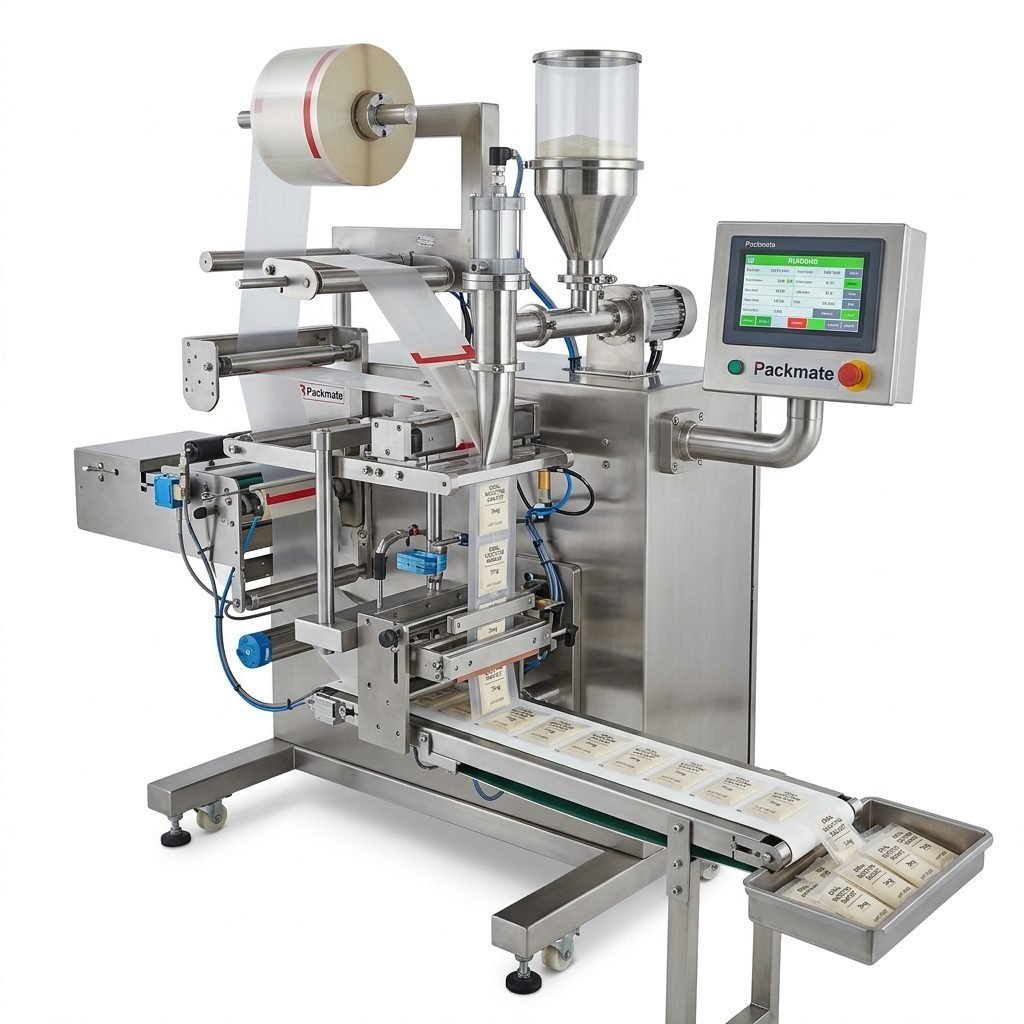
- Sachet & stick pack machines for flexible formats and fast changeovers — check options at Sachet & Stick Pack Machines.
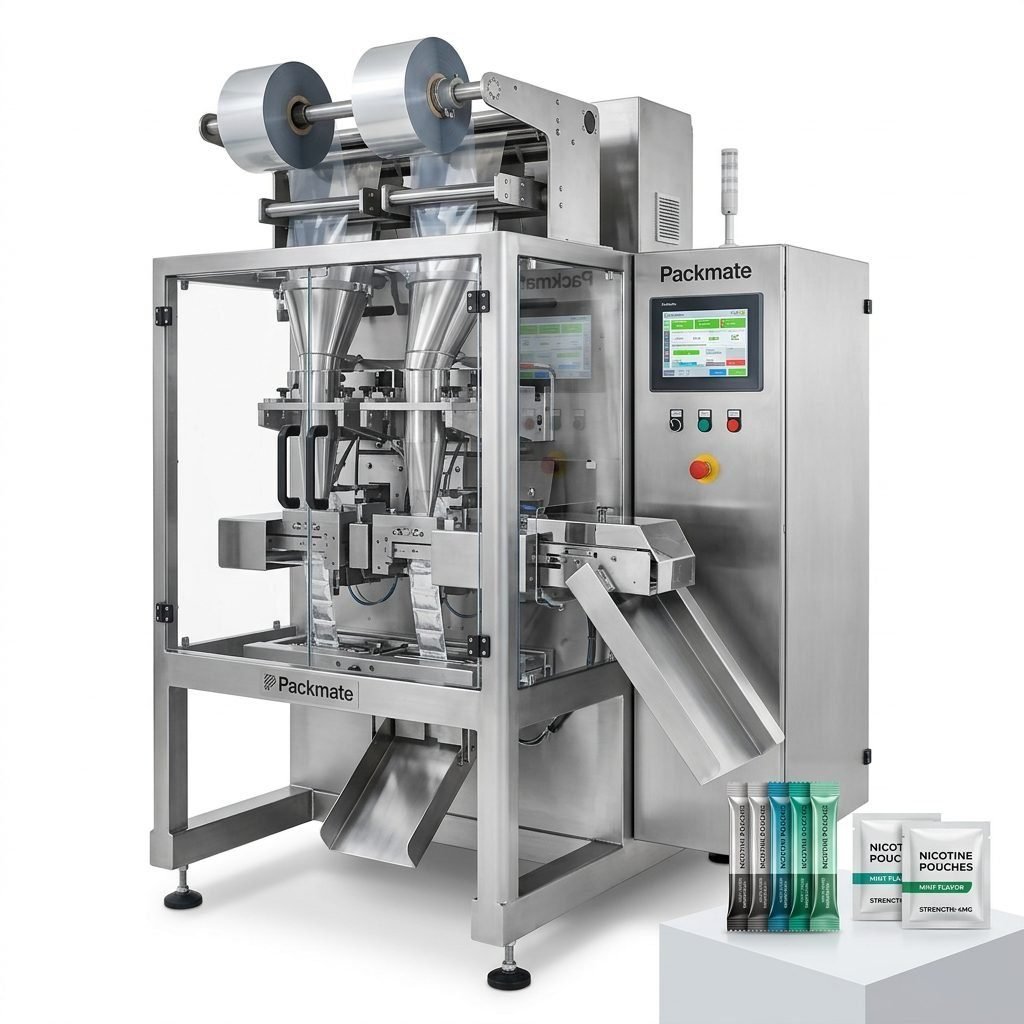
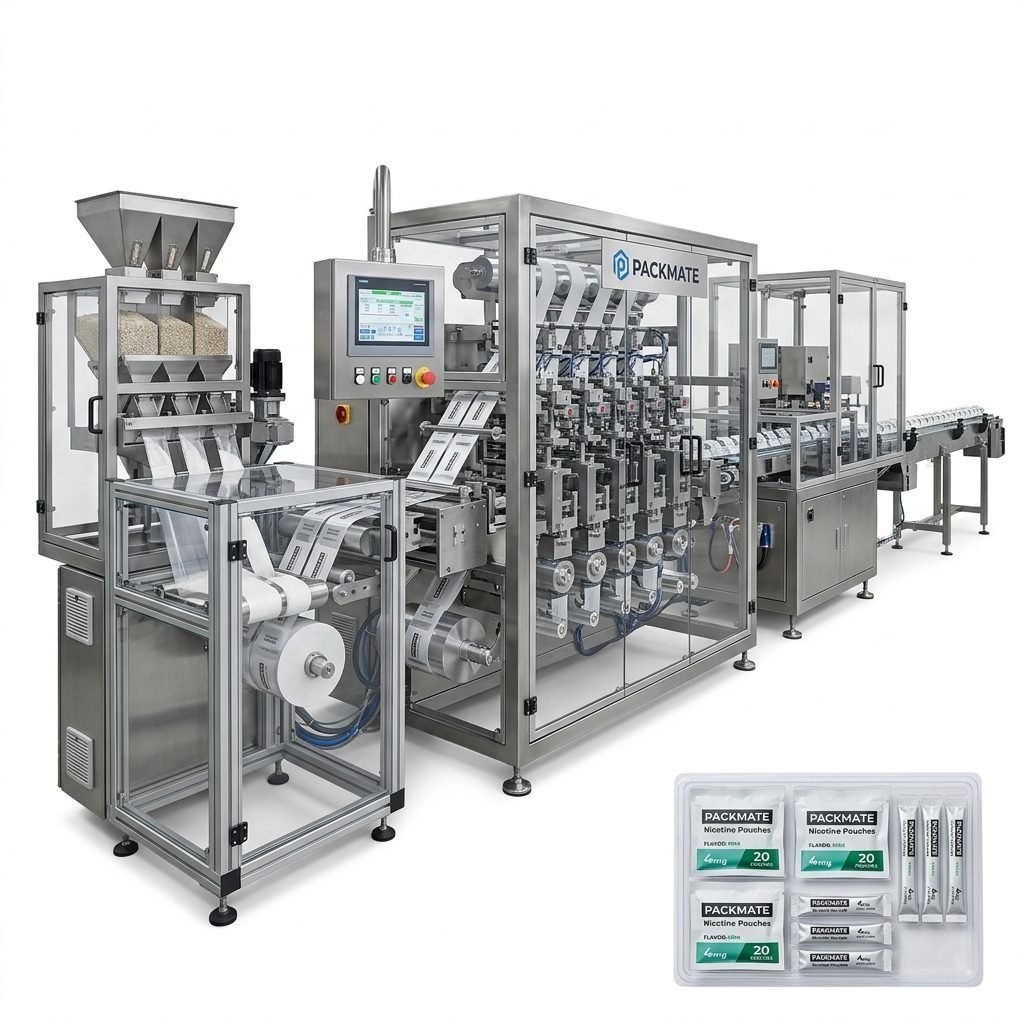
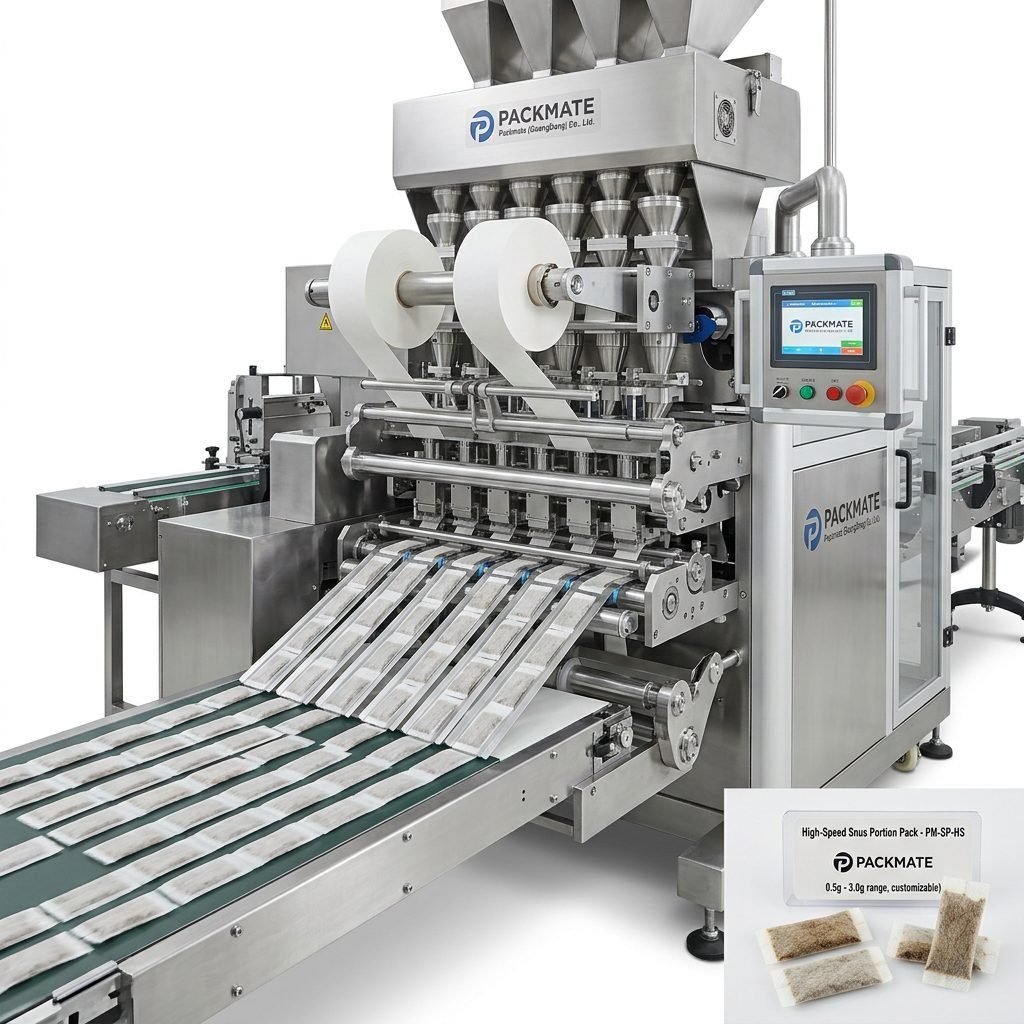
- Multi-lane systems for small-dose, high-throughput nicotine pouch production.
Step 3 — Evaluate Supplier Experience & Manufacturing Strength
Proven experience in snus and nicotine pouch equipment is critical. Look for suppliers with dedicated expertise, modern manufacturing facilities, and robust quality control processes. For example, Packmate Snus Machine emphasizes decades of engineering and a large factory footprint, which is an advantage when seeking reliable turnkey solutions.
🔶 Factory capability: ask about CNC machining centers, assembly lines, and whether the supplier owns key production processes rather than outsourcing critical components.
Step 4 — Inspect Certifications & Compliance
International standards and safety certifications (CE, ISO) are essential for importation and regulatory acceptance in Kuwait. Confirm the supplier can provide documentation for machine safety, electrical standards, and any specific hygiene requirements for food-contact surfaces.
For a deeper look at supplier credentials, view the manufacturer’s certificate information at Certificate.
Step 5 — Assess Technical Specifications & Customization
Technical fit means more than headline speed numbers. Evaluate dosing accuracy, material handling, film sealing quality, PLC & HMI systems, and the supplier’s ability to adapt machines for local materials, pouch sizes, and packaging films used in Kuwait.
Important technical questions
- Can the machine run the specific film or pouch stock you plan to use?
- What is the guaranteed dosing variance at target speed?
- Is the PLC interface available in English and can it support operator training locally?
Step 6 — After-Sales Support, Spare Parts & Local Service
After-sales capability can make or break production uptime. Verify lead times for spare parts, whether the supplier maintains a spare parts inventory, and the availability of remote troubleshooting and on-site engineers. In Kuwait, having timely service or fast-shipping parts is especially important given shipping windows and customs.
✅ Ask for: local service partners or recommended service channels, spare parts lists with part numbers, and training plans for your operators and maintenance team.
Step 7 — Factory Acceptance, Testing & Case Studies
Request factory acceptance tests (FAT) and live demonstrations of similar machines running your type of product. Case studies and references from other customers — especially those in nearby regions or similar market environments — are invaluable. See some real examples and project references at the supplier’s case page: Case.
Step 8 — Total Cost of Ownership (TCO) & ROI
Go beyond purchase price. Calculate installation costs, training, spare parts consumption, energy use, expected uptime, and depreciation. A slightly higher initial investment in a robust machine often yields lower TCO due to reduced downtime and maintenance needs.
Step 9 — Warranty, Training & Documentation
Confirm warranty length and coverage, availability of operator manuals in English (and Arabic if needed), and on-site training options. Comprehensive documentation and training reduce operational mistakes and accelerate ramp-up.
Step 10 — Logistics, Lead Times & Installation in Kuwait
Understand lead times for manufacturing and shipping, customs handling, and onsite installation timelines. Coordinate with the supplier for crating standards, fiberboard documentation for customs, and the presence of a qualified technician during installation to expedite commissioning.
Local deployment tips
- Plan installation during off-peak seasons to secure technicians faster.
- Ensure electrical and compressed air specifications match local utility standards before delivery.
- Arrange translations of critical manuals if operators prefer Arabic documentation.
Why Choose a Specialized Snus Packaging Manufacturer?
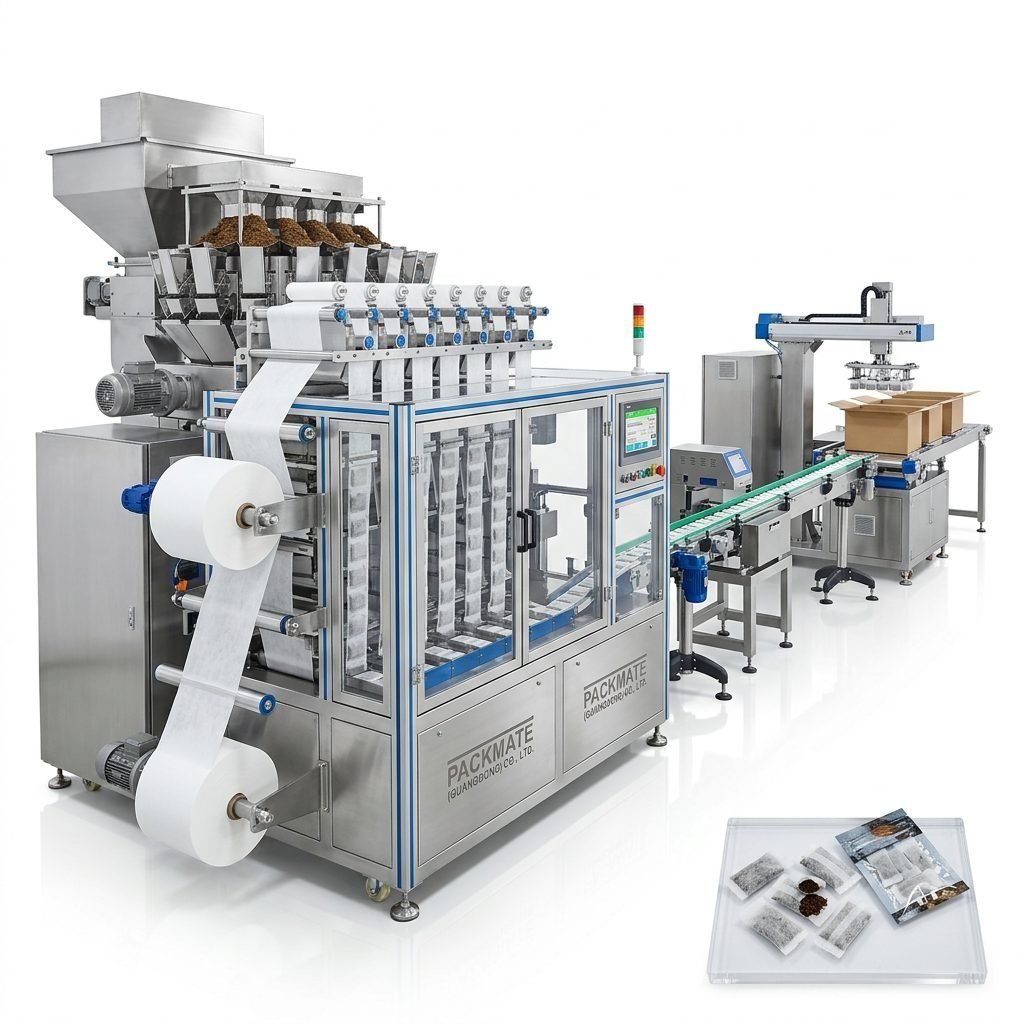
Choosing a supplier focused on snus and nicotine pouch lines brings deep product-specific knowledge: precise dosing for small pouches, multi-lane synchronization, hygiene-aware design, and tailored packaging styles. For a closer look at specialist product families, explore Snus & Nicotine Packaging Machines and integrated lines including weighing and filling at Weighing & Packaging Systems.
⚠️ Red flag: suppliers without demonstrable snus-specific references or who cannot run a FAT with your product type may lack critical know-how.
Selecting the Right Commercial Terms
Negotiate clear terms on delivery milestones, payment schedule, acceptance criteria, penalties for missed deadlines, and after-sales response times. Ask about spare parts pricing, recommended stock levels, and extended support contracts.
Practical Evaluation Matrix
When scoring suppliers, include these weighted criteria: technical fit (30%), reliability & quality (25%), after-sales support (20%), cost & TCO (15%), and local deployment readiness (10%). Use this matrix to make objective comparisons and shortlist the best candidates.
How Packmate Can Support Your Kuwait Factory
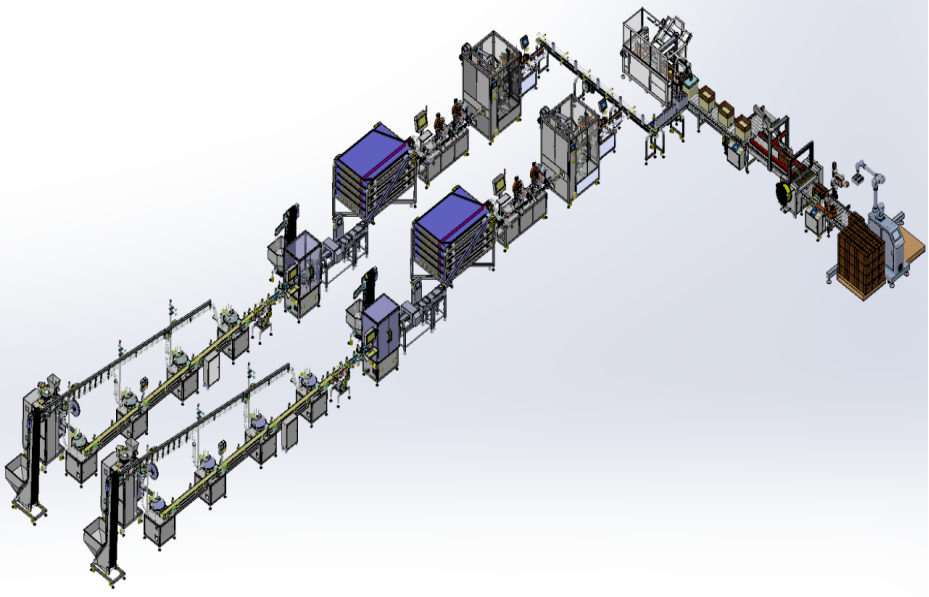
With over 30 years of engineering, a 20,000㎡ facility, and a portfolio of snus-focused machines, Packmate provides turnkey packaging lines, customization, and global service. Discover company capabilities and mission details at About Packmate and reach out for consultation through Contact Us.
Decision checklist before signing
- Validated FAT or live demo with your product.
- Documented spare parts list and lead times.
- Clear warranty, training, and installation plan.
- References from similar projects or regional clients.
Final considerations for Kuwait-based factories
Maintain close communication with customs agents and legal advisors to ensure compliance with local regulations. Factor in cultural considerations when designing consumer-facing packaging, and plan staff training that respects local labor norms. With appropriate planning, the right supplier will help you achieve dependable production, regulatory smoothness, and strong market entry.
Common Questions
Q1: How long does it typically take to install a snus packaging line in Kuwait?
A1: Installation and commissioning timelines vary with line complexity. Simple stand-alone machines may be commissioned within 2–4 weeks after delivery; turnkey multi-machine lines typically require 6–12 weeks including FAT, shipping, and onsite commissioning.
Q2: What certifications should I require from a supplier?
A2: Require CE and ISO certifications for quality and safety. Also request electrical compliance documents and hygiene/material contact certificates if applicable. Vendors should supply full documentation for customs clearance.
Q3: Can suppliers provide bilingual manuals and local language training?
A3: Many established suppliers can provide manuals in English and translate key sections into Arabic or provide on-site interpreters. Clarify this requirement early in negotiations.
Q4: What after-sales support should I prioritize?
A4: Prioritize rapid spare parts delivery, remote support capability, and access to trained engineers for preventive maintenance. A stocked spare parts list with recommended levels will minimize downtime.
Q5: How can I verify a supplier’s real-world performance?
A5: Request reference customers in similar markets, view recorded machine runs, and insist on a FAT using your product or a close substitute to validate performance metrics.