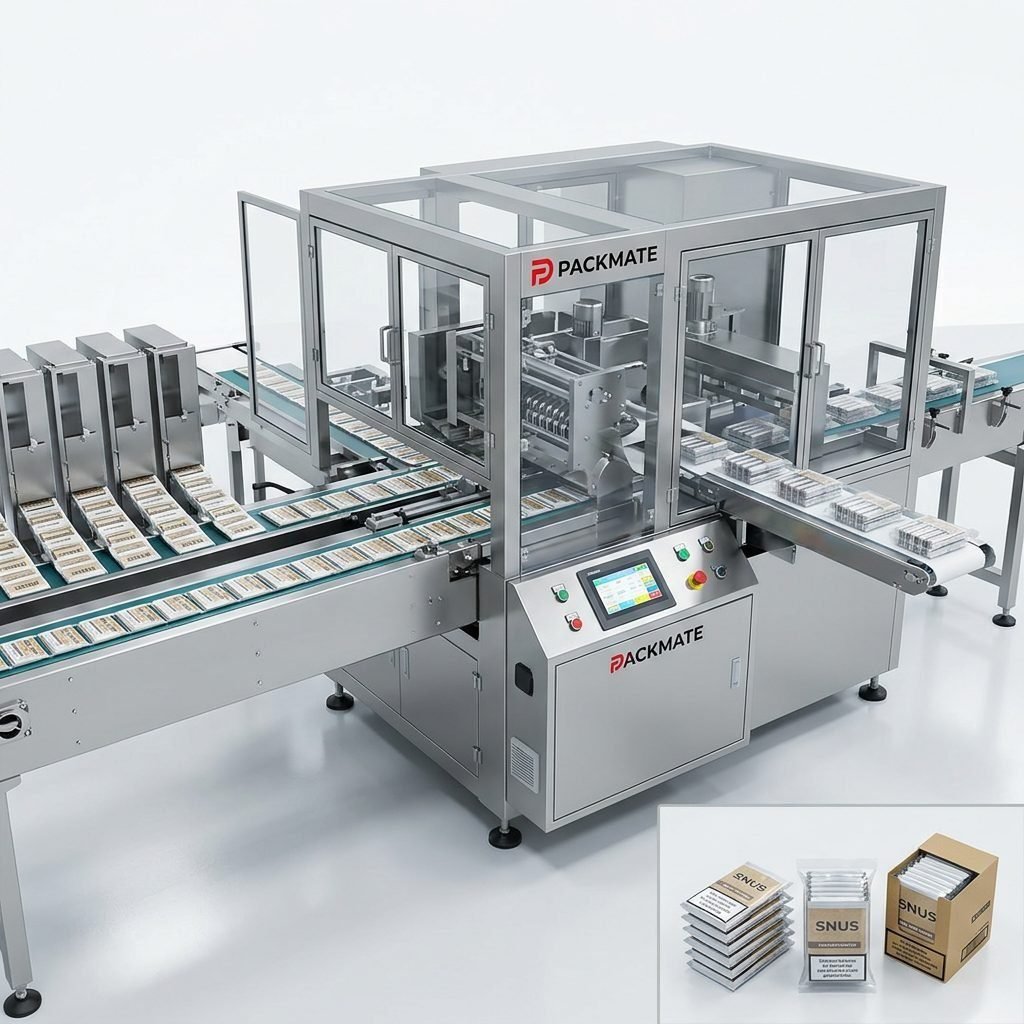
Choosing the right nicotine packaging machine for the Indian market requires a practical mix of technical understanding, knowledge of local consumer habits, regulatory awareness, and realistic cost planning. This guide walks you through the most important factors—from machine types and throughput to compliance, local service, and return on investment—so you can select a machine that fits your production goals and the unique demands of India’s tobacco and nicotine product landscape.
Understand the Product: Nicotine Pouches, Snus & Local Preferences
The first step is to be crystal clear about the product you will pack. In India, oral habits and consumer preferences differ from Western markets. Traditional products such as gutka, pan masala, and khaini have influenced local demand for small-dose oral pouches. Many manufacturers moving into nicotine pouches and snus-like products need machines that can handle:
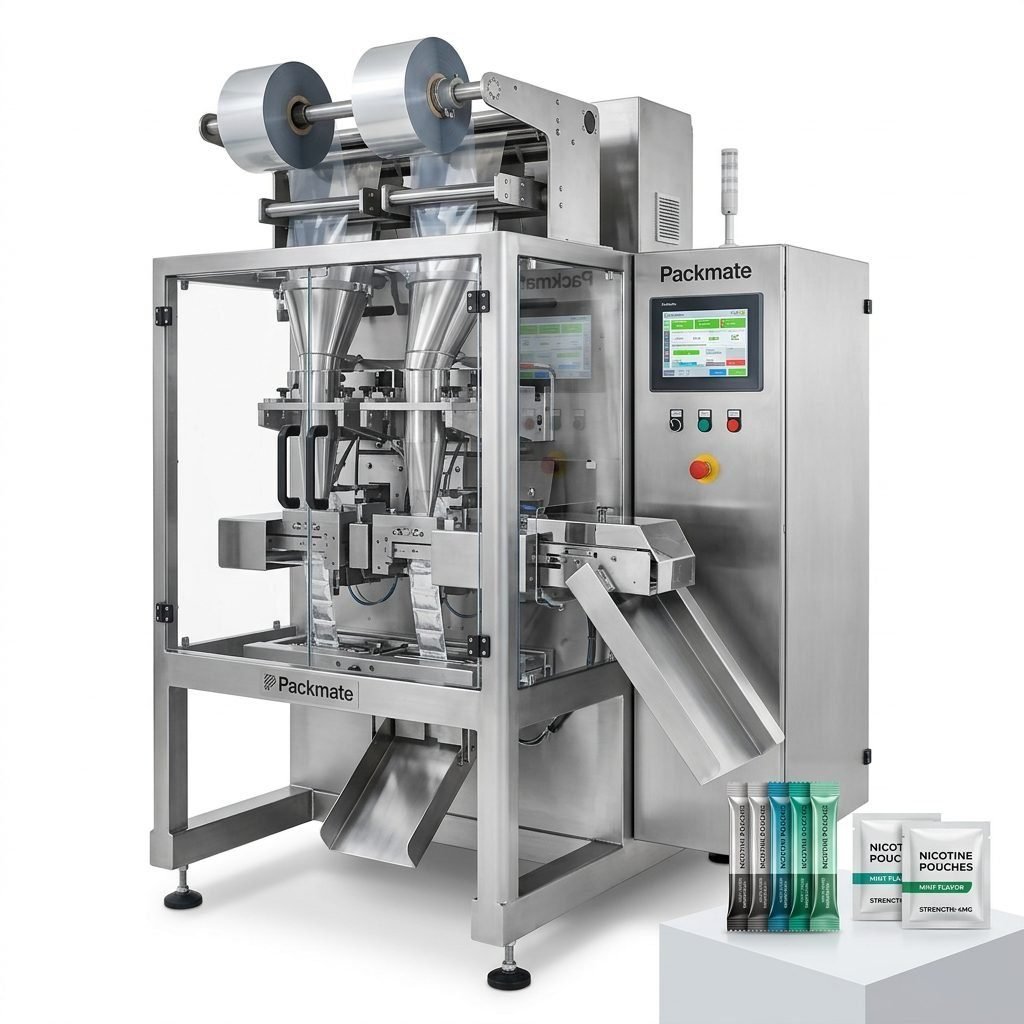
Small single-dose pouches, variable fill weights (0.3g–1.5g), and packaging formats that appeal to the Indian consumer—compact sachets, stick packs, and multi-pouch trays.
Why Indian habits matter
Indian consumers often prefer affordable pack sizes, discreet single-use sachets, and packaging that is robust against local humidity and heat. Machines must support smaller batch sizes, frequent changeovers, and packaging materials that withstand monsoon season.
Core Machine Types and Which One Suits You
There are several machine families to consider depending on the product format:
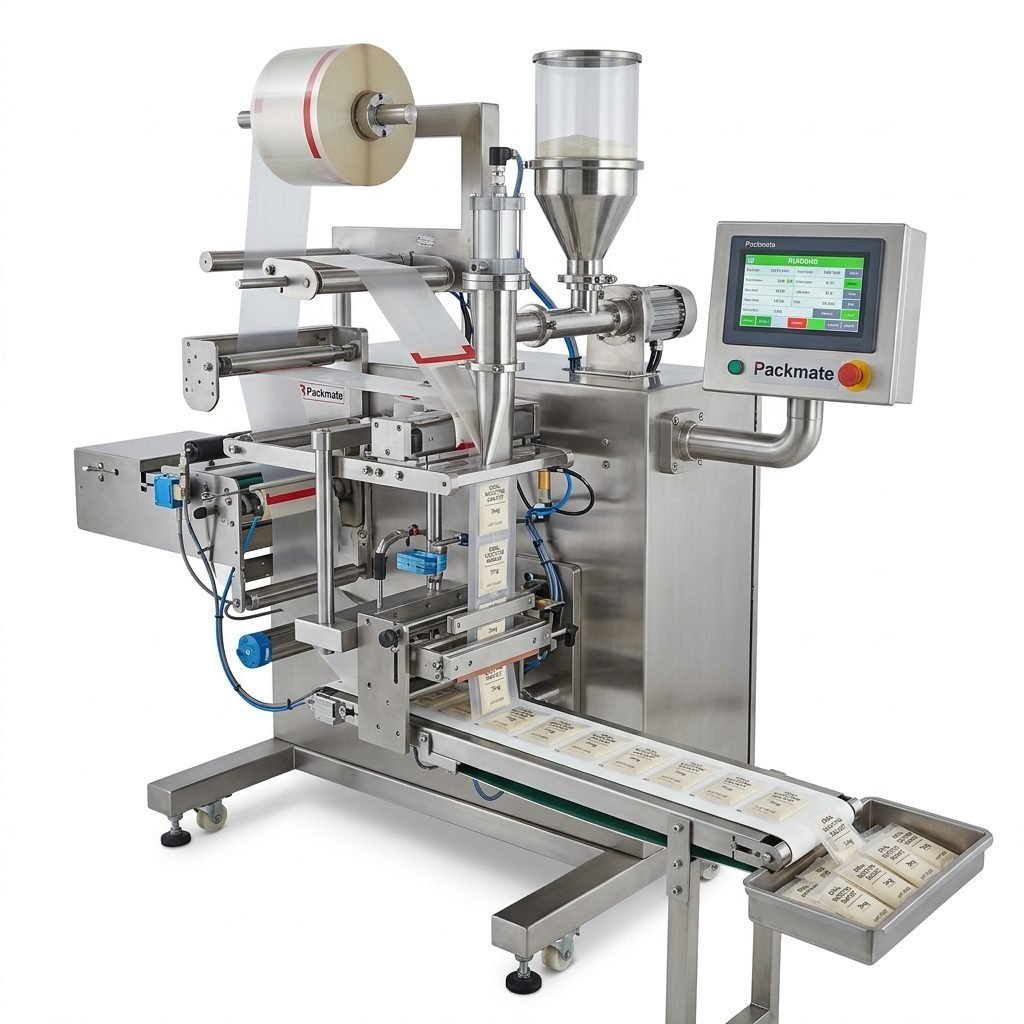
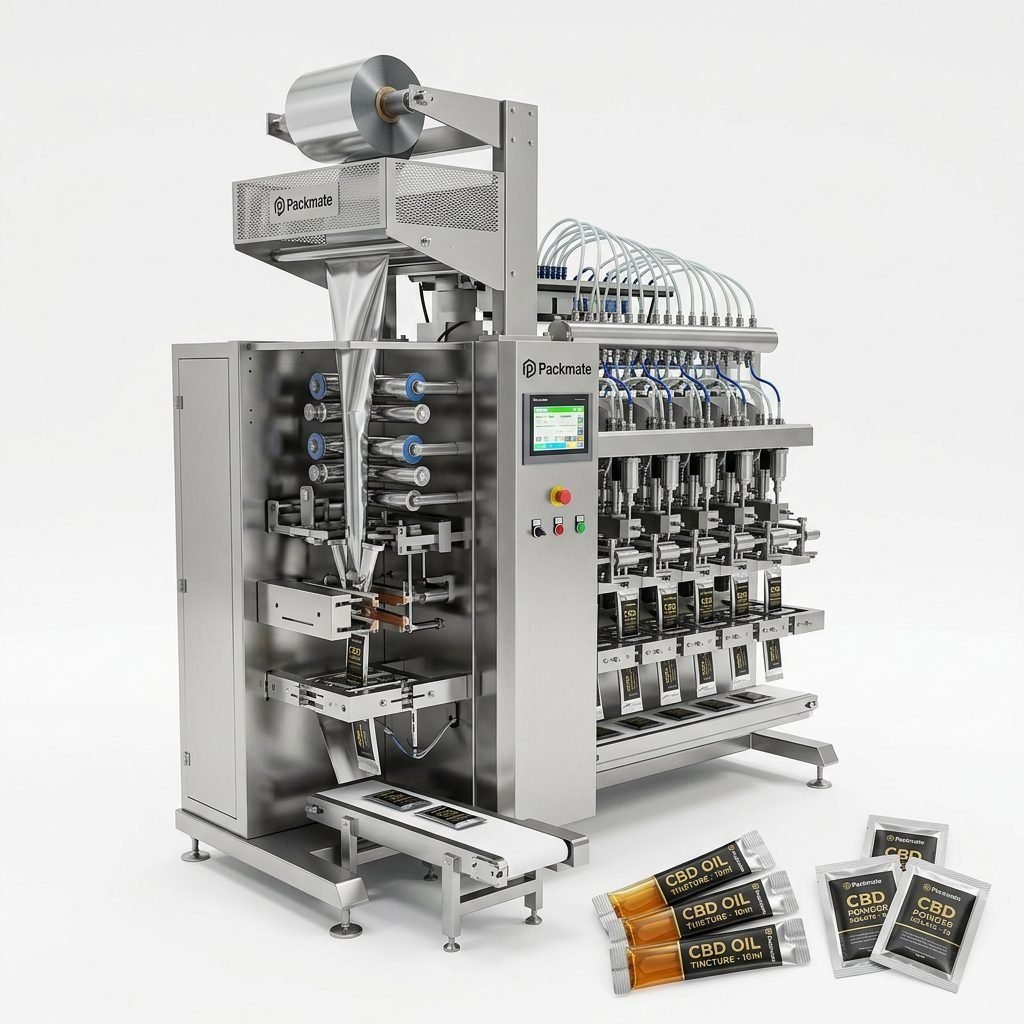
Stick Pack Machines
Ideal for single-dose elongated sachets. They are cost-effective for mid-speed production and commonly used for nicotine pouches in smallest formats. See real solutions in the Sachet & Stick Pack Machines catalog.
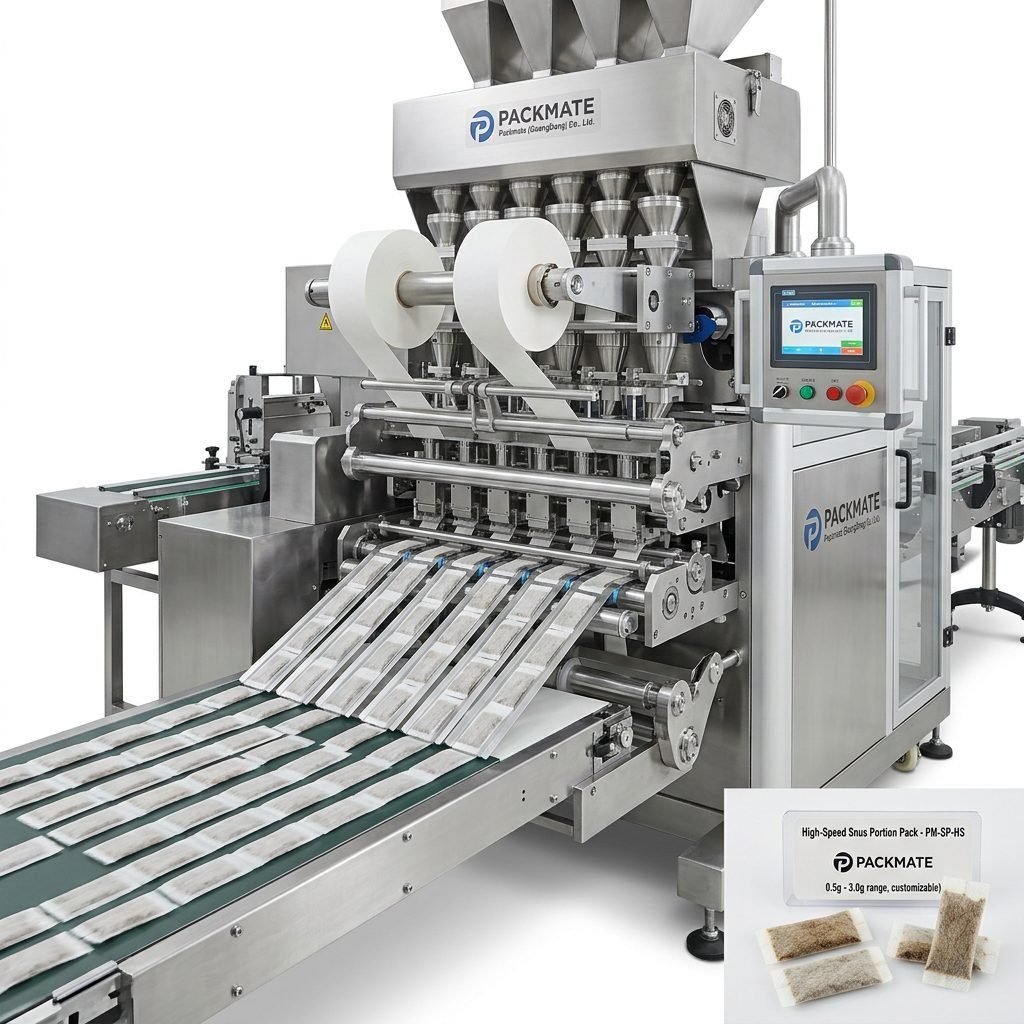
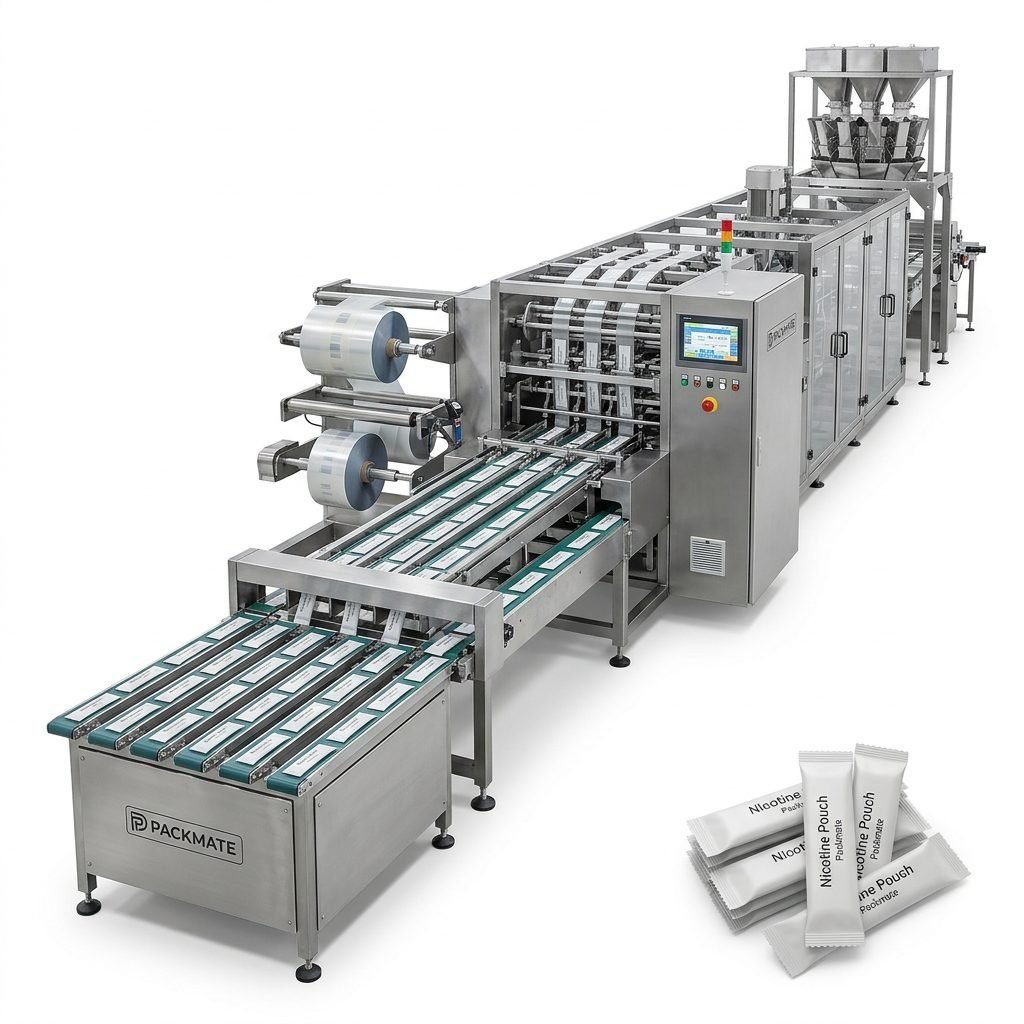
Sachet & Multi-lane Snus Machines
For higher throughput and multiple lanes of small pouches running simultaneously. Best for scaling production while maintaining consistent fill weight and sealing quality.
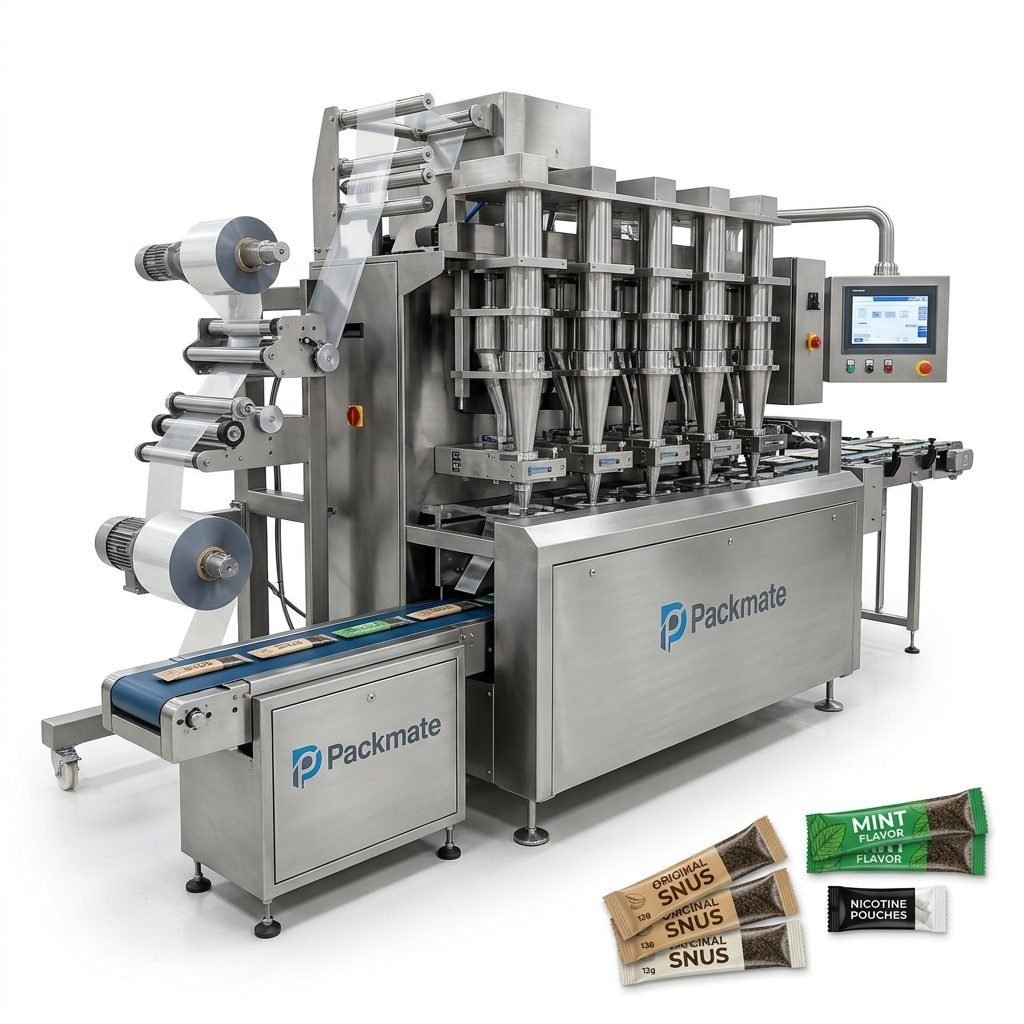
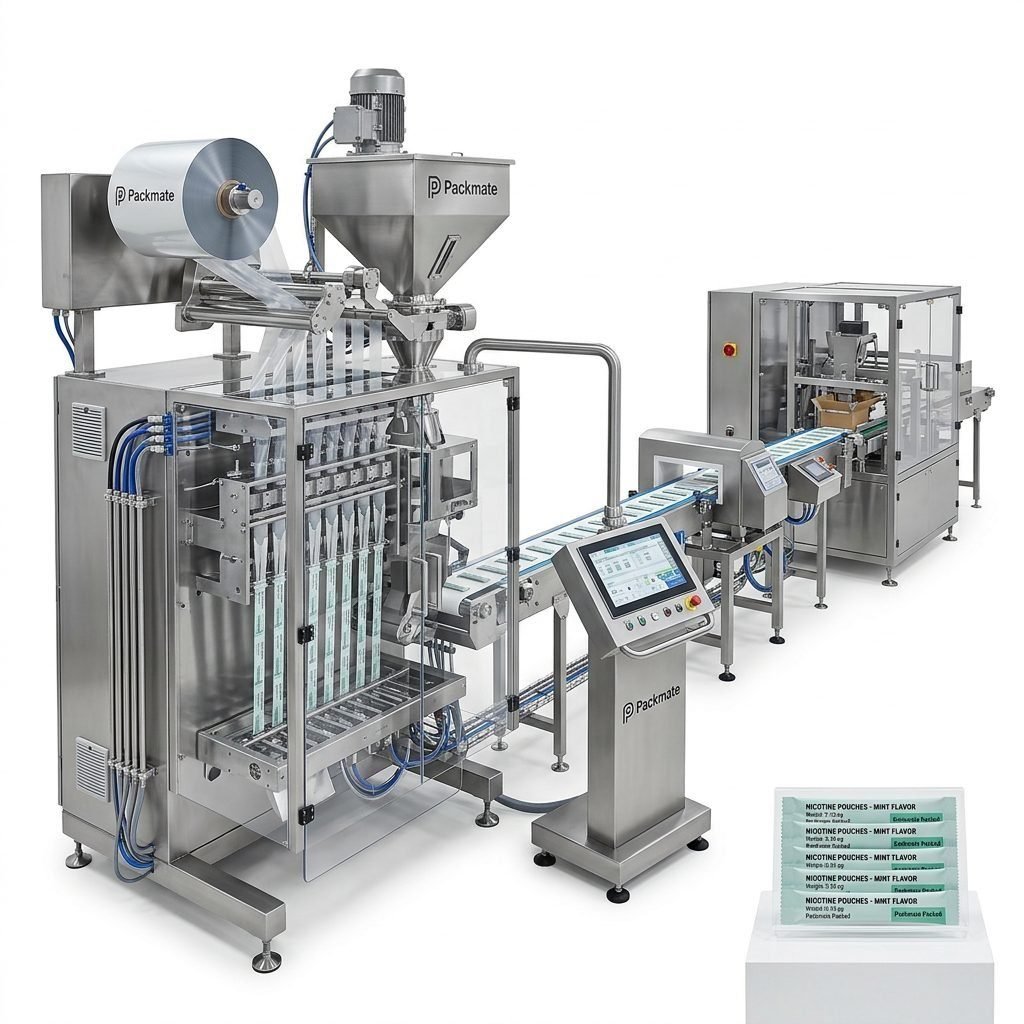
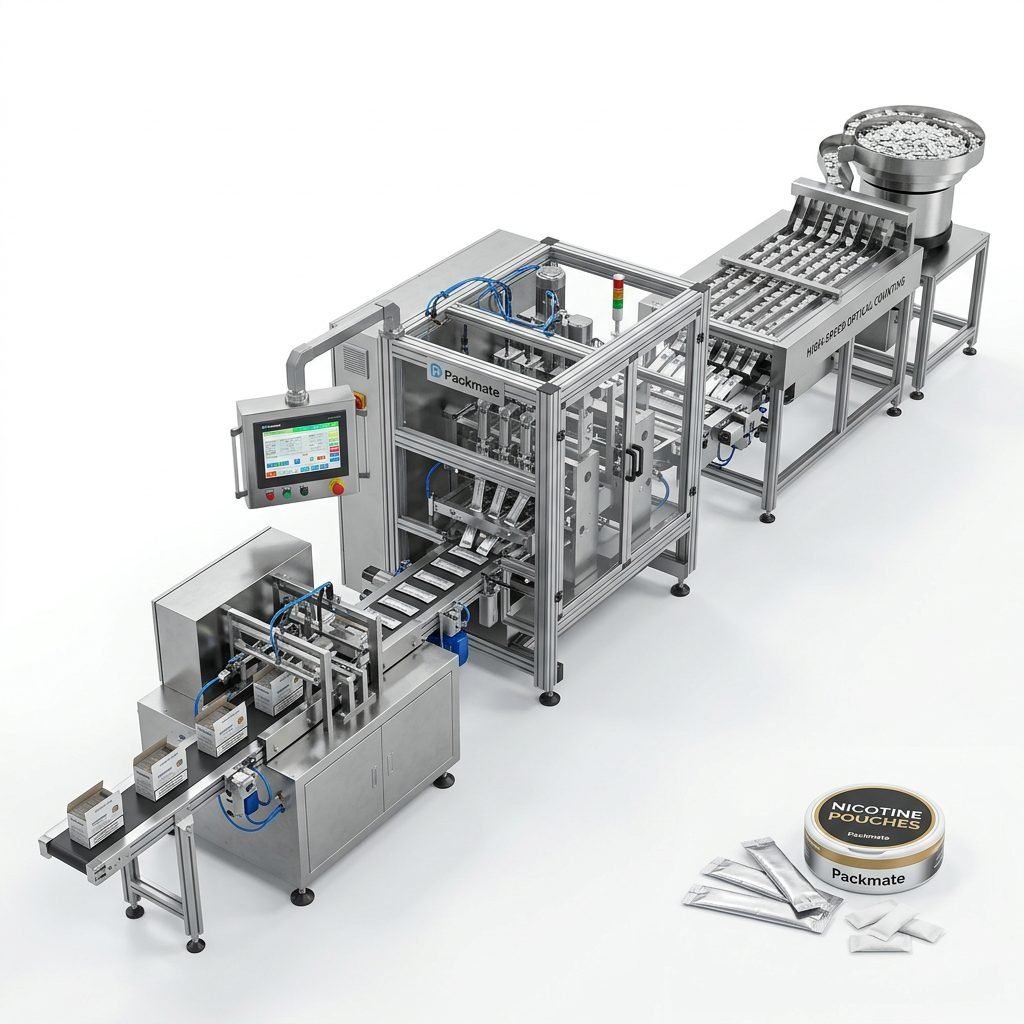
Complete Filling & Packaging Lines
When you need integrated solutions—weighing, dosing, pouch forming and secondary packaging—consider full lines to reduce manual handling and improve hygiene. Check Filling & Packaging Lines for turnkey options.
Key Technical Features to Prioritize
When comparing machines, verify these critical capabilities:
✔ Accuracy of dosing: Precise weight control reduces product giveaway and ensures compliance with labeled weights.
✔ Sealing quality: Heat-seal or ultrasonic seal options must create reliable, air-tight seals to protect against moisture and odors.
✔ Changeover speed: In India, many manufacturers run frequent SKU changes. Machines with quick tooling swaps and recipe memory reduce downtime.
✔ Multi-lane capability: Multi-lane systems increase output without drastically raising floor space or labor costs—useful for scaling.
✔ Hygiene & maintenance access: Easy-to-clean design, minimal crevices, and accessible components are essential for product safety and faster maintenance.
Capacity Planning & Scalability
Estimate your current peak daily demand and your expected 3–5 year growth. Machines are sold by hourly or minute throughput—choose a machine that can hit near-term targets with headroom for expansion. If your market is price-sensitive (common in many Indian segments), multi-lane machines often offer the best cost-per-unit across volume ranges.
Regulatory Compliance & Certifications
India’s regulatory landscape for nicotine and tobacco products can be stringent and varies by state. When choosing equipment:
Ensure machine suppliers provide CE and ISO certification for manufacturing standards and electrical safety. These certifications simplify global sales and reassure local authorities. Packmate machines carry international certificates which helps when demonstrating compliance to regulators—learn more here.
Materials & Packaging Film Choices for Indian Climate
Humidity and heat in much of India mean packaging films must provide strong moisture barriers. Consider metallized films or barrier laminates with robust heat-sealing properties. Machines must handle a range of film thicknesses and materials without compromising speed or seal integrity.
Local Support, Spare Parts & Training
After-sales support is often the decisive factor in India. Prioritize suppliers who offer:
Fast spare parts delivery, local service partners, and remote troubleshooting. Look for manufacturers with a documented presence in international expos and real-case deployments—Packmate’s global cases and exhibitions are useful references: Case and Our Exhibition.
Budgeting and Return on Investment (ROI)
The lowest purchase price rarely delivers the best ROI. Factor in:
➤ Energy consumption and utility costs
➤ Expected product giveaway (overfill) savings from precise dosing
➤ Labor reduction from automation
➤ Downtime and maintenance costs
➤ Spare parts price and lead time
A higher-quality multi-lane machine may have a higher upfront cost but deliver significantly lower cost-per-unit at scale—a critical consideration for competitive Indian markets.
Selecting a Supplier: Questions to Ask
✔ Do you provide full line solutions or just single machines? Integrated lines streamline operations.
✔ What is the lead time for spare parts in India? Ask for typical shipping times and local stocking options.
✔ Can you provide references or case studies from similar markets? Real-world performance is the best proof. Review the vendor’s About and case pages for examples.
✔ Is installation and operator training included? Proper commissioning ensures you meet production targets quickly.
Installation, Commissioning & Training
A good supplier will support on-site commissioning, operator training, and preventive maintenance schedules. For Indian sites, confirm electrical compatibility (voltage and phase), available floor space, and environmental controls to protect product quality.
Lifecycle & Upgrade Path
Think long-term: can the machine be upgraded to add lanes, higher speed tools, or new dosing modules? Choose vendors that design machines for modular upgrades to protect your capital investment.
Why Packmate-style Solutions Are Worth Considering
Manufacturers with decades of experience in snus and nicotine packaging bring design maturity. Packmate (Packmate Snus Machine) combines multi-lane snus expertise, CE and ISO certifications, and turnkey line capability—advantages that reduce commissioning risk and speed your time to market. Explore product categories like Snus & Nicotine Packaging Machines and related auxiliary equipment for a full perspective.
Checklist: Final Decision Steps
✔ Validate throughput & product compatibility with supplier prototypes or demos.
✔ Confirm after-sales support and parts logistics for Indian regions.
✔ Review real-case references and certifications to ensure compliance and reliability.
✔ Calculate total lifecycle cost, not only the purchase price—this includes energy, maintenance, and personnel.
Next Steps & Contact
When you are ready to evaluate machines, request a site-specific proposal that includes a production simulation, spare parts list, and training plan. If you want to explore comprehensive packaging solutions, visit the manufacturer’s product pages or contact their sales team to discuss turnkey options and exhibition demos.
For direct inquiries about machines, capabilities, and case studies, see the Contact Us and Service pages for tailored support.
Frequently Asked Questions
Q1: Which packaging machine type is best for small-scale Indian producers?
A: For small-scale operations, stick pack and single-lane sachet machines are cost-effective and flexible. They offer lower initial investment, easier changeovers, and work well for limited SKUs. As demand grows, multi-lane upgrades provide a clear scaling path.
Q2: How important are certifications like CE or ISO when buying machines for India?
A: Very important. CE and ISO demonstrate compliance with international safety and manufacturing standards, making regulatory approvals and export processes easier. They also indicate reliable engineering and quality control.
Q3: What maintenance plan should I expect for a snus/nicotine packing line?
A: Expect scheduled preventive maintenance, periodic replacement of wear parts, occasional calibration of dosing systems, and rapid access to critical spares. A supplier offering remote diagnostics and local support will minimize downtime.
Q4: Can the same machine handle different pouch sizes and materials?
A: Many modern machines support multiple pouch sizes and materials through modular tooling and programmable recipes. Confirm the machine’s changeover time and whether additional tooling is required for each size change.
Q5: How do I choose between a single machine purchase and a turnkey line?
A: If you need a quick start and have existing upstream/downstream equipment, a single machine may suffice. If you aim for consistent quality, minimal labor, and long-term scale, a turnkey line reduces manual handling and integrates weighing, dosing and secondary packaging for better efficiency.