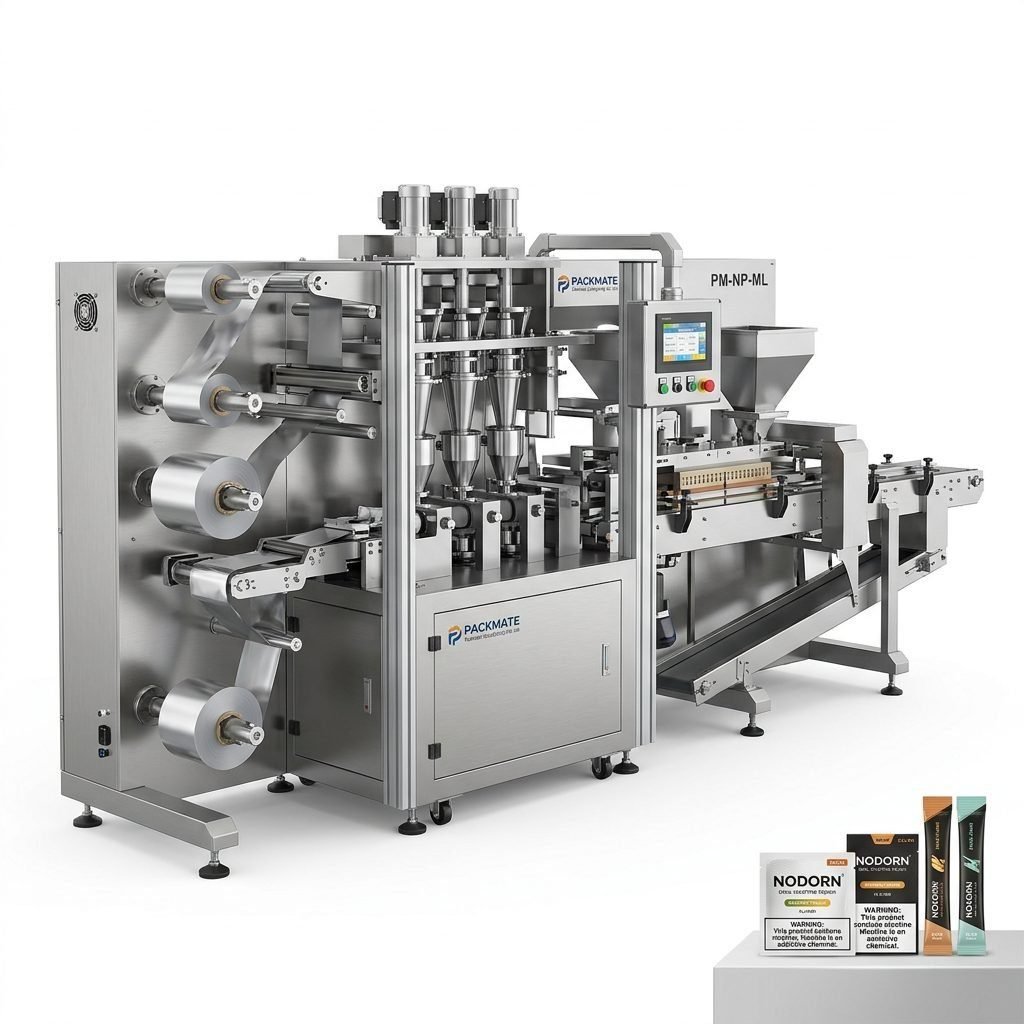
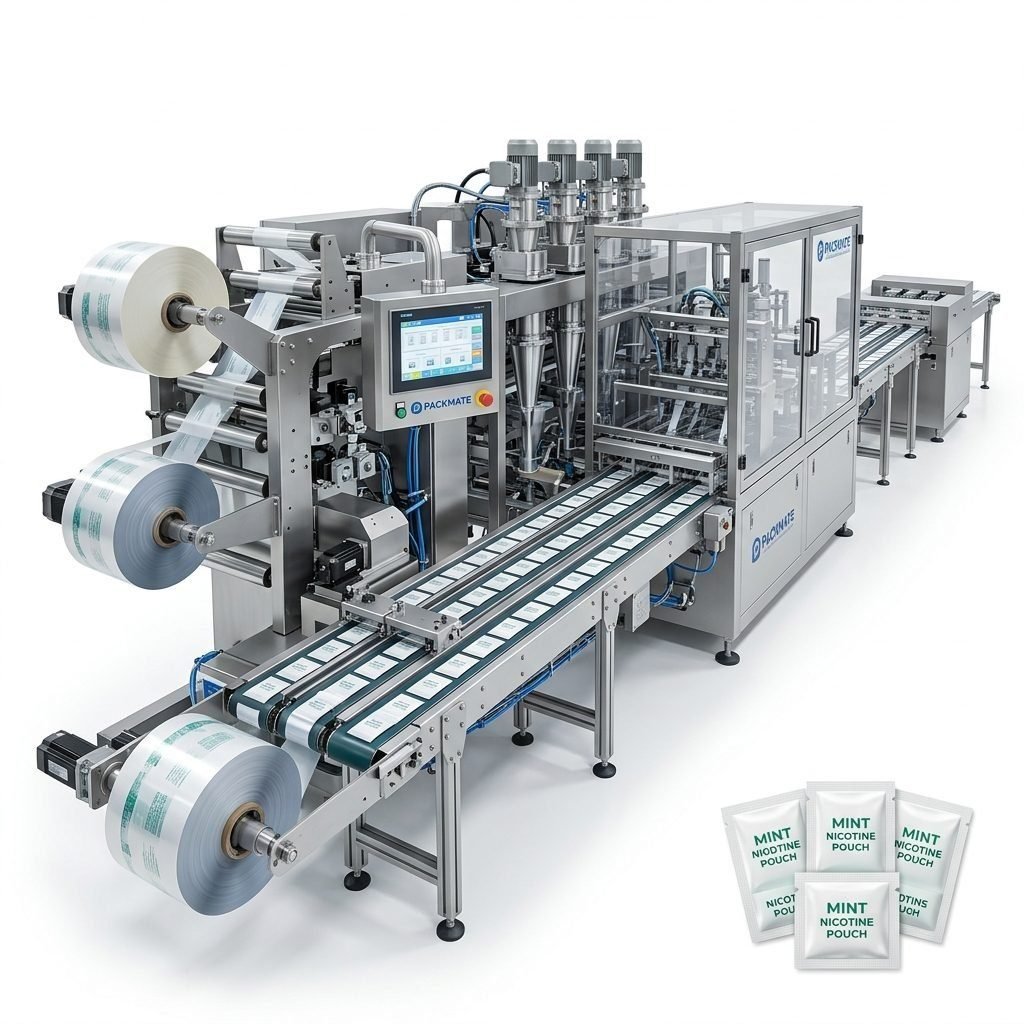
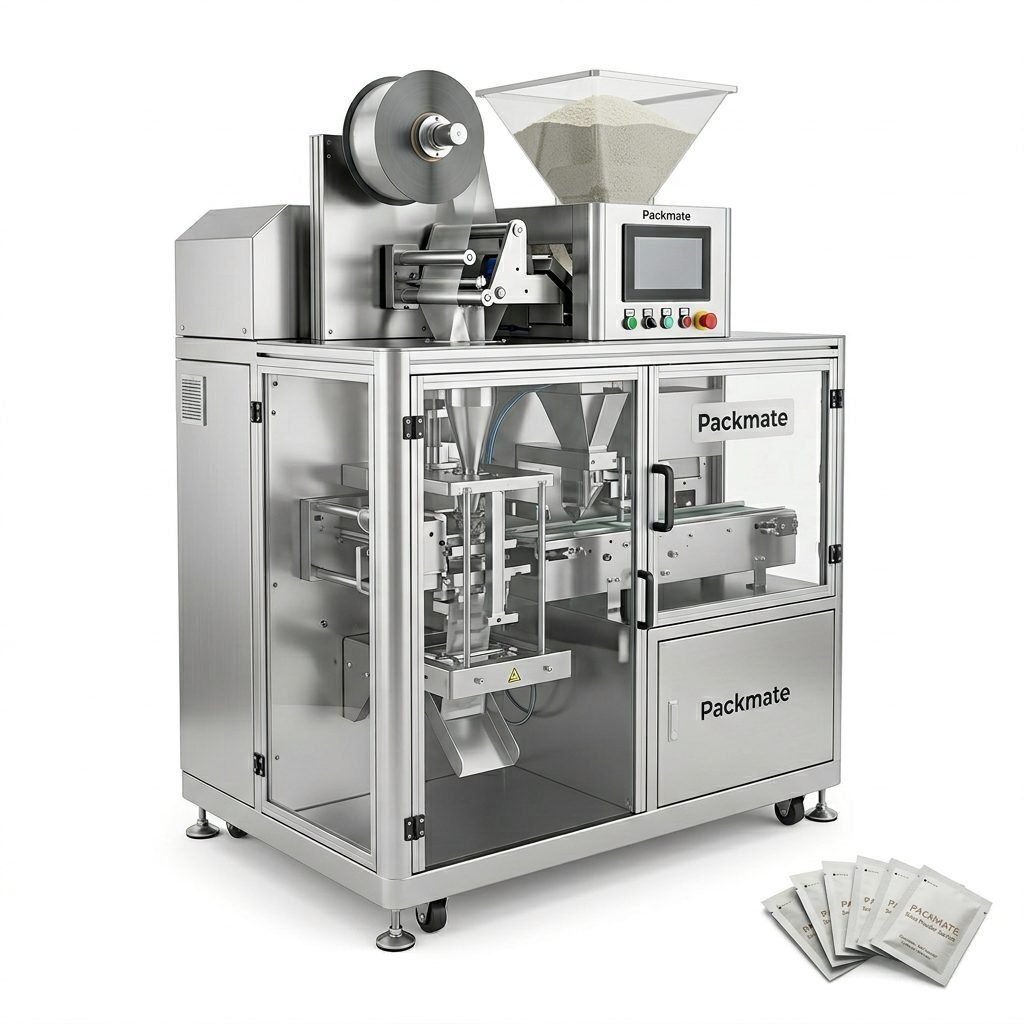
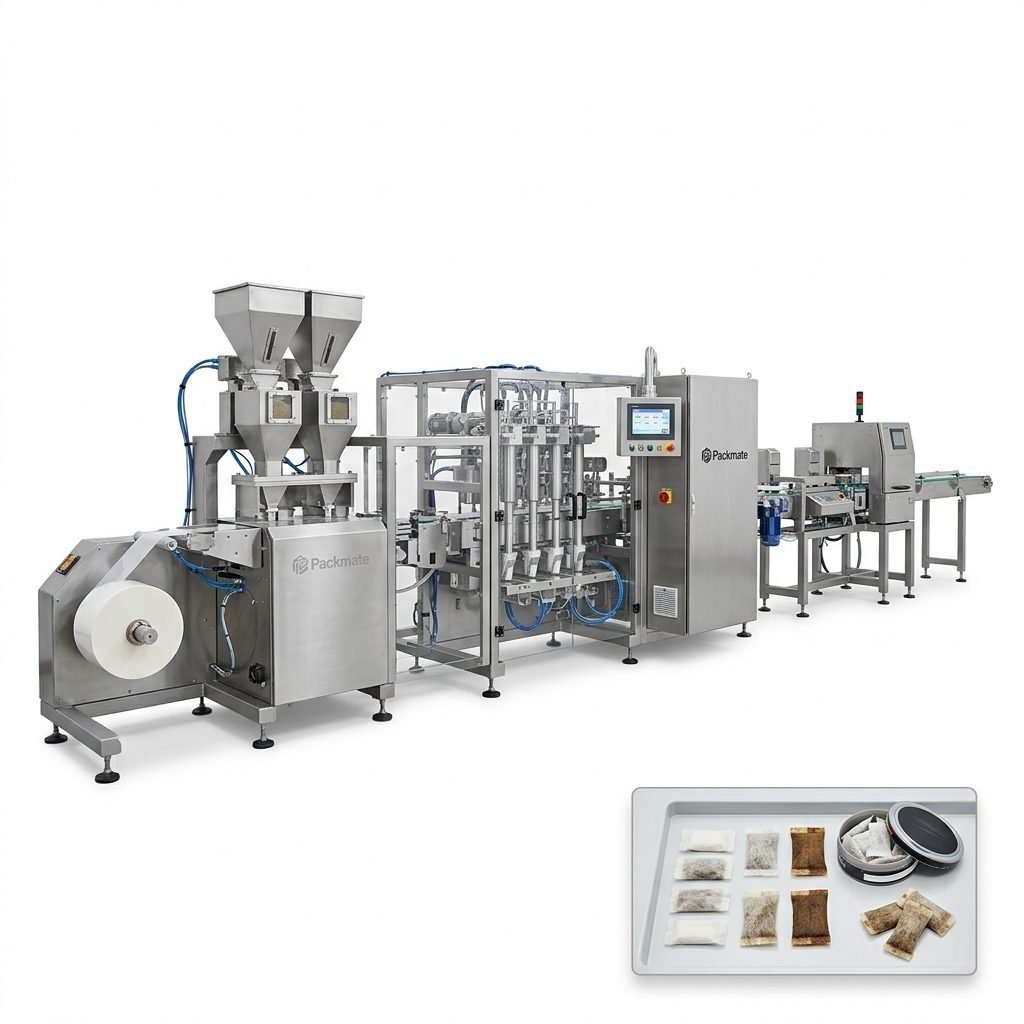
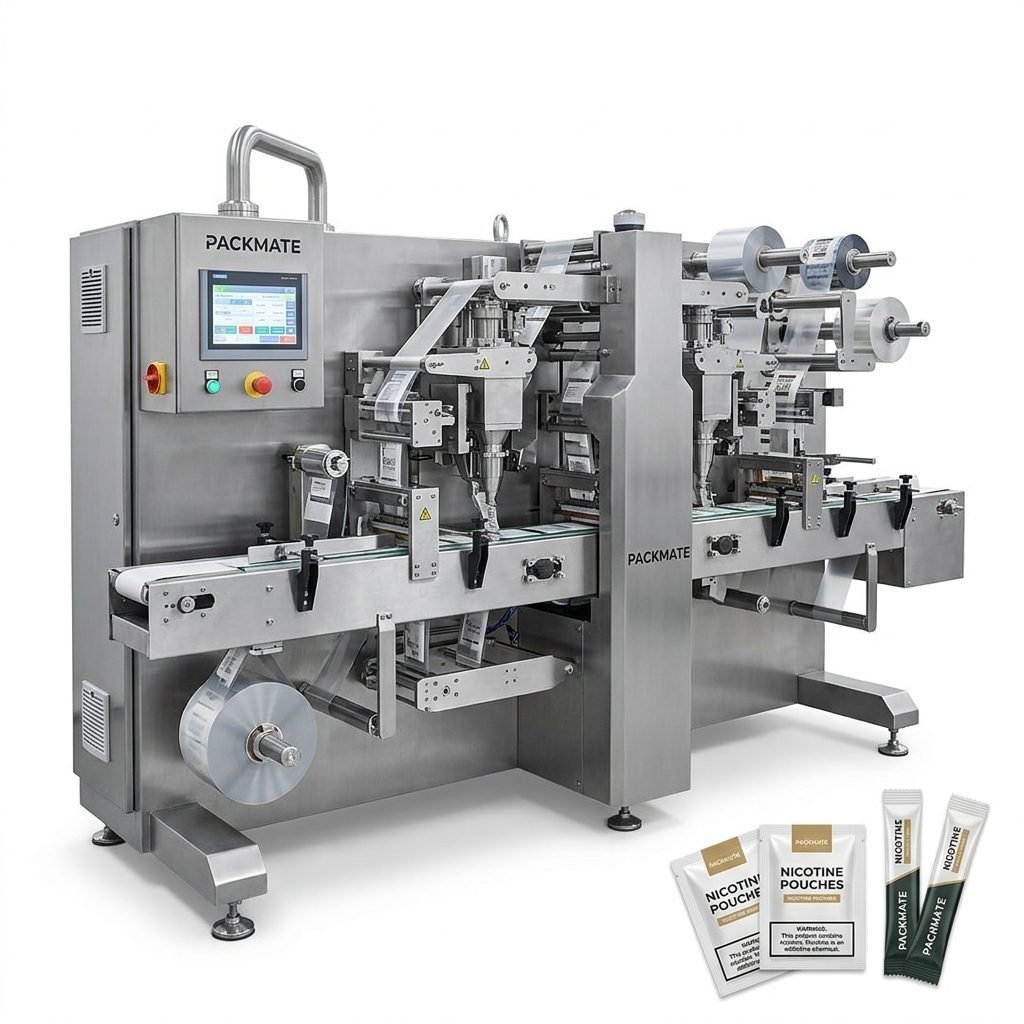
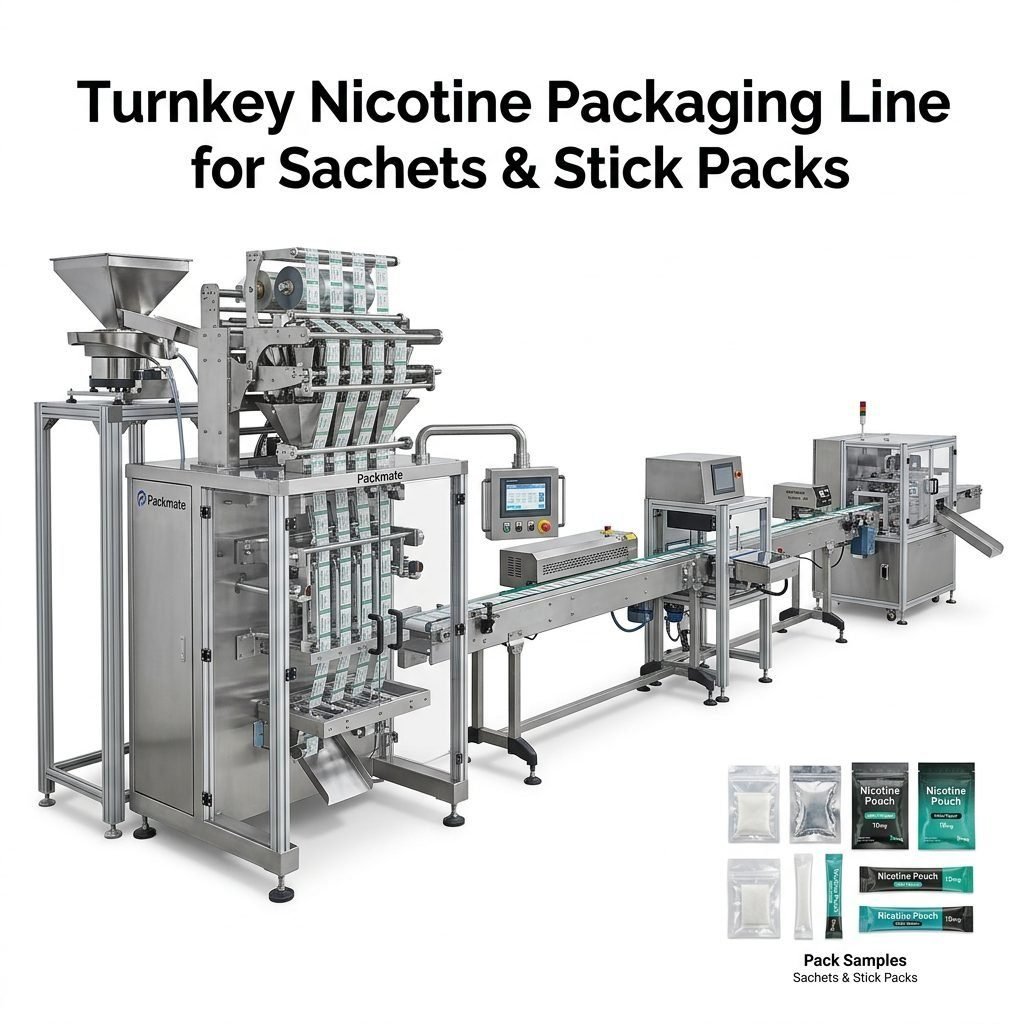
Choosing the right supplier for a nicotine pouch (snus) packing machine is a strategic decision that determines whether your production line will run smoothly for years or be plagued by downtime, inconsistent output, and rising operating costs. This guide walks you through practical, actionable criteria to evaluate potential suppliers and machines so you can achieve stable, high-efficiency production from day one.
Understand Your Production Goals and Constraints
Before contacting suppliers, map out your production requirements in detail: target output (pouches per minute), pouch formats (round, oval, sachet, stick), *multi-lane* needs, seasonal capacity swings, raw material types (powder, granules, wet blend), and packaging materials. Knowing these details helps filter vendors quickly and keeps initial discussions practical.
Tip: If you expect to scale up fast, prioritize machines that support multi-lane configurations and modular upgrades — these minimize future capital changes.
Key Technical Criteria to Assess
1. Stability and Build Quality
Stability means consistent pouch weight, sealing integrity, and minimal mechanical downtime. Look for:
- Robust frame materials and precision-machined parts (CNC components).
- Reduction gears, sealed bearings, and hardened cams for long life.
- Supplier factory tour evidence or detailed photos showing CNC centers and assembly lines.
2. Production Speed & Accuracy
Speed matters, but only when accuracy is maintained. Evaluate:
- Guaranteed pouches/min rates under real product tests.
- Tolerances for fill-weight variation (±X mg) and seal uniformity.
- Integrated weighing systems or compatibility with external weighers.
3. Automation & Control Systems
Modern PLCs, touchscreens, recipe management, and remote diagnostics cut downtime and training time. Ask about:
- HMI language options and recipe storage capacity.
- Remote access for troubleshooting and software updates.
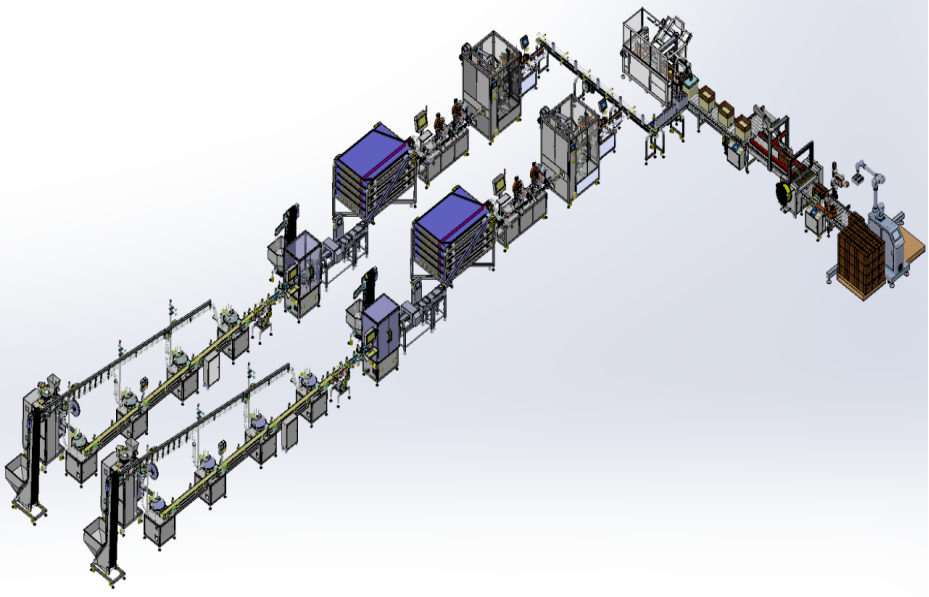
- Integration with upstream/downstream equipment for a turnkey line.
Quick checklist: PLC + HMI, recipe control, remote diagnostics, and spare-part availability.
Evaluate Supplier Reputation and Factory Capability
A reputable supplier demonstrates production experience, certifications, and global references. Key signals:
- Years in the industry and specialization in snus/nicotine packaging machines.
- Factory scale (sqm), visible machining capabilities, and testing setups.
- Customer case studies, exhibition participation, and after-sales network.
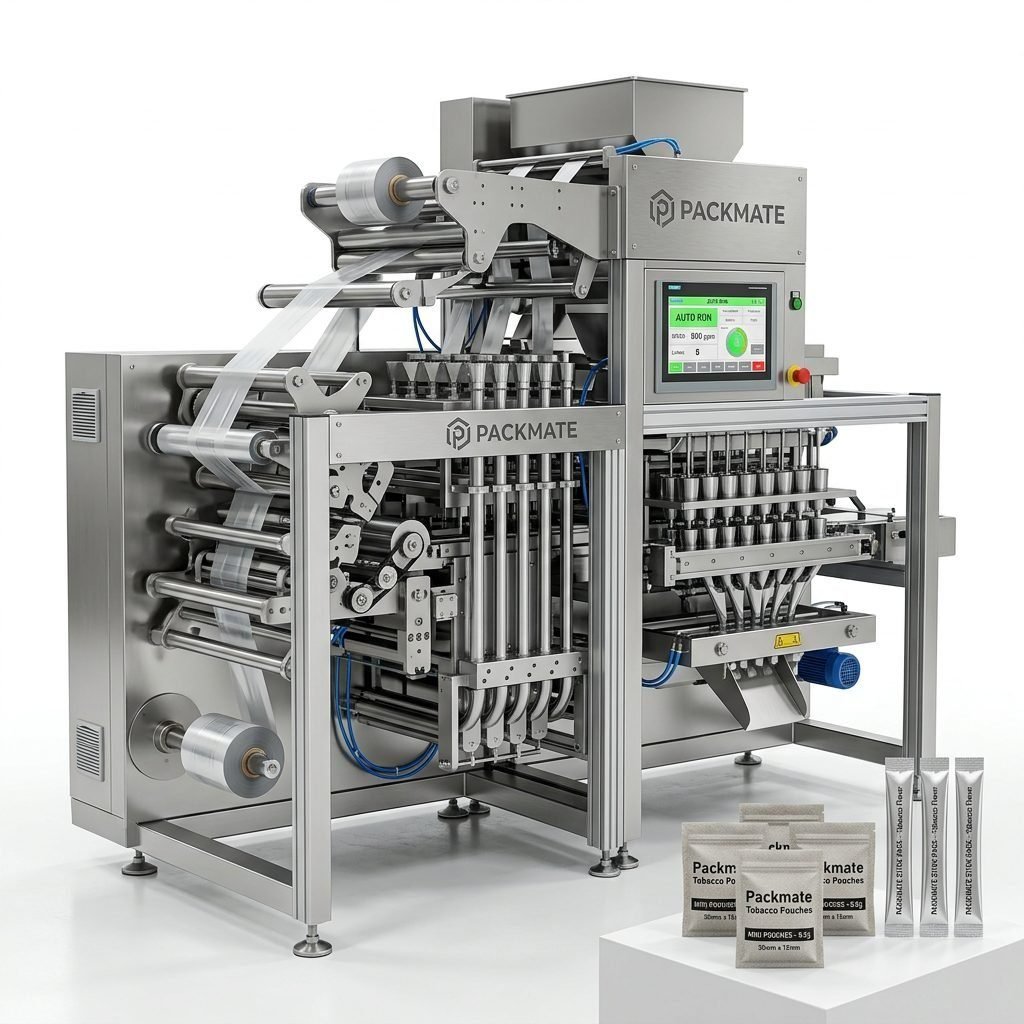
For example, Packmate (GuangDong) Co., Ltd. emphasizes 30+ years of engineering, a 20,000㎡ facility, advanced CNC machining, and multiple global turnkey projects — all strong indicators of capacity to deliver stable production lines. Learn more about their product range at Snus & Nicotine Packaging Machines.
Certificates & Compliance
International certifications (CE, ISO) indicate adherence to safety and quality standards. Confirm:
- Which certificates are held and whether they match your target markets.
- Testing protocols and QA documentation for each machine.
After‑Sales Support and Spare Parts Strategy
Machine uptime depends heavily on support and spare parts. Prioritize suppliers who offer:
- Local or regional support partners or fast international shipping for parts.
- Clear spare-parts lists and recommended stocking levels.
- Training programs for operators and maintenance staff.
Important: Confirm guaranteed response times for technical support and whether remote troubleshooting is available — these often shorten mean time to repair (MTTR).
Customization, Modularity & Turnkey Solutions
Your process or product may have special needs: hygienic design, temperature control, gantry fillers, or multi-lane formats. Ask suppliers about:
- Proven custom projects for similar products.
- Ability to supply auxiliary equipment like feeders, conveyors, and weighers.
- Turnkey capability including installation, commissioning, and line integration.
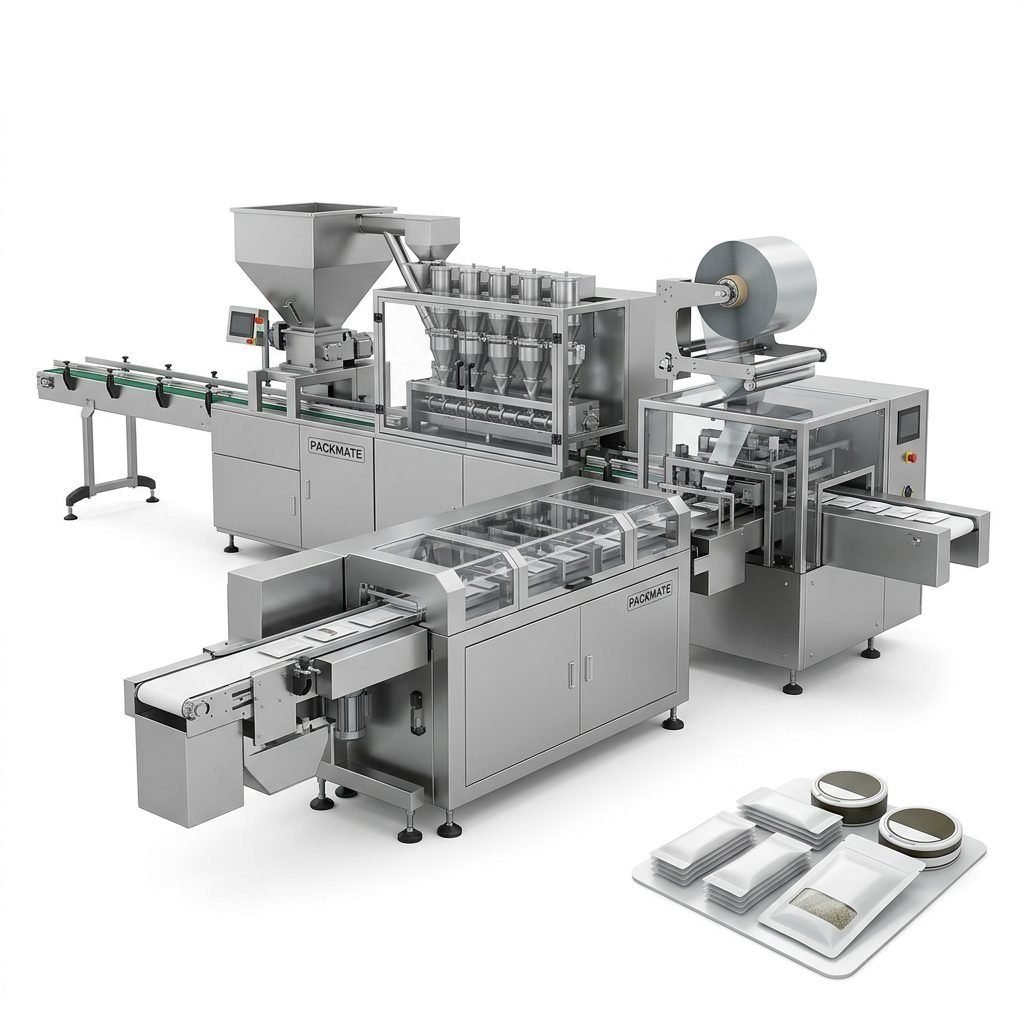
If you need integrated weighing and feeding, check suppliers who offer Weighing & Packaging Systems and complete Filling & Packaging Lines.
Testing and Factory Acceptance Trials (FAT)
A conscientious supplier will run trials with real product and packaging materials. Ensure FAT includes:
- Full production speed tests, multiple recipes, and stress testing.
- Video evidence and detailed test reports for your records.
- Clear acceptance criteria and sign-off procedures.
Factory Acceptance Trial (FAT) must simulate your production conditions — only then will the results reliably predict on-site performance.
Operational Cost Considerations
Total cost of ownership (TCO) matters more than purchase price. When evaluating quotes, include:
- Energy consumption per 1,000 pouches.
- Maintenance frequency and cost of wear parts.
- Training duration and operator headcount required.
Supply Chain, Delivery & Installation
Real-world deployment often stumbles on logistics. Clarify:
- Estimated lead time and shipping method.
- Installation and commissioning services — are they included or optional?
- Local customs documentation and packing standards to prevent delays.
Packmate’s international exhibition presence and case studies can provide assurance on delivery and real-world operation; view examples at their Case page.
Practical Procurement Steps & Negotiation Tips
Follow a structured procurement approach:
- Issue an RFP with detailed specs and expected KPIs.
- Request FAT videos and reference installations for the same product type.
- Ask for a spare-parts kit, warranty terms, and SLAs in writing.
- Negotiate training hours, remote support windows, and initial onsite commissioning days into the contract.
Negotiation leverage: Commit to a small pilot order or longer service contract in exchange for faster lead times or bundled spare parts.
On-Site Commissioning & Start-Up Best Practices
A smooth start reduces ramp-up losses. Ensure:
- Supplier provides experienced engineers for initial runs and troubleshooting.
- Comprehensive operator training and maintenance manuals in your language.
- An agreed acceptance test after installation matching the FAT acceptance criteria.
Why Local Culture and Market Habits Matter (When Relevant)
If you operate in markets with distinct regulatory or consumer habits — for example, countries with strict nicotine product packaging rules or specific regional pouch formats — choose suppliers experienced in those regions. For instance, European and Scandinavian markets that use snus have particular labelling, tamper-evidence, and portion forms; a supplier with global deployments is more likely to meet these nuances.
Short Vendor Scorecard (What to Score on)
Use a simple scorecard to compare suppliers:
- Technical fit (0–10)
- Proven stability (0–10)
- Support & parts (0–10)
- Certifications & compliance (0–10)
- TCO & energy use (0–10)
A supplier that scores consistently high across categories and can demonstrate machine performance with real product tests is the one most likely to enable stable, high-efficiency production.
How Packmate Illustrates Best Practices
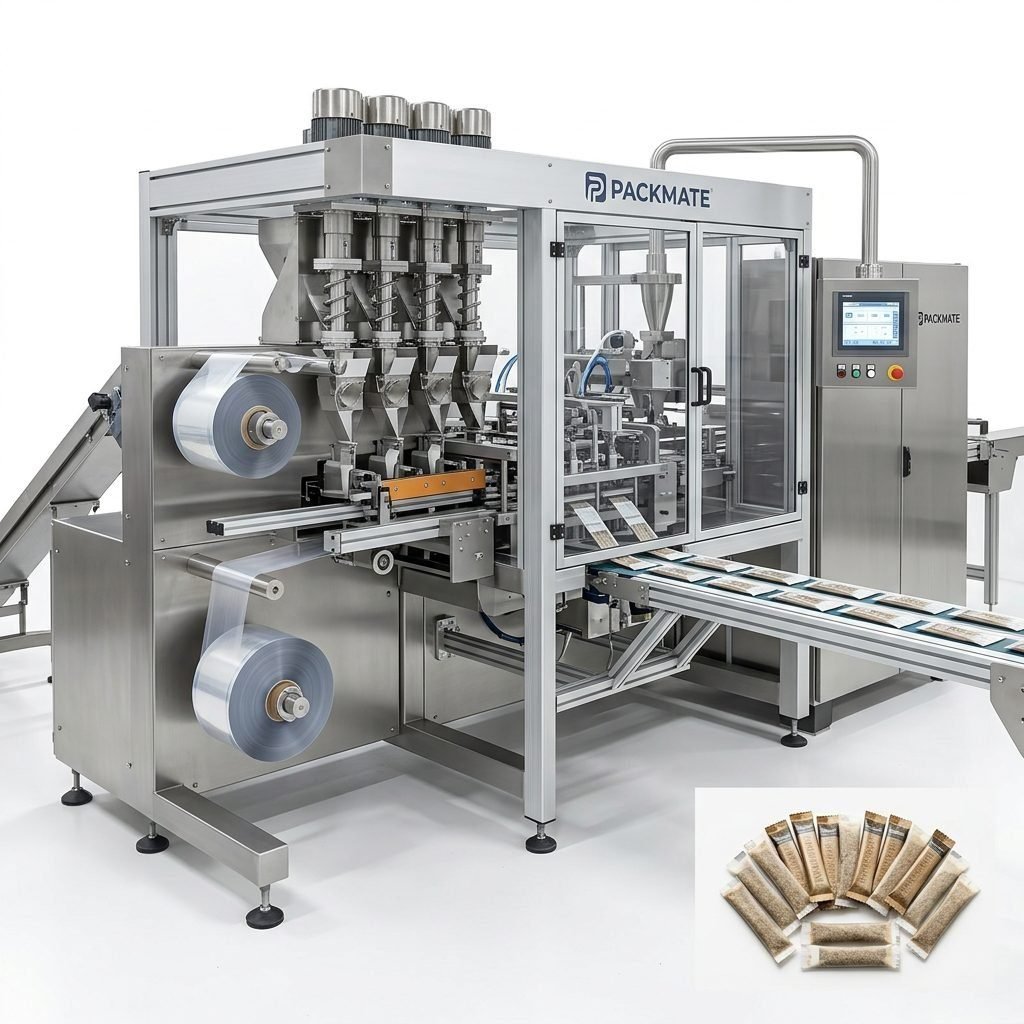
Packmate’s long history — starting from R&D in 1993 and evolving into a specialized snus packaging machine provider — demonstrates the type of supplier profile that blends engineering depth, factory capability, and international reach. Their portfolio of snus and nicotine pouch machines, modular lines, and auxiliary equipment provides a practical example of what to look for when targeting stable, high-throughput operations. Explore product lines: Sachet & Stick Pack Machines and Bag & Pouch Packaging Machines.
Final reminder: Request on-site or virtual FATs with your actual product, confirm spare-part lead times, and lock SLAs in the purchase contract for dependable, long-term production.
Next Steps: How to Proceed with Suppliers
1) Prepare an RFP detailing output, packaging materials, and product characteristics. 2) Shortlist vendors and evaluate against the scorecard. 3) Schedule FATs and negotiate warranty/support. 4) Plan spare part inventory and operator training before installation.
Frequently Asked Questions
Q1: How important is FAT before shipment?
FAT is essential — it verifies real-world performance and prevents surprises at installation. Always require FAT with your product or a representative material.
Q2: What warranty and spare-part policies should I expect?
A standard warranty covers mechanical defects (often 12 months), but ensure spare-part lists, lead times, and options for local stocking are defined. Negotiate a spare-parts starter kit.
Q3: Can a supplier provide a turnkey line?
Many experienced suppliers offer turnkey solutions including fillers, weighers, conveyors, and packaging machines. Verify integration experience and request reference installations.
Q4: How do I assess long-term operational costs?
Examine energy consumption, frequency of wear part replacement, expected operator labor, and maintenance intervals. A lower initial price may have higher TCO.
For more detailed product specs, after-sales information, or to request a consultation, visit the supplier’s About page and Contact page: About Packmate | Contact Us.