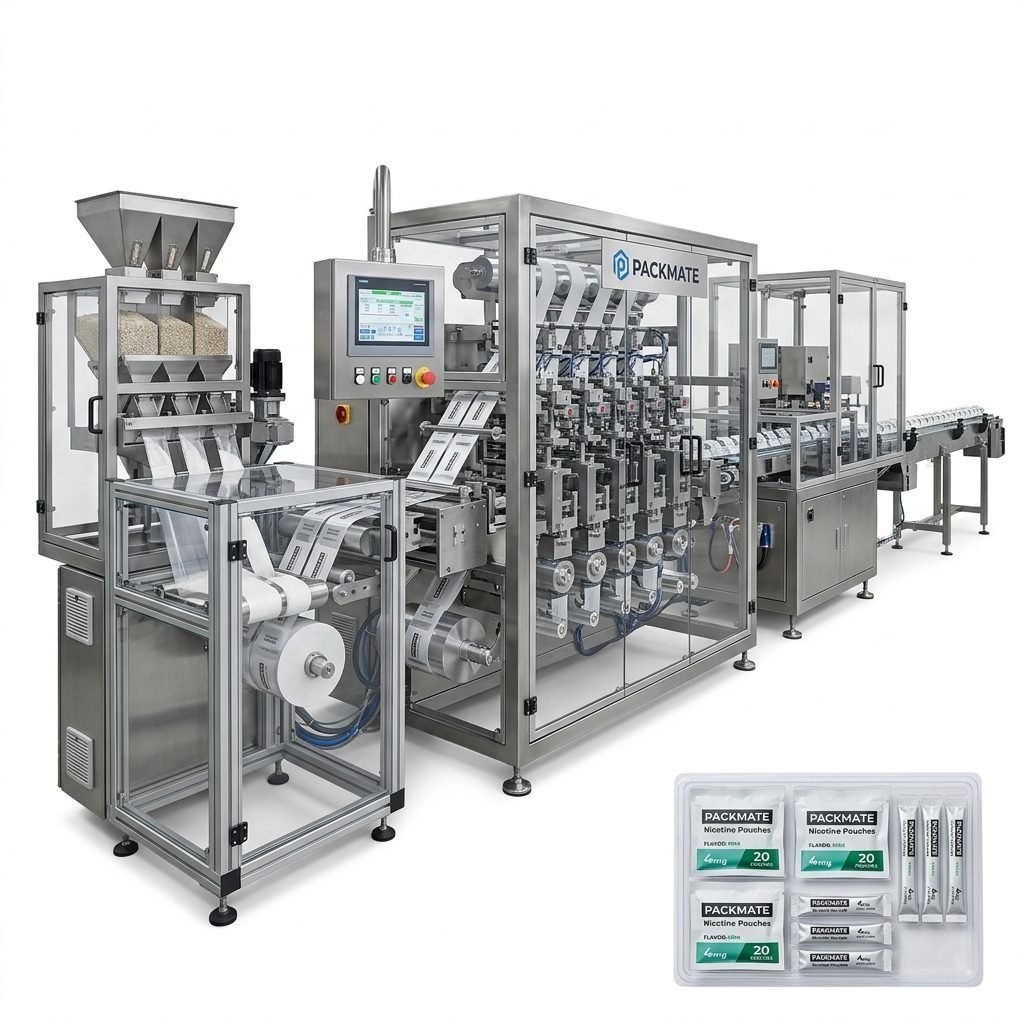
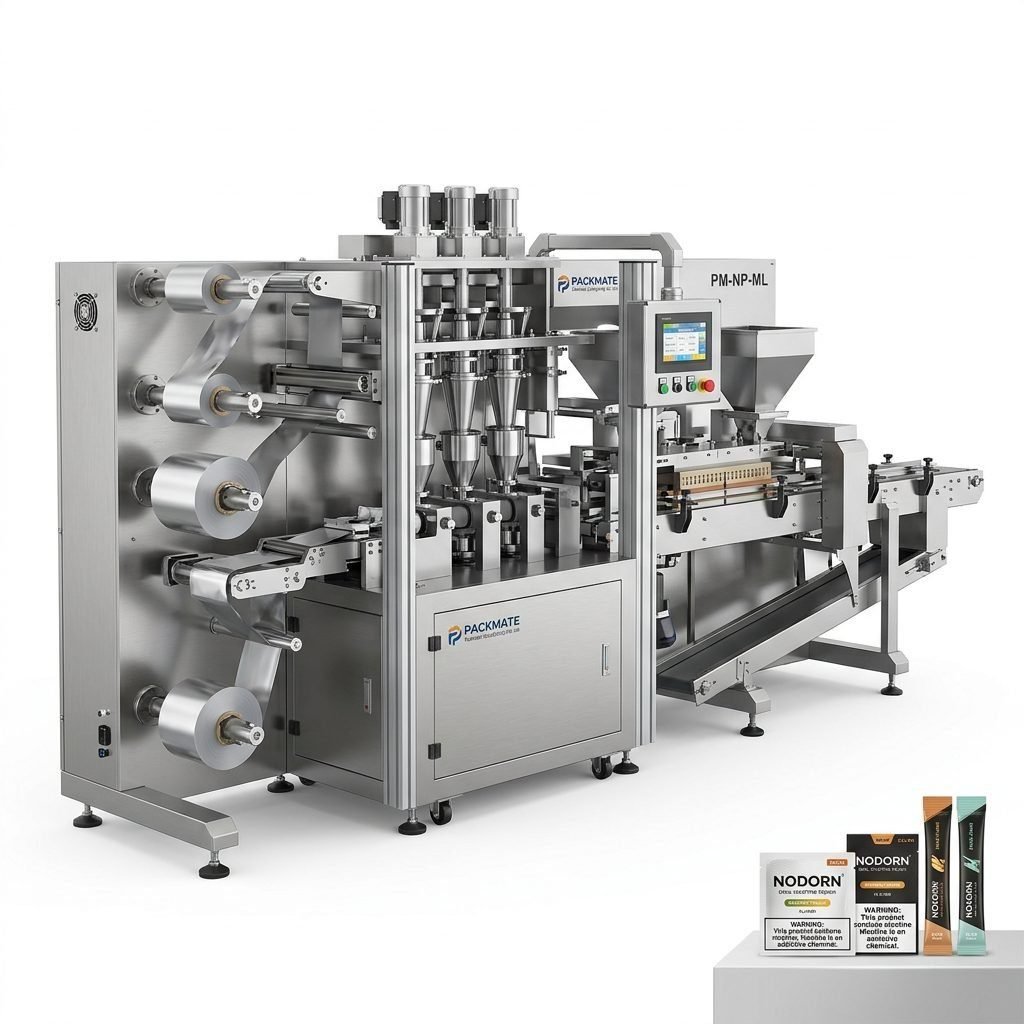
Finding a reliable snus packaging machine supplier in the Philippines requires both practical sourcing tactics and an understanding of local market realities. This guide walks Philippine buyers through every step — from verifying manufacturer credentials and machine performance to ensuring compliance with local regulations and planning for service, spare parts, and logistics. Use these steps to reduce risk, accelerate delivery, and secure a long-term partner for nicotine pouch and snus packaging solutions.
Understand the Philippine Market Context
Before engaging suppliers, appreciate local consumer preferences and regulatory realities. In the Philippines, smokeless nicotine products occupy a niche market with potential for growth in urban areas. Importers and manufacturers must confirm whether nicotine pouches or snus fall under tobacco regulation or health product rules in the Philippines and work with local counsel or authorities such as the Food and Drug Administration of the Philippines to ensure lawful distribution. Local distribution channels, advertising limitations, and packaging language preferences (English/Filipino) impact machine configuration and labeling requirements.
Why supplier selection matters for Philippine operations
A trustworthy supplier minimizes downtime and import risk. Choose vendors who offer clear export documentation, experienced export logistics, long warranty support, and remote technical assistance. For many Philippine buyers, responsive after-sales service and spare-part availability are as important as upfront cost.
🔍 Quick tip: Prioritize suppliers with proven global deliveries to Southeast Asia and documented experience in snus/nicotine pouch lines. A vendor that has served multi-country clients is more likely to understand customs paperwork and shipping requirements.
Where to Find Trusted Snus Packaging Machine Suppliers
Use a multi-channel sourcing approach to build a shortlist of reliable suppliers: industry exhibitions, verified factory websites, trade platforms, referrals from peers, and direct factory visits. Each channel provides different levels of assurance.
Industry exhibitions and live demos
Attend packing and tobacco-related trade shows in the region or meet suppliers at global expos. Seeing machines run live is invaluable: it reveals throughput, build quality, and operator ergonomics. Many established suppliers, such as Packmate Snus Machine, exhibit globally — check their exhibition schedule to plan a visit. (See Our Exhibition)
Factory websites and product catalogs
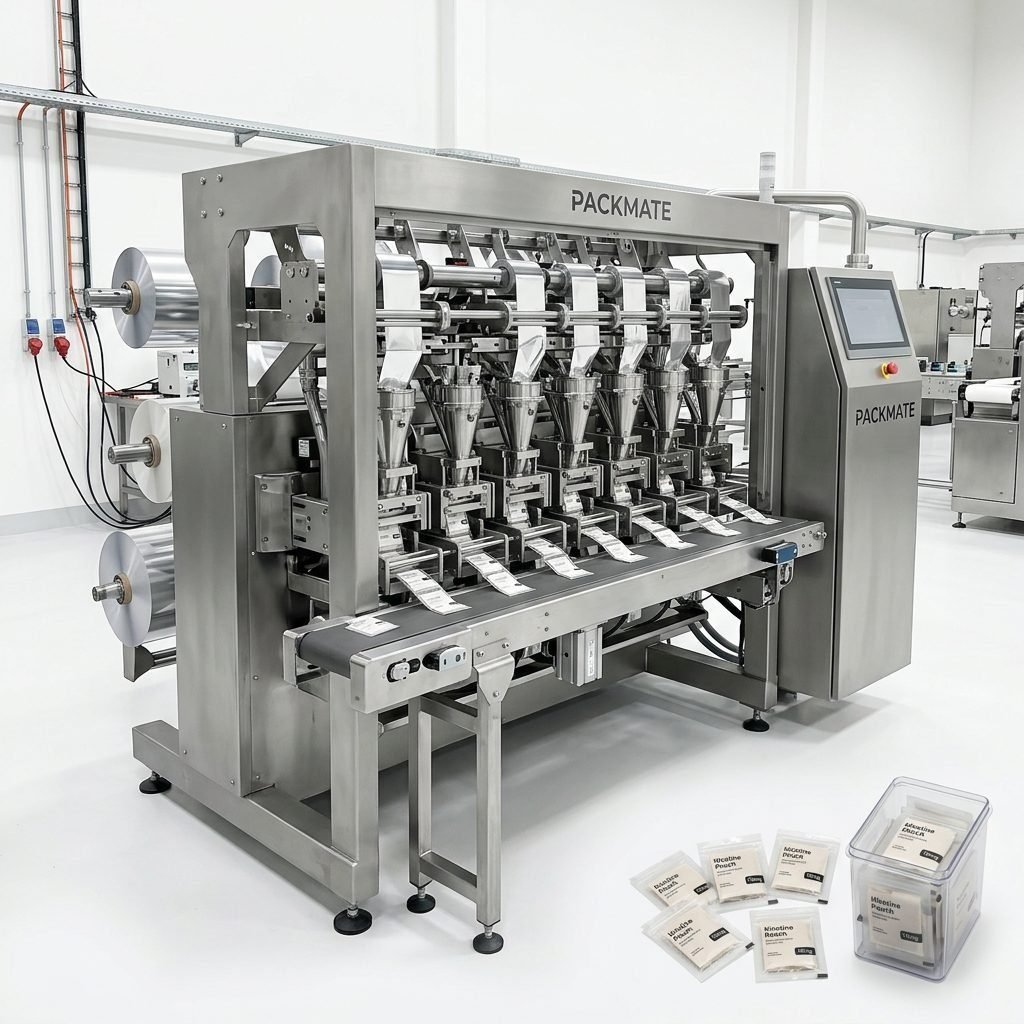
Review manufacturers’ product pages in detail: machine models, multi-lane options, and turnkey line capabilities. Reputable suppliers publish technical datasheets, CE/ISO certification details, and case studies. For example, explore product lines like Snus & Nicotine Packaging Machines and Bag & Pouch Packaging Machines to compare capabilities.
Referrals and international cooperation cases
Ask industry peers for referrals or examine global cooperation cases. Suppliers with multi-region success demonstrate adaptability and robust post-sale systems. Case portfolios often reveal industries served, machine uptime statistics, and client testimonials.
Key Supplier Credentials to Verify
Don’t rely solely on sales talk. Validate claims through specific checks:
- Certification: Confirm CE, ISO or other relevant certificates and ask for scanned copies. Certificate records tell you about safety and quality management systems. (See Certificate)
- Factory strength: Verify factory size, CNC capability, and quality-control procedures. Suppliers with advanced CNC and precision assembly lines usually have consistent product quality.
- Product breadth and customization: Evaluate whether the supplier offers the models you need (single-lane, multi-lane, stick pack, sachet) and whether they can deliver customized turnkey solutions.
- Service & spare parts: Inspect spare-parts policies, lead times, and whether local partners or third-party service technicians are available in the Philippines.
- References & case studies: Request client references, preferably regional clients or industries similar to yours.
✅ Must-check: Ask the supplier for video demonstrations of the specific model running your product. Videos should show sealing, pouch filling, multi-lane synchronization, and how changeovers are performed.
Technical Requirements and Machine Selection
Match machine capability to your product specs: pouch size, fill weight, throughput (pouches/min), lane configuration, and sealing type. Consider the following aspects:
Throughput and scalability
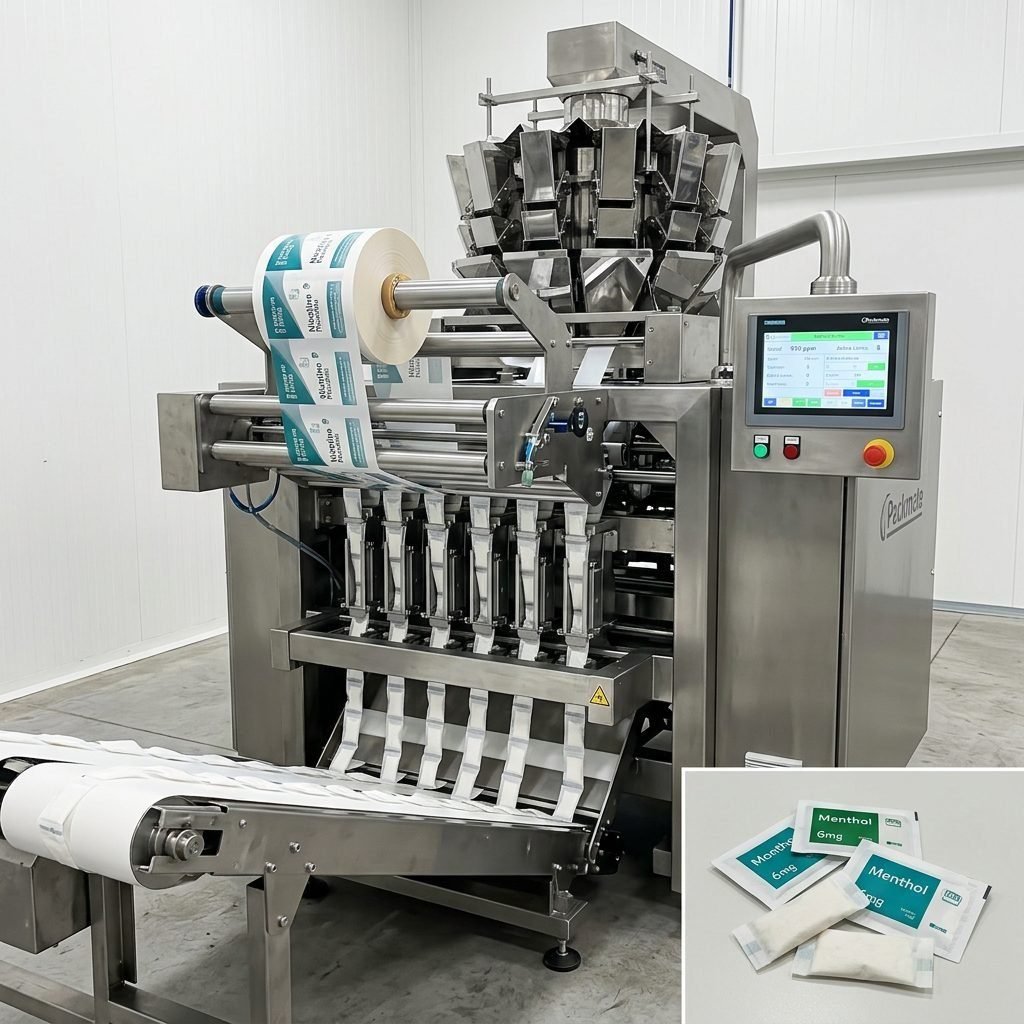
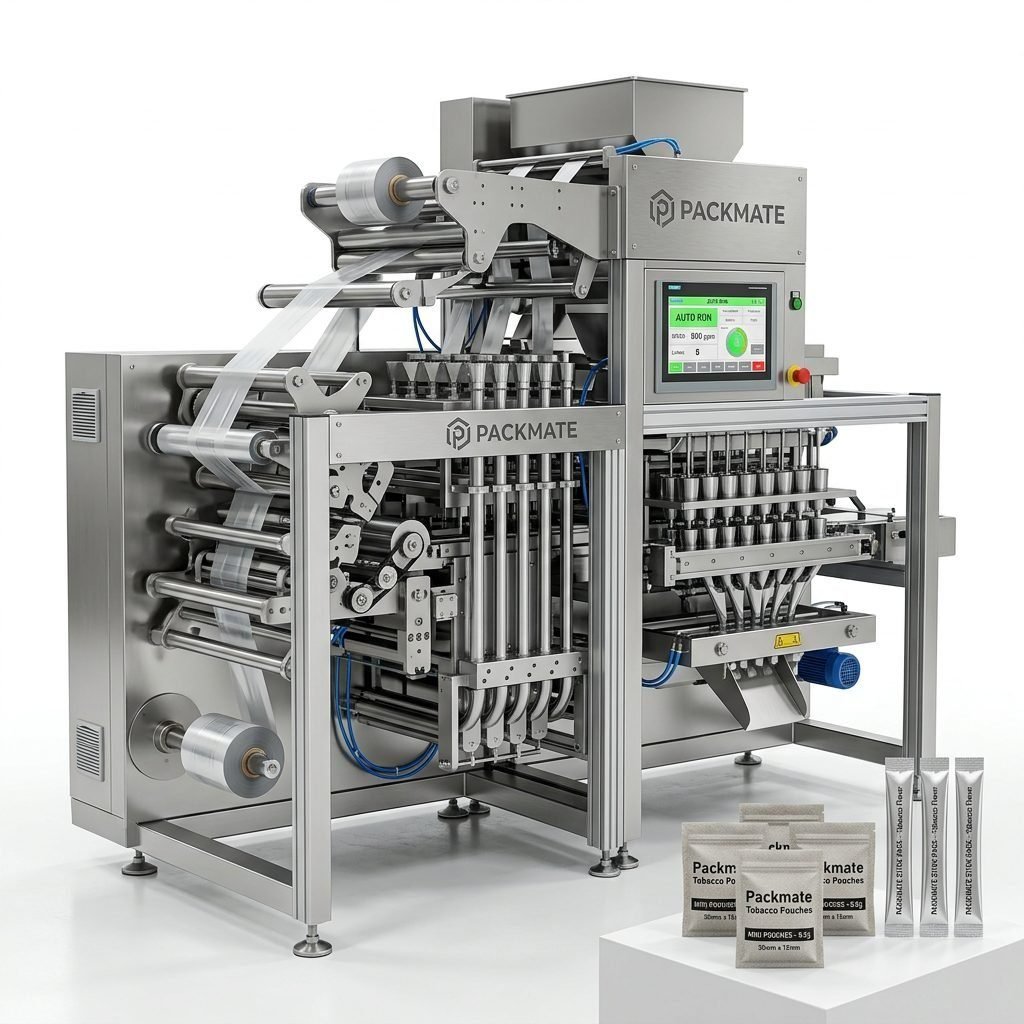
Decide current production needs and future growth. Multi-lane systems can scale capacity without doubling floor space. Verify that the machine supports the pouch formats you plan to use and that changeover between formats is efficient.
Filling accuracy and weigh systems
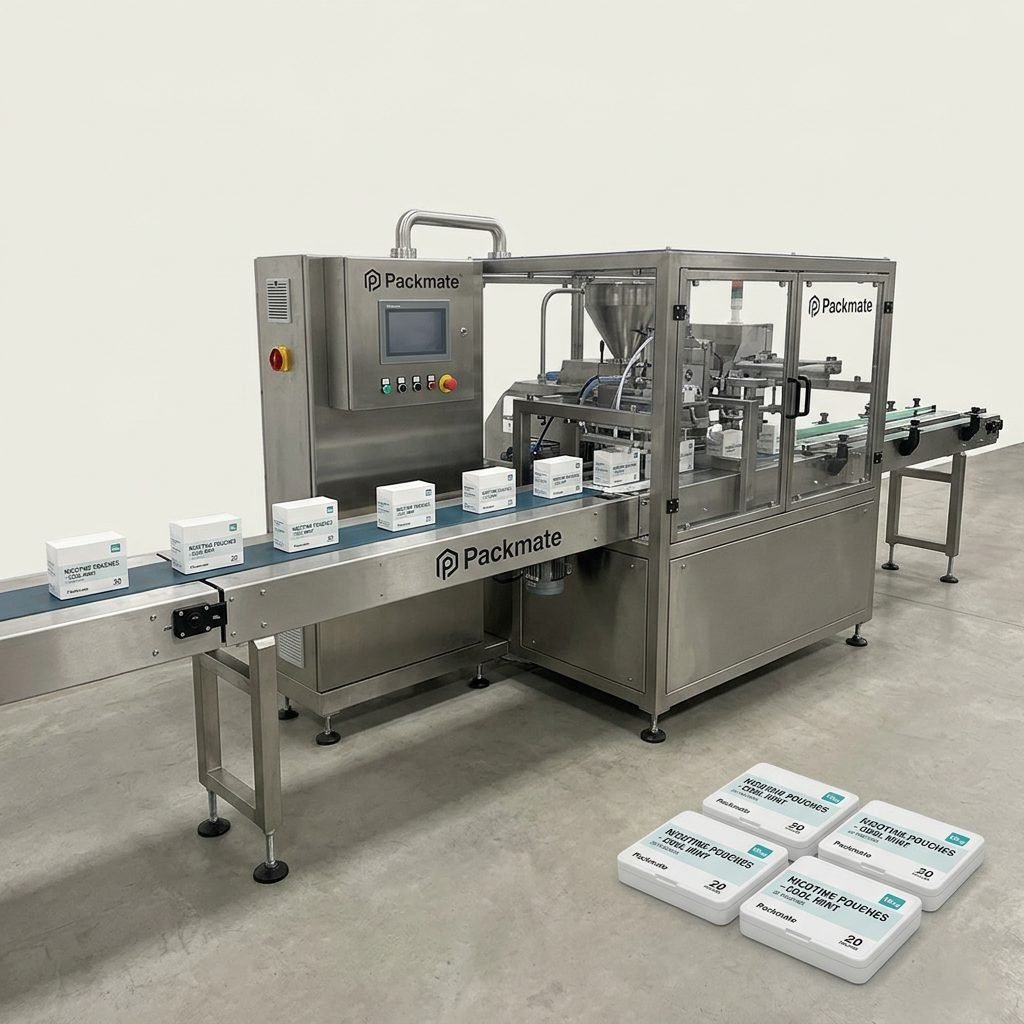
For nicotine pouches, small-dose consistency is critical. Prefer manufacturers offering integrated weighing and dosing systems with low variance. Explore Weighing & Packaging Systems and Filling & Packaging Lines for compatible solutions.
Materials compatibility and packaging films
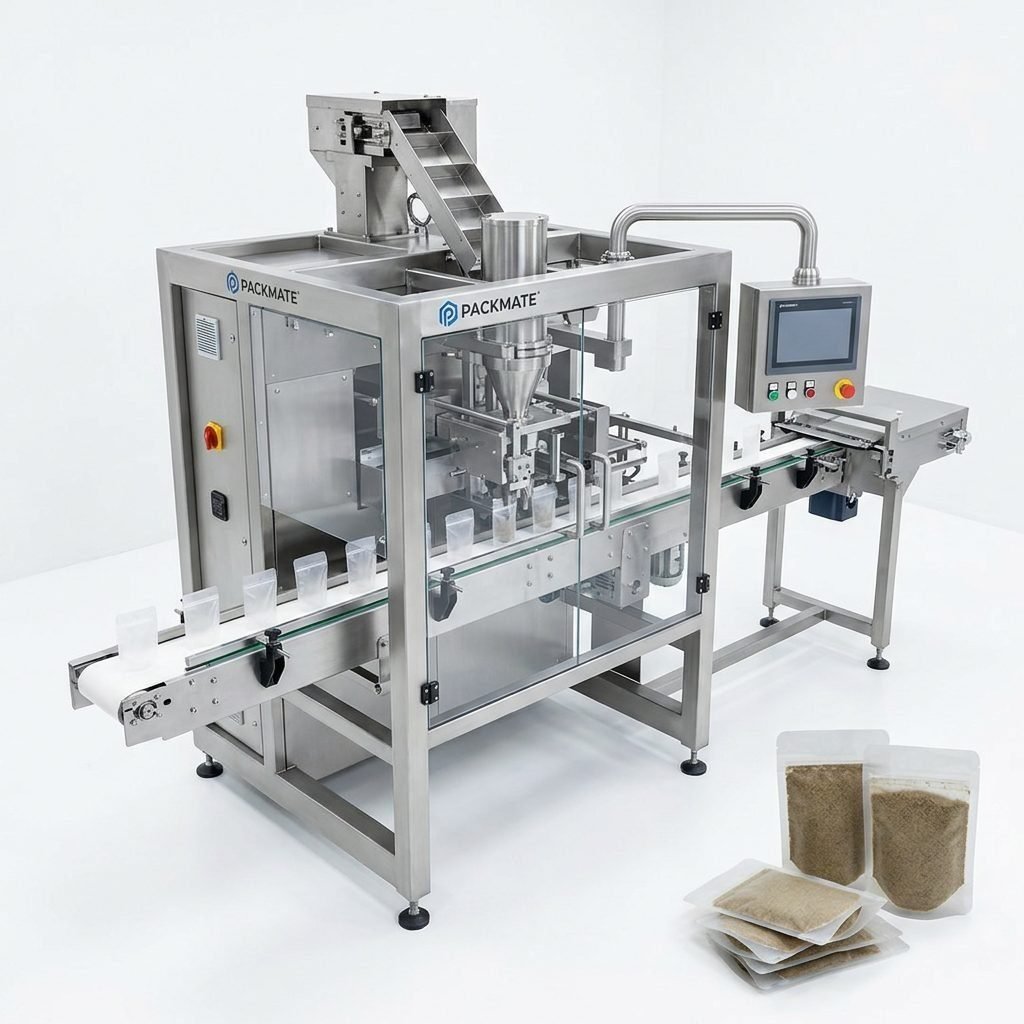
Confirm the machine’s compatibility with your pouch materials (laminate types, barrier films) and whether it can handle heat-seal or cold-seal formats as required by your product shelf-life and local humidity conditions.
Commercial and Contractual Considerations
Negotiate terms that protect your investment and align both parties’ responsibilities. Important contract items include warranty period, acceptance testing criteria, payment terms, delivery schedule, training, and intellectual property for any custom tooling.
Warranty and acceptance testing
Define acceptance testing in writing: agreed throughput, reject rates, and sealing quality for representative runs. Ensure the warranty covers key components like PLC, servo motors, and dosing systems, and specify response times for overseas service requests.
Payment and trade terms
Use staged payments tied to milestones: deposit, factory inspection approval, and shipment. Consider insured shipping and a trusted freight forwarder experienced with Philippine customs.
⚠️ Important: Clarify who handles import taxes, customs clearance, and local installation charges. Misunderstandings here often create the largest unexpected costs for buyers in the Philippines.
Factory Inspection and Pre-Shipment Checks
A factory visit or third-party inspection before shipment is one of the best ways to reduce risk. Key checks include build quality, PLC configuration, wiring, safety guards, and a full test run using your product or a close substitute.
What to inspect during factory visit
- Machine performance at rated speed with sample material
- Spares packaged with shipment and spare-parts list
- Documentation: operation manual, electrical drawings, spare lists
- Staff training plan and remote support channels
After-Sales Support and Local Service
For Philippine operations, prioritize suppliers who provide remote diagnostics, online training, and clearly defined spare-parts supply lines. If the supplier has distributors or service agents in Southeast Asia, that’s a strong advantage.
Remote support and training
Confirm availability of remote video support, parts ordering portals, and whether on-site commissioning is included or optional. A clear service SLA (response times, escalation contacts) can save weeks of downtime.
Logistics: Shipping and Customs for the Philippines
Work with freight forwarders experienced in heavy machinery shipments to the Philippines. Provide accurate HS codes for customs, arrange for import permits if needed, and plan for inland transport to your factory site. Consider door-to-door vs. FOB terms carefully.
Packaging and crating standards
Ensure machines are crated for sea voyage and that all delicate parts are protected. Suppliers should supply a complete packing list and lifting plan for safe offloading.
How Packmate Snus Machine Matches Buyer Needs
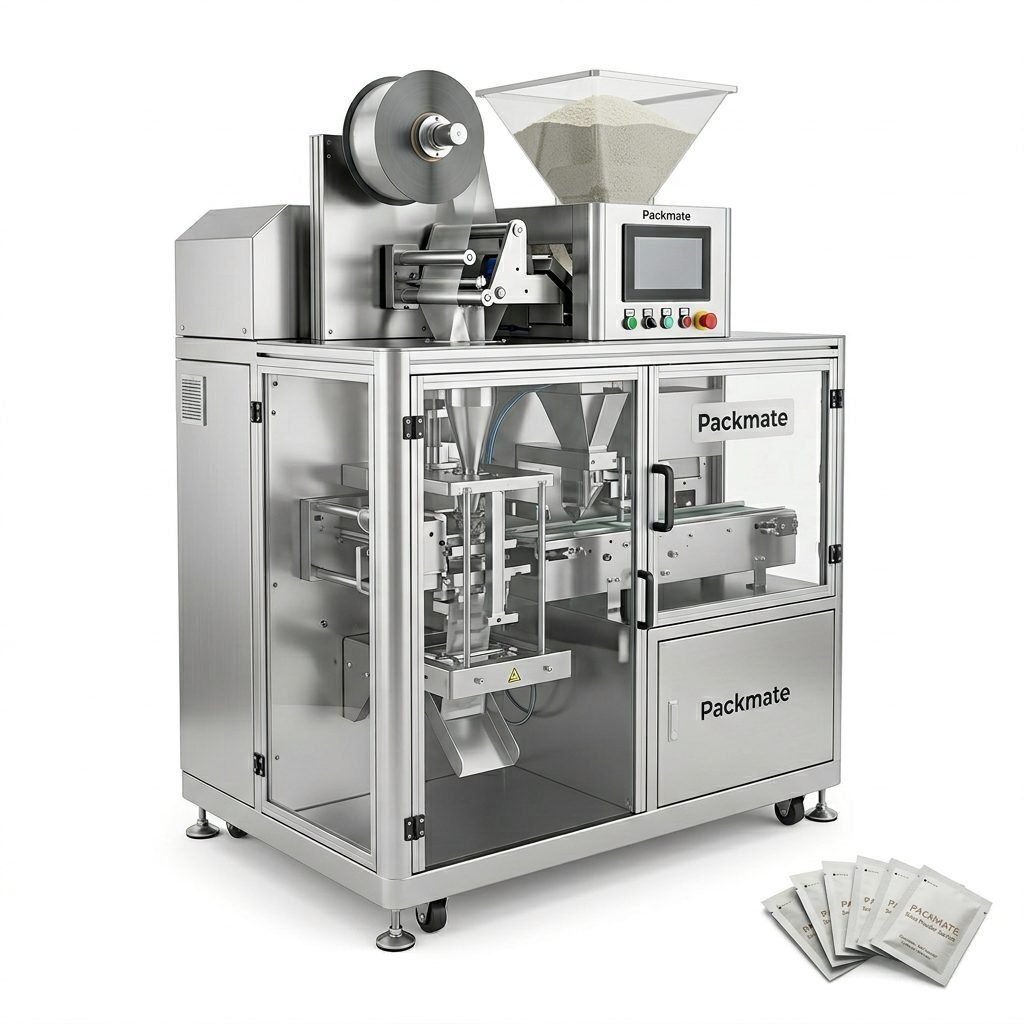
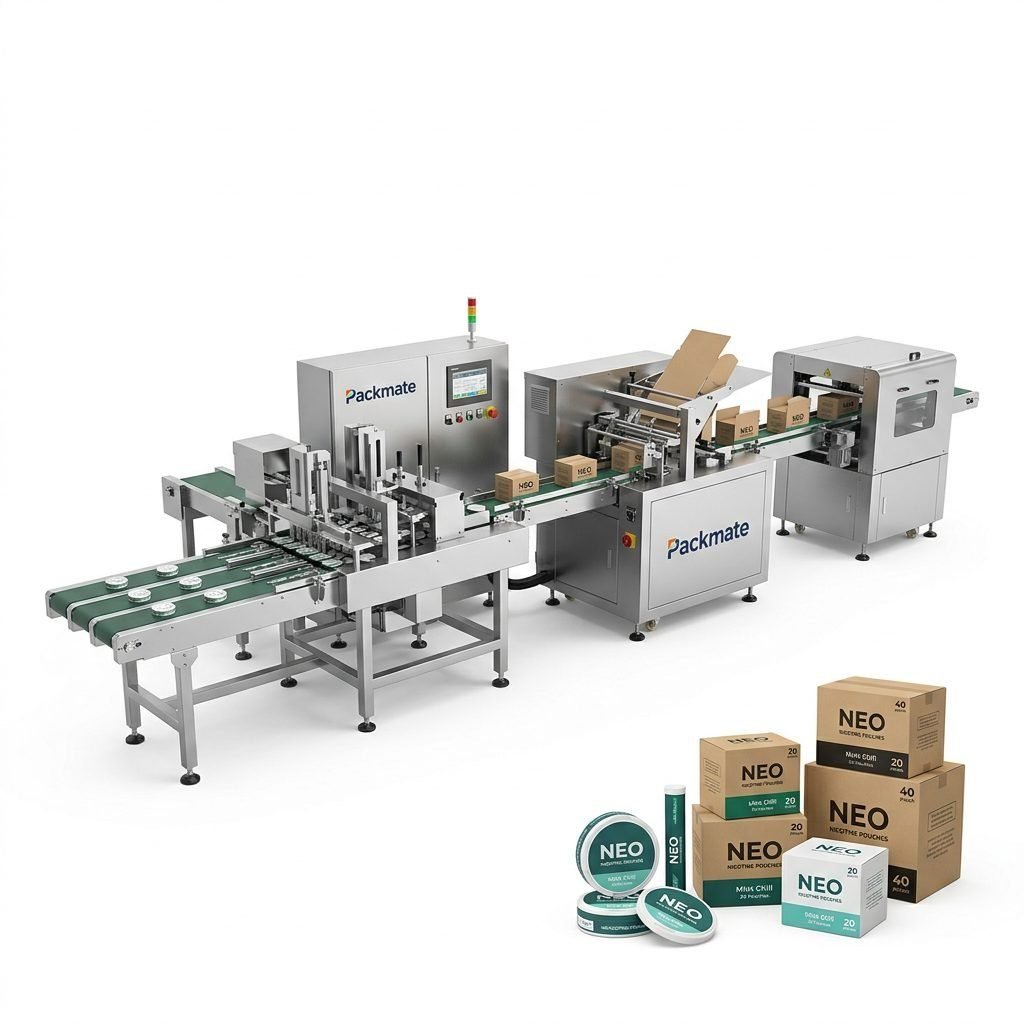
Packmate Snus Machine, with over 30 years of engineering experience and a 20,000㎡ facility, is an example of a supplier offering complete snus packaging lines, advanced CNC manufacturing, CE/ISO compliance, and multi-lane solutions. Review their product pages and case studies to evaluate model fit and global service footprint. (About Packmate) (Case)
Product breadth and turnkey capability
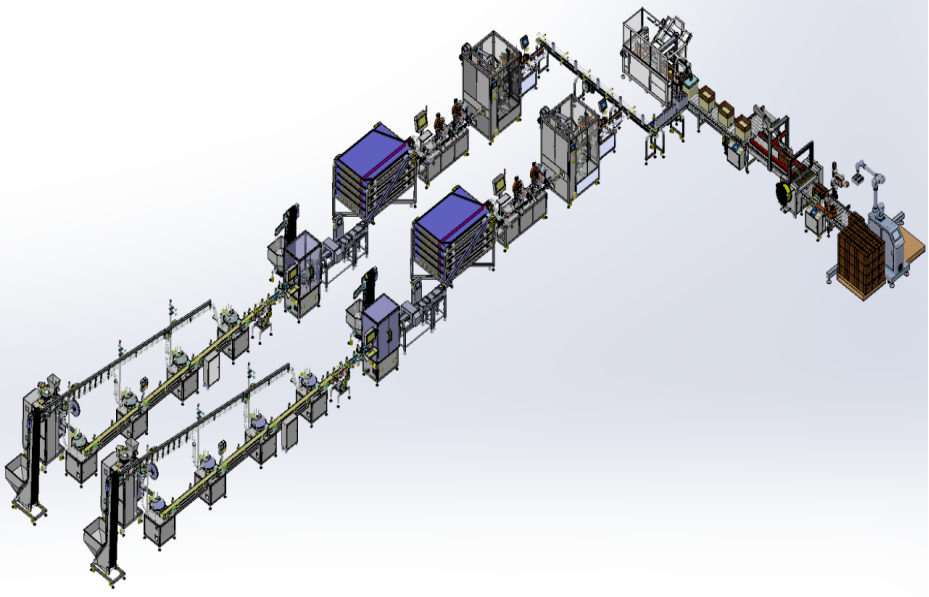
Suppliers that provide stick pack, sachet, multi-lane systems, and auxiliary equipment can supply turnkey lines that minimize integration risk. View specialized categories like Sachet & Stick Pack Machines and Auxiliary Packaging Equipment to build a compatible line.
🔧 Sourcing checklist: Product spec sheet, certification copies, reference list, video demo of your product, spare-parts list, warranty terms, and an agreed Acceptance Test Protocol (ATP).
Final Steps: Decision and Onboarding
Once you select a supplier, finalize contracts with detailed ATP, arrange factory acceptance testing, confirm shipping and customs responsibilities, and schedule installation and operator training. Build an internal timeline for commissioning and production ramp-up.
Onboarding best practices
- Assign a single internal project manager to coordinate with your supplier
- Prepare site: power supply, floor loading, and access for cranes
- Arrange for raw-material trials during commissioning to validate packaging film and pouch integrity
- Document standard operating procedures during training
Useful links
– Snus & Nicotine Packaging Machines
– About Packmate
– Contact Us
– Case Studies
Conclusion
Selecting a reliable snus packaging machine supplier for the Philippines is a multi-step process: understand local rules, shortlist suppliers with strong factory capabilities and certifications, verify machine performance with demos and ATPs, negotiate protective contracts, and plan logistics and local support. Prioritizing after-sales service, spare parts access, and clear acceptance testing will protect your investment and speed your time to market.
Frequently Asked Questions
Q1: How do I confirm a supplier’s factory capacity and quality?
A1: Request virtual or on-site factory tours, review their CNC capabilities, ask for production photos, and examine client case studies. Verify certifications and request a list of reference customers.
Q2: What certifications matter for export to the Philippines?
A2: CE and ISO certifications indicate safety and quality systems. Additionally, clarify product-specific regulatory needs with Philippine authorities or legal counsel as nicotine product classification can vary.
Q3: Should I buy a single-lane or multi-lane system?
A3: Choose single-lane for small-batch flexibility and multi-lane for high throughput and efficient space usage. Consider future growth — multi-lane systems scale capacity without duplicating equipment footprint.
Q4: How do I handle spare parts and technical support from overseas suppliers?
A4: Negotiate spare-parts kits shipped with the machine, establish reorder lead times, and confirm remote support options. Prefer suppliers with regional service partners or fast international shipping channels.
Q5: Where can I see examples of packaging lines and case studies?
A5: Review supplier case pages and product galleries. For example, visit provider case collections and exhibition records to observe live demonstrations and international installations.