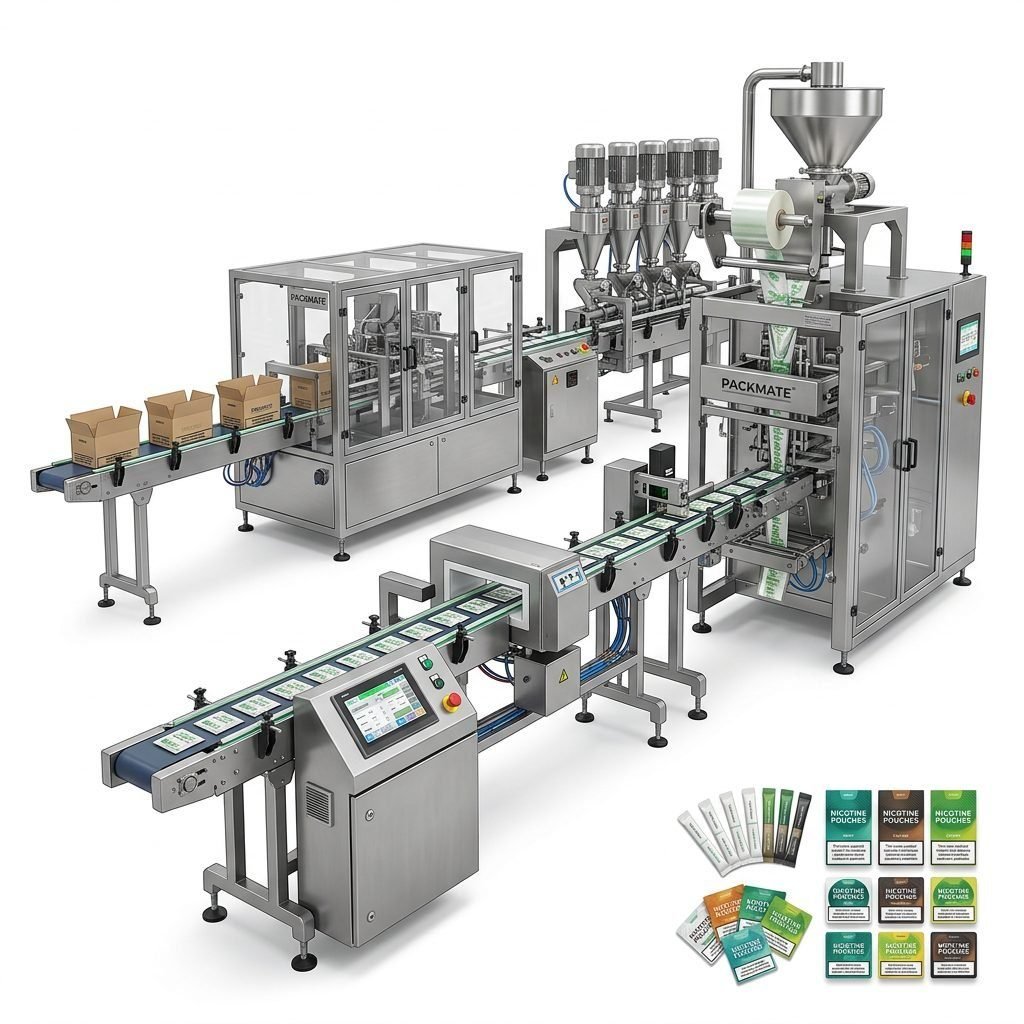
Choosing the right supplier for nicotine packaging machinery in Belarus is a strategic decision that affects your factory’s production efficiency, regulatory compliance, and long-term profitability. This guide walks you through practical criteria, local considerations specific to Belarusian buyers, factory evaluation tips, and contract essentials so you can confidently select a partner who will deliver reliable snus and nicotine pouch packaging solutions tailored to your needs.
Understand Belarus Market Context and Business Culture
Buying equipment in Belarus requires attention to legal, logistical, and cultural factors. Belarus has a business environment where trust and long-term relationships matter. Many partners prefer in-person visits, technical demonstrations, and negotiations conducted in Russian. Customs documentation and import procedures can affect delivery timelines, and local electrical standards (typically 220V, 50Hz) and available spare parts must be confirmed before purchase. When selecting a supplier, prioritize companies that provide clear documentation in Russian or bilingual manuals, local-language remote support, and a strong track record of exporting to Eastern Europe.
Why local customs matter
Belarusian partners often value face-to-face communication, detailed technical demonstrations, and rapid after-sales responsiveness. They expect transparent timelines and clear contractual terms. Suppliers who can demonstrate successful installations in similar climates and regions (Eastern Europe, Russia) will be better placed to meet expectations for service and spare parts logistics.
Essential Technical Criteria for Nicotine Packaging Machinery
Key areas to verify:
- Production speed and throughput (pieces/minute) and whether multi-lane configuration is available for high-volume runs.
- Filling accuracy and dosing systems for micro-dose nicotine pouches — consistency is critical to product quality.
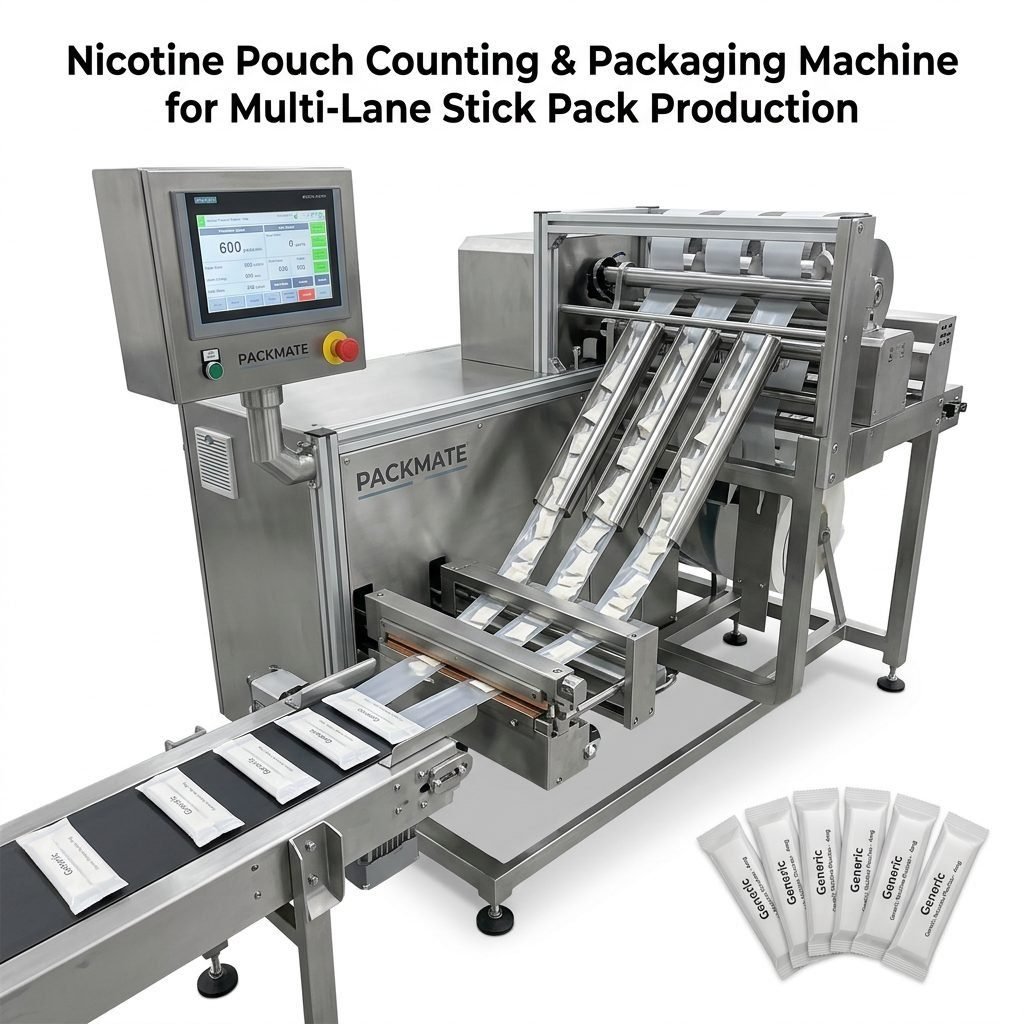
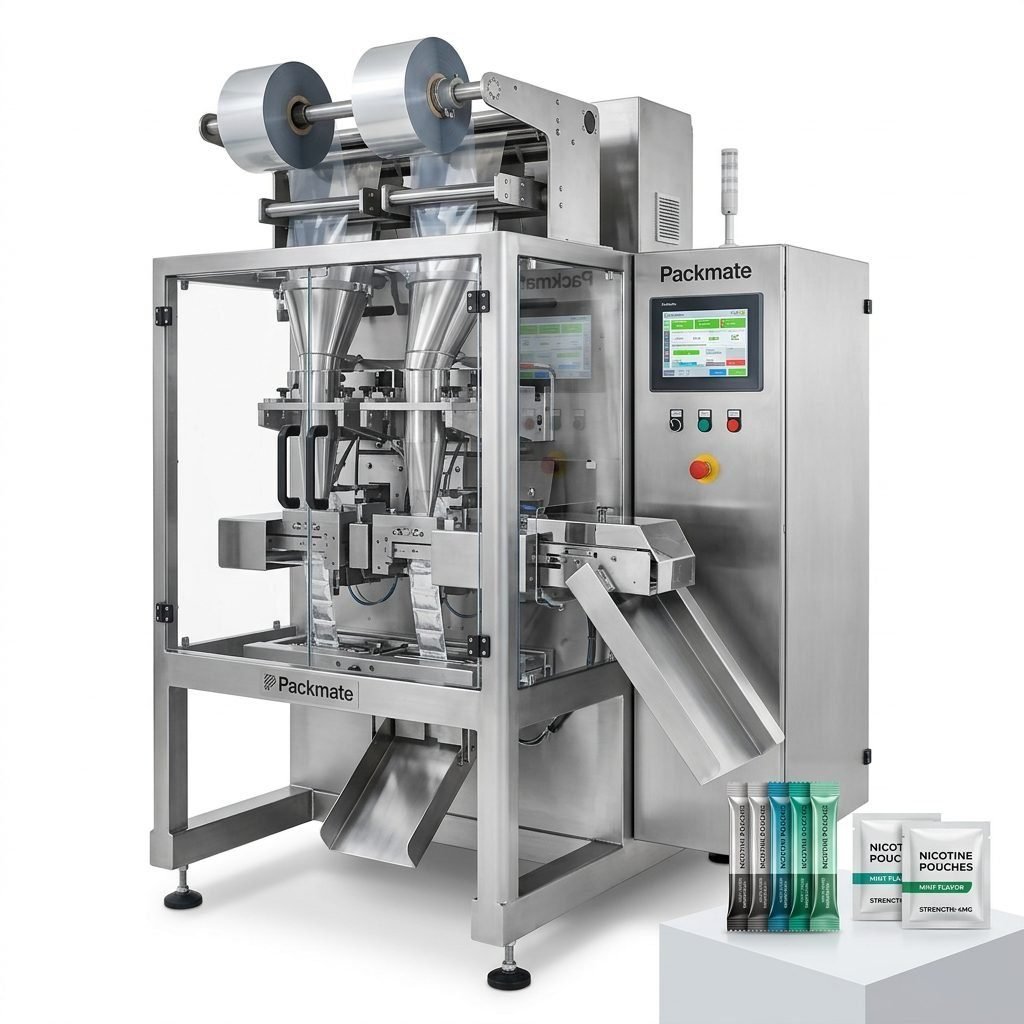
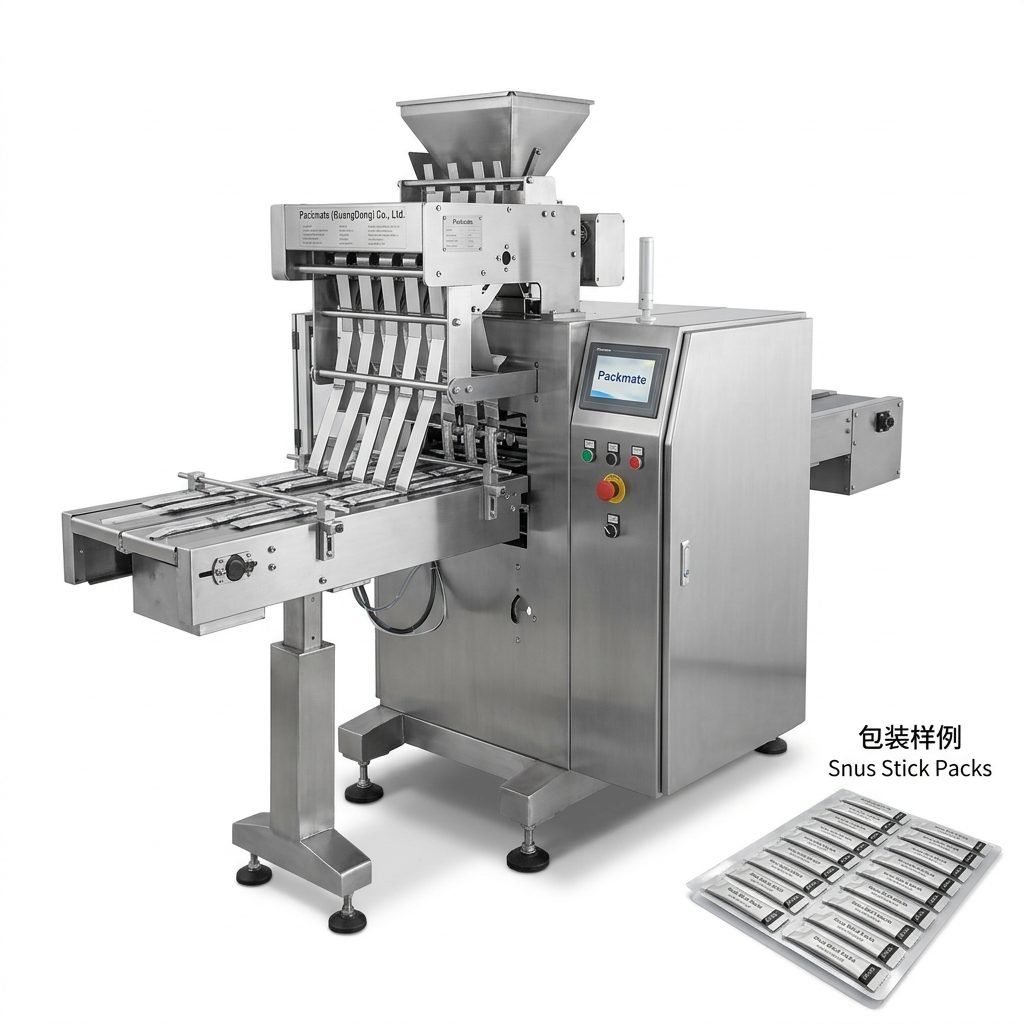
- Compatibility with pouch types: sachet, stick pack, and multi-lane snus pouch formats.
- Ease of changeover between SKUs and tool-less or rapid-change parts for reduced downtime.
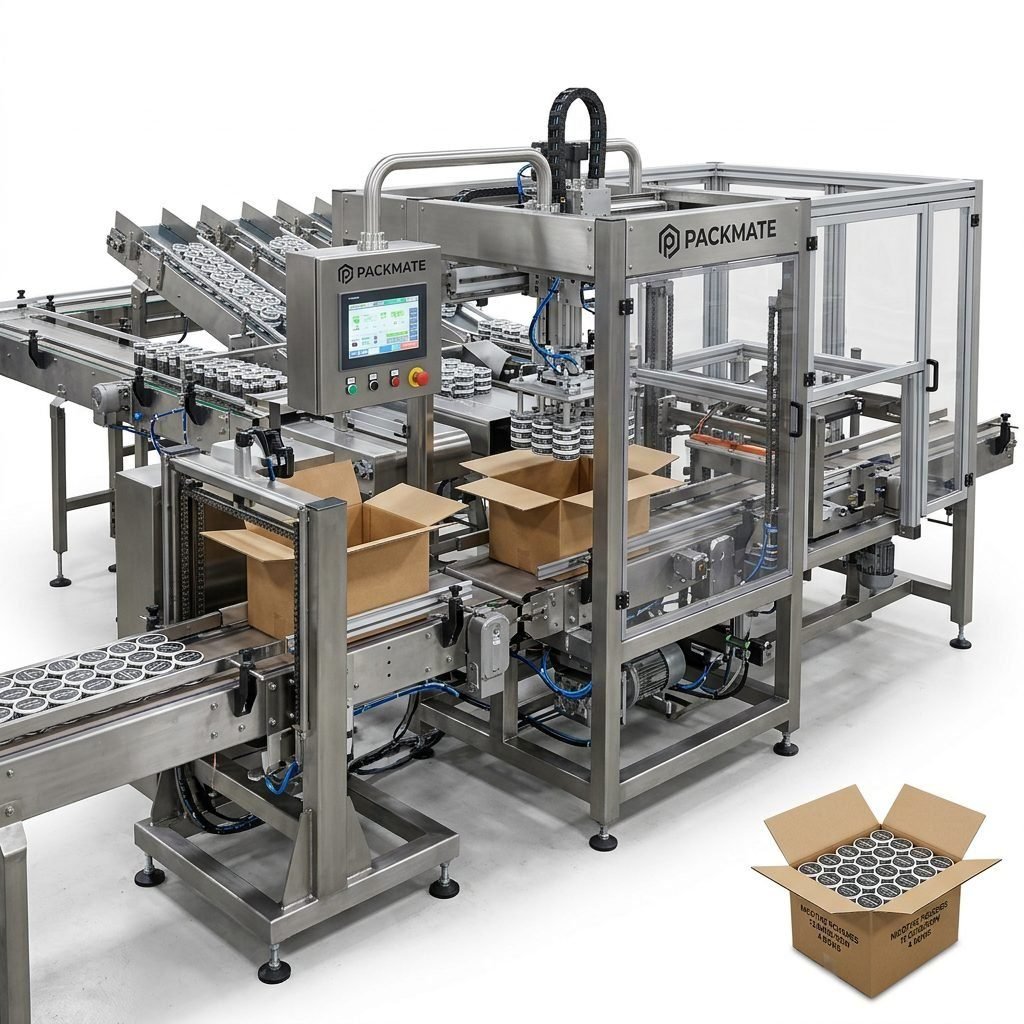
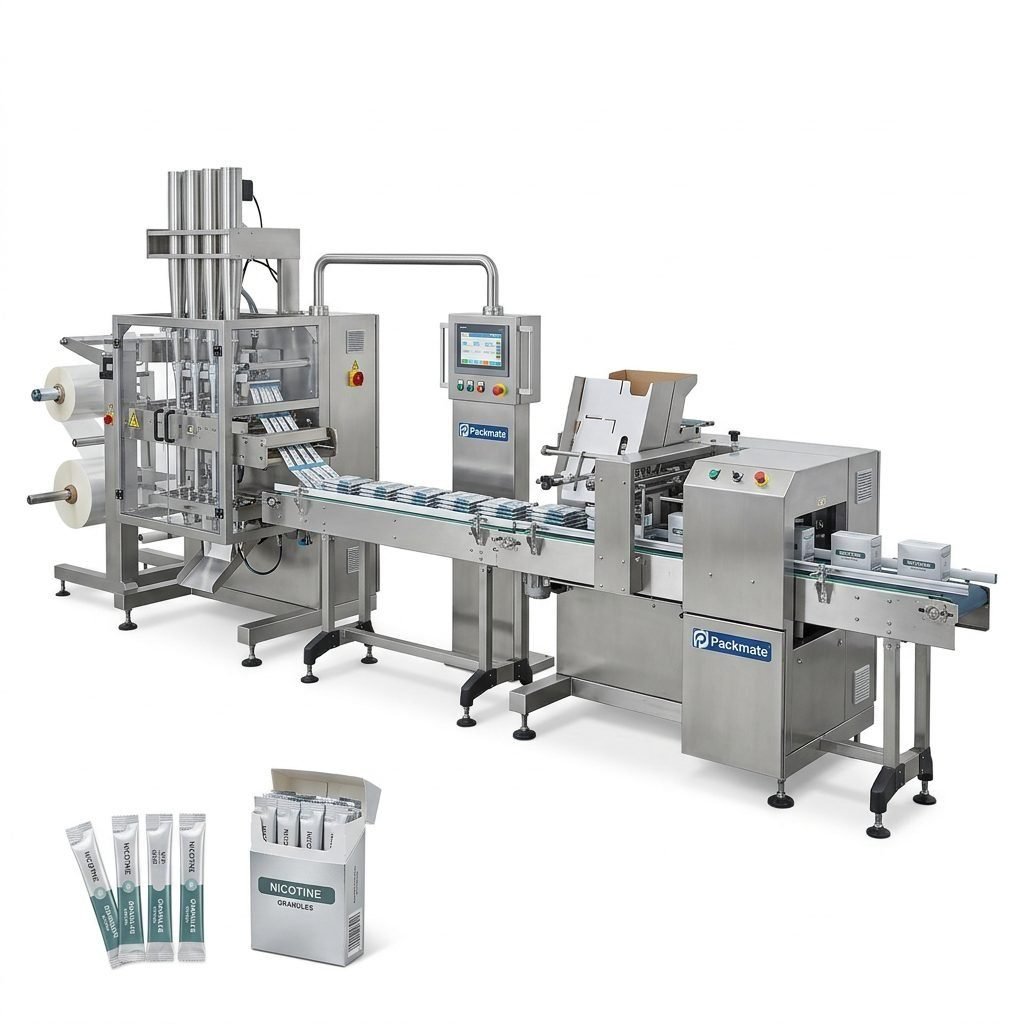
- Automation level and integration with upstream/downstream systems (weighing, feeding, secondary packaging).
Certifications and Standards
Verify CE and ISO certifications to ensure safety and international compliance. Equipment that meets global standards often simplifies customs clearance and reassures local regulators. For supplier documentation and certificates, review the manufacturer’s certificate portfolio and test reports. See supplier certificates for reference: Certificate.
Operational and Commercial Considerations
A purchase is more than the machine price. Consider total cost of ownership including spare parts, energy consumption, maintenance labor, downtime risk, and required tooling. Ask suppliers for real-case ROI calculations based on your intended production schedule and SKU mix. A reputable manufacturer will be able to supply references and performance data from similar installations.
After-sales Service and Spare Parts
For Belarusian factories, availability of spare parts and rapid technical support are decisive. Confirm whether the supplier maintains European or regional spare part stocks, offers expedited shipping, and provides remote troubleshooting in Russian. Check if on-site commissioning, operator training, and a warranty with clear SLA terms are included.
How to Evaluate a Supplier — Step-by-step
- Shortlist suppliers based on experience with nicotine pouch/snус machinery and multi-lane systems.
- Request detailed technical datasheets, videos of machines running your product or similar products, and customer references.
- Arrange a factory visit or video audit to inspect manufacturing capabilities: CNC machining centers, assembly lines, and quality control processes.
- Ask for an onsite or remote FAT (Factory Acceptance Test) with your product to verify performance before shipping.
- Compare total cost proposals including installation, training, spare parts kits, and extended warranty options.
🔧 Tip: Visit the supplier’s production facility when possible. A modern 20,000㎡ factory with advanced CNC and precision assembly lines demonstrates capacity to produce high-quality machines at scale. Learn more about the manufacturer here: About Packmate.
Questions to Ask During Evaluation
When speaking with sales or engineering teams, get explicit answers to: expected uptime, mean time between failures (MTBF), recommended daily maintenance, spare parts lead times, and whether the supplier will provide start-up engineers in Belarus for commissioning.
Local Logistics, Compliance and Import Advice for Belarus
Understand import duties, documentation, and labelling requirements for nicotine-related products. While packaging machines themselves are subject to normal machinery import rules, nicotine products are regulated — ensure the supplier can provide the necessary machine documentation and materials certificates to satisfy customs and local authorities. Use a freight forwarder experienced with Belarus paperwork to avoid delays.
Power, Utilities and Facility Readiness
Confirm the machine electrical specifications (voltage, phase) match your factory. Plan for compressed air, dust extraction, and foundation or anchoring needs. Detailed factory layout plans and pre-shipment checklists should be agreed upon to minimize installation time and unforeseen costs.
Negotiation, Contracts and Payment Terms
Negotiate clear KPIs and acceptance criteria. Include clauses for penalty or remediation if acceptance tests fail. Typical requirements include: delivery schedule, performance guarantees, spare parts kit and list, training scope, warranty length, and support response times. Payment terms often include deposit, progress payments, and final payment after successful FAT or commissioning.
✅ Must-have contract items: FAT acceptance criteria, spare parts list, commissioning schedule, language of manuals, and clear warranty coverage.
Red Flags to Watch For
⚠️ No factory visit or refusal to run your product in a FAT.
⚠️ Vague answers about spare parts availability or undocumented lead times.
⚠️ Lack of clear certification or inability to provide test reports. If you encounter any of these, proceed with caution.
Why Consider Packmate and Where to See Real Cases
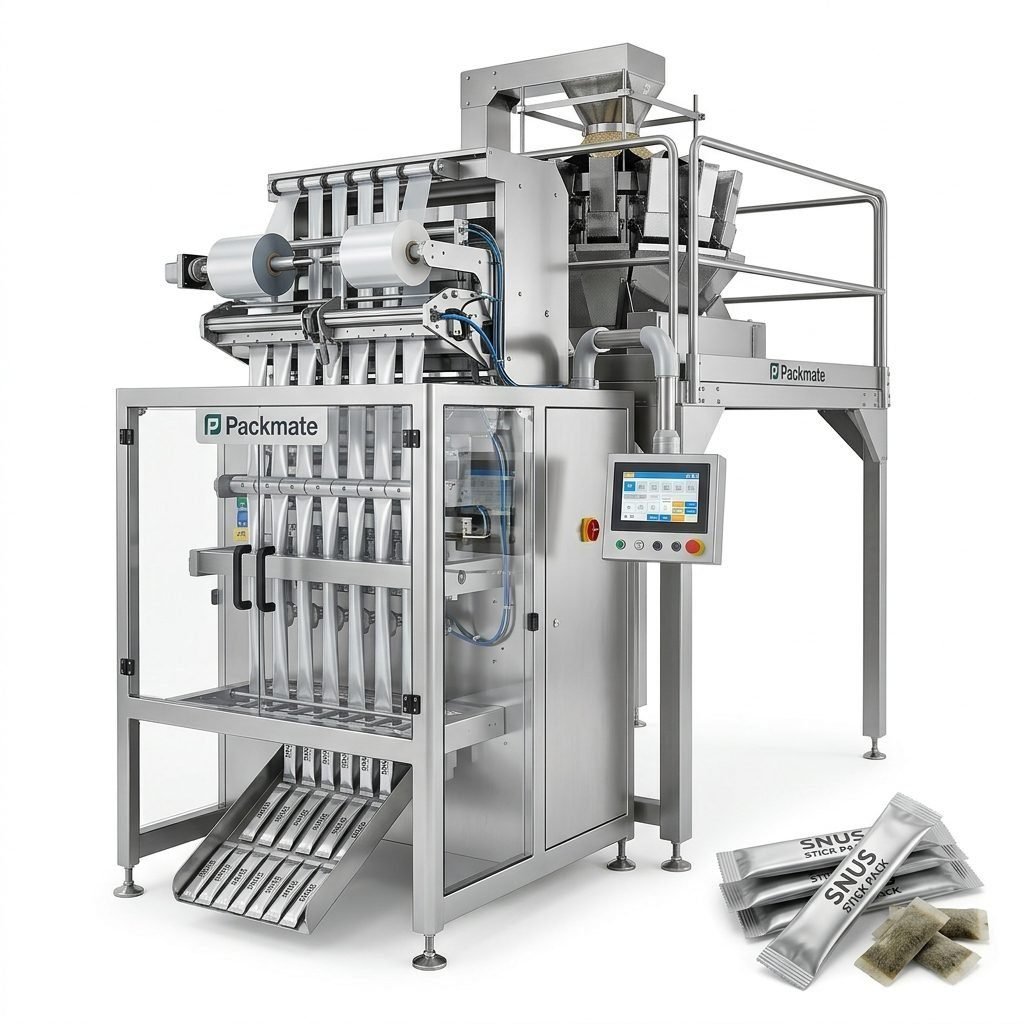
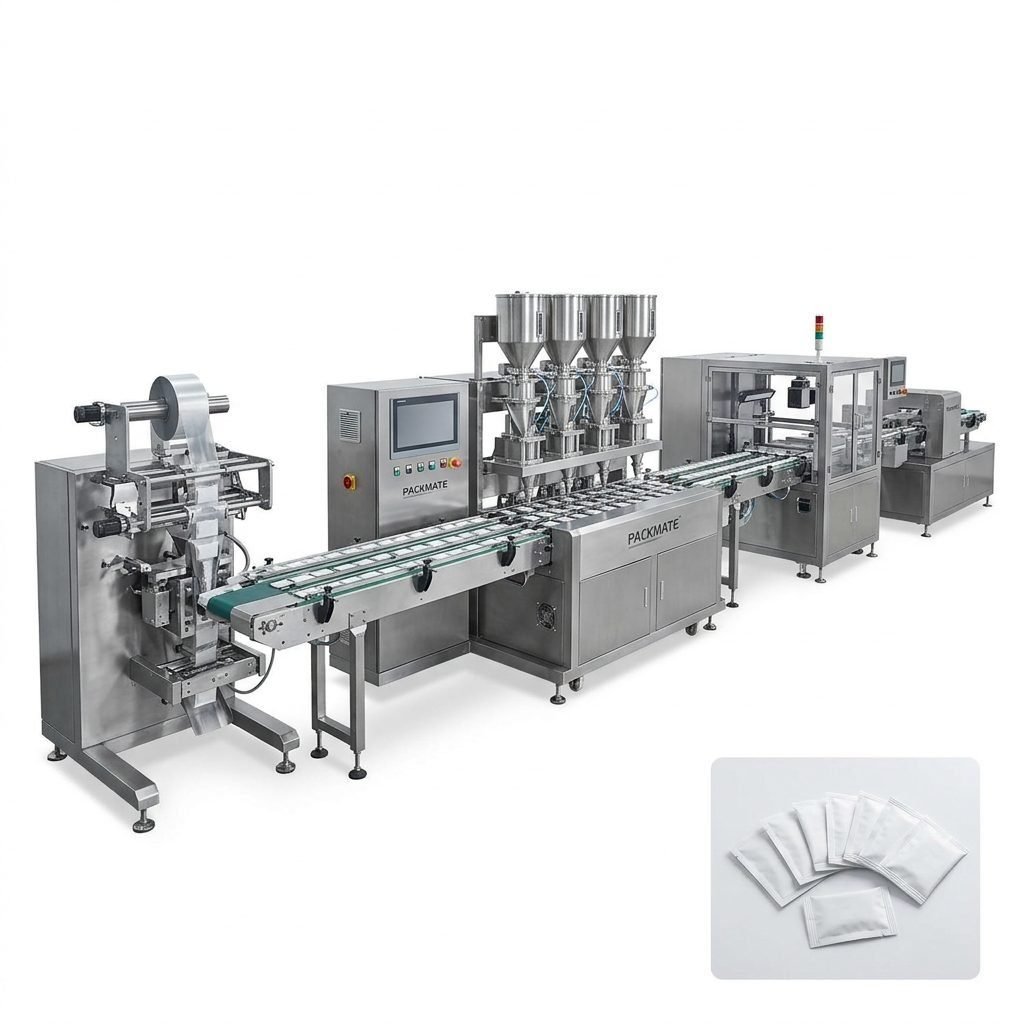
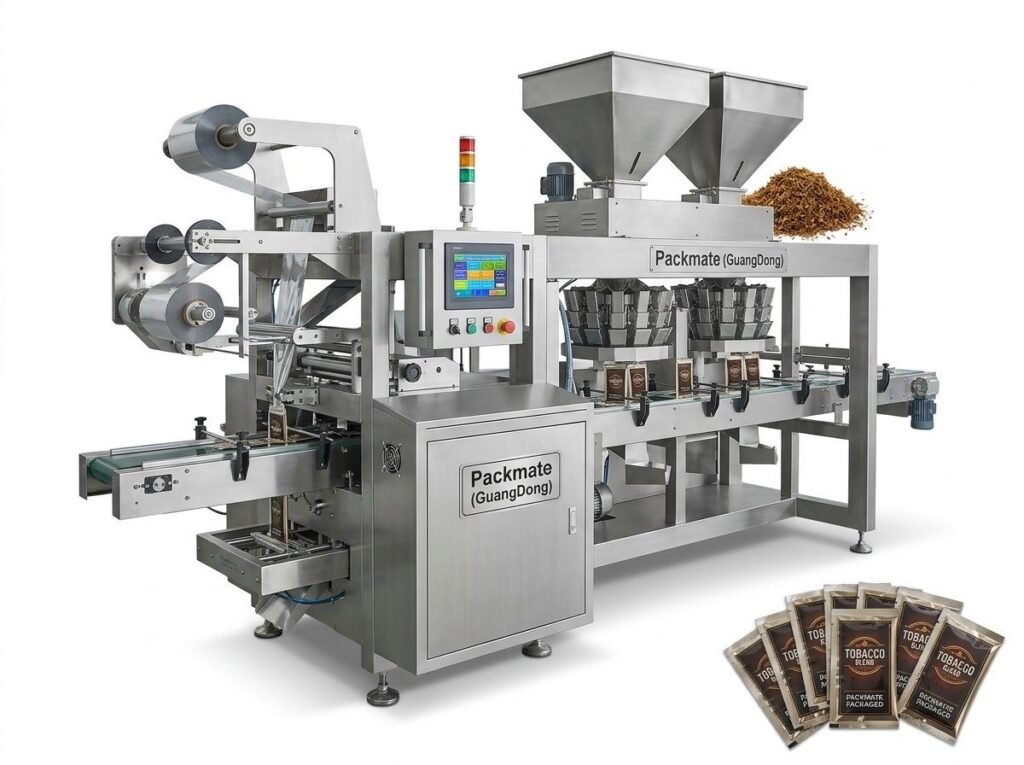
Suppliers with decades of experience in snus and nicotine pouch equipment bring refined engineering, tested multi-lane systems, and complete packaging solutions. Packmate Snus Machine, for instance, offers a wide range of snus & nicotine packaging machines and turnkey lines supported by 30+ years of engineering and a 20,000㎡ manufacturing facility. Explore machine categories and real project cases:
– Snus & Nicotine Packaging Machines: product details
– Successful implementations and client stories: Case
– For sales or technical inquiries: Contact Us
Integration with Upstream/Downstream Lines
When planning a full production line, ensure the chosen supplier can integrate filling systems, weighing, feeding, and secondary packaging. Check their experience with complete filling & packaging lines and auxiliary equipment to minimize integration risk. Explore their wider product ranges here: Filling & Packaging Lines and Auxiliary Packaging Equipment.
Final Checklist Before You Sign
- Have you witnessed a machine running your product or equivalent in a FAT?
- Are certifications, manuals, and documentation available in Russian if needed?
- Is there a clear spare parts kit and regional stock plan?
- Does the contract include clear acceptance tests and warranty terms?
- Have you planned for customs and installation logistics in Belarus?
Next Steps
Shortlist 2–3 suppliers, request comprehensive proposals with FAT videos or live demos, and plan a factory visit or virtual audit. Use supplier references and case studies to validate claims, and ensure all technical and commercial terms are captured in the purchase contract. If you want to explore proven snus machinery models and turnkey solutions, review the supplier’s machine categories and catalog: Sachet & Stick Pack Machines.
Common Questions (FAQs)
Q1: Is it legal to operate nicotine pouch packaging equipment in Belarus?
A: Machinery sales and installation are generally permitted, but the finished nicotine product is regulated. Confirm local product legislation and labelling requirements with Belarusian authorities and ensure your packaging lines comply with any specific restrictions.
Q2: How long does delivery and commissioning typically take?
A: Delivery depends on customization and factory schedule. Standard lead times range from several weeks to a few months. Allow extra time for FAT, shipping, customs clearance, and on-site commissioning. Confirm timelines in your purchase agreement.
Q3: Do suppliers offer training and local support in Russian?
A: Top-tier suppliers provide commissioning engineers, operator training, and documentation in local languages. Confirm language support and remote troubleshooting options before signing.
Q4: Where can I see real examples of snus packaging lines?
A: Review manufacturer case studies and exhibition demos. Visit the supplier’s case pages and exhibition schedule for live demonstrations: Our Exhibition.