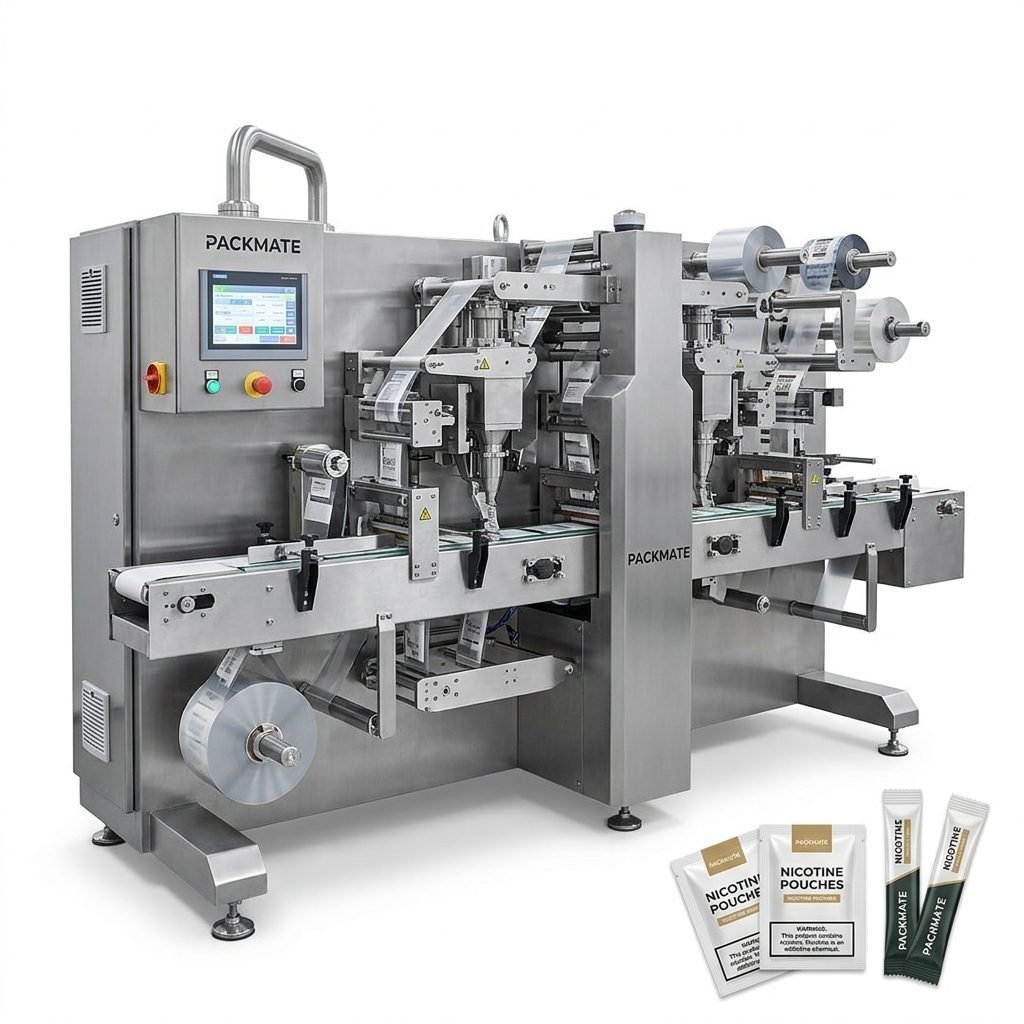
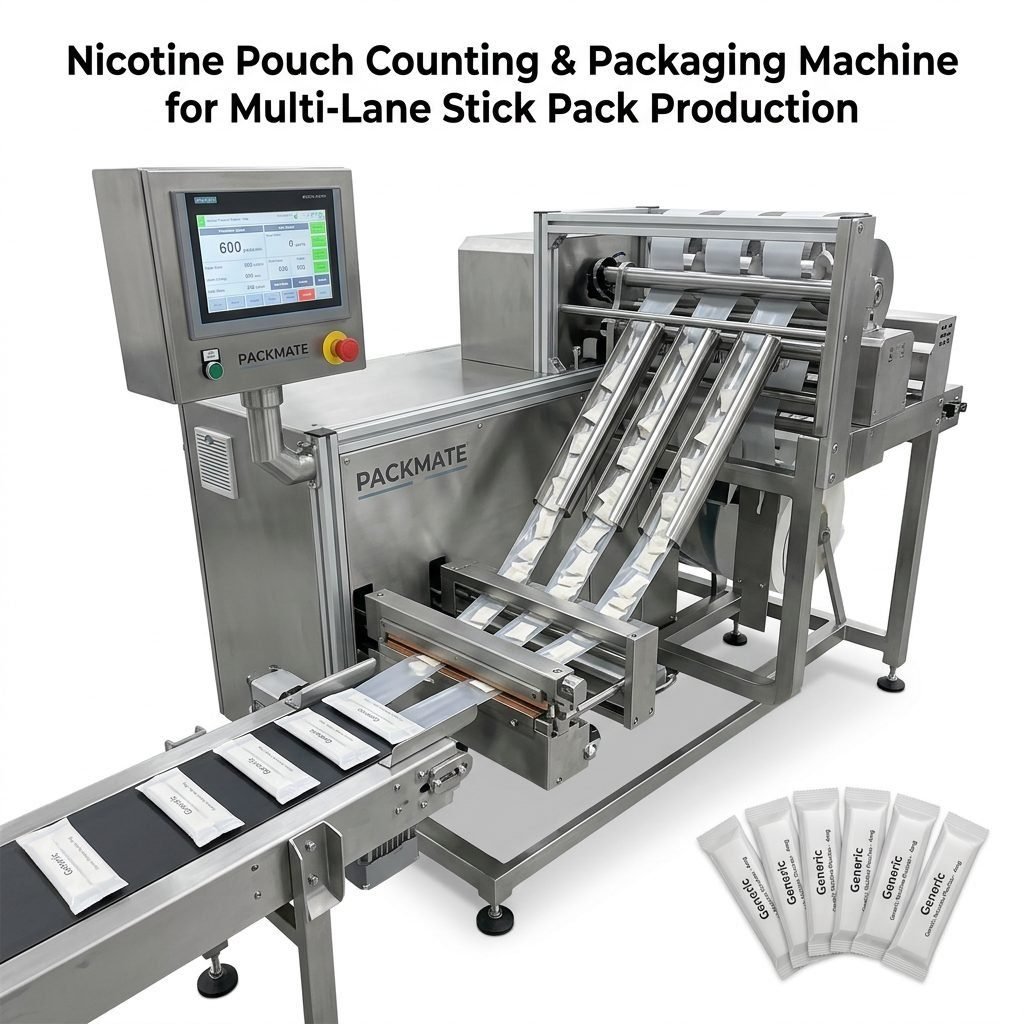
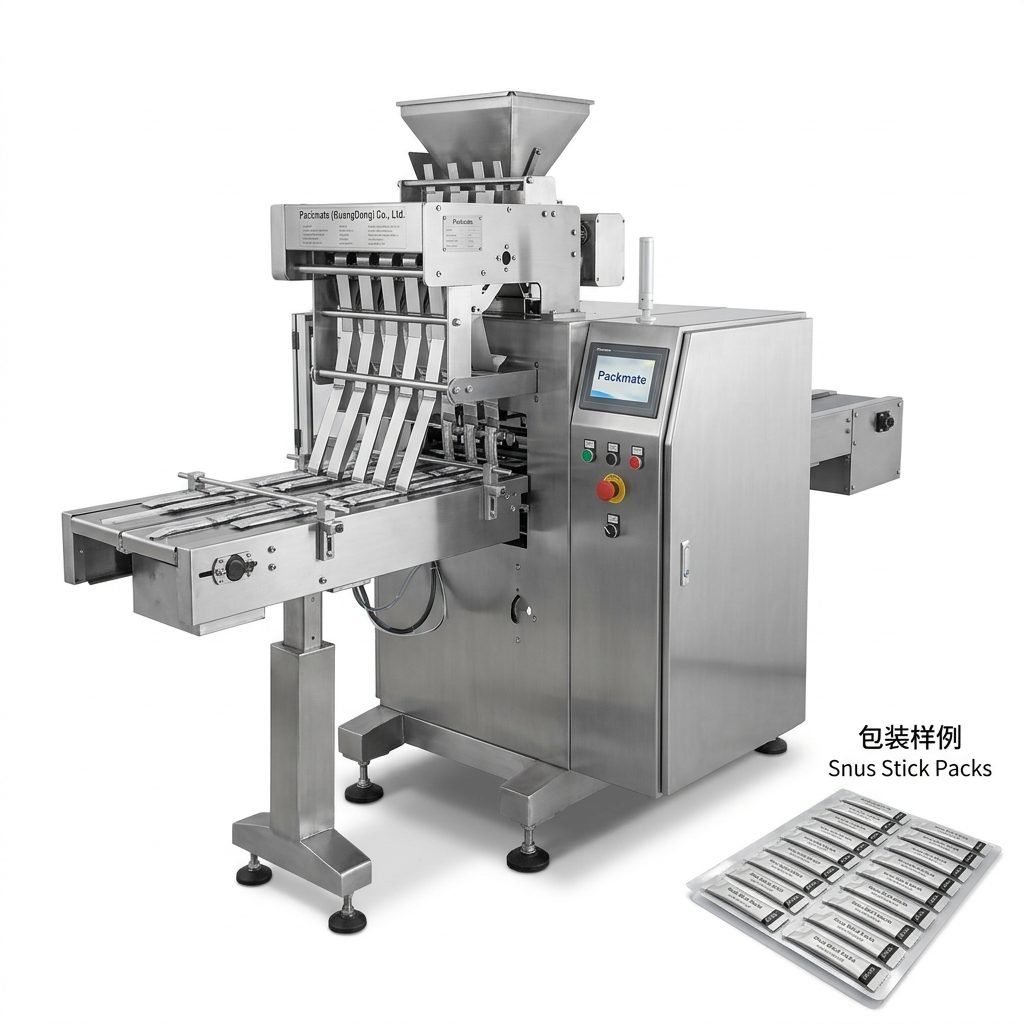
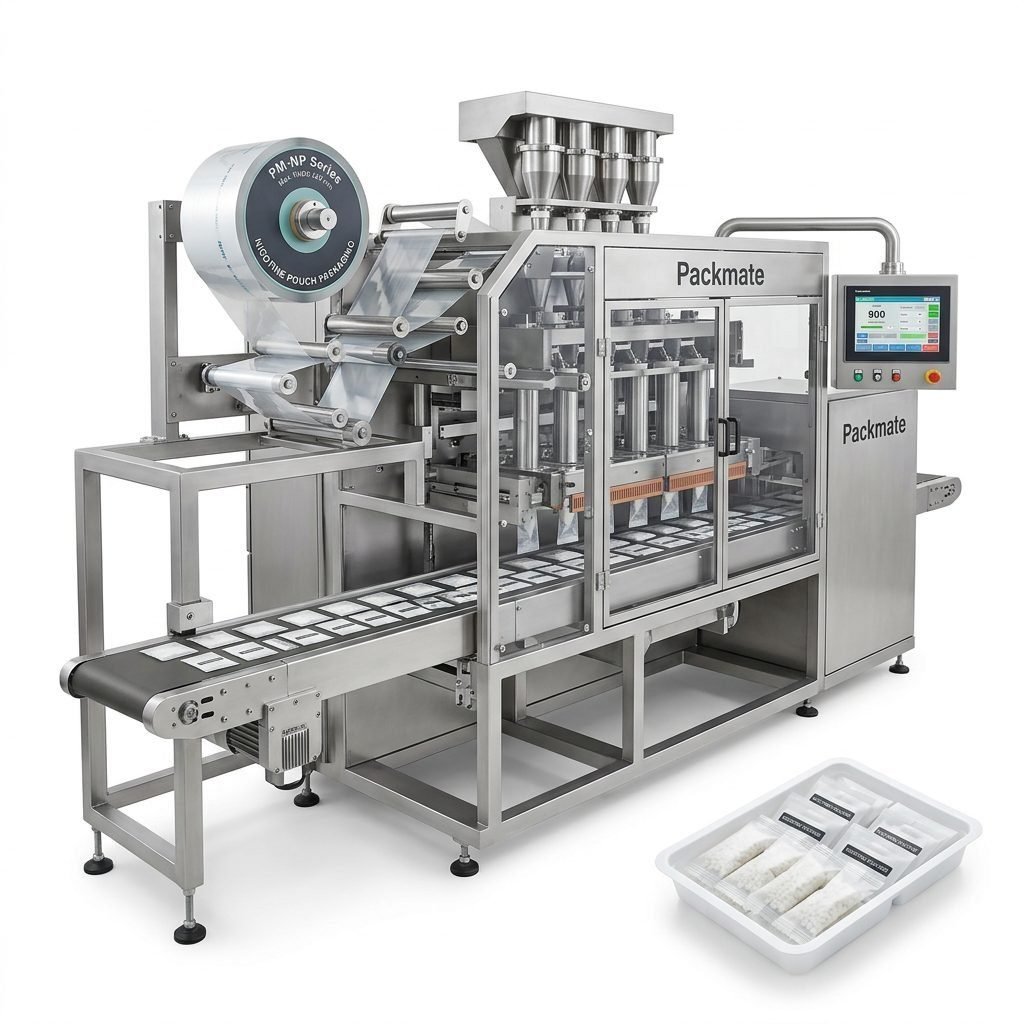
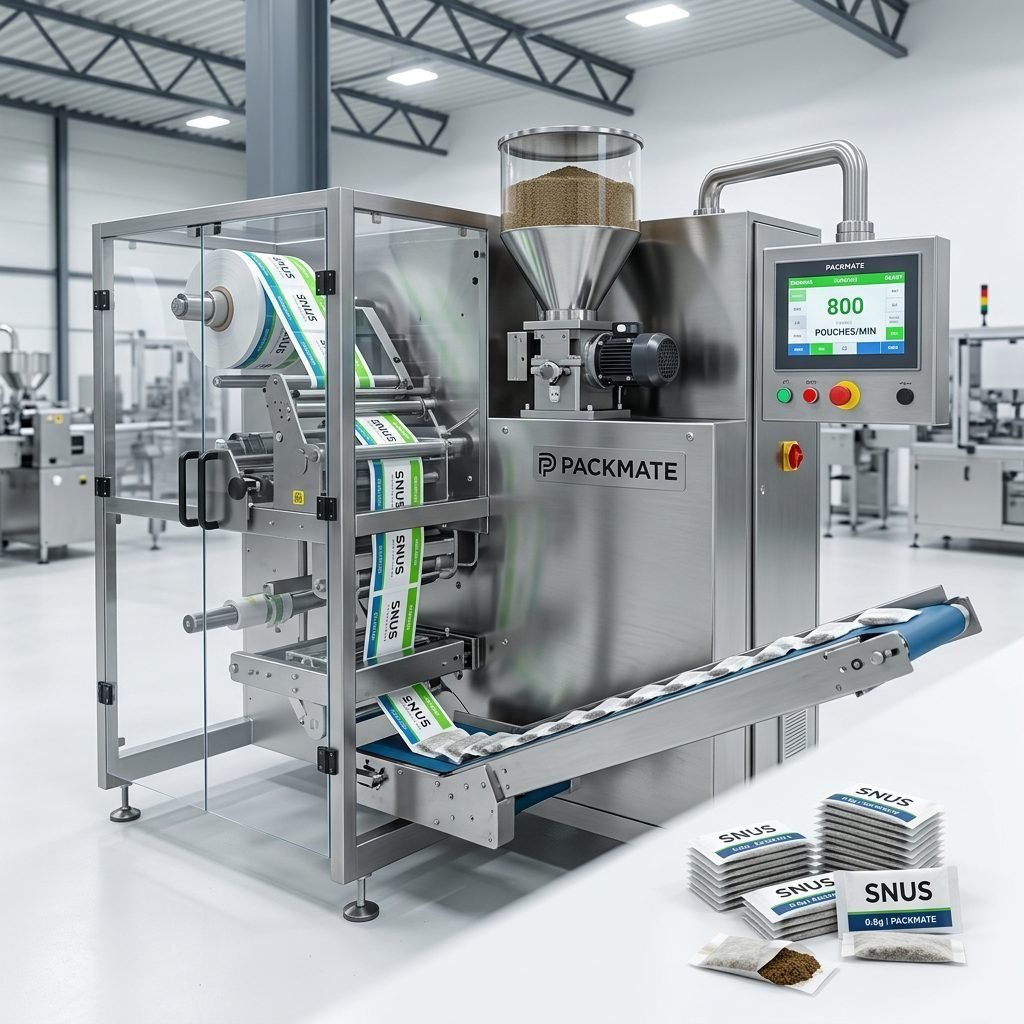
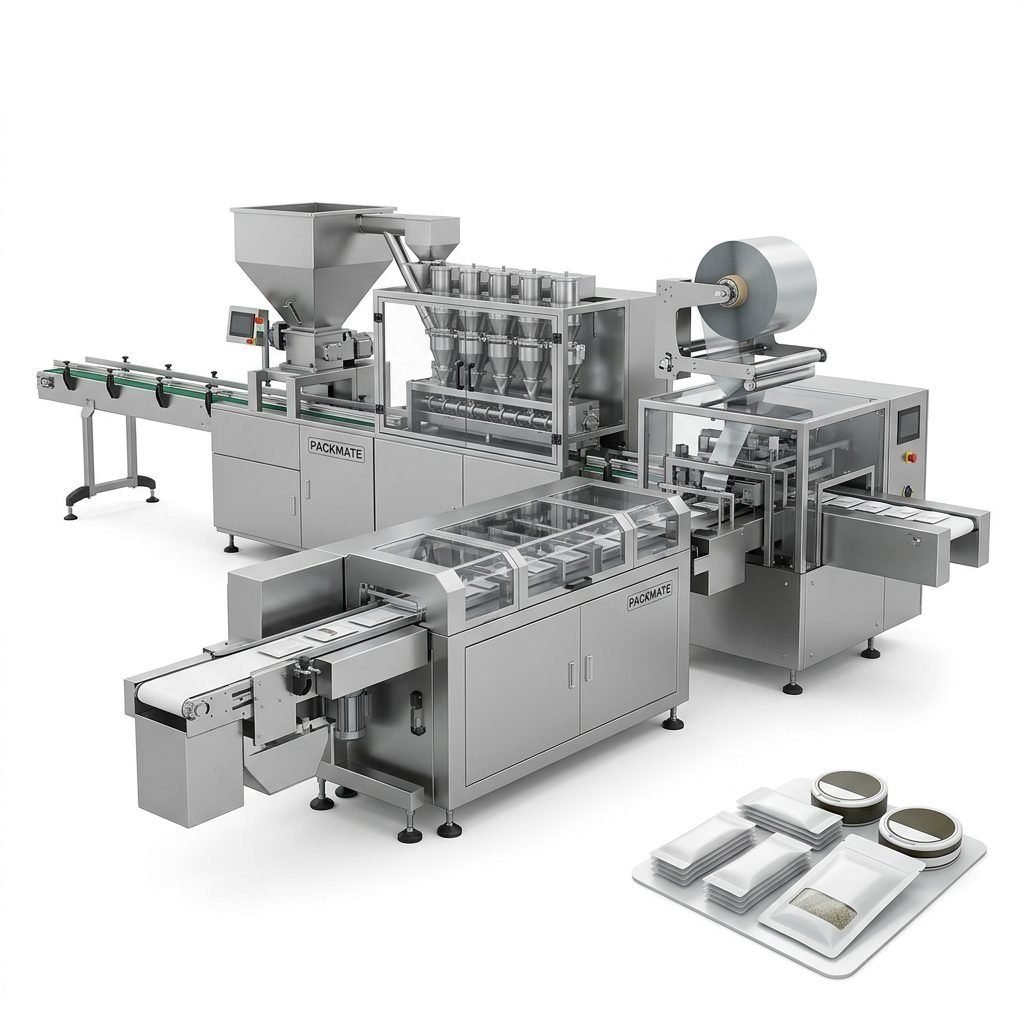
Entering the South Korean market for snus and nicotine pouch production requires more than selecting a machine — it demands a reliable supplier that understands product regulations, local business culture, and production scalability. This buyer’s guide walks you through every step of finding a trustworthy snus packaging machine supplier in South Korea, covering supplier qualifications, on-site verification, technical requirements, cultural tips, logistics, and after-sales support.
Why Choosing the Right Supplier Matters
🔍 A quality snus packaging machine supplier ensures consistent pouch weight, hermetic sealing, stable multi-lane production, and compliance with international safety standards. For South Korea, where manufacturers and importers often prioritize product traceability and hygienic production, a supplier’s engineering experience and documentation are critical.
Key supplier credentials to verify
✅ Industry experience: Look for vendors with decades of packaging engineering experience and an established product line for nicotine pouches. Companies that supply multi-lane snus lines and stick pack or sachet systems demonstrate broader expertise.
✅ Factory capability: A modern manufacturing facility with CNC machining, precision assembly, and strict QC systems reduces risks of delivery delays and quality issues.
✅ Certifications: CE and ISO compliance are signals of internationally acceptable safety and quality systems — essential for Korean importers and regulators.
Understand South Korean Market & Culture
South Korea has a rigorous approach to product safety and a business culture that values formality, punctuality, and clear contractual obligations. While snus use is not as historically widespread as in Nordic countries, nicotine pouches and modern oral nicotine products are gaining interest within certain consumer segments. As a buyer, accounting for local tastes, labeling language (Korean), and regulatory scrutiny is essential.
Practical cultural tips for negotiations
📌 Koreans appreciate punctual meetings, clear agendas, and written follow-ups. Contracts should be bilingual (Korean and English) where possible. Building trust through multiple communications and factory references improves partnership longevity.
Technical Criteria: What to Ask About the Machine
When evaluating machines, focus on throughput, lane configuration, filling accuracy, compatibility with your pouch materials, and ease of maintenance. Below are the core technical parameters to request.
Machine capabilities checklist
⚙️ Throughput & lanes: Confirm final sachets/minute and whether the machine supports single or multi-lane setups for scale-up flexibility.
⚙️ Fill accuracy: Ask for documented accuracy and how it performs with powders, granules, or moist snus mixes.
⚙️ Material compatibility: Ensure compatibility with your pouch film laminates and barrier requirements for nicotine products.
⚙️ Hygiene & cleanability: Design details like quick-release parts and stainless contact components reduce downtime for cleaning.
Factory Visits & Verification
A factory audit is one of the strongest ways to validate a supplier. If you cannot visit in person, request live video tours, machine demo footage, and client references in similar markets.
What to inspect during a visit
🔎 Production floor organization, assembly stations, CNC equipment, part traceability, and quality control lab. Ask to see test runs of your product format. Verify spare parts inventory and final test reports for CE/ISO where applicable.
After-Sales, Training & Spare Parts
Prompt local support and an ample spare parts strategy minimize downtime. For Korean operations, consider suppliers who offer remote diagnostics, on-site commissioning, and Korean-language manuals or translated SOPs.
📞 Training: Ask for operator and maintenance training — ideally with on-site sessions and follow-up webinars.
🧩 Spare parts: Ensure core wear parts and electronics are stocked regionally or guaranteed for fast shipment.
🛠 Service contracts: Clarify SLA response times and whether remote troubleshooting tools are available.
Regulatory & Compliance Considerations
South Korea enforces strict labeling and safety standards for nicotine and tobacco-related products. While machinery itself is mainly regulated by CE/ISO and electrical safety rules, your end products must comply with local health and commerce laws. Work with suppliers that can provide necessary documentation for validation and audits.
Documentation to request
📑 Machine CE/ISO certificates, component datasheets, wiring diagrams, FAT (Factory Acceptance Test) reports, and calibration records. These will streamline local approvals and importer due diligence.
Logistics, Installation & Production Ramp-up
Plan logistics early: freight method, customs documentation, installation timelines, and validation runs. A phased ramp-up (pilot line → full production) lowers the risk of quality escapes and lets you refine recipes and packaging materials.
Checklist for smooth installation
- Pre-shipment FAT with video and acceptance criteria
- Clear electrical and utility drawings for site prep
- On-site commissioning schedule with KPI targets
- Pilot runs to optimize dosing, sealing, and film settings
Selecting the Right Contract & Payment Terms
Contracts should cover delivery milestones, acceptance tests, penalties for missed timelines, warranty scope, and spare parts commitments. Common terms include partial payment on order, balance at shipment, and holdback until successful commissioning.
⚖️ Warranty & penalties: Define warranty start date (usually commissioning) and remedies for recurring faults.
🔐 Intellectual Property: If you develop unique dosing or pouch formats, include IP clauses to protect your recipes and tooling.
Where to Find Reputable Suppliers & Resources
Use a mix of industry exhibitions, verified factory websites, and customer references. Global manufacturers with dedicated snus product lines and turnkey solutions are preferred because they combine machine supply with project management and line integration.
Visit dedicated product pages such as Snus & Nicotine Packaging Machines to compare machine families and multi-lane options. Review company background at About Packmate and real customer installations in the Case section. When ready, use the supplier’s Contact Us page to request formal quotations and FAT scheduling.
Red Flags to Watch For
⚠️ Limited or no customer references in similar industries, lack of clear FAT processes, vague warranty terms, and unwillingness to allow factory audits. Also be cautious if the supplier cannot provide spare parts lead times or refuses to demonstrate long-term performance data.
Negotiating tips for better outcomes
Use staged payments tied to milestones (design approval, FAT, shipment, commissioning). Negotiate spare parts kits and initial training as part of the purchase to reduce early operational risk.
Local Partners & Exhibition Networking
Attend regional expos and connect with local integrators who understand Korean customs clearance and installation practices. Suppliers who exhibit at major trade shows and offer live demos give you a chance to see machine operation and meet technical staff in person.
For supplier events and demonstration opportunities, check exhibition listings like Our Exhibition and request machine demo schedules before traveling.
Final Selection & Onboarding Checklist
✅ Confirm machine specs and FAT acceptance criteria in writing.
✅ Ensure bilingual manuals and onsite training are scheduled.
✅ Lock spare parts kits and initial service visits into the contract.
✅ Plan pilot production to validate recipes, sealing, and labeling for Korea-specific requirements.
Conclusion
Finding a reliable snus packaging machine supplier in South Korea is a mix of technical due diligence, cultural understanding, and contractual clarity. Prioritize suppliers with proven industry experience, transparent FAT processes, robust after-sales service, and the ability to support localized requirements. Use factory visits or live demos to validate claims, and secure clear warranty and spare parts terms to protect your production investment.
Frequently Asked Questions
Q1: How important is a Factory Acceptance Test (FAT)?
A1: Extremely important — FAT verifies the machine meets your performance specs before shipment and reduces commissioning risks.
Q2: Should I require bilingual manuals and Korean-language support?
A2: Yes. Korean operators and maintenance teams benefit from manuals and training in Korean to ensure correct operation and safety compliance.
Q3: What spare parts should I prioritize on initial purchase?
A3: Order wear parts (seals, knives, belts), critical sensors, and a small electronic component kit to minimize downtime during early production.
Q4: How do I validate supplier claims about throughput and accuracy?
A4: Request documented test runs, sample packs from your materials, and an observer slot during FAT or a live demo.
Q5: Where can I learn more about snus packaging solutions and view real cases? Visit dedicated product and case pages such as Snus & Nicotine Packaging Machines and Case to compare offerings and past installations.