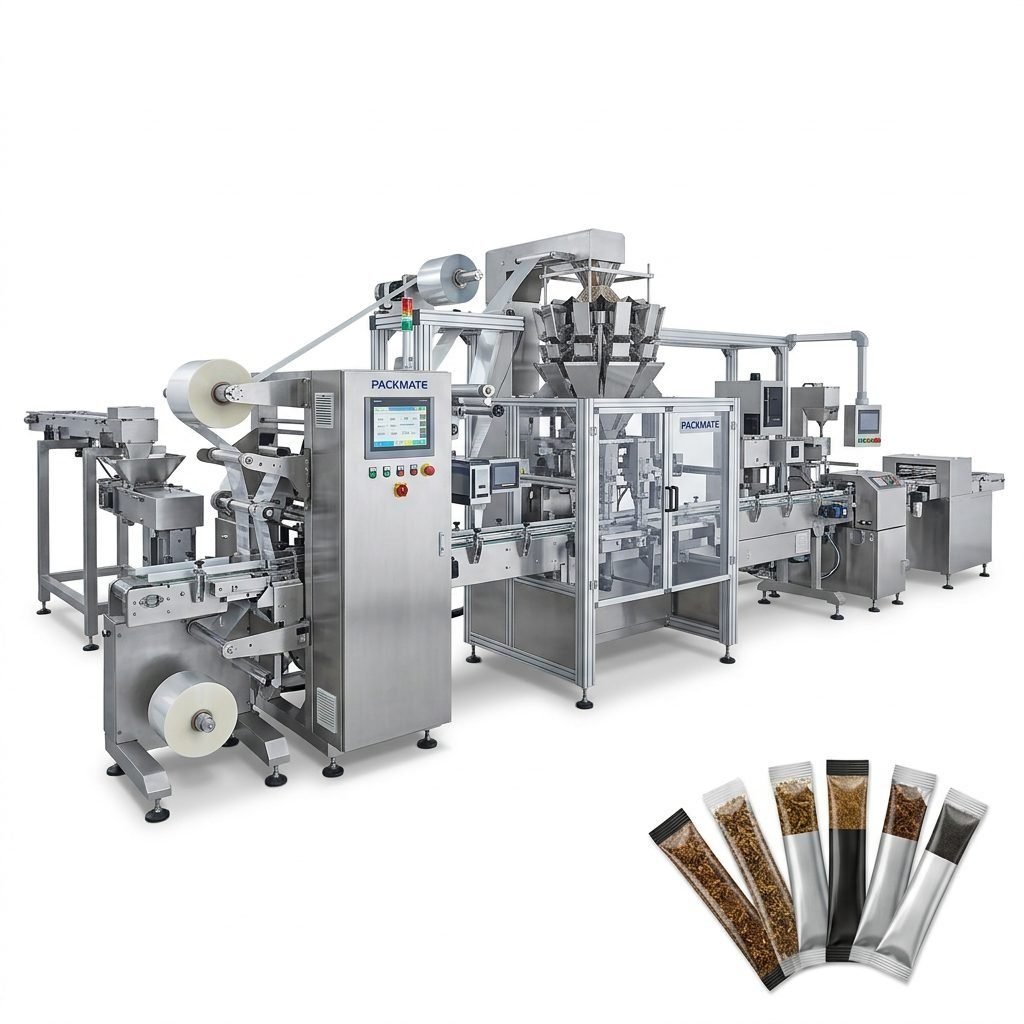
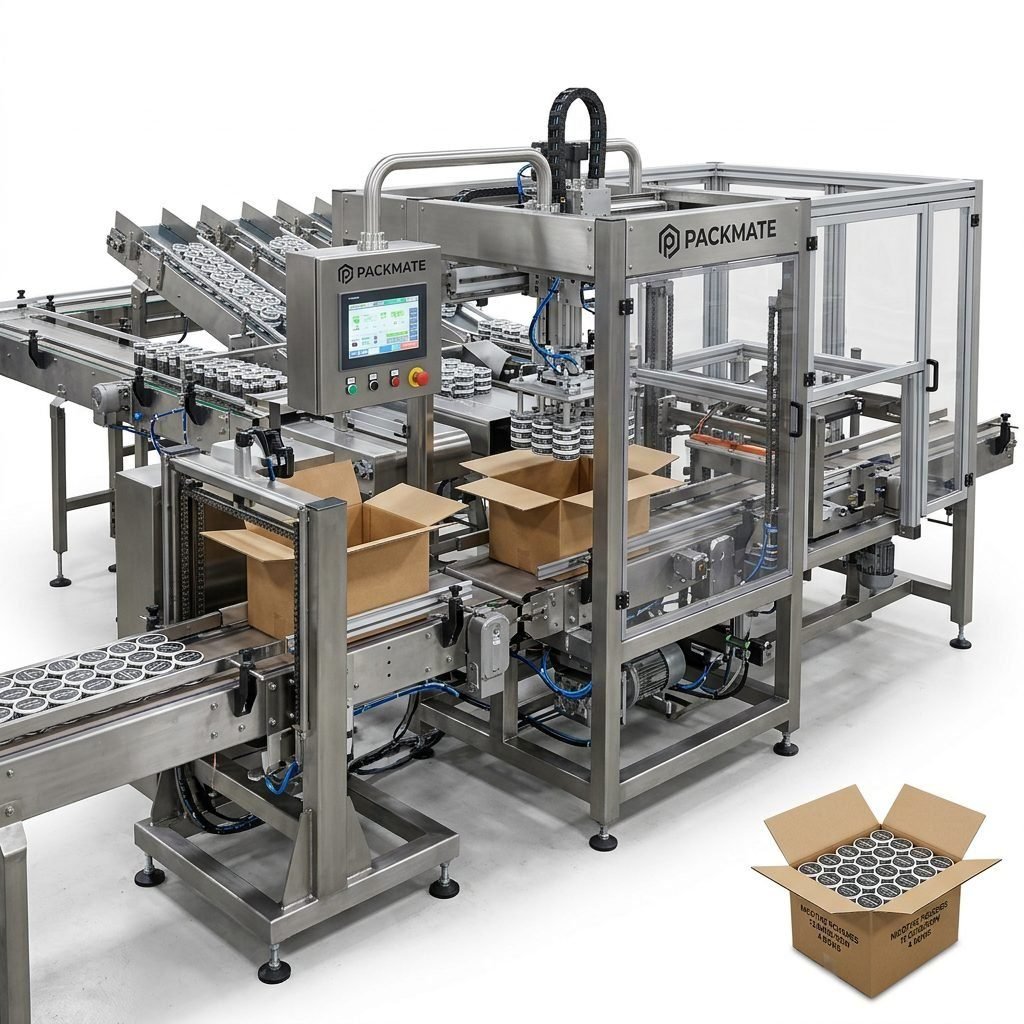
Producing nicotine pouches with consistent dosage and high precision is more than a manufacturing goal — it is a competitive necessity. In small-dose pouch production, even a milligram-level variation can affect consumer experience, regulatory compliance, and brand trust. This guide walks through practical engineering, equipment, and process strategies to achieve repeatable filling accuracy in nicotine pouch manufacturing, drawing on proven approaches used in modern snus and pouch packaging lines.
Why Filling Accuracy Matters
Accuracy in nicotine pouch filling impacts safety, regulatory compliance, product performance, and economics. Underfilling risks consumer complaints and legal non-compliance. Overfilling raises costs and can disturb pouch sealing or feel. High precision supports consistent nicotine dosage, ensuring each pouch meets label claims while minimizing material waste.
Key performance metrics
✓ Target weight tolerance: typical targets are ±3% to ±5% for individual pouches depending on regulation and product type.
✓ Fill-to-fill variation: control standard deviation to keep outliers rare.
✓ Yield and waste: minimize overfills and rejects to preserve profitability.
Primary Factors Affecting Dosage Precision
Achieving consistent dosage requires a systems view. Several variables interact: the material properties (particle size, moisture, flowability), feeding and dosing mechanism, environmental conditions, machine controls, and downstream handling. Addressing just one area often yields limited results.
Material characteristics
Powder behavior drives how reliably a fixed-volume or weight-based dosing device performs. Finer powders may compact and bridge, while coarse blends can segregate. Control humidity and store raw materials in conditioned silos when possible. Add anti-caking agents or use flow aids when permissible to improve consistency.
Feeding and dosing technology
Common dosing systems for small-dose pouches include auger fillers, multi-head weighers, loss-in-weight feeders, and precision piston or servo-based metering. For nicotine pouches, multi-head weighers and servo-driven volumetric or gravimetric systems are preferred because they combine speed with tight control.
Measuring and Controlling Weight: Technologies That Work
Accurate measurement and closed-loop control are essential. Technologies and instruments commonly used:
Multi-head weighers — deliver exceptional repeatability for small doses by combining multiple weighments into one target weight. Good for fast multi-lane lines.
Loss-in-weight feeders — ideal for continuous gravimetric dosing with high stability and automatic compensation for supply level changes.
Checkweighers and feedback loops — inline checkweighers reject out-of-spec pouches and feed data back to adjust dosing in real time.
Servo-controlled pistons and volumetric fillers — offer rapid, repeatable displacement control, especially effective for blends with consistent bulk density.
Machine Design & Process Optimization Tips
High-precision filling is achieved through integration of mechanical design, sensors, and software control. Below are actionable strategies:
1) Optimize hopper and feeder geometry
Use hopper angles, agitators, and flow-promoting geometries to reduce bridging and ensure uniform supply to dosing devices. For hygroscopic blends, consider nitrogen blanketing or heated hoppers if compatible.
2) Tune vibration and feeder frequency
Vibratory feeders and metering trays must be tuned for the specific powder. Small changes in vibration amplitude or frequency can dramatically affect feed rate stability.
3) Balance multi-lane systems
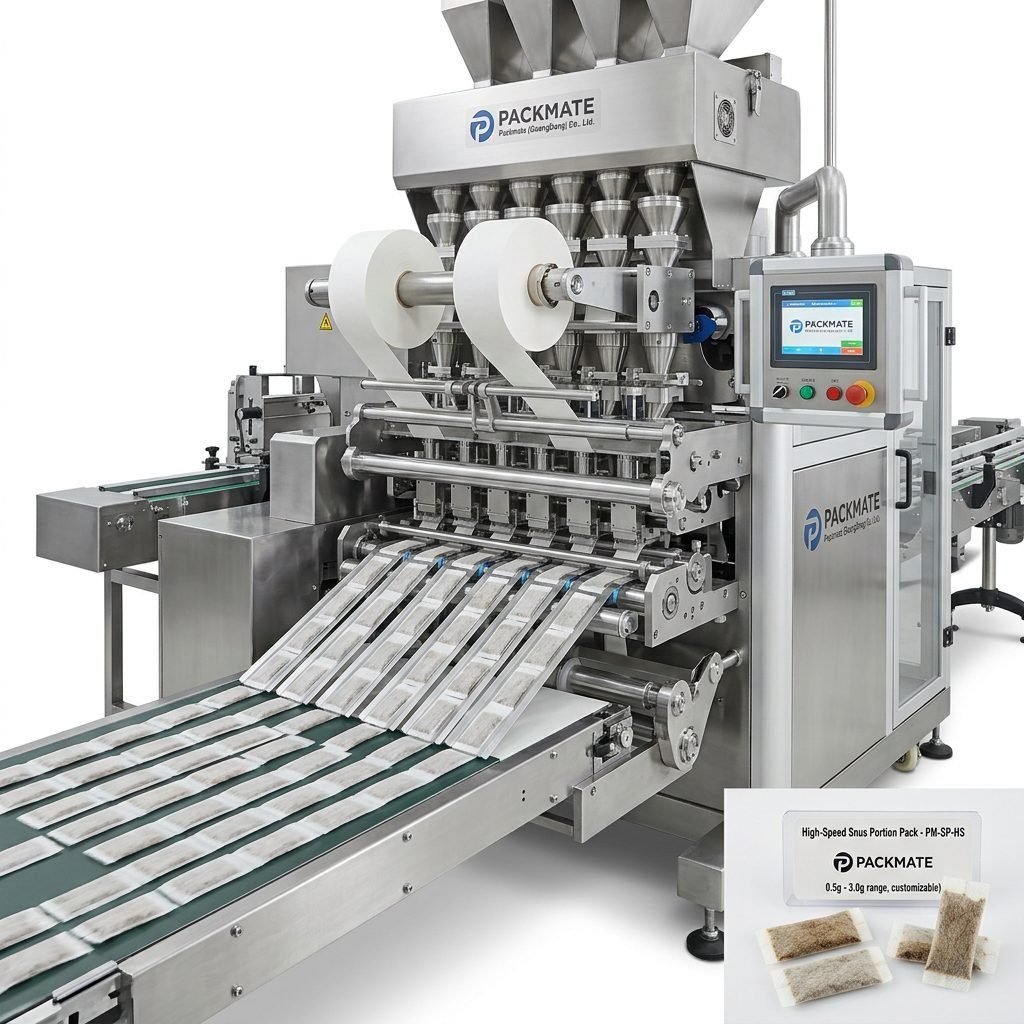
Multi-lane machines increase throughput but also introduce variability between lanes. Implement lane-by-lane sensors, automatic lane balancing algorithms, and periodic cross-checking to maintain parity.
4) Design gentle product paths
Abrupt drops, turbulence, or high-speed air flows can change packing density in the pouch. Smooth transitions and controlled filling speeds preserve consistent bulk density and dosing.
Quality Assurance & Statistical Control
Integrating quality systems into the production line turns occasional fixes into sustainable performance. Statistical Process Control (SPC) combined with inline data capture enables fast response to drift and root cause analysis.
⚠️ Calibration & verification: establish regular calibration schedules for weighers, load cells and feeders. Document each calibration event for traceability.
ℹ️ Sampling plans: implement statistically valid sampling to verify dose distribution across runs and customer lots.
✓ Trending and alarms: configure software to alarm on drift before spec limits are reached, and to log corrective actions.
Maintenance, Cleaning and Calibration Protocols
Preventive maintenance reduces unexpected variation. Key practices include: regular mechanical inspection, load cell verification under test weights, cleaning procedures that do not alter feed geometries, and scheduled software backups of dosing recipes.
Practical maintenance checklist
– Inspect and replace worn auger flights or piston seals.
– Verify load cell linearity with certified test weights.
– Clean and inspect nozzles for buildup; use validated cleaning agents.
– Reconfirm feeder vibration settings after mechanical service.
Control Systems and Recipe Management
Modern packaging lines benefit from recipe-based control systems where target weights, feeder speeds, and lane parameters are saved and recalled. This approach shortens changeovers and reduces human error. Integration with MES or SCADA allows quality data to be recorded automatically for traceability.
Recommended control features
Implement automatic correction loops between checkweigher outputs and feeder setpoints, per-lane diagnostics, and secure recipe management with user permissions to prevent accidental changes.
Real-world Example: High-Precision Snus Pouch Lines
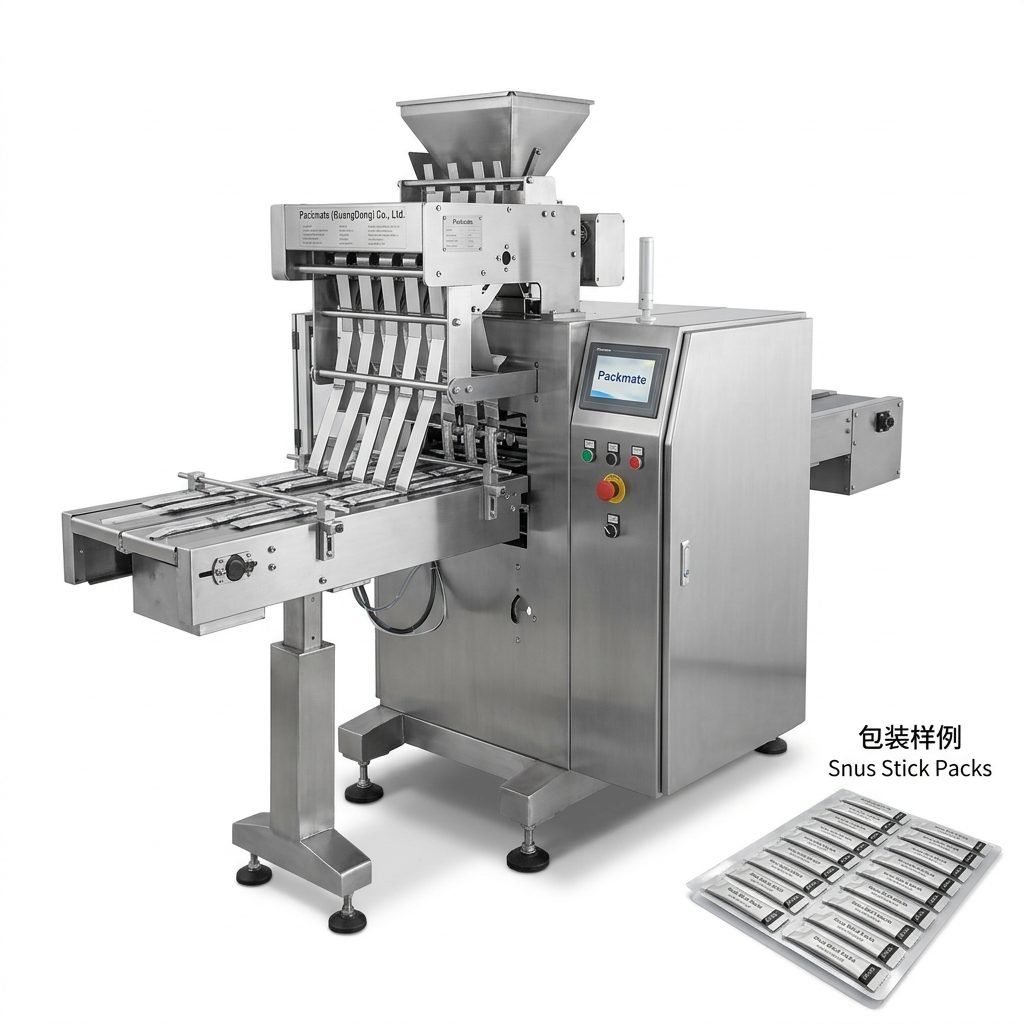
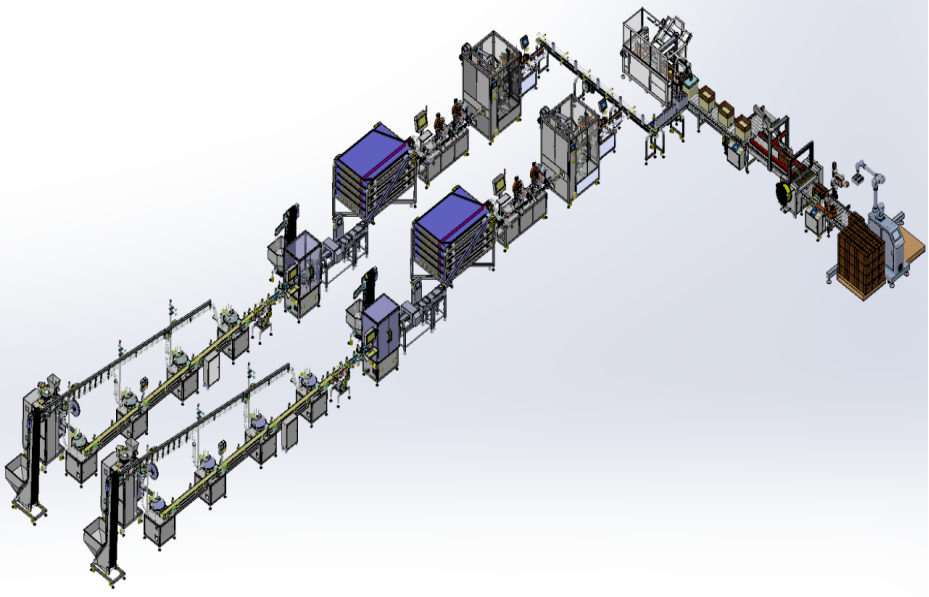
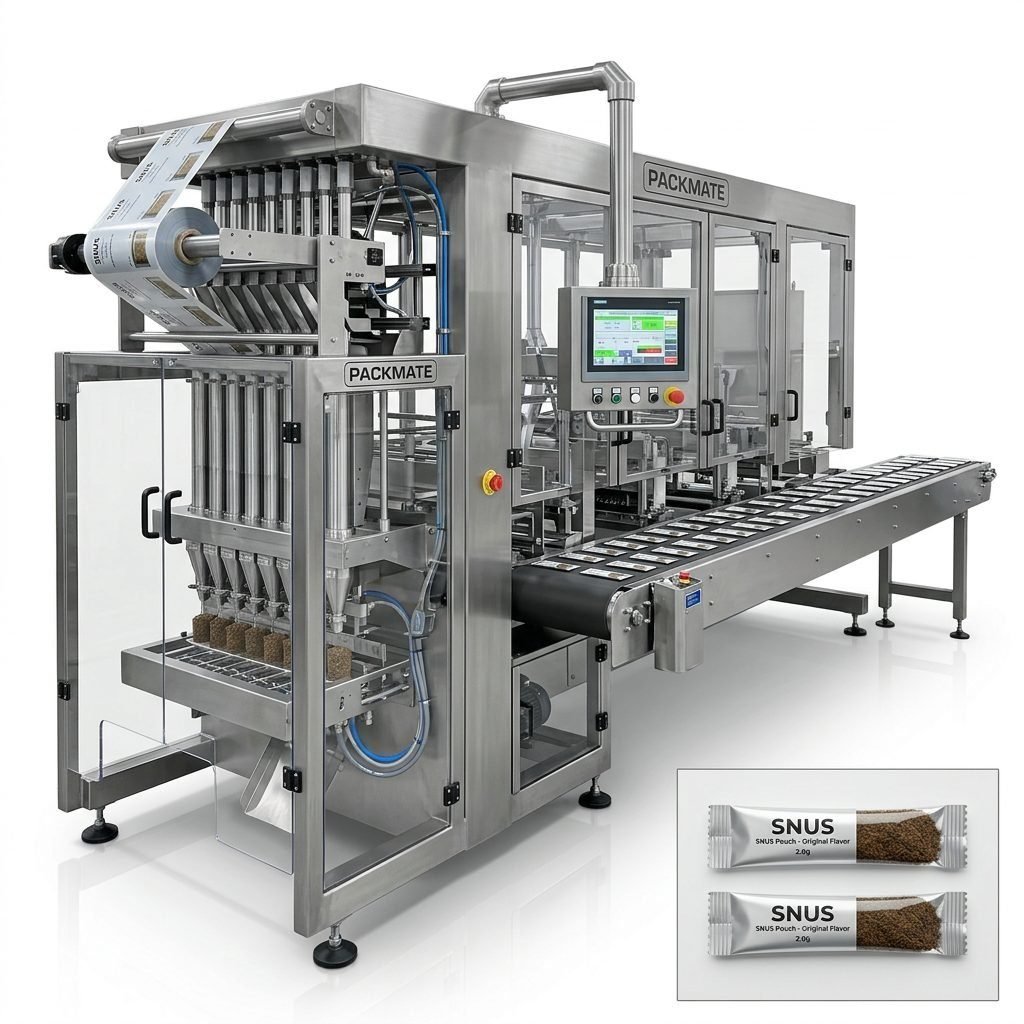
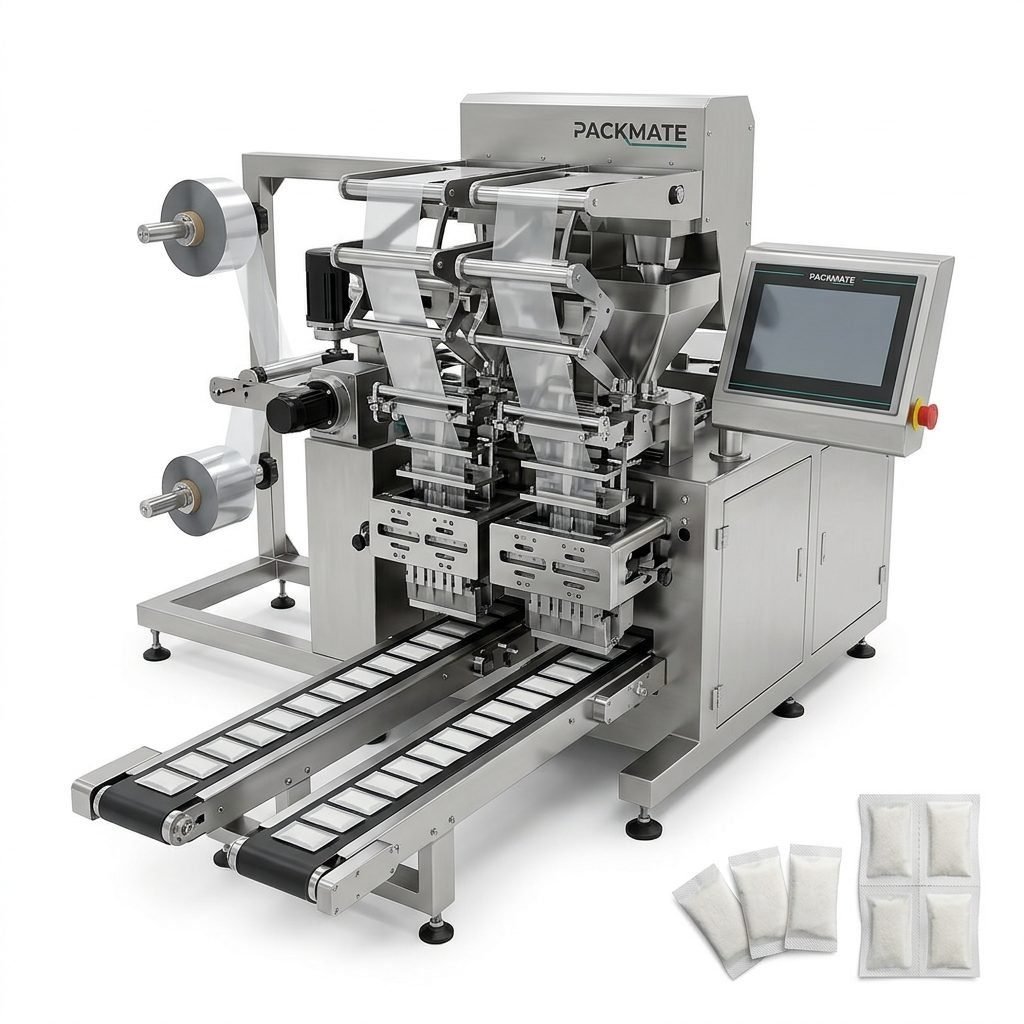
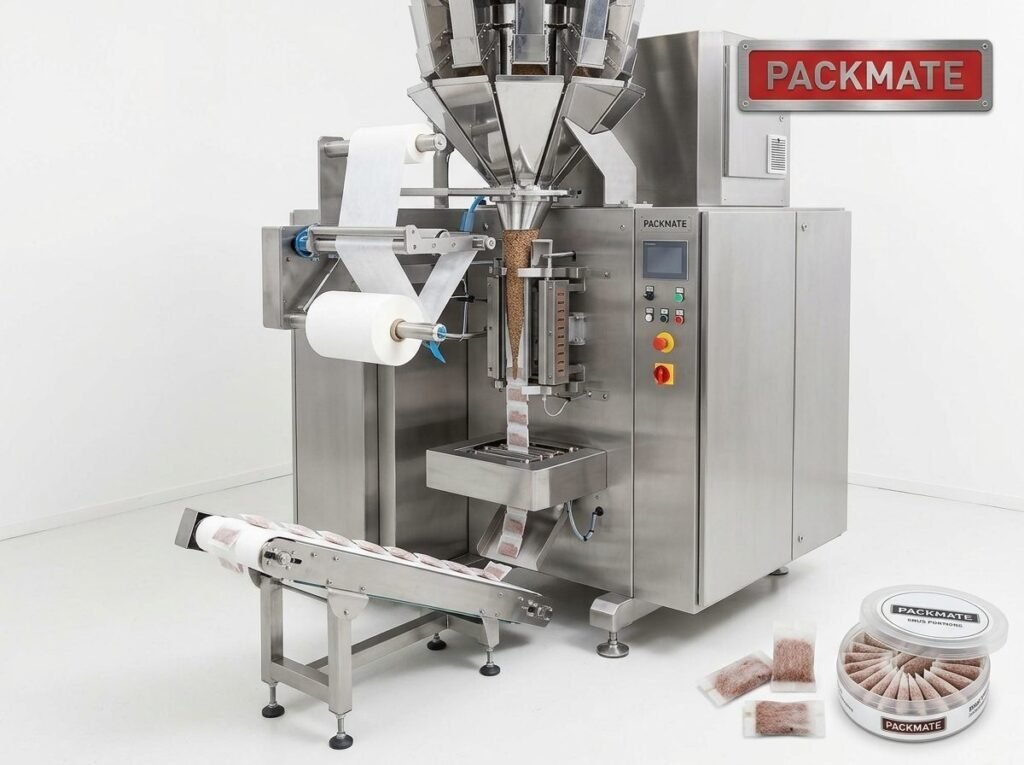
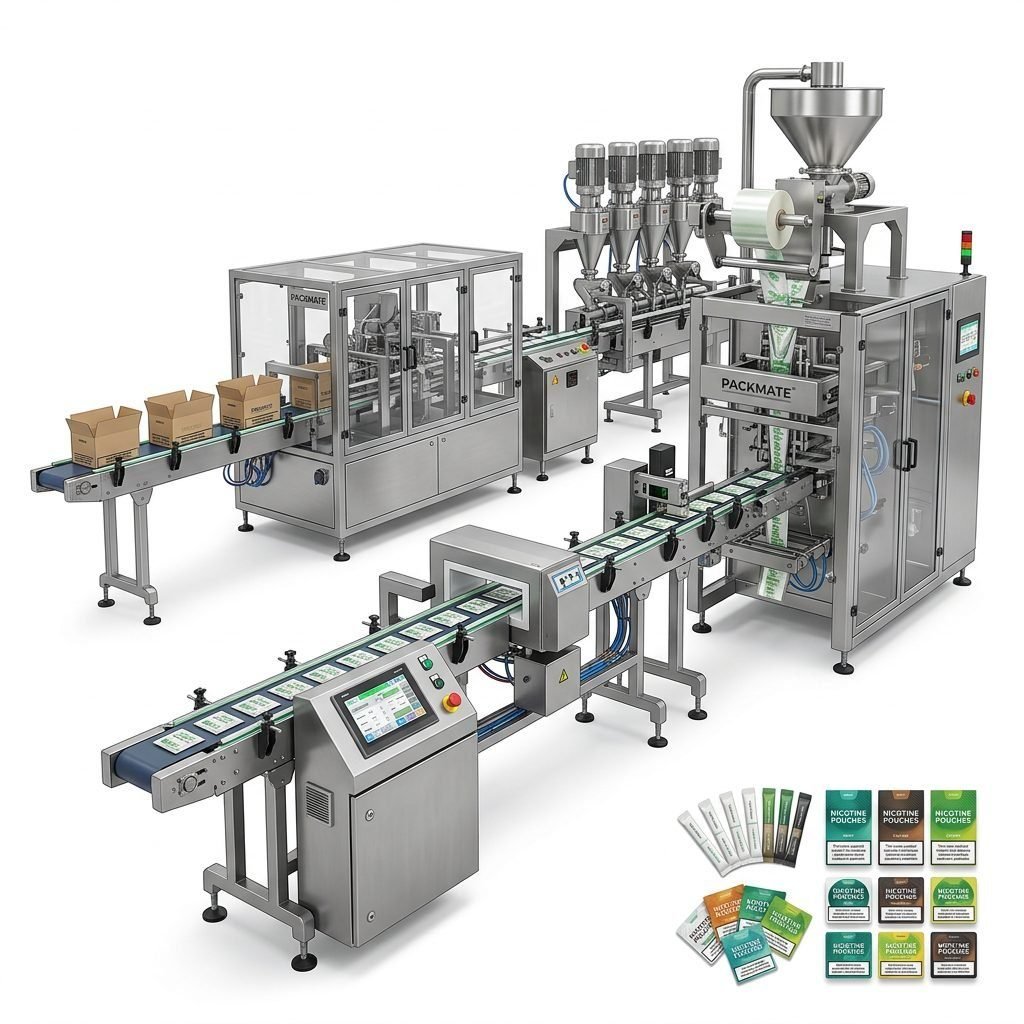
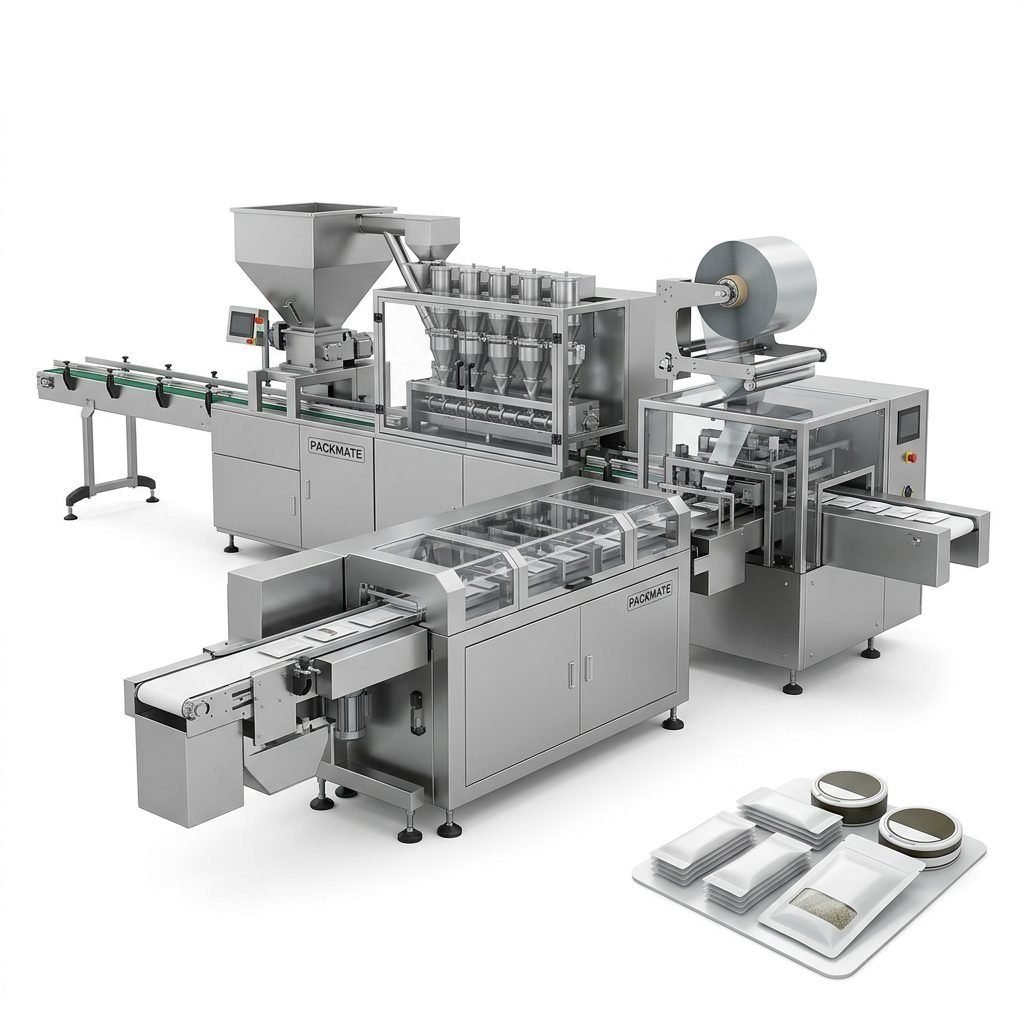
Manufacturers of snus and nicotine pouches often deploy integrated solutions combining multi-lane pouch formers, precision weighers, and high-speed sealing. Packmate Snus Machine emphasizes robust mechanical design, advanced weighing systems and turnkey integration — helping manufacturers scale up without sacrificing accuracy. Learn more about production options on the Snus & Nicotine Packaging Machines page.
For broader solutions, including weighing integration and automated filling, explore the Weighing & Packaging Systems and the Filling & Packaging Lines offerings. These systems illustrate how combining technologies reduces variability and simplifies validation.
Regulatory Compliance and Documentation
Compliance with international standards (such as CE and ISO) includes maintaining traceable records of calibration, validation (IQ/OQ/PQ), and change control. For export markets, ensure documentation is available in required languages and that labeling reflects measured nicotine content with appropriate tolerances.
Implementation Roadmap: From Pilot to Full Production
Follow a staged approach to avoid surprises:
1) Pilot runs with representative material to tune feeders and verify SPC metrics.
2) Validate recipes and train operators with documented SOPs.
3) Scale to multi-lane production and implement lane balancing.
4) Full production with continuous monitoring, regular calibration, and preventive maintenance.
Best Practices Checklist (Quick Reference)
• Maintain stable environmental conditions for hygroscopic components.
• Use gravimetric or multi-head solutions for small-dose accuracy.
• Calibrate sensors and load cells regularly and document results.
• Apply SPC with alarms to detect drift early.
• Record recipes and secure them with role-based access.
Partnering with Equipment Suppliers
Work closely with machine manufacturers that provide turnkey solutions and after-sales support. Suppliers with field experience in snus and nicotine pouch production — and with a broad portfolio including sachet/stick pack and case studies — can accelerate time-to-accuracy through proven designs and commissioning services.
Conclusion
Consistent nicotine pouch dosing is achievable by combining appropriate dosing technology, robust mechanical design, environmental control, and disciplined quality systems. Prioritize gravimetric measurement, real-time feedback, and routine calibration. Partnering with experienced manufacturers and leveraging integrated packaging lines reduces risk and ensures scalable accuracy as production volumes grow.
Common Questions
Q: How often should weighers and load cells be calibrated? — A: Calibrate on a schedule based on usage and regulatory requirements; typical intervals are monthly for high-use lines and quarterly for moderate use, with checks after any major maintenance.
Q: Which dosing system is best for nicotine pouches? — A: For small doses at high speed, multi-head weighers or loss-in-weight feeders integrated with servo control are generally the best options because they balance speed and gravimetric accuracy.
Q: Can environmental conditions really affect fill consistency? — A: Yes. Humidity and temperature influence powder flow and bulk density; controlling these variables or conditioning the material can significantly improve repeatability.
Q: How many lanes can be balanced reliably? — A: Modern multi-lane systems often run 6–24 lanes; success depends on per-lane sensors, automatic balancing, and tight mechanical tolerances.
Q: Where can I learn more about turnkey solutions and machine models? — A: Visit the manufacturer’s pages such as About Packmate and explore product categories for detailed specifications and case studies.