Choosing the right snus packaging machinery in Laos is a strategic decision that touches product quality, regulatory compliance, and long‑term profitability. Whether you are a new entrepreneur launching nicotine pouches or an established manufacturer expanding capacity, this guide walks you through the key technical, cultural, and commercial factors to make a confident purchase. It blends practical machine selection advice with Lao market insights and actionable implementation tips.
Why Packaging Matters in Laos
In Laos, snus and nicotine pouches occupy a specialized niche: often produced for local consumers and for export to neighboring markets. Packaging affects shelf life, consumer perception, and regulatory acceptance. A well‑engineered package preserves flavor, prevents moisture ingress in the humid seasons, and creates a trustworthy brand image on crowded retail shelves. Local shoppers appreciate clear labeling and compact formats suited to convenience stores and kiosks common across Lao cities and towns.
Local customs and regulatory context
Laos is culturally conservative when it comes to tobacco and nicotine products. Many consumers value discreet packaging and portioned dosing. Businesses should be mindful of national regulations and the social sensitivity around nicotine. Local festivals such as Pi Mai (Lao New Year) and That Luang ceremonies can influence seasonal demand and promotional packaging choices. Ensure labeling includes Lao language information and health notices where required.
Understand seasons and storage
Laos has a tropical climate; humidity control in packaging is critical. Machine choices that allow barrier films, tight seals, and moisture‑control desiccants will extend product stability. Consider machines capable of heat‑sealing high‑barrier laminates and those that support nitrogen flushing for premium lines.
Types of Snus Packaging Machinery and When to Use Them
The right machine depends on product format, production scale, and budget. Here are the common types and typical use cases:
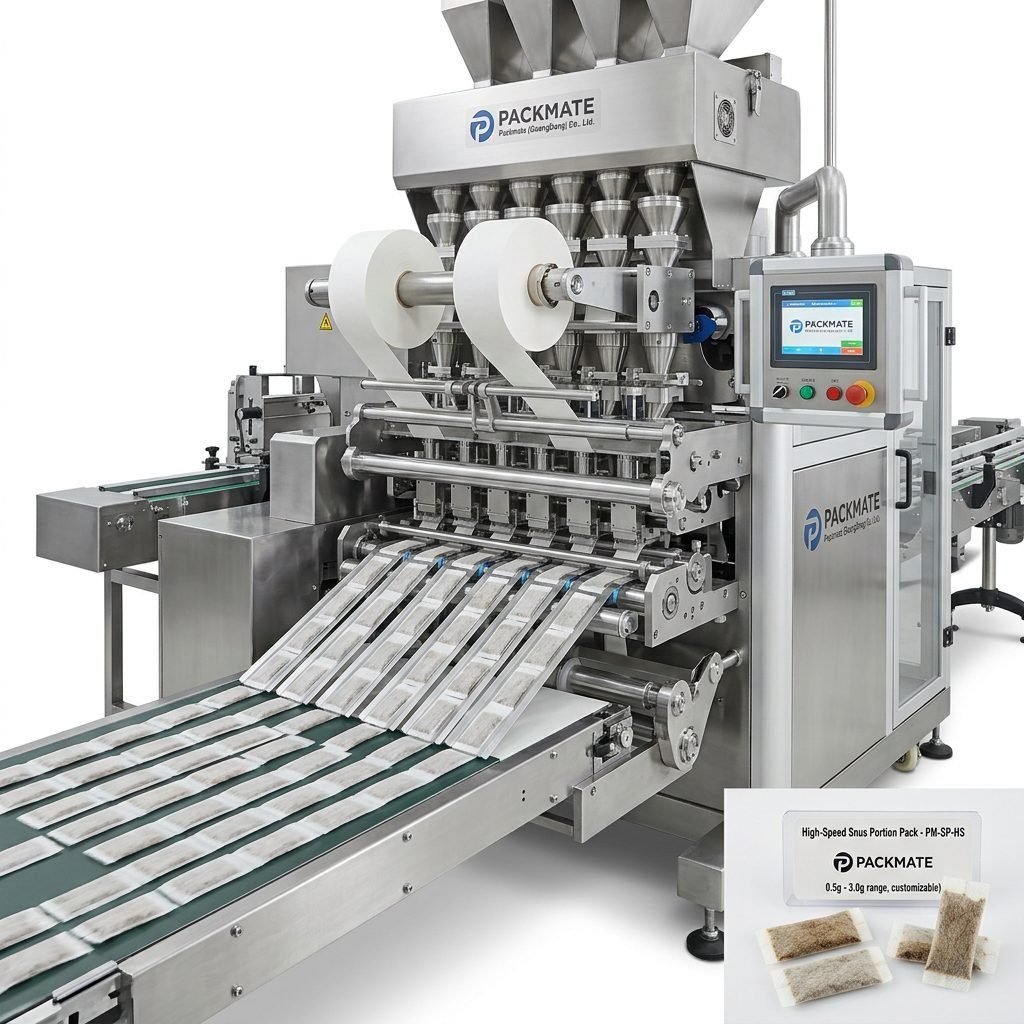
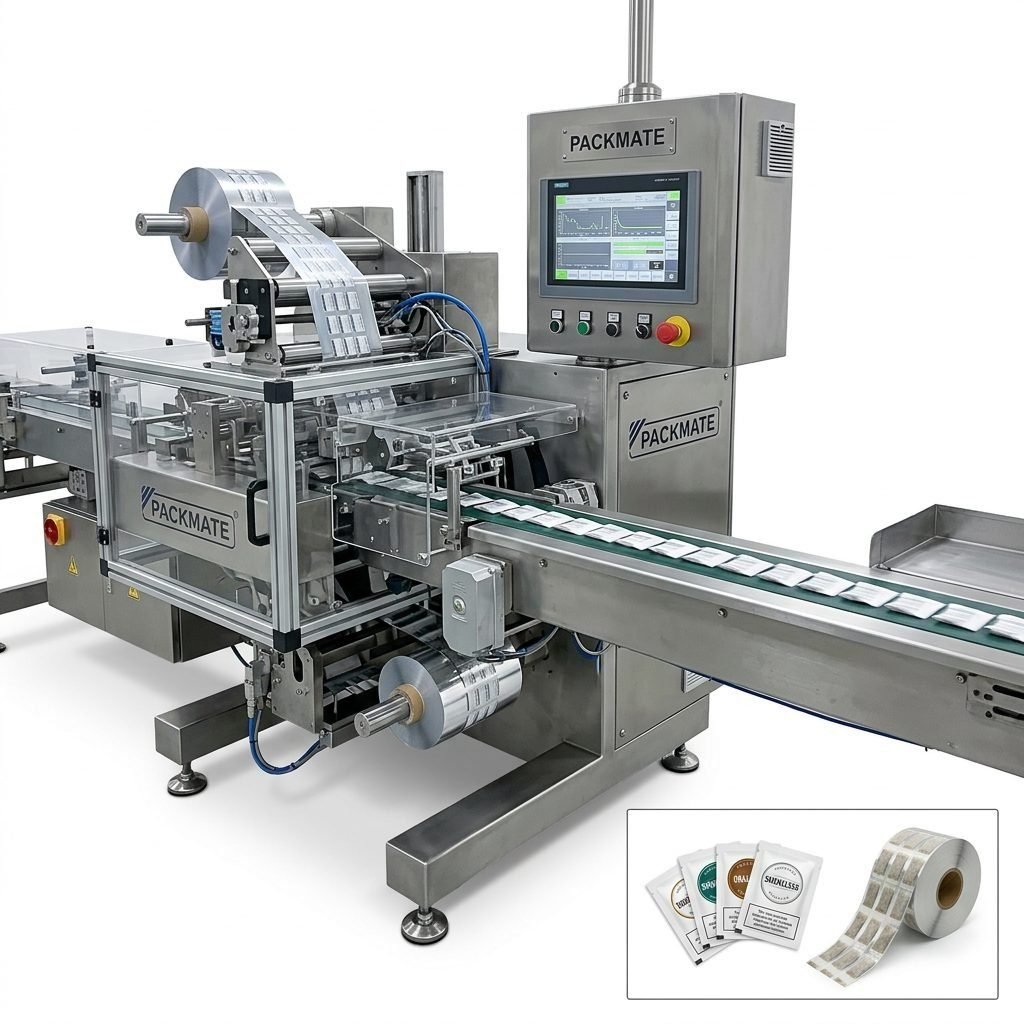
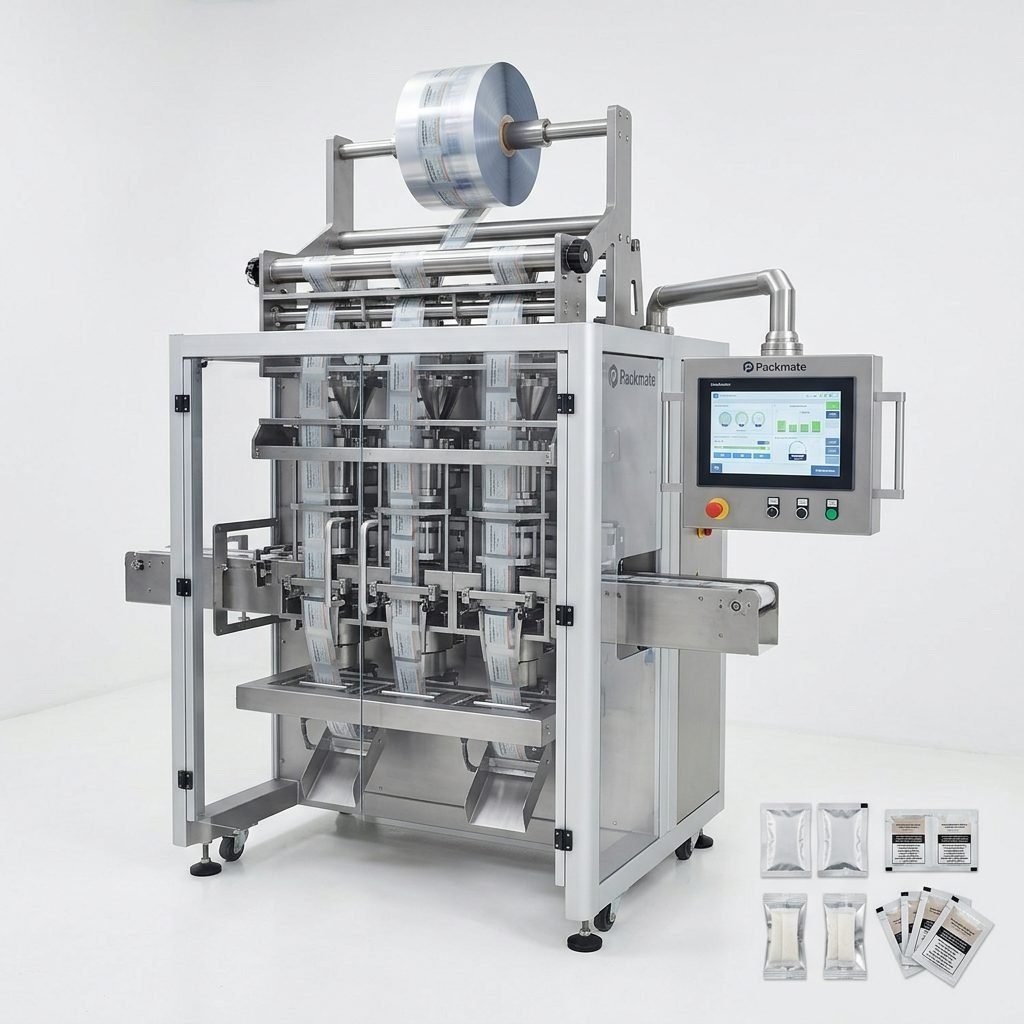
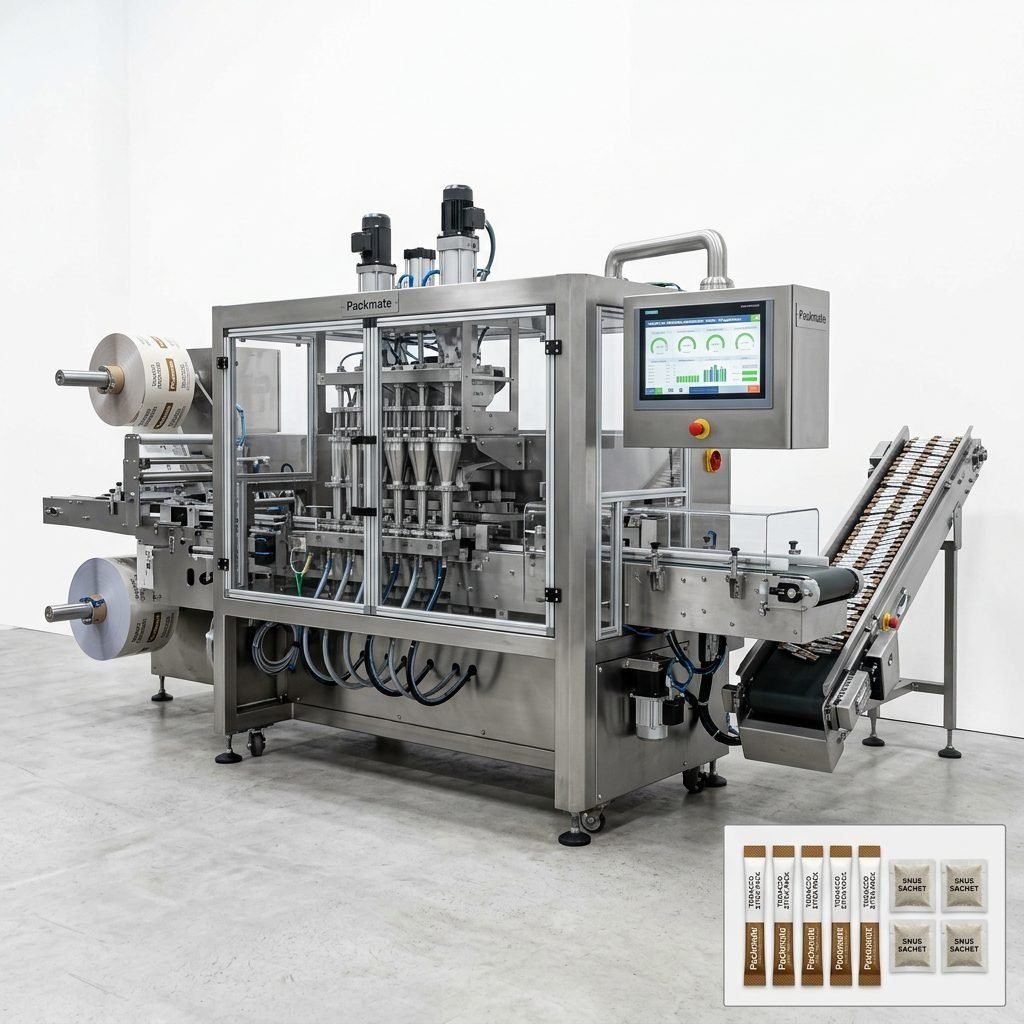
🛠️ Stick pack and sachet machines — Ideal for single‑dose pouches or trial formats. Fast, compact, and cost‑effective for small to medium lines. (See: Sachet & Stick Pack Machines)
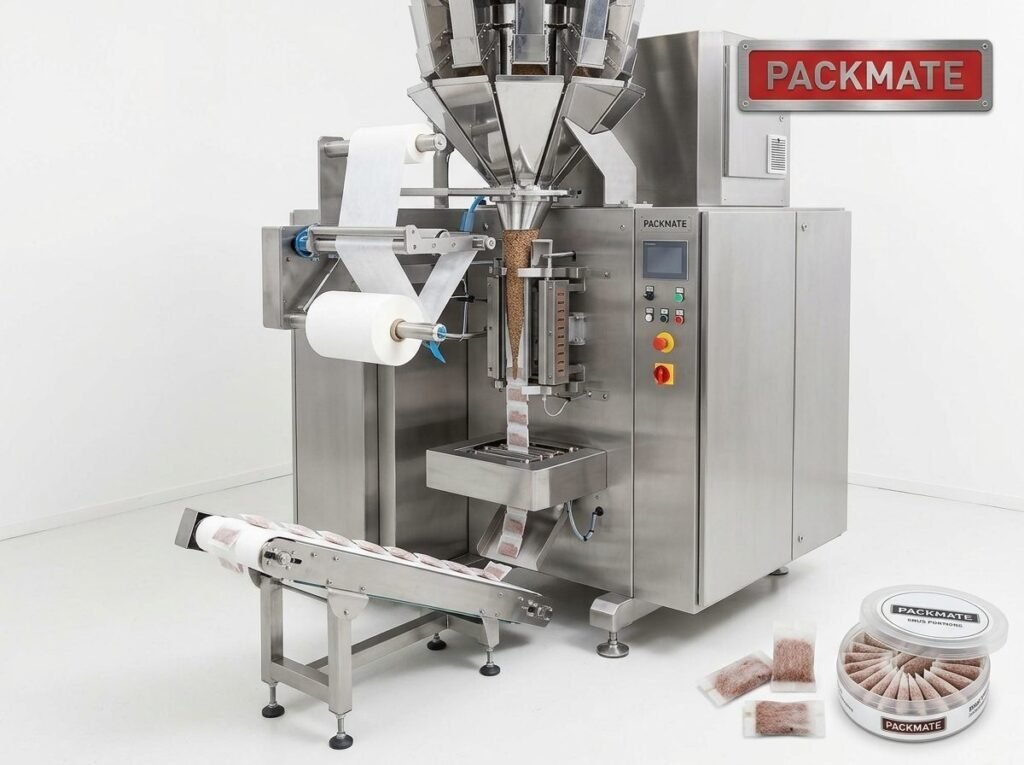
📦 Pouch and bag machines — For multi‑pouch retail units and resealable formats. Good for brands that prioritize shelf presence and reclosable convenience. (See: Bag & Pouch Packaging Machines)
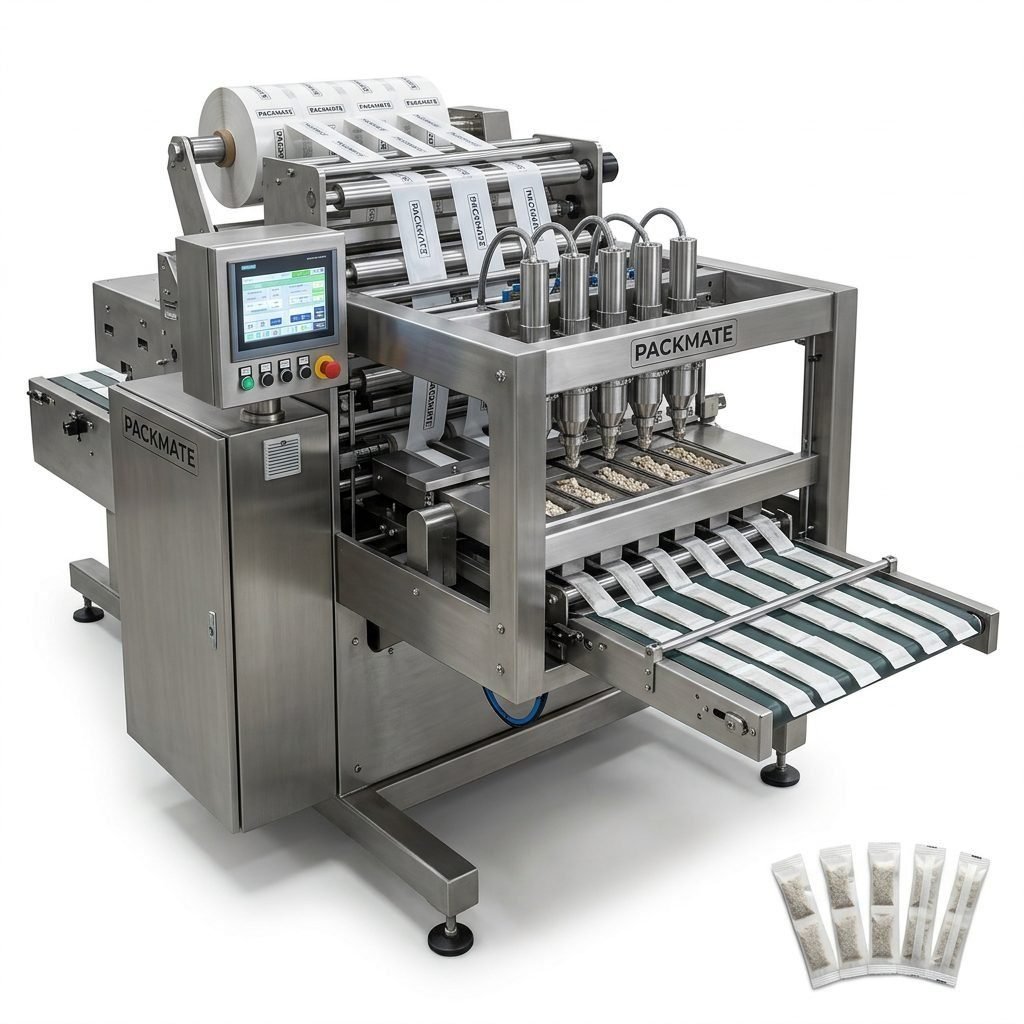
⚖️ Weighing and multi‑lane filling systems — Necessary when accurate micro‑dosing and high throughput are required. Multi‑lane systems drastically improve output per square meter. (See: Weighing & Packaging Systems)
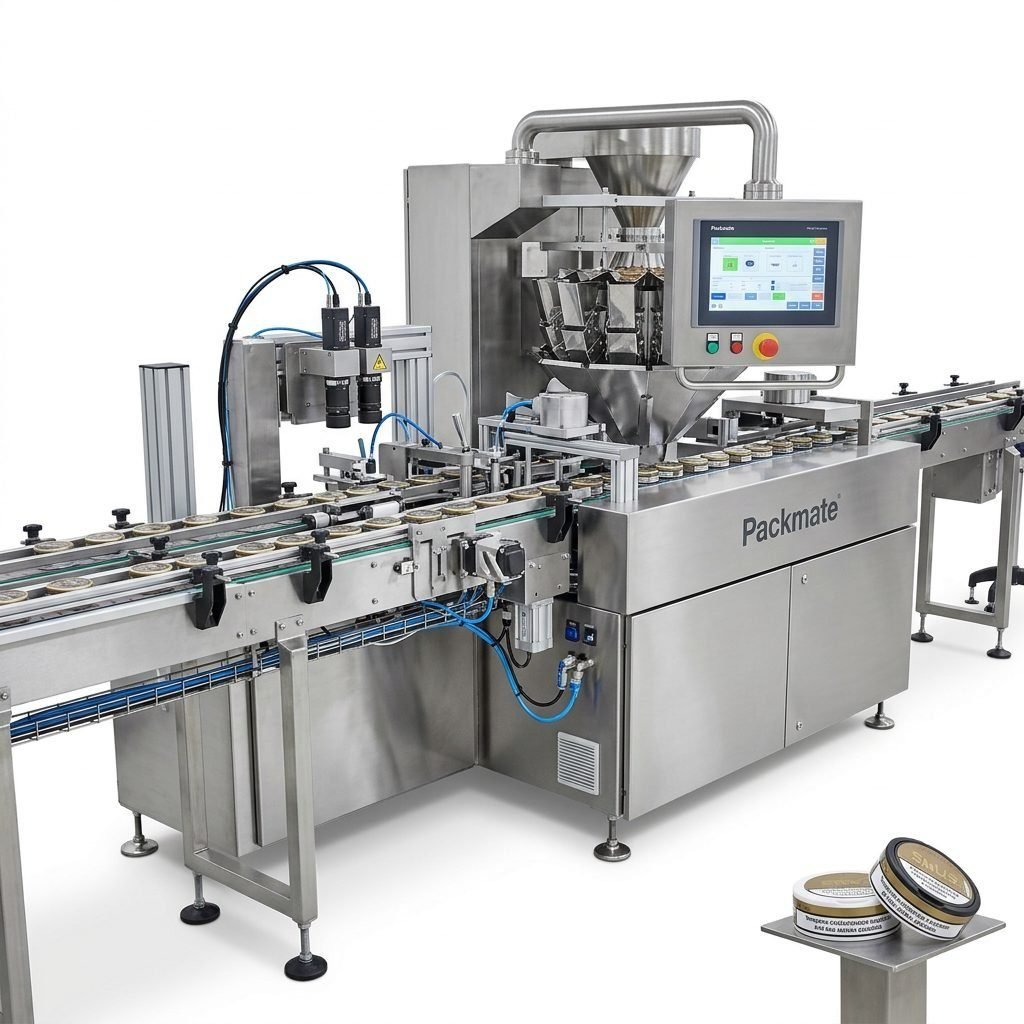
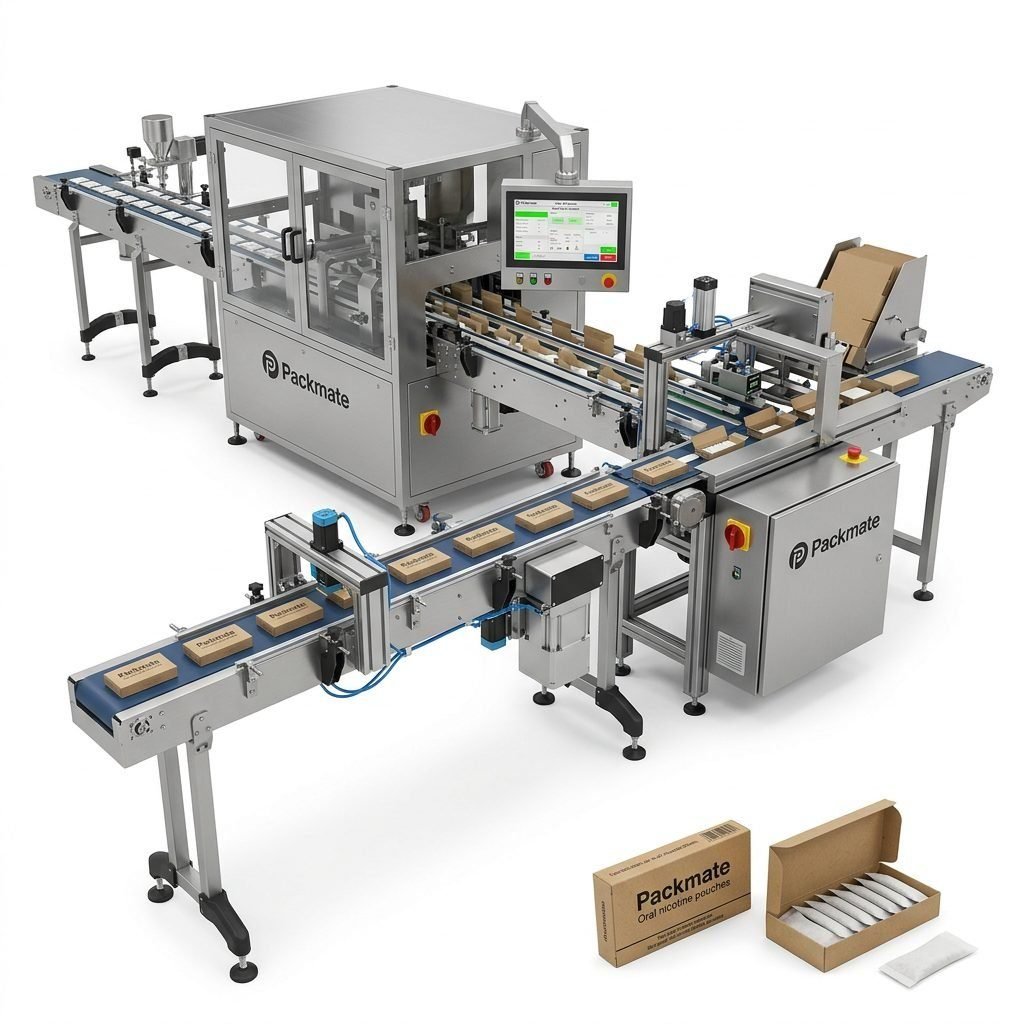
🔁 Full filling & packaging lines — For turnkey production, combined systems include dosing, sealing, date coding, and case packing. Best for producers aiming for export standards. (See: Filling & Packaging Lines)
Match machine type to your business model
If you sell boutique premium pouches in Vientiane or Luang Prabang, focus on quality seals and barrier films. If you supply regional convenience chains, prioritize speed, uptime, and multi‑lane capacity. For white‑label or contract manufacturing aimed at export, choose modular lines that accommodate multiple pouch sizes and materials.
Essential Technical Specifications to Evaluate
When assessing machines, ask for clear specifications and run real product trials where possible. Focus on:
📌 Speed (packs/min) — Ensure the machine meets your current demand and offers headroom for growth.
📌 Dose accuracy (mg/g) — Critical for nicotine pouches where tolerance bands are tight.
📌 Number of lanes — More lanes increase throughput but raise complexity and maintenance needs.
📌 Film compatibility — Verify machine supports the barrier films you plan to use (ALU/PE, PA/PE, etc.).
📌 Automation & controls — PLC, HMI in English (or customizable), recipe storage, and remote diagnostics are major advantages.
Tip: Request a factory acceptance test (FAT) video with your actual pouch film and filling weight. This demonstrates real‑world performance and avoids surprises at installation.
Hygiene, Safety & Certifications
Sanitation and compliance cannot be overlooked. Choose machines made of food‑grade stainless steel, with easy access for cleaning and minimal crevices where residue can accumulate. Verify the supplier’s conformity with international standards — CE and ISO are commonly accepted by importers. (See: Certificate)
After‑Sales, Spare Parts & Local Service Considerations in Laos
Serviceability is often the decisive factor for long‑term operation in Laos. Consider:
✅ Availability of spare parts — Lead times for parts shipped from overseas can be long; prioritize suppliers with local stocks or fast logistics.
✅ Training and documentation — Local operators need training in maintenance, cleaning, and simple troubleshooting. Ensure manuals and HMI languages can be customized.
✅ Remote support & commissioning — Remote diagnostics and virtual commissioning speed up problem resolution when on‑site visits are delayed.
In Laos, business relationships are built on trust and repeat visits. Suppliers that provide frequent follow‑up and local references will usually deliver smoother installations. Consider suppliers with established export experience to Southeast Asia.
Supplier credibility checklist
📍 Years of industry experience — Companies with decades of engineering history tend to have refined designs and better support.
📍 Factory capability — Large, well‑equipped factories ensure consistent manufacturing and quality control.
📍 Real customer references and case studies — Review documented cases and exhibition appearances. (See: Case and Our Exhibition)
📍 Clear warranty and spare parts policy — Written SLAs help avoid disputes when machines are in service.
Costing and Return on Investment (ROI)
Total cost goes beyond the machine price. Factor in:
➤ Installation and commissioning in Laos, including customs and duties.
➤ Training local staff and documentation translation if needed.
➤ Consumables and film costs — high barrier films cost more but extend shelf life.
➤ Utility consumption and maintenance labor — energy‑efficient designs reduce OPEX.
ROI example: A multi‑lane filling line that increases throughput by 3x can shorten payback time dramatically even if upfront cost is higher — especially when export markets or large retail contracts are secured.
Implementation Tips for Laos
Practical considerations will smooth the transition from purchase to full production:
🌍 Import & customs — Plan for lead times on importing heavy machinery. Use a supplier experienced with shipments to Laos to avoid delays.
🧰 Local utilities — Confirm power requirements and stable supply. Consider voltage converters or a backup generator in rural facilities.
👥 Operator training — Invest in hands‑on training and SOPs in Lao to reduce human errors and downtime.
♻️ Sustainable packaging — Consider recyclable or mono‑polymer films favored by regional retailers. This may give you an edge with eco‑conscious buyers in urban Laos.
Working with Packmate (example supplier features)
When evaluating suppliers, look for transparent manufacturing details: factory size, CNC capability, certifications, and a product range that includes snus and nicotine packaging equipment. For example, suppliers that offer a broad portfolio — from snus packing machines to weighing systems — ease the integration of complete lines. (Learn more: Snus & Nicotine Packaging Machines and About Packmate)
Consider a site visit: If feasible, visiting a supplier’s factory or attending an exhibition offers direct insight into machine build quality and after‑sales culture. (See: Our Exhibition)
Final checklist before you buy
✅ Machine demo with your product and film
✅ Clear spare parts list and lead times
✅ Service, training, and warranty terms in writing
✅ Compliance with international certifications (CE/ISO)
✅ Logistics and customs plan for delivery to Laos
Next steps & contacts
When you are ready to request quotations and technical proposals, gather your product specs (pouch dimensions, dose weight, film type, target speed) and share them with potential suppliers. A well‑documented RFP shortens response times and helps suppliers present comparable solutions. For direct inquiries and detailed machine catalogs, contact the manufacturer or visit their service pages. (See: Contact Us)
Frequently Asked Questions (Common Questions)
Q: How long does it take to install a snus packaging line in Laos?
A: Typical installation and commissioning vary by complexity. Small single‑machine setups can be commissioned in a few days; full multi‑lane turnkey lines often require 2–6 weeks including FAT, shipping, customs clearance, and on‑site commissioning.
Q: What certifications should I insist on for snus packaging machinery?
A: Prioritize CE and ISO compliance for safety and quality. Additionally, request documentation on materials (food‑grade stainless steel) and machine hygiene features to meet local health requirements.
Q: Can machines be customized for Lao language labels and HMI?
A: Many vendors offer HMI language customization and label printing options. Confirm this up front so operators and packaging labels conform to Lao language and regulatory needs.
Q: What are the top maintenance tips to keep machines running in humid climates?
A: Maintain strict cleaning schedules, use corrosion‑resistant materials, control workshop humidity where possible, and keep critical spares on hand (seals, belts, sensors).
Q: Where can I see real examples of snus packaging lines in action?
A: Review supplier case studies and exhibition demonstrations. Case studies provide insights into real installations and outcomes. (See: Case)
Ready to explore options? Gather product details and reach out to experienced suppliers for tailored proposals. For more information about packaging machine ranges and turnkey solutions, explore the product pages and contact the manufacturer directly.