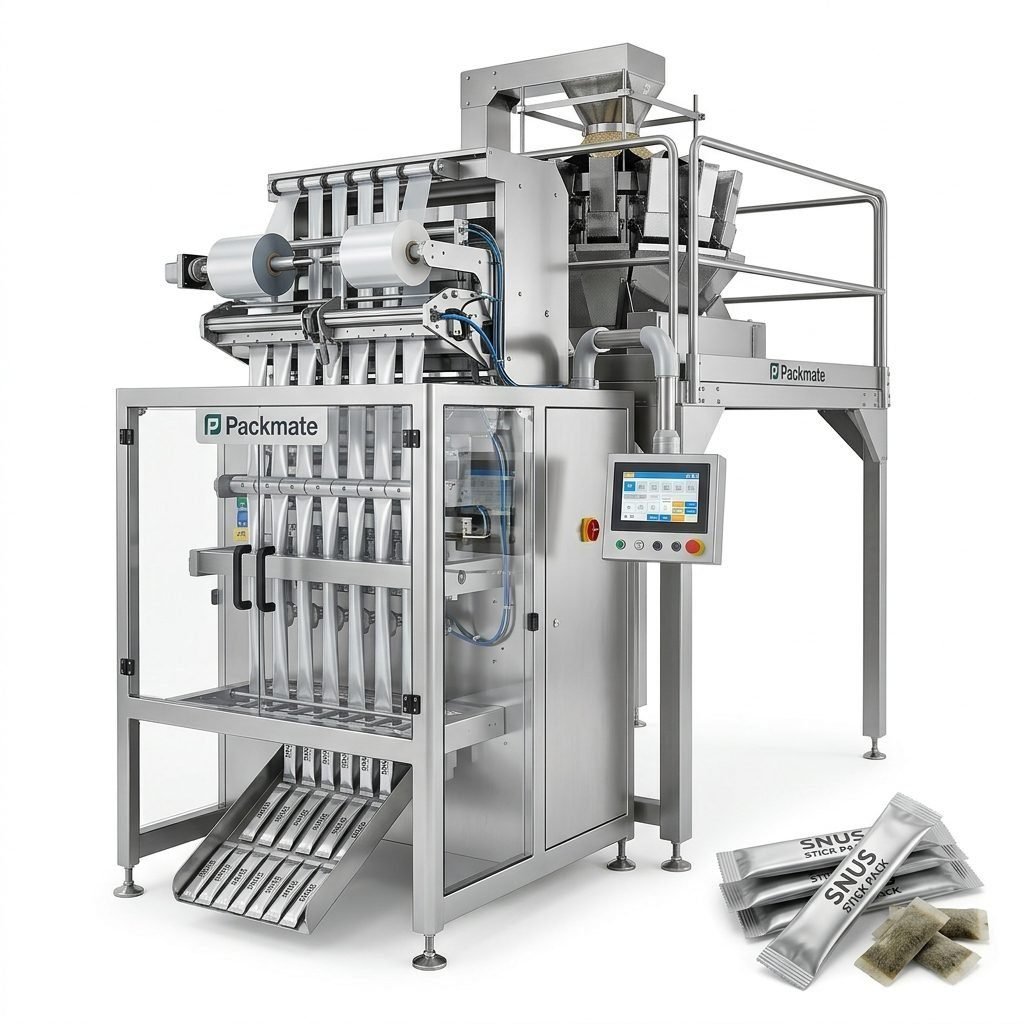
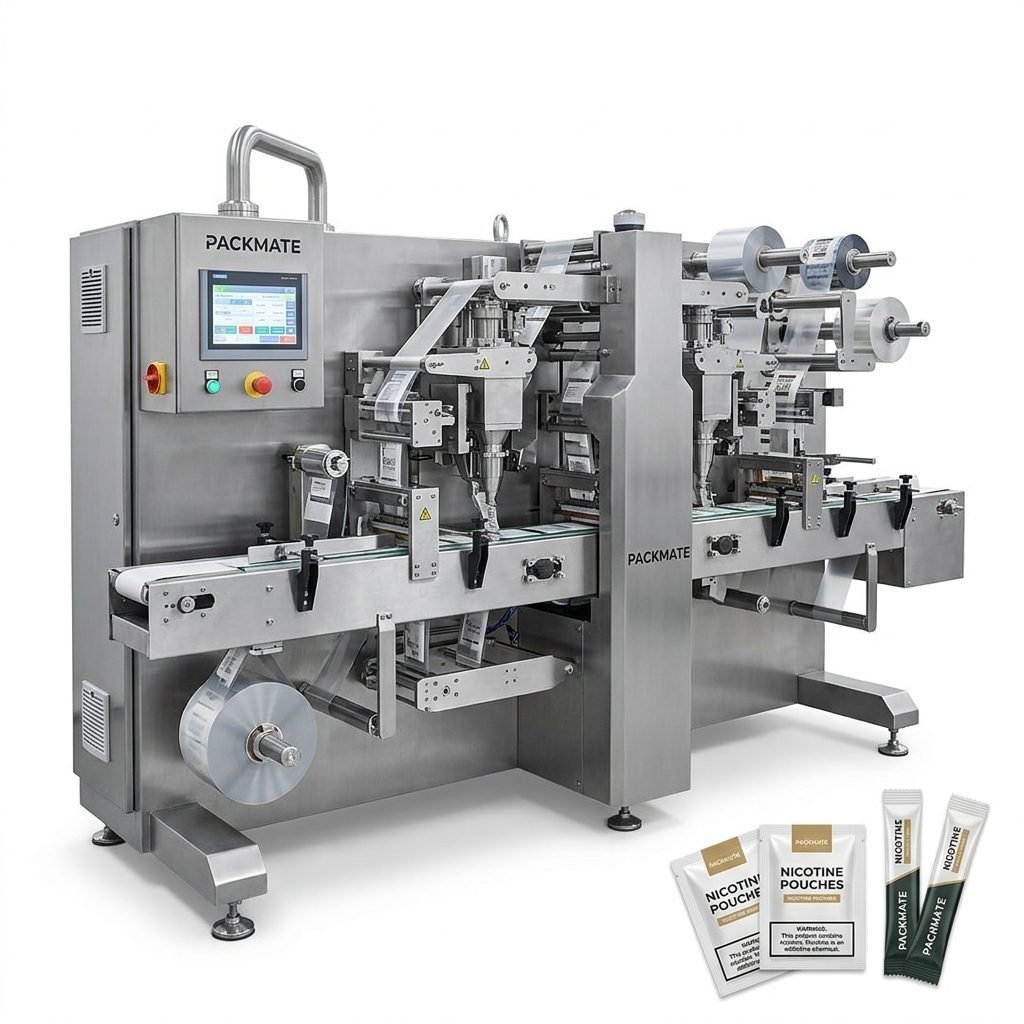
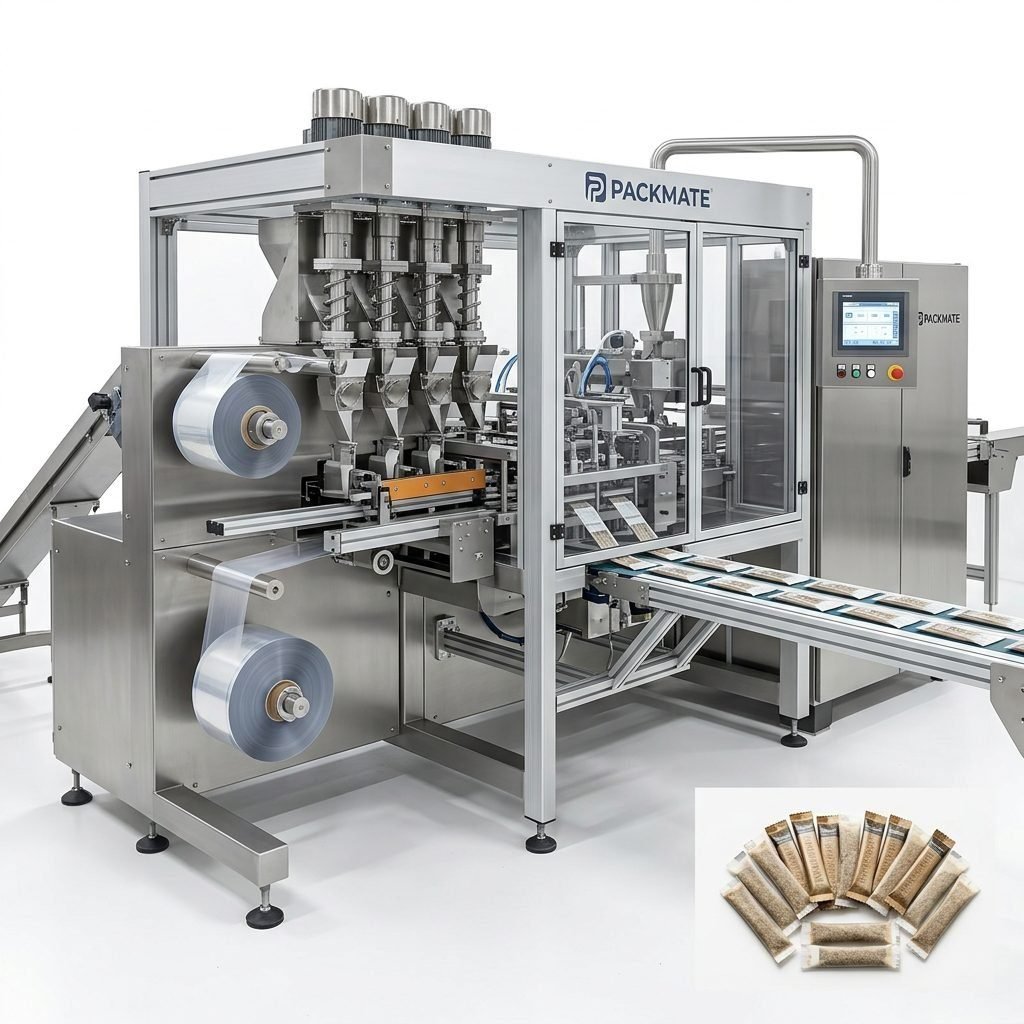
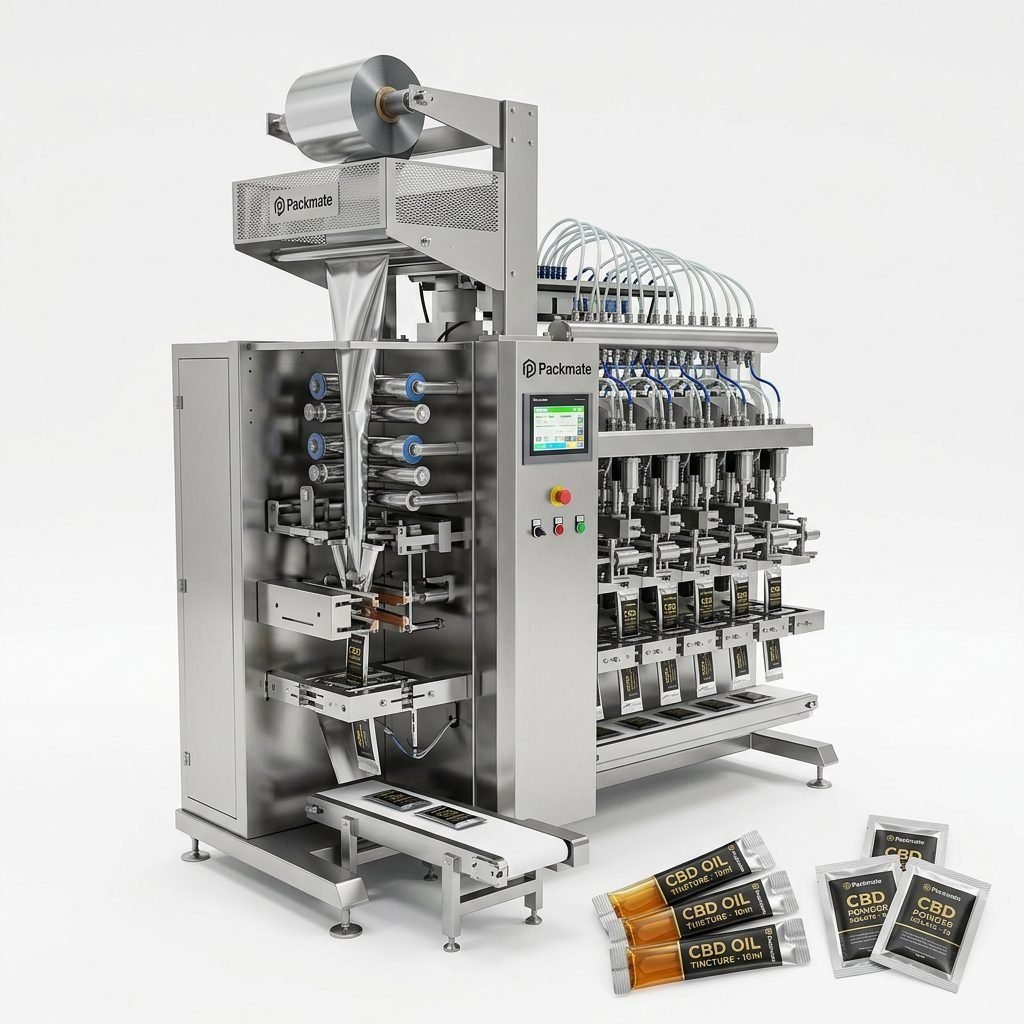
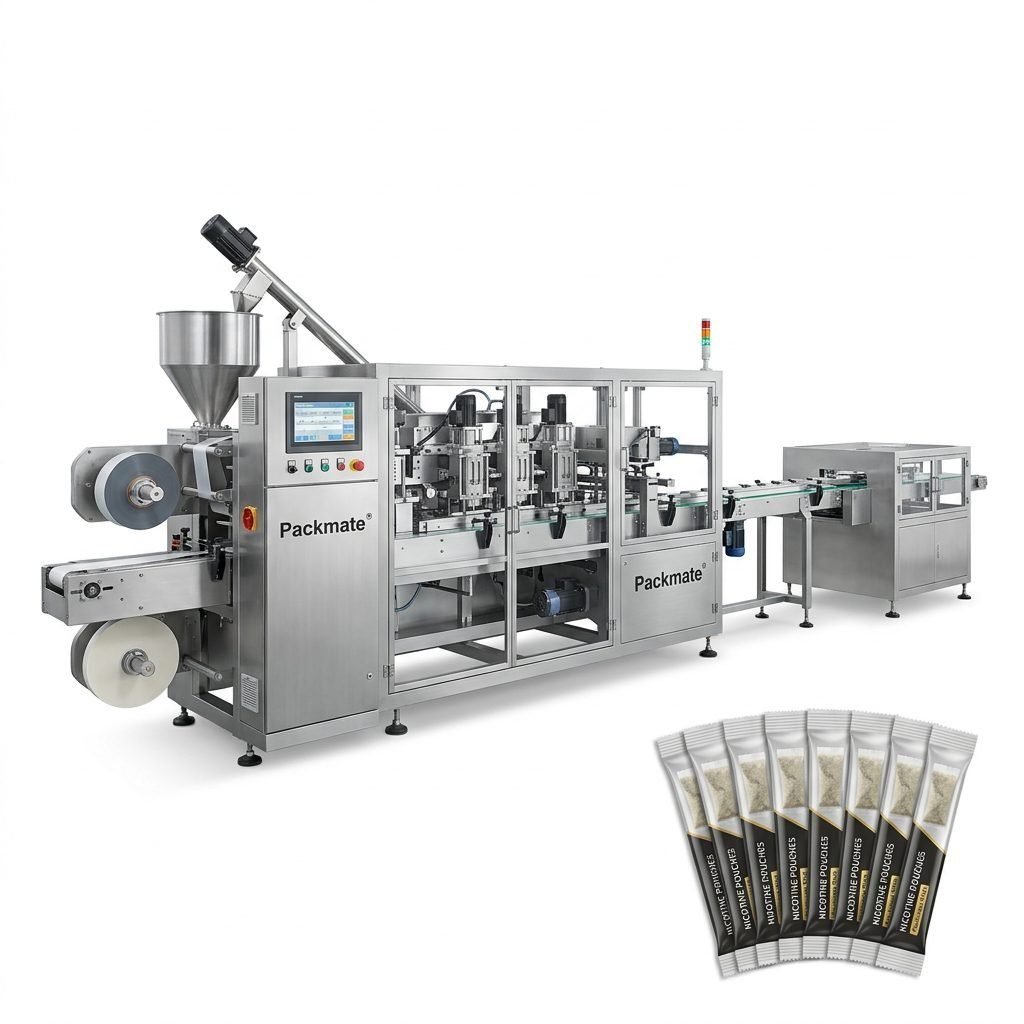
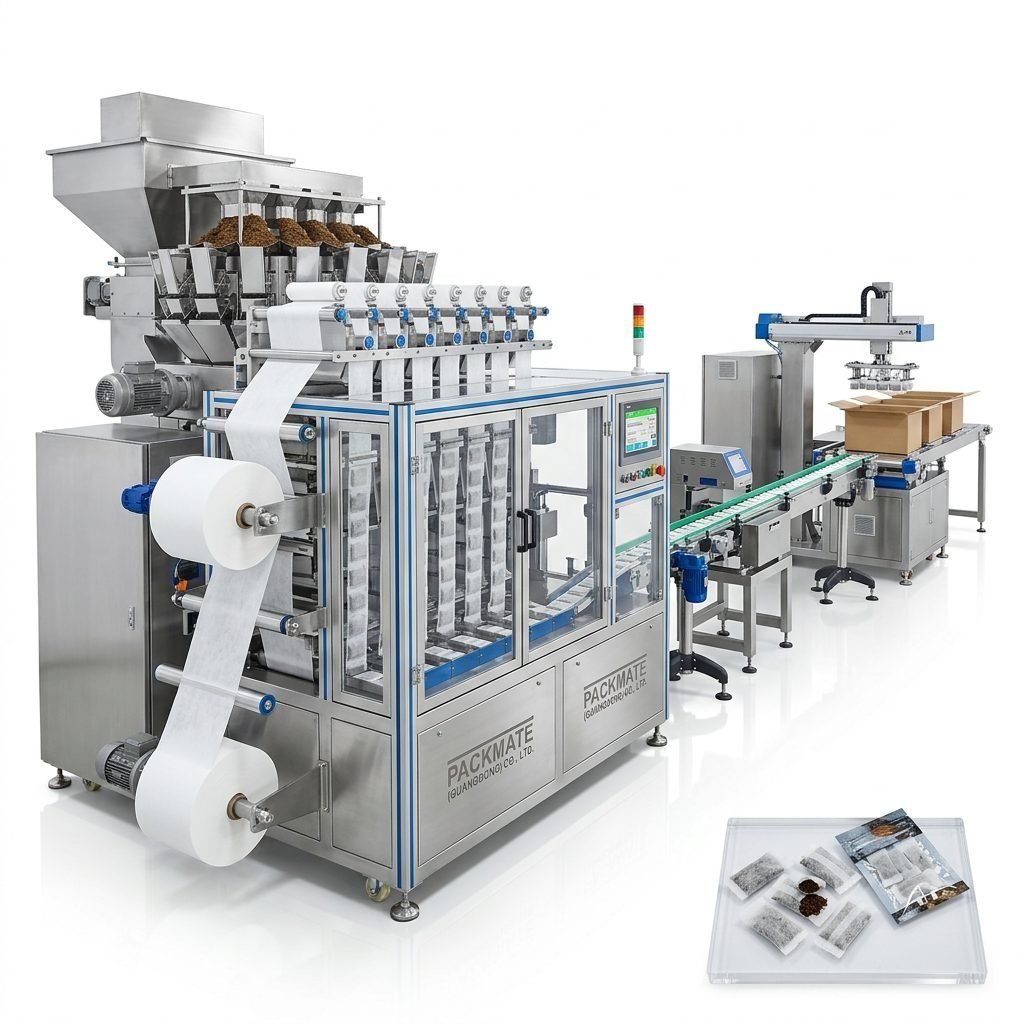
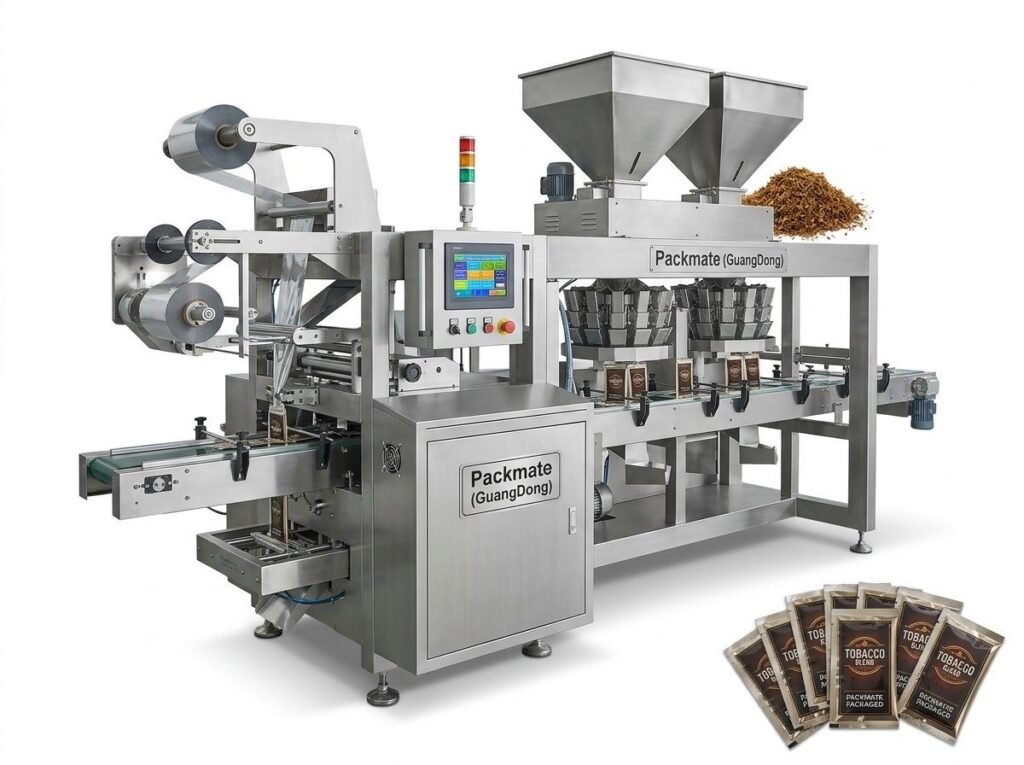
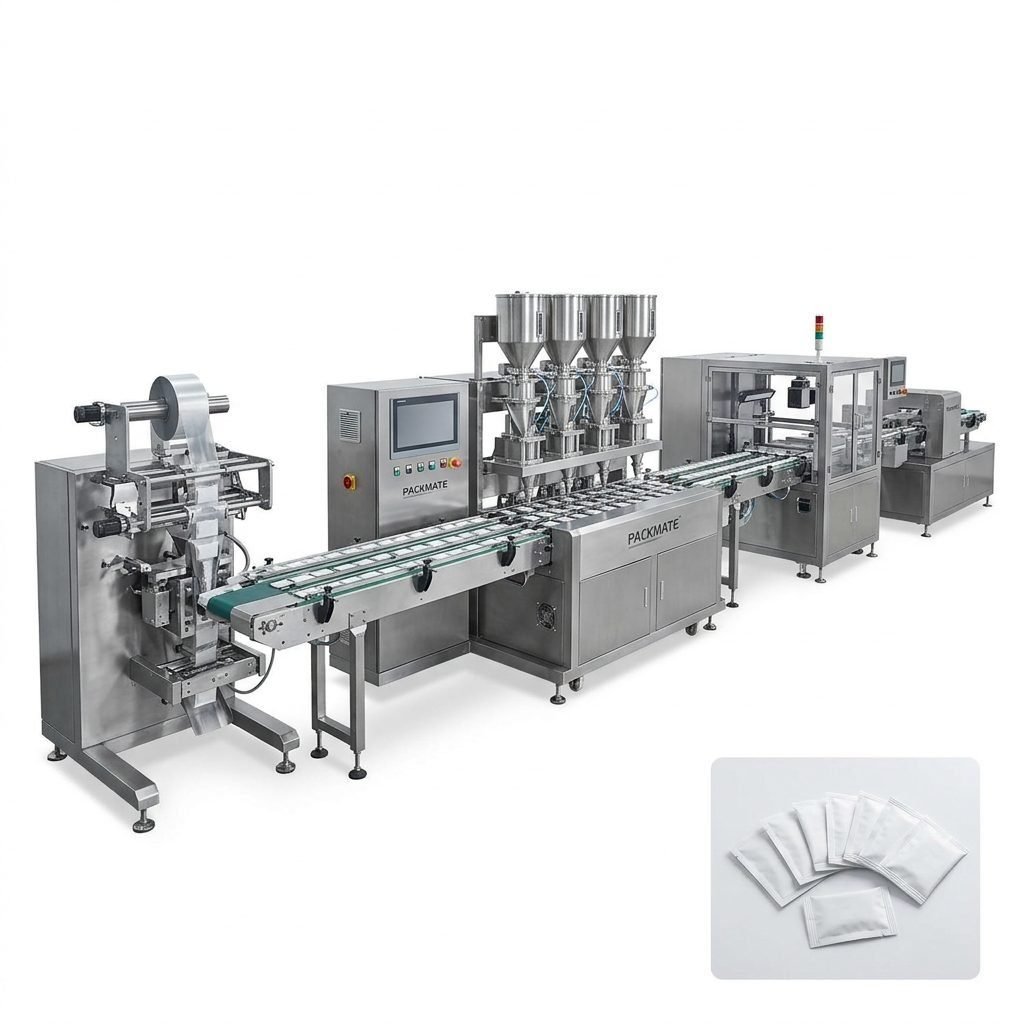
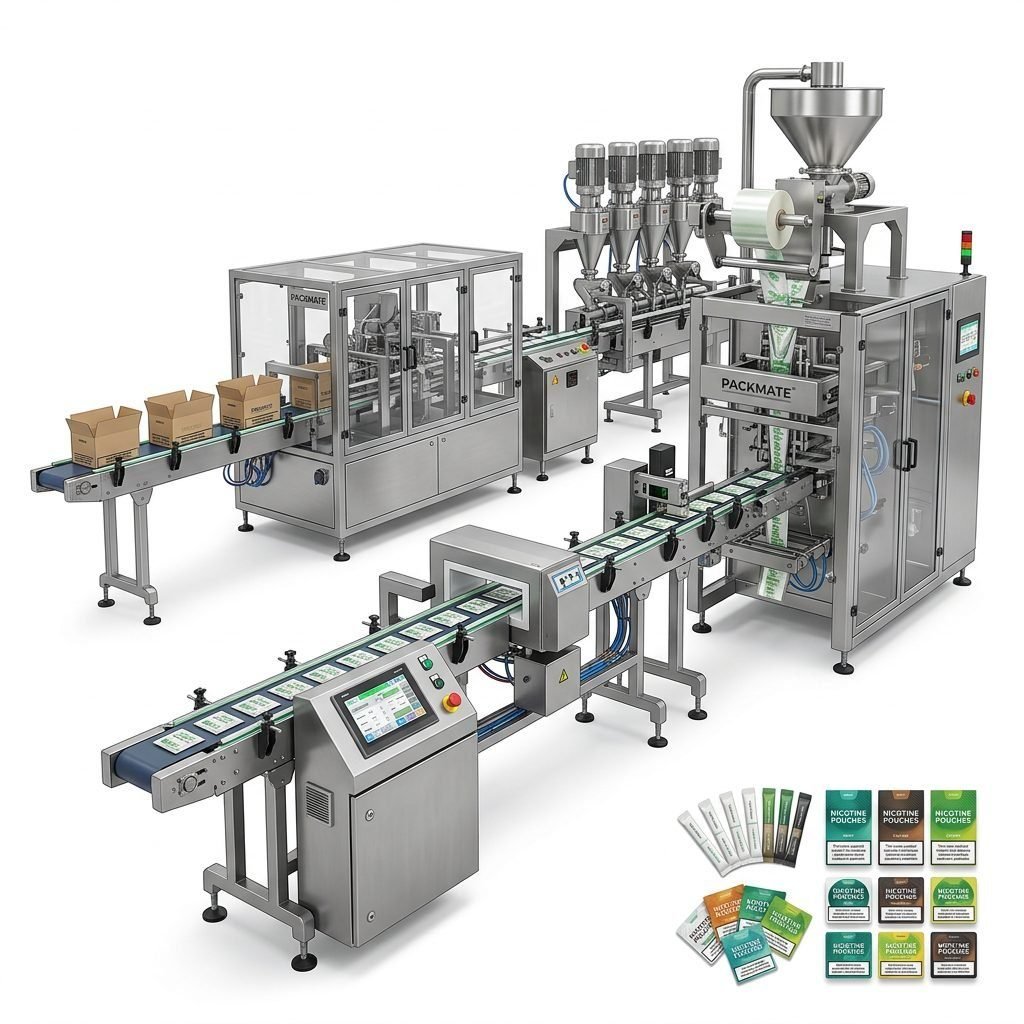
Selecting the right snus packaging machinery manufacturer in Belgium can make or break your production plans. Whether you are launching a nicotine pouch brand, scaling an existing snus line, or seeking more efficient sachet and stick pack solutions, the choice of partner affects product quality, uptime, regulatory compliance, and long-term cost. This guide walks you through the practical, technical, and commercial criteria to evaluate potential manufacturers and suppliers, helping you identify a partner who will support growth, reliability, and compliance.
Understand Your Product and Production Needs
Start by documenting the specifics of your product: pouch size, weight range, sealed materials, required barrier properties, and any special additives or fillings. Snus and nicotine pouches can vary widely in dose and moisture control requirements. Also map your desired throughput (pouches per minute), number of lanes (single vs. multi-lane), and desired packaging format (stick pack, sachet, multi-lane pouches). These technical specs will narrow down the list of suitable machines and manufacturers.
Key questions to define:
✔ What is the target production capacity per shift?
✔ Will you run single-dose nicotine pouches, wet snus, or dry blends?
✔ Do you require multi-lane systems for small-dose products?
✔ Are specific packaging materials (e.g., foil-laminates, compostable films) required?
Evaluate Manufacturer Experience and Specialization
Experience in snus and nicotine pouch packaging is essential. A manufacturer with decades of packaging engineering knowledge will have solved common issues like moisture control, sealing consistency, and multi-lane synchronization. Seek suppliers who explicitly list snus, nicotine pouches, stick packs, or sachets among their specialties. For example, Packmate Snus Machine profiles show deep expertise across snus and nicotine pouch lines and related turnkey solutions — review manufacturer case pages for similar evidence.
Useful links to check product portfolios:
Snus & Nicotine Packaging Machines,
Sachet & Stick Pack Machines,
Filling & Packaging Lines.
Factory Strength, Capacity and Quality Systems
A strong manufacturing facility is a leading indicator of reliable delivery and machine stability. Look for:
⚙️ Advanced CNC machining centers and precision assembly lines.
📦 Dedicated quality testing areas and proven QC procedures.
✅ Multiple production models and the ability to customize or scale lines.
Certifications and Regulatory Compliance
Packaging equipment that complies with CE and ISO standards reduces risk and simplifies import approvals. Verify the manufacturer’s certifications and ask for documentation. Compliance is especially important for nicotine products because local and EU-level regulations require traceability, safety controls, and validated hygienic designs for equipment that contacts product.
Technical Features to Inspect
When comparing machines, evaluate the following features:
🔍 Precision dosing systems and accurate weighers for small-dose pouches.
🔩 Synchronized multi-lane feeding and sealing for high-speed small pouches.
🔒 Reliable sealing technology for diverse film structures and barrier needs.
📊 PLC and HMI interfaces with data logging for production traceability.
♻️ Easy-to-clean, hygienic designs and materials suitable for nicotine handling.
Customization and Turnkey Capabilities
A manufacturer who can deliver turnkey lines — integrating feeders, weigher systems, pouch formers, drying, and secondary packaging — will save time during startup. If your product requires unique dosing methods or specialized materials, confirm that the supplier provides customization, prototyping, and FAT (Factory Acceptance Testing) services. Check project case studies to see real examples of tailored solutions.
Explore manufacturing case examples if available:
Case
After-Sales Support, Spare Parts and Training
After-sales service is critical. Inquire about:
- Availability of spare parts and average delivery lead times.
- Remote diagnostics and on-site repair capabilities.
- Operator and maintenance training programs.
- Warranty terms and preventive maintenance packages.
Tip
Choose manufacturers with local or regional service networks for faster support, or those who offer remote support systems that minimize downtime.
Compare Total Cost of Ownership (TCO), Not Just Price
Initial purchase price is only one part of the equation. Assess energy consumption, spare parts cost, mean time between failures, expected lifetime, and training needs. A slightly higher upfront cost can be justified by lower downtime, better yield, and reduced maintenance over years of operation.
📌 When requesting proposals, ask for a TCO breakdown covering at least five years.
Factory Visit and Machine Demonstration
Whenever possible, schedule a factory visit or video demonstration. Seeing machines running with products similar to yours reveals real performance, ease of changeover, and build quality. Verify electrical/electronic standards and safety guards. A thorough FAT should include running your actual pouch material and fill weights.
Lead Times and Production Scheduling
Ask about current lead times for standard models and for custom lines. A transparent manufacturer will provide realistic delivery schedules and explain potential bottlenecks such as critical component sourcing. If you face tight timelines, prioritize suppliers with local inventory or modular systems that can be delivered and expanded.
Warranty, Compliance and Documentation
Confirm the scope of warranty coverage and the availability of machine documentation: wiring diagrams, spare parts lists, operation manuals, and maintenance schedules. Documentation is essential for regulatory audits and internal SOP development. Certified manufacturers provide complete technical documentation and CE/ISO certificates on request.
Sustainability and Material Compatibility
If your brand strategy embraces sustainable packaging, ensure the machine supports biodegradable films or recyclable laminates. Machine sealing temperature control and dwell time must suit new materials. Discuss test runs and validations for alternative films before committing to production.
References and Global Footprint
Ask for customer references in similar markets. International suppliers with examples in Europe, Asia, and the Americas show they can handle export compliance and regional support. Suppliers who frequently attend exhibitions and maintain comprehensive case studies often provide more transparent track records — check their exhibition and company pages for credibility.
Helpful pages: About Packmate • Our Exhibition
Negotiation Tips and Contracts
When negotiating, clarify delivery terms, acceptance criteria during FAT, penalties for late delivery, and post-installation support. Include spare parts lists and initial consumables (seals, cutters) in the contract. Consider staged payments aligned with delivery milestones and successful FAT.
Final Checklist Before You Decide
✔ Clear match between machine capabilities and your product needs.
✔ Demonstrated experience with snus/nicotine pouch lines.
✔ Transparent TCO and reliable spare parts supply.
✔ Strong after-sales support and training programs.
✔ Valid certifications and complete technical documentation.
Where to Start — Practical Next Steps
1) Prepare a product specification pack including sample materials and pouch designs.
2) Shortlist 3–5 manufacturers based on specialization and factory capability.
3) Request technical proposals with TCO breakdown and FAT plans.
4) Schedule demonstrations and factory visits where possible.
5) Finalize contracts with clear delivery, FAT and support terms.
Contact and Further Reading
For more information about full production lines and auxiliary equipment, see product categories like
Bag & Pouch Packaging Machines
and Auxiliary Packaging Equipment.
When you are ready, reach out to suppliers through their contact pages to schedule technical discussions and factory visits:
Contact Us.
Common Questions
Q1: How long does it take to deliver a custom snus packaging line?
Lead times vary by complexity. Standard machines may ship in a few months, while fully customized multi-lane turnkey lines can take 4–9 months including design, manufacture and FAT. Confirm timelines during RFQ and factor in spare-part lead times.
Q2: Can machines handle different pouch materials and sustainable films?
Most modern machines are adjustable for sealing temperatures and dwell times to support a range of films. Always request test runs with your exact film to validate seal integrity and production stability.
Q3: What support should be included in the contract?
Include FAT acceptance criteria, warranty terms, spare parts lists, initial training sessions, remote support availability, and defined response times for on-site service. These clauses protect your production continuity.
Q4: Is it better to buy modular machines or a fully integrated line?
Modular machines offer flexibility and easier upgrades, while fully integrated lines often provide better synchronization and throughput. Choose based on your scaling plan: modular if you expect rapid product changes, integrated for high-volume stable products.
Q5: How do I verify manufacturer claims before purchase?
Ask for video demos with your product, customer references, and invite your technical team for a factory FAT. Request performance guarantees in the contract that specify yield, speed, and acceptance criteria.