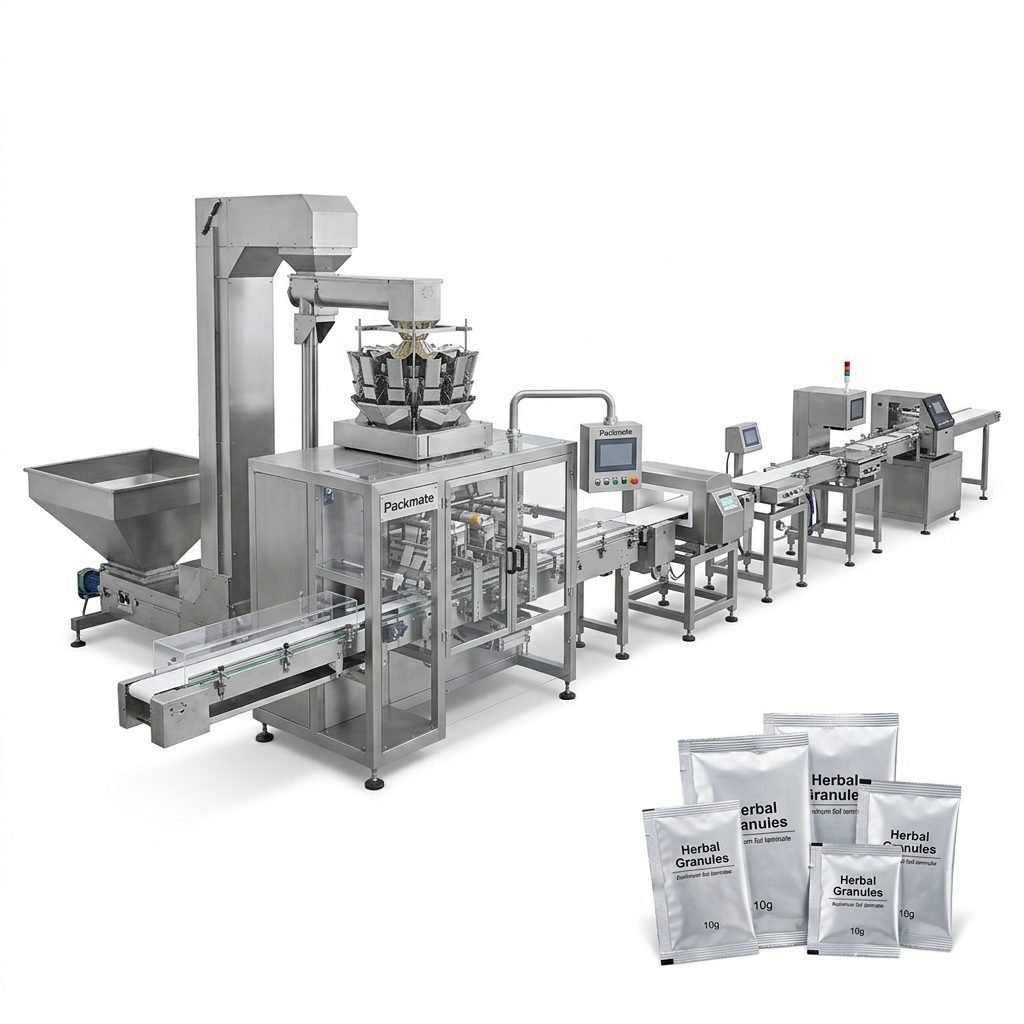
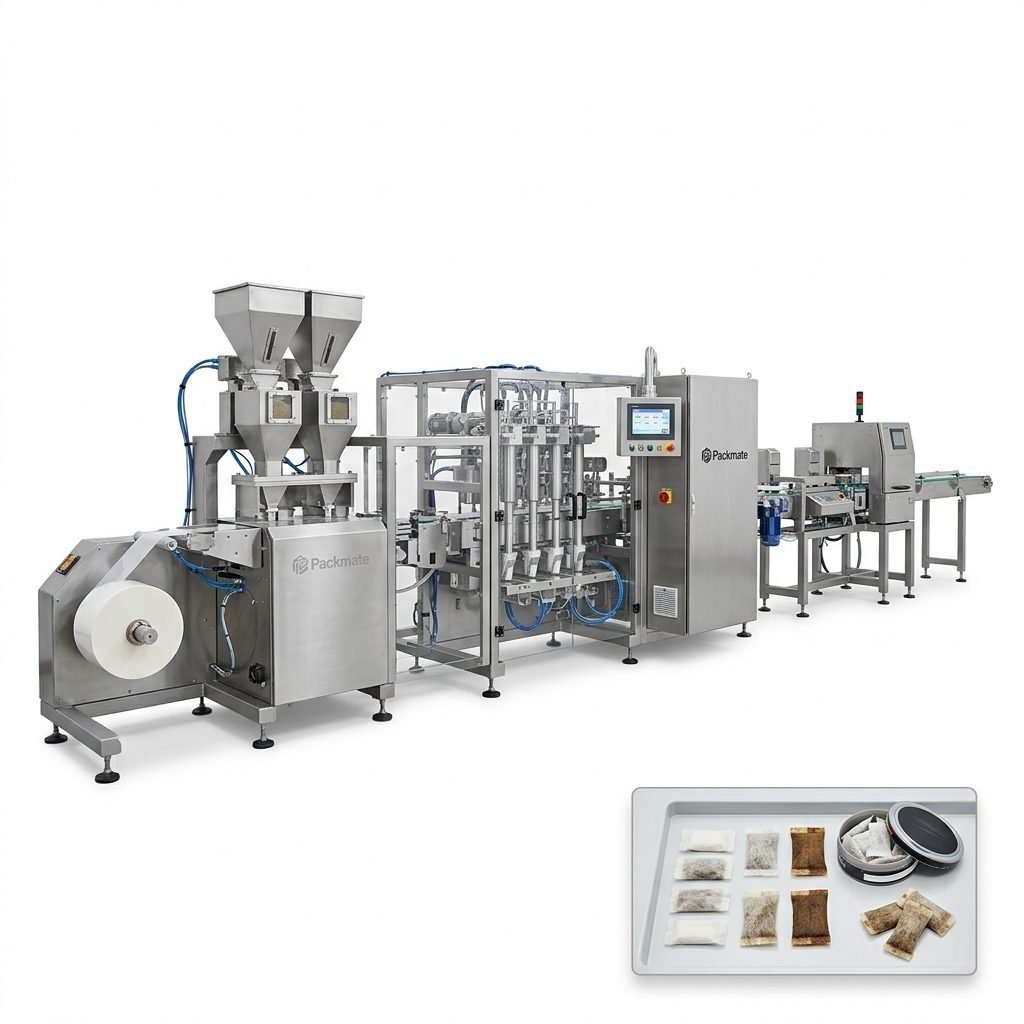
Choosing the right nicotine packaging machine supplier for your business in Fiji requires more than comparing price tags. It demands an understanding of local market nuances, regulatory considerations, after-sales support, and the technical capabilities that will keep your production line reliable and compliant. This guide walks you through a step-by-step process to evaluate suppliers and secure equipment that fits Fijian business practices and operational realities.
Understand Fiji’s Market and Regulatory Landscape
Before contacting suppliers, get a clear picture of Fijian consumer preferences and regulations related to nicotine products. Fiji’s market tends to favor durable, easy-to-service machines due to island logistics and limited local technical labor. Additionally, nicotine product labeling, testing, and import approvals can differ from other markets — so plan for compliance checks and local documentation early.
Why local customs matter
Fiji’s business culture often emphasizes trust, long-term relationships, and personal communication. Many Fijian importers and manufacturers prefer suppliers who demonstrate willingness to provide on-site training or local partnership arrangements. Expect negotiations to include service commitments and clarity on spare parts lead times.
Tip: Build relationship-based agreements — Fijian partners value suppliers who commit to reliable timelines and accessible technical support.
Key Technical Criteria When Comparing Suppliers
Use a checklist to evaluate machines across performance, flexibility, and maintainability. Important areas include production speed, lane configuration, accuracy for small-dose pouches, and compatibility with your filling materials (powder, granules, liquid or snus pouches).
1. Production Capacity & Scalability
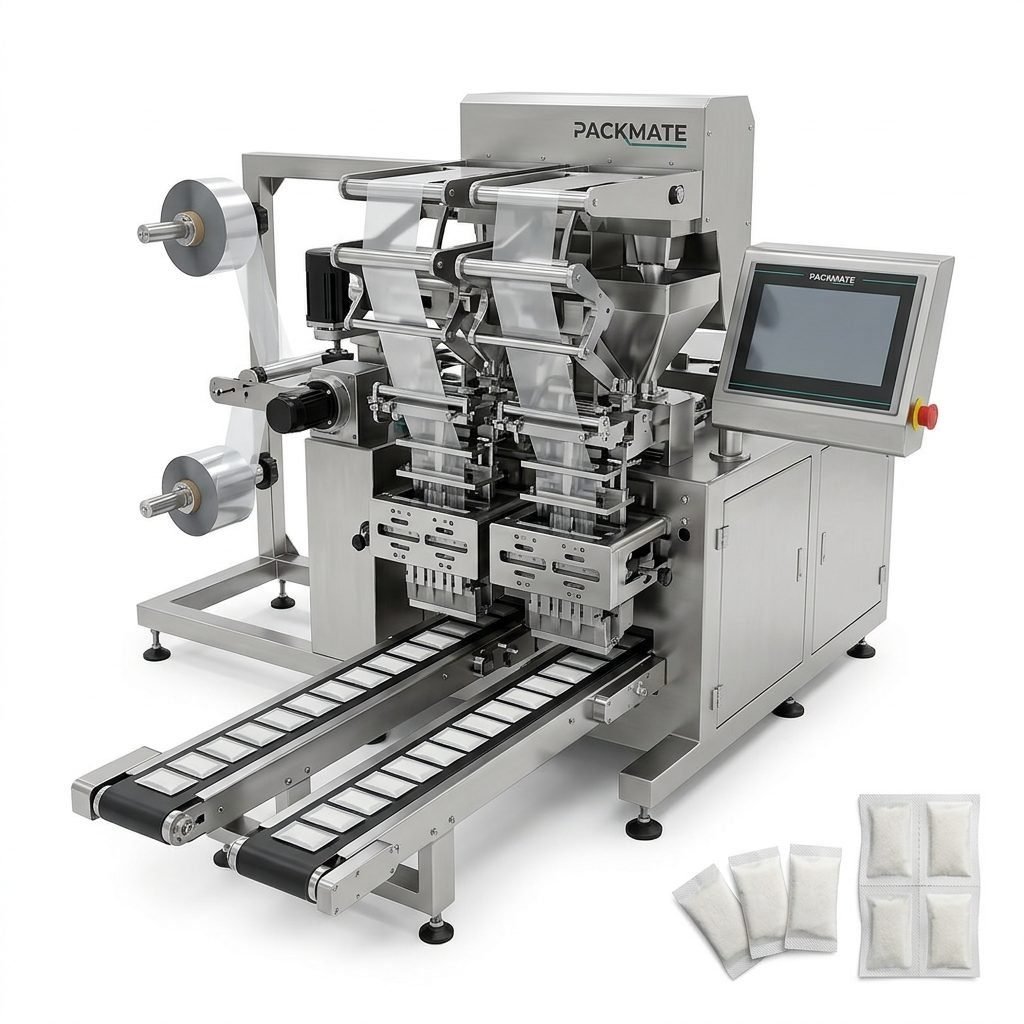
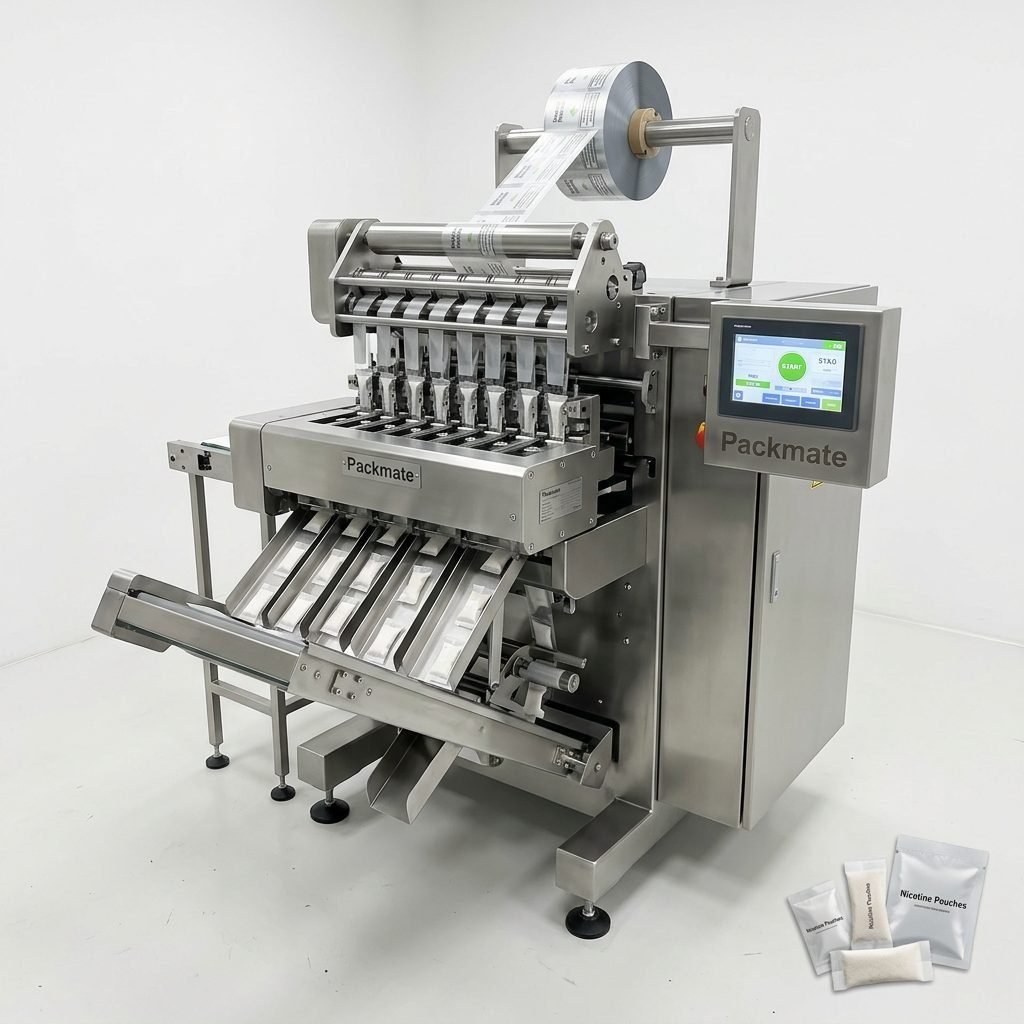
Determine current and forecasted output. If your Fiji operation plans seasonal surges or expects rapid growth, choose machines that scale—modular multi-lane systems are often the best solution. Suppliers with multi-lane solutions can provide cost-effective upgrades without full machine replacement.
2. Filling Accuracy & Waste Minimization
For nicotine pouches, small-dose accuracy is critical for regulatory compliance and customer satisfaction. Verify the supplier’s dosing technology and ask for performance data or references. High-precision systems reduce waste and save costs in the long run.
3. Machine Footprint & Power Requirements
Check that the machine dimensions and electrical specs match your Fiji facility. Island factories may have different voltage stability — ask about power tolerance, optional UPS systems, or local installation support to prevent downtime.
Must-ask: Request a performance report and a list of existing installations in climates similar to Fiji to confirm reliability under island conditions.
Evaluating Supplier Credentials and Factory Strength
A supplier’s manufacturing capability and certificate portfolio speak volumes about their product quality. Look for CE/ISO certifications, advanced CNC machining facilities, and evidence of rigorous quality testing.
What to verify in factory visits or virtual tours
- Manufacturing area and quality control lines (20,000㎡ factories indicate scale).
- Assembly process and spare parts inventory.
- R&D and customization capability for specialized nicotine pouch formats.
- Available certifications and compliance test reports (CE, ISO, etc.).
Service, Spare Parts, and After-Sales Support in Fiji
For island operations, supplier responsiveness is critical. Delays in spare parts shipments can halt production for weeks. Evaluate the supplier’s spare parts policy, availability of local agents or partners, and willingness to provide remote diagnostics or on-site visits.
Local partner presence and training
Suppliers that train your technicians or supply a local contact reduce operational risk. A good supplier offers installation, operator training, and preventive maintenance plans, ideally accompanied by clear documentation and video guides.
Commercial Terms and Total Cost of Ownership (TCO)
Avoid focusing only on the machine price. Consider shipping, import duties, installation, spare parts, consumables, training, and potential downtime. Negotiate warranties that include remote support and define the lead time for critical spare components.
Financing and payment
Many suppliers provide financing options or staged payments. For Fijian buyers, flexible payment terms and clear delivery milestones can ease cash flow management, especially when coordinating sea freight schedules.
Testing, Pilot Runs and Factory Acceptance Tests (FAT)
A reliable supplier will offer FAT demonstrations, pilot runs with your actual product, and evidence of repeatable performance. Insist on FAT documentation and, if possible, video proof of your product run to prevent surprises during commissioning.
Checklist for FAT: verified output, packaging integrity, dosing accuracy, film sealing quality, and remote diagnostic capabilities.
Why Choose an Experienced Snus/Nicotine Specialist
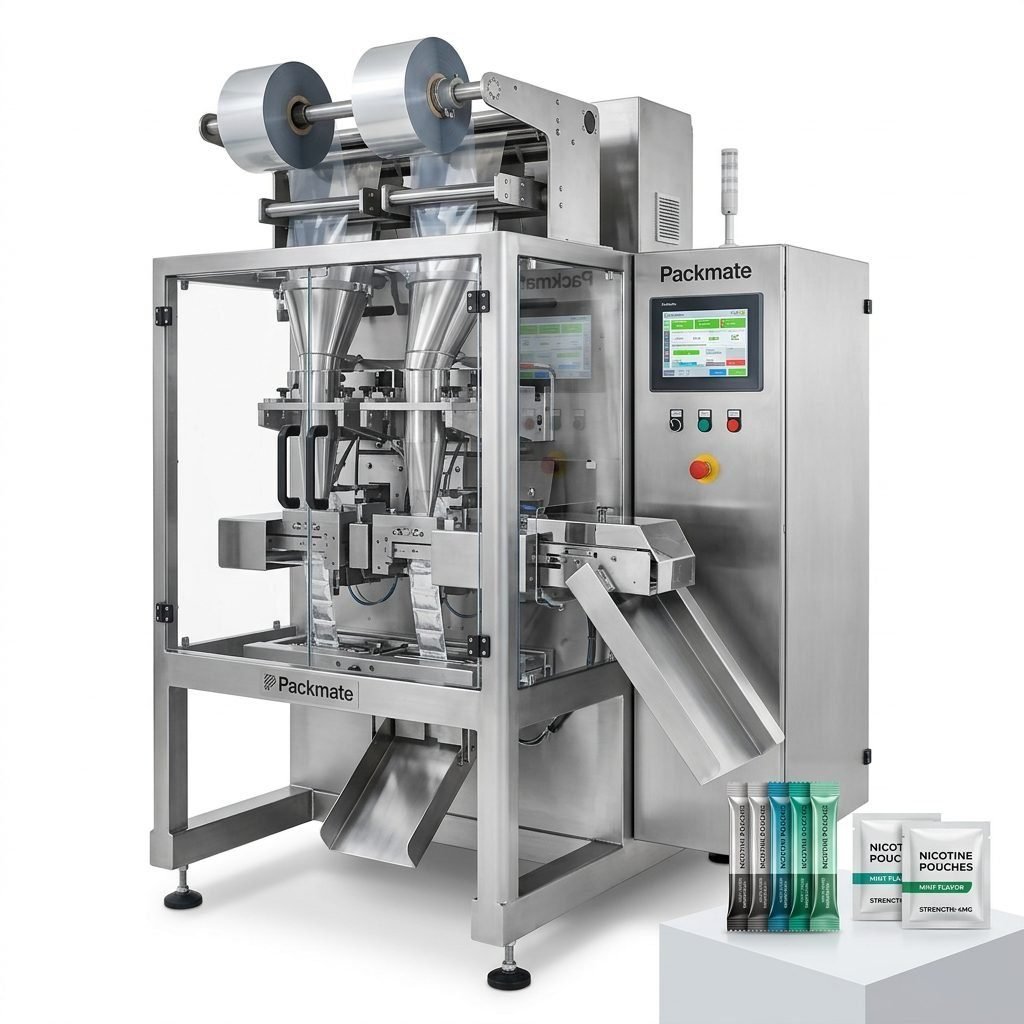
Nicotine pouches and snus have specific packaging requirements — moisture control, precise sealing, and gentle material handling. Suppliers focused on snus packaging bring specialized knowledge that generalist machinery vendors may lack. With decades of engineering experience, companies that concentrate on snus packing lines can deliver better long-term reliability.
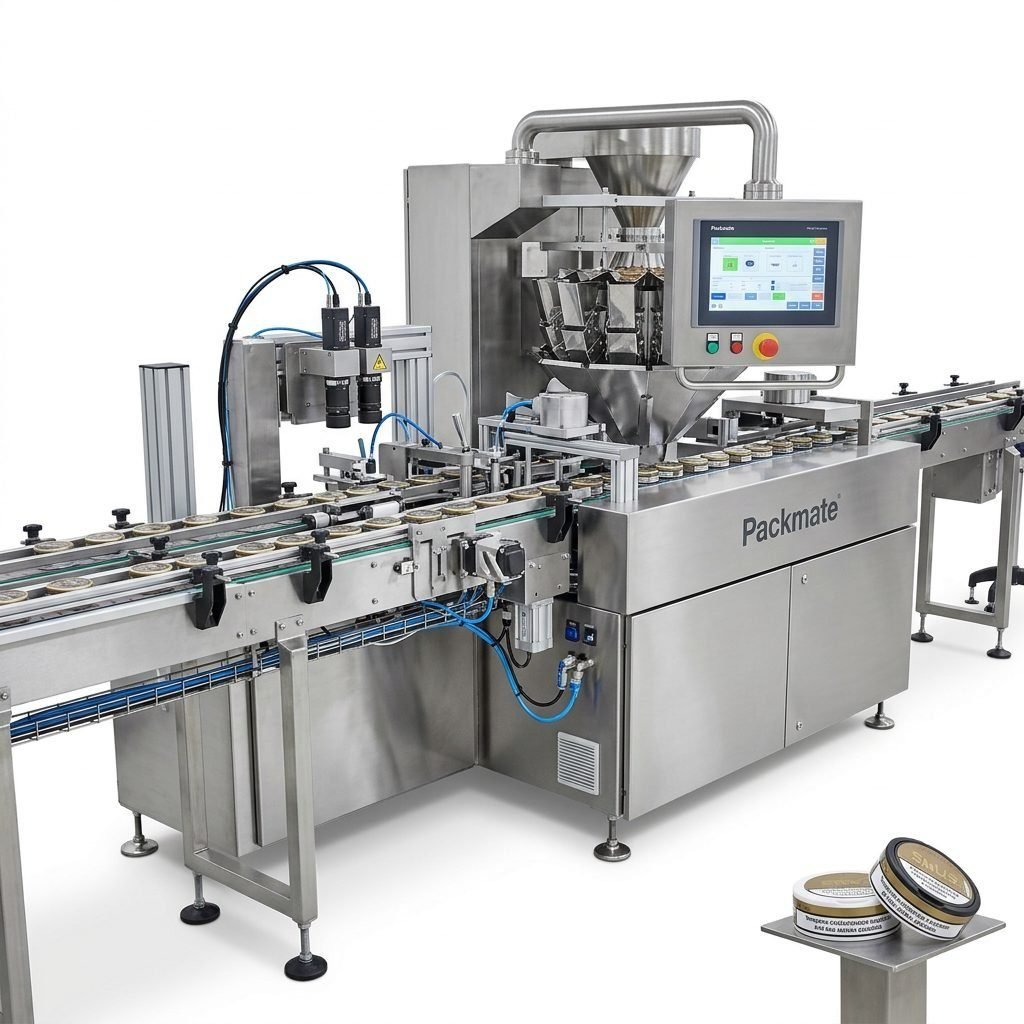
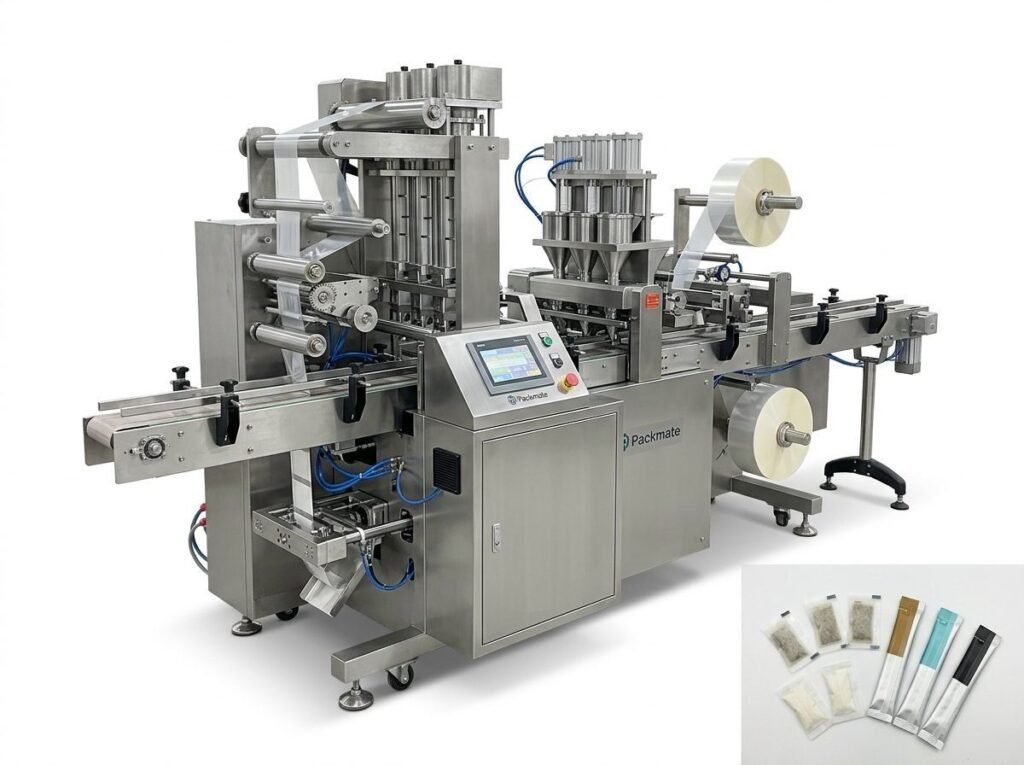
Explore product categories such as Snus & Nicotine Packaging Machines, Sachet & Stick Pack Machines, and Weighing & Packaging Systems to compare specialized solutions and match them to your product format and capacity needs.
Selecting a Supplier: Practical Steps
Follow a structured procurement process to minimize risks and secure a machine that suits Fiji’s market realities.
1. Create a detailed specification document
Document product format, pouch size, target output per shift, operating environment, power specs, and expected SKU changes. Providing these details upfront helps suppliers propose accurate solutions and avoids costly miscommunications.
2. Shortlist and compare technical proposals
Request references, performance data, and a breakdown of included services (installation, commissioning, training, warranty, spare part lead times). Consider visiting a reference customer or viewing recorded production runs.
3. Negotiate clear commercial and support terms
Define warranty scope, response times for remote support, spare parts availability, and penalties for missed delivery milestones. Confirm who handles customs clearance in Fiji and estimate lead times for critical parts.
Cultural & Logistics Tips Specific to Fiji
Understanding local habits and logistical realities helps ensure a smooth installation and operation.
- Local decision-making: involve community or family stakeholders early when negotiating for family-run businesses.
- Sea freight lead times: plan buffer time for shipment arrival and inland handling across islands.
- Service visits: prefer suppliers who can schedule multi-week service visits or train local technicians to reduce travel-related delays.
- Seasonal considerations: consider local holidays and weather conditions when planning installation and commissioning.
Case Example: Choosing a Multi-Lane Snus Line
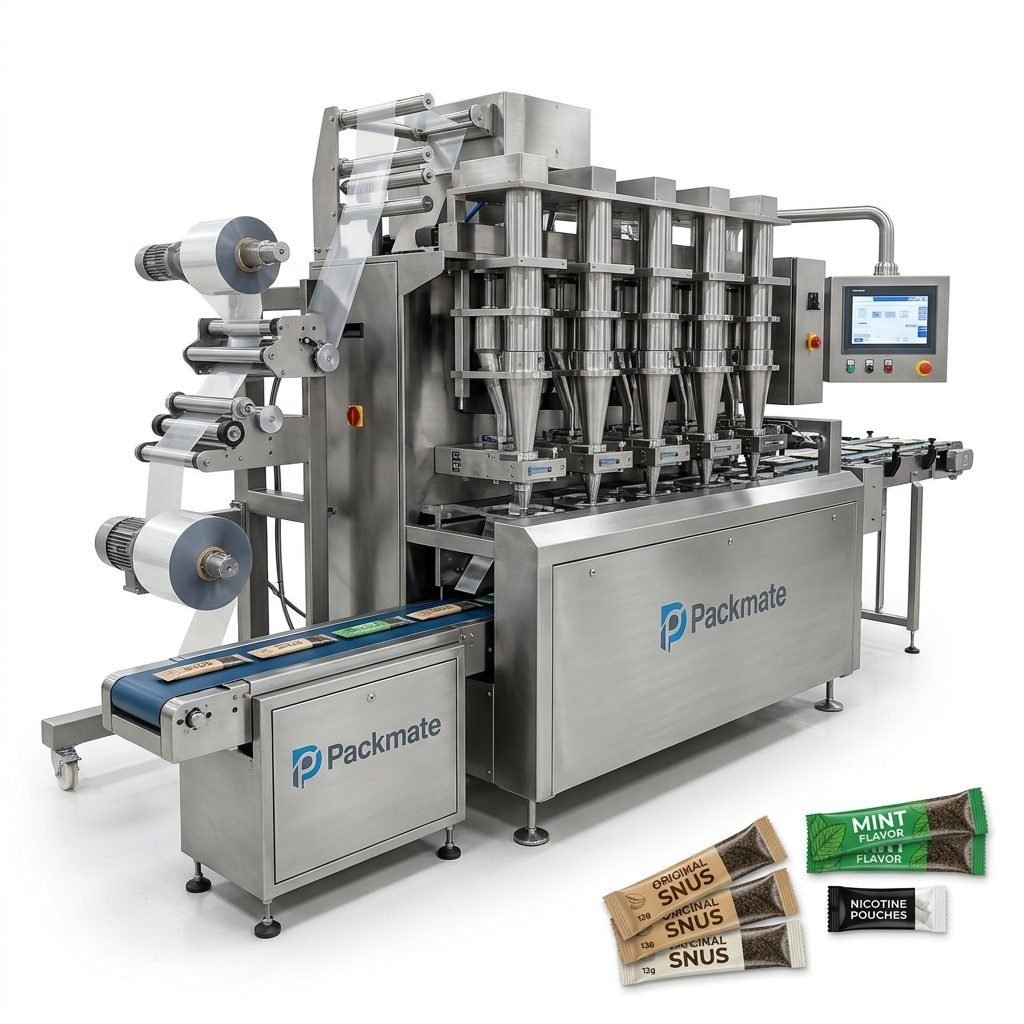
Suppose you need to launch a nicotine pouch brand in Fiji with small-dose sachets. A multi-lane machine designed for snus can run multiple SKUs with minimal changeover time. Evaluate suppliers with documented experience in snus pouch packaging, robust CNC-built components, and global installation records to ensure a smooth ramp-up.
For more detailed examples and real-world installations, review international Case studies from manufacturers to compare outcomes and timelines.
Quick vendor scorecard (use this during evaluations):
- Technical fit and scalability ✔️
- Spare parts & local support availability ✔️
- Quality certificates & factory strength ✔️
- Clear FAT and commissioning plan ✔️
How Packmate (Example Supplier) Meets Fiji Needs
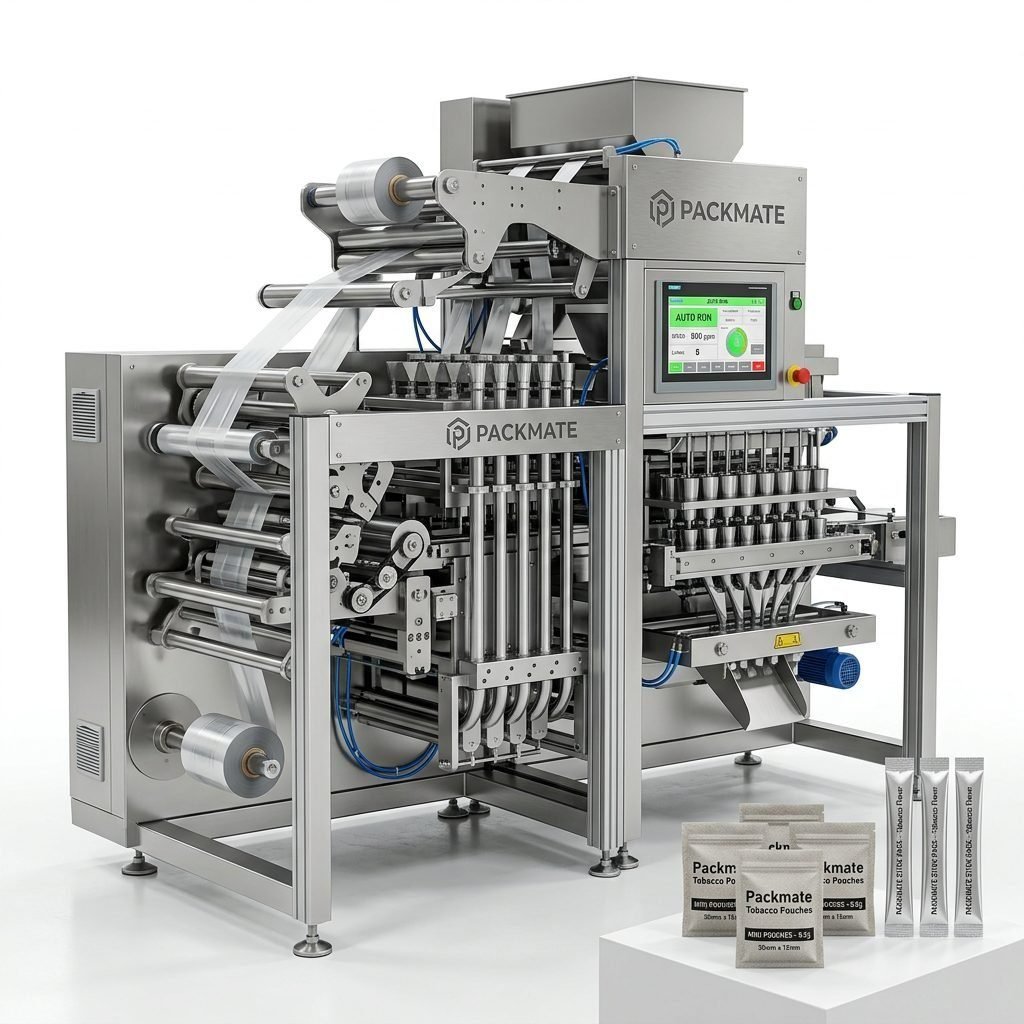
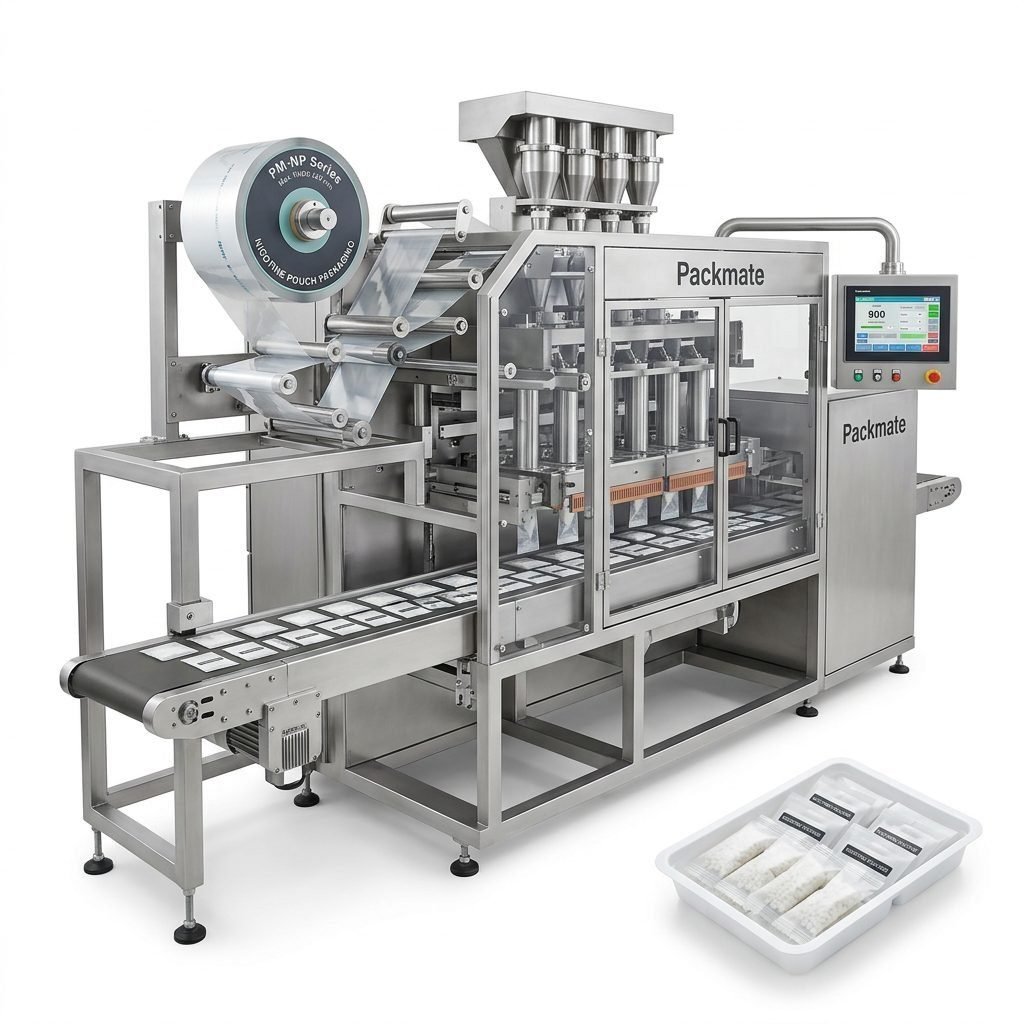
When evaluating suppliers, look for companies with decades of engineering experience, a broad product range, and a track record in snus packaging. Packmate Snus Machine (as an example) highlights strengths like 30+ years of experience, a 20,000㎡ manufacturing facility, 50+ machine models, and compliance with CE/ISO standards. These attributes help ensure reliable delivery and global support for island customers.
Learn more about their offerings such as Snus & Nicotine Packaging Machines, Bag & Pouch Packaging Machines, and About Packmate to assess how their solutions match your Fiji operation.
Final Procurement Checklist Before Signing
Use this final checklist to ensure a smooth purchase and installation experience in Fiji:
- Detailed machine specification and performance guarantees documented.
- Confirmed FAT schedule and acceptance criteria.
- Clear warranty terms and spare parts lead times.
- Training plan for local staff and documentation in English.
- Shipping, customs handling, and installation timetable aligned with local holidays.
Next Steps for Fiji Buyers
Start by preparing your specification sheet and reach out to specialized snus machine suppliers for tailored quotes. Request FAT videos, factory references, and a clear timeline for spare part deliveries. Consider scheduling a remote demonstration and ask about local partners or distributors who can assist with installation and maintenance.
For direct inquiries or to explore machine options, use supplier contact pages such as Contact Us or view their Catalog for model specifications and accessory lists.
Common Questions (FAQ)
Q1: How long does it take to install and commission a snus packaging line in Fiji?
A1: Typical installation and commissioning vary by machine complexity; a basic single-lane line can be installed within 1–2 weeks, while multi-lane turnkey lines may take 4–8 weeks including FAT, shipping, customs clearance and on-site adjustments. Plan extra buffer for local logistics and training.
Q2: What warranty and spare part policies should I insist on?
A2: Ask for at least a 12-month warranty on major components, clear spare parts pricing, and guaranteed lead times for critical wear parts. Negotiate remote support and preventive maintenance plans to reduce downtime in Fiji.
Q3: Are snus packaging machines customizable for local product sizes?
A3: Yes. Reputable suppliers provide customization for pouch size, lane configuration, and filling systems to match your product. Ensure customization is documented and included in the FAT to verify compliance.
Q4: How can I reduce shipping and import delays to Fiji?
A4: Plan shipments during favorable weather windows, use experienced freight forwarders familiar with Fiji, consolidate spare parts shipments, and confirm customs documentation in advance to avoid port delays.
Q5: Who should I contact for local support or service?
A5: Request the supplier’s recommended local agents or ask for training of your local technicians. Suppliers often provide remote diagnostic tools and scheduled visits — confirm these contacts before purchase to ensure quick response times.