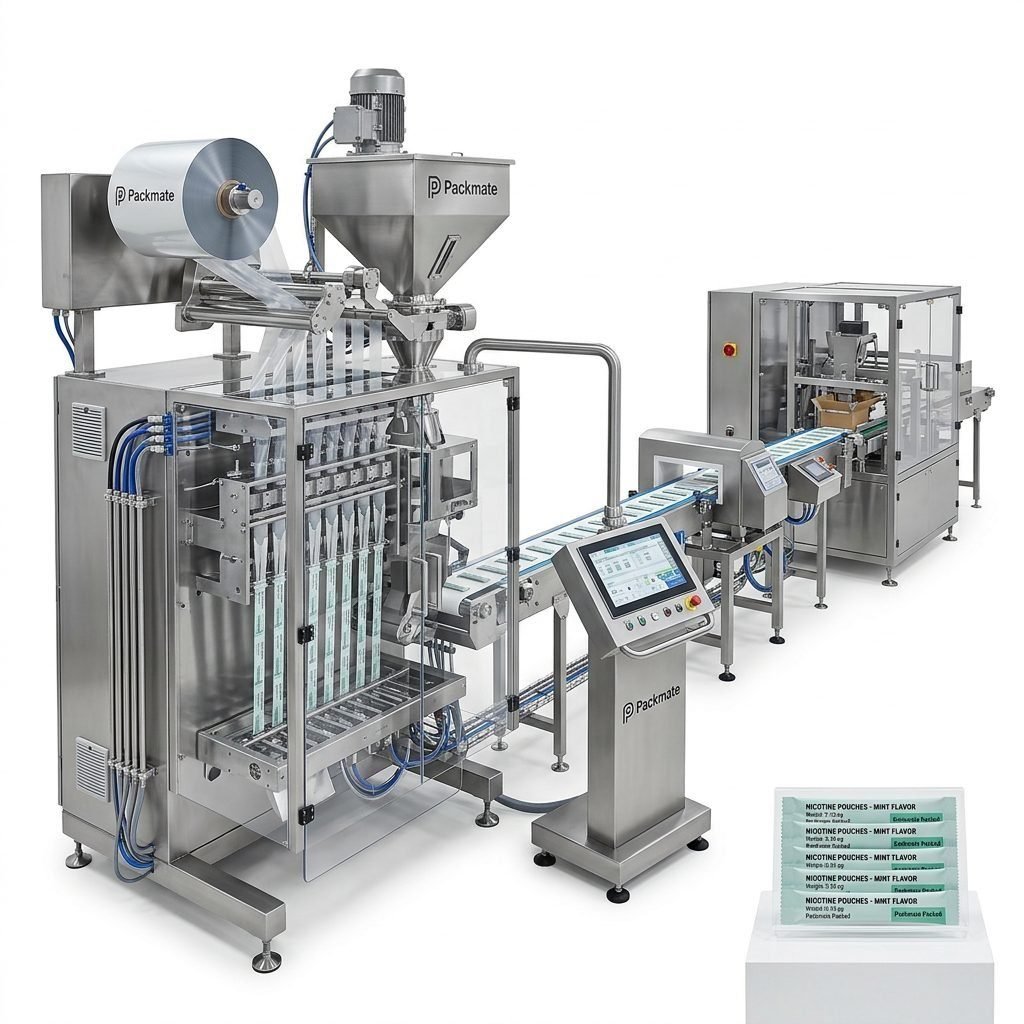
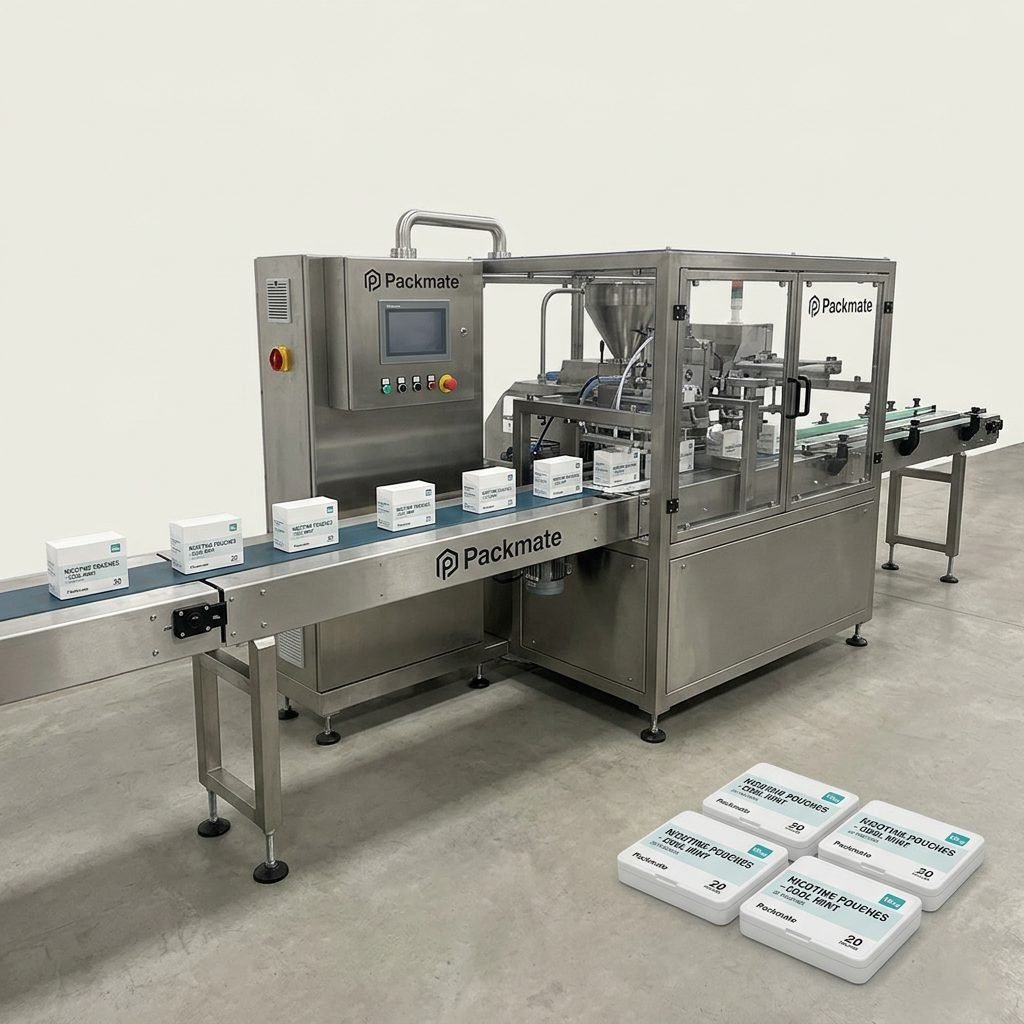
Choosing the right snus packaging machinery manufacturer in Estonia—or selecting a reliable international supplier that serves Estonian businesses—can make or break your production efficiency, compliance and bottom line. This guide walks you through practical criteria, evaluation steps, and industry-specific considerations so you can confidently select a supplier that fits your volume, product format and long-term growth plans.
Understand Your Product and Production Needs
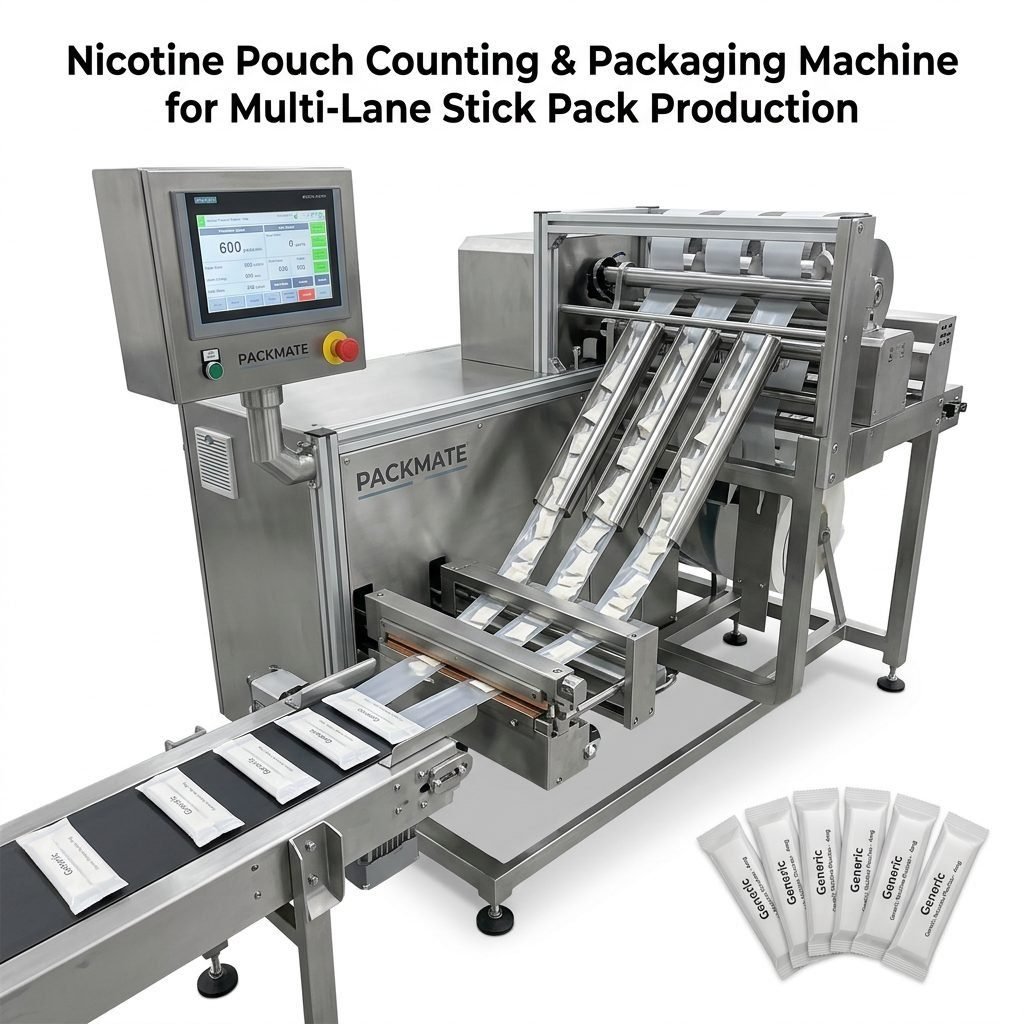
Before you contact manufacturers, clarify your snus or nicotine pouch product requirements: pouch size, dose accuracy, multi-lane output, barrier materials, sterilization or cleanroom needs, and desired line speed. Machines optimized for small-dose multi-lane nicotine pouches differ in design and control systems from equipment for bulk tobacco or wet snus.
Key technical questions to define
• Target pieces per minute and daily throughput
• Pouch formats (stick, sachet, pillow, sachet-with-windows)
• Filling accuracy (mg tolerance)
• Packaging material types and thicknesses
• CIP/cleaning and maintenance access requirements
Why Estonia (or an Estonian-focused supplier) Matters
Estonia sits at the crossroads of Northern and Eastern Europe, offering easy logistics to EU markets and strong regulatory alignment. Working with a manufacturer that understands EU compliance, CE markings and regional after-sales service can shorten lead times and reduce customs friction. Even if your supplier manufactures outside Estonia, look for demonstrated experience serving the EU market and local service partners.
Core Evaluation Criteria for Snus Packaging Machinery Manufacturers
Use the following categories to benchmark suppliers during initial contacts and factory assessments.
1. Experience & Track Record
Prefer manufacturers with a proven history in snus and nicotine pouch equipment. Companies with decades of engineering and multi-lane systems experience will better anticipate production issues and offer matured designs. For example, suppliers who provide full turnkey lines and have a portfolio of installations across Europe prove strong domain expertise.
2. Machine Range & Flexibility
A diversified product line—stick pack, sachet, multi-lane pouch machines, weighing & filling systems—means you can scale or pivot formats without replacing the whole line. Check if the manufacturer customizes lane counts, dosing systems and material handling modules to match your product.
3. Manufacturing Capacity & Quality Control
Look for suppliers with advanced CNC machining, precision assembly, and documented QC processes. A modern factory footprint and traceable part sourcing reduce variability and increase uptime.
Tip: Ask for recent factory photos, ISO/CE certificates, and a list of reference customers—these provide quick validation of capability and standards.
4. Compliance & Certifications
For EU markets you must verify CE marking, electrical and machine safety compliance, and any material-contact approvals. Reputable manufacturers will also have ISO systems to control quality and documentation.
5. After-Sales Service & Spare Parts
Fast technical support, local service partners and stocked spare parts are essential. Confirm average response times, remote support capabilities and training offerings to keep your line productive.
Inspect the Manufacturer: A Practical Checklist
Whether you visit in person or request a virtual tour, use this checklist to assess credibility and capability.
- Factory size, CNC centers, and assembly lines
- Test runs and customer acceptance protocols
- Spare parts inventory and modular component design
- Software control systems, HMI language options and PLC brands
- Documentation quality: manuals, spare parts lists, electrical drawings
- Packaging and transport processes for export
Questions to Ask During Supplier Meetings
The right questions reveal a supplier’s problem-solving approach and readiness to support you long-term.
Sample questions
• Can you share detailed specifications and machine videos of similar installs?
• What is the standard warranty and what does it cover?
• How do you handle software updates and PLC backups?
• What training is included on-site and remotely?
• How many engineers and what response time are typical for Estonia/EU clients?
Red flag: Vague answers about spare part lead times, undocumented acceptance testing or no client references are warning signs.
Pricing vs Total Cost of Ownership
Price is only one factor. Compare TCO by factoring in energy consumption, downtime risk, spare part costs, consumables, training and expected lifetime. A slightly higher-capability machine may pay back quickly through lower waste and higher uptime.
Integration & Turnkey Solutions
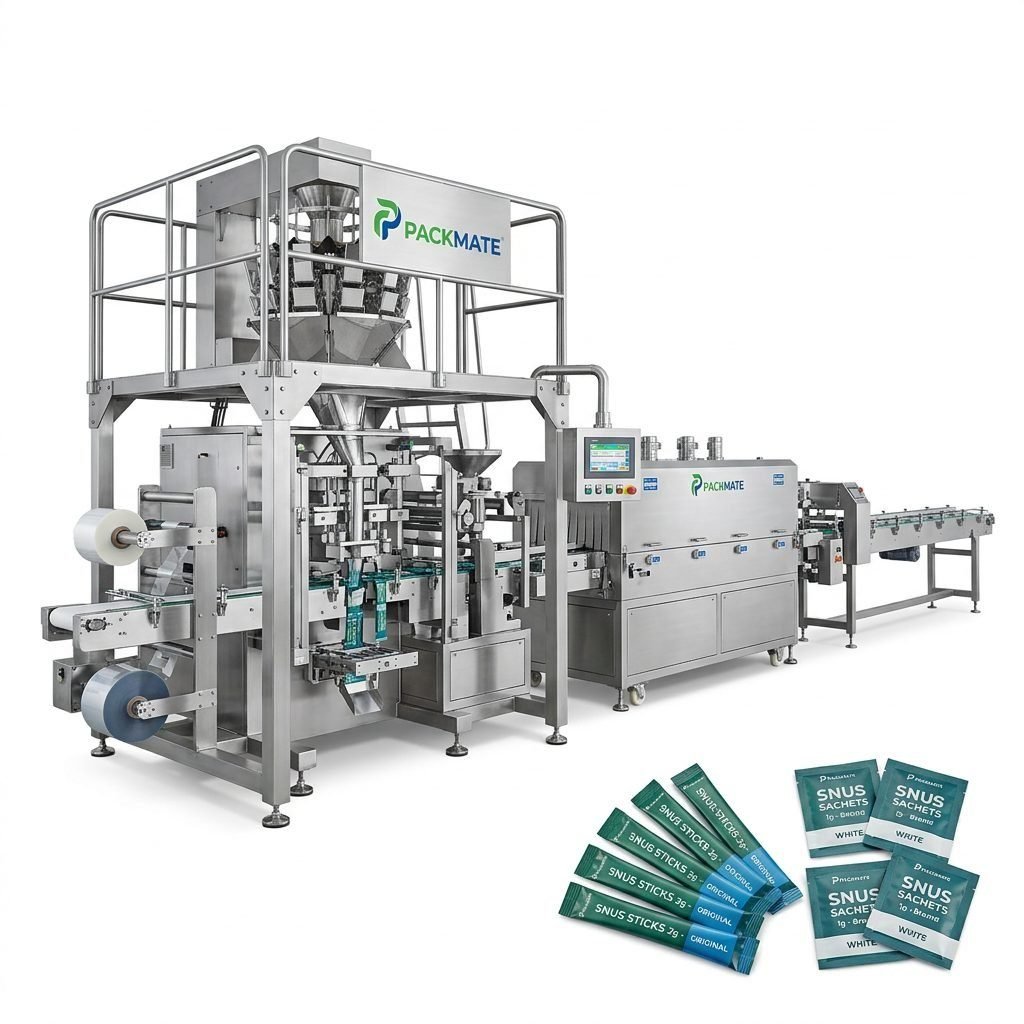
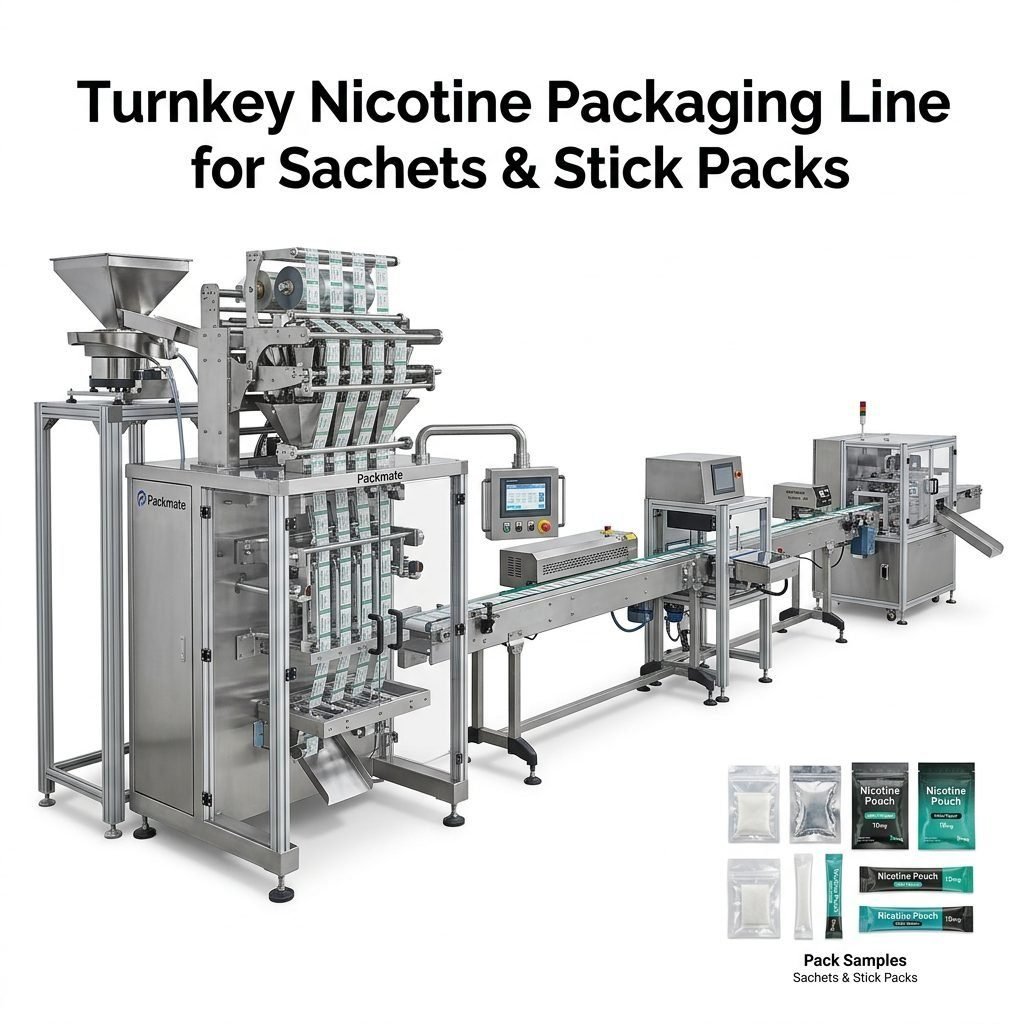
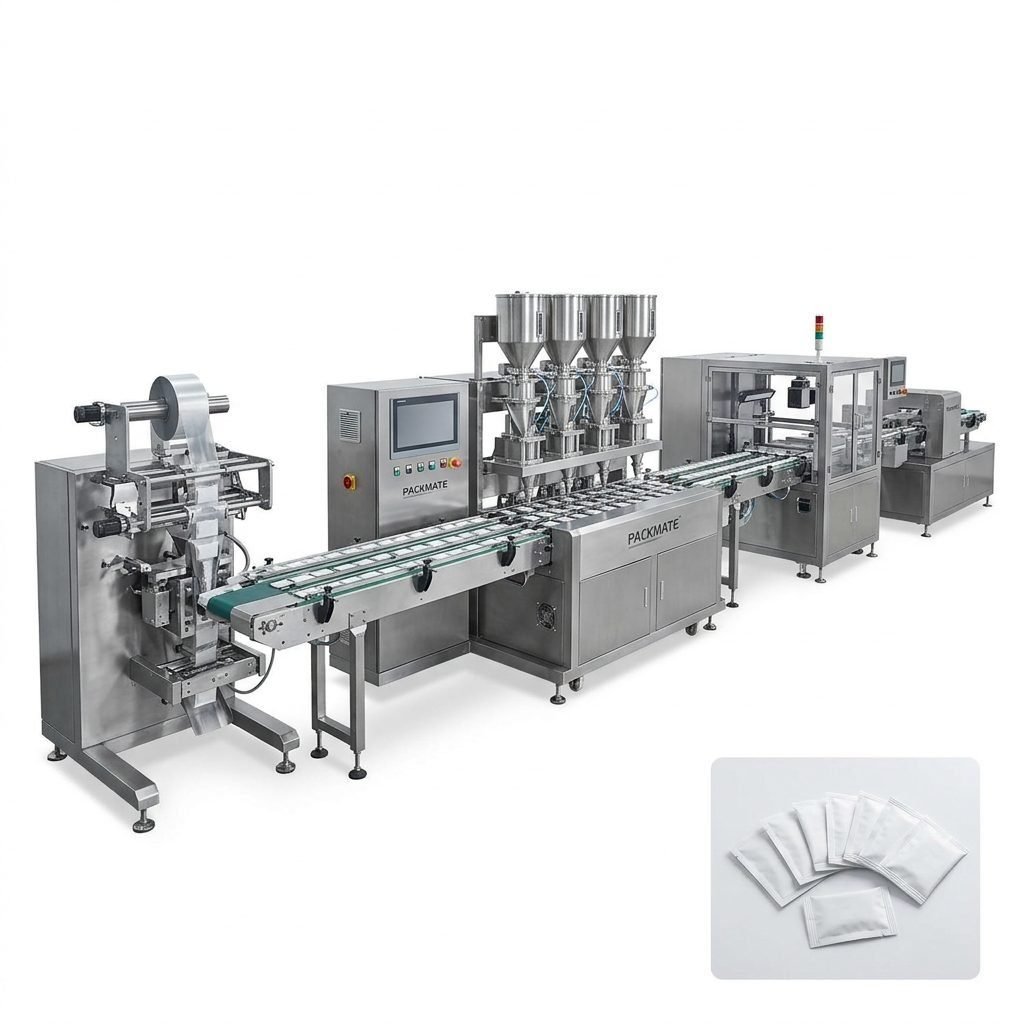
If you need a complete line (filling, weighing, pouch forming, sealing, cartoning and palletizing), prefer vendors who provide integrated systems—single-source responsibility simplifies commissioning and future upgrades. See examples of complete offerings and modular components on suppliers’ product pages: Snus & Nicotine Packaging Machines, Sachet & Stick Pack Machines and Weighing & Packaging Systems.
Real-World Validation: References, Cases & Exhibitions
Ask for recent case studies, video demos and exhibition participations. Suppliers who display case portfolios and active trade show presence typically invest in ongoing product development and customer outreach. Review their case examples and exhibitions to validate real installations: Case and Our Exhibition.
Selecting the Final Supplier: Practical Steps
1) Shortlist 3-5 vendors based on experience, machine fit and references.
2) Request detailed proposals including line diagrams, acceptance tests, spare part lists and delivery timelines.
3) Compare TCO, not just capital cost.
4) Negotiate clear warranty, payment milestones and acceptance criteria.
5) Plan a joint FAT (Factory Acceptance Test) and SAT (Site Acceptance Test).
Checklist (Quick): factory capability, CE/ISO, spare parts policy, training, FAT video/demo, references, lead times and documented warranty.
About a Specialist Manufacturer Example
When evaluating a manufacturer, consider suppliers with long engineering histories, full machine ranges and turnkey experience. For instance, companies that started small and grew into full-scale factories with advanced CNC centers and multi-lane snus solutions provide a useful model. Review a supplier’s About page and certifications to ensure they align with your expectations: About Packmate and Certificate.
Service, Training & Local Support
Confirm whether the manufacturer offers:
- On-site commissioning and operator training
- Remote diagnostics and PLC software backups
- Preventive maintenance schedules and spare kits
- Upgrades and retrofits as regulations or formats change
Preparing for Purchase & Installation
Coordinate site readiness, utilities, material flows and operator recruitment well before machine arrival. Incorporate FAT outcomes into the purchase contract and prepare a clear acceptance test protocol to sign off performance objectives.
Useful links: For product categories and complementary equipment, check Bag & Pouch Packaging Machines, Filling & Packaging Lines and Auxiliary Packaging Equipment.
Final Selection Summary
The best manufacturer for your snus packaging needs combines technical fit, verified installations, strong after-sales presence and transparent TCO. Prioritize suppliers who can demonstrate EU compliance, provide clear FAT/SAT processes and support continuous improvement as your product portfolio evolves.
Quick decision framework
1) Does the machine meet your format, speed and tolerance requirements?
2) Can the vendor document EU compliance and references?
3) Is spare parts and service support timely for Estonia/EU?
4) Does TCO align with your budget and expected lifecycle?
Next Steps
Start by preparing a detailed RFP with technical specs and receiving at least three proposals. Arrange FAT demonstrations (video or in-person) and confirm warranties, spare parts availability and training schedules. When ready, finalize commercial terms and schedule installation with clear milestones.
Contact & Support
For detailed product catalogs, aftermarket services and to request quotes or demonstrations, use the manufacturer’s service and contact pages: Service and Contact Us.
Frequently Asked Questions
Q1: What certifications should I expect from a snus packaging machine manufacturer?
Expect CE marking for machinery safety, and ISO quality system certification. If the equipment contacts product, suppliers should provide material compliance documentation and food-contact advisories when applicable.
Q2: How important is a factory acceptance test (FAT)?
FAT is critical. It validates machine performance under controlled conditions, reduces surprises at installation and forms the baseline for contract acceptance criteria.
Q3: What lead times are typical for multi-lane snus machines?
Lead times vary by complexity and customization. Expect anywhere from 10 to 26 weeks depending on option fit, factory schedules and export preparation. Plan early and confirm spares lead times.
Q4: How should I evaluate remote support capabilities?
Verify remote PLC access procedures, agreed response times, language support, and whether the vendor provides training for your maintenance team to handle first-line fixes.
Q5: Can I get turnkey lines including filling and cartoning?
Many specialist manufacturers offer turnkey solutions—combining filling, weighing, pouch forming and downstream cartoning/palletizing. Review integrated line references and ensure a single point of contact for commissioning and post-sale support.