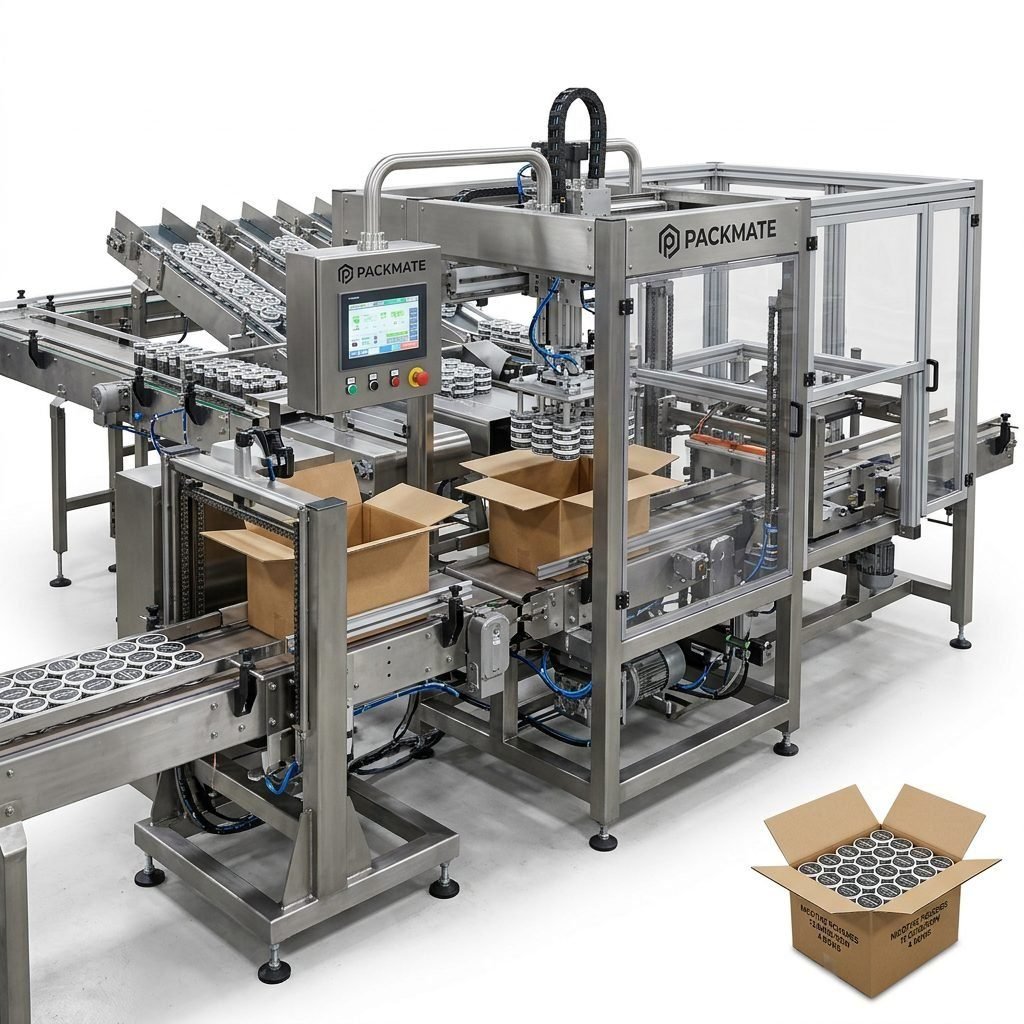
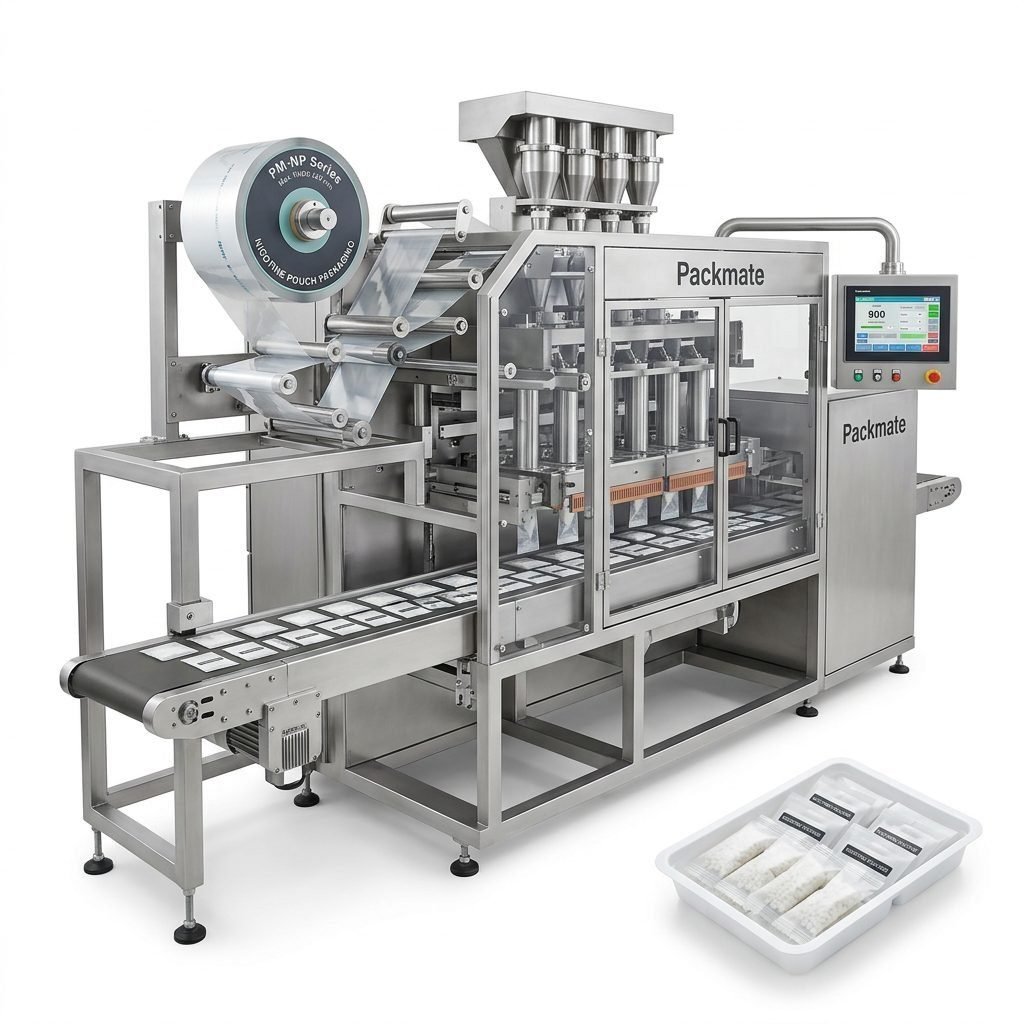
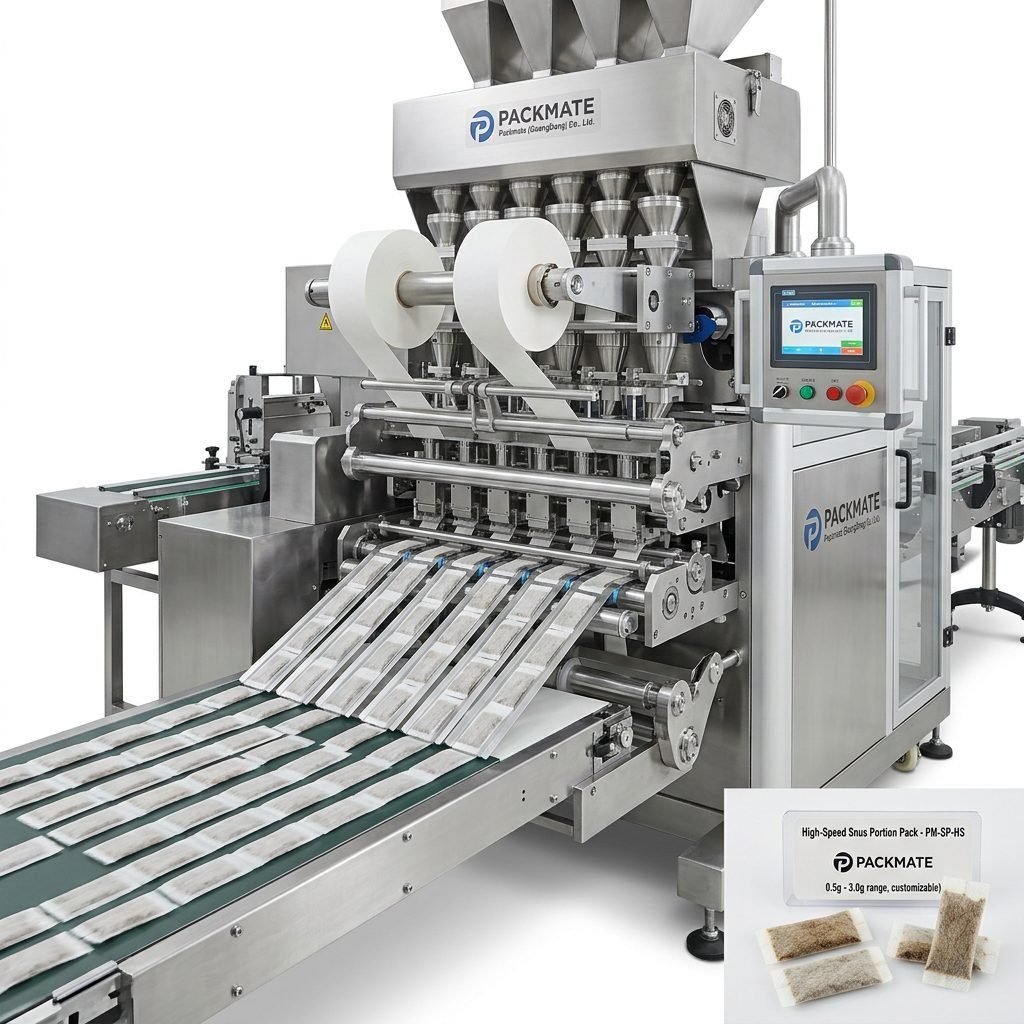
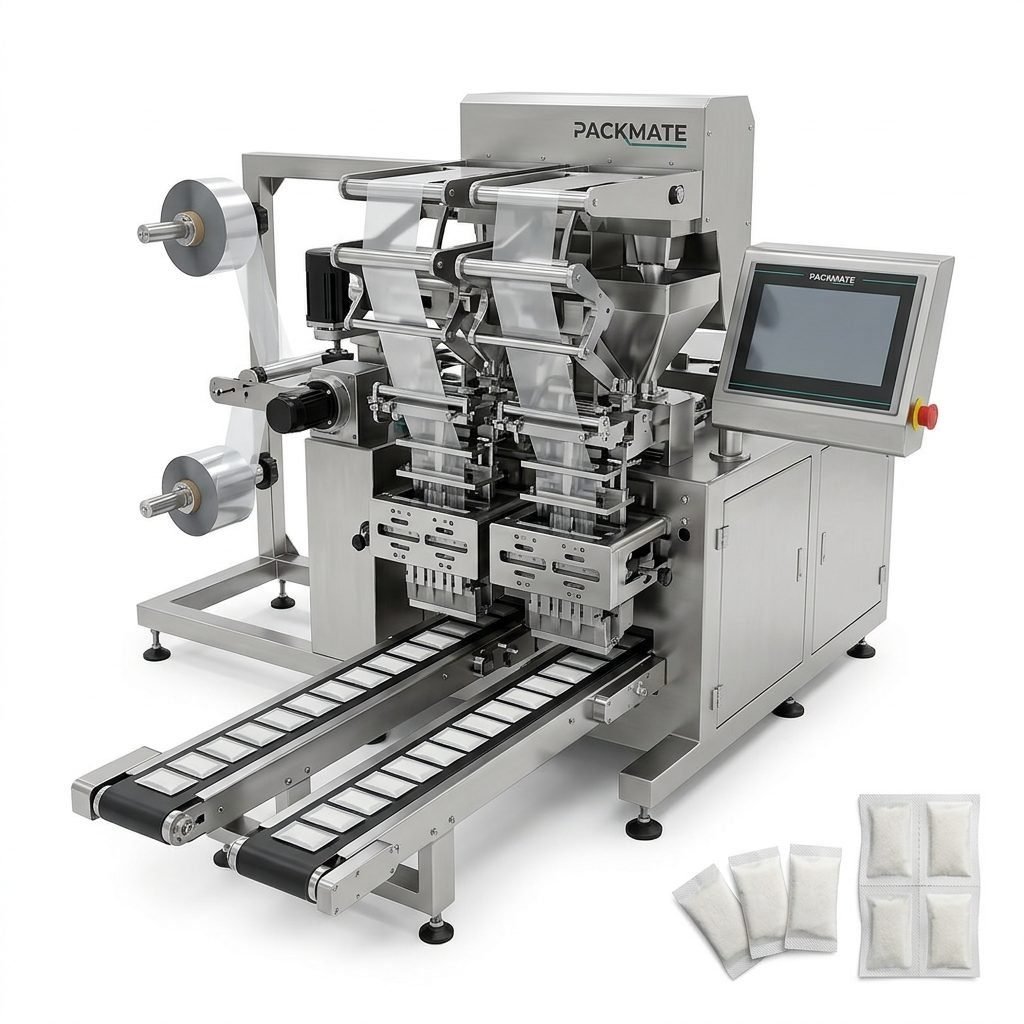
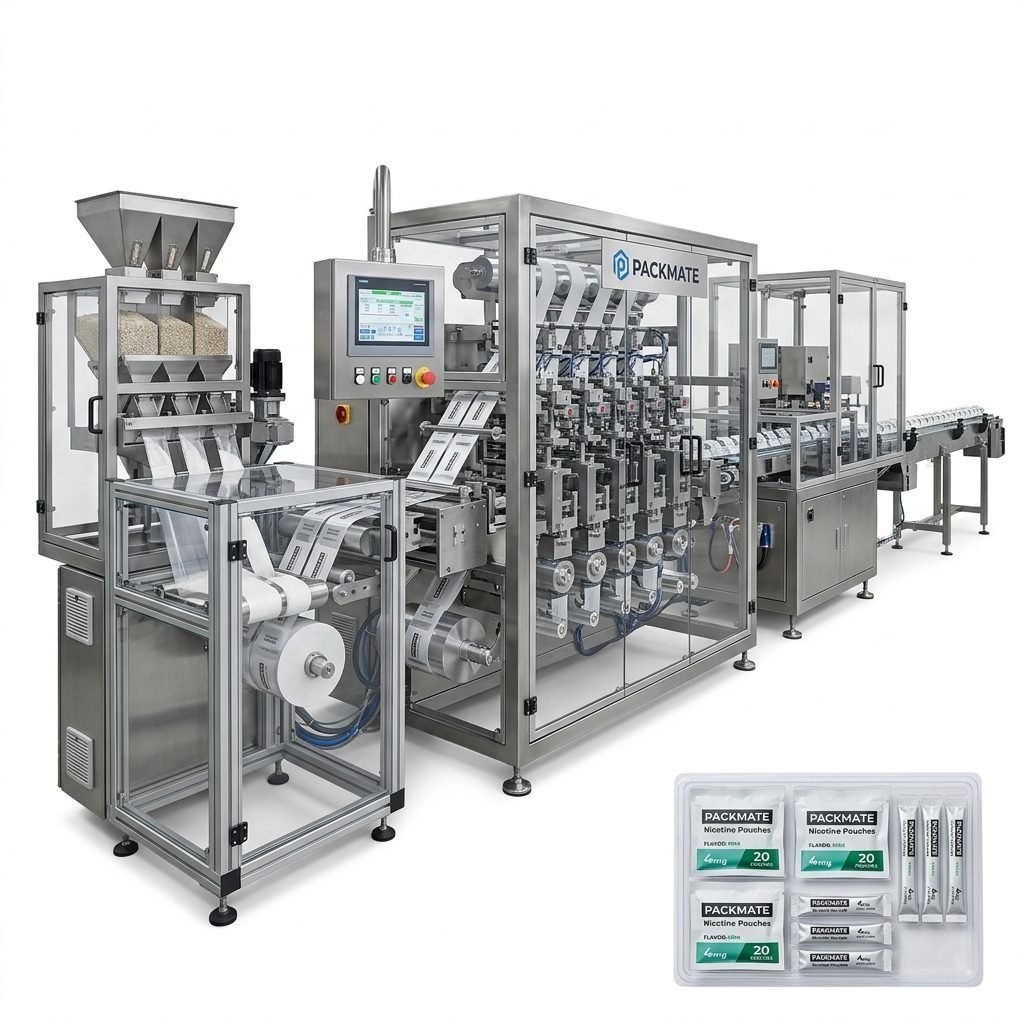
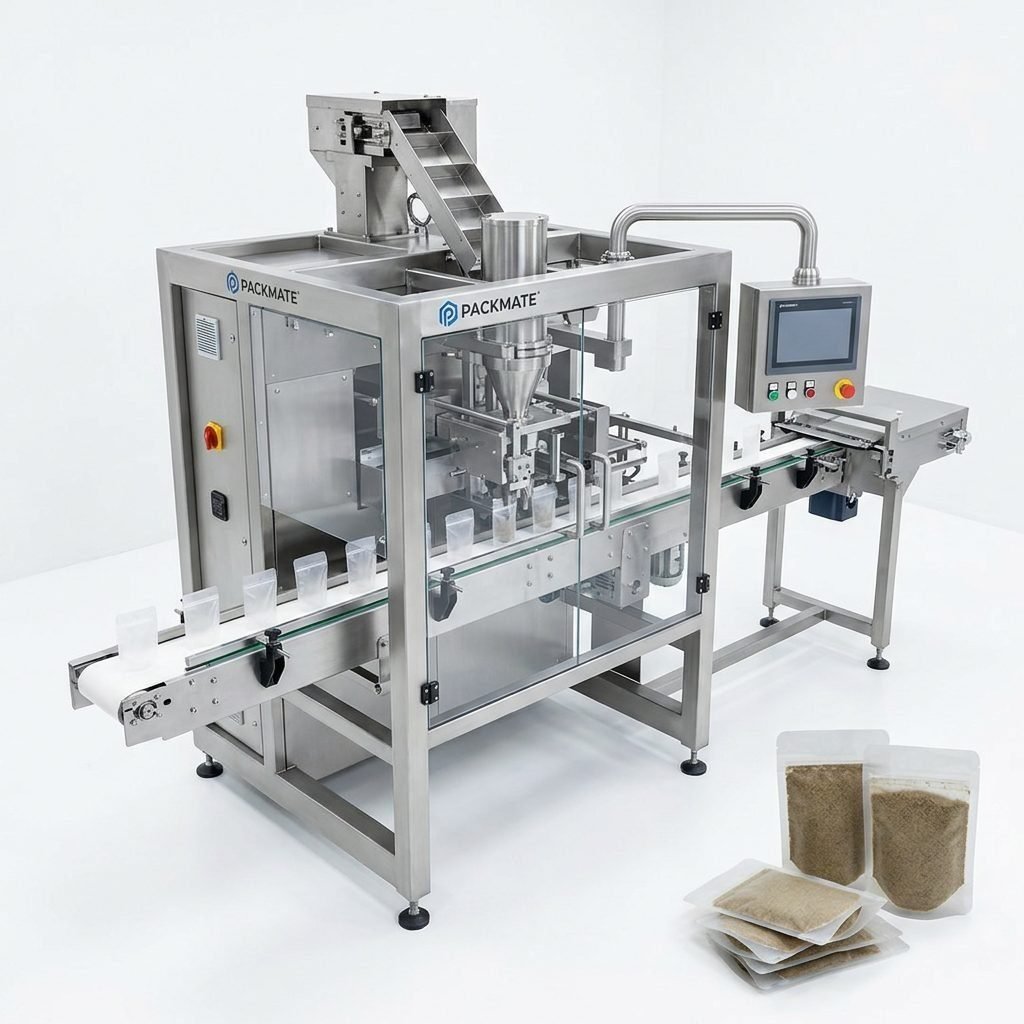
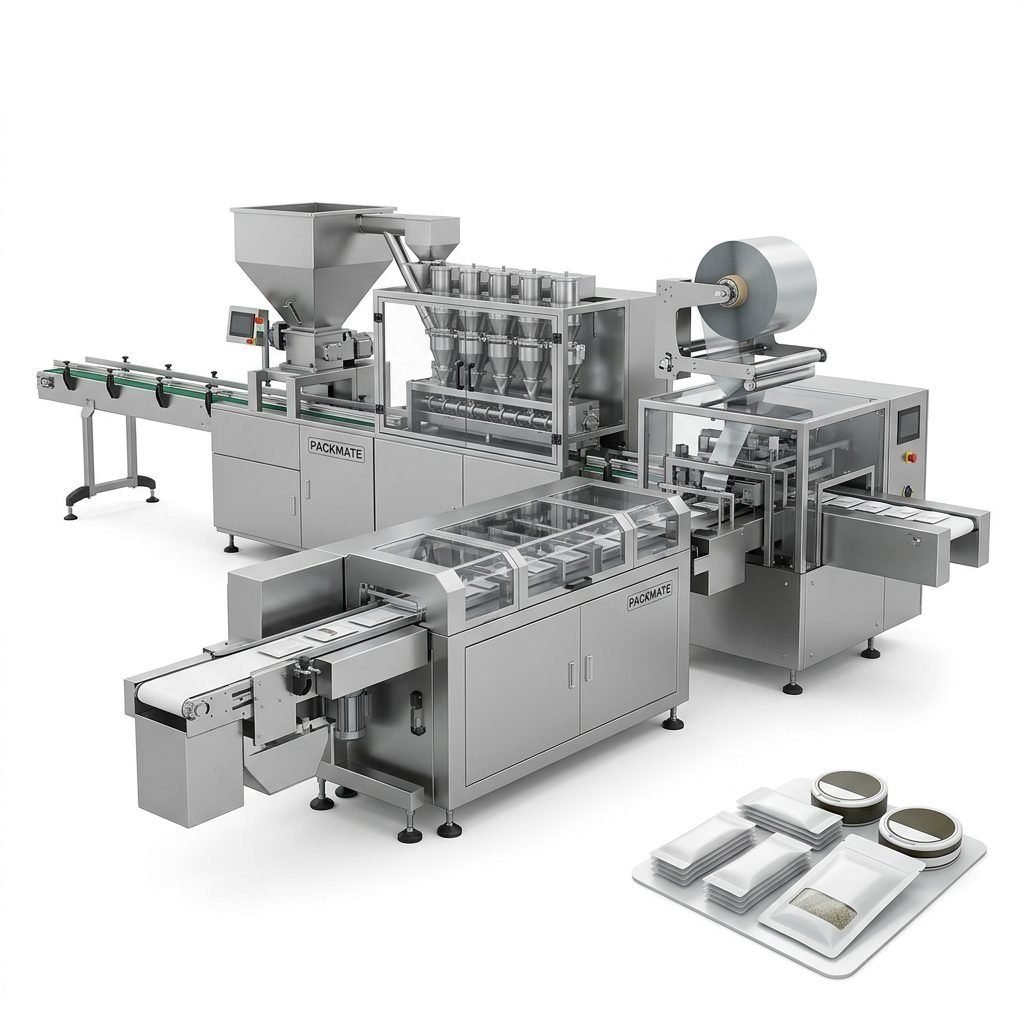
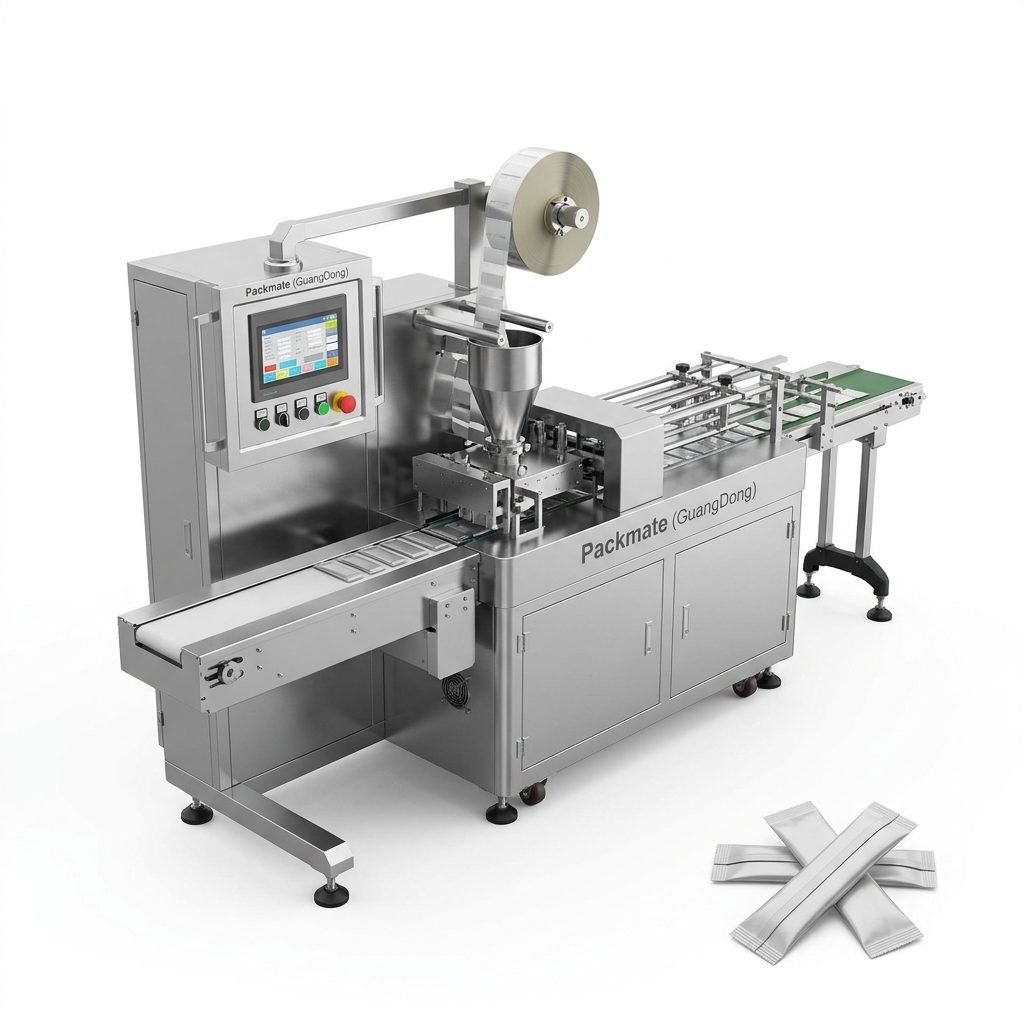
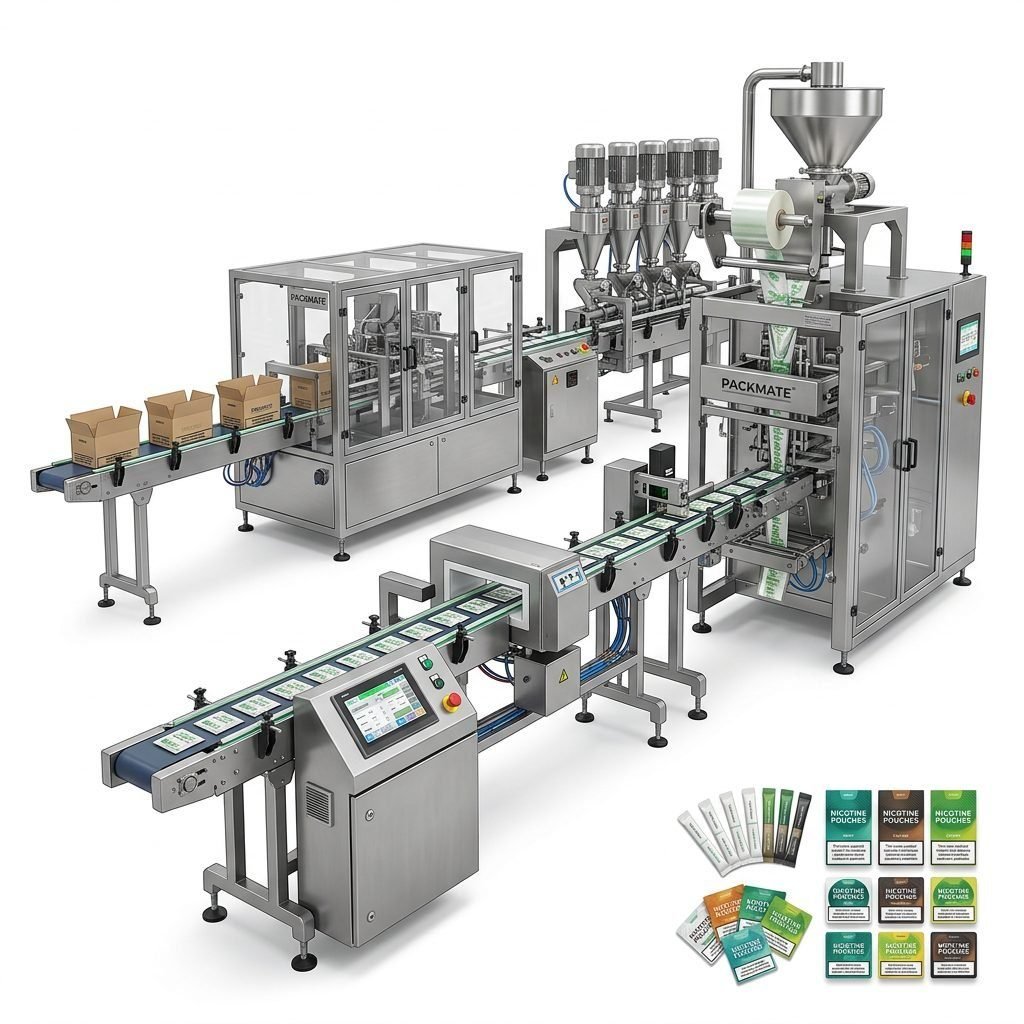
Finding a reliable snus packaging machine supplier is a critical step for any manufacturer entering or scaling in the nicotine pouch, snus, or related product markets. This guide walks you through practical evaluation criteria, factory verification steps, technical checks, logistics and after-sales considerations, and buyer negotiation tips so you can confidently select a supplier that delivers performance, compliance, and long-term support.
Why supplier selection matters for snus packaging
The right supplier is not just a seller of machines — they are a partner in product quality, regulatory compliance, and production efficiency. A high-performance snus packaging line can improve yield, reduce waste, and maintain consistent pouch weights for regulated products. Conversely, a poor machine choice can create downtime, high maintenance costs, and compliance risks.
Quick benefits of choosing a proven supplier
✓ Improved uptime — precision manufacturing reduces breakdowns.
✓ Consistent pouch quality — accurate dosing and sealing for nicotine pouches.
✓ Faster ROI — efficient multi-lane lines increase throughput and reduce cost per pouch.
Key considerations at a glance
● Production capacity & scalability
● Machine models & customization options
● Quality control, certifications and test reports
● After-sales service, spare parts, and training
Step 1 — Verify manufacturer credentials and factory capability
Start with company background checks: years in operation, factory size, production capacity, and staff expertise. Manufacturers with decades of experience and a sizable facility are more likely to deliver stable equipment. For example, a supplier operating a 20,000㎡ factory with advanced CNC machining centers typically offers stronger engineering and assembly capabilities.
What to ask and confirm
Ask for factory photos, production videos, and a list of machine models. Confirm whether the supplier produces key parts in-house (frames, cams, sealing jaws) or outsources them. In-house manufacturing often means better quality control and faster spare parts supply.
Step 2 — Evaluate machine portfolio and technical fit
Match the supplier’s product lines to your needs: single-lane vs multi-lane, stick pack or sachet styles, dosing methods (weighing, auger, dosing belts), and material compatibility (fibrous pouch mix, powder, granules, liquid). Suppliers with 50+ machine models typically offer more tailored solutions.
Visit product pages to research machine families: for example, see dedicated solutions for Snus & Nicotine Packaging Machines, or explore multi-function lines in the Filling & Packaging Lines.
Technical checkpoints
🔍 Tolerance and repeatability figures for dosing systems.
🔍 Speed (pouches per minute) and multi-lane throughput.
🔍 Material handling features: anti-static, dust control, and hygiene-friendly design.
🔍 Ease of format changeovers — critical if you plan multiple SKUs.
Practical tip
If you plan to scale, prioritize multi-lane systems and modular designs that let you add lanes or functions without replacing the whole line.
Step 3 — Check certifications, compliance and quality control
Ensure the supplier complies with relevant international standards (CE, ISO) and can provide documentation. For nicotine pouch and snus packaging, hygienic design, contamination control, and traceability features are important for regulatory reviews.
Review the supplier’s certificates and test reports. Trusted suppliers publish certificates and case studies — scan their Certificate and Case pages for machine qualifications and customer references.
Step 4 — Assess after-sales service and spare parts strategy
After-sales support often determines long-term satisfaction. Confirm warranty terms, spare parts lead times, remote support options, and availability of local service partners. Suppliers who offer on-site training and commissioning help reduce startup risks.
Ask about spare parts kits and preventive maintenance contracts. A reliable supplier will provide a clear spare parts list and recommend critical spares to stock.
Red flags in after-sales
⚠ Long spare-parts lead times without local suppliers.
⚠ No remote diagnostics or PLC program backup.
⚠ Unclear warranty scope.
Step 5 — Visit the factory or request a live demonstration
Whenever possible, plan an on-site visit or request live machine demonstrations. Observing a machine running your product or a similar formulation provides insights into actual performance, changeover time, and handling of production variables.
Factory visit checklist
📦 Production floor layout and cleanliness.
🔧 Assembly stations and testing rigs.
🧾 Quality control records and inspection reports.
🤝 Technical team qualifications and R&D capabilities.
Step 6 — Negotiate terms, warranty and training
Negotiate clear acceptance criteria (factory acceptance test — FAT), delivery schedule, installation and commissioning (SAT), and training scope. Define penalty clauses or remedies for late delivery or failure to meet performance benchmarks.
Include a clause for software and control system backup, and agree on spare parts support for at least the first two years. Confirm whether commissioning includes initial production runs with your materials.
Shipping, installation and commissioning insights
Clarify international shipping terms (INCOTERMS), customs documentation, and local installation requirements. A turnkey supplier often handles export packaging, crating, and on-site installation, which reduces risk. If the supplier supports remote commissioning, ensure the team provides connectivity and protocols for secure remote access.
Installation practicalities
Check power requirements, compressed air quality, floor loading, and height restrictions for multi-lane systems. Ensure adequate space for material handling, palletizing, and access for maintenance.
Cost vs value — beyond the price tag
Evaluate total cost of ownership: initial investment, spare parts, consumables, downtime costs, and operator training. A low upfront price may cost more over time if the machine is less reliable or requires frequent replacements. Prioritize systems with proven field performance and good references.
Common mistakes buyers make
● Choosing machines without witnessing them run the actual product.
● Ignoring spare parts logistics and support timelines.
● Not verifying third-party certifications and traceability capabilities.
How to validate references and past performance
Ask for customer references in similar markets and for similar products. Contact those references to confirm machine uptime, spare parts responsiveness, and whether the supplier met delivery and performance promises. Many reputable suppliers share case studies and exhibition participation history: check their About Packmate and Our Exhibition pages to learn about their global presence.
Questions to ask references
🔍 Was the machine performance as promised?
🔍 How responsive is after-sales support?
🔍 Were spare parts readily available and reasonably priced?
Customization and R&D partnership
If you need unique pouch sizes, special barrier materials, or integrated inspection systems, select a supplier capable of R&D collaboration and custom engineering. Long-term partners invest in joint product trials and iterative improvements to meet evolving regulations and market demands.
Engineering partnership signals
● Dedicated R&D team and prototyping capacity.
● Willingness to run FAT with your materials.
● Proven history of upgrades and retrofits.
Local market and cultural considerations (when relevant)
Buying equipment from another region requires awareness of local customs, working days, and holidays that affect delivery and support. For buyers in Europe and the Americas dealing with Asian suppliers, plan for longer lead times around major holidays and ensure clear contract terms for shipment and installation windows.
Final checklist before signing a contract
● Clear FAT and SAT acceptance criteria.
● Detailed spare parts list with lead times.
● Warranty clauses and service response times.
● Training plan for operators and maintenance staff.
● Confirmed export and customs documentation responsibilities.
Where to learn more and next steps
Use supplier product pages to compare lines and request detailed proposals with FAT videos and references. Trusted suppliers often provide downloadable catalogs and FAQs — review their Catalog and FAQs for standard configurations and common buyer questions. When you’re ready, reach out directly via the supplier’s Contact Us page to arrange a factory visit or request sample runs.
Conclusion
Choosing a reliable snus packaging machine supplier requires careful verification of factory capabilities, machine performance, certifications, after-sales support, and the supplier’s track record. Prioritize suppliers with transparent documentation, strong engineering resources, and a clear commitment to service and spare parts. This approach reduces risk and helps ensure a smooth ramp-up to stable, compliant production.
Common Questions
Q1: How important is a factory acceptance test (FAT)?
A1: A FAT is crucial — it verifies machine performance before shipping and reduces surprises during installation.
Q2: What spare parts should I stock initially?
A2: Stock critical wear parts (sealing jaws, belts, bearings), electrical components, and at least one PLC backup module.
Q3: Can suppliers customize machines for different pouch formats?
A3: Yes, reputable suppliers offer format kits and engineering services for custom pouch sizes and barrier materials.
Q4: How long is a typical lead time for snus packaging lines?
A4: Lead times vary by configuration and capacity; expect several weeks to months. Confirm timelines and ramp-up plans in the contract.
Q5: What certifications should I expect from a quality supplier?
A5: Ask for CE and ISO certifications, plus documentation related to electrical safety, material contact compliance, and calibration records for dosing systems.