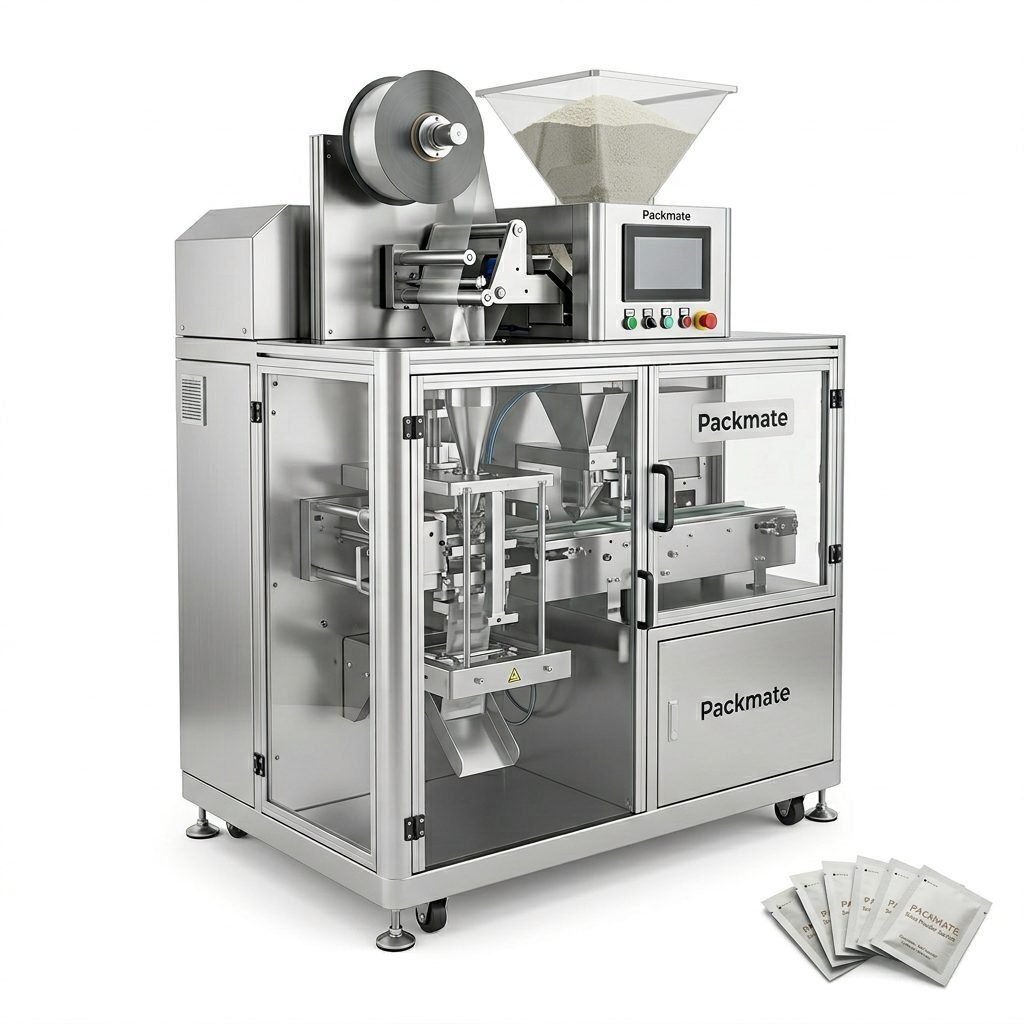
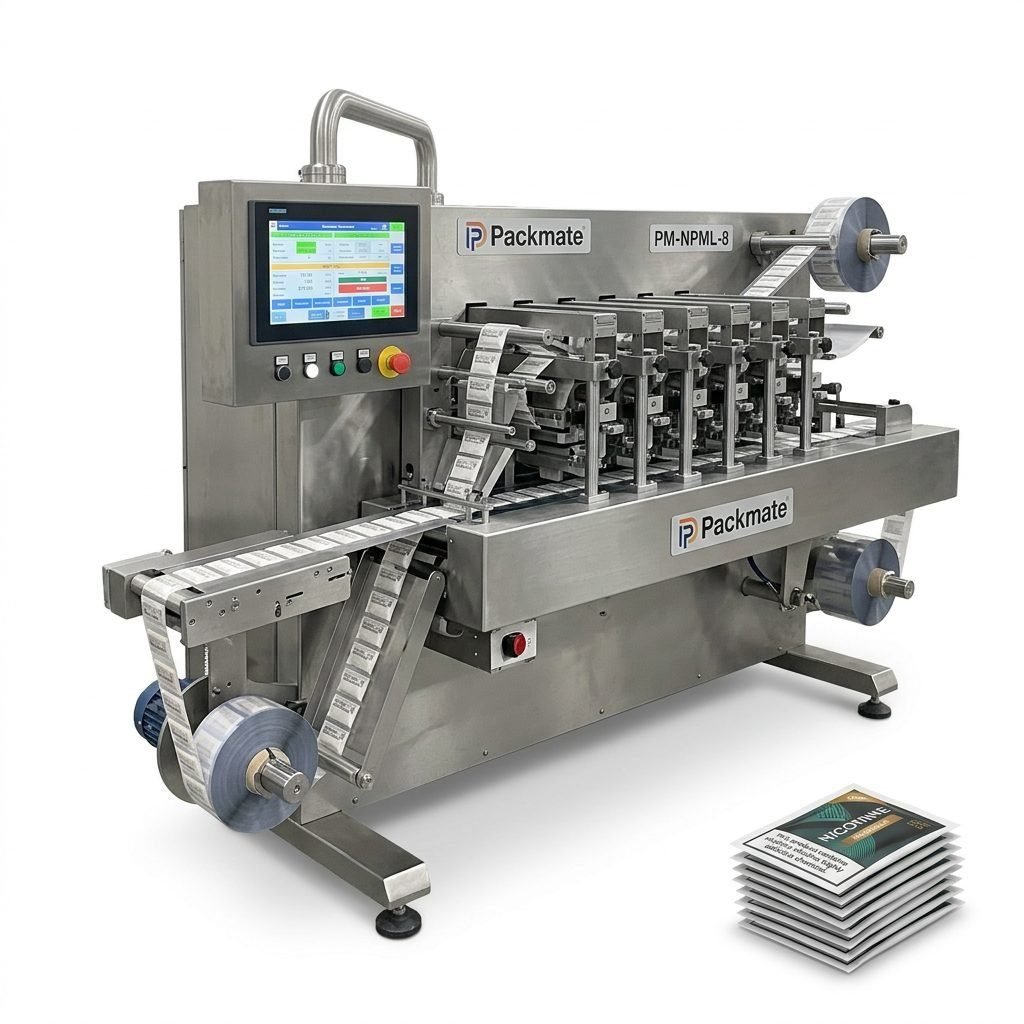
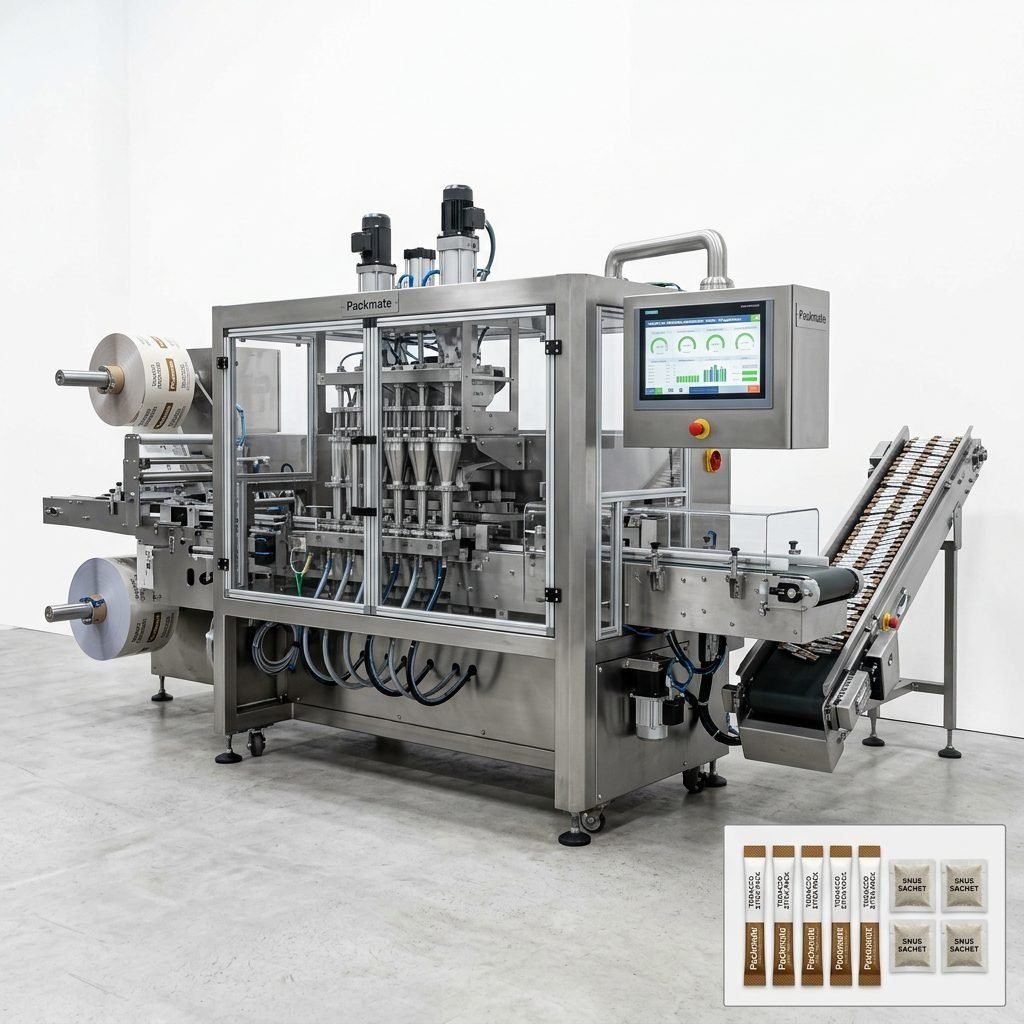
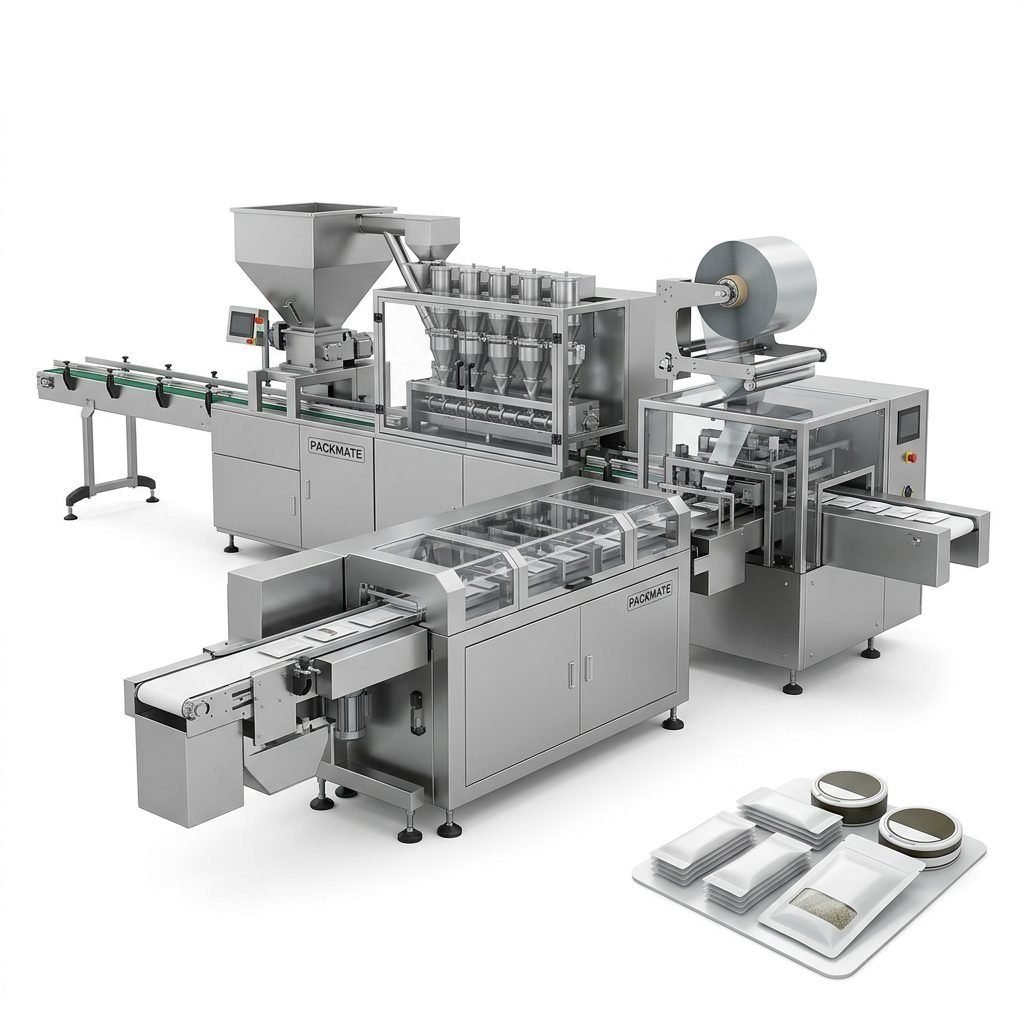
Choosing the right supplier for nicotine packaging machinery is a strategic decision for any factory in Norway. With strict local regulations, high labor costs, and a strong cultural emphasis on sustainability and product quality, Norwegian manufacturers look for reliable partners who can deliver safe, efficient, and compliant packaging solutions. This guide walks you through the practical steps, technical requirements, and local considerations to select the best nicotine (snus and nicotine pouch) packaging machinery supplier for your Norwegian facility.
🔍 Understand the Norwegian Context and Regulatory Landscape
Norway’s approach to nicotine products is shaped by European guidelines and strong domestic health policies. Before purchasing machines, you must be certain your supplier understands regulatory compliance related to nicotine packaging, labeling, and traceability. Look for suppliers with experience exporting to Europe and certifications like CE and ISO. These signals show that equipment meets international safety and quality standards, and often that the supplier can support documentation required by Norwegian customs and health authorities.
⚖️ Local compliance matters
Ask the supplier whether their machines support the printing and serialization options required by Norwegian authorities, including batch codes and traceability features. Confirm that material contact surfaces are food-grade and that cleaning validation procedures are provided. A supplier familiar with the EU and Scandinavian market will save you time and reduce regulatory risk.
🛠️ Technical Criteria: What to Check on the Machine Specification
When evaluating machinery, prioritize reliability, precision, and ease of maintenance. The following technical features are especially important for nicotine pouch and snus packaging lines:
High precision dosing — consistent fill weight reduces waste and ensures regulatory compliance for nicotine content statements.
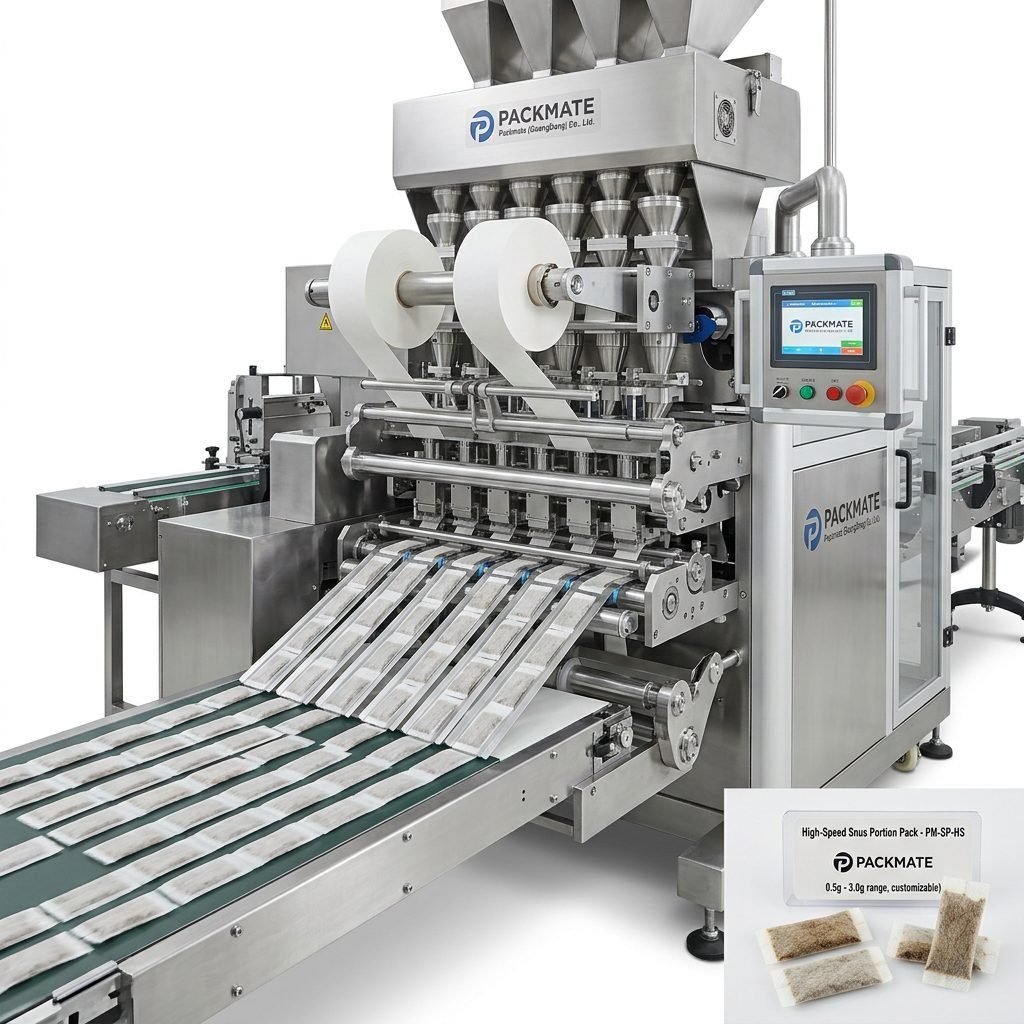
Multi-lane capability — for producers in Norway looking to scale or run multiple SKUs, multi-lane machines increase throughput while maintaining a compact footprint.
Easy cleaning & hygienic design — minimizes downtime and supports Good Manufacturing Practices (GMP).
Automation & Industry 4.0 readiness — remote diagnostics, data logging, and integration with MES systems help reduce Norwegian labor expense and optimize production planning.
✅ Performance indicators to demand from suppliers
Request validated metrics: average uptime, OEE (Overall Equipment Effectiveness), cycle time per pouch, and mean time to repair (MTTR). These numbers help you compare suppliers on operational value, not just upfront price.
🔧 Supplier Capabilities: Manufacturing, Testing, and After-Sales
A strong supplier will show transparent manufacturing capabilities, with modern facilities, CNC machining, and dedicated assembly and testing lines. For example, Packmate Snus Machine operates a large production plant with advanced CNC centers and a track record in snus packaging. Look for a supplier who can offer:
-
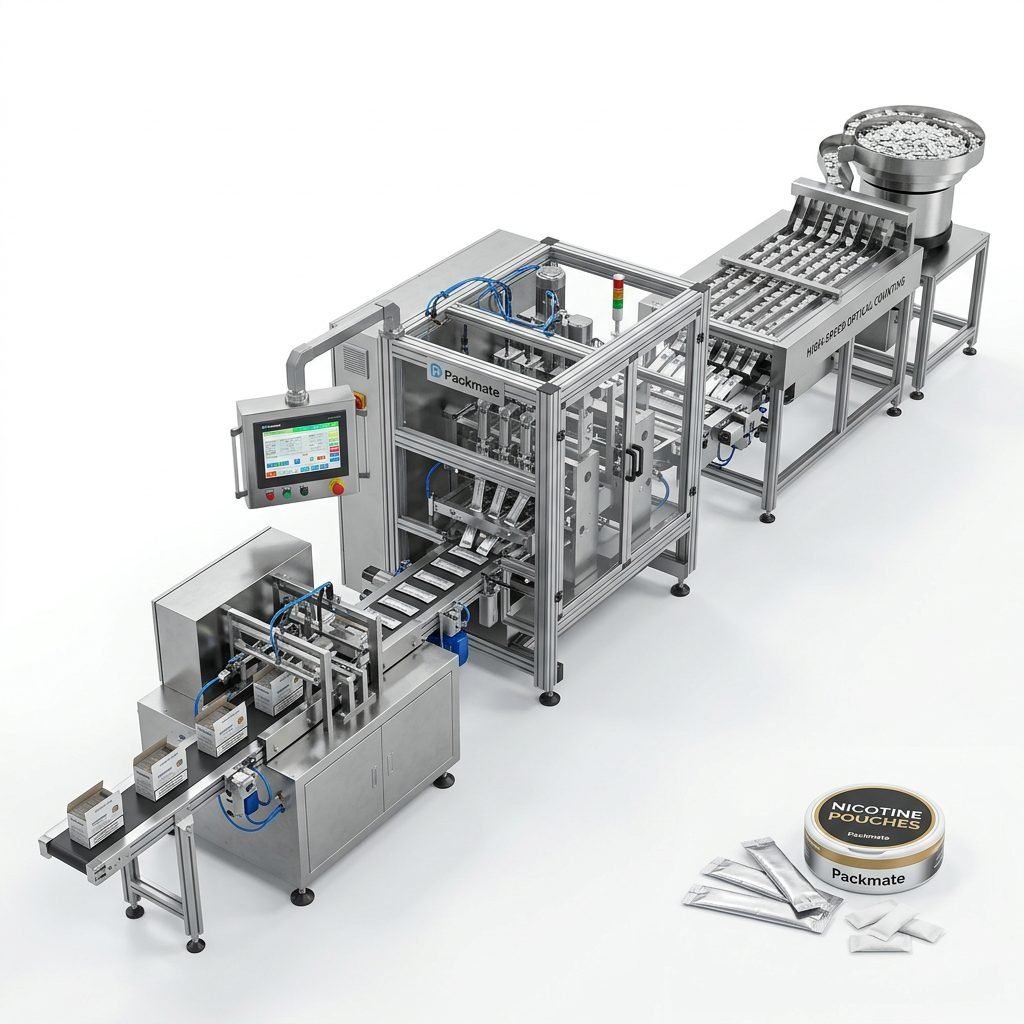
Complete turnkey solutions — from feeder systems to secondary packaging and palletizing.
-
In-house R&D and customization — to adapt machines to unique pouch formats or speed requirements.
-
Robust testing and FAT (Factory Acceptance Testing) procedures — request live demos or recorded runs with similar materials.
-
After-sales support — remote troubleshooting, spare parts availability in Europe, and local service partners are essential for minimal downtime.
📦 Supplier transparency and proof points
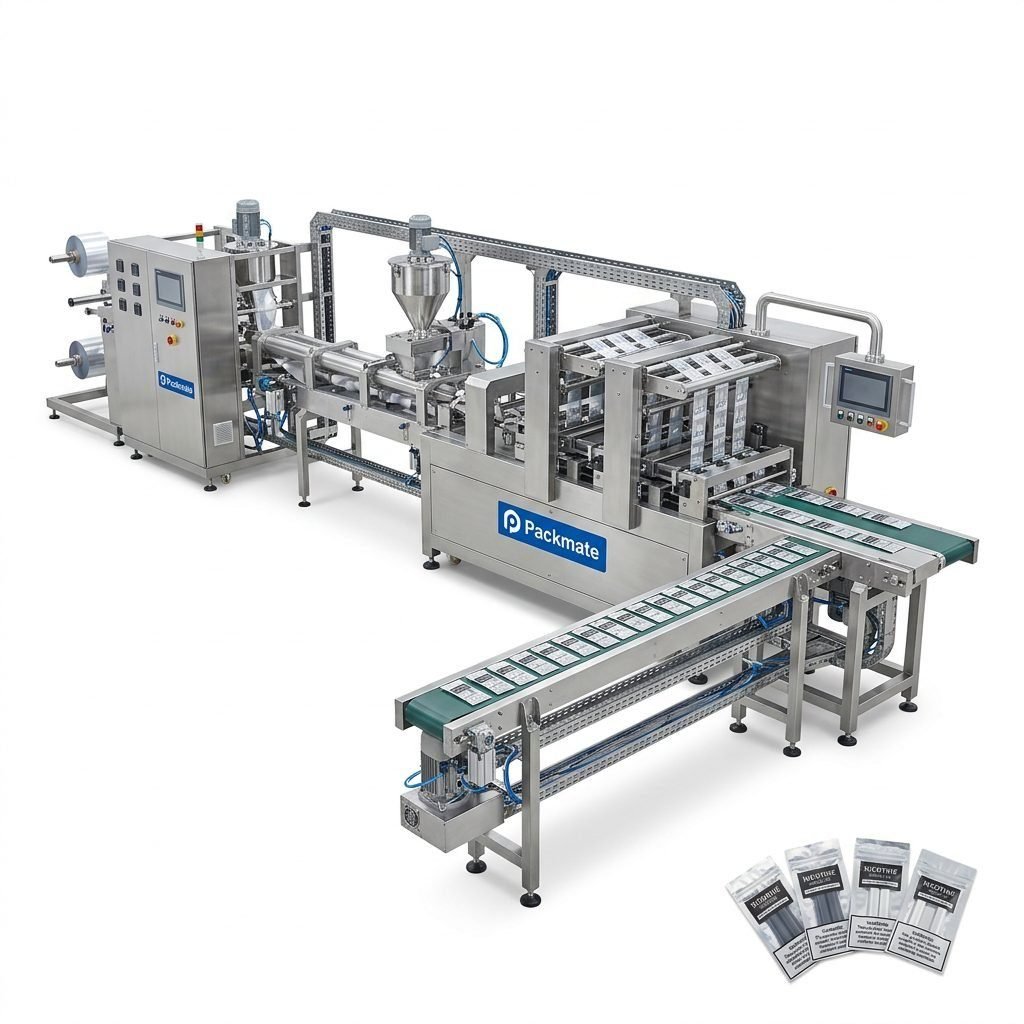
Verify case studies and references. Review client installations in Europe, and ask for examples similar to your product type (sticker pouches, sachets, multi-lane nicotine pouches). For more product details, you can review supplier product lines such as Snus & Nicotine Packaging Machines and Sachet & Stick Pack Machines.
💡 Economic Considerations: Total Cost of Ownership (TCO)
Norwegians often weigh long-term value over upfront cost. When comparing suppliers, calculate the Total Cost of Ownership: initial purchase price, shipping and customs, installation and validation, spare parts, energy consumption, and expected lifespan. Automation that reduces manual handling can offset higher capital costs due to Norway’s higher wages and strict labor rules.
📈 ROI and productivity metrics to model
Build a simple financial model: expected throughput, labor hours saved, waste reduction, and product yield. Request the supplier provide sample calculations for your SKU mix. Suppliers with strong European references will typically help validate these assumptions.
🤝 Cultural Fit and Communication: Why It Matters in Norway
Norwegian business culture values transparency, prompt communication, and long-term partnerships. Choose a supplier that is responsive, provides clear documentation, and can offer local support or reliable European logistics. Language capability—English at minimum—is important; Norwegian language support is a bonus for smoother integration with local teams.
Tip: Prefer suppliers that offer clear training programs for operators and maintenance teams so your factory achieves optimal uptime quickly.
🔎 How to Evaluate Supplier Proposals
When proposals arrive, evaluate them on standardized criteria. Create a scorecard covering technical specs, compliance, TCO, lead times, training, and warranty. Check whether spare parts are stocked in Europe or whether the supplier ships quickly from their main factory. Also confirm how the supplier handles installation, FAT, SAT (Site Acceptance Testing), and commissioning support.
🧾 Key documents to request
– CE/ISO certificates and material declarations
– FAT video or schedule and acceptance criteria
– Spare parts list with lead times
– Training and maintenance manuals in English (and Norwegian if possible)
– Warranty and service level agreements (SLA)
📦 Logistics, Installation and Local Support in Scandinavia
Norway’s geographic realities and seasonal shipping variations mean a supplier with experience shipping to Scandinavia is valuable. Confirm packaging methods, shipment routing (port or RoRo), customs paperwork, and installation timelines. Suppliers offering local assembly partners or technicians in Europe reduce travel time and installation costs.
🛠️ After-sales and spare parts
Ensure there is a clear path to obtain critical spare parts quickly. Ask whether parts are in a European warehouse or shipped from the factory. Also confirm remote diagnostics and whether the supplier offers preventative maintenance contracts.
📋 Selecting a Trusted Supplier: Checklist
Use this practical checklist during supplier selection:
🔸 Supplier has CE/ISO certifications and experience serving EU/Scandinavian customers.
🔸 Demonstrated multi-lane and high-precision dosing capability.
🔸 Transparent TCO and spare parts strategy (European warehousing preferred).
🔸 Clear FAT/SAT procedures, operator training, and local technical support options.
🔸 Positive references and case studies for similar nicotine pouch projects — review the supplier’s cases and gallery for proof of performance.
📚 Resources and Relevant Supplier Links
If you want to learn more about machine types and full turnkey solutions, explore manufacturer pages and catalogs. For instance, review product families like Bag & Pouch Packaging Machines and full line offerings under Filling & Packaging Lines. To check company background and certifications, you can visit the supplier’s About Packmate and Case pages.
🧭 Final Steps: Negotiation, Pilot Runs and Commissioning
Once you have shortlisted a supplier, negotiate the scope of supply, acceptance criteria, timelines, and penalties for missed delivery. Insist on a pilot run with your actual materials and packaging films. Successful pilot validation will minimize risk at installation. Plan for a structured commissioning phase with measurable acceptance tests and training for your team.
🔔 Practical Norwegian considerations
Factor in local specifics: waste management standards for packaging materials, energy-efficient machinery to align with Norway’s environmental focus, and ergonomic design to fit Scandinavian workplace safety expectations. These details not only ensure compliance but also support your brand reputation among Norwegian consumers who value sustainability and quality.
✅ Conclusion
Selecting the best nicotine packaging machinery supplier for a Norwegian factory means balancing technical capability, regulatory experience, long-term support, and cultural fit. Prioritize suppliers who demonstrate proven European deployments, strong technical documentation, clear TCO metrics, and dependable after-sales service. Taking these steps will help ensure that your packaging line is safe, efficient, and future-ready.
❓Frequently Asked Questions
Q1: What certifications should a nicotine packaging machine have for Norway?
Aim for CE and ISO certifications as a baseline. Also confirm material safety data, food-contact declarations if applicable, and compliance with any specific Norwegian labeling and traceability requirements. Suppliers with documented European experience will typically support these needs.
Q2: How important is multi-lane capability for nicotine pouch production?
Multi-lane systems are highly valuable for improving throughput while maintaining a small footprint. They are particularly useful if you plan to scale production or run multiple SKUs without investing in several single-lane machines.
Q3: How do I ensure quick access to spare parts in Norway?
Negotiate spare parts stocking in Europe or a regional distribution center. Confirm typical lead times for critical components and consider service contracts that guarantee priority shipping for emergency parts.
Q4: Can suppliers help with regulatory documentation and FAT/SAT procedures?
Reputable suppliers provide FAT documentation, validation protocols, and commission support. Request a detailed FAT plan and ensure it includes acceptance criteria that match your Norwegian regulatory and internal QA requirements.
Q5: Where can I find examples of reliable nicotine packaging machinery suppliers?
Review supplier case studies, product pages, and certifications. For reference, explore Packmate’s product families and case reports linked above to evaluate machine types, line configurations, and documented European installations.