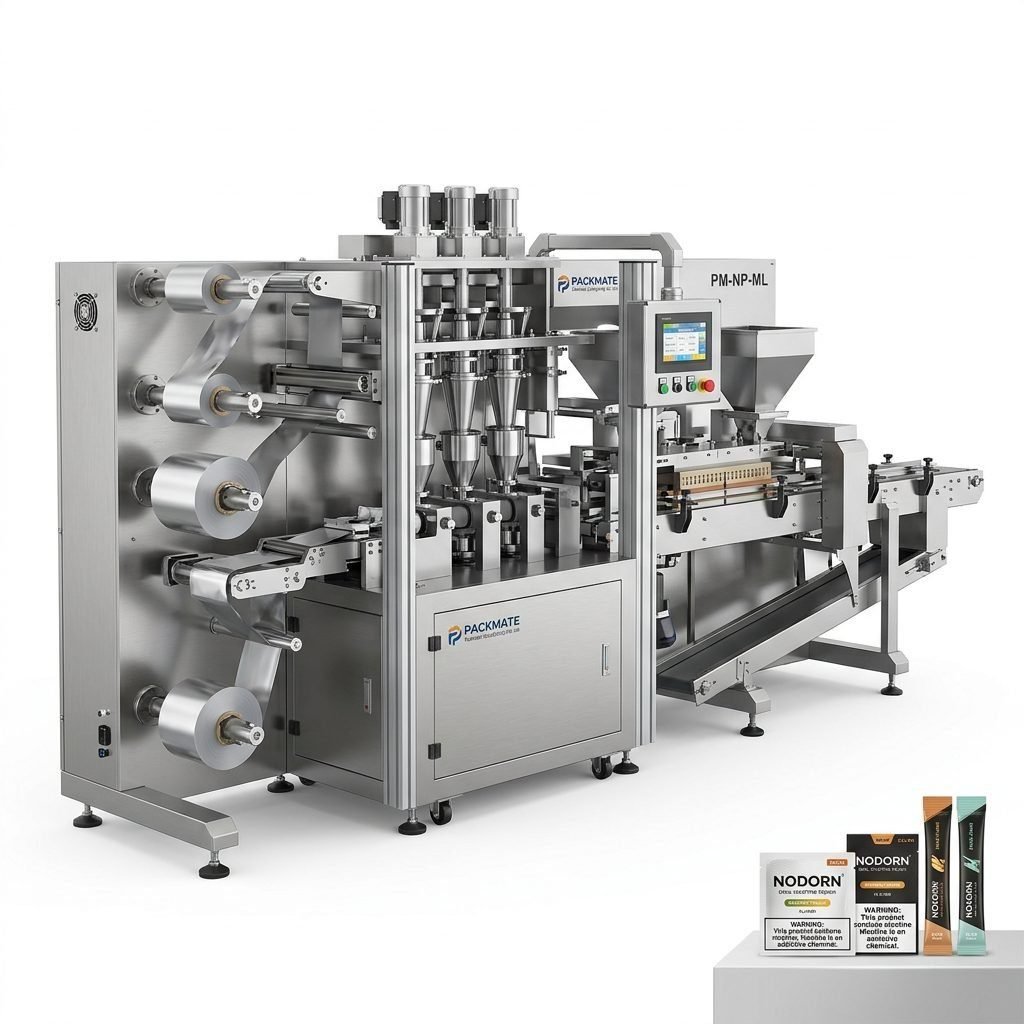
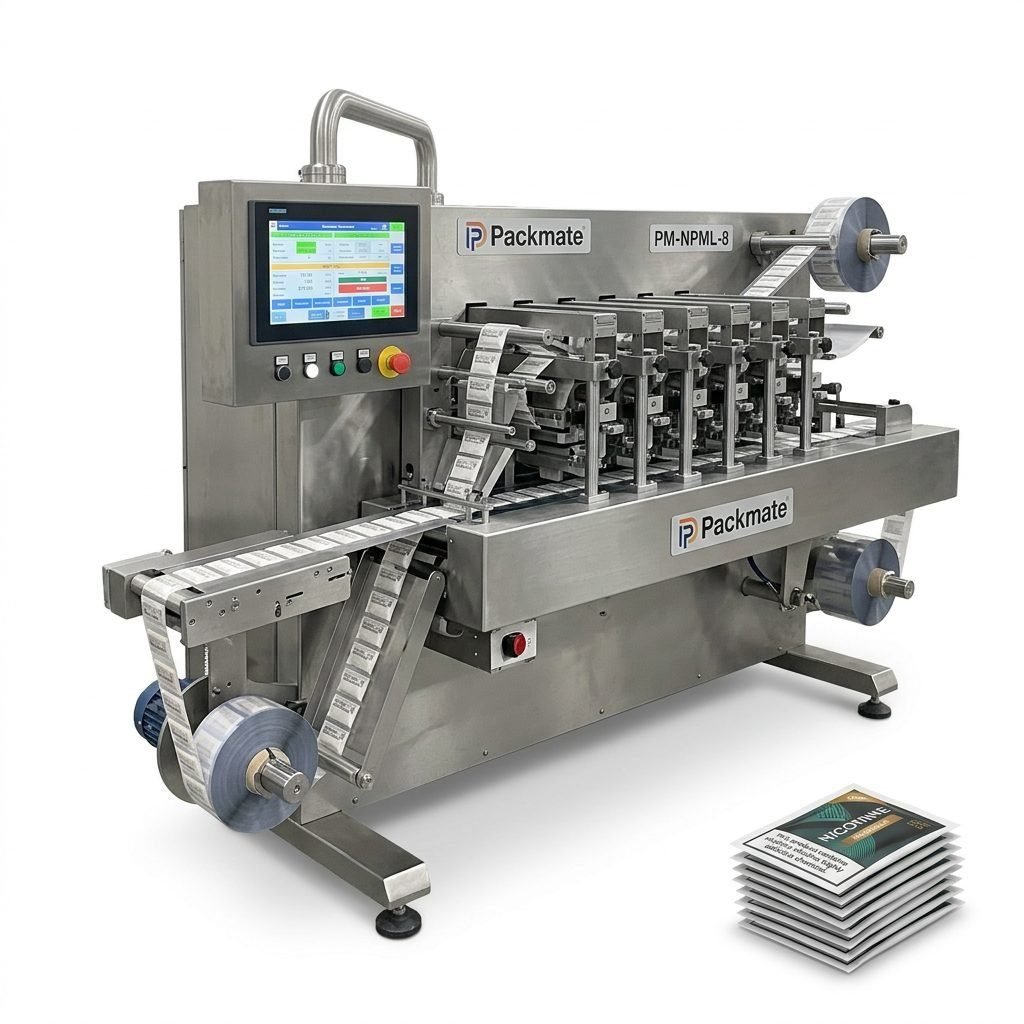
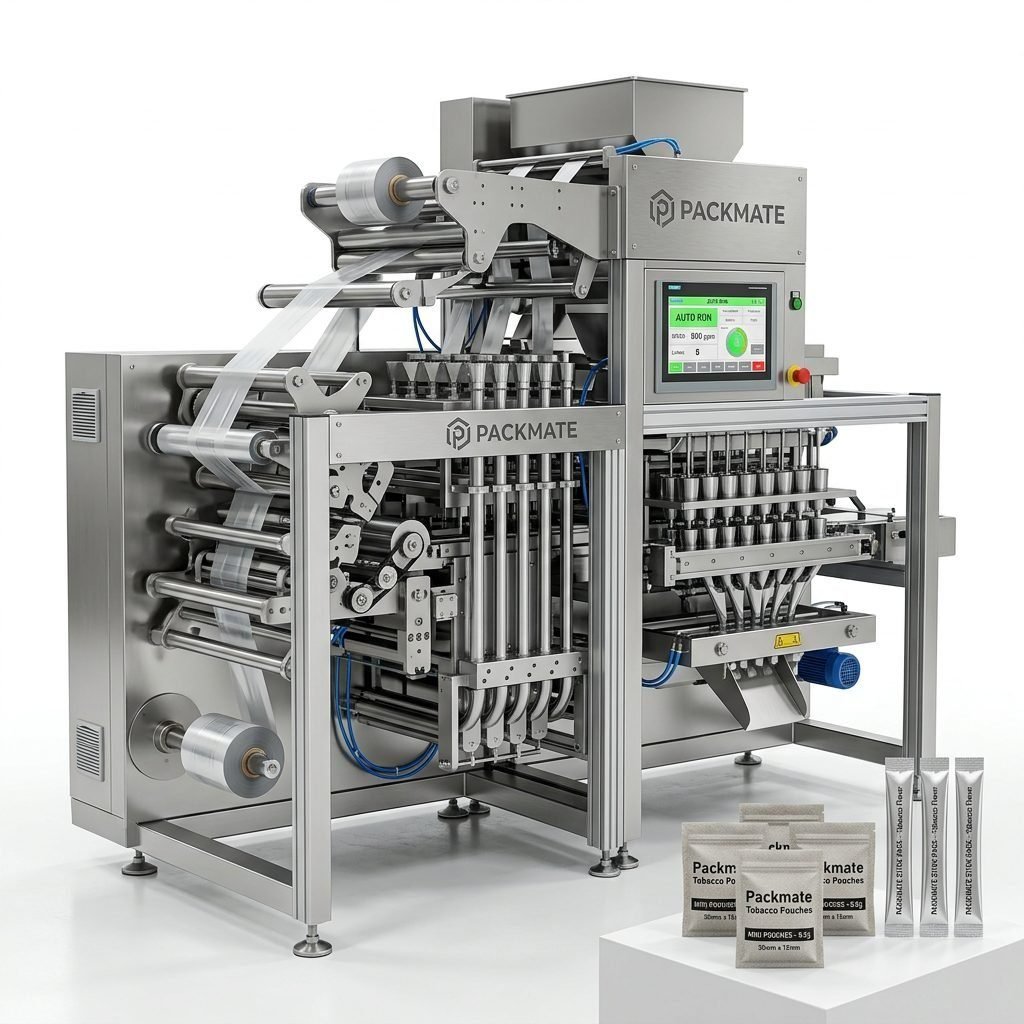
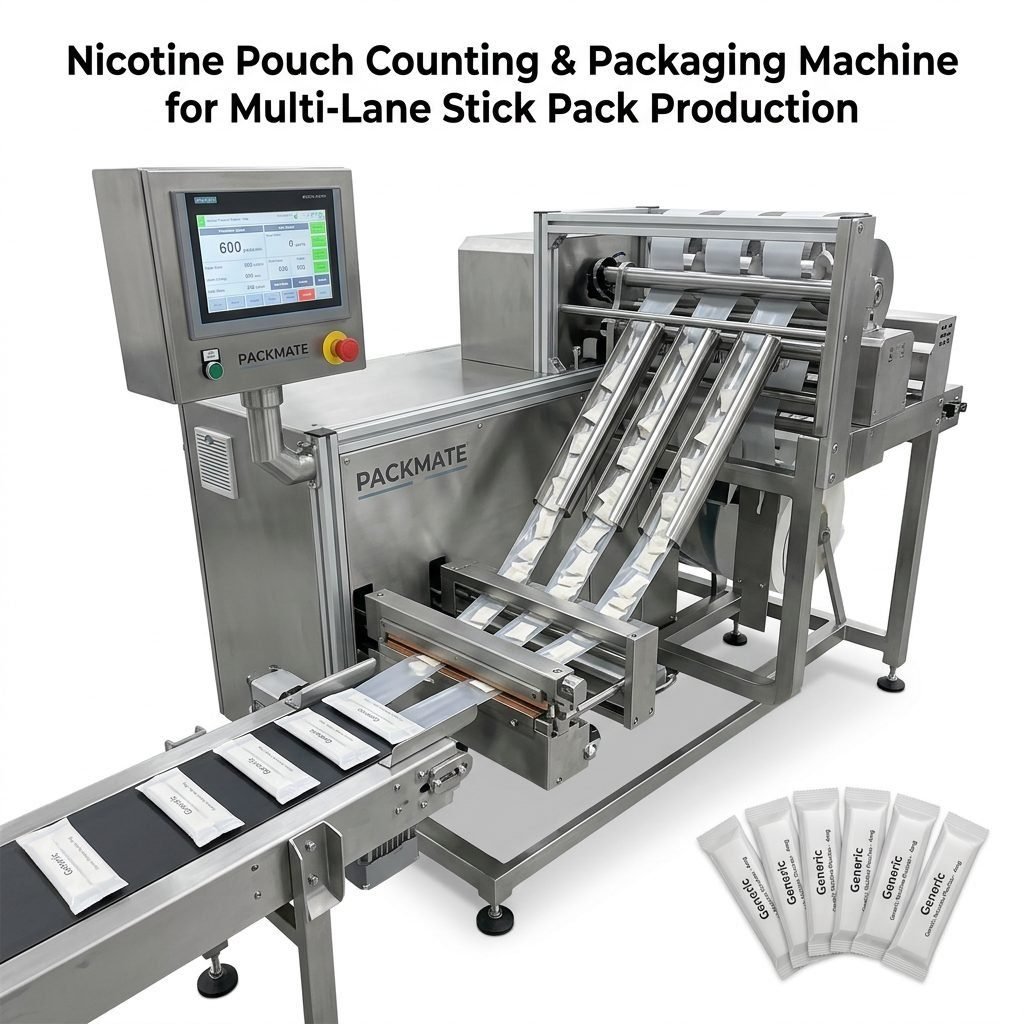
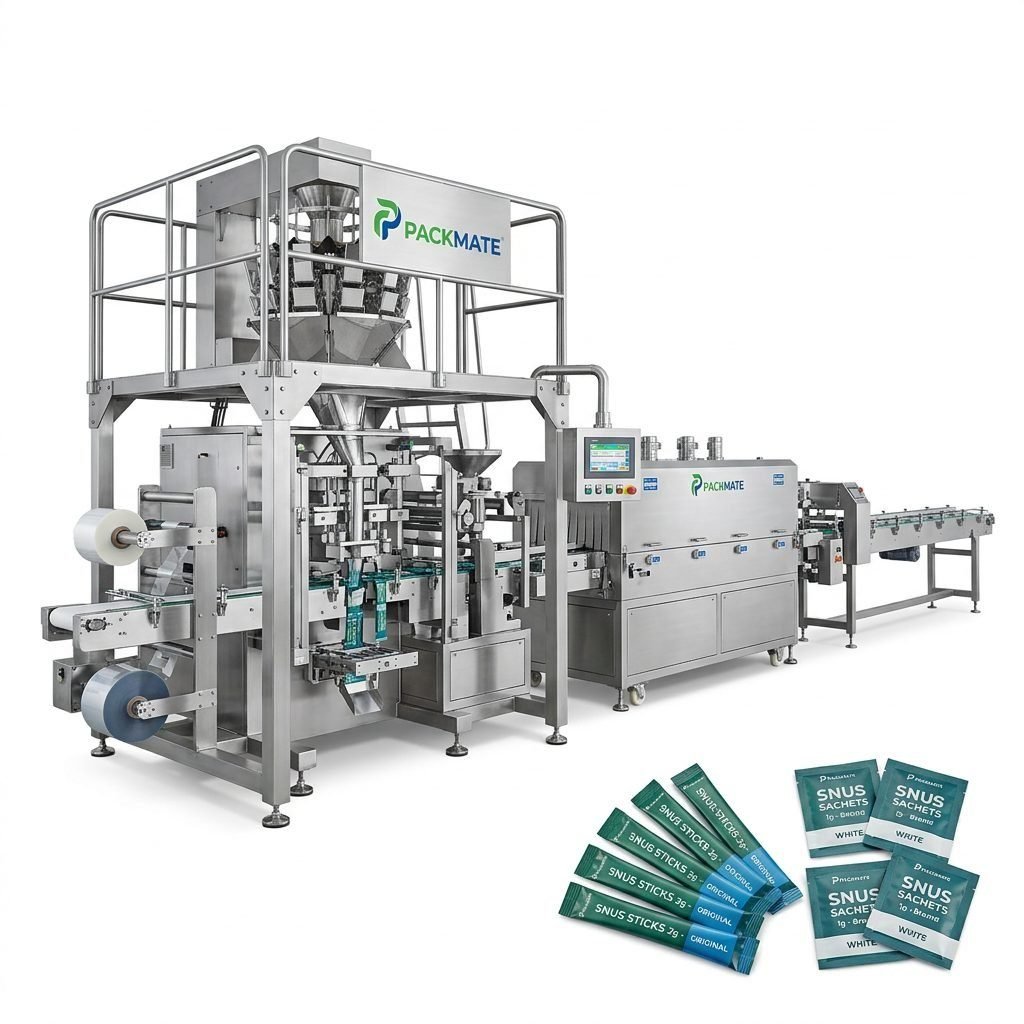
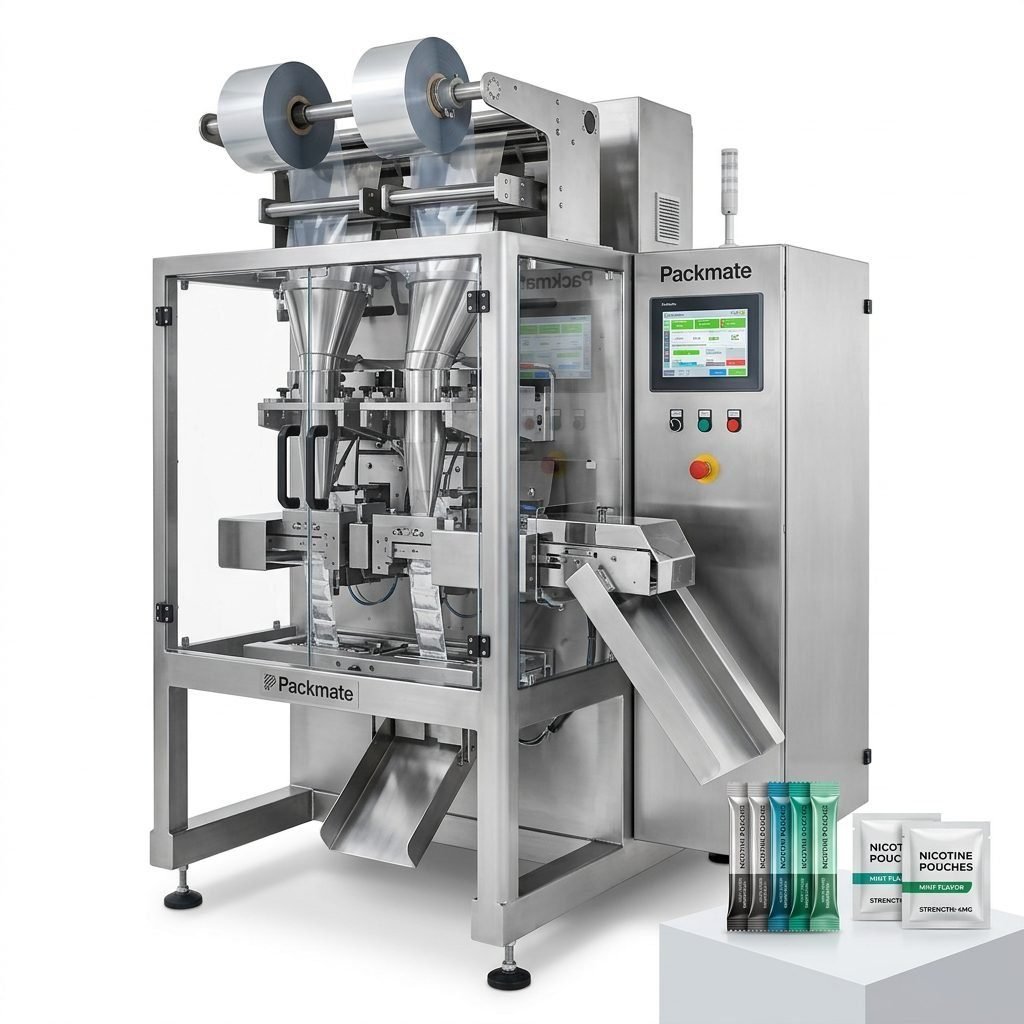
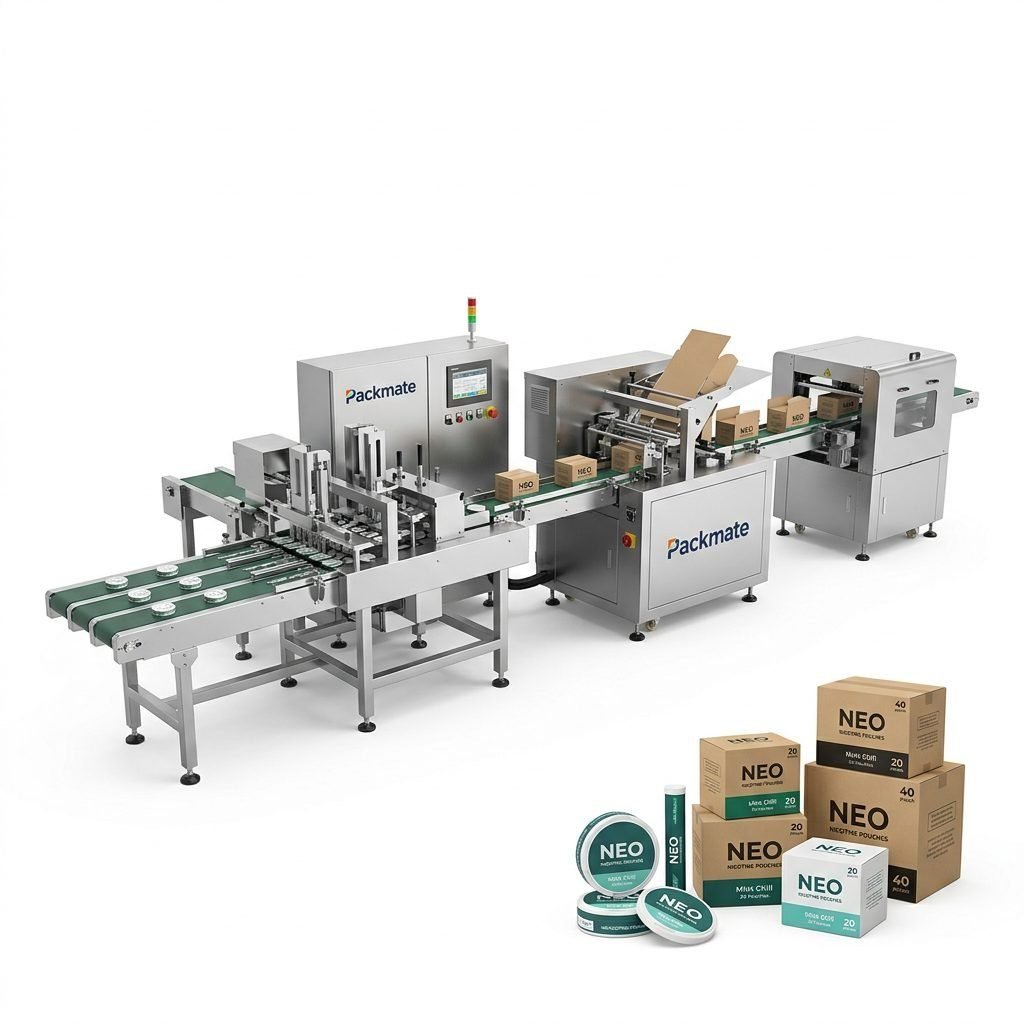
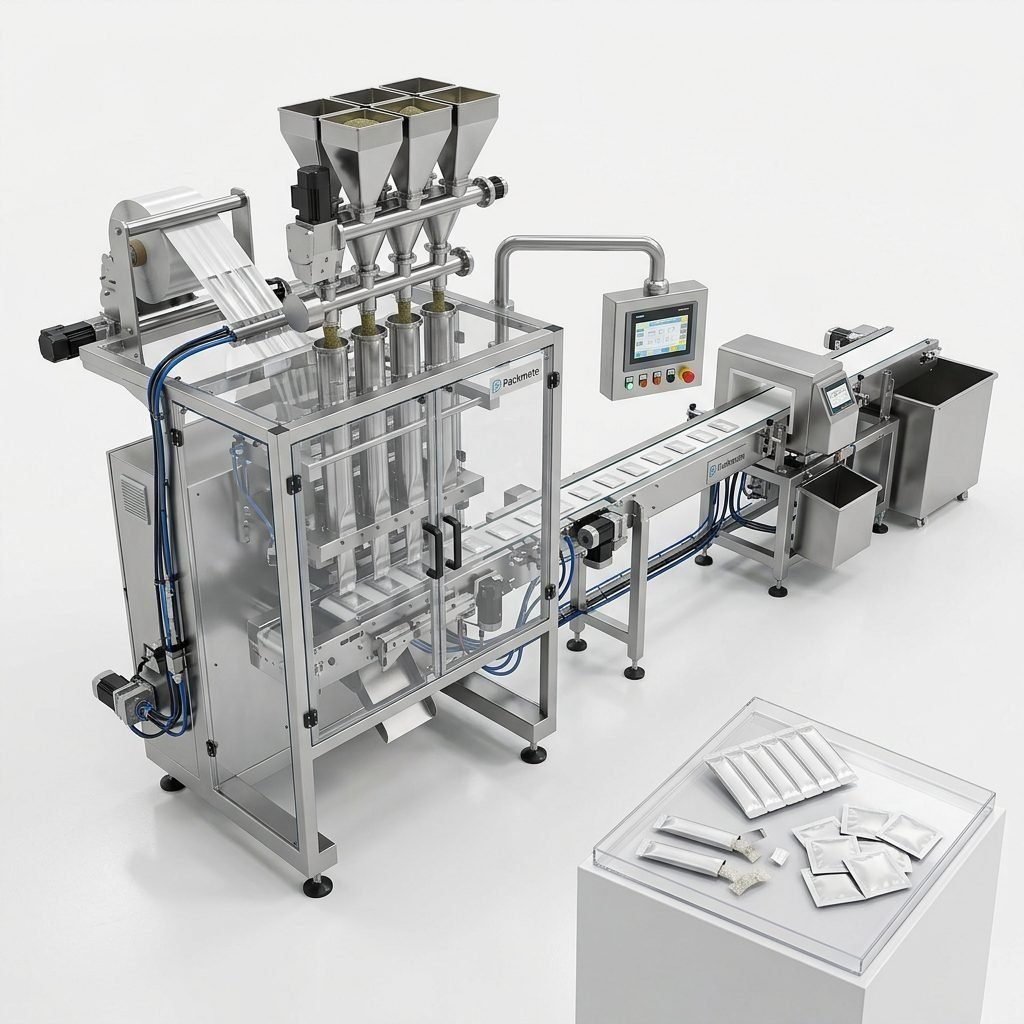
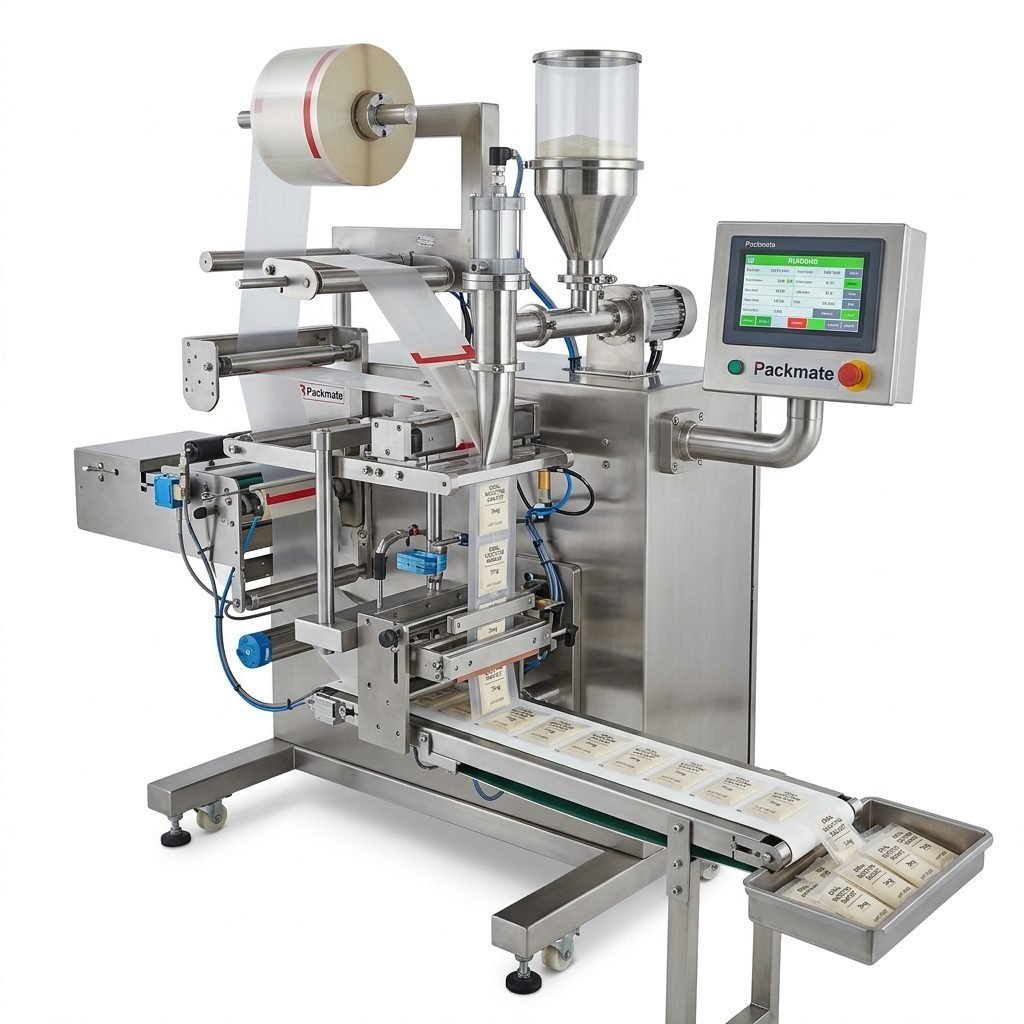
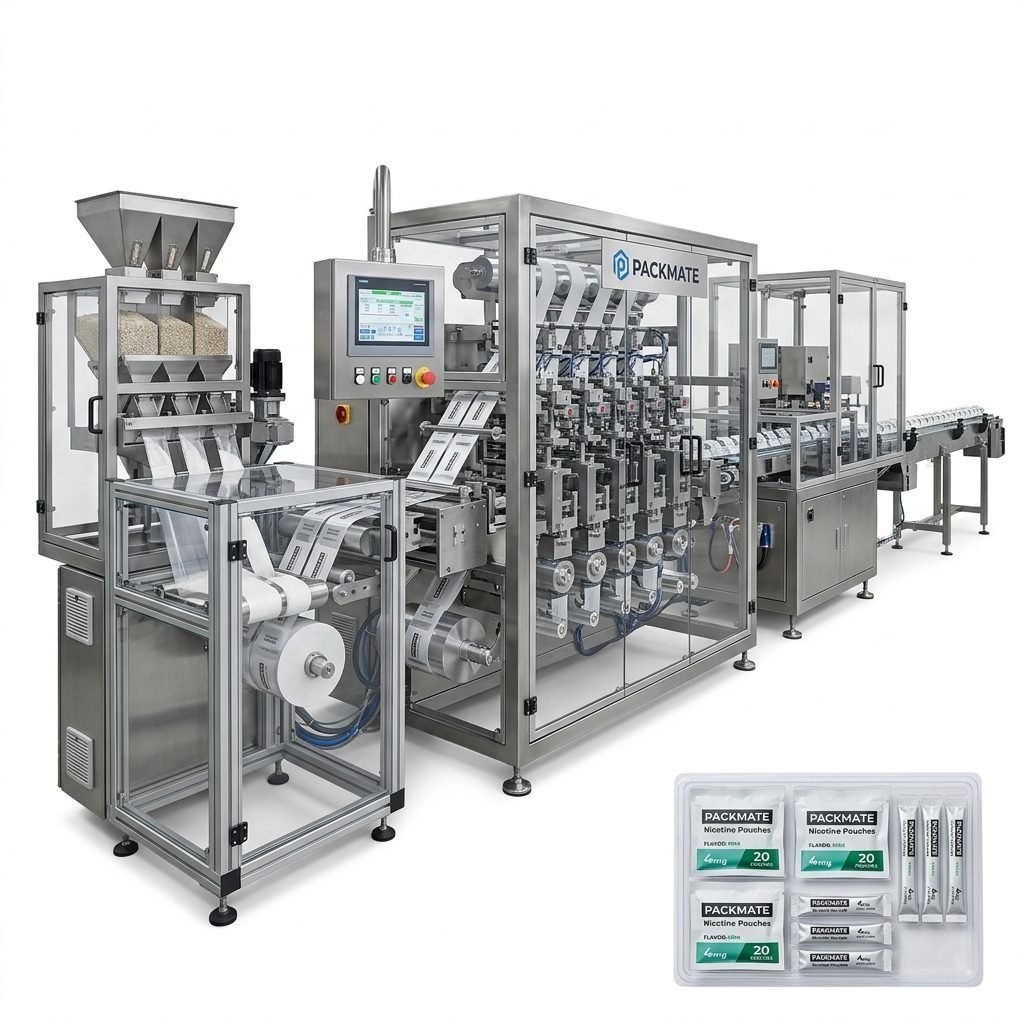
Choosing the right nicotine packaging machinery manufacturer for your business in Austria is a decision that affects product quality, regulatory compliance, production efficiency, and long-term costs. This guide walks you through the practical criteria, evaluation steps, and negotiation tips you need to select a reliable partner who delivers high-performance snus and nicotine pouch packaging solutions. Whether you are launching a new nicotine pouch line or upgrading existing equipment, these considerations will help you make an informed, confident choice.
Understand Your Production Needs First
Before you contact suppliers, define your production goals clearly. Consider your target output (pieces per minute), pouch formats (stick pack, sachet, multi-lane pouches), product types (dry snus, nicotine pouches, powders, granules), and any special requirements such as nitrogen flushing, barrier packaging, or multi-lane synchronization. A manufacturer who can match their machine capabilities to your detailed needs will shorten validation cycles and reduce costly customization.
Key production questions to answer
🔧 What is your required hourly and daily throughput?
⚙️ Which pouch styles and sizes will you run most often?
✅ Do you require multi-lane configurations to scale small-dose products?
These answers will help you compare machine models, such as single-lane stick pack lines vs. high-speed multi-lane snus systems.
Evaluate Manufacturer Experience and Track Record
Experience in nicotine pouch and snus packaging matters because product handling and regulatory requirements are specific. Look for companies with decades of engineering history and proven multi-lane packaging expertise. For example, manufacturers with 20–30+ years in packaging machine design often offer refined mechanical reliability and mature control systems.
Check Certifications and Compliance
Regulatory compliance and conformance to international standards are essential when packaging nicotine products for the Austrian and EU markets. Prioritize suppliers whose equipment carries CE and ISO certifications. Ask for documentation and third-party test reports. Machines designed with hygienic construction, cleanability, and validated electrical safety will simplify the regulatory acceptance process.
Inspect Technical Capabilities and Innovation
Technical maturity is evaluated through: control systems (PLC, touch HMI), servo-driven motion, precision dosing, and flexible changeover mechanisms. Advanced multi-lane systems with synchronized dosing and web handling are crucial for small-dose nicotine pouches. Evaluate whether the supplier offers modular designs that can be upgraded or expanded as your product range grows.
Look for these technical features:
- • Servo-controlled film feeding and cutting for precise pouch formation
- • Accurate dosing systems for powders and micro-doses
- • Easy-to-use HMI with recipe management
- • Robust modularity for future upgrades
Assess Manufacturing Capacity and Lead Times
A supplier’s production capacity and delivery reliability matter when your launch timeline is tight. Manufacturers with advanced CNC centers and dedicated assembly lines typically achieve shorter deliveries and better quality control. Ask about average lead times for standard machines and for customized turnkey lines. Find out how they manage component shortages and whether they maintain spare parts stock for critical items.
Review After-Sales Service and Spare Parts Support
After-sales support is a critical differentiator. Verify the manufacturer’s warranty terms, availability of remote diagnostics, and service networks in Europe. Ask whether they provide training for operators and maintenance teams, and whether spare parts are shipped from a local warehouse or directly from the factory. Quick access to genuine parts reduces downtime and keeps production stable.
Red flags in service offerings
⚠️ Vague SLA terms or no response time commitments
⚠️ No local technician training or documentation in English/German
⚠️ Proprietary parts without clear spare stock policies
Ask for References, Case Studies, and Demonstrations
Insist on references from customers in similar product categories or markets. Request case studies that show performance metrics (uptime, throughput, reduction in waste). If possible, attend an exhibition or request a live demo video of the exact machine model you plan to buy. Seeing a machine run real product is the most reliable way to validate performance claims.
You can often review portfolio pages and case studies on the manufacturer’s site to get a quick sense of past projects and global installations. For example, check relevant product pages such as Snus & Nicotine Packaging Machines and Sachet & Stick Pack Machines.
Evaluate Total Cost of Ownership (TCO) Instead of Initial Price
While initial cost is important, TCO gives you a realistic view of lifetime expenses. Include energy consumption, parts replacement, expected uptime, maintenance intervals, and potential production losses due to changeover time. A slightly more expensive machine with higher reliability and lower waste often delivers superior ROI.
Factory Visits, FAT, and Installation Support
Request a Factory Acceptance Test (FAT) before shipping to ensure the machine meets agreed specifications. Plan an on-site installation and commissioning period where factory engineers supervise start-up and perform training. A reputable manufacturer will include FAT protocols and post-installation acceptance criteria in the contract.
Customization and Turnkey Solutions
If your product requires special feeders, nitrogen systems, or integrated quality inspection (vision systems), choose a vendor that offers turnkey lines and proven integrations. Manufacturers with internal R&D and advanced machining centers can deliver customized solutions faster and with fewer integration issues.
Explore comprehensive systems such as weighing & packaging integrations and auxiliary equipment that support end-to-end production flow: Weighing & Packaging Systems and Auxiliary Packaging Equipment.
Communication and Project Management
Clear communication and project management processes reduce misunderstandings. Ask how the manufacturer manages project milestones, assigns a project manager, and reports progress. Look for suppliers who provide installation timelines, spare parts lists, electrical and pneumatic diagrams, and training schedules in your language.
Negotiation Tips and Contract Clauses
Negotiate clear acceptance criteria, warranty duration, spare parts pricing, and service response times. Include clauses for performance penalties if critical metrics (throughput, uptime) are not met during a defined validation period. Ensure responsibilities for packing, shipping, customs clearance, and insurance are stated clearly.
Why Consider Packmate Snus Machine as an Example Partner
Packmate Snus Machine (Packmate) offers a concrete example of a supplier profile that meets many of the criteria above: decades of engineering experience, a 20,000㎡ manufacturing facility, 50+ machine models, and a focus on snus and nicotine pouch packaging. They provide a full range of systems, from snus packing machines to auxiliary equipment, and support global turnkey solutions.
Explore their company profile and portfolio to evaluate real-world case studies: About Packmate and their product range. For direct inquiries or project discussion, use their contact page: Contact Us.
Final selection checklist
Use this checklist when comparing multiple vendors:
- • Certifications (CE, ISO) and hygienic design
- • Demonstrated snus/nicotine experience and case studies
- • Clear FAT and installation plans
- • Spare parts availability and local support
- • Realistic TCO analysis and warranty terms
Next steps after vendor shortlisting
Arrange factory visits or remote video tours, request sample runs with your product, check references, and agree on detailed timelines and acceptance criteria. A disciplined evaluation process will minimize risk and ensure your nicotine packaging line performs reliably from day one.
Useful links for deeper research
You may find these product pages helpful when comparing machine capabilities and configurations:
– Snus & Nicotine Packaging Machines: https://www.snusmachinery.com/products/snus-nicotine-packaging-machines/
– Sachet & Stick Pack Machines: https://www.snusmachinery.com/products/sachet-stick-pack-machines/
– Weighing & Packaging Systems: https://www.snusmachinery.com/products/weighing-packaging-systems/
Summary — What to prioritize
Prioritize technical fit, proven experience with nicotine products, clear documentation and FAT, reliable after-sales service, and a realistic TCO. A partner that demonstrates transparent project management and offers modular turnkey solutions will help your Austrian operation reach production targets faster and more reliably.
Common Questions
Q1: How long does it typically take to receive and install a snus packaging line?
A1: Lead times vary by configuration and customization, but standard machine deliveries often range from 12 to 24 weeks, while customized turnkey lines may take longer. Ask the supplier for a detailed timeline and FAT date.
Q2: What certifications should I require from the manufacturer for sales in Austria and the EU?
A2: Require CE marking and ISO quality management certification as baseline. Also verify material safety, electrical safety documentation, and any industry-specific hygiene or food contact declarations if applicable.
Q3: How can I reduce machine downtime and ensure quick repair response?
A3: Choose a manufacturer with local service partners or fast spare parts shipping, request operator and maintenance training, and ensure the supplier provides remote diagnostics and clear response time SLAs.
Q4: Is it better to buy single-lane machines or multi-lane systems for nicotine pouches?
A4: Multi-lane systems are typically more efficient for small-dose nicotine pouches and higher output needs. Single-lane machines can be suitable for smaller operations or pilot production. Consider future growth when choosing.
Q5: What documentation should be included at handover?
A5: Include mechanical drawings, electrical and pneumatic diagrams, spare parts lists, operation manuals, maintenance schedules, FAT reports, and training records to ensure smooth handover and validation.