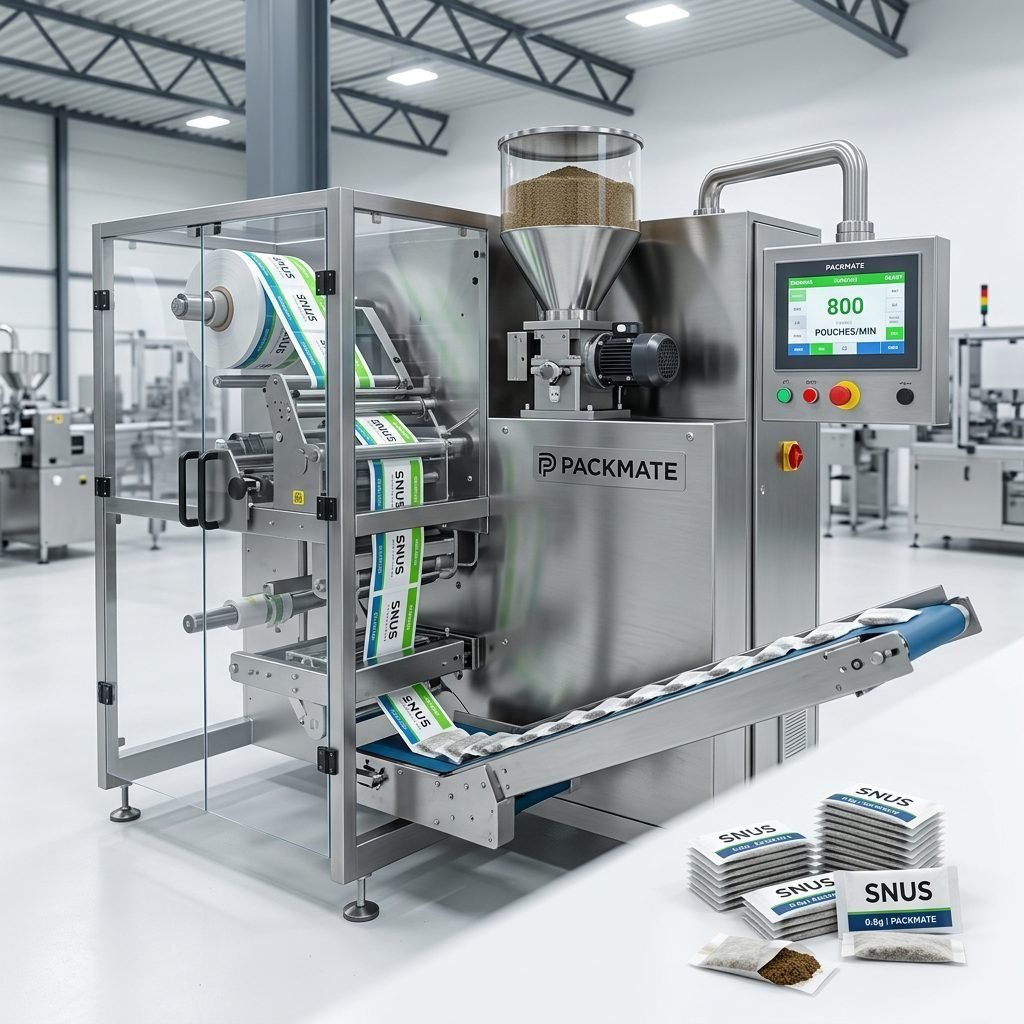
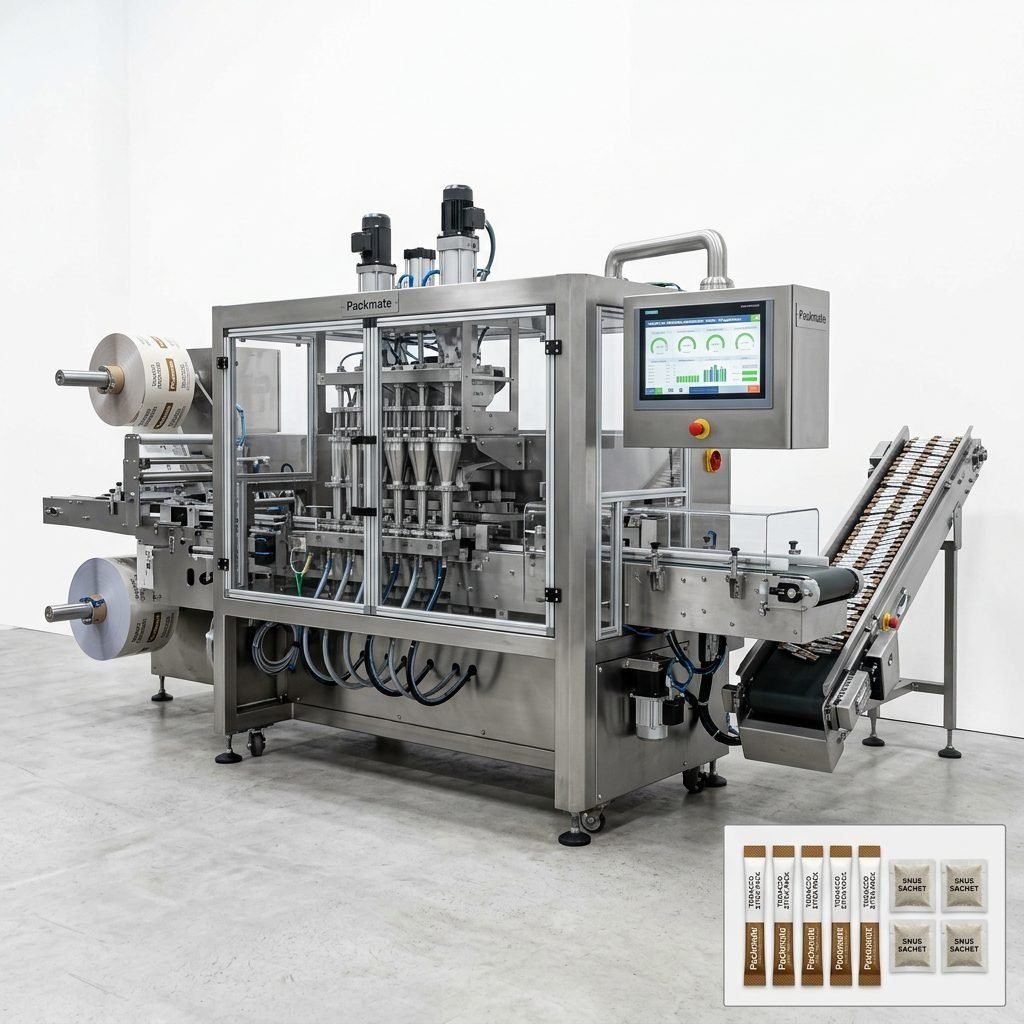
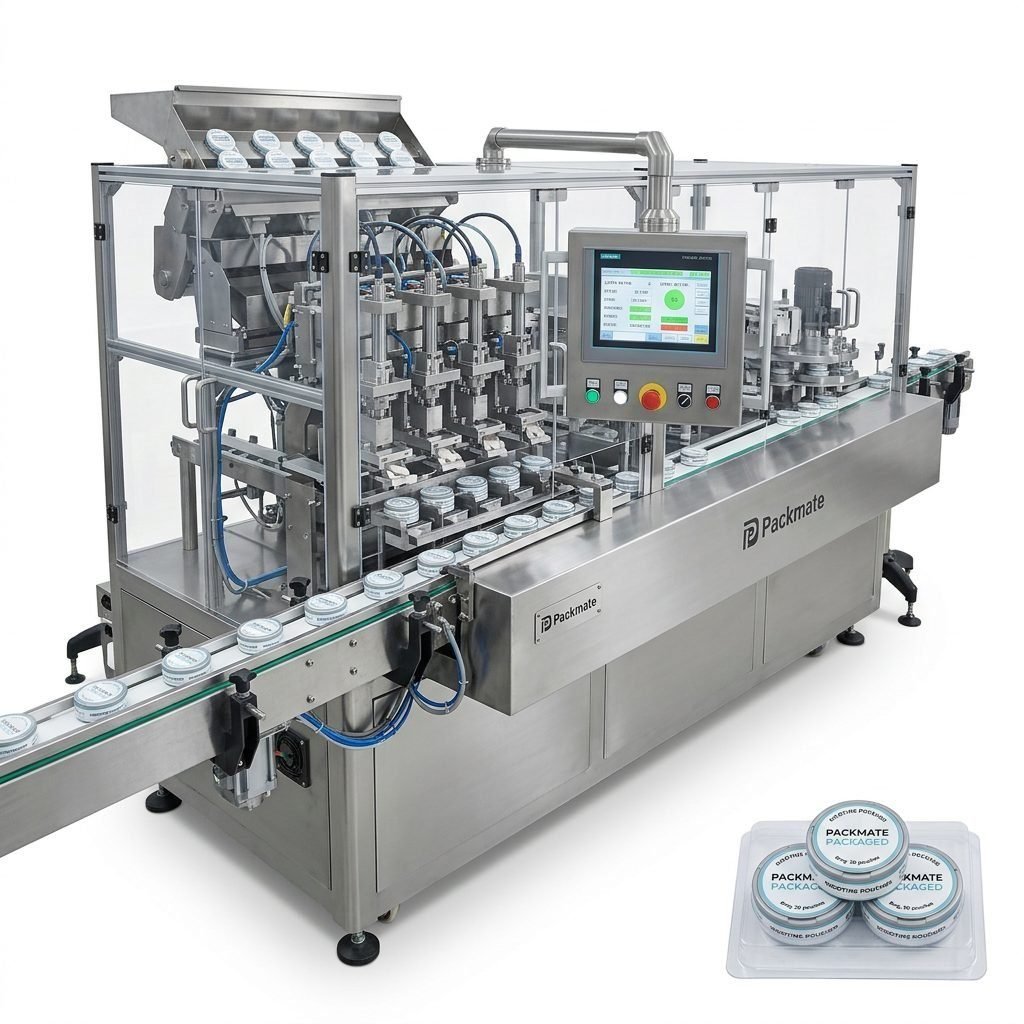
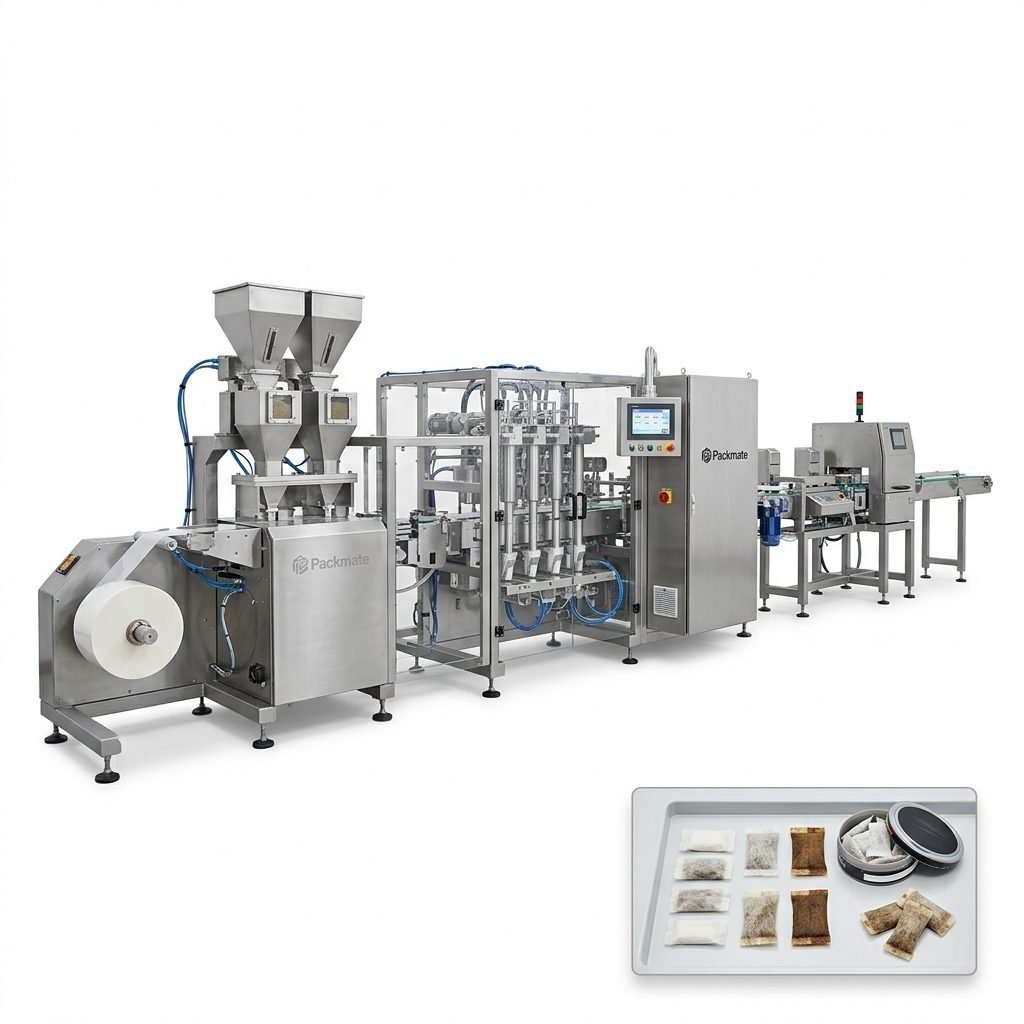
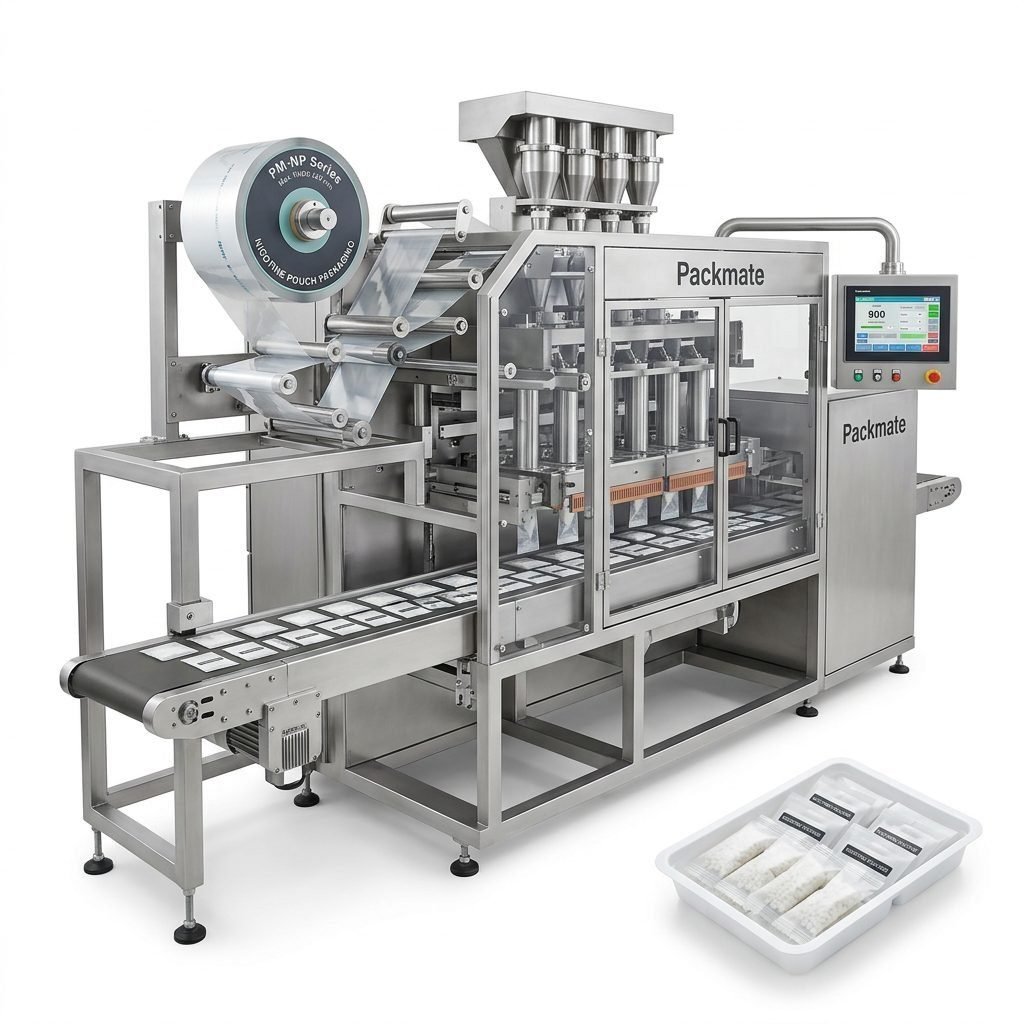
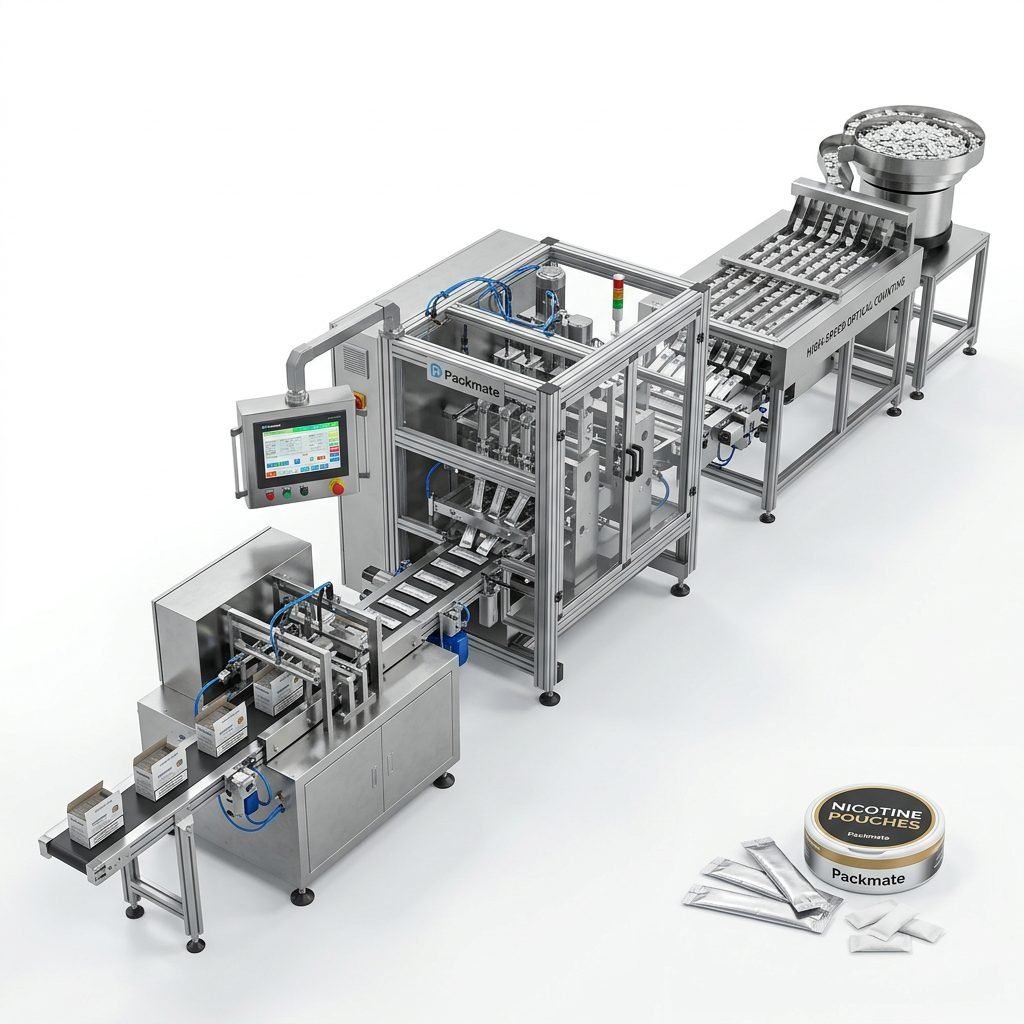
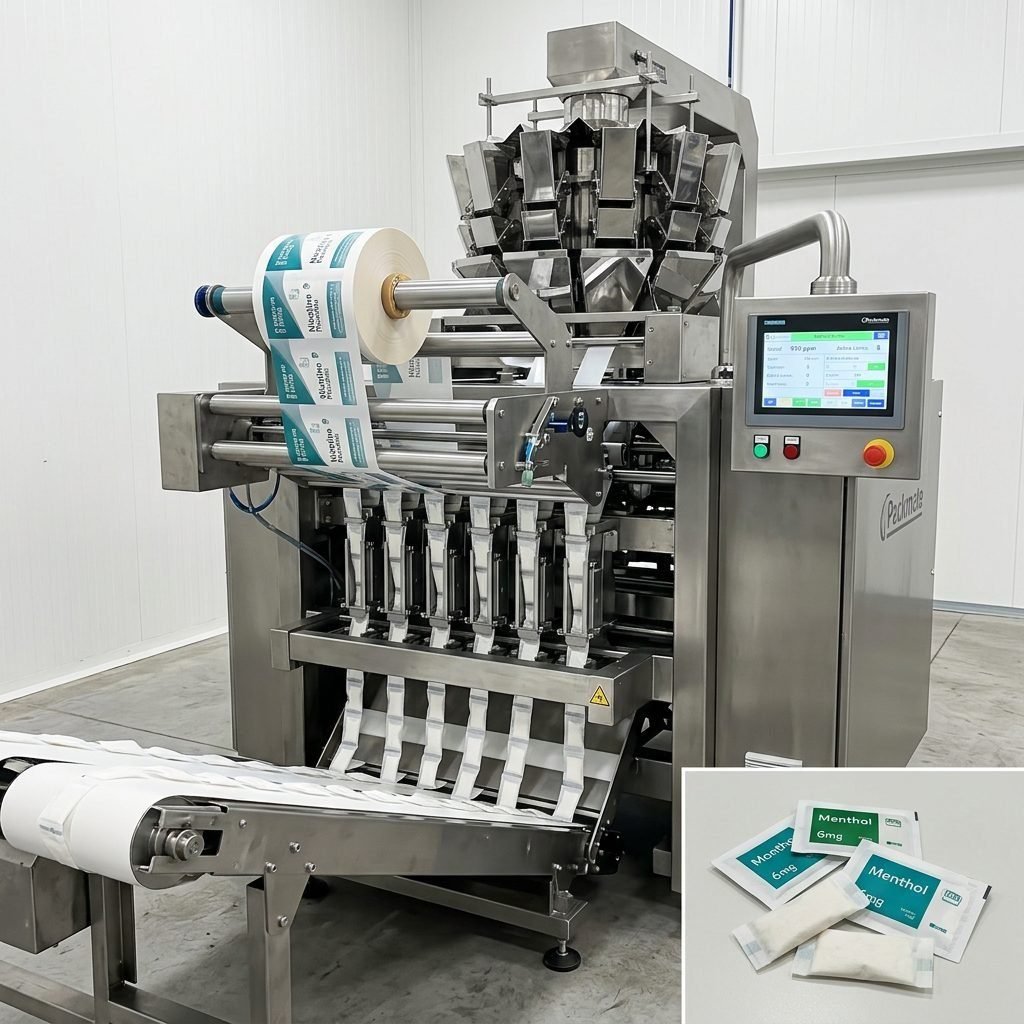
The modern nicotine pouch market demands packaging solutions that combine speed, precision, and regulatory compliance. Manufacturers and brand owners are increasingly turning to advanced snus and nicotine pouch machines equipped with integrated inspection systems to ensure consistent quality, reduce waste, and accelerate time to market. This article explores the benefits, design considerations, and practical guidance for selecting the best nicotine pouch machine with an integrated inspection system for high-speed, accurate packaging.
Why Integrated Inspection Matters for Nicotine Pouch Packaging
Integrated inspection systems transform a packaging line from a simple mechanical process into a digitally monitored quality assurance workflow. For nicotine pouch manufacturers, real-time defect detection, fill-level verification, seal integrity checks, and label/print inspection are essential to protect brand reputation and meet regulatory requirements. Without inspection, defects can travel downstream, causing recalls, customer complaints, and costly rework.
🔍 Key advantages:
Reduced rejects • Consistent compliance • Data traceability
Core Inspection Technologies Used
Modern inspection systems combine multiple technologies to cover every conceivable defect mode. These typically include high-speed cameras for vision inspection, infrared sensors for seal checks, fill-level sensors for quantity control, and metal detectors or X-ray systems where necessary. Integration with PLCs and HMI systems enables synchronized detection and rejection at line speed.
Typical Inspection Capabilities
– Visual print quality and code verification (OCR/OCV)
– Seal integrity and leak detection
– Pouch shape / alignment and missing pouch detection
– Fill weight or volume verification (often combined with weighing systems)
– Foreign object detection (where applicable)
✅ Production benefit:
Integrated inspection reduces manual sampling and increases first-pass quality.
High-Speed Packaging: Balancing Throughput and Precision
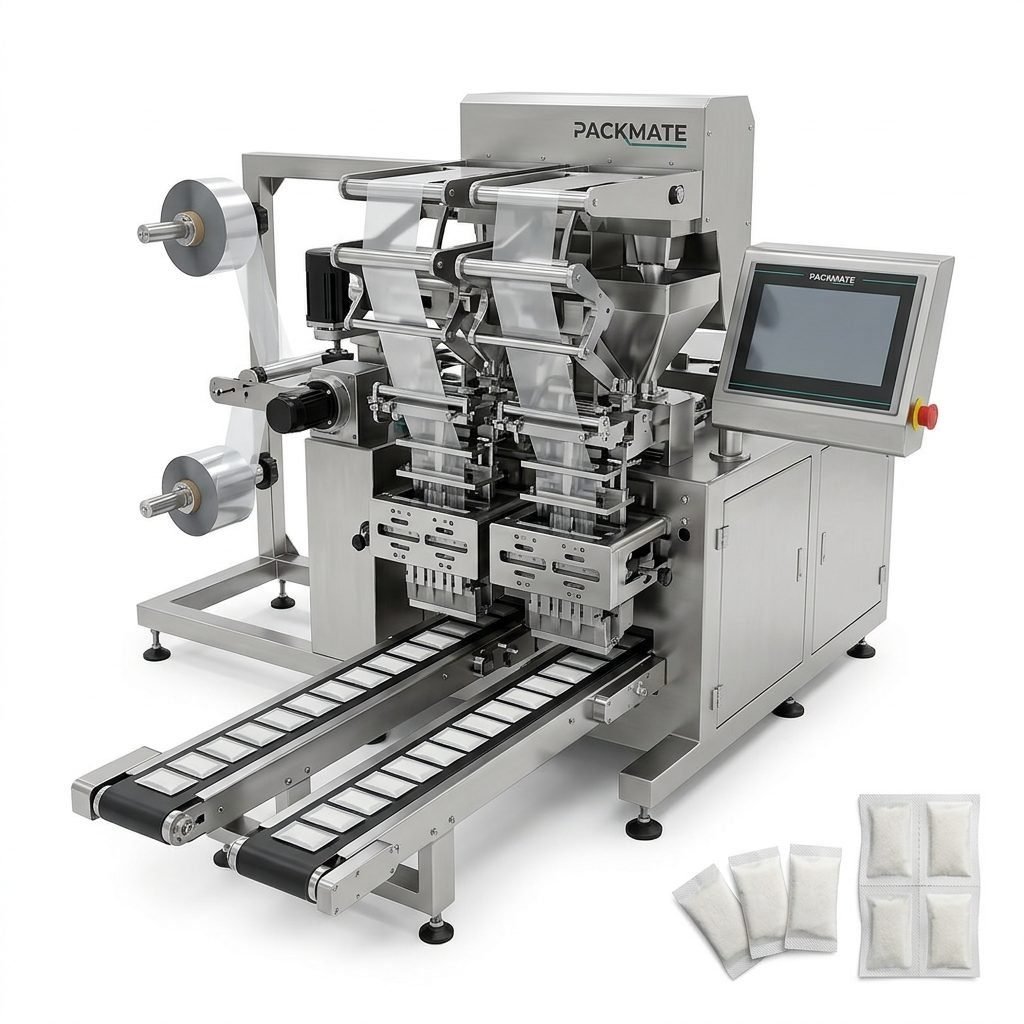
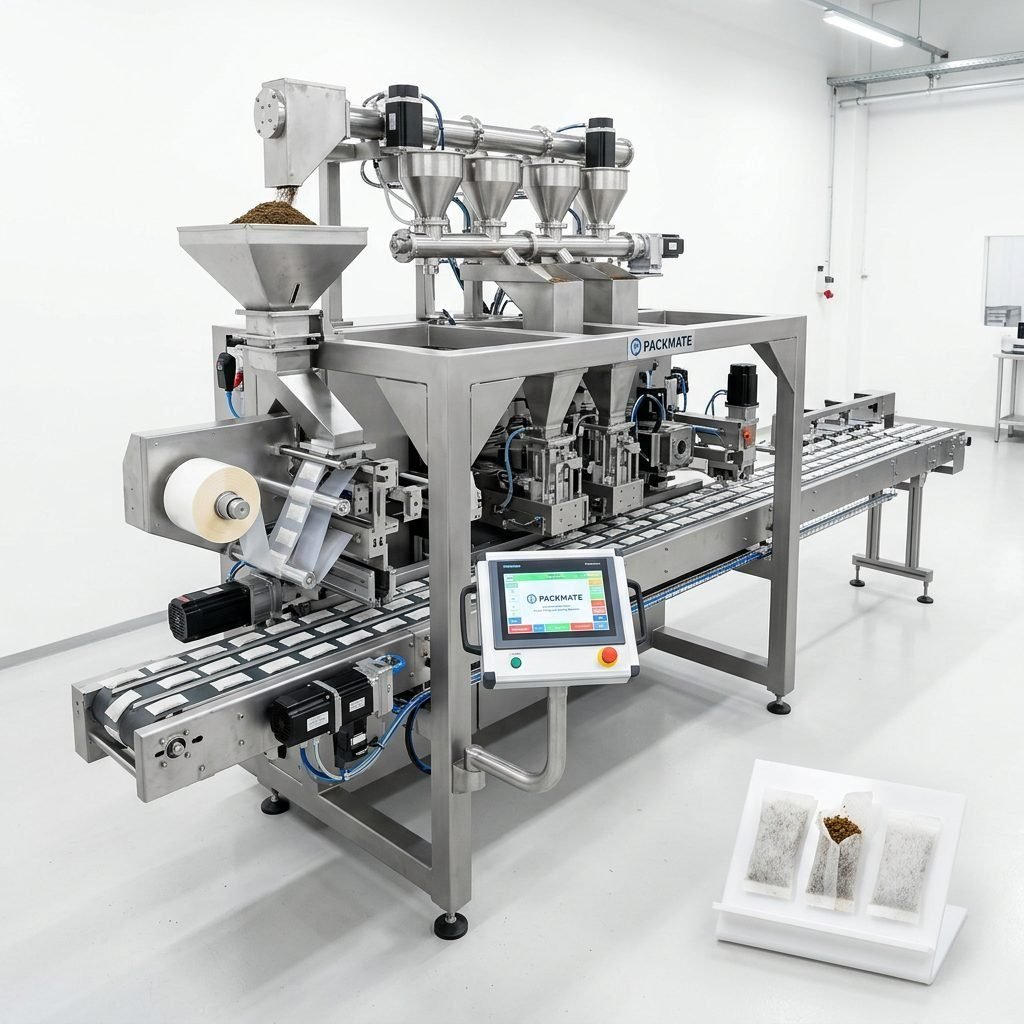
Achieving high throughput while maintaining accuracy requires a harmonized system design. The packaging machine mechanics, product feeding, pouch forming, filling, sealing, and inspection must be synchronized. Key elements include servo-driven motion control for precise indexing, multi-lane formats for scalability, and low-vibration feeders to preserve pouch integrity at higher speeds.
Design elements that enable speed
• Multi-lane pouch channels to multiply output without linear speed increases.
• Quick-change tooling for fast SKU transitions.
• Robust material handling to prevent jams and misfeeds.
• High-frame rigidity to ensure consistent registration at high cycles.
Selecting the Best Machine: Key Considerations
Choosing the right nicotine pouch machine is not only about peak speed numbers. Evaluate machines across reliability, inspection depth, compliance credentials, serviceability, and the manufacturer’s experience in snus/nicotine applications. Companies with proven multi-lane solutions and turnkey capabilities tend to deliver the most dependable lines.
Must-have evaluation checklist
🔧 Mechanical robustness: Frame and motion systems built for continuous operation.
📸 Inspection accuracy: High-resolution cameras and intelligent algorithms.
🛠 Service & spare parts: Easy access and global support.
📄 Compliance: CE/ISO certifications and documentation.
Integration with Upstream and Downstream Systems
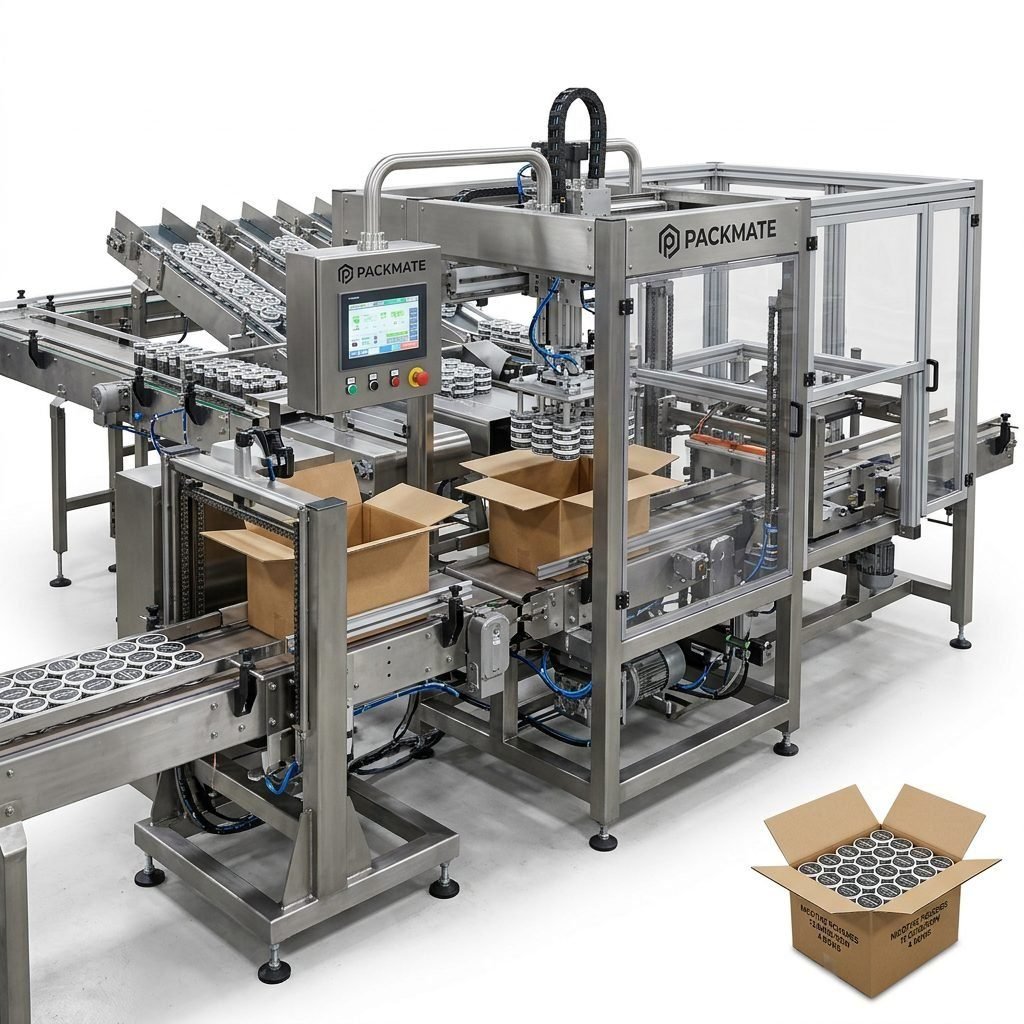
A modern packaging line rarely operates in isolation. Integrated inspection allows direct communication with upstream dosing/weighing systems and downstream cartoning, case packing, or secondary inspection. This holistic approach reduces bottlenecks: if the inspection flags underfills, the feeding/weighing system can be adjusted automatically to stabilize output.
For detailed machine categories and full solutions, manufacturers often provide product portfolios. Packmate Snus Machine, for example, lists a range of tailored solutions including multi-lane snus systems and full filling and packaging lines. Explore related offerings like Snus & Nicotine Packaging Machines and Filling & Packaging Lines for broader context.
Recommended product links
– Snus & Nicotine Packaging Machines
– Filling & Packaging Lines
– Sachet & Stick Pack Machines
Automation & Data: The Role of Industry 4.0
Integrated inspection systems generate a wealth of data — defect trends, downtime logs, and production metrics. Connecting inspection data to a Manufacturing Execution System (MES) or cloud services enables predictive maintenance, remote monitoring, and process optimization. For manufacturers expanding globally, this data-driven approach supports consistent quality across multiple sites.
What to expect from connected inspection
• Centralized dashboards showing reject rates and root causes.
• Automated alerts for drift in fill levels or print quality.
• Batch traceability linking inspection images to production lots.
• Improved uptime through scheduled maintenance driven by real-world usage data.
Practical Case Example: Multi-Lane Snus Line with 100% Inspection
A continental European snus producer needed to scale from single-lane to multi-lane production while reducing manual QC. They adopted a multi-lane pouch packaging machine with embedded high-speed vision inspection and automatic reject. The result: throughput increased by four times, scrap fell by over 60%, and traceability was improved via image-stamped batch logs. Manufacturers with comprehensive case studies often publish these successes — see Packmate’s case references for real-world outcomes.
For more case studies and examples, visit the Case pages to see how lines are optimized across different product profiles.
Operator ergonomics and line accessibility
Fast inspection systems are only effective if operators can manage them efficiently. Look for intuitive HMI designs, quick access to cameras and sensors for cleaning/calibration, and modular layouts that simplify conveyor or reject path maintenance. Safety interlocks and easy-to-follow SOPs reduce human error and improve overall effectiveness.
⚠️ Tip: Regular calibration of vision systems maintains detection accuracy — incorporate calibration tasks into daily startup routines.
Maintenance, Spare Parts and After-Sales Support
Sustained high-speed operation requires a robust service plan. Prioritize manufacturers who provide global spare parts, remote troubleshooting, and comprehensive training. Packmate Snus Machine, with decades of packaging experience, emphasizes a full-service approach including commissioning, spare inventory, and on-site training — attributes that speed recovery and reduce downtime.
For service-oriented details and support options, consult the manufacturer’s service and contact pages when evaluating suppliers. Useful links include Service and Contact Us.
Regulatory and Compliance Considerations
Nicotine pouch products face evolving regulations across markets. Machines that support lot-level traceability, date/lot code printing, and comprehensive documentation (DQ/IQ/OQ/PQ) will ease regulatory submissions and inspections. Choose suppliers that provide CE and ISO certifications and that understand local market labeling and product handling customs.
Regional considerations
In markets such as Europe, strict consumer safety and labeling norms require clear traceability and high consistency. Manufacturers often tailor line layouts and inspection sensitivity to local preferences — for instance, certain regions prioritize visually perfect seals and cosmetics, while others focus on batch traceability and quantitative controls.
ROI: Calculating Value Beyond Speed
Return on investment for a packaging line with integrated inspection should account for reduced recalls, lower scrap, labor savings from reduced manual QC, and faster time-to-market. When calculating ROI, include long-term savings from data-driven improvements and fewer customer complaints. A well-engineered line often pays back through improved yield and lower compliance risk.
Metrics to track
• Yield improvement (good units per hour)
• Reduction in manual QC hours
• Cost per rejected batch
• Downtime hours saved through predictive alerts
How to Move Forward: Pilot Lines and Factory Acceptance
Begin with a clear specification: target throughput, pouch formats, inspection coverage, and integration needs. Request a Factory Acceptance Test (FAT) to witness inspection performance against realistic defects. Insist on sample testing with your actual pouches and payloads to verify both speed and detection accuracy before shipment.
Many manufacturers, including those with strong snus expertise, provide FAT, on-site commissioning, and training — making the transition from pilot to full production predictable and controlled.
Conclusion
Investing in a nicotine pouch packaging machine with an integrated inspection system is a strategic move for manufacturers focusing on growth, compliance, and brand protection. Evaluate systems holistically — mechanical design, inspection breadth, data integration, and after-sales support — and partner with experienced suppliers that understand snus and nicotine applications to ensure long-term success.
Further resources
For more detailed product options and company background, visit About Packmate and browse the product catalog to match machine capabilities to your production goals.
Common Questions
Q1: How accurate are integrated vision inspections at full line speed?
A1: Modern vision systems can reliably detect print defects, missing pouches, and seal anomalies at high speeds when properly configured and calibrated. Expect >99% detection rates for common defects with correct lighting and optics.
Q2: Can inspection systems be retrofitted to existing machines?
A2: In many cases, yes — but success depends on available space, conveyor configuration, and synchronization. Full integration opportunity is greatest with modular machines or lines designed for expansion.
Q3: What maintenance is required for inspection sensors and cameras?
A3: Regular cleaning of lenses, scheduled calibration checks, and periodic software updates are typical. Keep a spare camera and lighting module on-site to minimize downtime.
Q4: Are multi-lane machines compatible with small-dose nicotine pouches?
A4: Yes — multi-lane designs are commonly used for small-dose pouches to increase throughput without raising linear speed. Ensure precise dosing and gentle handling to avoid cross-lane variation.
Q5: Where can I find real-world case studies and certificates?
A5: Manufacturer case pages and certificate sections provide examples and compliance documentation — see the manufacturer’s Certificate and Case resources for reference.