Choosing the right snus packaging machine for your manufacturing operation in Kyrgyzstan is a critical decision that affects product quality, regulatory compliance, and long-term profitability. This buyer’s guide walks you through the technical considerations, practical checks, and supplier evaluation criteria you need to make an informed purchase — whether you are producing nicotine pouches, snus tins, sachets, or multi-lane small-dose pouches.
🔍 Understand the Kyrgyzstan Market and Regulatory Landscape
Kyrgyzstan’s market for nicotine pouches and related products is evolving. Local manufacturers must consider packaging durability, child-resistant features, labeling accuracy, and compatibility with distribution channels in Central Asia. Regulatory checks and compliance with international standards such as CE and ISO will simplify exports and build trust with global buyers. When you evaluate machines, ask suppliers for certificate documentation and factory inspection reports to ensure compliance.
⚙️ Typical Production Models to Consider
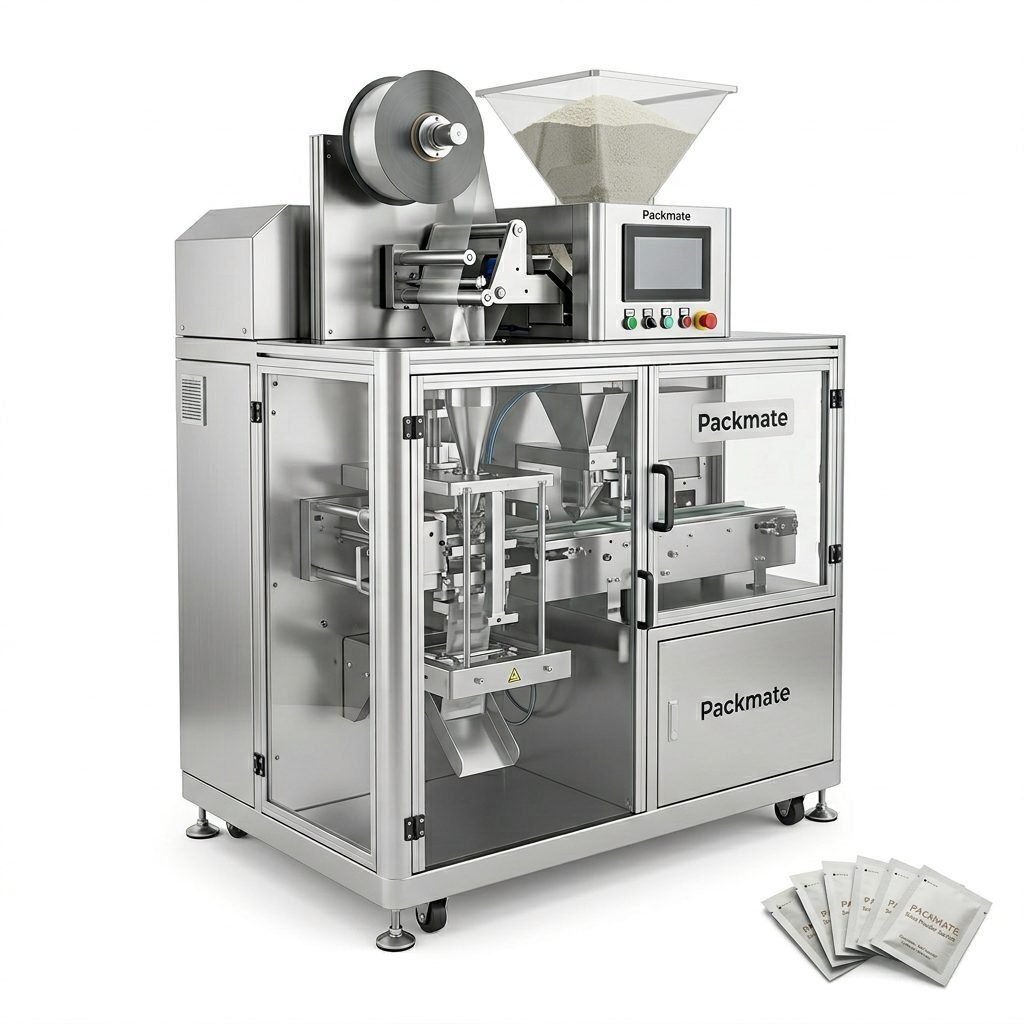
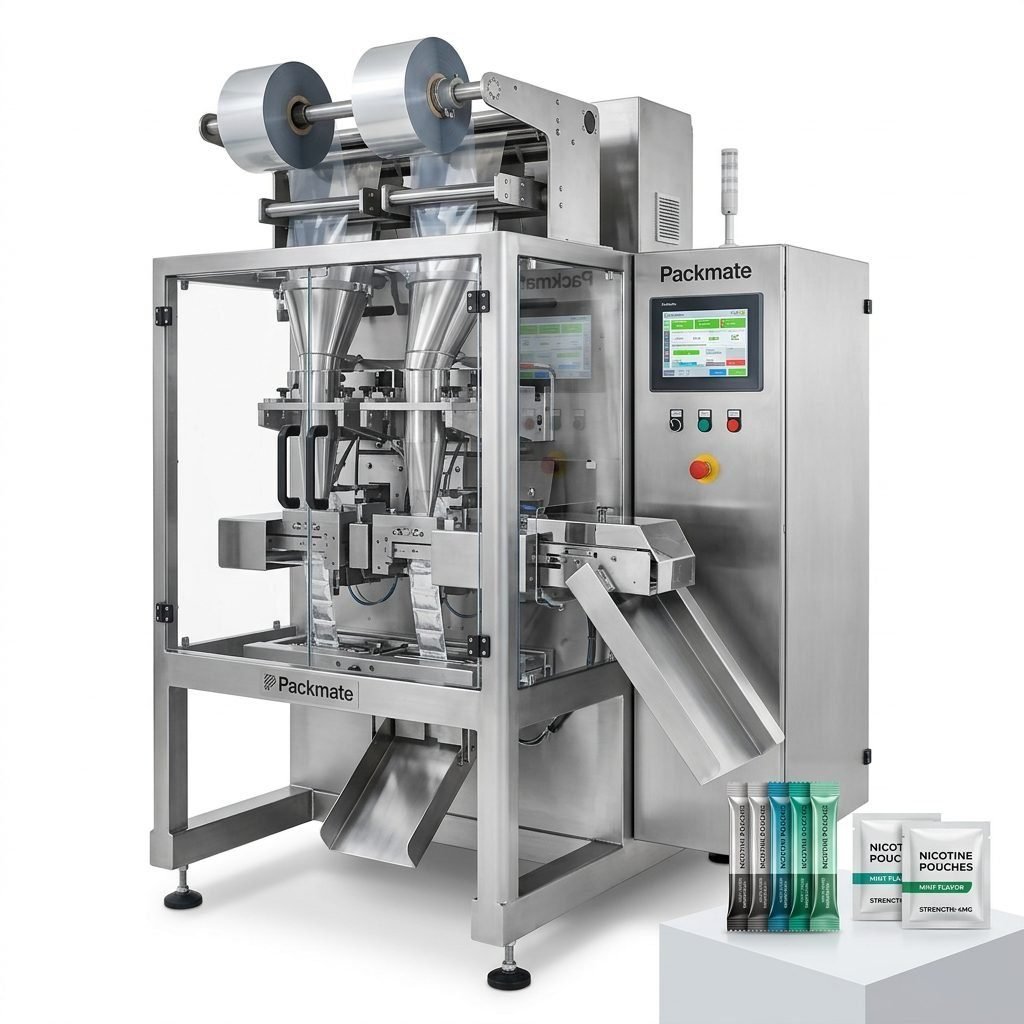
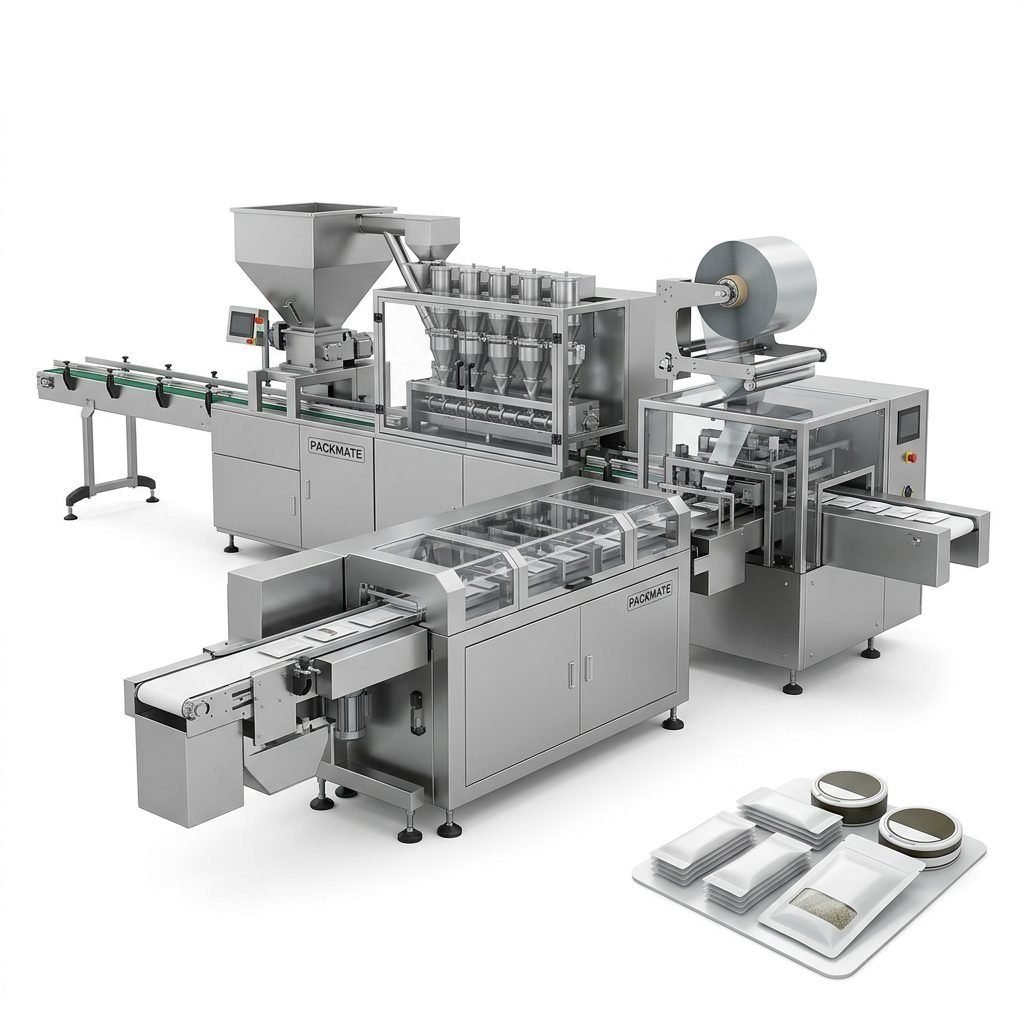
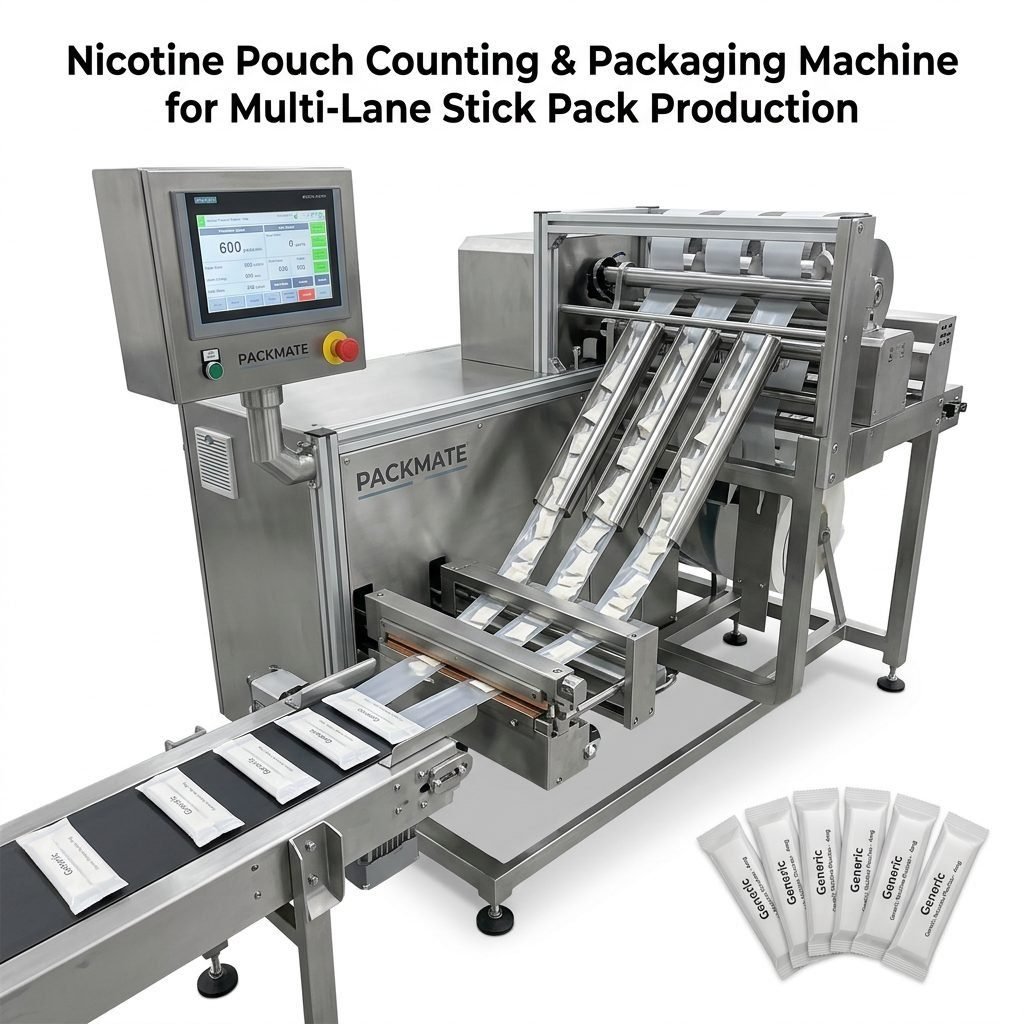
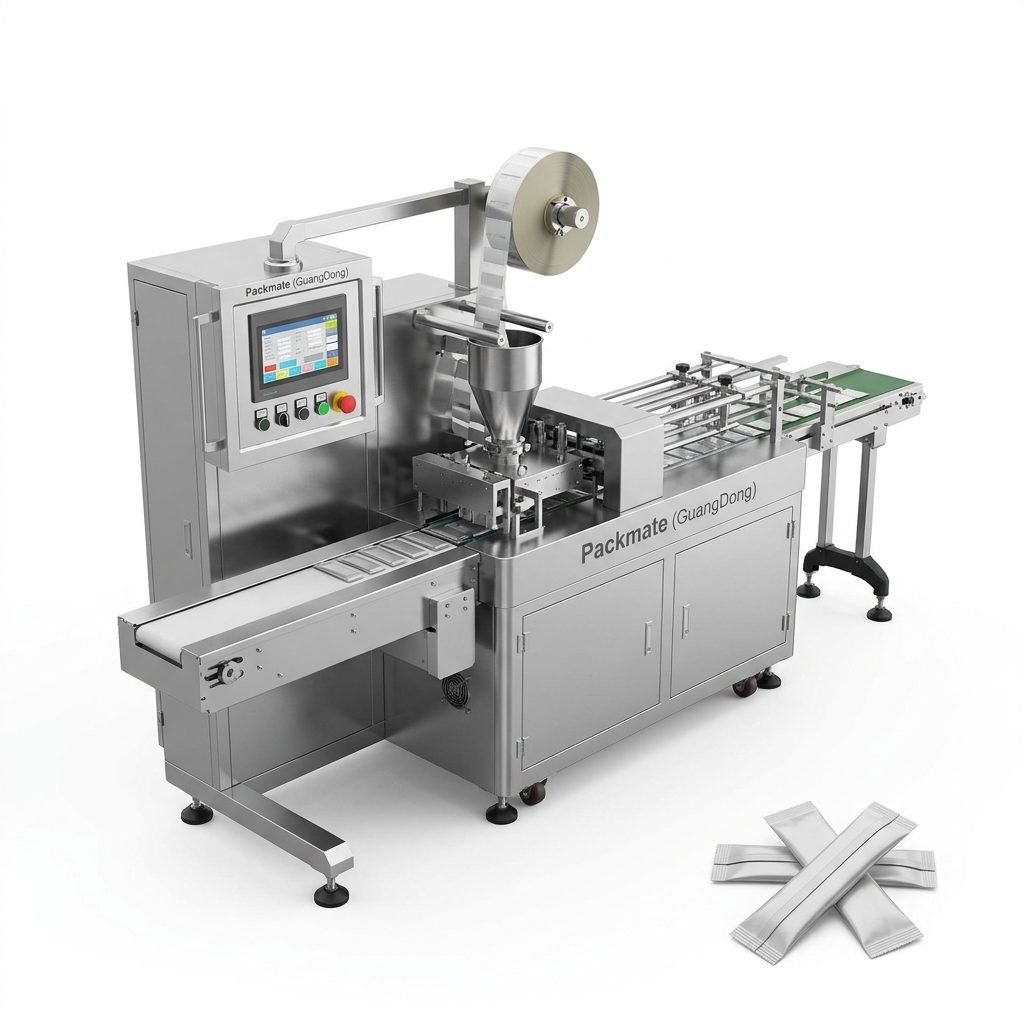
Stick Pack Machines — Ideal for single-dose pouches and slim retail packs. They offer precise portioning and fast changeover for flavored snus or nicotine sachets.
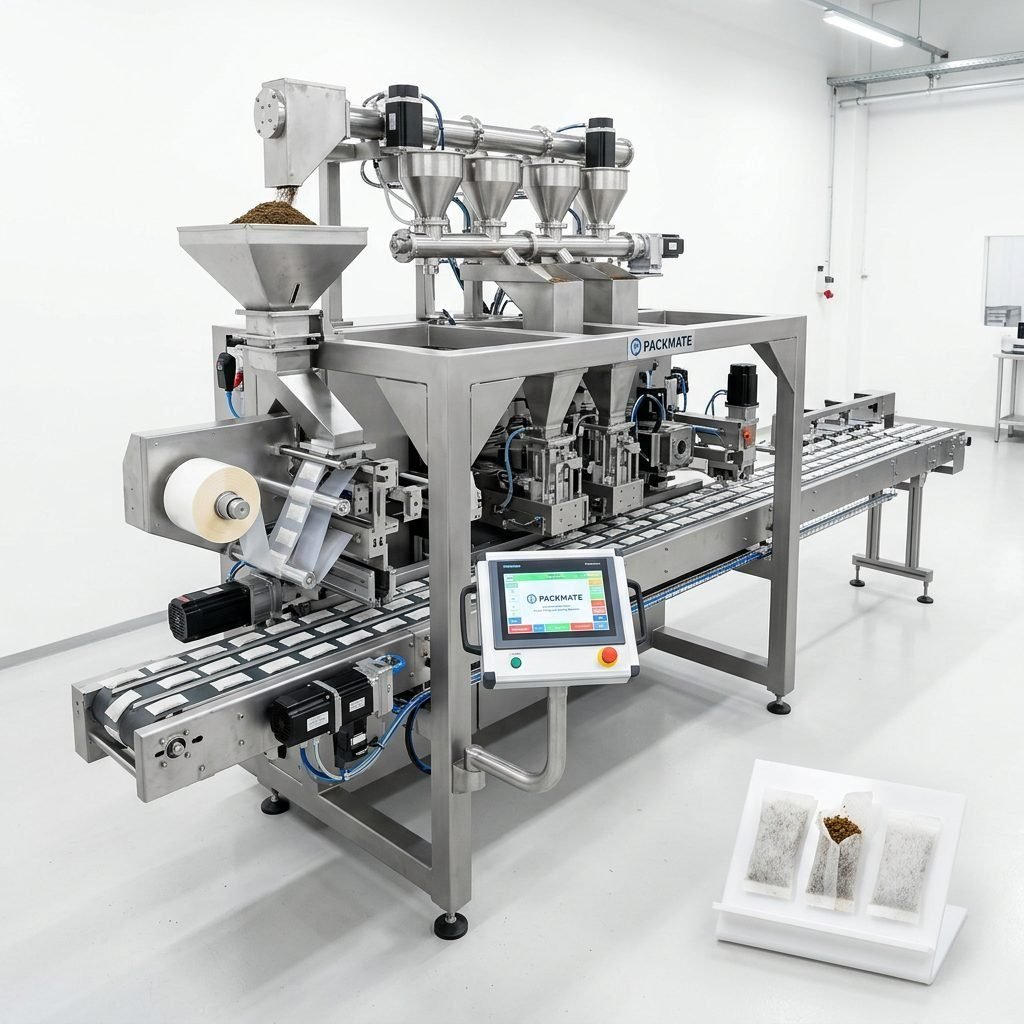
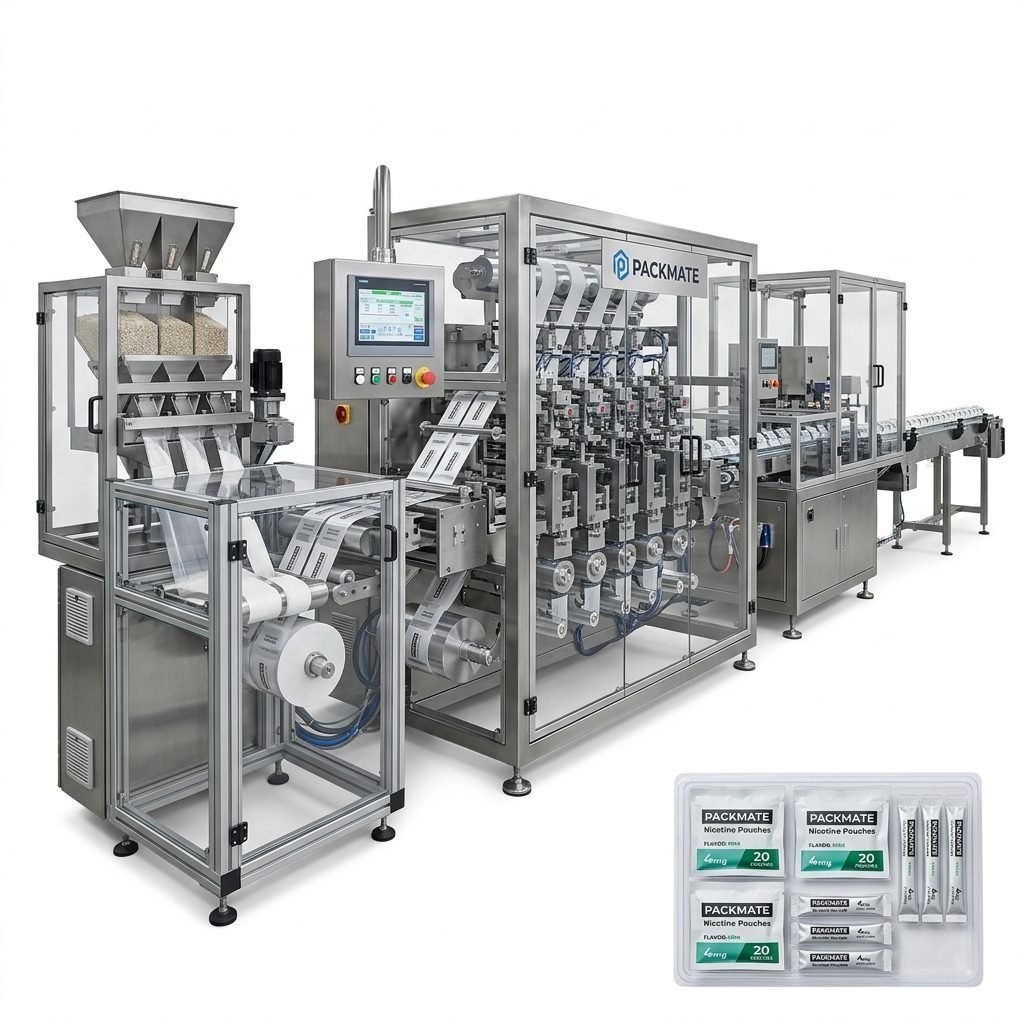
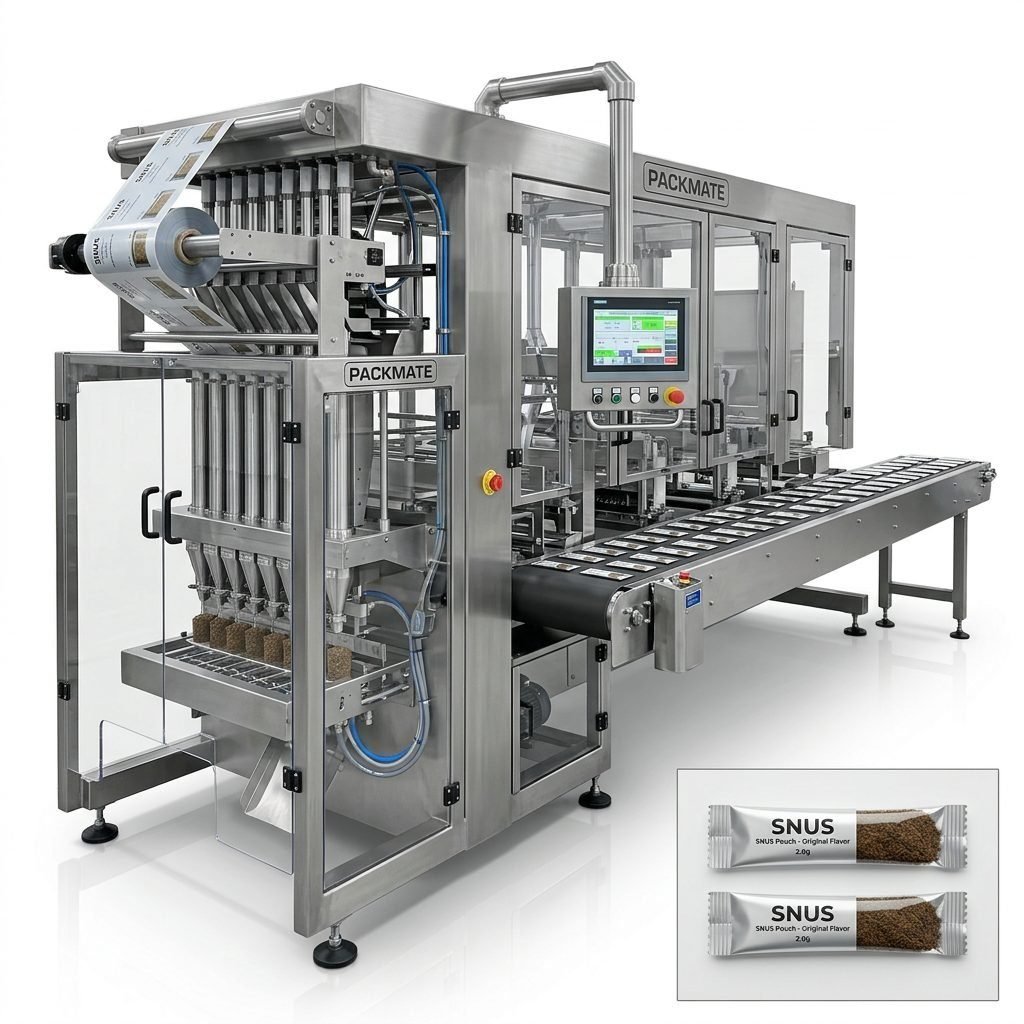
Sachet & Multi-Lane Systems — Provide high output for small-dose pouches across multiple lanes; perfect for scaling production without a large footprint.
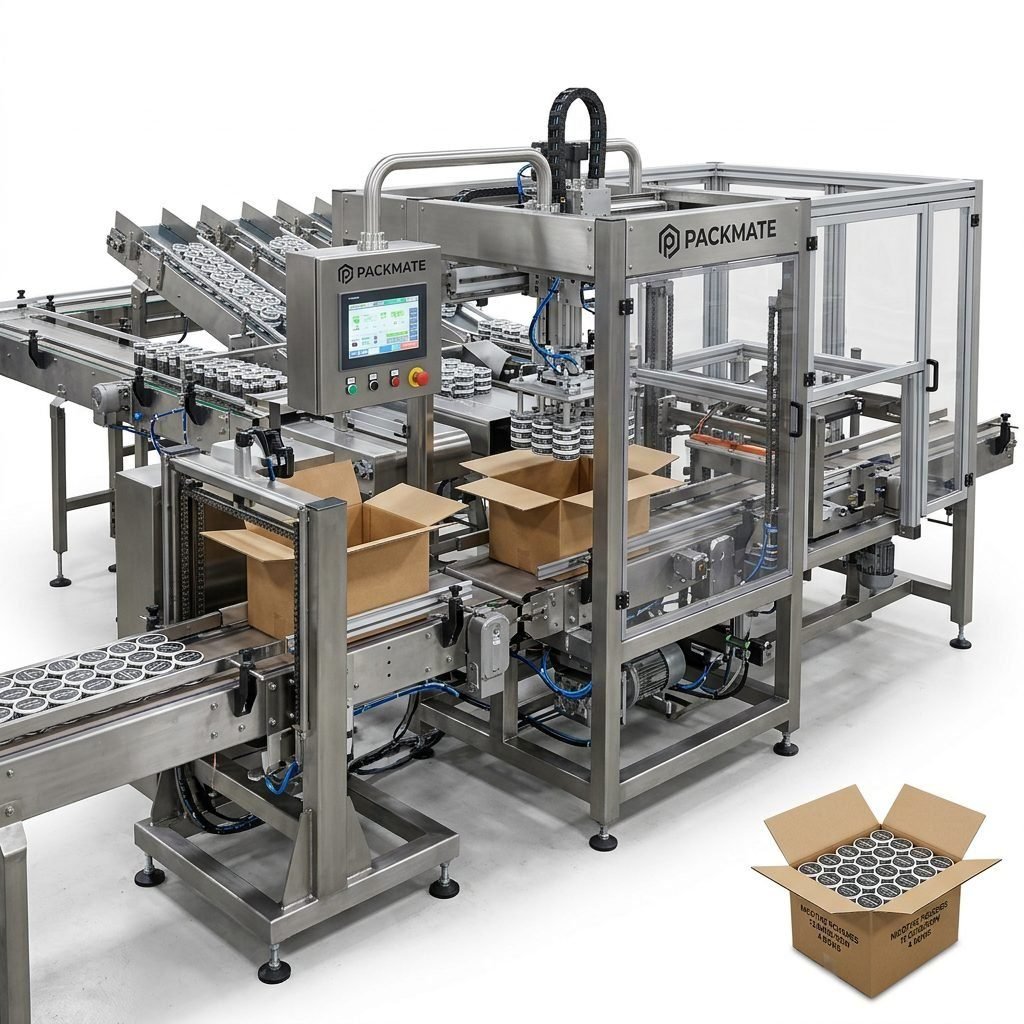
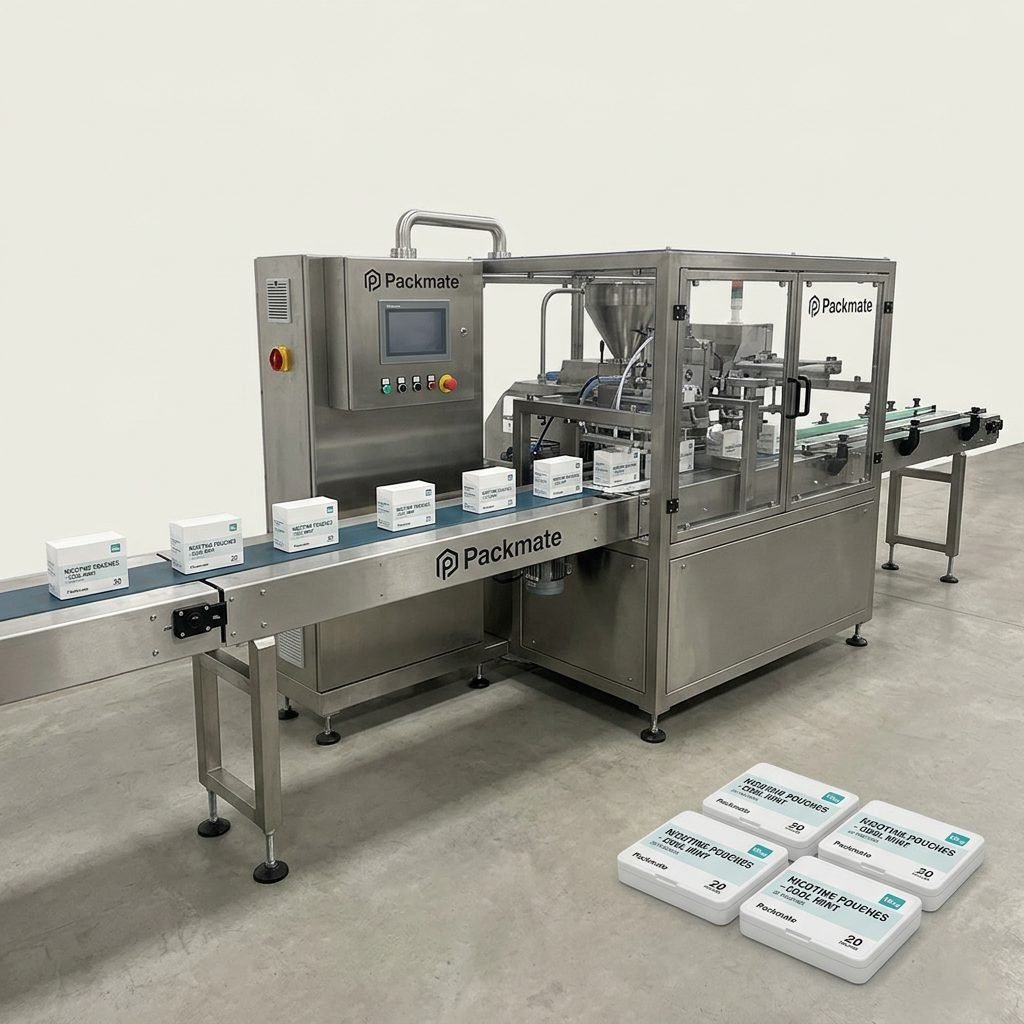
Bag & Pouch Machines — For more complex retail packaging (zipper pouches, resealable bags) and secondary packaging solutions.
📌 Where to Find Proven Equipment
If you need a focused selection of machines for nicotine pouch and snus production, explore specialized product lines like Snus & Nicotine Packaging Machines and broader packaging options on the Bag & Pouch Packaging Machines page. Reviewing real customer installations on the Case page can help you visualize plant layouts and performance benchmarks.
Key Technical Specifications and What They Mean
When comparing machines, focus on six core technical attributes: production speed, number of lanes, dosing accuracy, material compatibility, footprint & modularity, and ease of maintenance. Below is a practical interpretation of each attribute to help you match a machine to your production targets.
1) Production Speed and Throughput
Speed is measured in pouches per minute or packs per hour. For a small Kyrgyz manufacturer targeting regional distribution, a mid-speed machine with stable throughput and minimal downtime is often more valuable than the highest possible RPM. Confirm achievable speeds under real product conditions (not just optimal test materials).
2) Multi-Lane Options vs Single-Lane
Multi-lane machines multiply output while conserving floor space. However, they demand higher precision in synchronization and quality control. If your production plans include multiple SKUs or frequent changeovers, choose machines with quick lane adjustments and independent lane controls.
3) Dosing Accuracy and Fill Technology
For nicotine pouches and snus, dosing accuracy affects both regulatory compliance and consumer safety. Electromechanical dosing systems and precision auger or volumetric fillers are preferred. Ask for accuracy data (e.g., +/- % at various speeds) and request a sample run using your product.
Material Compatibility and Packaging Formats
Machines must handle the films, laminates, and pouch types you plan to use. Confirm compatibility with common film thickness, barrier laminates, and foil-seal options. If you expect to produce resealable or child-resistant packages, ensure the line supports these features or can integrate secondary equipment.
Tip: Request machine compatibility lists and examples of films used in other installations. Many manufacturers offer sample testing services to validate film and product combinations.
Assessing Supplier Reliability and After-Sales Support
Supplier selection is as important as the machine itself. Prioritize suppliers with strong factory capabilities, clear spare-parts policies, and documented training programs. A manufacturer with decades of experience, robust CNC capabilities, and turnkey service options will reduce risk for your Kyrgyz operation. Review manufacturer credentials and consider visiting the production site or attending an exhibition where live demonstrations are available.
For example, Packmate highlights a long industry history and full-line solutions that can be explored on their About Packmate page. If you plan a complete production line (weighing, filling, packaging and auxiliary equipment), check integration options under their Weighing & Packaging Systems portfolio and the Filling & Packaging Lines section.
Questions to Ask Potential Suppliers
🔧 What is the expected lead time and modular delivery schedule?
✅ Can you provide live or recorded trial runs with a product similar to ours?
⚠️ What is included in standard warranty and what spare parts are recommended on-site?
🧰 Do you provide on-site installation, commissioning, and operator training?
Site Planning and Integration for a Kyrgyz Factory
Machine selection must match your plant’s utilities, floor loading capacity, and available space. Consider electrical standards, compressed air requirements, and dust/contamination controls specific to snus production. A phased approach lets you start with a core packaging unit and integrate auxiliary equipment later as volumes grow — a strategy many manufacturers use to control capital expenditure while scaling capacity.
Budgeting and Total Cost of Ownership (TCO)
Beyond initial purchase price, calculate TCO including installation, spare parts inventory, consumables (films, seals, blades), planned maintenance, and expected energy consumption. Machines with better efficiency and longer mean time between failures (MTBF) will lower operating expenses over the long term.
Short-term Costs: Purchase price, shipping, customs, installation.
Long-term Costs: Energy, parts replacement, labor, downtime risk mitigation.
Factory Visits, Trials and Pre-Dispatch Checks
A trustworthy supplier will welcome site visits and provide sample runs before shipment. Request a pre-dispatch checklist that includes mechanical alignment checks, electrical safety tests, and performance validation at target speeds. If international visits are impractical, ask for a live video demonstration showing the exact machine serial number and run conditions.
Installation, Commissioning and Training
Confirm whether the supplier offers on-site commissioning in Kyrgyzstan or remote support during installation. Comprehensive operator and maintenance training is crucial to ensure shift crews can handle changeovers, basic troubleshooting, and preventive maintenance routines.
Final Checklist Before You Buy
✔️ Confirm machine performs with your actual product samples.
✔️ Verify spare parts list and recommended inventory.
✔️ Check warranty terms, service SLA, and availability of local technical support.
✔️ Ensure compliance documents (CE/ISO) and factory capabilities are provided.
✔️ Validate logistics and customs documentation for import to Kyrgyzstan.
Why Consider Packmate and Where to Learn More
Suppliers with deep domain expertise and turnkey capabilities help reduce project risk. Packmate’s profile highlights decades of engineering experience, a 20,000㎡ factory, over 50 machine models, and global turnkey solutions. Learn about their full range — including sachet, stick pack, and multi-lane snus systems — and request references to see similar installations.
For in-depth specifications and product portfolios, you can review the Sachet & Stick Pack Machines and explore auxiliary equipment on their Auxiliary Packaging Equipment page.
Quick Decision Flow for Buyers
Start with target production volume and product format → shortlist machine types → request sample runs and factory references → verify support and parts availability → sign purchase with clear acceptance criteria and commissioning plan.
Common Questions (FAQs)
Q1: What machine speed do I need for a small regional launch in Kyrgyzstan?
A1: For regional launches, a mid-speed machine (capable of reliably producing the volume you forecast with a 20-30% margin for growth) is recommended. Prioritize reliability and sample-based validation over headline RPM figures.
Q2: How important are CE and ISO certifications for export?
A2: Very important. CE/ISO certifications demonstrate compliance with international standards and ease entry into export markets. Ask suppliers for genuine certificates and factory audit reports.
Q3: Can a manufacturer provide turnkey solutions including weighing and filling?
A3: Yes. Many experienced suppliers deliver integrated production lines covering weighing, filling, primary pouch packaging and auxiliary equipment. Review their Weighing & Packaging Systems and Filling & Packaging Lines portfolios for integrated options.
Q4: What after-sales support should I expect?
A4: Expect a clear warranty, spare parts availability, remote technical support, and optional on-site commissioning. Confirm lead times for critical parts and local service partner availability if possible.
Q5: How do I validate a supplier’s real-world performance?
A5: Request factory visits, machine acceptance tests, sample runs with your product, and references from customers in similar product lines or regions. Reviewing documented case studies and exhibition demonstrations can also provide confidence.