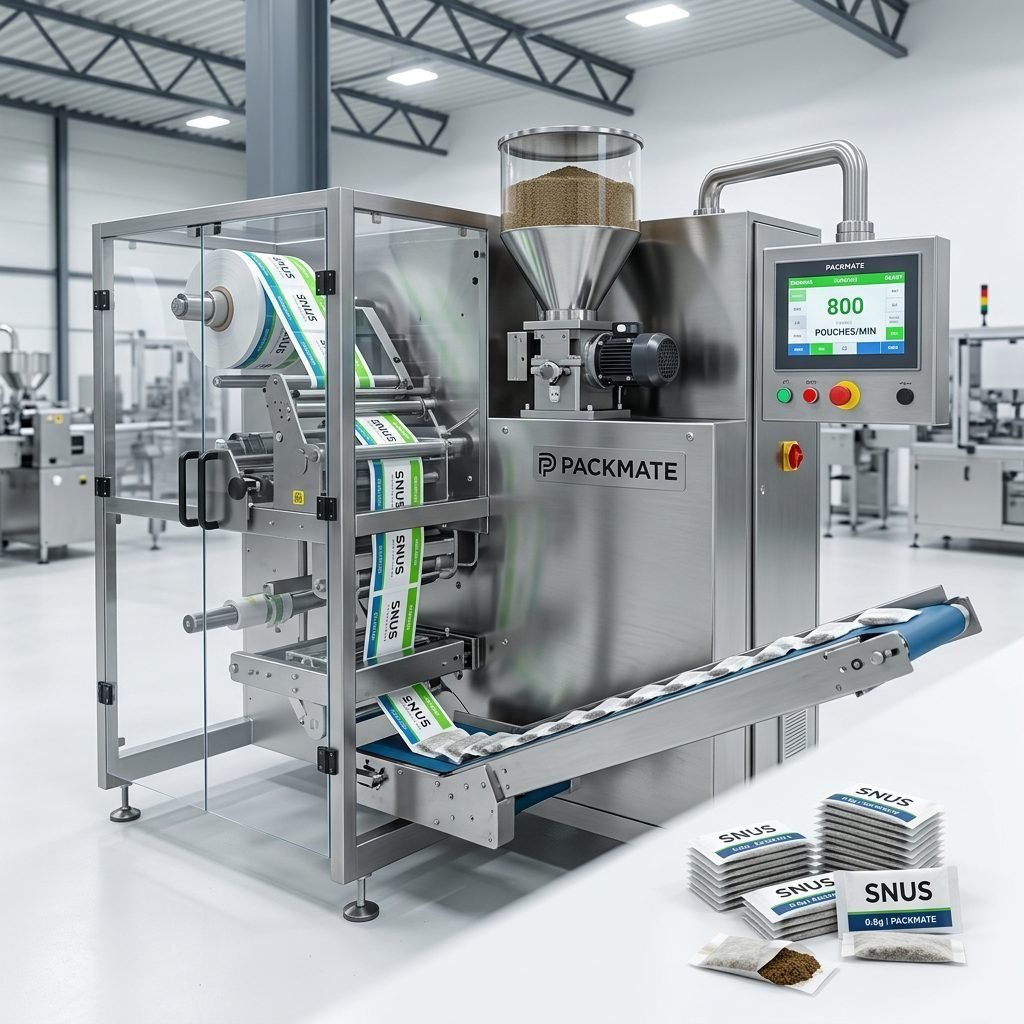
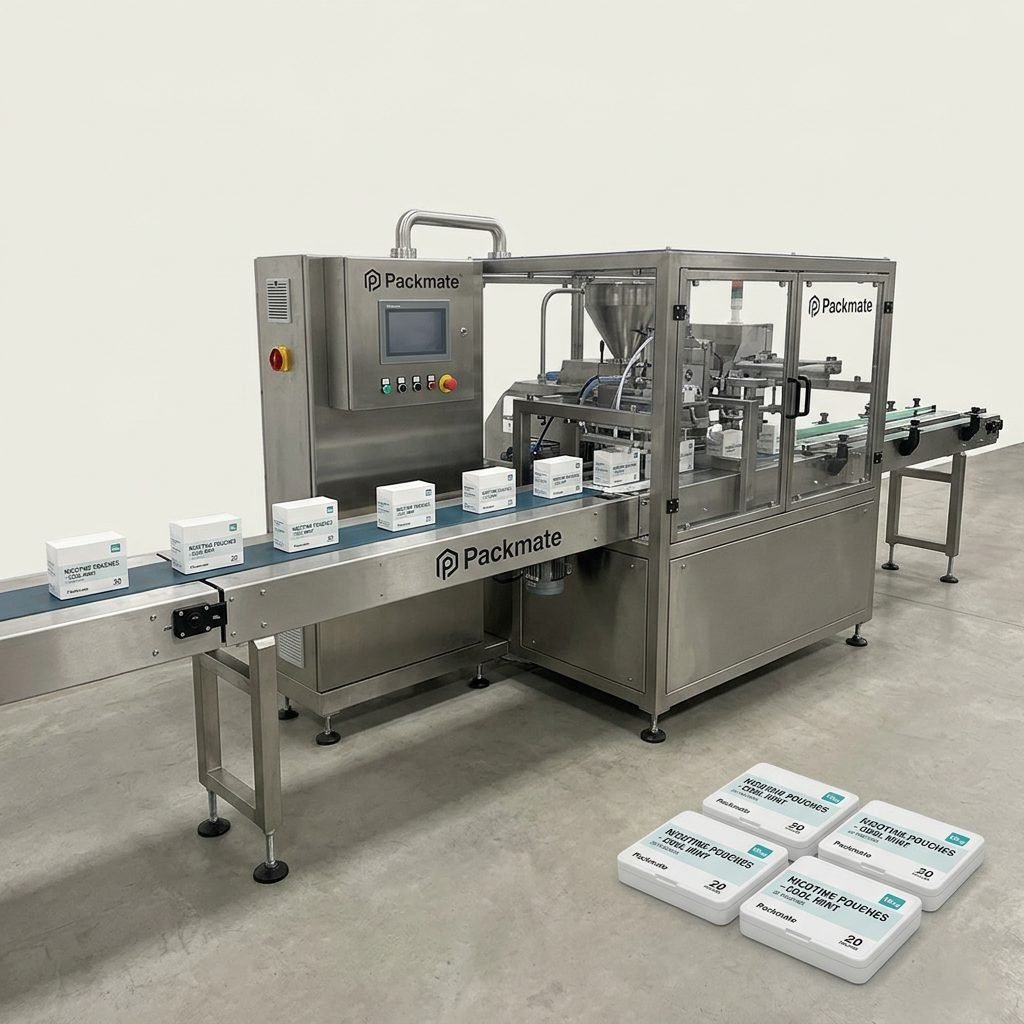
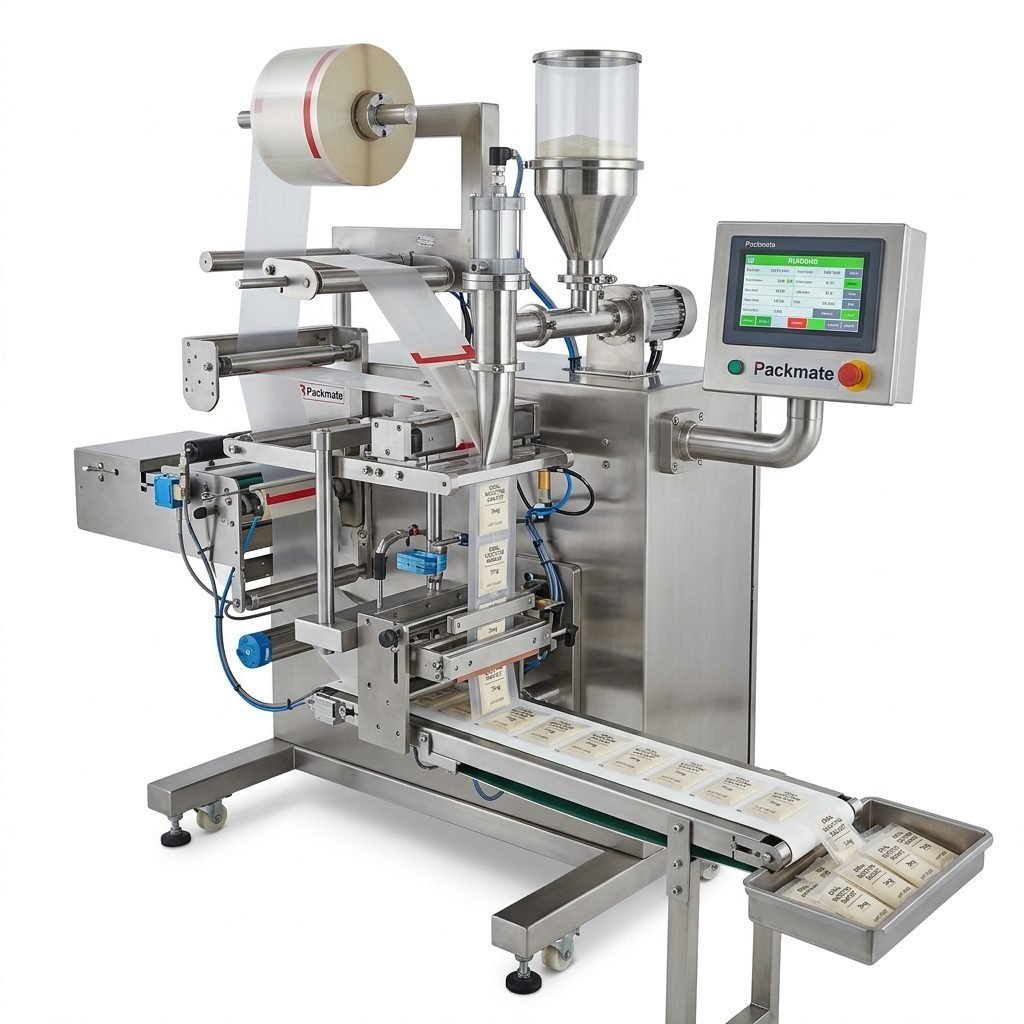
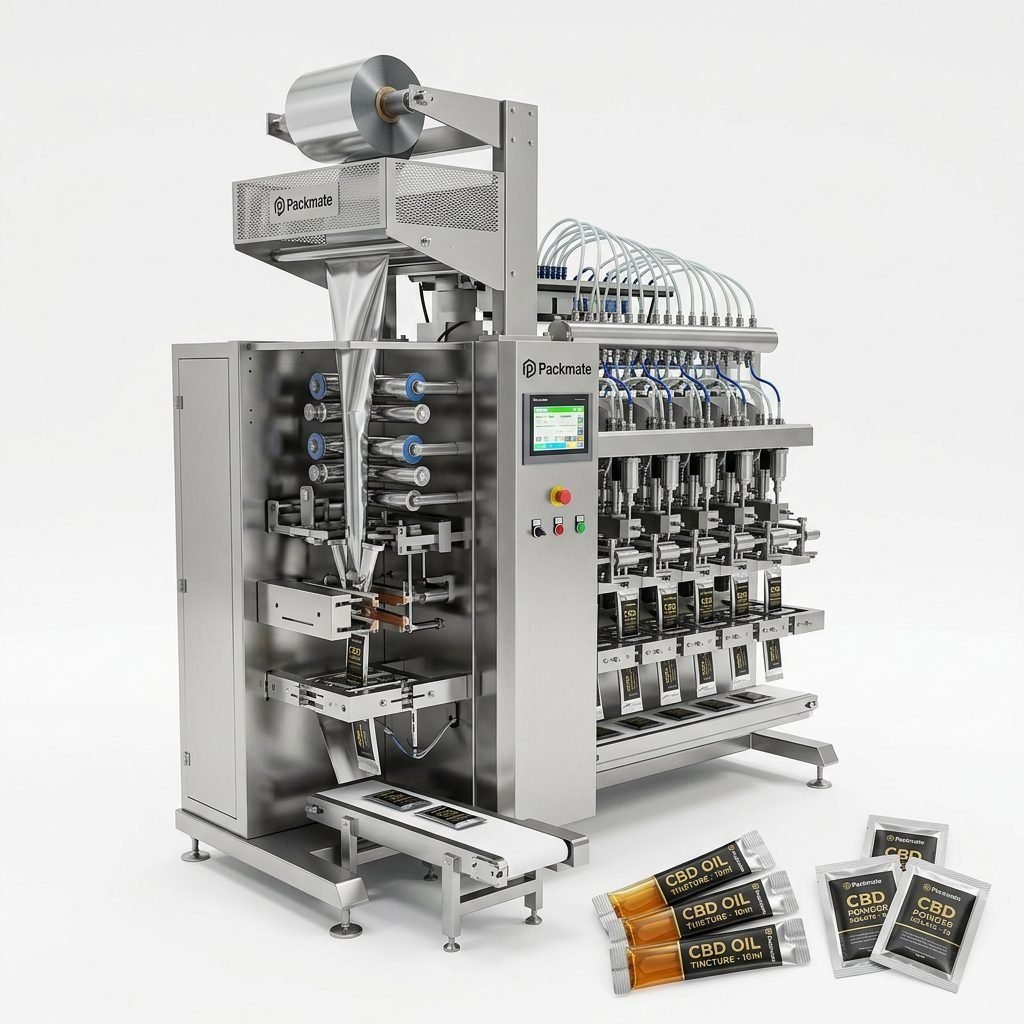
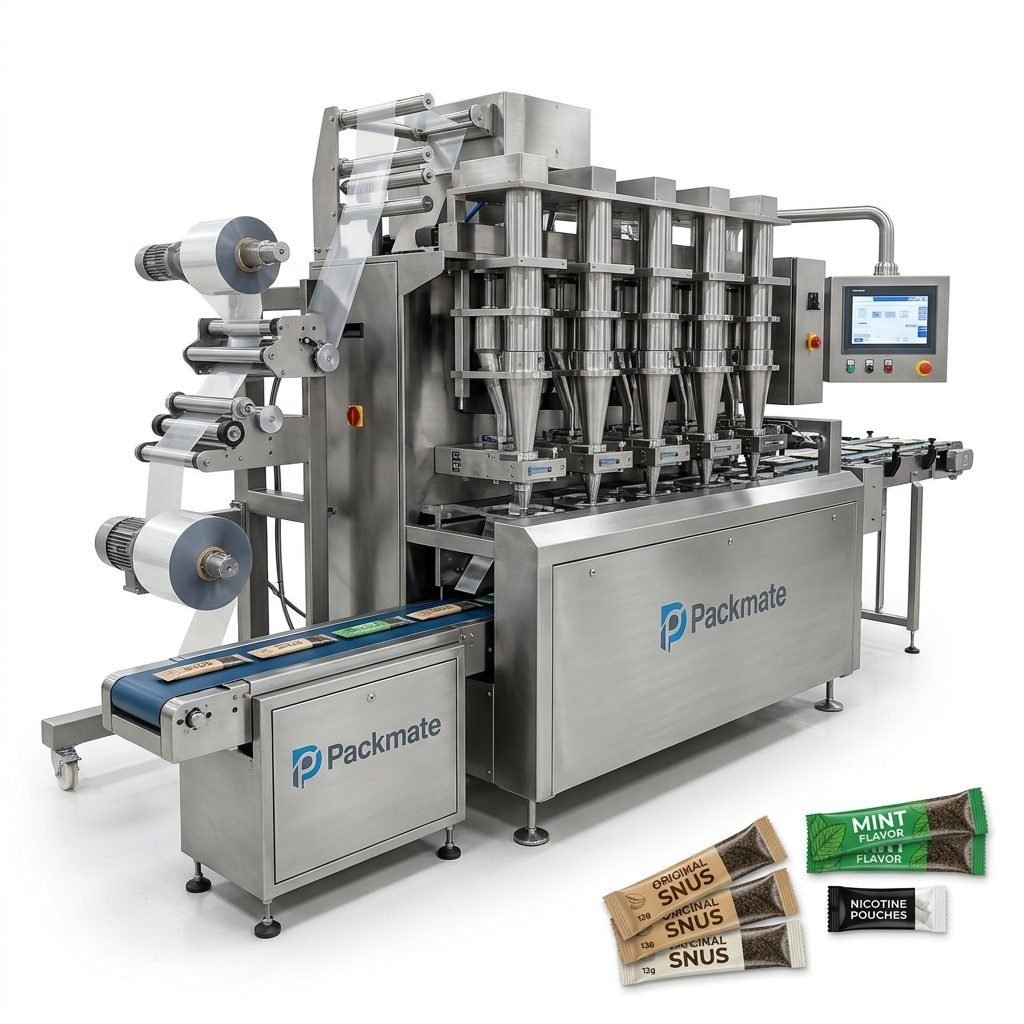
Choosing the right snus machine production capacity is a pivotal decision for any business entering or expanding within the nicotine pouch and snus market. This guide helps packaging line managers, operations directors, and factory owners understand the variables that determine capacity, how to evaluate different machine types, and how to match equipment to business goals for reliable, scalable production.
Understanding Production Capacity: What It Really Means
Production capacity is not just a number on a datasheet. It represents the intersection of machine design, product format, operating shifts, and real-world efficiency. Rated speeds (bags/min or pouches/min) are ideal values; practical throughput depends on changeover time, material quality, operator skill, and downtime for maintenance. When assessing capacity, convert ideal speed into Effective Daily Throughput by factoring in uptime, breaks, and material handling.
Key Capacity Metrics to Track
Monitor these metrics when comparing machines or designing a line:
- Rated speed (pouches/minute)
- OEE (Overall Equipment Effectiveness)
- Average changeover time between SKUs
- First-pass yield and rejection rate
- Maintenance downtime per month
Machine Types and Their Typical Capacities
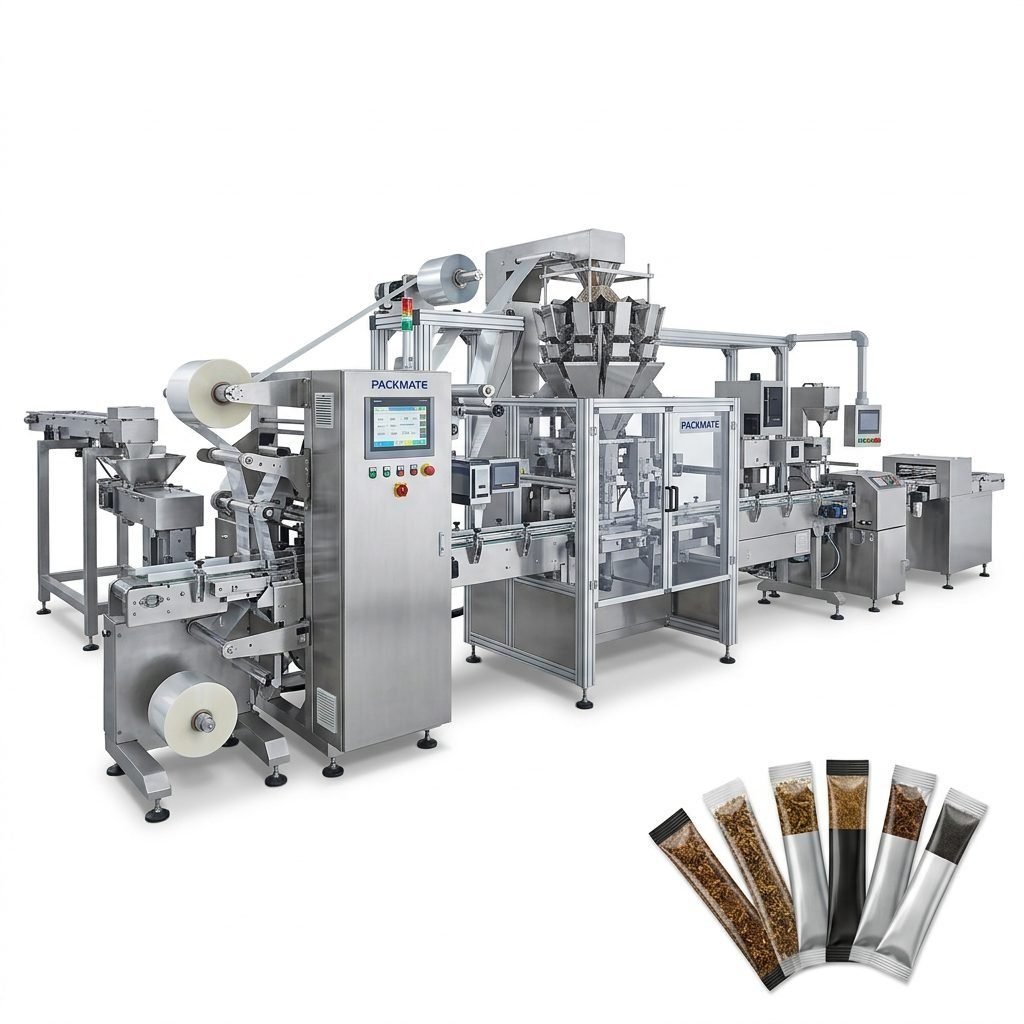
Selecting the right equipment type begins with understanding how machine architecture maps to capacity and product formats. Below are common configurations used for snus and nicotine pouch production.
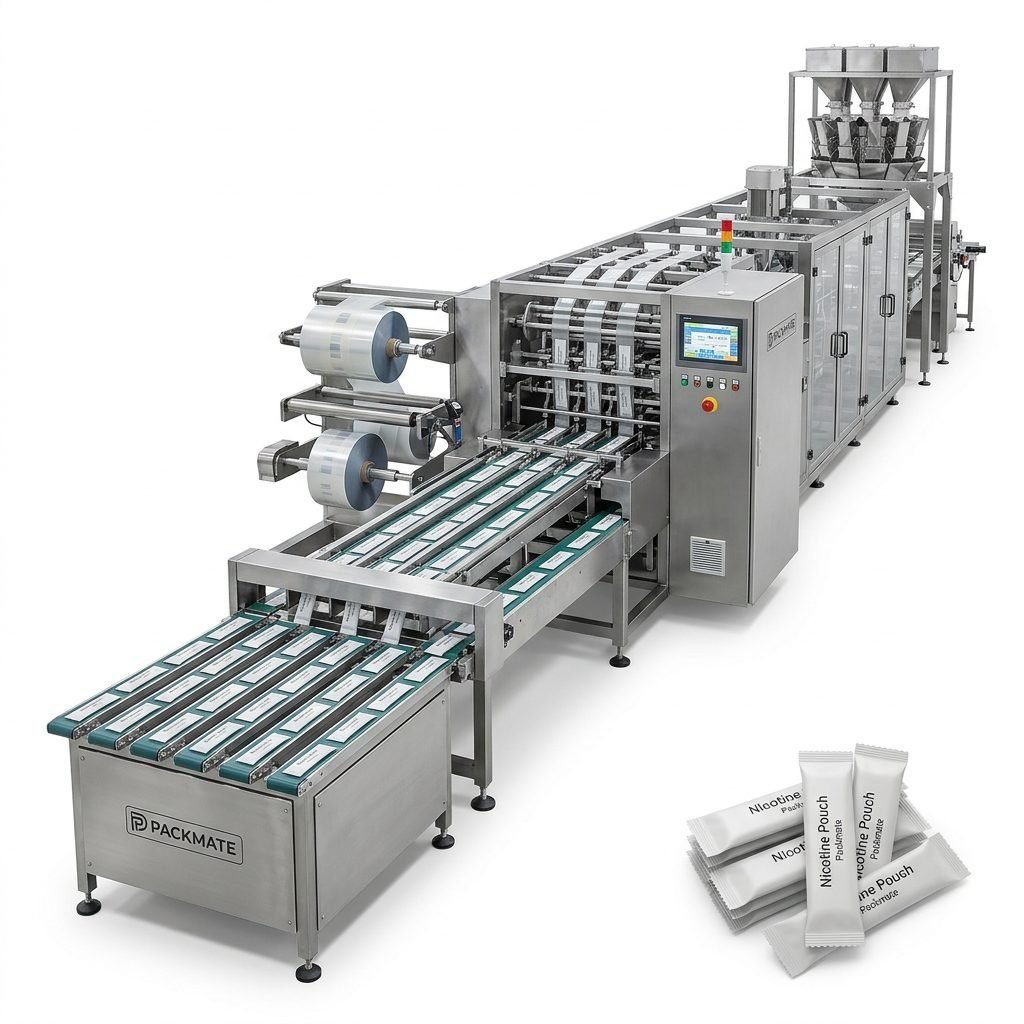
Multi-lane Pouch Machines (High-Speed)
Multi-lane systems use multiple lanes to form, fill, and seal many pouches simultaneously. These machines are ideal for high-volume manufacturers targeting thousands to tens of thousands of pouches per hour. Expect very high rated speeds, but capacity gains depend on upstream dosing feeders and downstream packaging.
Tip:
If planning for future growth, favor modular multi-lane platforms that can be upgraded by adding lanes or faster feeders rather than replacing the entire machine.
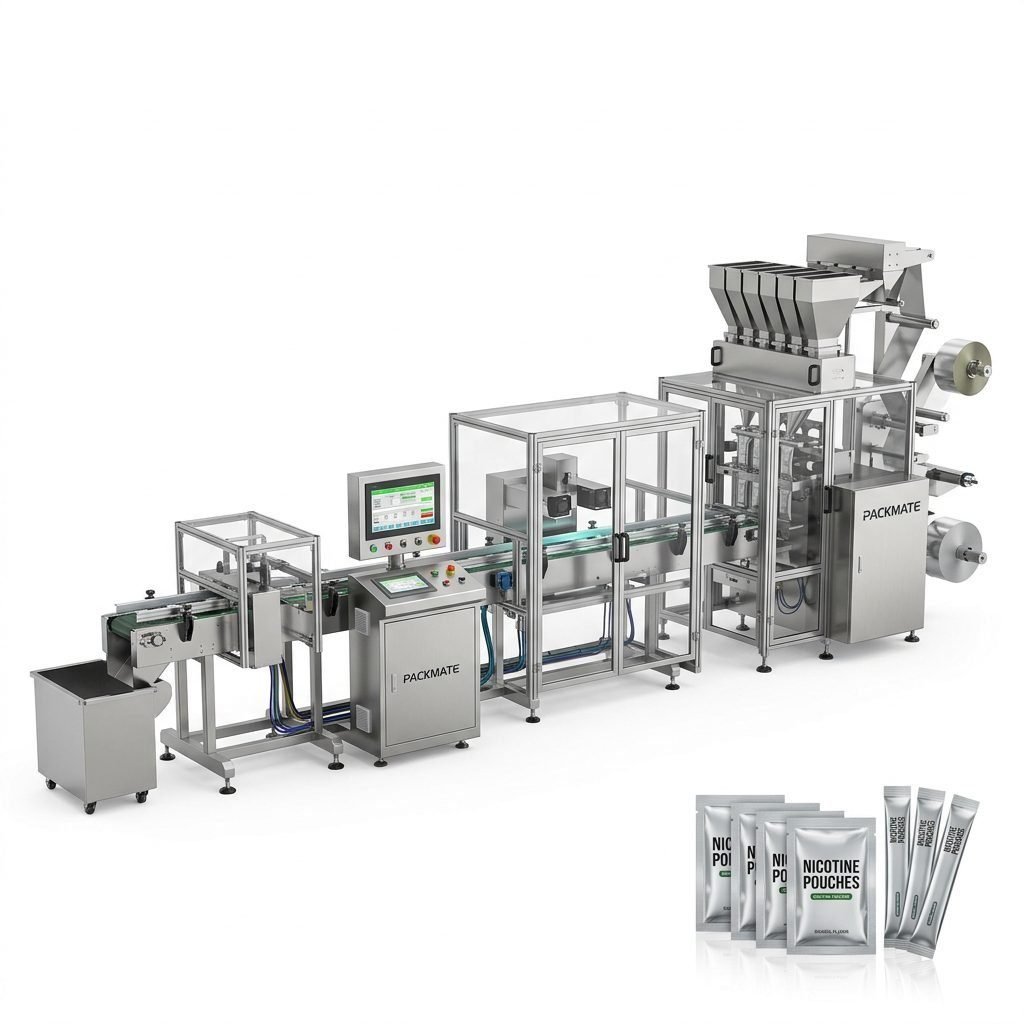
Stick Pack and Sachet Machines (Medium to High Speed)
Stick and sachet machines are versatile for single-dose and multi-dose nicotine sachets. They can achieve high speeds for lightweight pouches and are often used where format variety (stick, flat sachet) is necessary. Integration with precision weighing systems increases accuracy but may affect cycle time.
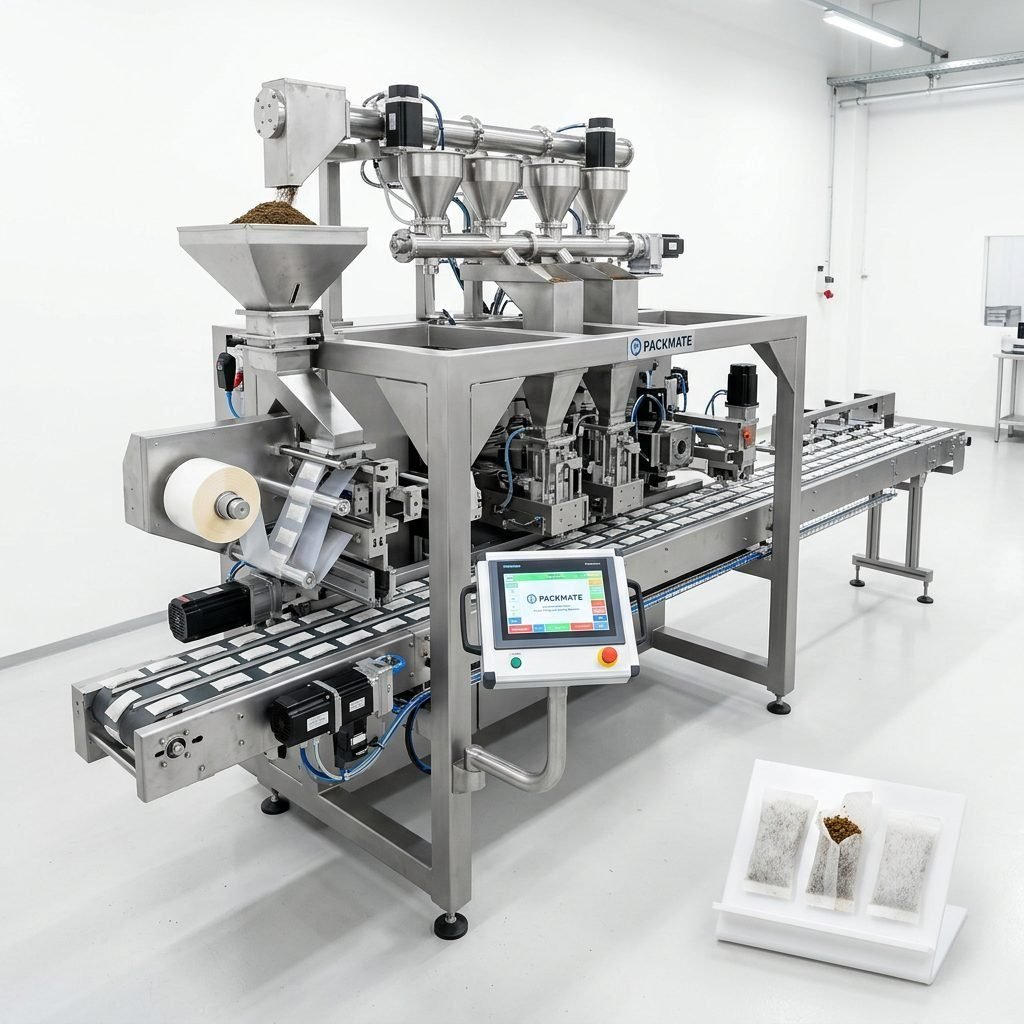
Single-Lane and Specialized Pouch Machines (Low to Medium Speed)
Single-lane equipment is ideal for R&D, small-batch production, or premium formats where product handling must be gentle. Though lower in throughput, these machines offer greater control for niche or highly regulated products.
How to Calculate Required Production Capacity
Use a three-step approach to determine the right capacity for your business:
1. Define Demand and SKU Mix
Start with sales forecasts by SKU. Consider seasonality, promotional spikes, and regional demand. If you plan multiple SKUs with different weights and pouch formats, compute the production hours needed per SKU.
2. Convert Demand to Machine Hours
Example formula:
Required machine hours = (Annual units required) / (Average units per hour per machine × Planned uptime fraction)
3. Factor in Redundancy and Growth
Always plan for at least 10–20% spare capacity to cover machine failures, scheduled maintenance, and future growth. Modular machines that scale are often a better investment than machines that just meet current demand.
Calculation Example:
If a 4-lane machine produces 6000 pouches/hour and your target is 30,000 pouches/week with 80% uptime, you would require roughly one machine running two shifts, or consider adding a second unit for redundancy.
Operational Considerations That Affect Output
Rated machine speed is only part of the story. These operational factors materially affect how many units you can produce each day.
Material Handling and Feeders
Precise dosing systems, bulk hoppers, and vibratory feeders must match the machine’s cycle demands. Underperforming feeders will throttle machine speed and increase rejects.
Operator Training and SOPs
Skilled operators and clear Standard Operating Procedures reduce changeover times and waste. Invest in training during installation and implement quick-change tooling where possible.
Maintenance Strategy
Preventive maintenance schedules and a good spare parts policy keep downtime predictable. Consider OEM service contracts for critical lines to secure uptime.
Selecting Features to Match Capacity Goals
Beyond speed, consider features that support sustained throughput and efficient operation.
- Automatic format changeover systems
- Integrated quality inspection (vision systems)
- High-precision weighing for consistent pouch weight
- Modular conveyor and collection systems for downstream packing
- Industry-standard controls and remote diagnostics
Must-have for high-capacity lines:
integrated weighing and dosing that synchronizes with lane speed to avoid bottlenecks and reduce rejects.
Evaluating Suppliers and Factory Strength
When choosing a machine supplier, factory capability and post-sale support are as important as the machine specification. Look for suppliers with proven experience in snus and nicotine packaging.
What to Verify from Your Supplier
– Production facility size and capability (CNC, precision assembly)
– Years of industry experience and number of machine models delivered
– Certifications (CE, ISO) and quality control systems
– Availability of spare parts and technical support network
Packmate Snus Machine is an example of a supplier with deep experience: a 20,000㎡ factory, 30+ years of engineering experience, and a variety of multi-lane and stick pack systems that serve global markets. Learn more about product ranges such as Snus & Nicotine Packaging Machines and Sachet & Stick Pack Machines.
Integration and Turnkey Solutions
For high-capacity production, single machines are rarely standalone. Full production lines include filling systems, weighing, conveyors, cartoning, and end-of-line packaging. Consider suppliers who provide complete solutions so that all components are designed to work together.
Explore turnkey offerings like Filling & Packaging Lines and Weighing & Packaging Systems when planning a high-capacity installation.
Cost Considerations: CAPEX, OPEX and ROI
Upfront cost matters, but it’s more important to evaluate total cost of ownership: energy consumption, spare parts, tooling, and downtime risk. Higher initial investment in robust, modular equipment often yields a better ROI due to reduced downtime and longer service life.
Remember:
Cheaper machines may save CAPEX but increase OPEX through higher maintenance and lower yields. Model the expected throughput, scrap, and maintenance costs over 3–5 years to make a data-driven choice.
Checklist Before Purchase
Use this checklist to minimize surprises:
- Confirm rated and realistic throughput for your SKU mix
- Validate vendor factory capabilities and references
- Ensure spare parts availability and lead times
- Plan for operator and maintenance training
- Check integration with upstream and downstream equipment
- Review warranty terms and service contracts
Real-World Case: Scaling with Multi-lane Systems
A European snus brand scaled from a single-lane pilot to a 4-lane production line in under 12 months by working with an experienced supplier. The modular multi-lane platform reduced per-unit cost and allowed rapid SKU scaling. For examples of application cases and global projects, see supplier case references such as Case.
When to Upgrade vs. Buy More Machines
Upgrade existing modular machines if bottlenecks are lane-limited or due to feeders. Buy additional machines if you need redundancy, separate lines for regulatory segregation, or dramatically higher throughput that a single platform cannot provide even with upgrades.
Support, Training and Local Service
Fast, local technical support reduces the risk of extended downtime. Choose a vendor with spare parts warehousing, remote diagnostics, and field service. Confirm training packages for operators and maintenance personnel as part of the purchase agreement.
Interested in meeting suppliers or checking the equipment in person? Attend international exhibitions to see live demonstrations and discuss turnkey solutions—see upcoming events at Our Exhibition.
Final procurement tip:
Request an on-site acceptance test and a trial production run with your actual materials and packaging film before final payment.
Conclusion
Determining the right snus machine production capacity requires a holistic view of demand forecasts, machine architecture, operational practices, and supplier capabilities. Prioritize modular, serviceable equipment from reliable manufacturers with a history in snus and nicotine pouch packaging, and plan for growth and redundancy to protect production continuity.
Frequently Asked Questions
Q1: How do I convert machine speed to daily output?
A1: Multiply rated pouches per minute by operating minutes per shift, then by number of shifts, and finally by expected uptime fraction (for example 0.8 for 80% real uptime).
Q2: Are multi-lane machines always the best option for scaling?
A2: Multi-lane machines offer excellent throughput for similar-format SKUs, but if SKU variety is high or formats are delicate, a mix of multi-lane and single-lane lines may be optimal.
Q3: What is the typical lead time for a high-capacity snus packing line?
A3: Lead time varies with customization and supplier workload. From order to factory acceptance, expect anywhere from 12 to 28 weeks for custom, turnkey lines—confirm schedules with the vendor.
Q4: How important is supplier certification?
A4: Very important. Certifications like CE and ISO indicate adherence to international manufacturing and safety standards, which affects machine reliability and regulatory compliance.
Q5: Where can I find more information or request a quote?
A5: Contact established suppliers with snus expertise and global service networks. For company information, product catalogs, and contact channels, see resources such as About Packmate or Contact Us.