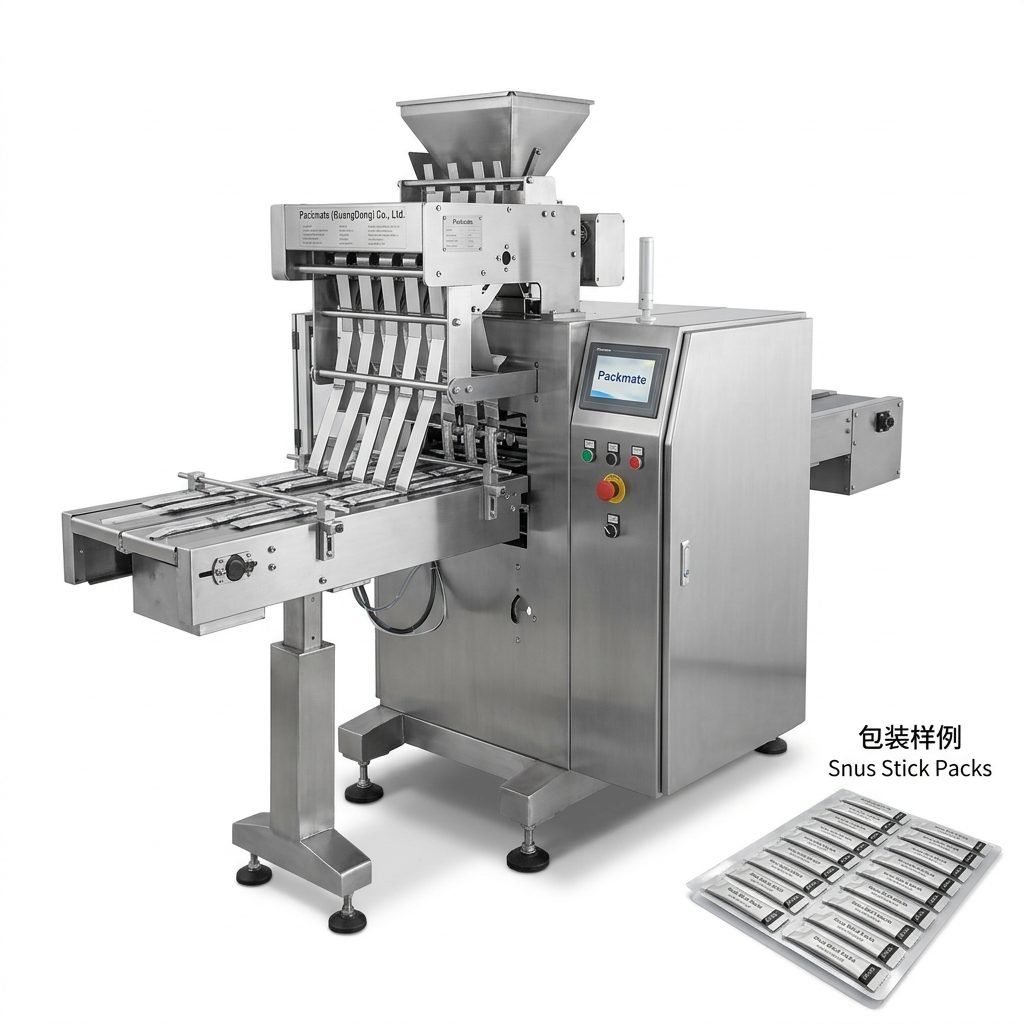
Entering the Iranian snus and nicotine pouch market requires careful supplier selection. Whether you are importing for manufacturing, private labeling, or distribution, finding a reliable snus packaging machine supplier is critical to ensure production stability, regulatory compliance, and long-term cost control. This guide walks you through practical steps, local considerations, technical checks, and negotiation tactics—helping buyers in Iran make confident sourcing decisions.
Why Choosing the Right Supplier Matters in Iran
Iran’s market environment blends strict import procedures, cultural norms, and strong preferences for reliable after-sales service. A supplier who understands customs requirements, local documentation, and the need for clear technical training will reduce delays and unexpected costs. Additionally, local businesses often value long-term partnerships and timely spare parts support more than just the lowest initial price.
Key takeaway: For Iran buyers, prioritize suppliers who can provide clear export documentation, remote and onsite service, and spare parts stocked to minimize downtime.
Step-by-Step: How to Find a Reliable Snus Packaging Machine Supplier
1. Start with verified manufacturer profiles
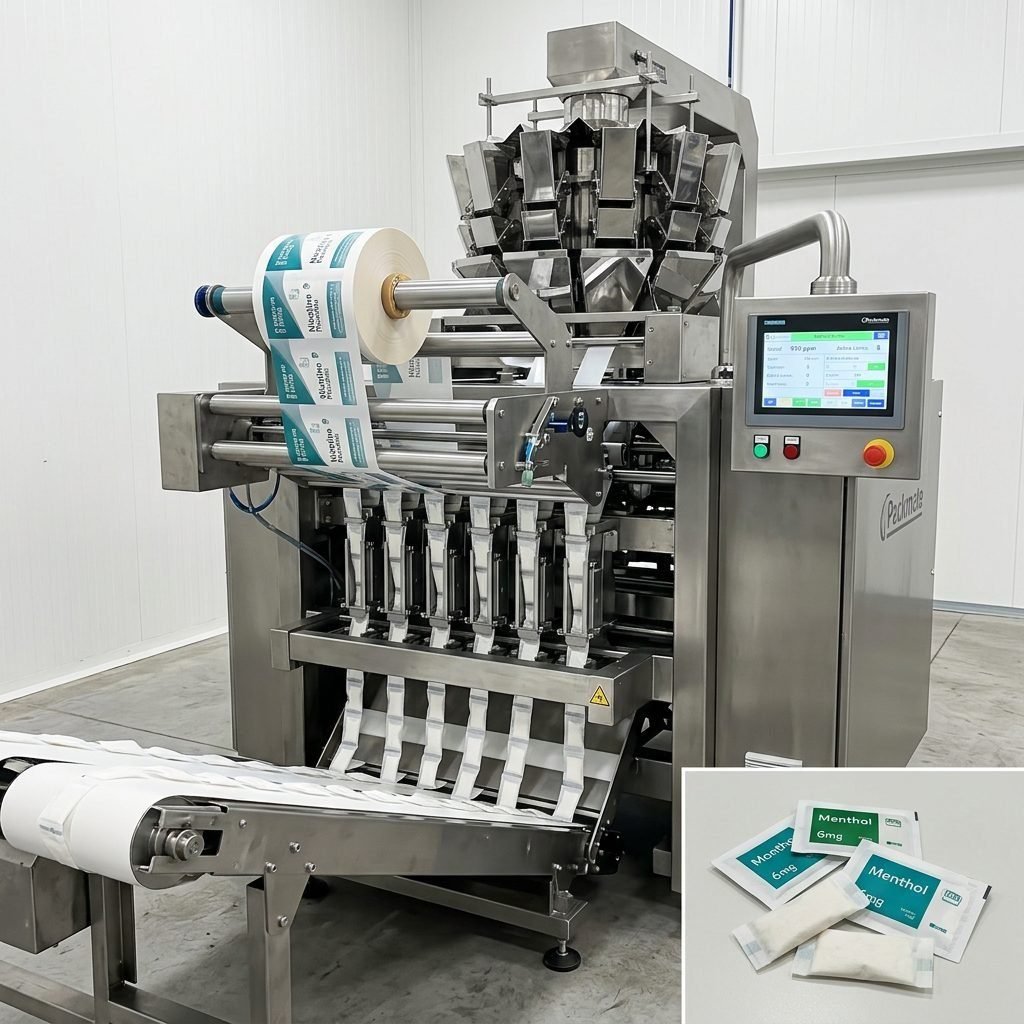
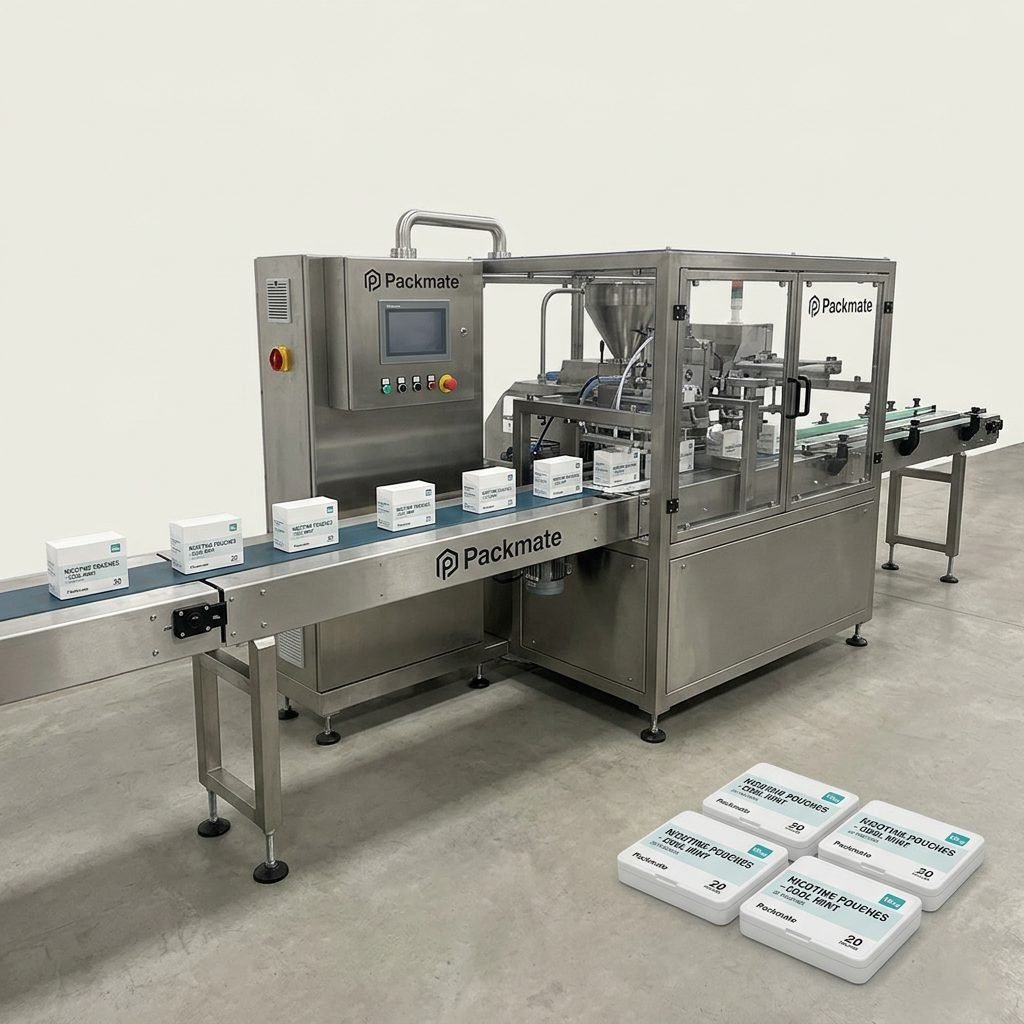
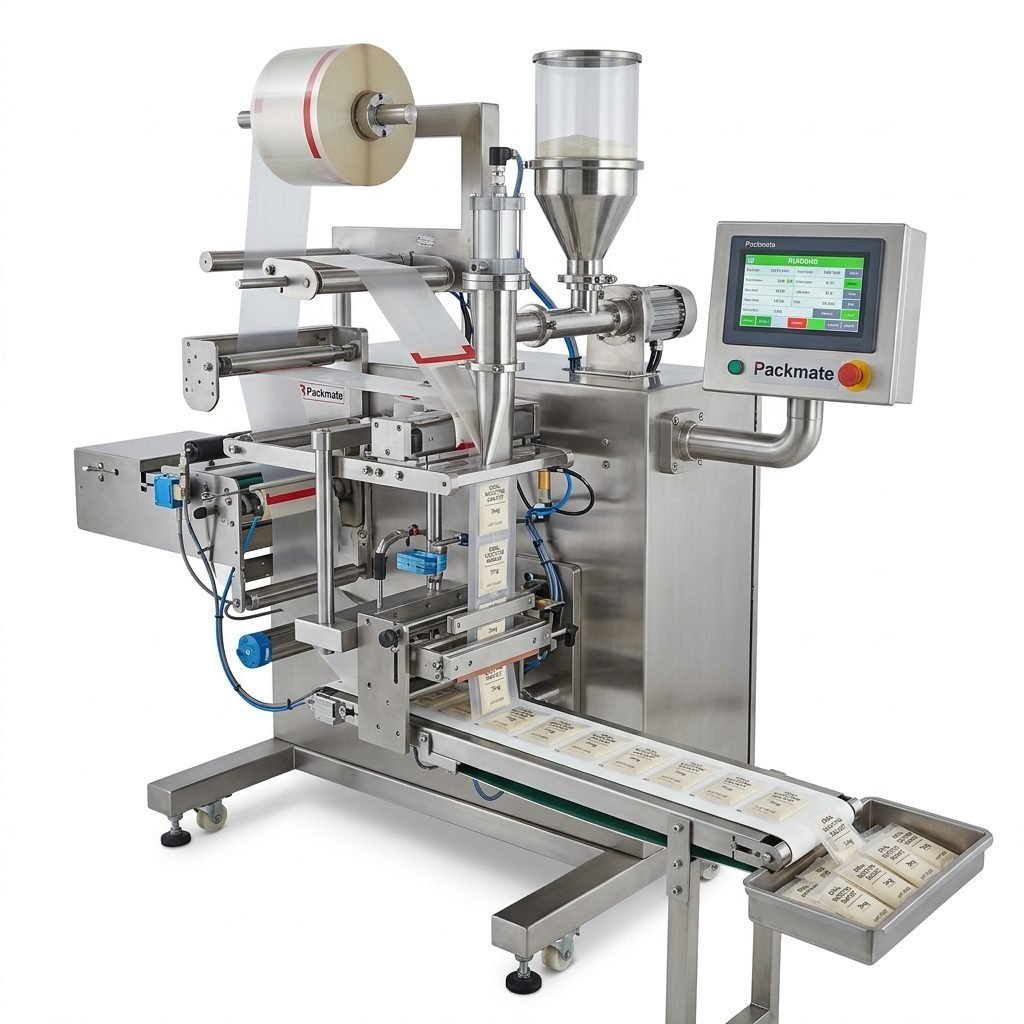
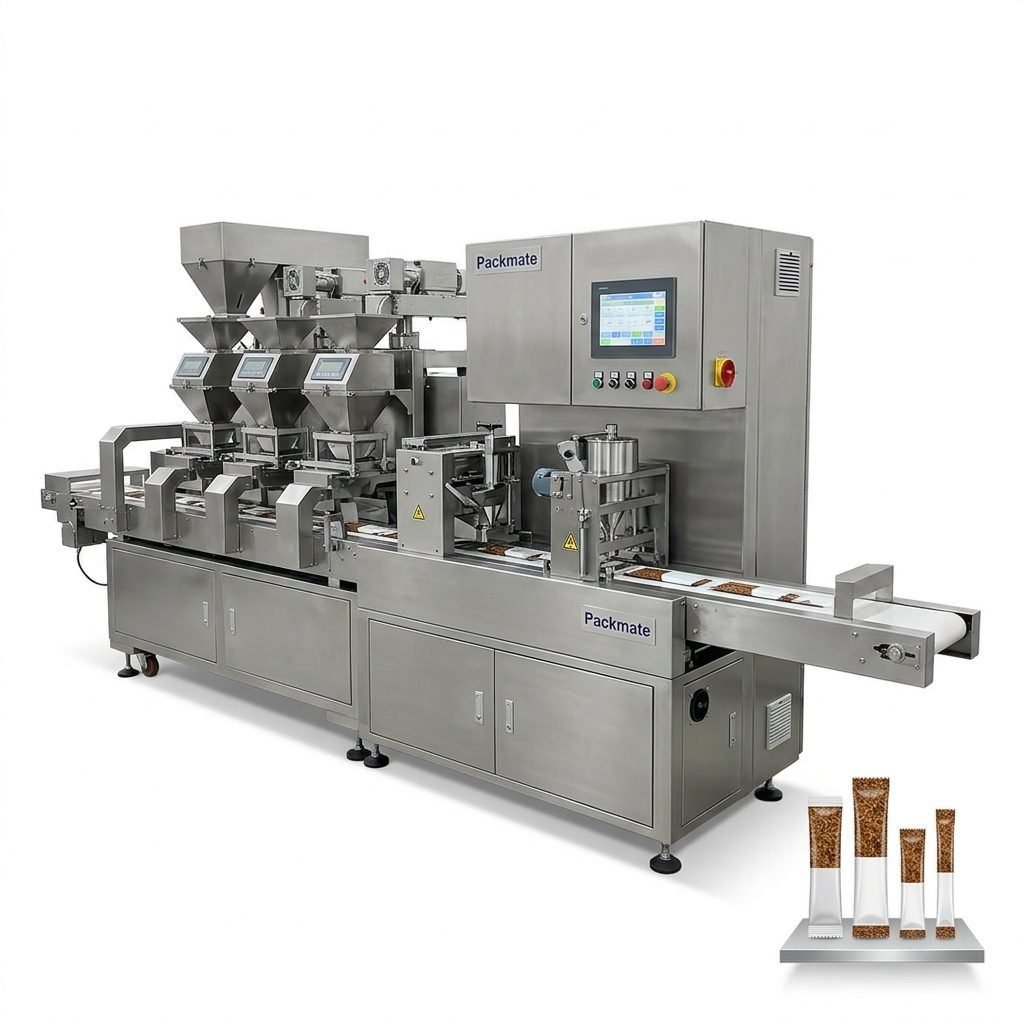
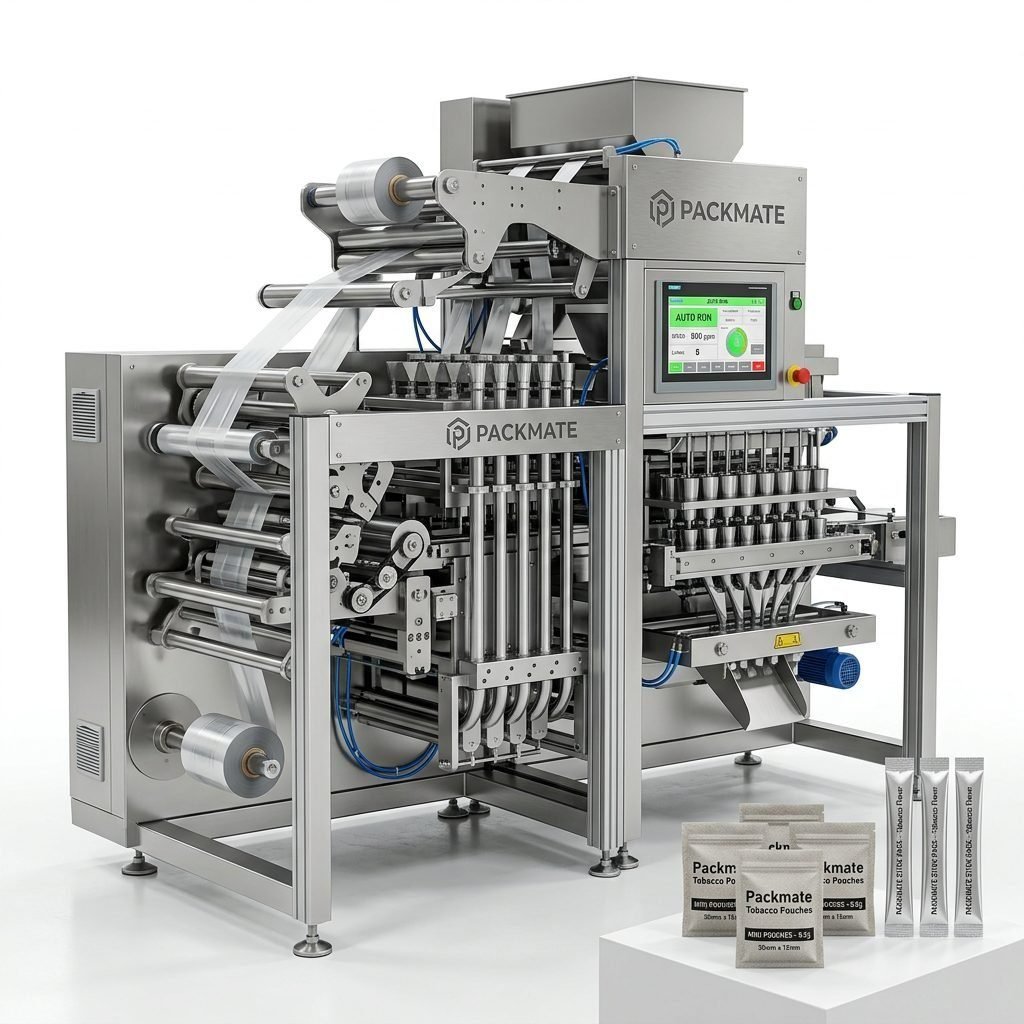
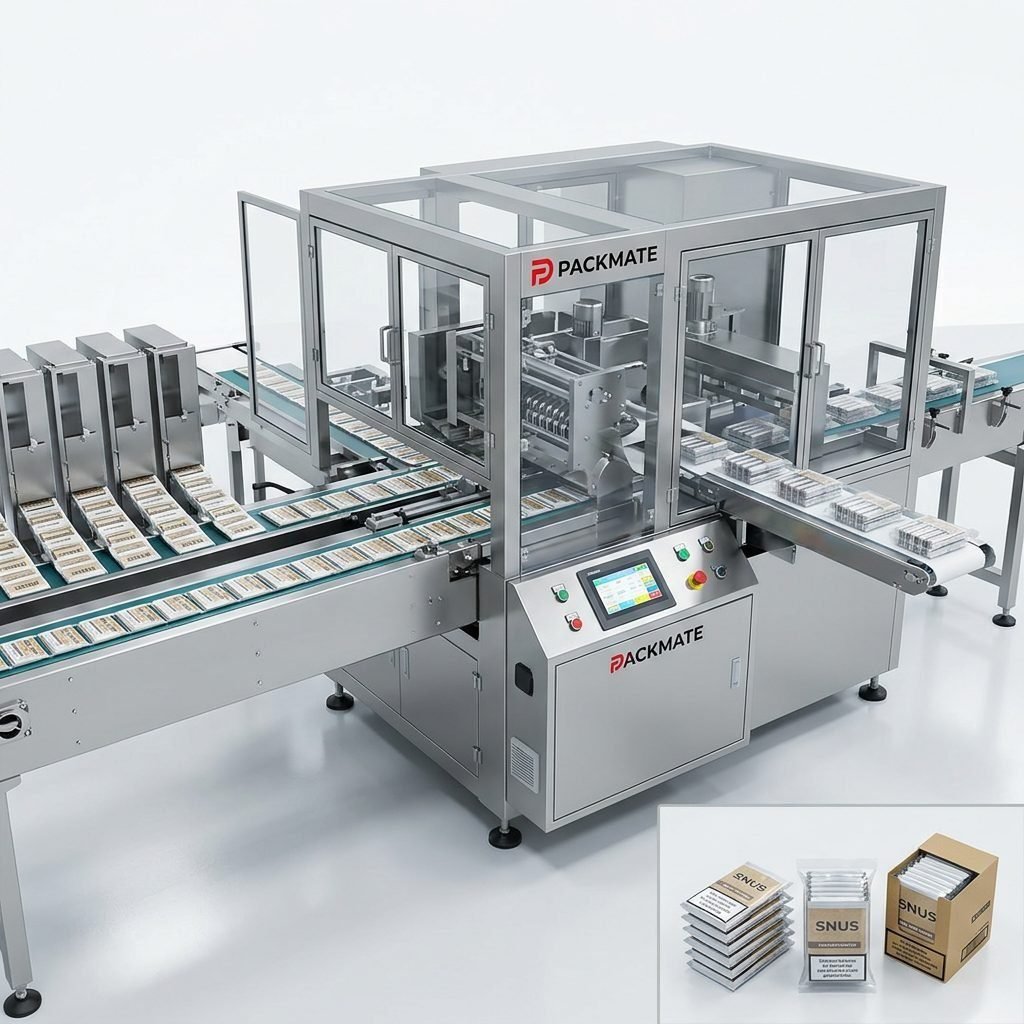
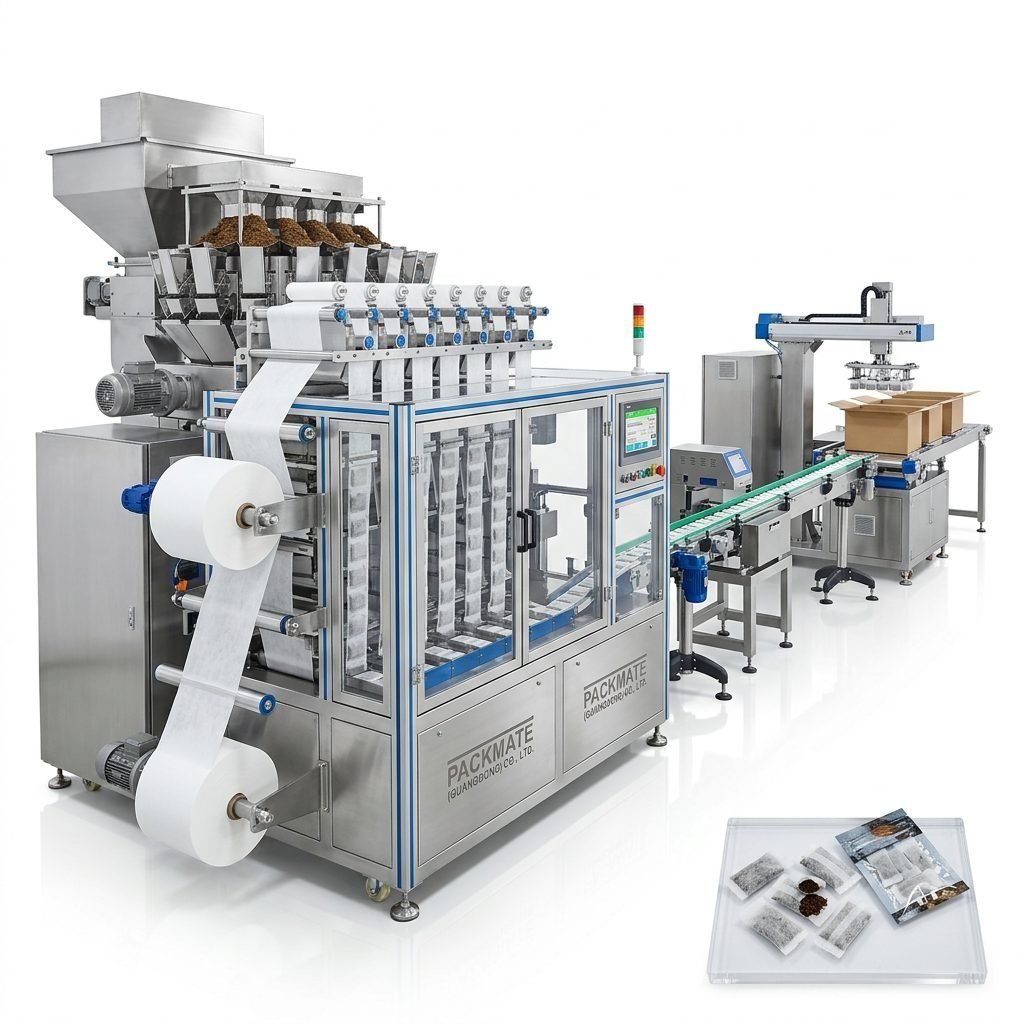
Look for manufacturers with long industry experience, clear factory information, and multiple machine models. A supplier with a dedicated snus/nicotine packaging line and turnkey capabilities is preferable because they understand small-dose pouch production and regulatory nuances. For example, companies that publish detailed product lines such as snus & nicotine packaging machines often have broader technical depth. Explore official product pages to compare machine types and features.
2. Check certifications and compliance
Verify CE, ISO, and other quality certificates. Even if CE is primarily a European standard, it demonstrates a manufacturer’s commitment to safety and design practices. Ask suppliers for scanned certificates and request references from global customers to validate claims.
3. Review machine portfolio and case studies
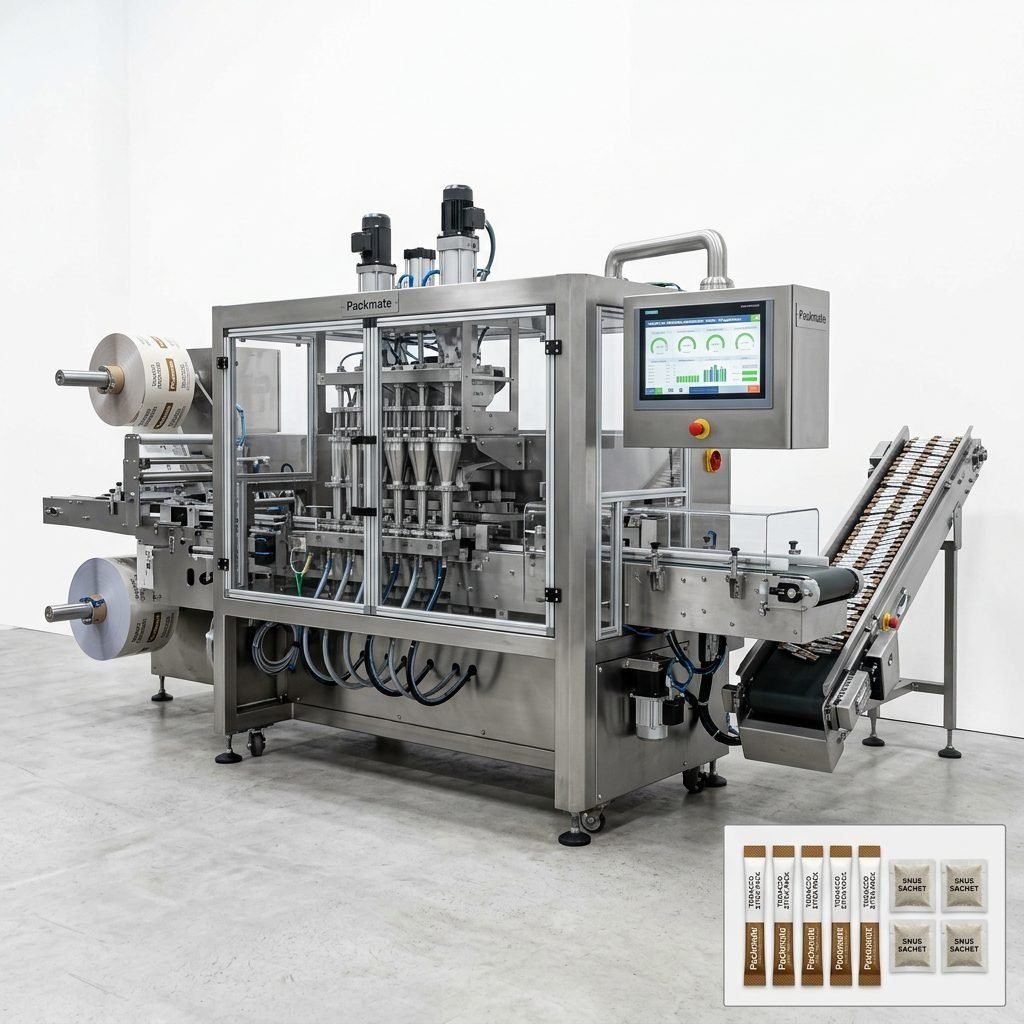
A diverse portfolio (stick pack, sachet, multi-lane systems) signals manufacturing maturity and the ability to customize. Check real-world use cases and customer success stories to see performance metrics and on-site challenges. Case studies also reveal how the supplier solves installation and training issues—important for buyers in Iran who may need remote guidance or local partner introductions.
Visit a company’s case page and product catalogs for practical details: Case, Snus & Nicotine Packaging Machines.
Technical Criteria: What to Evaluate on the Machine Specification Sheet
When comparing offers, use a checklist to evaluate each model objectively. Below are the most important technical items.
- Production speed (pouches per minute) and whether speed is per lane or total for multi-lane systems.
- Number of lanes (multi-lane systems reduce cost per pouch on high-volume lines).
- Compatibility with your pouch materials (paper, foil, PET laminate) and sealing methods.
- Filling accuracy for micro-doses—critical for nicotine pouches. Check dosing technology (auger, piston, multi-head weighers).
- Changeover time between sizes and ease of adjustments.
- Automation features: servo control, HMI, remote diagnostics, and recipe storage.
- Maintenance access, spare parts list, and standard wear components.
⚙️ Important: Always request a detailed spare parts list and a sample production run video with your exact pouch material to verify filling accuracy and sealing quality.
Factory Visit & Audit Checklist
If possible, perform an on-site audit or hire a third-party inspector. For Iranian buyers, asking the supplier for an independent inspection report or factory video walk-through can substitute if travel is restrictive.
- Confirm machine assembly area and CNC capabilities—this shows precision parts-making capacity.
- Inspect electrical and control cabinets—neat wiring and labeled components indicate quality.
- Ask about testing procedures: run tests for at least 1 hour on your product to check stability.
- Discuss lead times for spare parts and typical warranty response times.
After-Sales Service & Training — Non-Negotiable for Iran
Due to customs clearance and potential distances, robust after-sales support is essential. Confirm whether the supplier offers:
- Remote commissioning and video-guided installation.
- Onsite engineer dispatch options—estimated time and cost for travel to Iran.
- Training packages for local operators in Persian (Farsi) or English, plus operation manuals.
- Spare parts kits and express shipping options.
Reputable suppliers will have a structured training and warranty program. Check pages like the supplier’s Service and About for details.
Local Regulations, Customs & Documentation in Iran
Regulations for tobacco and nicotine products vary by country. Always consult a local lawyer or customs broker about import permissions, required labeling, and taxes. Typical documentation you will need:
- Commercial invoice with accurate HS codes and machine descriptions.
- Packing list, certificate of origin (if preferential rates apply), and manufacturer certificates (CE/ISO).
- Warranty and performance certificates, and a clear statement on electrical specifications to match Iran’s grid (voltage/frequency).
- Any testing or health certificates if items are classified under nicotine control—confirm locally.
Note: Iran has specific import rules and documentation expectations—engage a local customs agent early to avoid delays and extra costs.
Price, Payment Terms & Risk Management
Price alone should not be the deciding factor. Consider total landed cost: machine price, shipping, import duties, installation, spare parts, and potential downtime. Negotiate balanced payment terms like:
- Deposit (20–40%), balance after factory acceptance test (FAT) or before shipment.
- Letter of Credit (L/C) for high-value purchases to reduce payment risk.
- Escrow or staged payment based on milestones (design approval, FAT, shipment).
Ask for performance guarantees and include clear warranty clauses that state response times for parts and technical support.
Installation, Commissioning & Acceptance Testing
Define acceptance criteria in your purchase contract. Typical acceptance items:
- Speed and yield targets under specified pouch material and filler.
- Filling accuracy and permissible weight deviation.
- Operator training completed and documented.
- Spare parts delivered and maintenance manual provided.
For Iranian operations, remote commissioning via video call is often used initially; ensure the contract allows follow-up onsite commissioning if remote work fails.
Common Mistakes Buyers Make — And How to Avoid Them
⚠️ Mistake: Choosing a low-cost supplier without verifying after-sales capacity. The result is longer downtimes and higher lifecycle costs. Ensure you get a documented spare parts availability policy.
✓ Tip: Ask for a local reference or a nearby installed machine contact to confirm real-world performance.
Why Consider Packmate and Similar Experienced Manufacturers
Manufacturers with decades of engineering background and dedicated snus machine lines typically provide more reliable turnkey solutions. They are more likely to have:
- Specialized multi-lane designs for small-dose pouch production.
- Advanced machining capacity and well-documented QA processes.
- Global exhibition presence and documented global partnerships—helpful for trust and verification.
Learn more about capabilities on manufacturer pages such as About Packmate and view their product range on the Snus & Nicotine Packaging Machines page.
Negotiation Checklist: Protect Your Investment
Before signing, ensure the contract covers:
- Clear technical specifications and acceptance criteria.
- Warranty period and exact scope (electrical, mechanical, wear parts).
- Spare parts lead time and pricing guarantees for a defined period.
- Training, documentation language, and remote support provisions.
- Shipping INCOTERMS and responsibility for customs clearance and duties.
Final Checklist Before Purchase
- Get a machine trial video using your actual pouch material and filler.
- Confirm spare parts list and recommended inventory (1–3 months’ coverage).
- Agree on clear FAT procedures and acceptance tests.
- Ensure language support for manuals and training (Farsi preferred for many Iranian operators).
Action step: Ask the supplier for an installation and spare parts timeline in writing—this clarifies expectations and reduces risk.
Useful Links & Resources
For detailed product lines and technical catalogs, check official resources: Bag & Pouch Packaging Machines, Sachet & Stick Pack Machines, and for real-world project references visit Case.
Conclusion
Buying a snus packaging machine for the Iranian market is a multidimensional decision—technical fit, regulatory readiness, and after-sales support all influence the long-term success. Prioritize suppliers with proven snus expertise, clear certification, and the ability to support installation and spare parts logistics. Use factory audits, sample runs, and clear contractual acceptance criteria to reduce risk and secure a reliable production line.
Common Questions (FAQs)
Q1: What documents are essential for importing packaging machines into Iran?
A: Commercial invoice, packing list, certificate of origin, machine CE/ISO certificates, and clear electrical specifications. Work with a local customs broker to confirm any additional health or regulatory documents.
Q2: How important is a factory acceptance test (FAT)?
A: Very important. FAT verifies that the machine meets agreed speed, filling accuracy, and stability criteria before shipment—reducing disputes and costly rework after delivery.
Q3: Can suppliers provide training in Persian (Farsi)?
A: Many experienced suppliers offer multilingual manuals and can arrange Farsi-speaking technicians or local partners. Confirm language options early to ensure effective operator training.
Q4: What spare parts should I stock for a snus packaging line?
A: Keep critical wear parts, belts, cutters, seals, sensors, and key electrical components—enough for 1–3 months of production depending on usage. Request a recommended spare parts kit from the supplier.
Q5: How can I validate a supplier’s claim of experience in snus packaging?
A: Ask for specific case studies, client references, and videos of machines running your type of pouch. Cross-check exhibitions and certificates, and consider third-party factory inspections.
If you want direct contact with experienced suppliers, visit the manufacturer’s contact page and request detailed proposals and FAT plans: Contact Us.