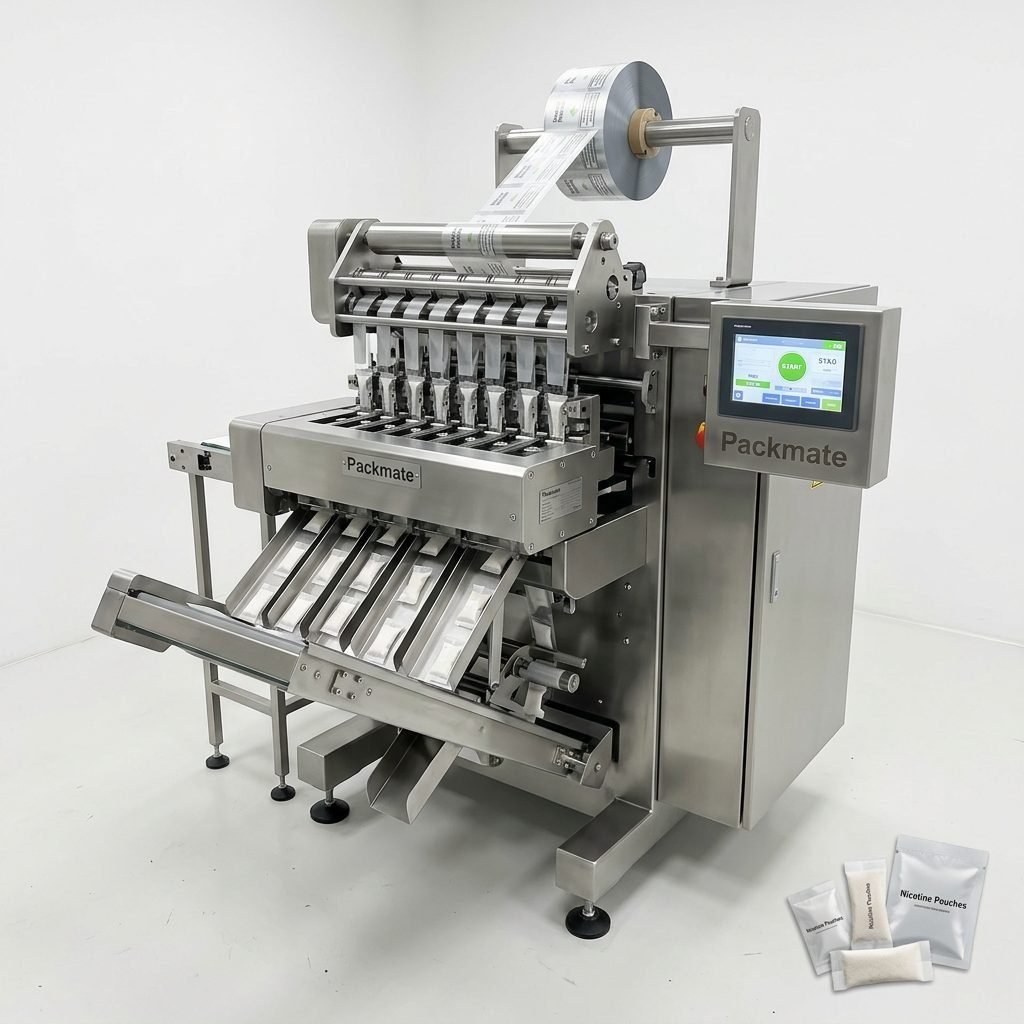
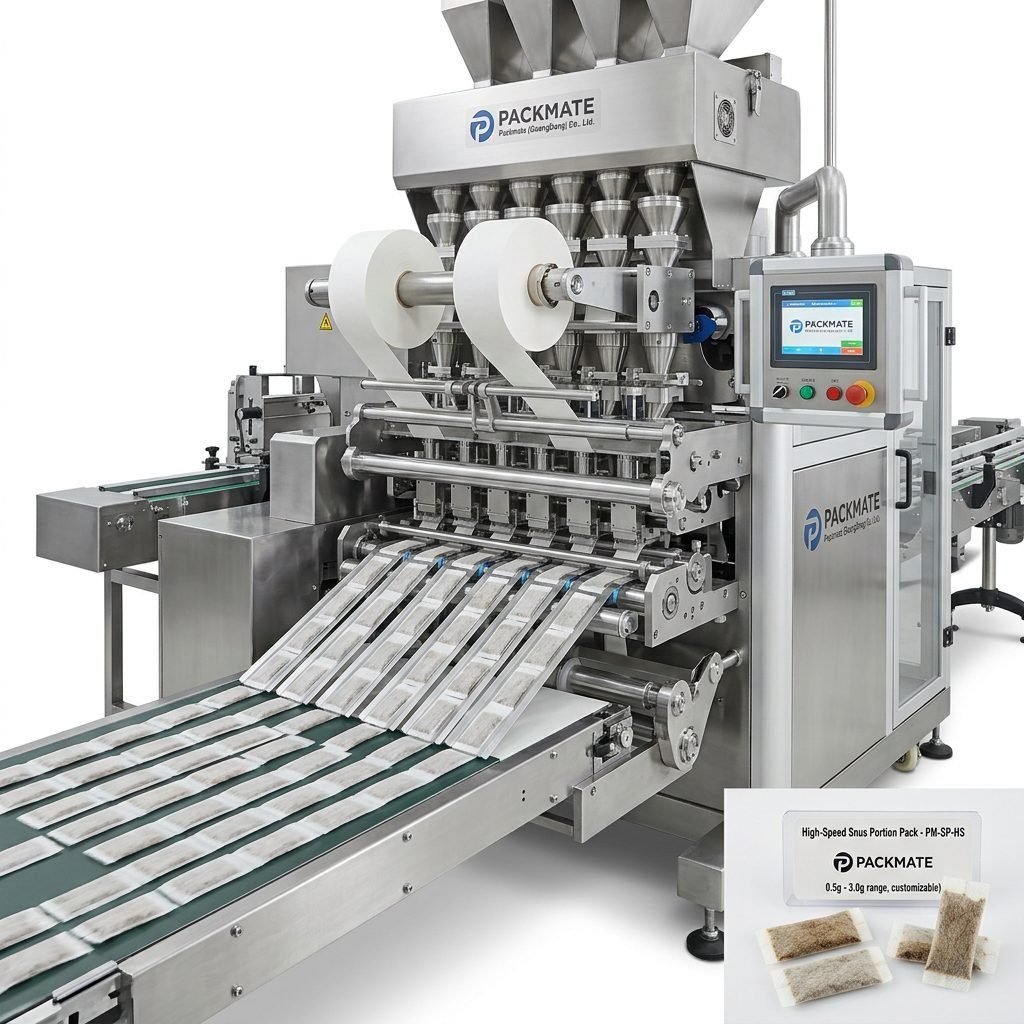
Choosing the right snus packaging machinery supplier in Tajikistan is more than a procurement decision — it is a strategic investment in production reliability, regulatory compliance, and long-term partnership. This guide explains how manufacturers, importers, and production managers in Tajikistan can evaluate suppliers, compare technical options, and secure after-sales support suited to local market customs and business expectations.
Market Snapshot: Snus Packaging in Tajikistan
Tajikistan’s manufacturing and import landscape places a high value on long-term relationships, face-to-face trust building, and clear documentation. While snus and nicotine pouch markets are still developing in Central Asia, businesses interested in nicotine pouch production must consider local consumer habits, import rules, and cultural norms — including conservative retail channels and an emphasis on compliance with public health regulations. When selecting a supplier, combine technical evaluation with cultural due diligence: preferences for reliable service, on-site training, and Russian/Tajik language support are common.
Why supplier choice matters
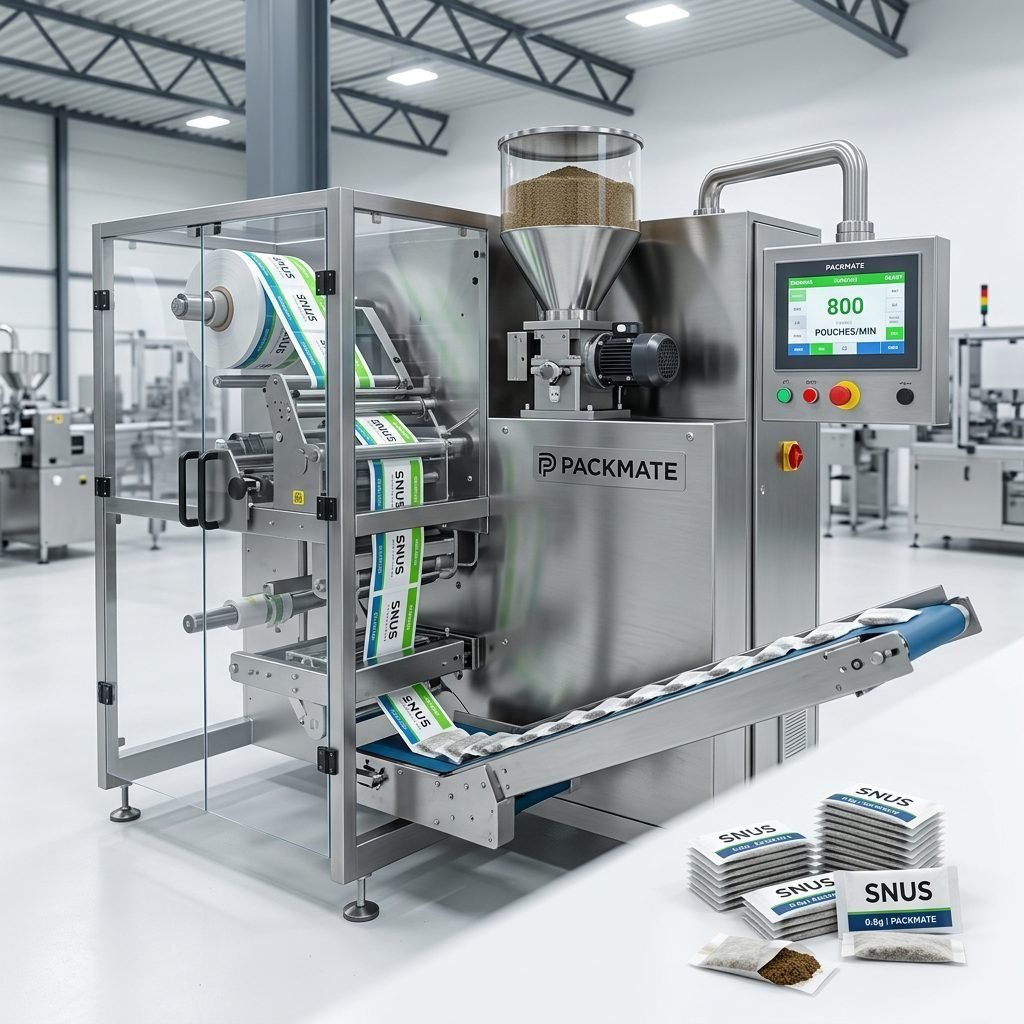
A high-quality snus packing line reduces downtime, ensures consistent dosing for small-dose pouches, and helps you meet packaging standards. Look for suppliers with proven multi-lane solutions, strong local service capability, and clear documentation for customs clearance in Tajikistan.
🔶 Pro tip: Suppliers with CE and ISO certificates simplify import approvals and give added confidence in machine safety and international standards compliance.
Core evaluation checklist for Tajikistan buyers
Use the following checklist to compare vendors objectively. Each item below has practical indicators you can request during RFP and factory visits.
✅ Technical capability: reliable multi-lane filling for micro-dose pouches, accurate weighing systems, and stable sealing technology.
✅ Customization: ability to adapt stick packs, sachets, or snus pouch formats and integrate with existing production lines.
✅ Local support: spare parts availability, remote diagnostics, and technicians who can travel to Dushanbe or regional sites.
✅ Compliance & documentation: CE/ISO certificates, electrical schematics, user manuals, and packing lists in English/Russian/Tajik.
✅ Total cost of ownership: spare parts costs, maintenance intervals, energy consumption, and expected MTBF (mean time between failures).
Manufacturer credibility — what to verify
Ask for a factory tour (virtual if travel is limited), references from similar projects, and a list of exported lines. Proven experience in snus and nicotine pouch equipment is critical; look for companies with decades of industry R&D and a broad product range.
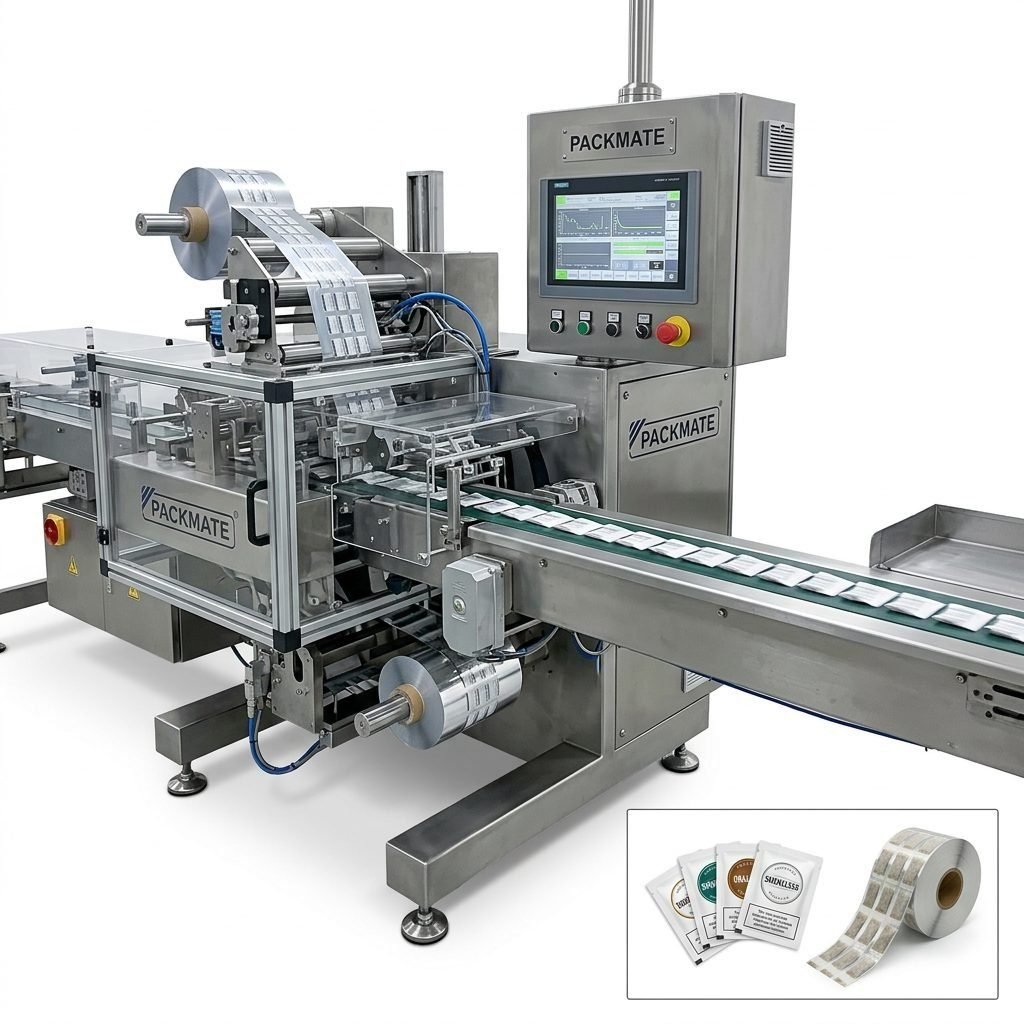
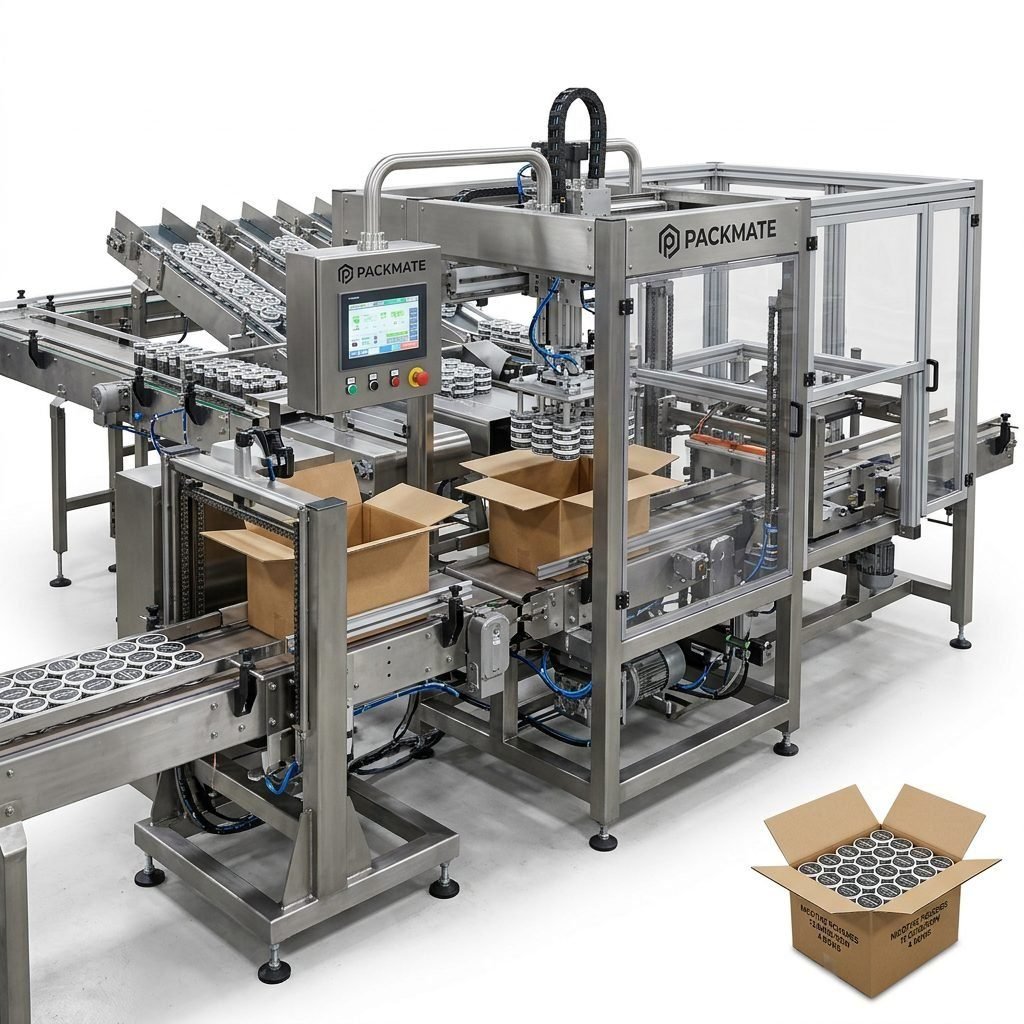
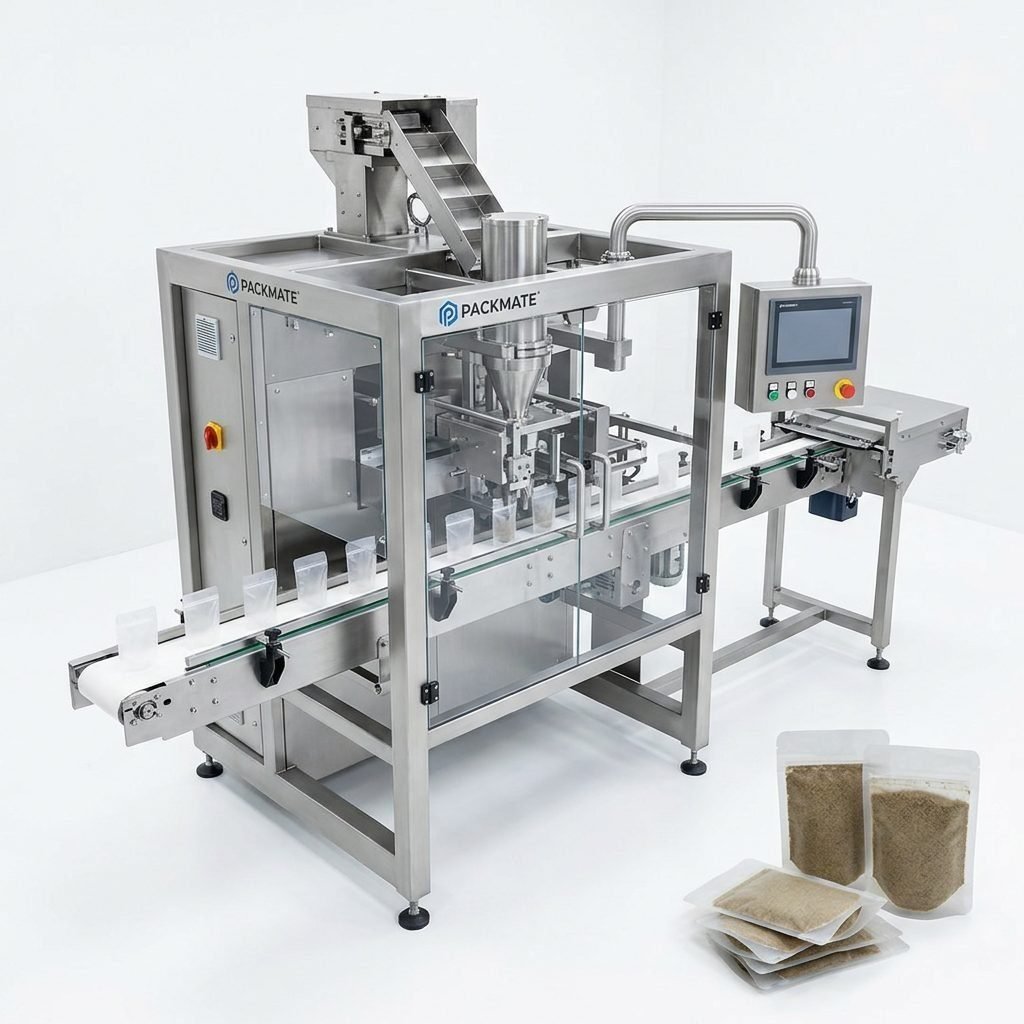
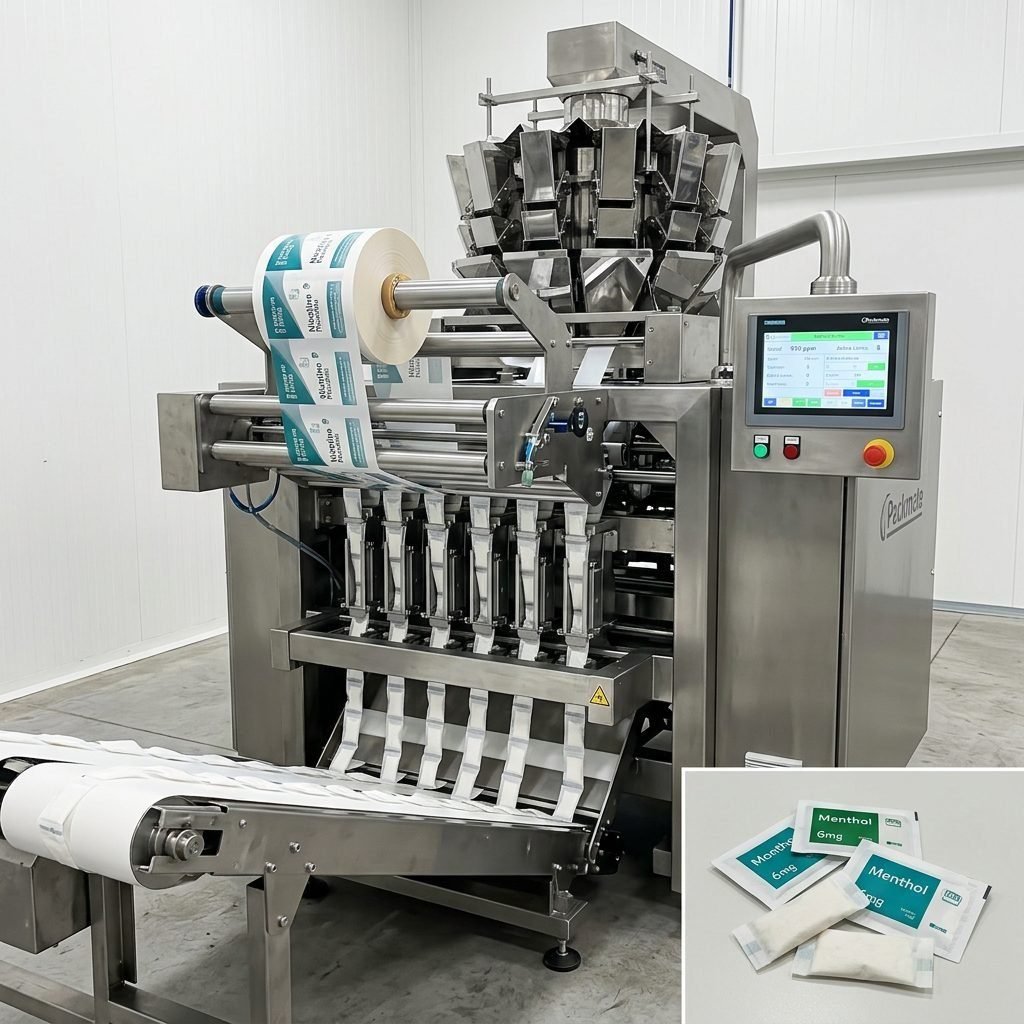
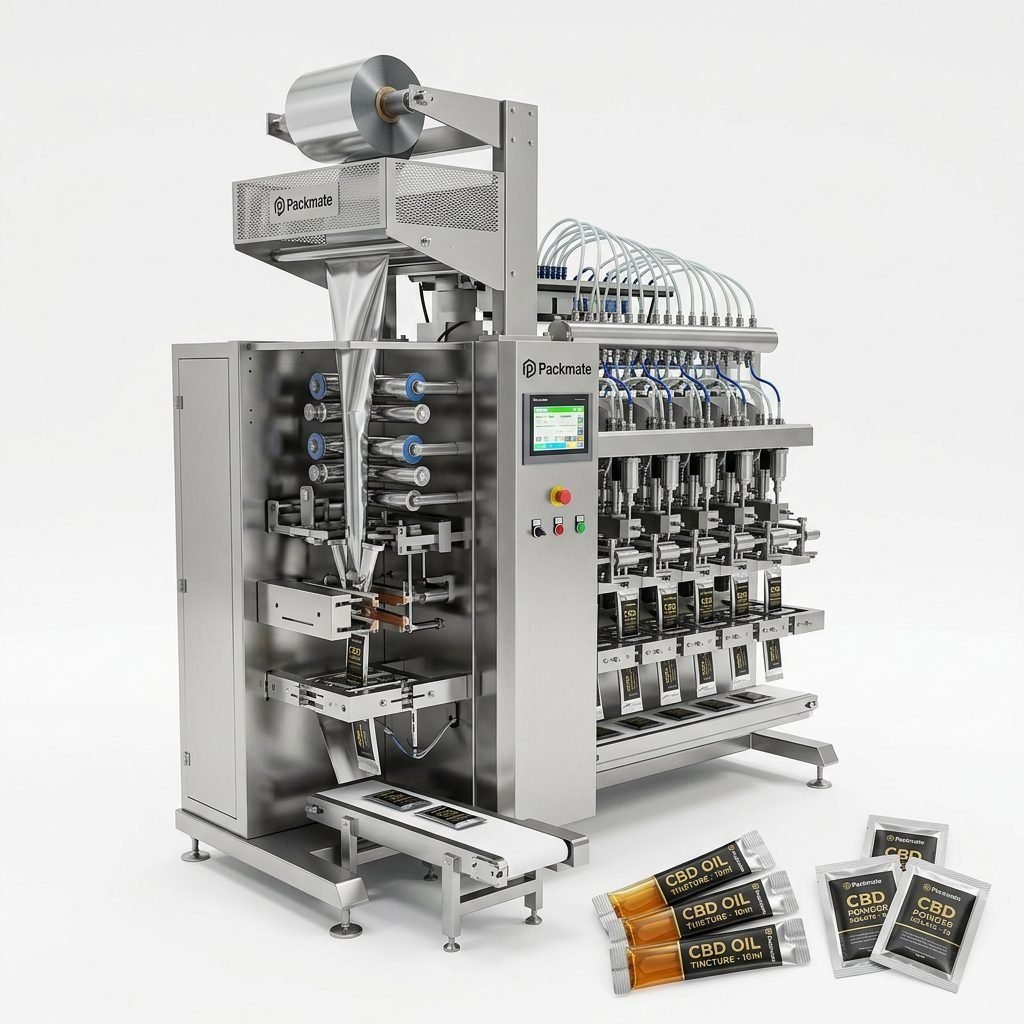
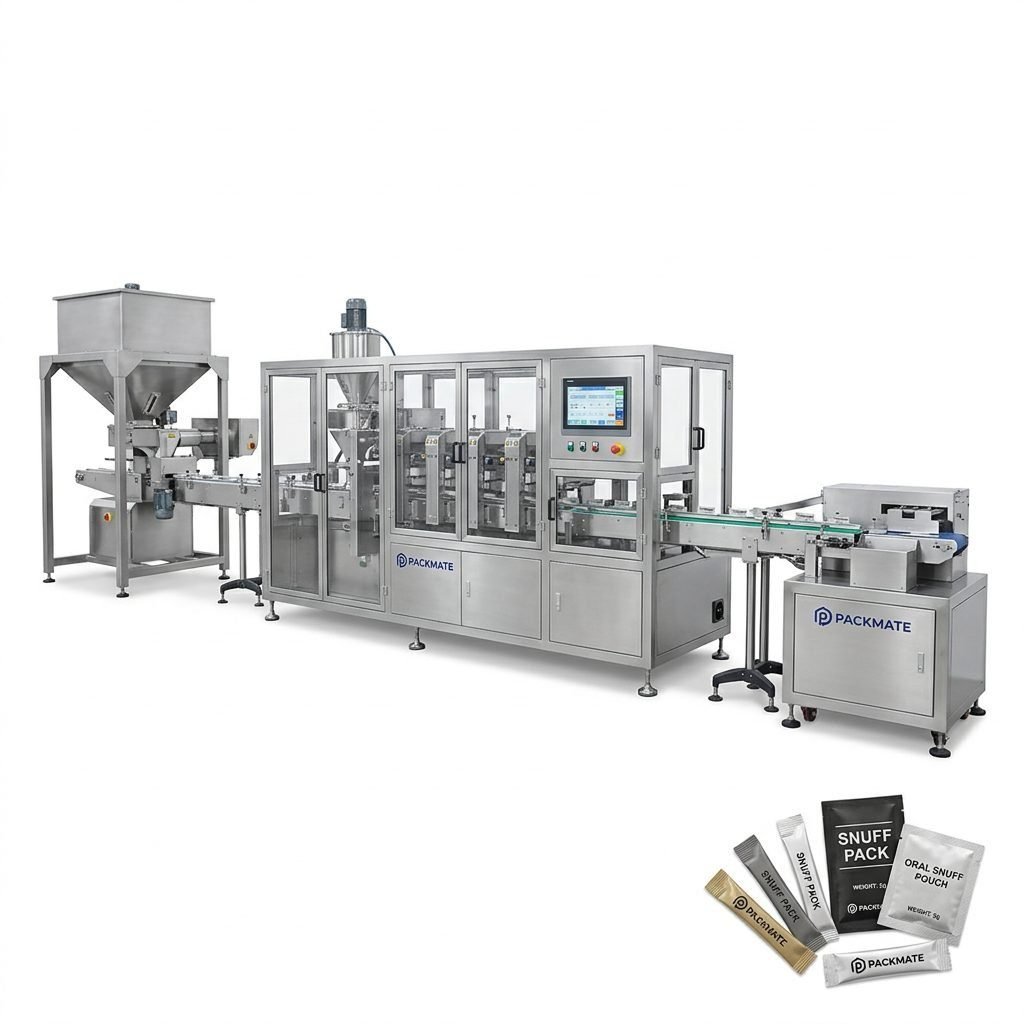
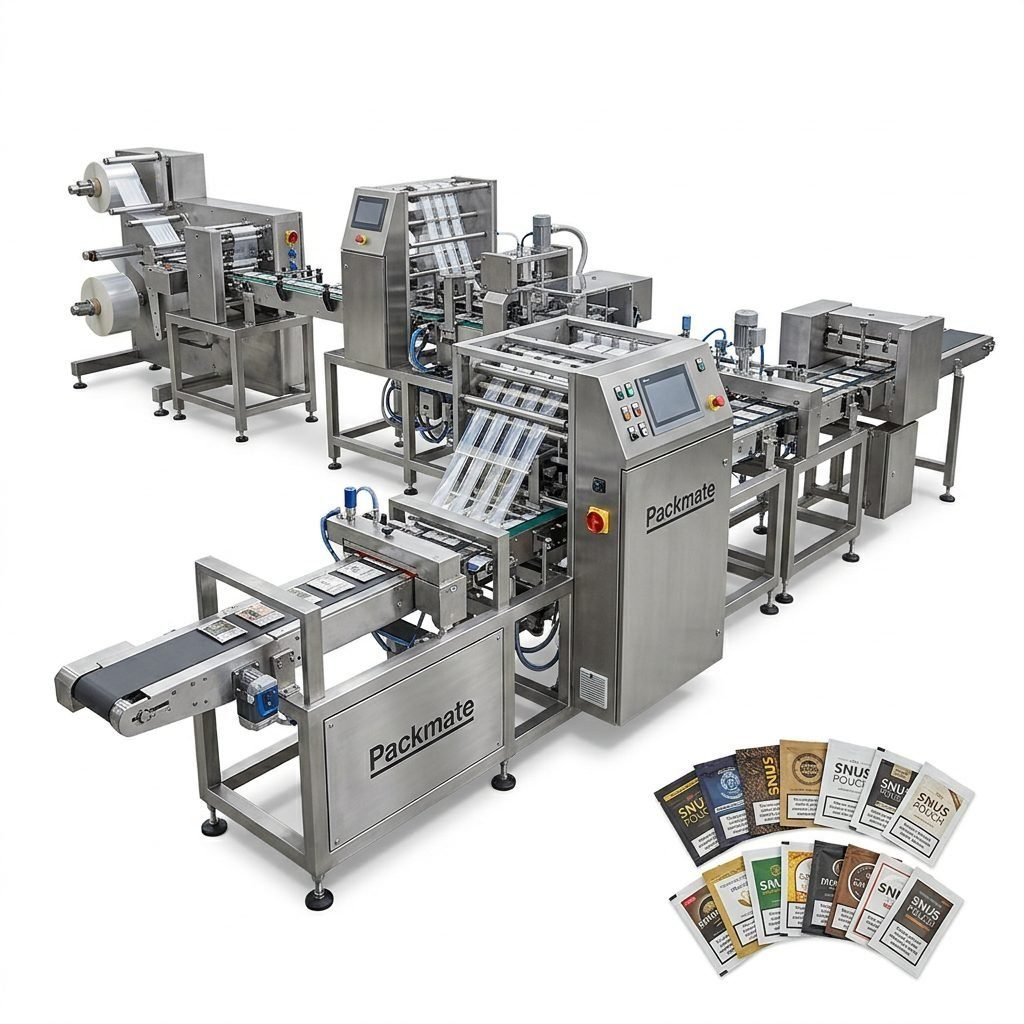
For example, a supplier that offers a suite of equipment — from filling and weighing to sachet and stick pack machines — shows a systems-level capability. See product lines like Snus & Nicotine Packaging Machines and integrated Filling & Packaging Lines as evidence of comprehensive offering.
Technical specifications to demand
When evaluating machines, request detailed technical sheets. Key parameters include speed (pouches/min per lane), filling accuracy (±mg), lane count and expandability, packaging material compatibility, PLC/HMI brand, and safety protections.
⚙️ Performance metrics to verify: production rate under full load, downtime statistics from references, and documented testing protocols.
Integration and footprint considerations
Tajik factories often have space constraints. Ask for accurate machine footprint, including service access space. Confirm whether utilities (voltage, compressed air, vacuum) match local site capabilities or if step-down transformers/adapters are required.
After-sales service and spare parts
In Tajikistan, on-site support and timely spare parts delivery are decisive. Suppliers should offer clear lead times for critical spares and diagnostic support via phone or remote access. Check warranty terms, service-level agreements, and training packages.
Ask whether the supplier provides installation and operator training in Russian or Tajik, and whether they will send a field engineer for commissioning. A robust supplier will include a commissioning plan and a parts kit for first 6–12 months.
Logistics and customs
Clarify shipping terms (EXW, FOB, DDP). Suppliers experienced with Central Asia can help prepare required paperwork and provide packing lists and certificates that expedite customs clearance at Tajik border points. Consider partners who have previously executed projects in Eurasia and can suggest freight routes via rail or road.
Commercial terms and payment
Negotiate a balanced contract: clear acceptance tests, payment milestones tied to FAT/SAT (Factory/ Site Acceptance Test), and penalties for delays. For many Tajik buyers, escrow arrangements, letters of credit, or staged payments are common to reduce risk.
Seek clarity on what is included: training, documentation, spare parts kit, tooling, and whether packaging materials testing is part of the offer.
Cultural tips for negotiating with suppliers
Business in Tajikistan values trust, mutual respect, and personal connections. When liaising with foreign suppliers: prioritize clear communication in Russian, request references, and consider scheduling an in-person visit or live demonstration to build rapport. Hospitality is important in Tajik culture — reciprocity and personal relationships often influence long-term supplier performance.
📌 Negotiation pointer: Be transparent about expected volumes and forecast growth. Suppliers are more willing to offer discounts or customization if there is a credible long-term order pipeline.
Supplier due diligence — key documents to request
Request the following before signing:
• Machine specification sheets and electrical schematics
• CE, ISO certificates and, where applicable, test reports
• List of spare parts with lead times and pricing
• FAT video documentation and reference customer contacts
• Warranty agreement and service-level terms
Use of references and case studies
Ask for case studies similar to your production profile. A reputable manufacturer will showcase projects demonstrating long-term machine stability and integration. Explore the supplier’s project history and exhibition appearances to validate their market presence; for example, check their exhibition records and company story to evaluate experience.
For more details on supplier background and exported cases, see About Packmate and real project examples in their Case library.
Installation, commissioning and operator training
Successful handover requires clear commissioning plans with milestones and acceptance tests. Ensure the supplier offers comprehensive operator training covering mechanical adjustment, changeover, cleaning, and basic troubleshooting. Training delivered in Russian or with translated manuals increases knowledge retention and reduces early-life failures.
Spare parts strategy
Negotiate a spare parts kit for the first 6–12 months, including critical belts, sensors, sealing jaws, and electrical components. Ask the supplier to commit to stocked parts in a regional hub or predictable shipping lead times to Tajikistan.
Final selection: a balanced scoring model
Use a scoring matrix that weights: technical fit (30%), total cost of ownership (20%), certifications & documentation (15%), after-sales service (20%), and local language/ cultural fit (15%). This balanced approach ensures you choose a supplier who meets both machine performance and local operational needs.
🟠 Reminder: Prioritize suppliers who provide transparent FAT/SAT reports and a clear spare-parts roadmap for the first two years of operation.
Useful supplier resources and next steps
When researching vendors, review product pages for technical depth and download catalogs that detail machine models. A few valuable links for deeper product research include Sachet & Stick Pack Machines and Weighing & Packaging Systems.
Contact and verification
Request an initial technical consultation, followed by a detailed quote. For further inquiries or to arrange a meeting with a manufacturer representative, use the supplier’s contact channels and confirm expected delivery timelines and documentation requirements for imports into Tajikistan. You can start by checking manufacturer credentials and contacting them through their official channels.
For direct contact, service and after-sales support details, see the supplier’s Contact Us and Service pages.
Conclusion
Selecting the best snus packaging machinery supplier for Tajikistan requires a combined focus on technical capability, regulatory documentation, reliable after-sales service, and cultural fit. Prioritize suppliers that demonstrate proven multi-lane snus expertise, provide clear FAT/SAT deliverables, and offer training and spare parts support in languages used locally. A methodical evaluation using the checklist and scoring model above will reduce risk and support a smooth production ramp-up.
Frequently Asked Questions
Q: How long does a typical snus packaging line take to deliver and commission in Tajikistan?
A: Delivery and commissioning typically depend on customization and shipping. Standard lead times range from 8–16 weeks for manufacturing, plus 4–8 weeks for shipping and customs clearance. Commissioning and training may take 1–2 weeks on site.
Q: What certifications should I insist on?
A: Ask for CE and ISO certificates, electrical safety documentation, and FAT test reports. These documents help with both safety compliance and customs processing.
Q: Can suppliers support Russian or Tajik language documentation and training?
A: The best suppliers will provide manuals and training in English and Russian, and may offer translation to Tajik where required. Confirm language support during contract negotiation.
Q: What spare parts should I stock locally?
A: Essential spares include belts, sensors, sealing jaws, drive belts, critical PLC modules, and common electrical components. Request a recommended spare-parts kit from the supplier.
Q: How do I evaluate the total cost of ownership?
A: Calculate initial cost plus expected maintenance, spare parts, energy, operator training, and downtime risk. Ask the supplier for MTBF data and historical uptime from reference installations.