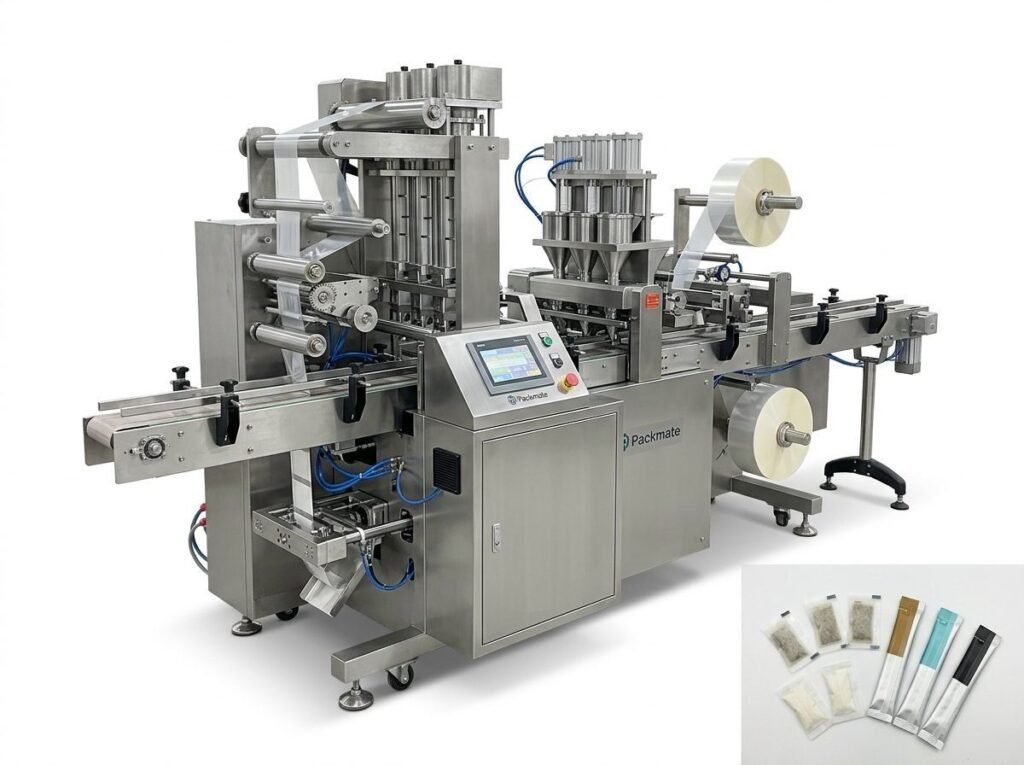
Choosing a reliable snus packaging machinery supplier in the United Kingdom requires a careful mix of technical knowledge, regulatory awareness, and supplier vetting. This buyer’s guide walks you through practical steps—from evaluating machine performance and customization options to understanding service expectations in the UK market—so you can make a confident investment in snus pouch and nicotine pouch packaging equipment.
Understand the UK Market Context and Buyer Expectations
In the UK, packaging suppliers are expected to meet high standards of product safety, traceability, and environmental responsibility. British buyers often prioritize:
- Quality and reliability — minimal downtime and consistent pouch quality
- Regulatory compliance — clear documentation and material traceability
- After-sales support — spare parts, remote service, and fast response times
- Sustainability awareness — reduced material waste and recyclable packaging compatibility
Step 1 — Know What Technology Fits Your Product
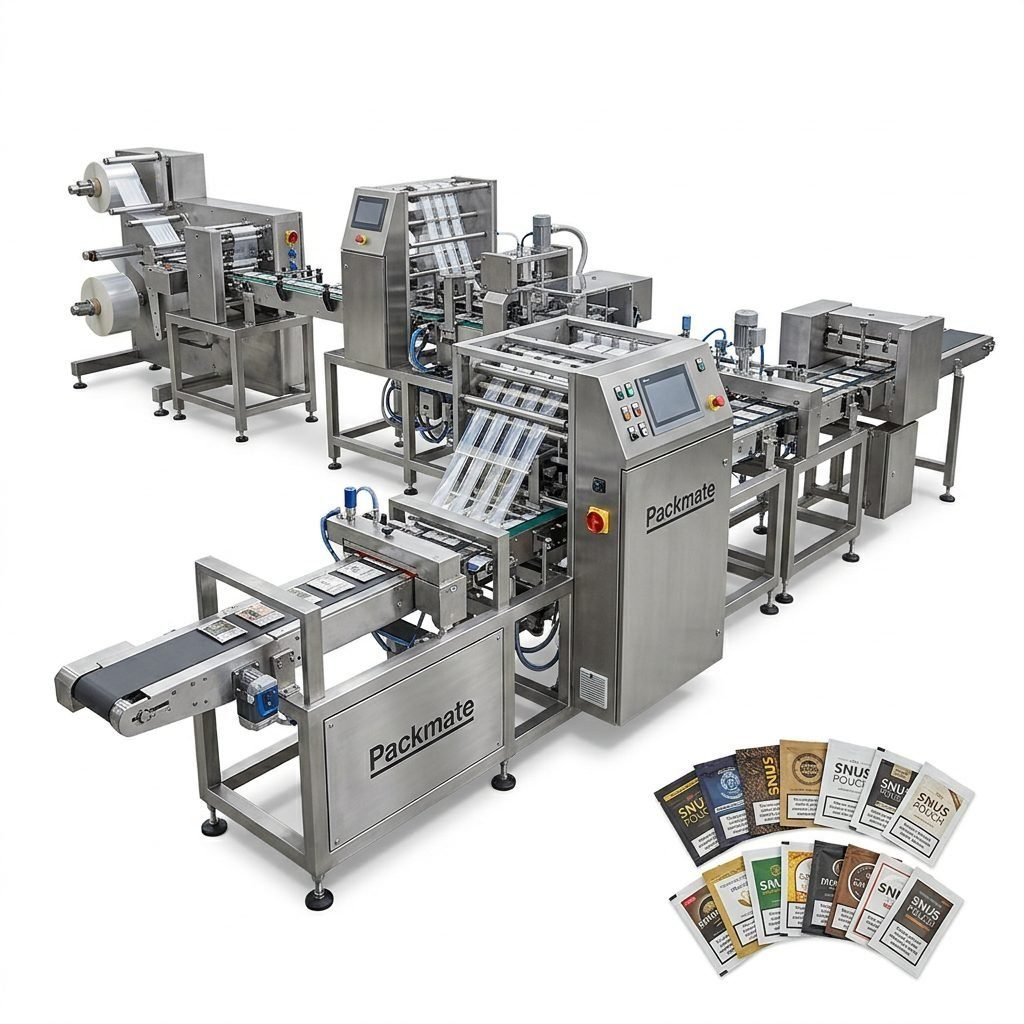
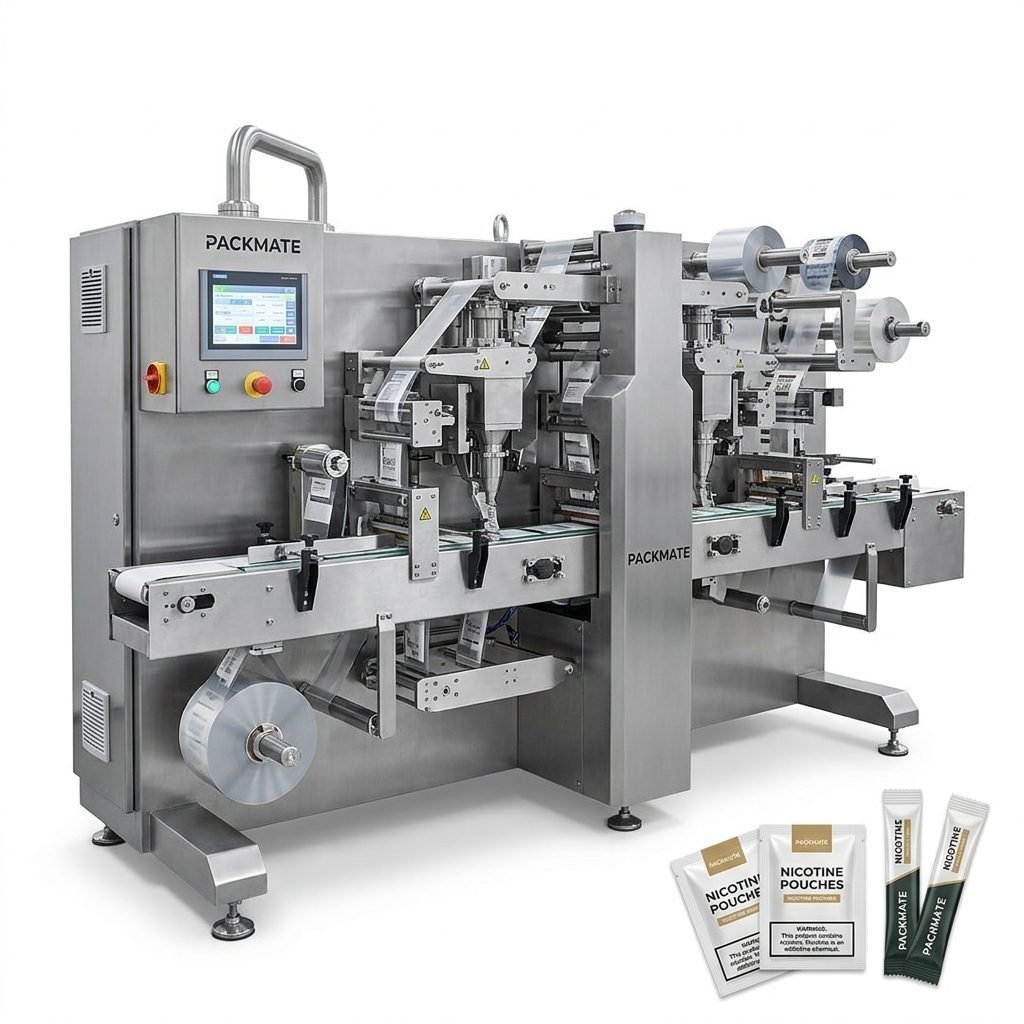
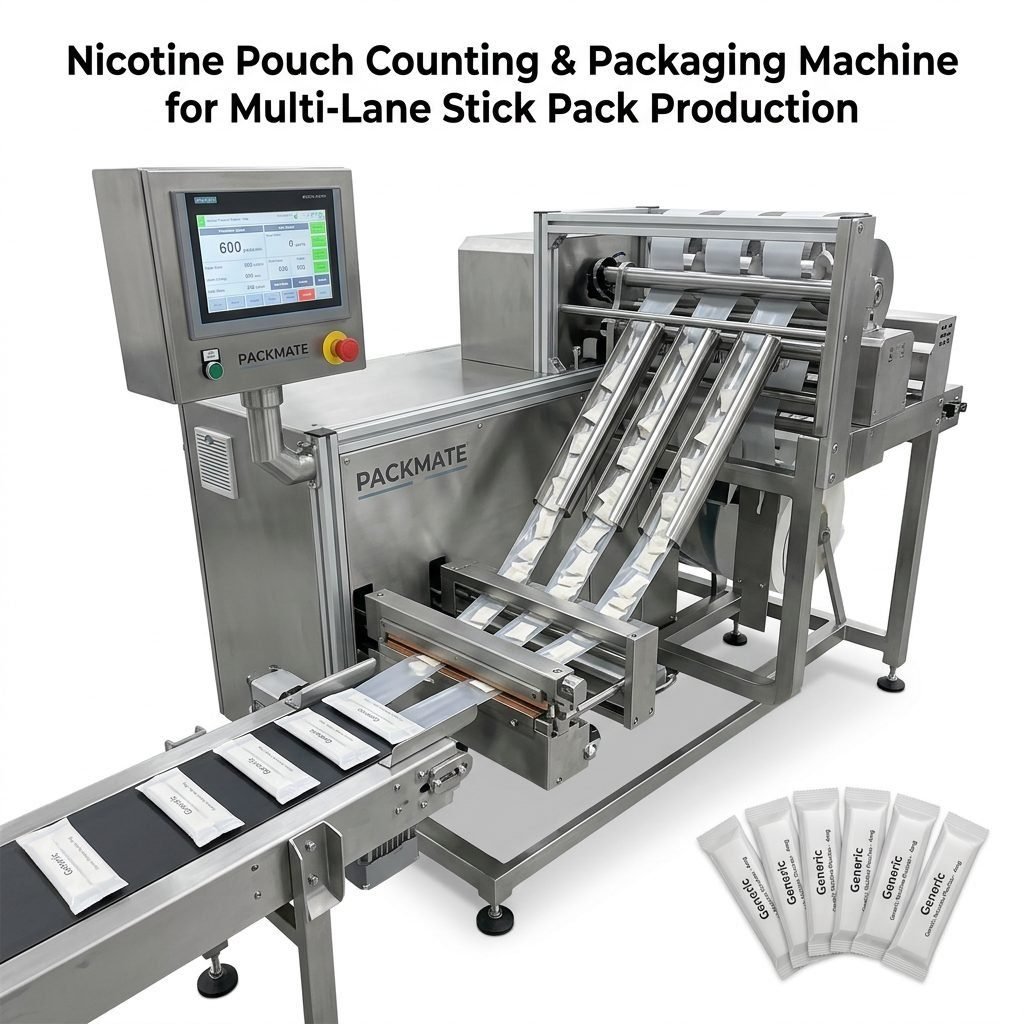
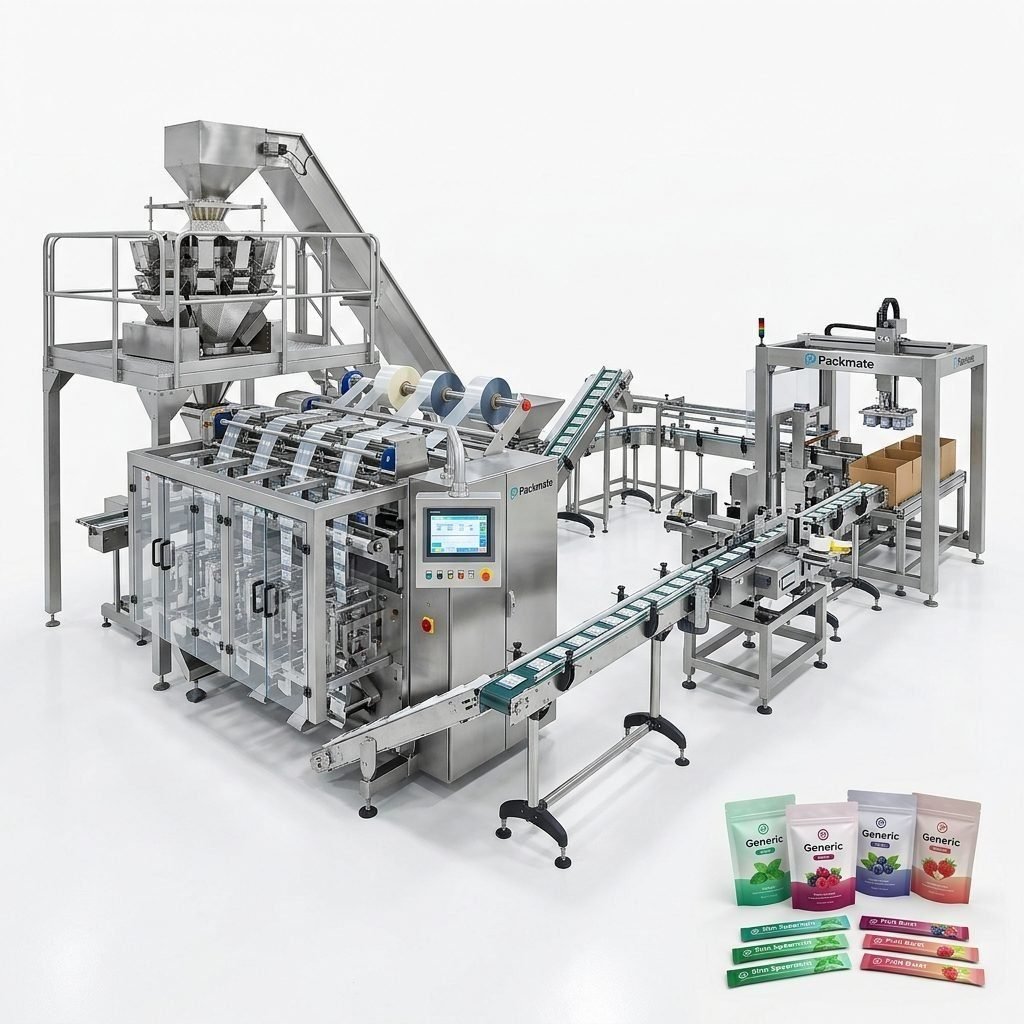
Start by defining the precise product form and production goals. Snus and nicotine pouches can be filled by different systems depending on dose, material, and multi-lane requirements. Typical machine categories include:
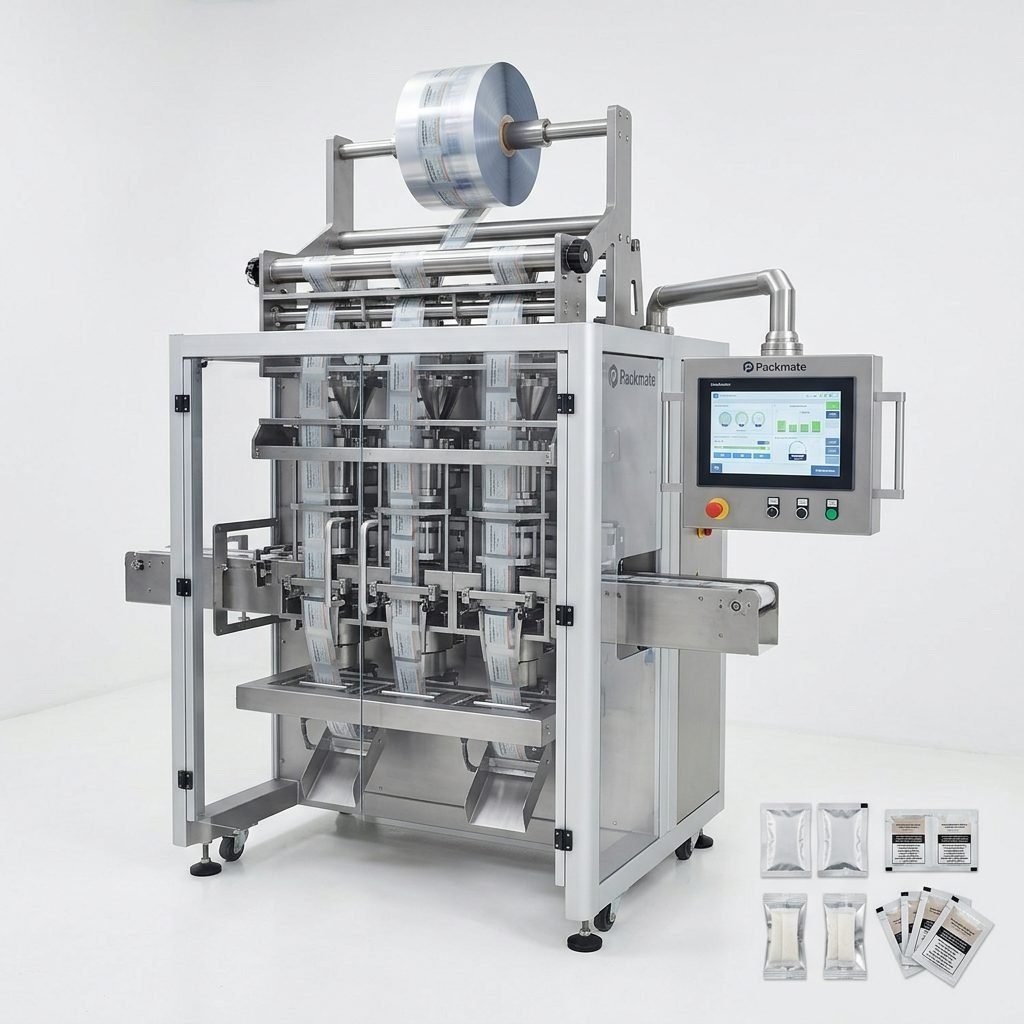
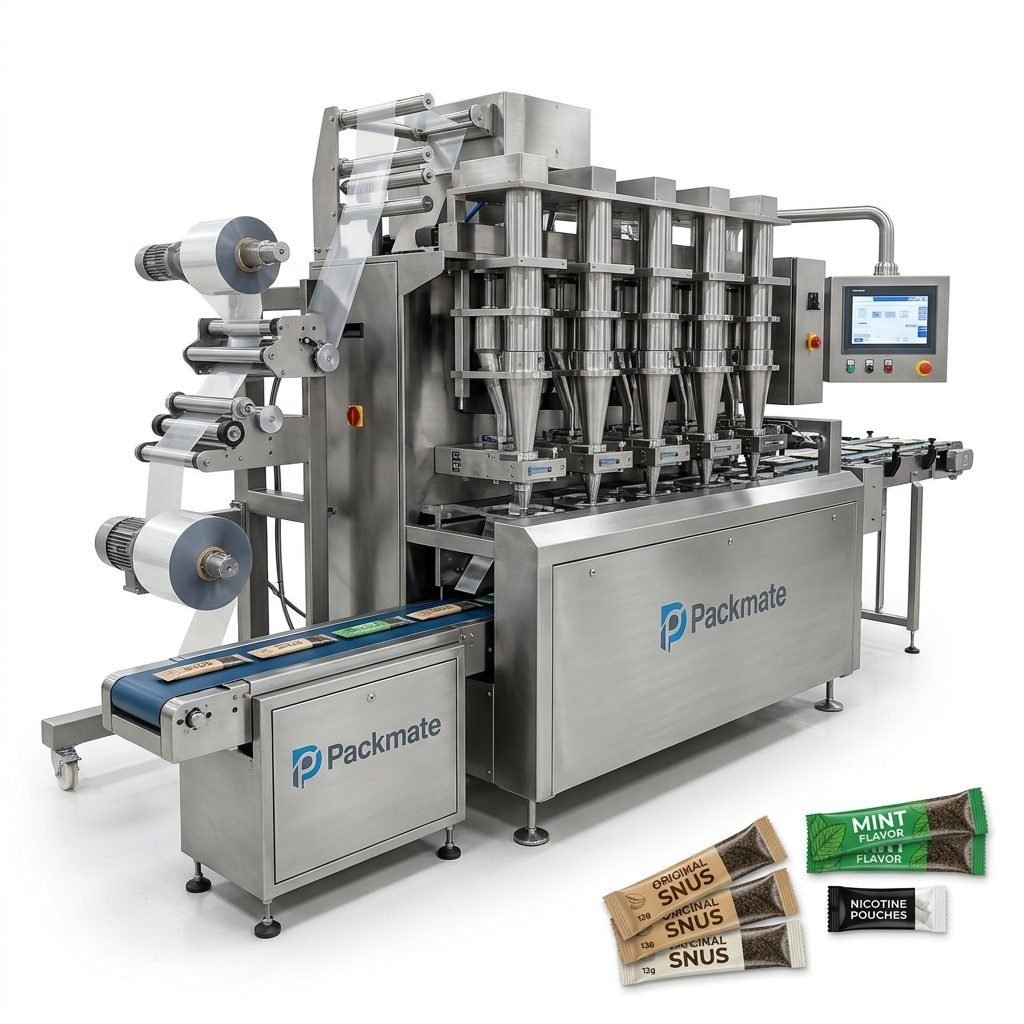
- Multi-lane pouch machines for small-dose nicotine pouches
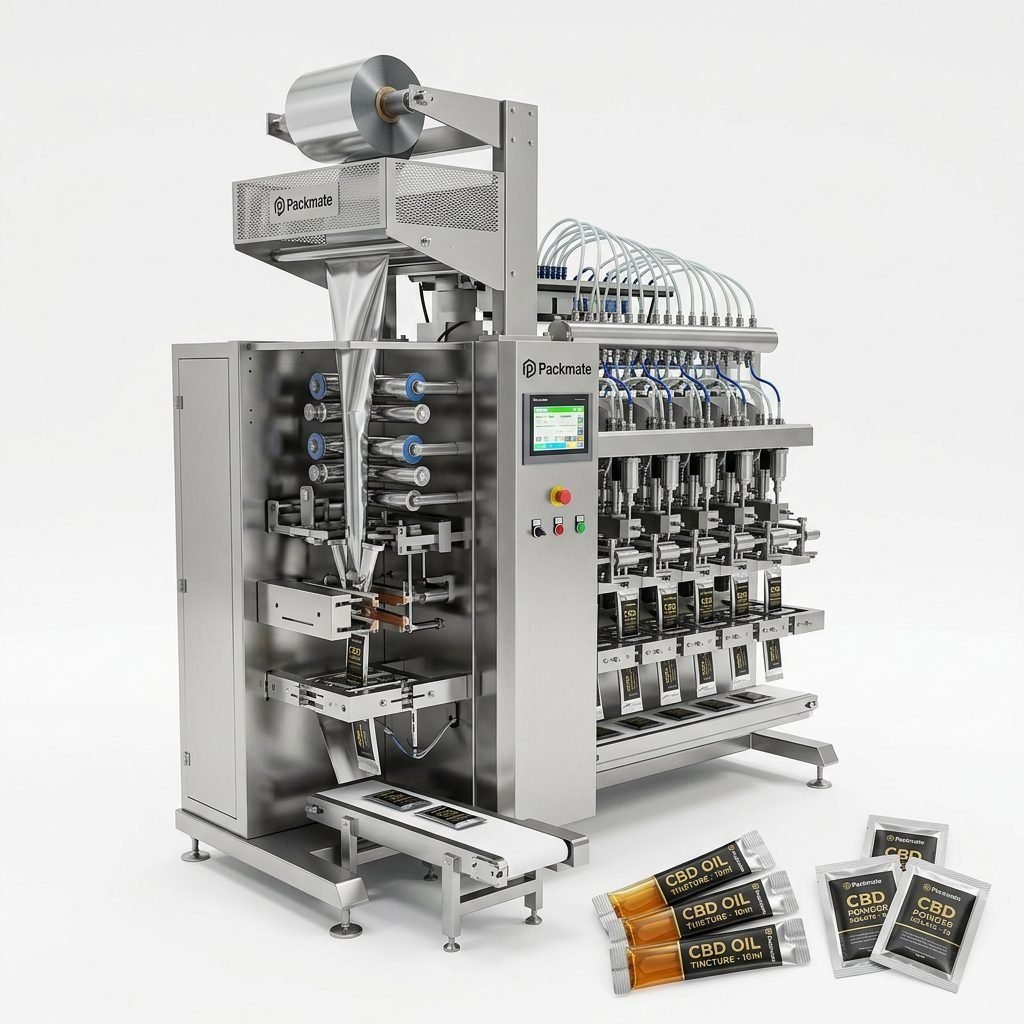
- Stick pack and sachet systems for single-serve formats
- Weighing and filling lines for powder or granular formulations
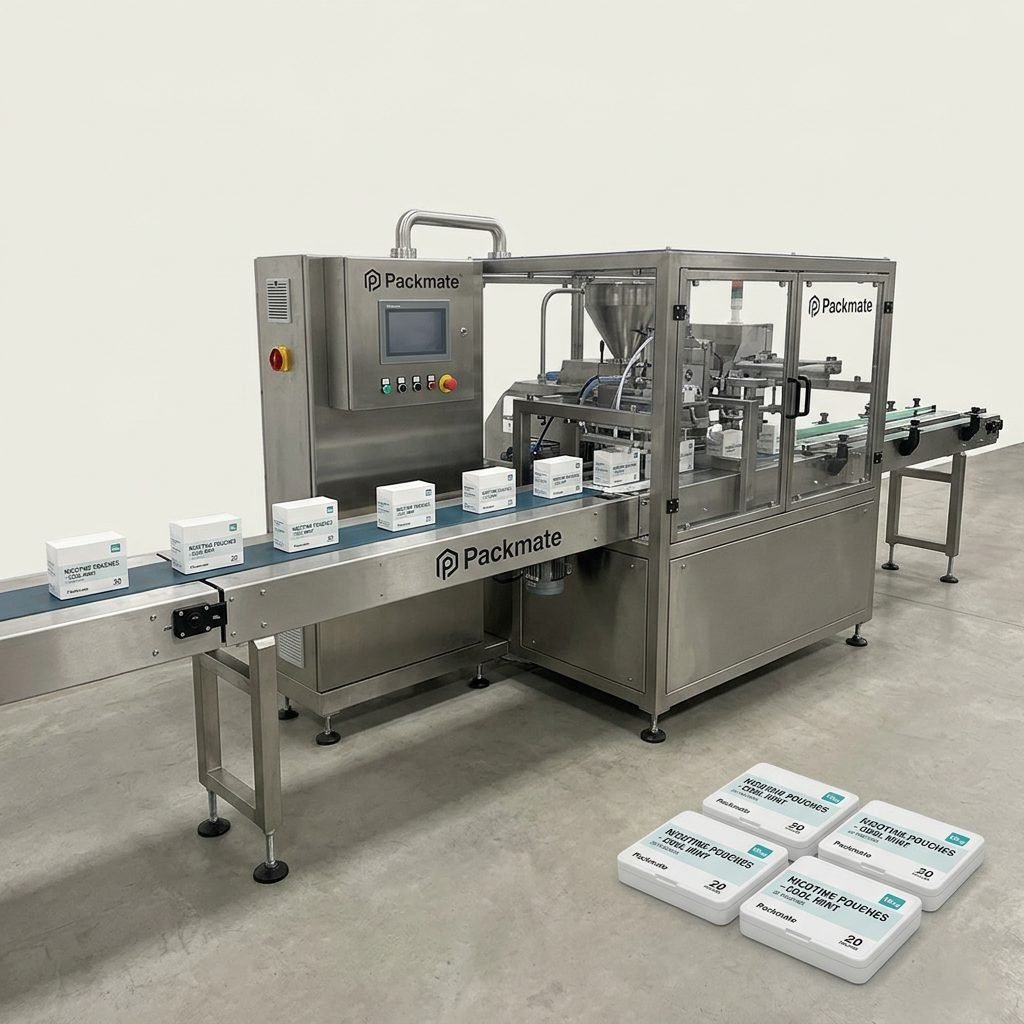
- Auxiliary equipment for sealing, labelling, or secondary packaging
Choosing a supplier with experience in varied formats reduces the risk of mismatched capabilities. For example, Packmate’s product range covers Snus & Nicotine Packaging Machines as well as multi-lane solutions, which can be useful if you plan to scale production.
Step 2 — Evaluate Technical Specifications and Performance
A specification checklist helps you compare vendors side-by-side. Key performance indicators include:
📌 Throughput (pouches per minute): realistic rates at stable operation, not just peak numbers.
📌 Accuracy & dose consistency: variation tolerance and test reports.
📌 Changeover time: how long to switch pouch sizes or recipes.
📌 Uptime and MTBF: mean time between failures and preventive maintenance schedules.
📌 Material compatibility: films, laminates, and biodegradable options.
Request factory acceptance and test reports
Ask for a Factory Acceptance Test (FAT) video or demonstration data using your actual product. A reputable supplier will provide reproducible test results and be willing to run trials in their facility. Viewing a machine running your snus pouch recipe is one of the most reliable ways to gauge suitability.
Step 3 — Inspect Manufacturing Capability and Certifications
For long-term reliability look beyond the brochure. Important checks include:
- Factory size, machining capabilities, and assembly lines (CNC centers and precision tools).
- ISO and CE certifications or equivalent compliance documentation.
- Quality control processes, including inspection records and parts traceability.
- Spare parts inventory and dedicated service teams for international clients.
Packmate’s profile highlights a 20,000㎡ manufacturing footprint with advanced CNC and assembly systems—important indicators of an established production capability. Learn more about their background on the About Packmate page.
Step 4 — Validate After-Sales Support and Spare Parts Network
In the UK, buyers expect quick response times and clear service-level agreements. When assessing suppliers, verify:
✅ Local technical support options or fast remote diagnostics.
✅ Spare parts availability and local stocking possibilities.
✅ Training for your operators and maintenance staff.
✅ Warranty terms and clearly defined service response times.
Ask for customer references in Europe or the UK and any case studies that show rapid resolution of issues. You can check Packmate’s real-world references in their Case section.
Step 5 — Confirm Compliance, Documentation and Material Safety
Ensure the machinery and ancillary materials allow you to meet UK food/pharma-style traceability and labeling rules for consumer safety. Key documents to request:
- Certificates (CE, ISO) and material compliance letters.
- Electrical and safety schematics to match UK/EU standards.
- Operating manuals in English, parts lists, and maintenance schedules.
- Validated FAT/SAT records and cleaning/validation protocols if needed.
Documentation matters for audits
UK companies often undergo supplier audits. Well-prepared documentation speeds approval and reduces friction when importing equipment or commissioning production lines.
Step 6 — Consider Total Cost of Ownership (TCO) and Financing
The purchase price is only the start. TCO includes installation, shipping, customs duties, spare parts, consumables, training, and planned upgrades. Create a 3–5 year cost projection and discuss financing or leasing options with potential suppliers.
- Installation & commissioning fees
- Operator and maintenance training costs
- Consumables (sealing jaws, cutters, sensors)
- Spare parts replenishment strategy
Step 7 — Visit Trade Shows and Meet Suppliers in Person
The UK and Europe host multiple packaging and processing exhibitions where you can see machines running and meet engineers face-to-face. A live demo is invaluable to assess noise levels, build quality, and operator ergonomics. For supplier credibility, check exhibition history—many reputable manufacturers show machines at international events; Packmate lists their events under Our Exhibition.
How to Run an Effective Supplier Evaluation
Use a scoring matrix to compare suppliers across critical categories:
- Technical fit and performance — 30%
- Quality and certifications — 20%
- Service and spare parts — 20%
- Price and TCO — 20%
- References and track record — 10%
Score each vendor, add comments on red flags (slow response, unclear documentation), and shortlist two suppliers for final negotiation.
Negotiation and contract tips
Secure warranties, lead times for spare parts, clear acceptance criteria, and penalties for missed delivery or performance targets. Specify training scope, FAT criteria, and after-sales KPIs in the contract.
Working with International Suppliers — Logistics and Installation
International suppliers often ship to the UK via sea or air. Confirm packaging for export, insurance, customs documentation (commercial invoice, packing list, certificates), and whether the supplier assists with import clearance. Plan for:
- Site preparation and utilities (air, power, drainage)
- Mechanical and electrical installation windows
- Factory Acceptance Test (FAT) and Site Acceptance Test (SAT) schedules
- Operator training and handover
Why Choose an Experienced Snus Packaging Manufacturer?
Suppliers with deep industry experience understand nuances such as pouch feel, fill distribution, and gentle handling of delicate blends. They can recommend best-fit solutions for your market, whether you require high-speed multi-lane lines or flexible stick-pack setups. For complete lines including weighing and auxiliary equipment, review the Weighing & Packaging Systems and Filling & Packaging Lines options.
🔍 Quick checklist before you sign:
– Confirm machine performance with your product in writing.
– Verify spare parts and service lead times.
– Secure training and commissioning scope.
– Request clear warranty and penalty clauses.
Local culture and customer service expectations in the UK
British companies value transparent communication, punctuality, and a structured approach to project management. Keep updates frequent, document agreements clearly, and respect local working hours and compliance expectations. Fast, polite, and reliable service fosters long-term partnerships.
Useful vendor resources
Before committing, browse vendor catalogs, certificates and FAQs online. If you need quick help, see Packmate’s FAQs and their Contact Us page for service inquiries.
Conclusion — Make an Informed, Risk-Managed Purchase
Selecting a snus packaging machinery supplier in the UK is a strategic decision that affects product quality, production continuity, and regulatory compliance. Use the steps above to assess technical fit, vet manufacturing capability, verify documentation, and secure robust after-sales support. Prioritize suppliers who offer clear FAT evidence, accessible spare parts, and demonstrable UK or European experience to reduce risk and accelerate time-to-market.
Frequently Asked Questions
Q1 — What documents should I request before purchase?
Request FAT reports, CE/ISO certificates, electrical schematics, parts lists, operating manuals in English, and warranty terms.
Q2 — How important is a factory demo with my product?
Extremely important. A demo using your actual pouch material and blend demonstrates real-world performance and helps validate throughput and quality.
Q3 — What after-sales support should I expect in the UK?
Expect remote diagnostics, guaranteed spare parts lead times, training, and clear escalation paths for on-site visits if needed.
Q4 — Should I factor in sustainability features?
Yes. Buyers increasingly request equipment compatible with recyclable films, minimal waste operation, and energy-efficient drives.
Q5 — Where can I find more information about full production lines?
Check supplier product categories for integrated lines like Bag & Pouch Packaging Machines and Sachet & Stick Pack Machines to understand complete solutions.