Entering the snus and nicotine pouch market in Gambia requires not only a clear product strategy but also the right packaging machinery partner. Choosing an experienced supplier ensures you get a reliable production line, compliance support, and timely after-sales service — all essential for launching and scaling products in a small but fast-evolving West African market. The following guide outlines practical tips and a step-by-step buying checklist tailored for businesses operating in Gambia.
Why the right snus packaging machinery supplier matters in Gambia
Gambia’s market environment is characterized by close-knit distribution channels, strong community norms, and logistical challenges tied to coastal climate and limited local industrial infrastructure. A reliable supplier will help you address:
Operational continuity — machines built to run stably in humid, warm conditions minimize stoppages and maintenance visits.
Regulatory support — suppliers aware of international certification (CE, ISO) and able to provide documentation ease import clearance and retail acceptance.
Localization — packaging formats, label language (English is Gambia’s official language), and discreet designs that respect local cultural norms are vital for consumer acceptance.
Core technical criteria to evaluate
When comparing equipment, focus on the following technical aspects. These determine product quality, output flexibility, and long-term ROI.
Machine types and suitability
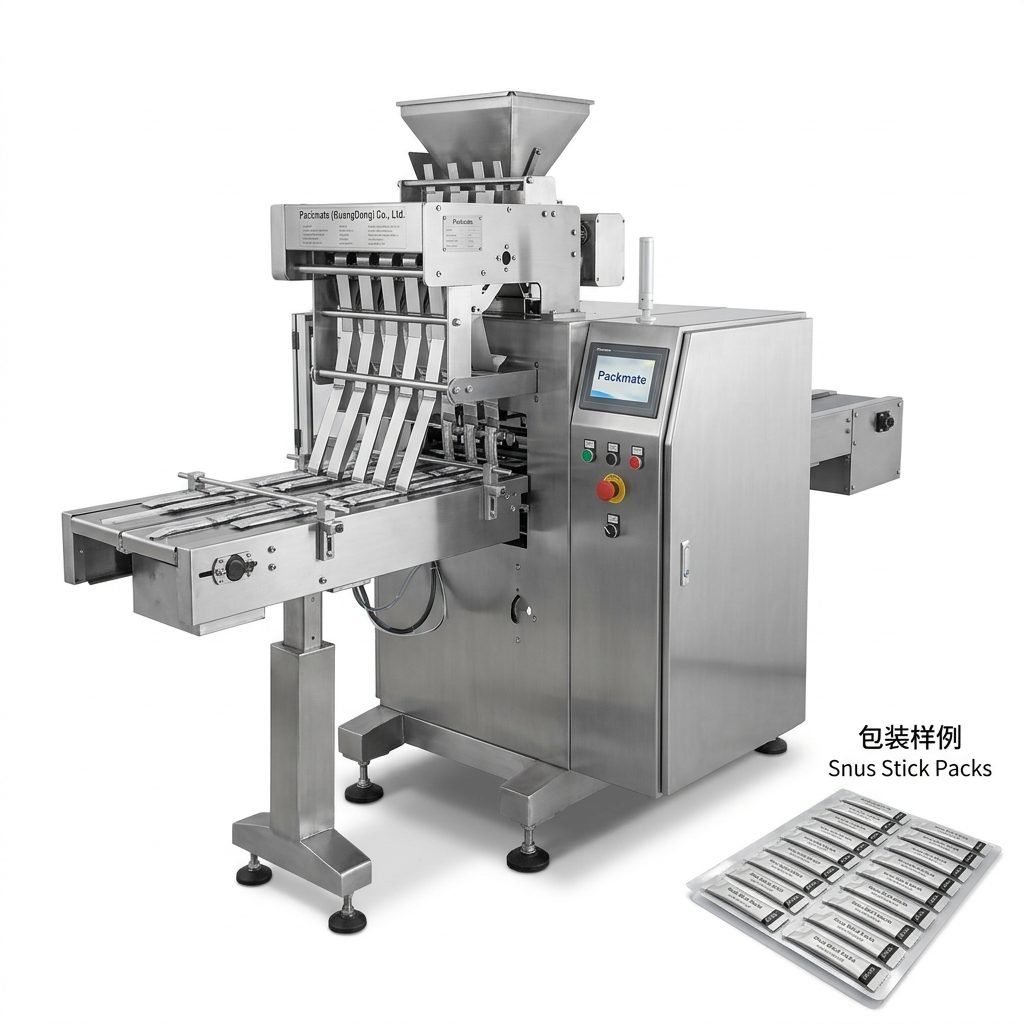
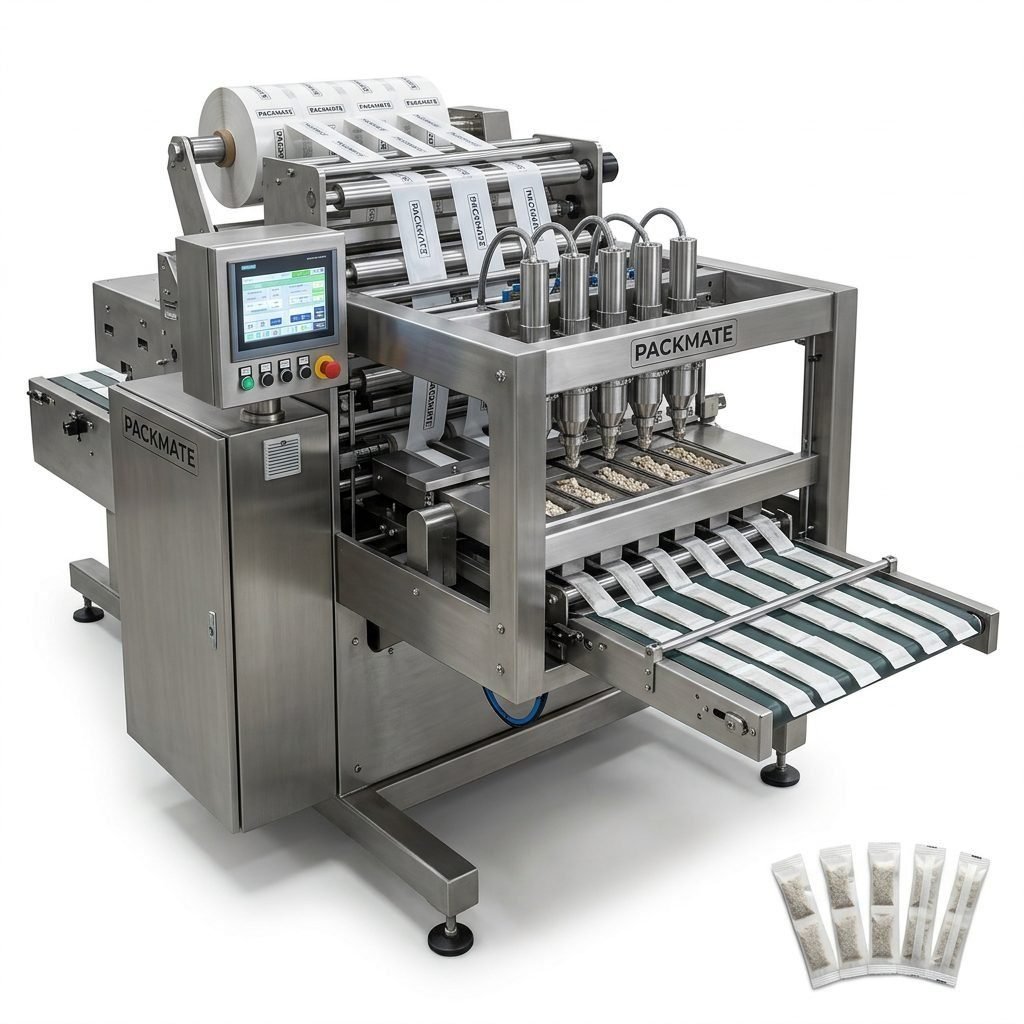
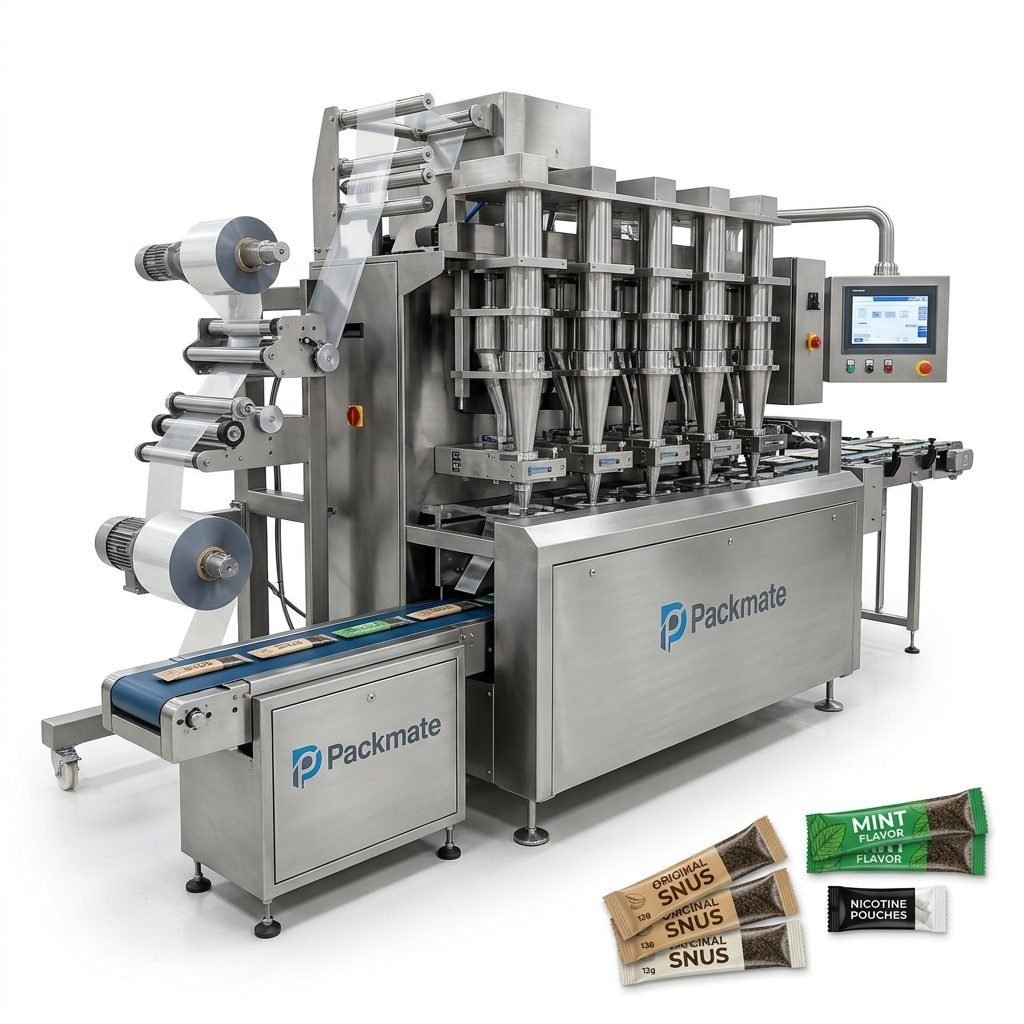
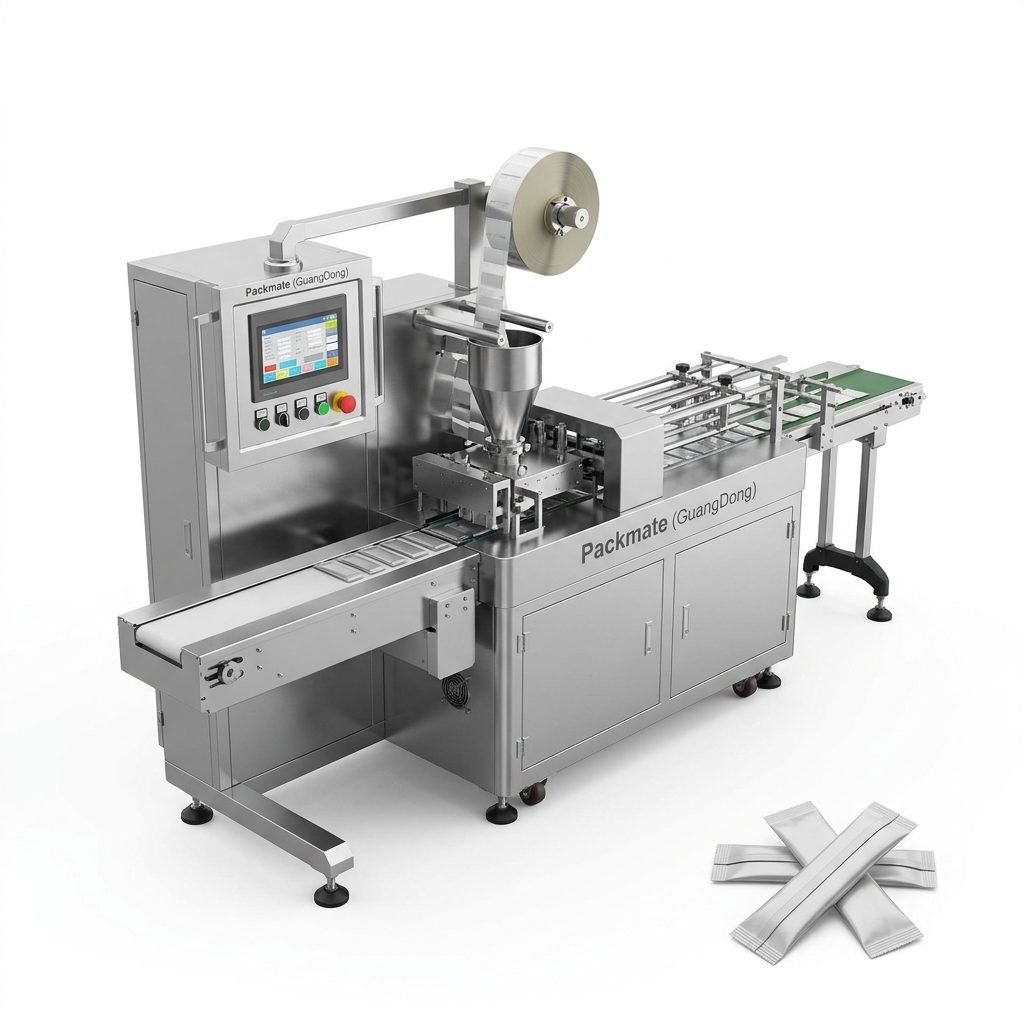
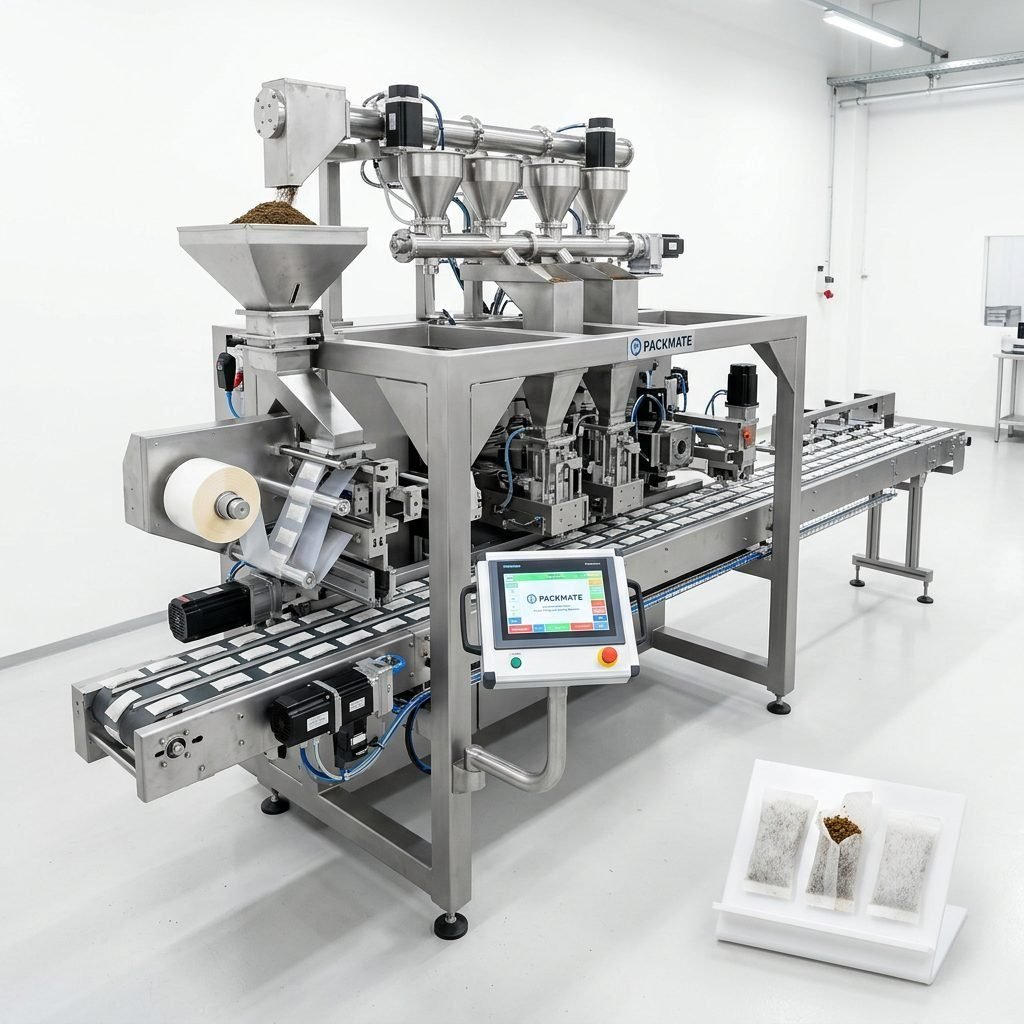
Different snus and nicotine products require different packaging solutions. Consider whether you need:
- Stick pack or sachet machines for single-dose pouches.
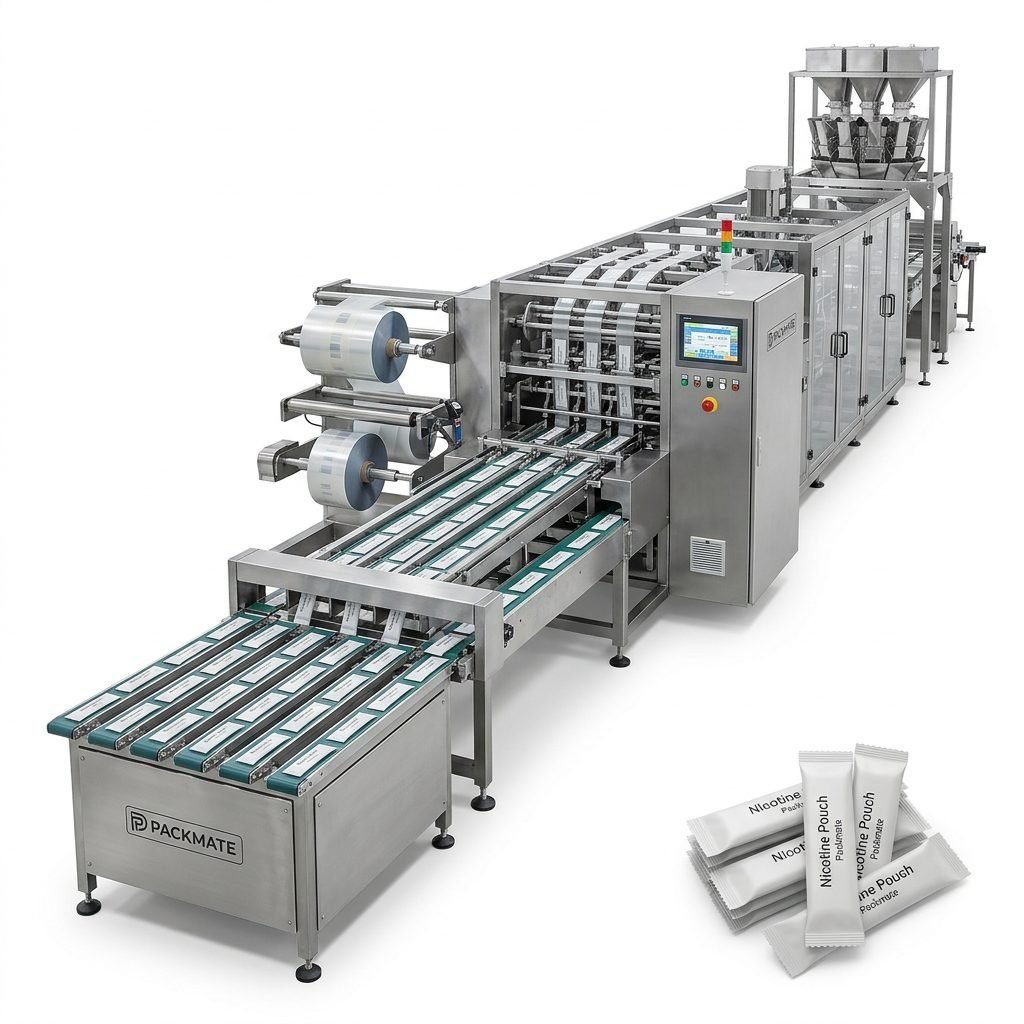
- Multi-lane systems for high throughput and compact lines.
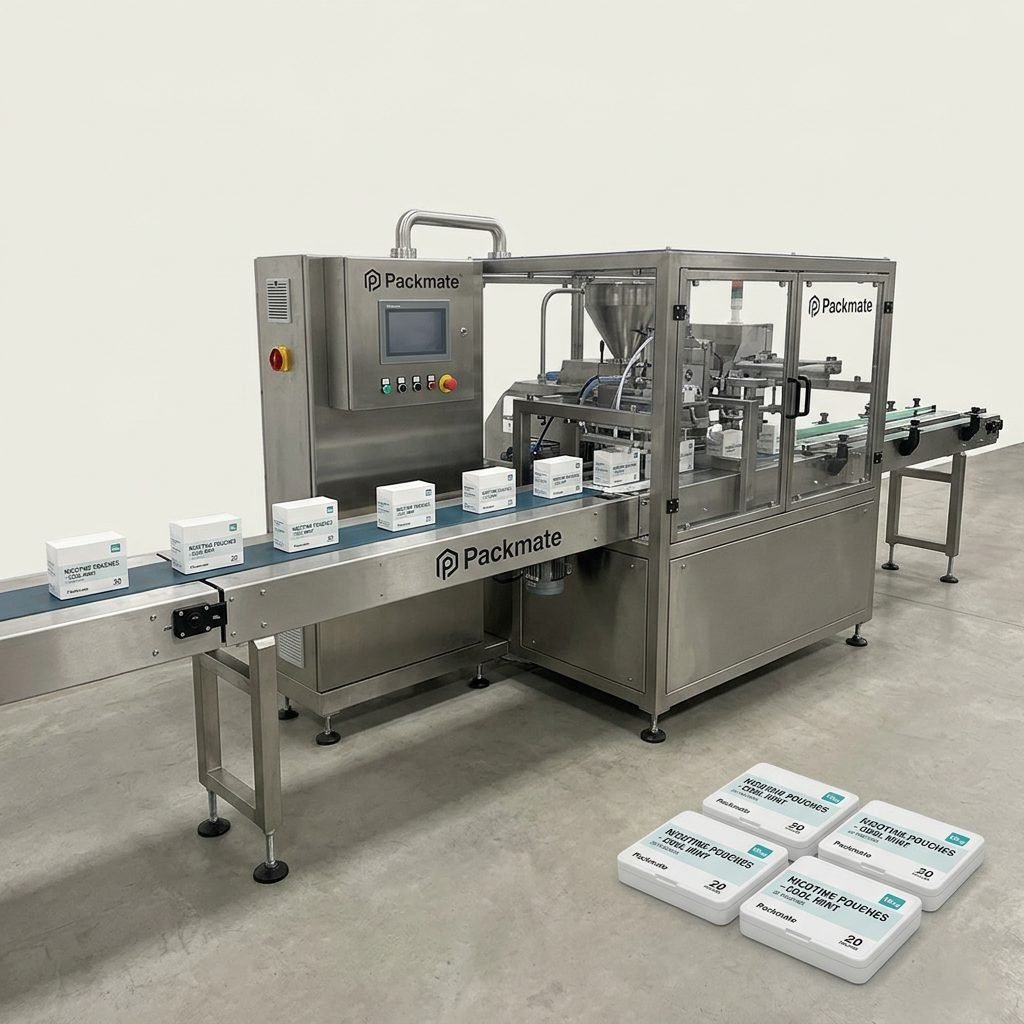
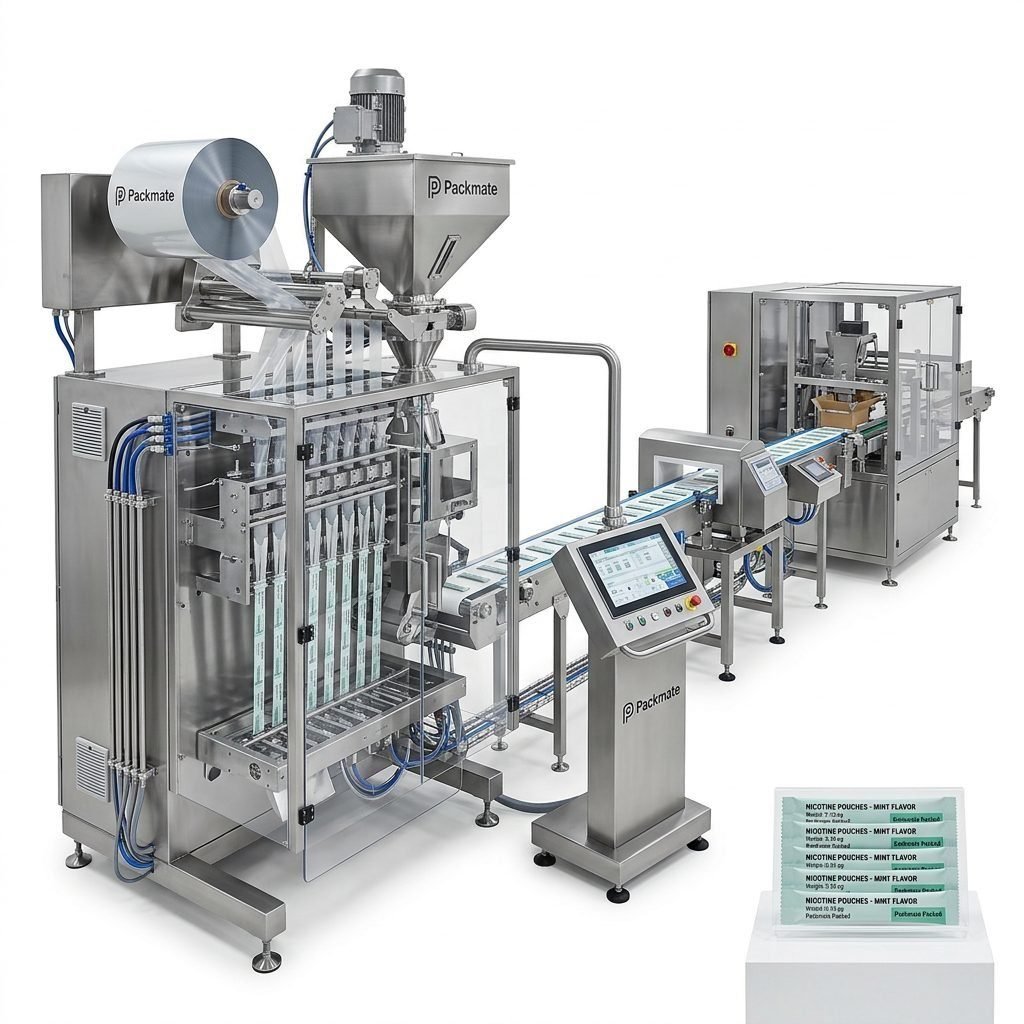
- Auxiliary equipment such as feeders, metal detectors, and conveyors for complete lines.
See examples of tailored solutions on a specialized product page: Snus & Nicotine Packaging Machines.
Capacity, speed and accuracy
Match the machine throughput to your expected demand. For small Gambian markets, flexible machines that can run economically at lower speeds are often more appropriate than high-speed units designed for large export volumes. Check:
- Maximum packs per minute and stable speed ranges.
- Weighing and dosing accuracy for dose consistency.
- Changeover time between formats and pouch sizes.
Materials compatibility and film formats
Ensure the machine supports the films and barrier materials you plan to use, especially if you choose foil-laminates or resealable pouches. Machines with flexible film handling reduce packaging development time.
Hygienic and robust design
Look for stainless-steel contact parts, easy-to-clean surfaces, and a hygienic layout that limits product contamination. For nicotine pouches, corrosion-resistant components and sealed electrical cabinets are valuable in humid climates.
Control systems and user interface
A modern PLC and intuitive HMI reduce training time for local operators. Remote diagnostics and software update capabilities are major advantages when your technical team is distant from the supplier.
Commercial, quality and service considerations
Beyond technical specs, these business factors determine long-term success:
Manufacturer track record and certifications
Prefer suppliers with proven experience in snus/nicotine packaging and reputable certifications (CE, ISO). For example, a supplier with 30+ years of experience and an equipped 20,000㎡ factory often provides stronger quality assurance and manufacturing depth. You can learn more about such a company’s credentials here: Certificate and their company story on About Packmate.
Turnkey solutions and line integration
Buying a single machine without integration planning can create bottlenecks. Suppliers offering complete lines (filling, weighing, packaging, inspection) reduce on-site engineering work and align all components for optimal performance. Explore integrated options: Filling & Packaging Lines.
Spare parts, training and after-sales
Fast access to spare parts and local training are critical for Gambia, where shipping delays can be prolonged. Ask suppliers for:
- Local or regional spare parts stocks and lead times.
- On-site commissioning and operator training options.
- Remote support arrangements and guaranteed response times.
Warranty, test runs and acceptance criteria
Define performance acceptance tests (OEE, packaging integrity, fill accuracy) before shipment and secure a clear warranty period. Insist on witnessed FAT (Factory Acceptance Test) videos or live streams if an on-site visit isn’t possible.
Gambia-specific logistics, regulations and cultural tips
Tailor your procurement and packaging strategy to local context:
Import & customs considerations
Import documentation and duties can delay machine delivery. Work with suppliers who provide precise packing lists, certificates, and harmonized codes. Confirm whether the supplier can assist with freight to the Port of Banjul and inland clearance.
Climate and storage
High humidity and heat in coastal Gambia require packaging materials with strong barrier properties and production environments with humidity control where possible. Machines should include corrosion protection and proper electrical sealing.
Cultural and consumer preferences
Gambia’s population tends to favor modest branding and discreet product formats. Many consumers appreciate small-count packs for trial purposes. Packaging that emphasizes quality, clear dosing information in English, and respectful branding will perform better in retail outlets and kiosks.
How to vet suppliers remotely: a practical checklist
When travel is impractical, follow these steps to verify supplier claims and reduce risk:
Remote evaluation checklist:
- Request full FAT video showing production of your SKU.
- Ask for reference customers in similar climates or markets and contact them.
- Demand detailed spare-parts lists and estimated lead times.
- Confirm CE/ISO certificates and export documentation.
- Agree on acceptance criteria and penalties for non-conformance.
You can also review practical machine portfolios and real-world cases on supplier pages like Case or browse product categories such as Bag & Pouch Packaging Machines and Sachet & Stick Pack Machines.
Pricing, financing and total cost of ownership (TCO)
Initial price is only part of the picture. Compute a TCO estimate including:
- Spare parts consumption and shipping costs.
- Installation and staff training time.
- Downtime risk and preventive maintenance requirements.
- Energy consumption and local power stability (consider UPS solutions).
Ask suppliers about financing options or phased delivery of equipment to smooth capital expenditure.
Negotiation and contract tips
To protect your investment, ensure contracts include:
- Detailed scope of supply and machine specifications.
- FAT & SAT procedures (Factory and Site Acceptance Tests).
- Warranty terms and spare-parts availability commitments.
- Lead times, delivery terms (Incoterms), and penalties for delays.
Why a longstanding manufacturer can be an advantage
Suppliers with decades of engineering experience typically offer better customization, a wider product portfolio, and a reliable service network. An example is a manufacturer specializing in snus packing lines with 30+ years of experience, a large factory footprint and multiple machine models — resources that translate into faster custom tooling, more robust spare-parts supply, and stronger technical backup.
If you want to reach out for more tailored advice or request quotes, use the supplier contact page: Contact Us.
Final pre-purchase checklist (quick reference)
- Capacity match — projected demand vs machine throughput.
- Proof of performance — FAT videos and reference checks.
- After-sales coverage — spare parts and training availability in region.
- Regulatory paperwork — certificates and export documents for customs.
- Local fit — climate resistance and packaging designs suitable for Gambian market.
Next steps for buyers in Gambia
Start by compiling your product specifications (pouch size, dose weight, materials) and desired daily output. Contact experienced suppliers with these details and request specific documentation: machine datasheets, spare-parts lists, FAT recordings and client references. If you need integrated solutions, review weighing and packaging system options here: Weighing & Packaging Systems.
Conclusion
Choosing the right snus packaging machinery supplier for the Gambian market is a blend of technical matching, cultural awareness, logistical planning, and strong after-sales support. Prioritize suppliers who can demonstrate performance, provide clear certifications, and commit to reliable service — these factors will minimize risk and accelerate your path to market.
Common Questions
Q1: How long does it typically take from order to operation in Gambia?
A1: Typical lead times range from 12 to 20 weeks including manufacturing, FAT, shipping and customs; on-site installation and commissioning may add 2–4 weeks depending on local conditions.
Q2: What certifications should I insist on when importing snus packaging machines?
A2: Ask for CE and ISO certificates, detailed test reports from FAT, and any export compliance documents required by Gambian customs.
Q3: Can I get spare parts shipped quickly to Gambia?
A3: Choose suppliers that maintain regional stock or offer express shipment options; confirm typical spare-part lead times in the contract.
Q4: Is on-site training necessary for Gambian operators?
A4: Yes. On-site commissioning and operator training reduce downtime and ensure safe handling. Remote training is helpful but usually insufficient as a sole method.
Q5: Where can I view real-life examples and product details from experienced suppliers?
A5: View product catalogs and case studies on the supplier website: Catalog and Case.