Finding a reliable nicotine packaging machine supplier for Madagascar requires practical planning, local market awareness, and careful supplier vetting. This guide walks you through each step—from understanding Malagasy regulations and logistics to evaluating machine performance and after-sales support—so you can source equipment that keeps production running smoothly and complies with local norms.
🔍 Understand Madagascar’s Regulatory and Market Context
Madagascar has its own set of regulations concerning tobacco and nicotine products, labeling languages, and import controls. When evaluating suppliers, prioritize those who can provide documentation and technical support that fit local requirements. Key local considerations include:
- Language requirements: French and Malagasy are commonly used. Ask suppliers for manuals and labeling templates in French; translating to Malagasy may strengthen relationships with local distributors and regulators.
- Import and customs: Madagascar imports machinery mainly via the port of Toamasina (Tamatave). Confirm the supplier’s experience with export paperwork, HS codes, and customs clearance to avoid delays.
- Environmental sensitivity: Madagascar places high value on biodiversity and environmental protection. Consider machines and packaging materials that minimize waste and support sustainability goals.
Why regulations matter
Non-compliance can result in shipment holds, fines, or product recalls. A supplier familiar with international certifications like CE and ISO—and able to assist with local documentation—gives you a clear advantage.
✅ Step-by-step Supplier Evaluation Checklist
Use this practical checklist when contacting suppliers. Cover technical specs, references, and long-term serviceability to reduce procurement risk.
1. Technical capability and product range
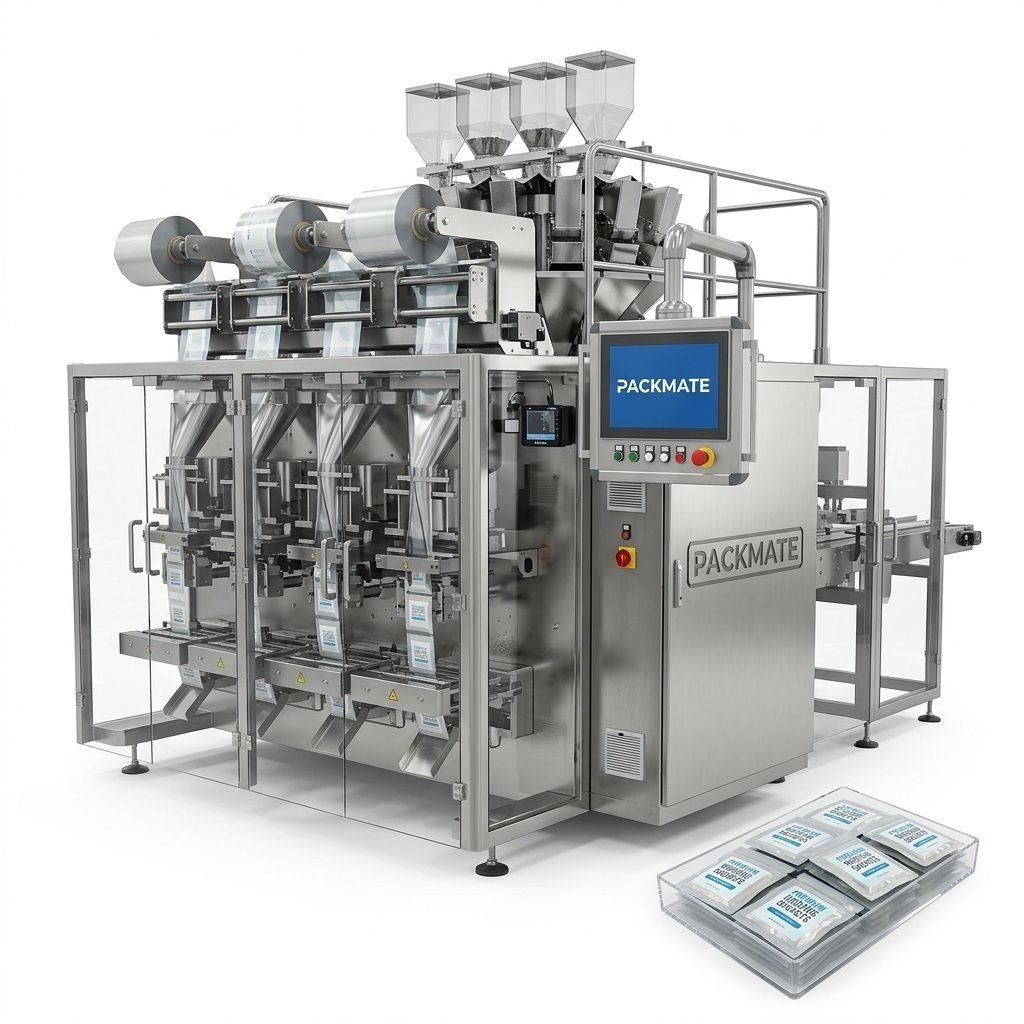
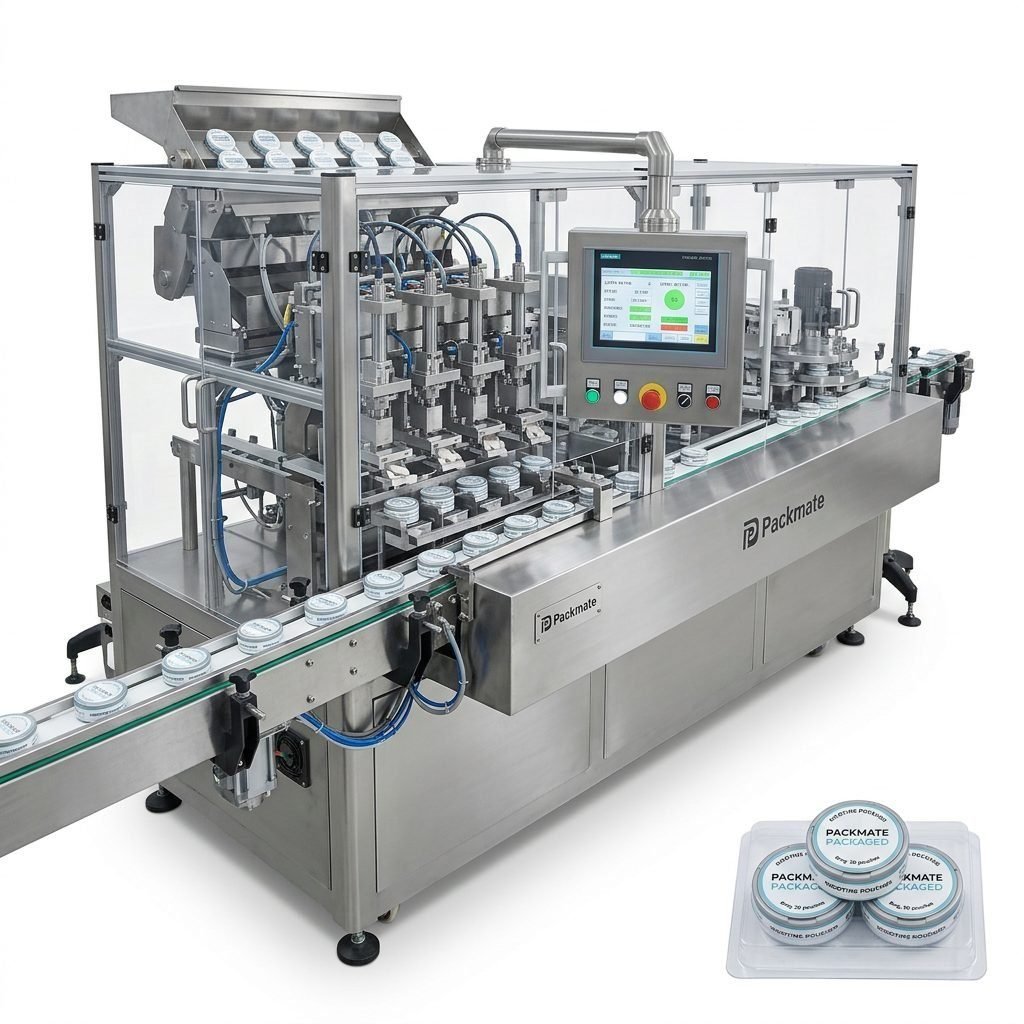
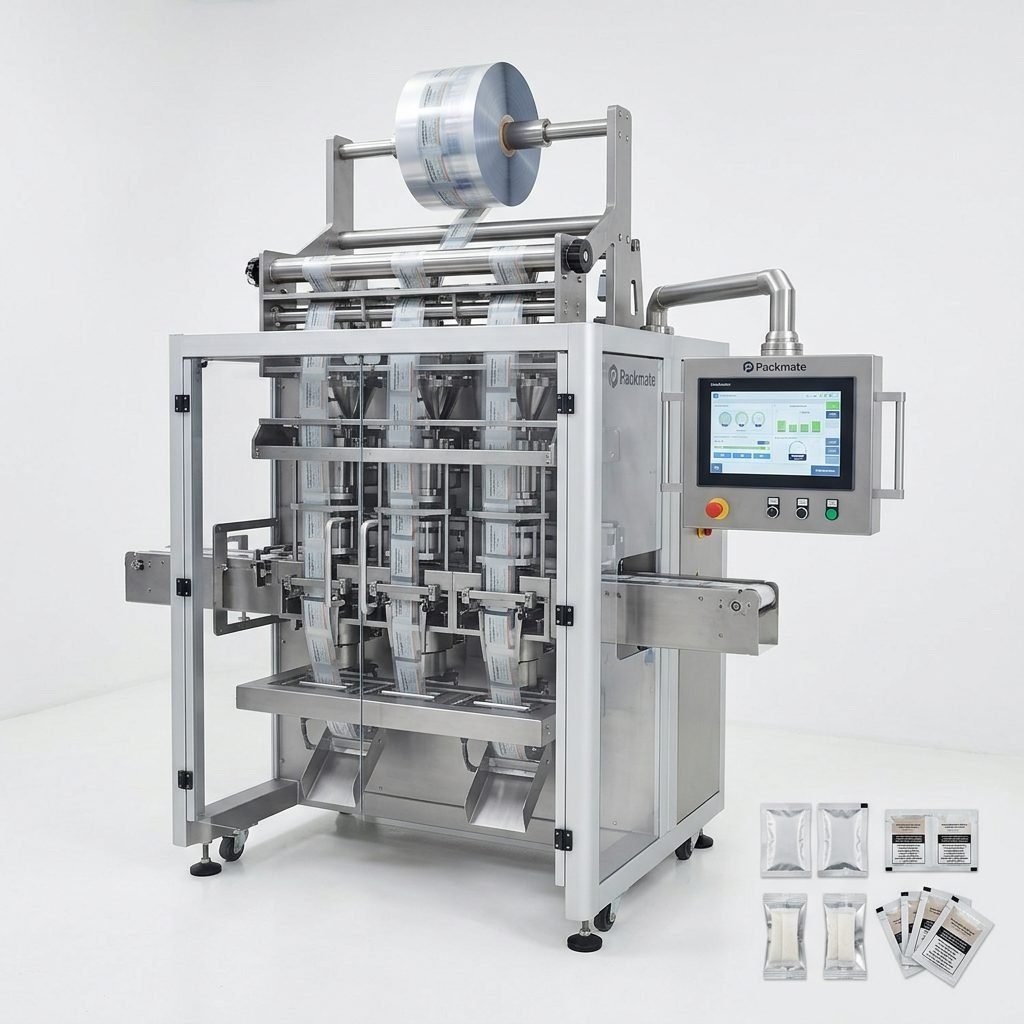
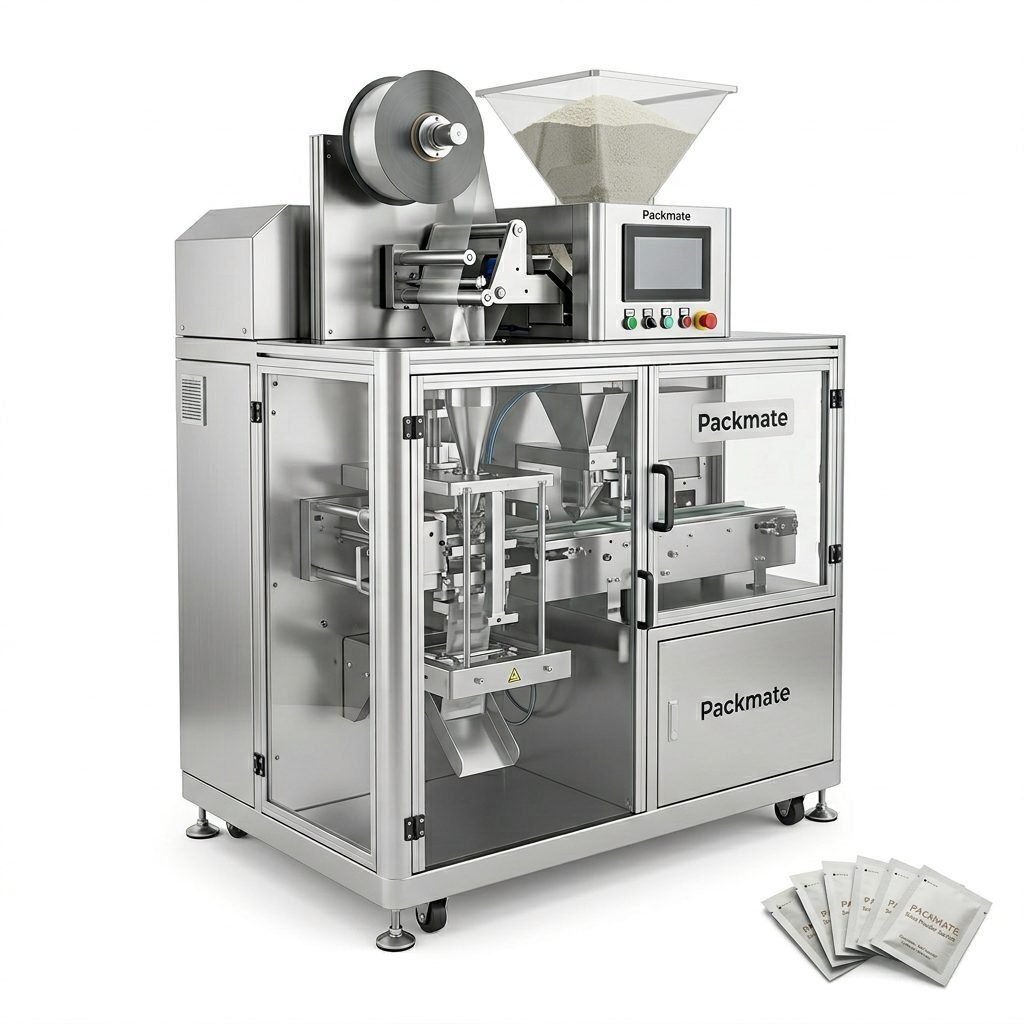
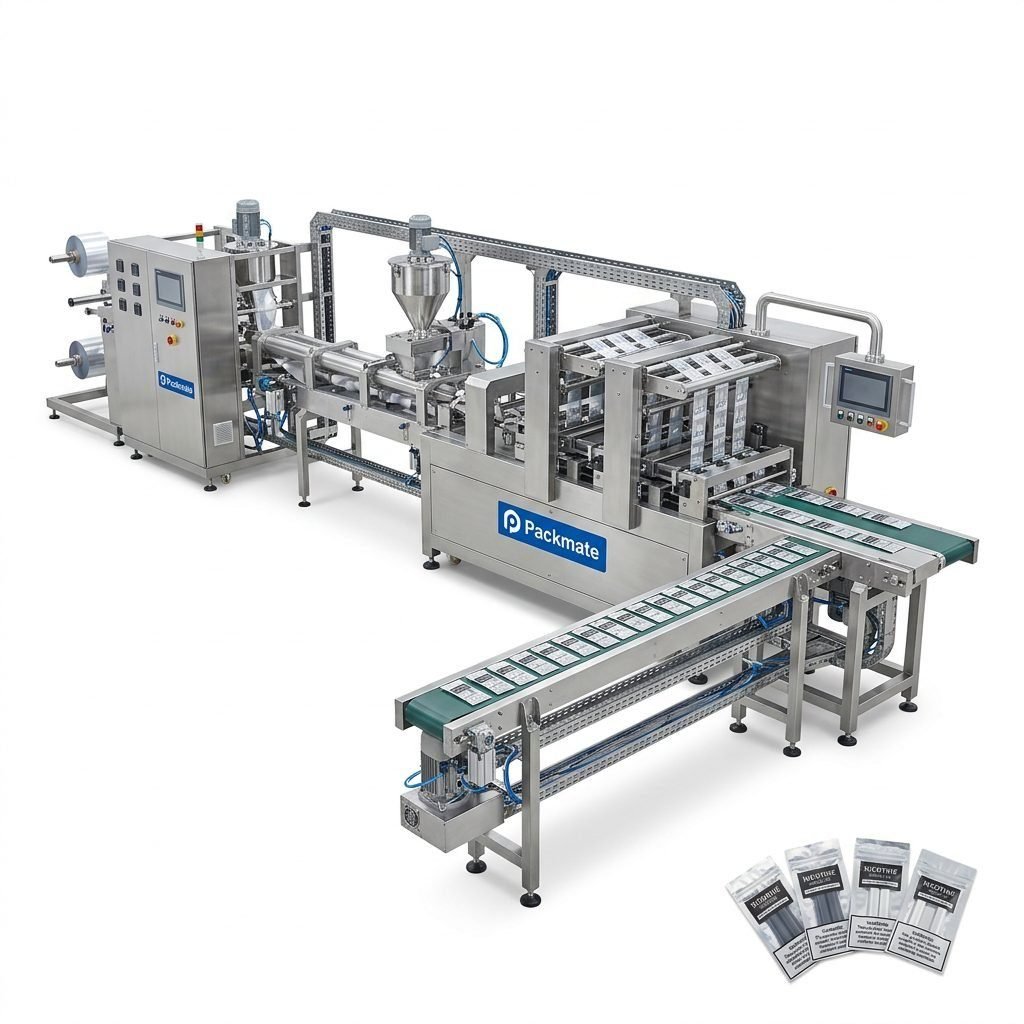
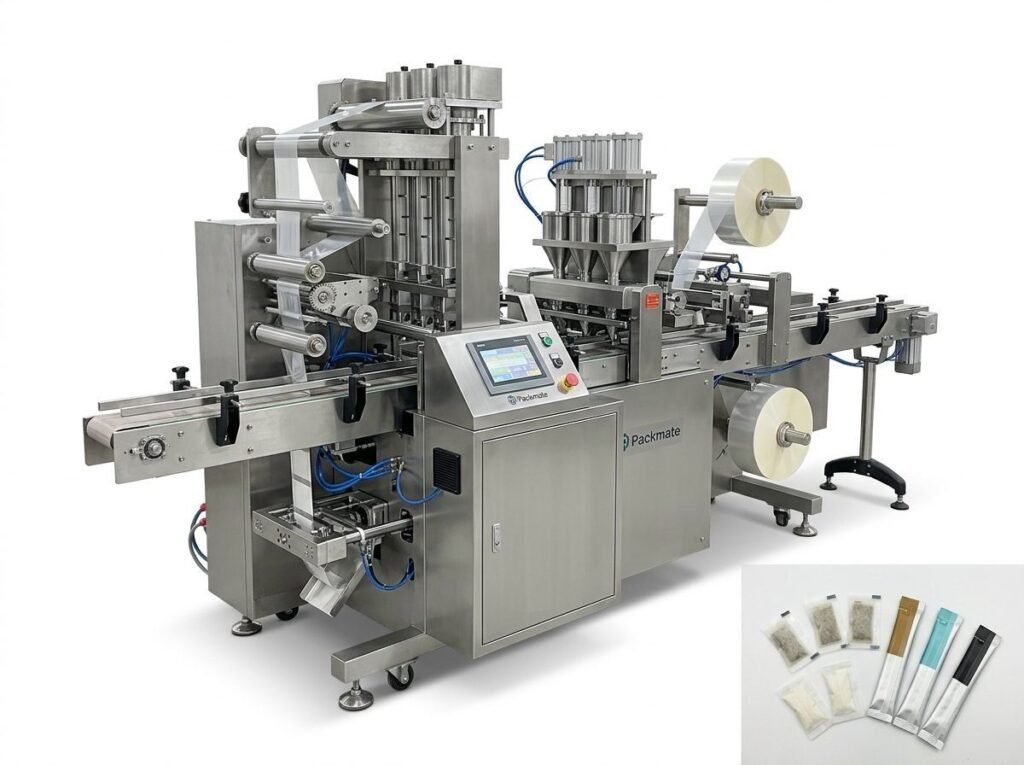
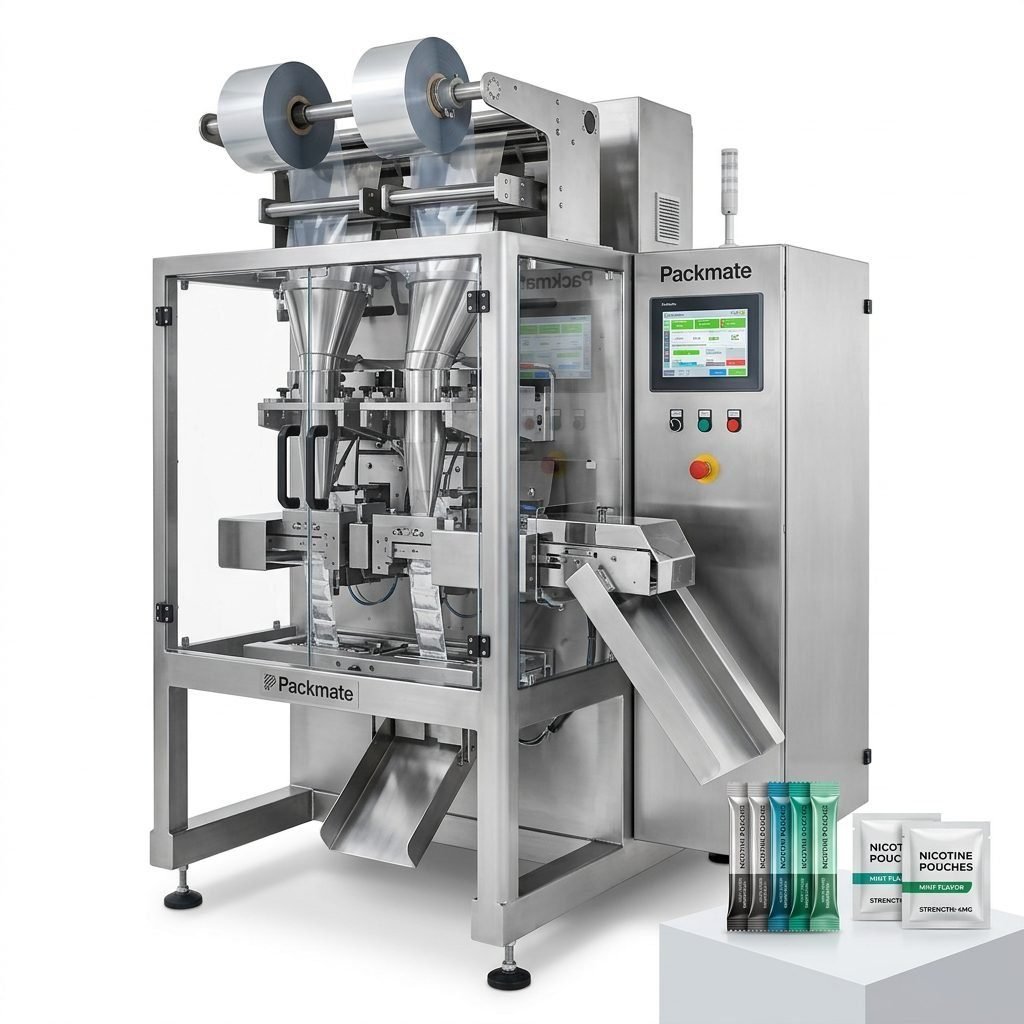
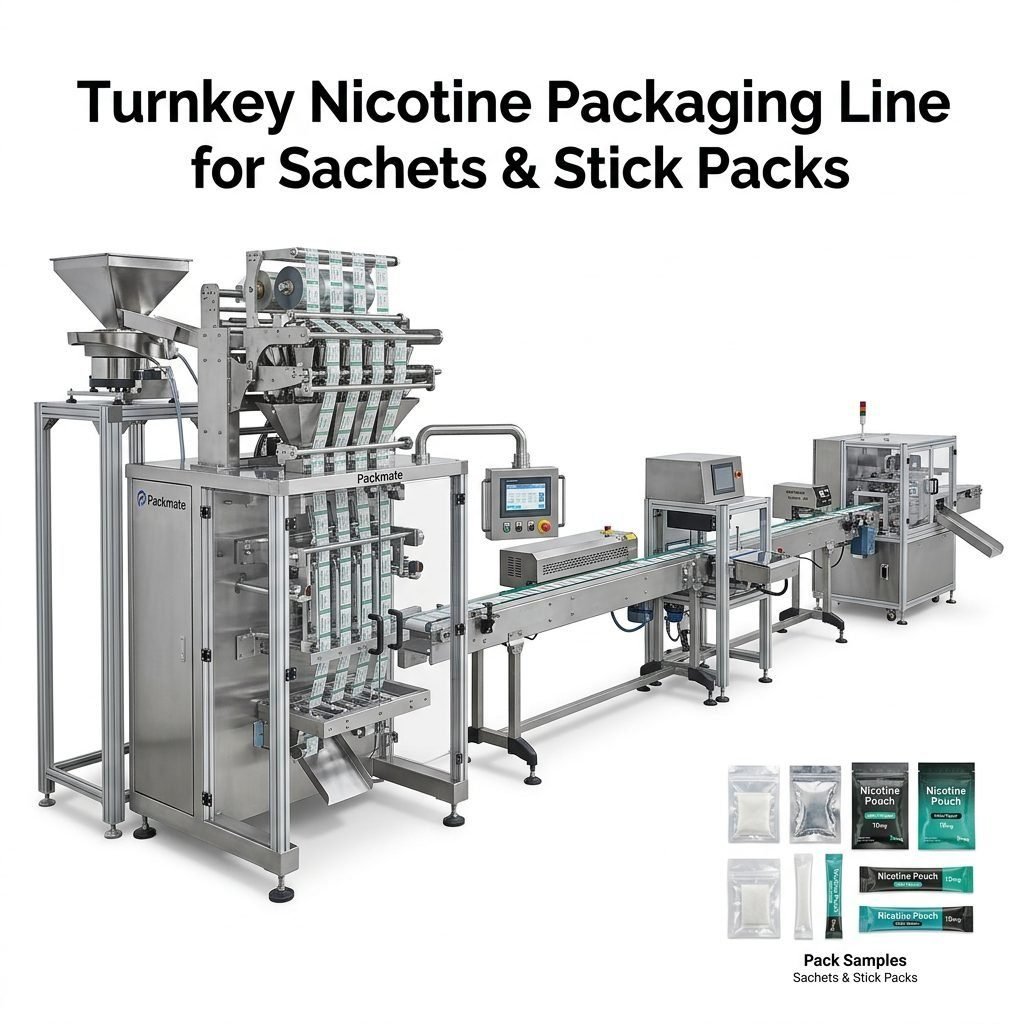
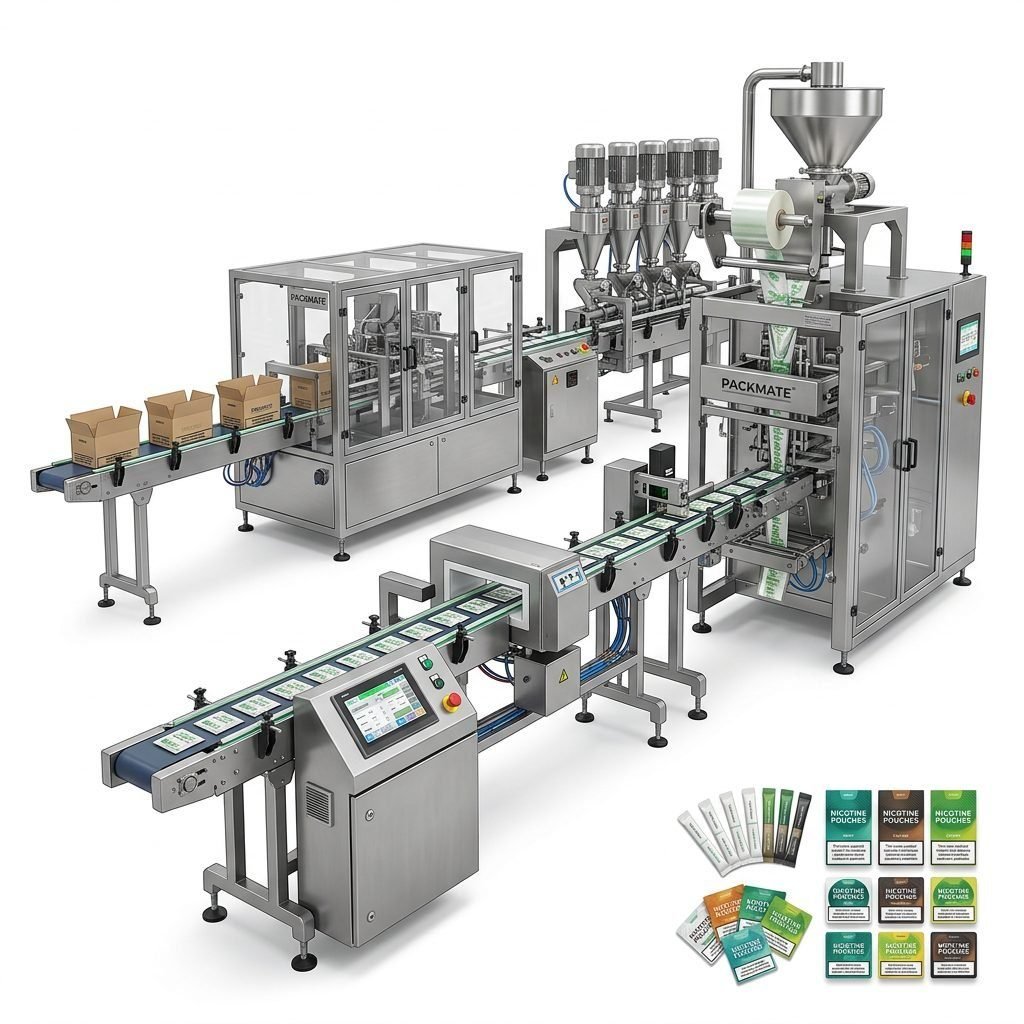
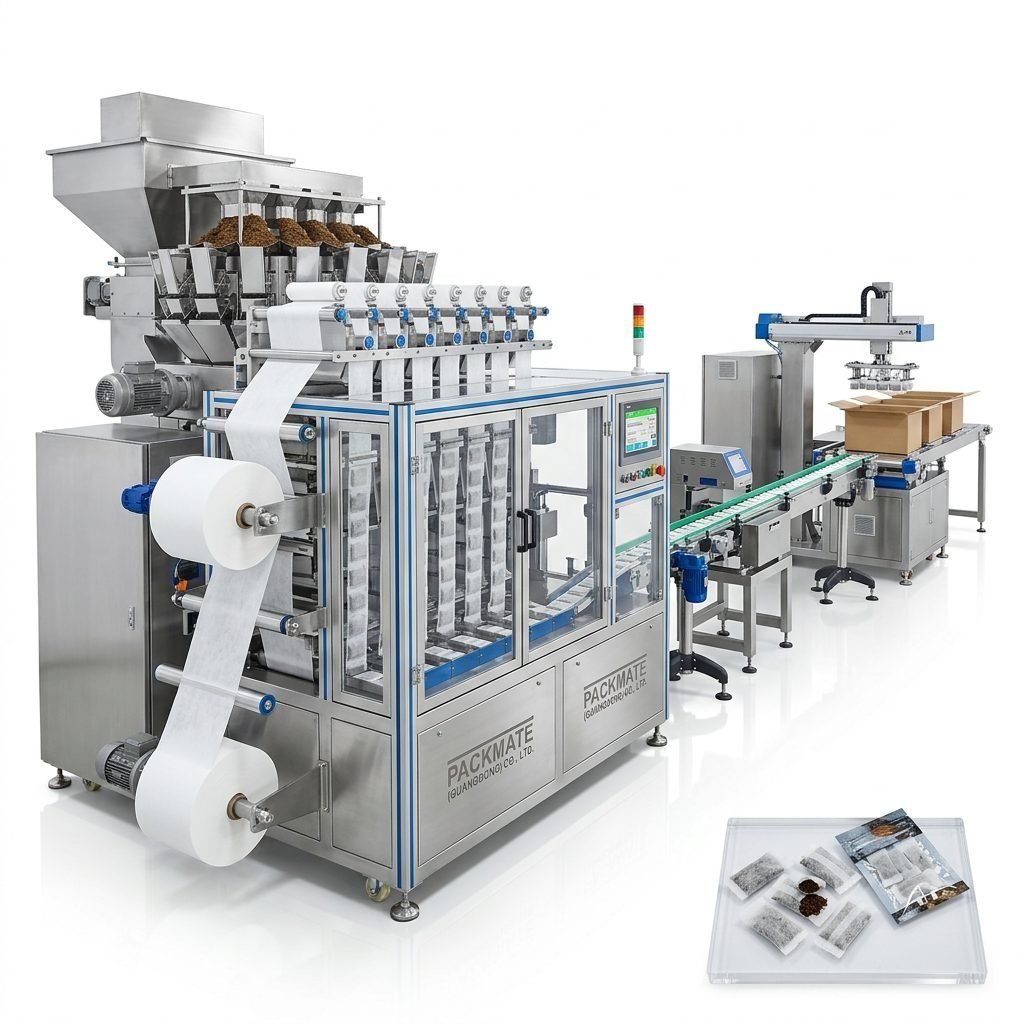
Look for manufacturers with specialized nicotine/snuspouch packaging models, such as stick packs, sachets, and multi-lane systems. Suppliers with a wide product range can help you scale or diversify later. For example, Packmate focuses on snus and nicotine pouch solutions and offers multi-lane systems suitable for small-dose pouch production. Learn more about their product offerings here:
Snus & Nicotine Packaging Machines.
2. Factory strength and certifications
Verify the supplier’s production capacity—factory size, CNC machining centers, and assembly lines matter. Check for international certifications like CE and ISO to ensure safety and quality compliance. You can review a manufacturer’s credentials and company background here:
About Packmate.
3. Performance data and references
Request real-world case studies, capacity figures (pouches per minute), lane counts, uptime statistics, and customer references—especially in similar climates or island logistics environments. Case studies showcasing global installations help gauge reliability:
Case examples.
4. Spare parts, training, and maintenance
Given the remote nature of Madagascar, ensure the supplier provides robust spare parts plans, remote troubleshooting, and on-site commissioning if needed. Ask about lead times for critical parts and the existence of regional partners for faster response.
Weighing & Packaging Systems.
📦 Logistics, Shipping and Installation Considerations
Madagascar’s island logistics means transit times may be longer and shipping costs higher. Plan accordingly with your supplier.
- Freight options: Choose FOB, CIF, or DDP based on your import experience. DDP (Delivered Duty Paid) simplifies clearance but often costs more; FOB/CIF requires confident customs handling.
- Local port and transport: Coordinate shipments to Toamasina or Antananarivo’s freight hubs. Check inland transport capacity for moving heavy machinery to your site, especially if you are outside urban centers.
- Installation and commissioning: Schedule factory-trained technicians for on-site setup and initial production runs. Remote commissioning support is valuable if travel is delayed.
Preparing your factory site
Ensure stable power supply, proper ventilation, and adequate floor load capacity. Discuss electrical requirements, compressed air, and dust control with the supplier well in advance.
⚙️ Technical Specifications to Prioritize
When comparing machine models, prioritize reliability metrics and features that match your product and market needs.
- Throughput: Pouches per minute and number of lanes. Choose a machine that supports production growth without immediate replacement.
- Format flexibility: Ability to switch between pouch sizes and materials—important if you offer multiple SKUs.
- Material compatibility: Compatibility with compostable or recyclable films if you are pursuing eco-friendly packaging.
- Automation level: Consider inline weigher and filling integrations to reduce labor and improve consistency.
💡 Supplier Communication and Contract Essentials
Clear contracts and communication prevent disputes and hidden costs.
- Warranty and service terms: Clarify warranty length, what’s covered, and response times for spare parts and technical support.
- Training and documentation: Include training visits, remote sessions, and multilingual manuals (French/Malagasy).
- Acceptance testing: Define FAT (Factory Acceptance Test) and SAT (Site Acceptance Test) criteria prior to final payments.
- Payment milestones: Use staged payments linked to milestones—design approval, FAT, shipping, installation.
- Detailed technical specifications and acceptance tests
- Spare parts list with pricing and lead times
- Training and commissioning scope
- Warranty, exclusions, and escalation path
🔧 After-Sales Service, Spare Parts and Local Support
Reliable after-sales service is crucial for minimizing downtime. Evaluate how the supplier supports long-term operations:
- Regional partners: Suppliers with local agents or partners in Africa or the Indian Ocean region can offer faster support.
- Remote diagnostics: Check whether the machine supports remote troubleshooting, software updates, and diagnostic data sharing.
- Consumables and spare parts kits: Order critical spare parts upfront—seals, belts, sensors—to avoid long lead times.
- Service contracts: Consider annual maintenance contracts for scheduled servicing and priority response.
🌍 Cultural and Business Etiquette in Madagascar
Building trust and relationships is especially important in Madagascar. Respecting local business customs helps negotiations and partnerships:
- Language and manners: Use French or a Malagasy-speaking contact for initial introductions. Courteous, patient negotiations are valued.
- Relationship building: Face-to-face meetings (or video calls) and follow-up visits foster trust. Local referrals and testimonials carry weight.
- Payment preferences: Be aware of local banking limitations and consider flexible payment terms when negotiating.
📑 How to Run Factory Acceptance Tests (FAT) Remotely
Remote FAT can save travel costs while still validating performance. Request live video demonstrations, recorded runs at full speed, and an independent third-party inspector if possible.
- Ask for a complete test protocol covering speed, sealing integrity, weight accuracy, and error handling.
- Request digital copies of PLC programs and operator interfaces; ensure they can be translated or configured in French.
- Confirm spare parts and tools included with shipment and ask for a labeled packing list for customs clearance.
Supplier resources
To explore more product types and packaging lines that might complement your nicotine packaging needs, check out related solutions like:
Sachet & Stick Pack Machines •
Filling & Packaging Lines •
Contact the manufacturer
- Confirm legal compliance for nicotine packaging in Madagascar
- Verify supplier certifications, references, and factory capabilities
- Agree on FAT/SAT terms and acceptance criteria
- Ensure robust spare parts and remote support arrangements
- Plan for shipping, customs clearance, and local installation logistics
🧭 Quick decision matrix: When to choose which supplier
Use the following guidance to match supplier strengths to your needs:
- You need fast scaling: Choose a supplier with multi-lane, high-throughput systems and proven global installations.
- You need minimal risk: Prioritize suppliers offering turnkey solutions, on-site commissioning, and local partners.
- You want eco-friendly packaging: Look for compatibility with sustainable films and suppliers who can test materials before full deployment.
📌 Final notes
Sourcing the right nicotine packaging machine supplier for Madagascar is a mix of technical due diligence and cultural understanding. Prioritize suppliers who demonstrate regulatory knowledge, offer comprehensive after-sales support, and can help you navigate island logistics. For equipment and turnkey packaging solutions focused on snus and nicotine pouches, consider suppliers with a strong track record, certifications, and open communication channels to ensure a smooth procurement and deployment process.
Frequently Asked Questions
Q1: What documentation should I request from a packaging machine supplier before purchase?
A1: Request CE/ISO certificates, FAT protocols, user manuals (preferably in French), detailed spare parts lists, warranty details, and references from similar installations.
Q2: How long does shipping and installation typically take for machinery to Madagascar?
A2: Shipping can vary from 4–8 weeks depending on origin and freight mode. Allow additional time for customs clearance and on-site installation—plan for 2–6 weeks for commissioning.
Q3: Should I purchase spare parts before the machine arrives?
A3: Yes. Order critical spare parts (sealing jaws, belts, sensors) upfront to avoid extended downtimes caused by long lead times to Madagascar.
Q4: Can I test packaging materials like compostable films on the machine before purchase?
A4: Reputable suppliers will offer material compatibility tests during FAT or sample trials. Insist on testing your actual films and pouch formats at production speeds.
Q5: Where can I find more information about full packaging lines and support services?
A5: Explore detailed offerings such as Filling & Packaging Lines and the company’s service pages to assess turnkey options and long-term support.