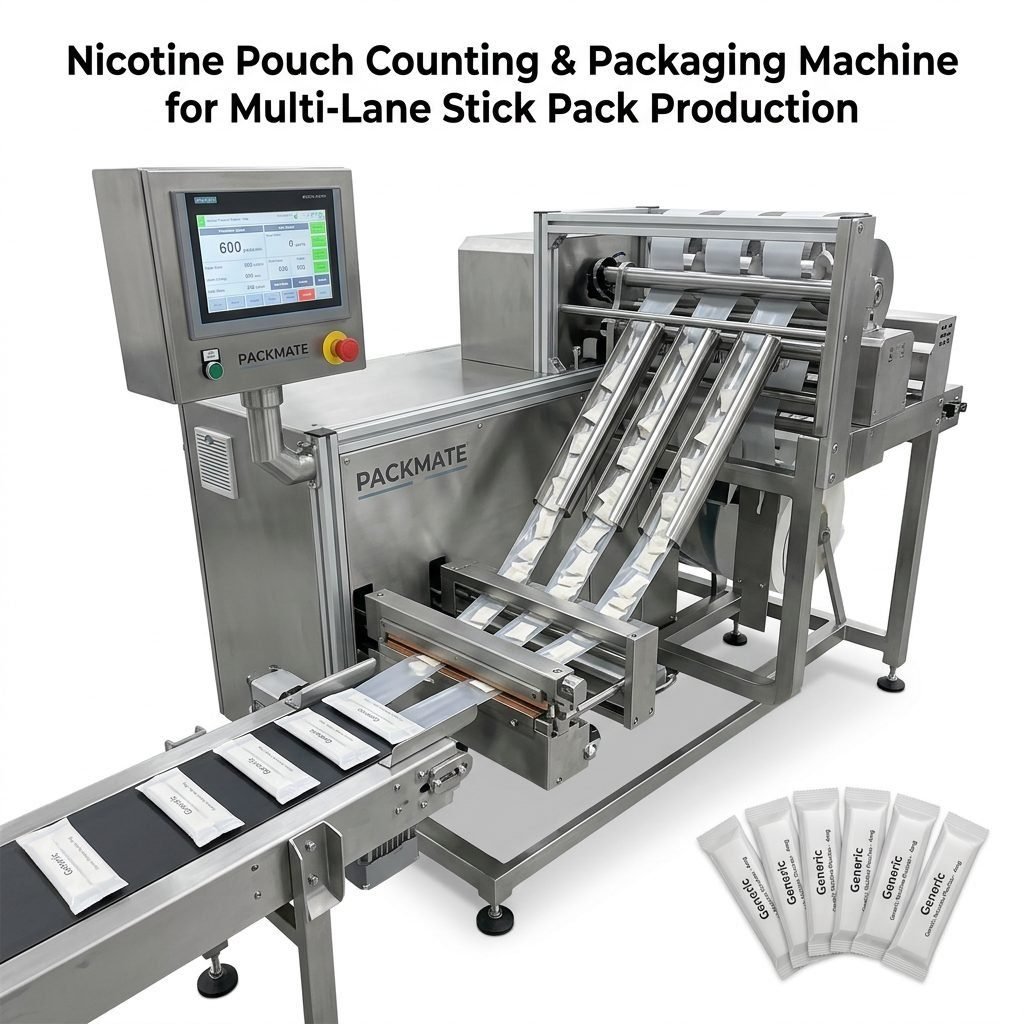
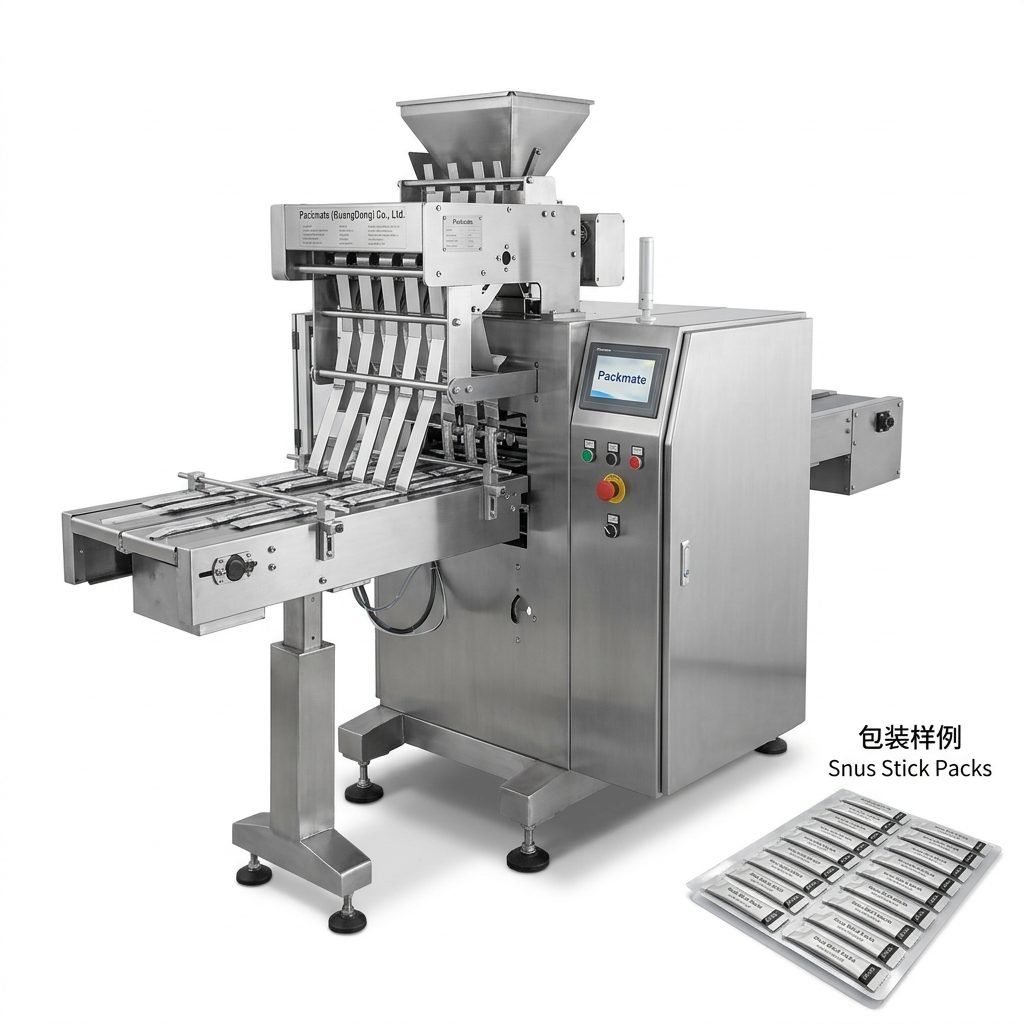
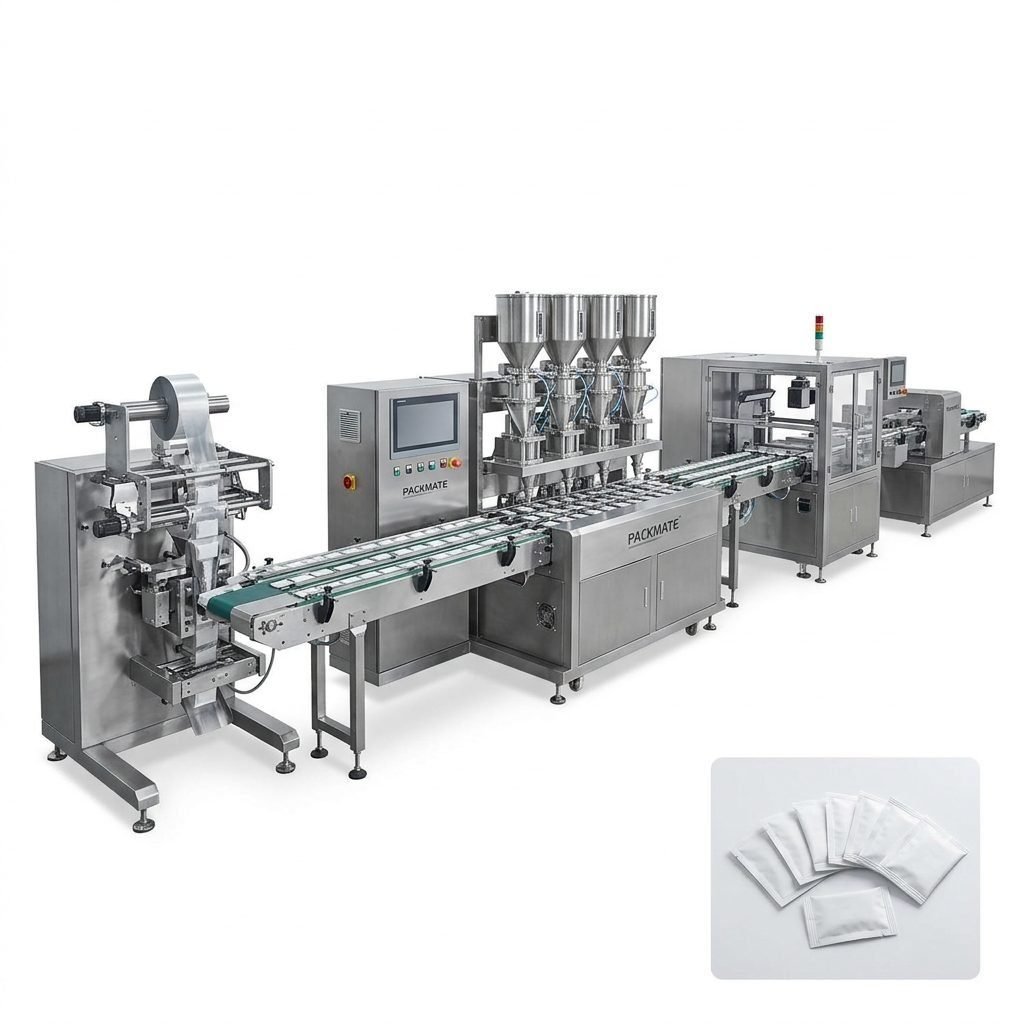
Choosing the right nicotine packaging machine in Switzerland requires a clear understanding of production goals, local regulations, product formats, and long-term service expectations. This guide walks you through the technical, commercial, and operational factors to evaluate so you can select a snus or nicotine pouch packing solution that delivers consistent quality, regulatory compliance, and a fast return on investment.
Understanding the Swiss Market and Regulatory Context
Switzerland’s strict product and packaging requirements mean you must factor in label accuracy, traceability, and hygienic design when selecting equipment. Compliance with CE and ISO standards is a core requirement for machines operating in or supplying Europe. Check that your supplier provides documentation and test reports demonstrating conformity so installation and validation are straightforward.
Common Nicotine Packaging Formats and Machine Types
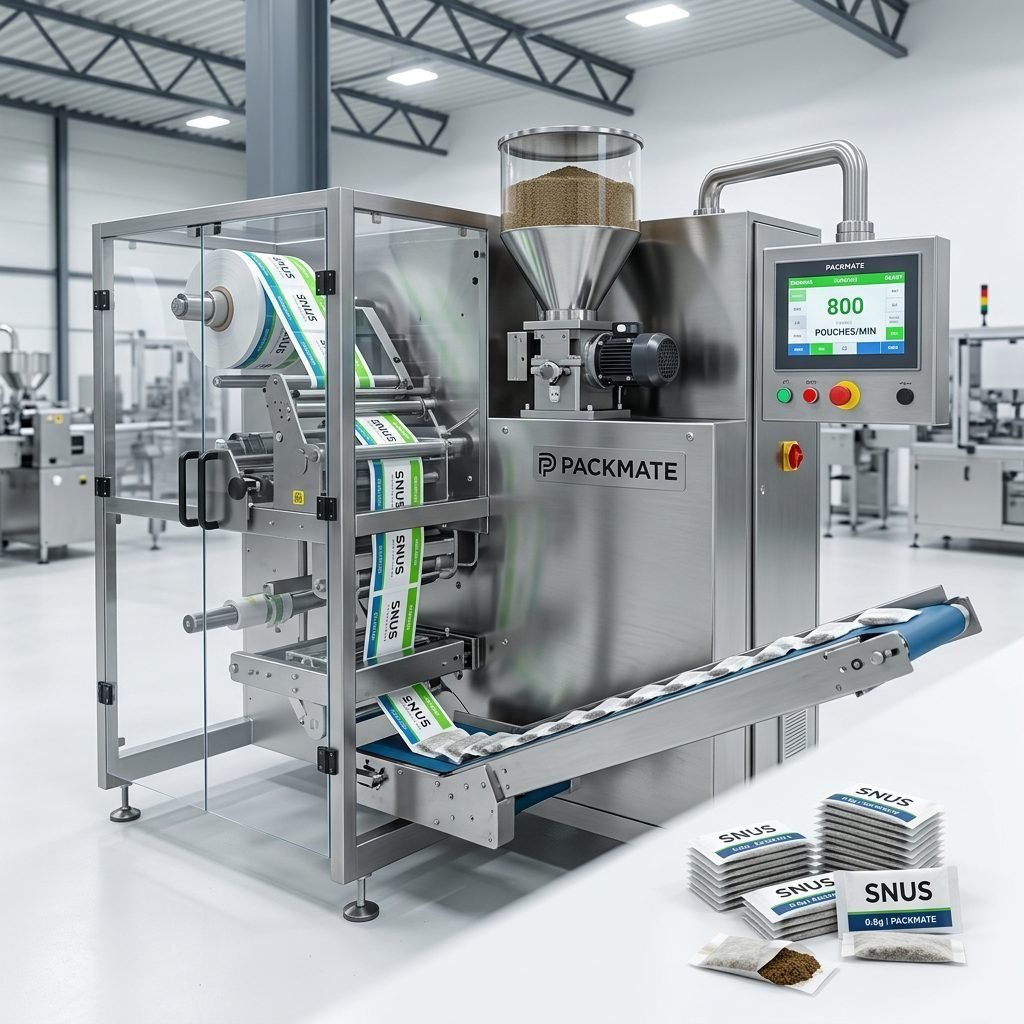
Nicotine pouches and snus products are commonly packaged in several formats. Select a machine type that matches your primary product and future flexibility needs:
🔧 Single-lane pouch machines – Ideal for small runs and niche products where changeover simplicity is essential.
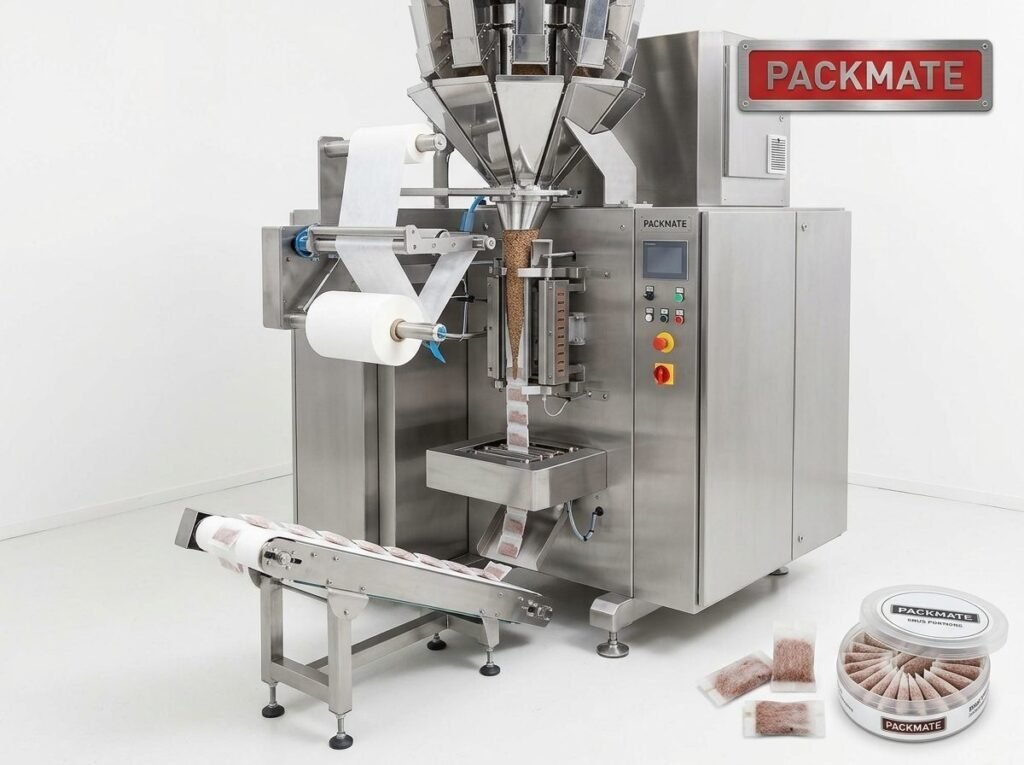
✅ Multi-lane high-speed systems – Designed for mass production of small-dose pouches; they multiply output per cycle and reduce per-unit costs.
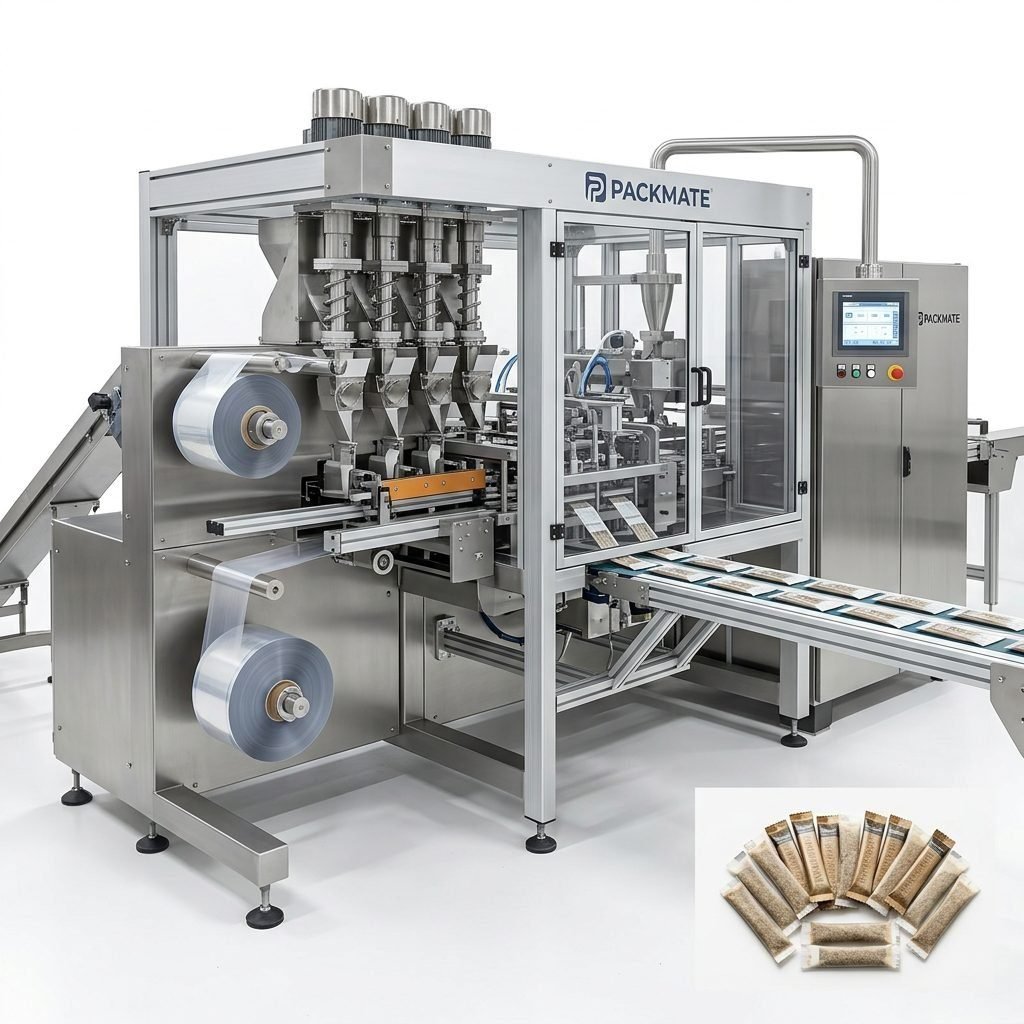
📦 Stick pack and sachet machines – If you plan to diversify into single-serve sachets or stick packs, choose modular machines that can be retooled with minimal downtime.
For a full overview of suitable equipment types, review dedicated product pages such as Snus & Nicotine Packaging Machines and Sachet & Stick Pack Machines.
Key Technical Criteria to Evaluate
📌 Production speed and throughput — Match machine capacity to your peak demand. Multi-lane systems can dramatically increase output without increasing floor space.
📌 Filling accuracy — Tolerance for nicotine pouches must be tight. Check dosing systems (e.g., auger, vibratory, weigh-fill) and request accuracy test reports.
📌 Material compatibility — Ensure the machine supports your pouch films, laminations, and barrier requirements for shelf life and shelf appeal.
Automation, Controls and Changeover
Modern packing lines use PLCs, HMI touchscreens, and servo drives for quick changeovers and precise control. Look for features like pre-programmed recipes, servo-assisted film tracking, and tool-less change parts to reduce downtime. Ease of operation reduces training time and human error — a direct contributor to consistent quality.
Hygiene and Maintainability
Stainless steel construction, minimal crevices, and IP-rated electrical components make daily cleaning and preventive maintenance simpler. Ask for CAD layouts and access points to ensure cleaning-in-place procedures meet Swiss sanitary expectations.
Selecting a Trusted Manufacturer
Choosing an experienced manufacturer is as important as choosing the right machine. Evaluate partners on engineering experience, production capacity, and global support. For example, Packmate Snus Machine has over 30 years of engineering experience and offers a broad portfolio of models, from single-lane pouch machines to complex multi-lane lines. Learn more about the company at About Packmate.
Factory capabilities and certifications
A 20,000㎡ manufacturing facility, advanced CNC centers, and ISO/CE certifications are indicators of robust manufacturing and consistent quality control. Ask to see factory acceptance tests (FAT) and quality certificates before purchase.
After-Sales Service and Spare Parts
Reliable after-sales service is critical. Check lead times for spare parts, availability of remote diagnostics, and whether the supplier offers on-site installation, training, and preventative maintenance contracts. Good suppliers often support you through the full lifecycle, from commissioning to long-term upgrades.
Turnkey Lines and Integration Options
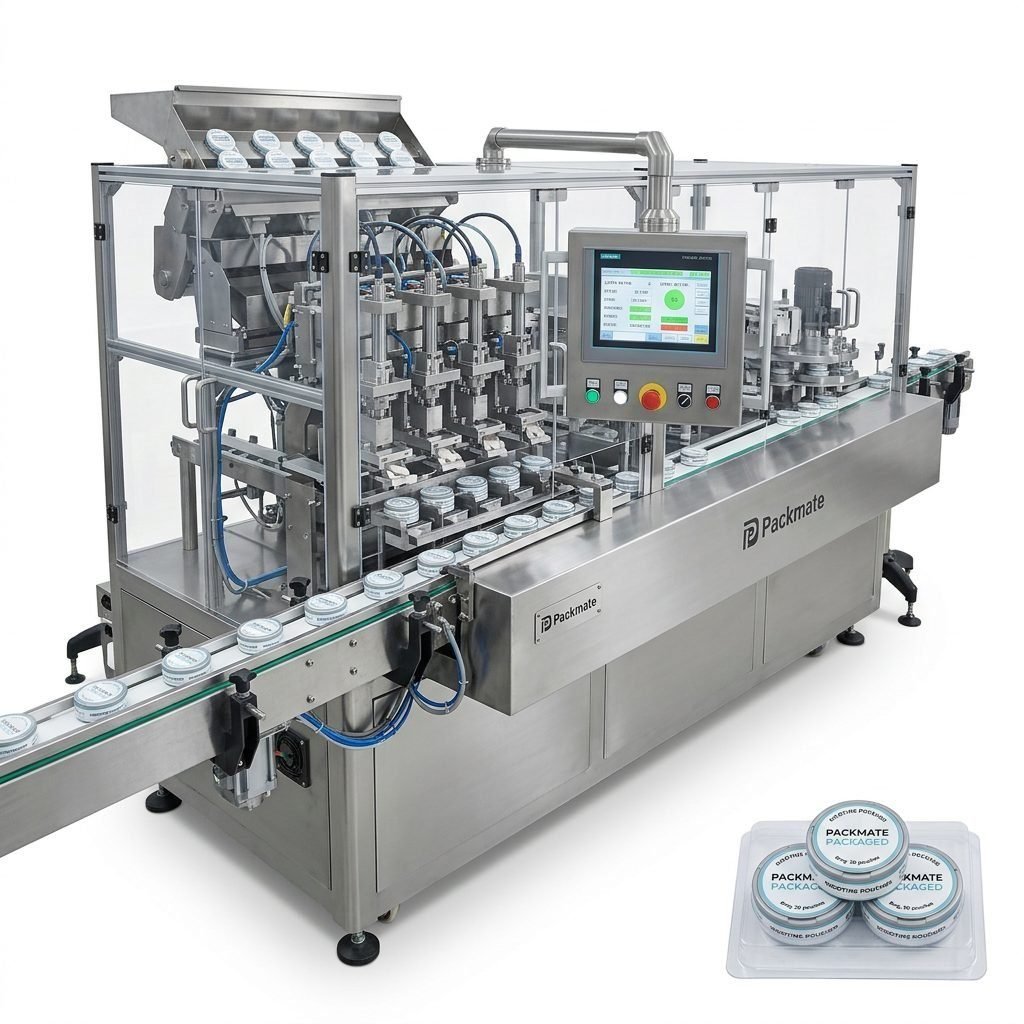
If you plan a fully automated production line, consider turnkey options that integrate weighing, dosing, filling, sealing, and case packing. Look for partners who provide integrated solutions like Weighing & Packaging Systems or Filling & Packaging Lines. Integration reduces interfaces, improves line efficiency, and simplifies validation.
Modularity and future upgrades
Select machines with modular architecture so you can add lanes, incorporate new weighing systems, or implement secondary packaging without replacing the entire line.
Cost Considerations and Return on Investment
Evaluate total cost of ownership (TCO) rather than just capital expenditure. TCO includes downtime, spare parts, utility consumption, consumables, labor, and maintenance. High initial investment in robust, high-speed multi-lane machines often pays back via lower per-unit cost and improved uptime.
⚖️ Checklist to estimate ROI — expected throughput, yield rate, labor savings, packaging material reduction, and projected market growth.
Site Planning, Installation and Commissioning
Early coordination between your engineering team and the supplier reduces costly surprises. Provide floor plans, utilities (electric, compressed air, vacuums), and logistic constraints. Ask the supplier for a detailed installation plan and FAT before shipping. On-site commissioning should include production runs with your materials and full operator training.
Maintenance Best Practices
Preventive maintenance schedules, spare parts kits for critical wear items, and documented troubleshooting procedures shorten downtime. Consider a maintenance contract with remote support and scheduled inspections for long-term reliability.
How to Validate Supplier Claims
Request references, case studies, and site visits. A reputable supplier will share successful installations and performance metrics. Review customer testimonials and independent case pages like Case to confirm real-world reliability.
Procurement and Contract Tips
Negotiate performance guarantees, acceptance test criteria, spare parts lead times, and warranty terms. Ensure contracts include training, documentation in English (or your preferred language), and clear delivery timelines. If localized service is important, confirm distributor or technical partner coverage in Switzerland.
Summary: Practical Steps to Choose the Best Machine
1. Define your product mix, target throughput, and acceptable changeover times.
2. Prioritize hygiene, accuracy, and automation features for regulatory compliance.
3. Evaluate supplier credentials, certifications, and factory capabilities.
4. Confirm after-sales support, spare parts availability, and training.
5. Compare TCO and calculate realistic ROI scenarios.
📌 Tip: For turnkey solutions and tailored lines, explore comprehensive offerings including auxiliary equipment and system integration to minimize supplier handovers: Auxiliary Packaging Equipment.
Next Steps and Where to Get Expert Help
Start by mapping your production requirements and contacting qualified suppliers with a detailed specification sheet. Request machine demos, FAT documentation, and supplier references. If you want to speak to suppliers directly, use official contact points such as Contact Us on manufacturer websites.
Common Questions (FAQs)
Q1: How do I choose between single-lane and multi-lane systems?
A1: Choose single-lane for small-scale, flexible production and multi-lane for high-volume, low-per-unit-cost manufacturing. Consider expected growth and space constraints.
Q2: What certifications should I insist on for machines sold in Europe and Switzerland?
A2: Ensure CE marking and ISO quality system evidence. Request factory test reports and electrical compliance documentation.
Q3: How important is spare parts availability?
A3: Critical. Long lead times can extend downtime. Negotiate spare parts kits and check local stocking or expedited shipping options.
Q4: Can I retrofit an existing machine to handle nicotine pouches?
A4: Retrofitting is possible in some cases but evaluate hygiene, sealing, and dosing capabilities carefully. Consult the supplier for feasibility studies and cost estimates.
Q5: What support should I expect during commissioning?
A5: Expect onsite engineers, FAT validation, operator training, and initial production runs with your materials. Clarify these deliverables in the purchase agreement.