Choosing the right snus packaging machinery in Latvia requires more than picking the most expensive or fastest model. Manufacturers and brand owners in Latvia need equipment that fits local consumer habits, regulatory expectations across the EU, and production targets — while offering reliable service and scalability. This guide walks you through practical steps, key machine features, and local considerations to help you make a confident buying decision.
Understand the Latvian Market & Local Habits
Latvia sits at the crossroads of Nordic and Baltic consumer cultures. While traditional snus (tobacco-containing moist powders) is more established in Sweden and Norway, Latvian users are increasingly familiar with modern nicotine pouches and convenient portion formats. Typical demand drivers in Latvia include:
Convenience — compact, discreet pouches that fit pockets; small retail packs for trial and subscription buyers; clear labelling in Latvian and English to meet consumer expectations.
From a cultural perspective, Latvian consumers appreciate high-quality packaging and discreet designs. For producers, that means prioritizing machines that produce clean seals, consistent pouch weights, and flexible pouch formats for retail diversity.
Regulatory Considerations in Latvia and the EU
As a member of the European Union, Latvia requires compliance with EU-wide packaging, labeling, and safety standards. Even when producing tobacco-free nicotine pouches, companies must prepare for strict labeling, ingredient disclosure, and CE/ISO requirements for machinery. Ensure any equipment supplier can demonstrate compliance documentation and support for traceability.
When evaluating suppliers, request machine certificates (CE, ISO) and ask about local guidance for labeling practices to align with Latvian language requirements and retail expectations.
Key Packaging Formats to Consider
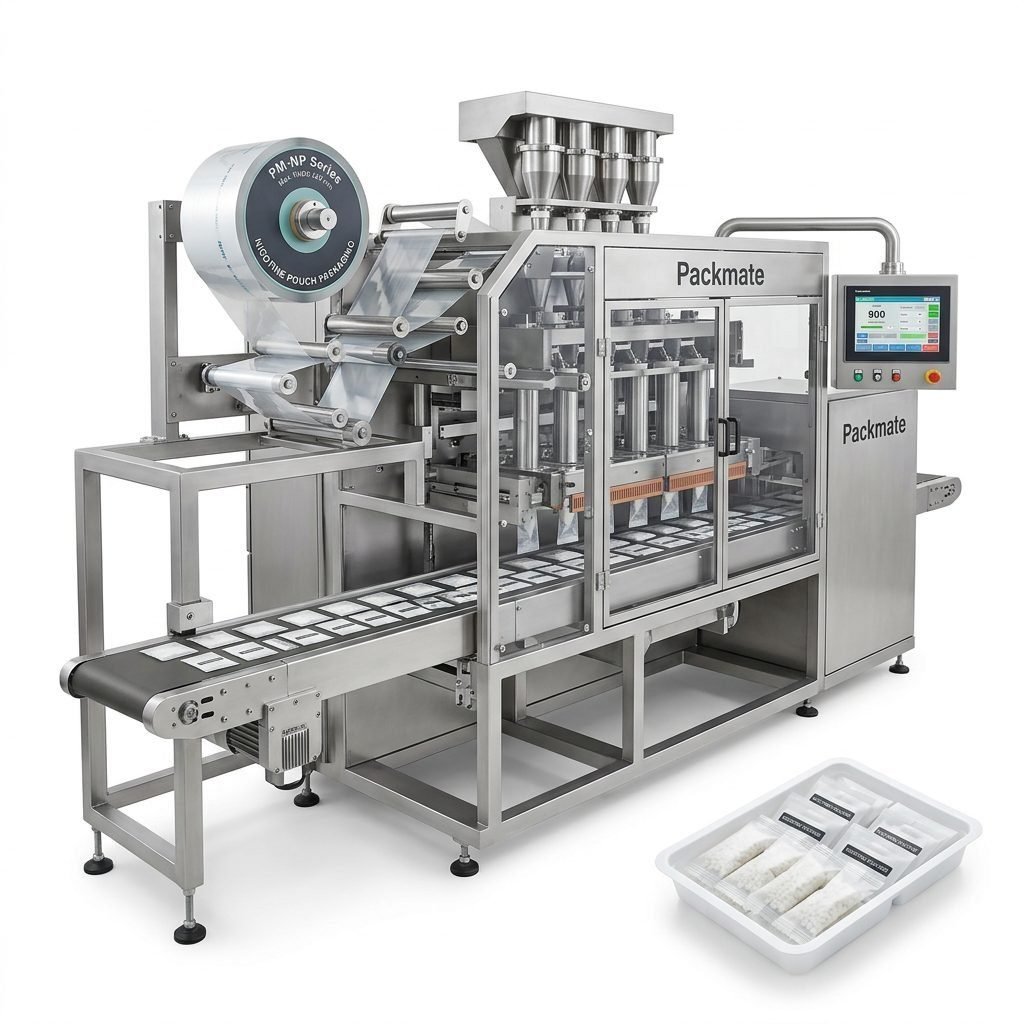
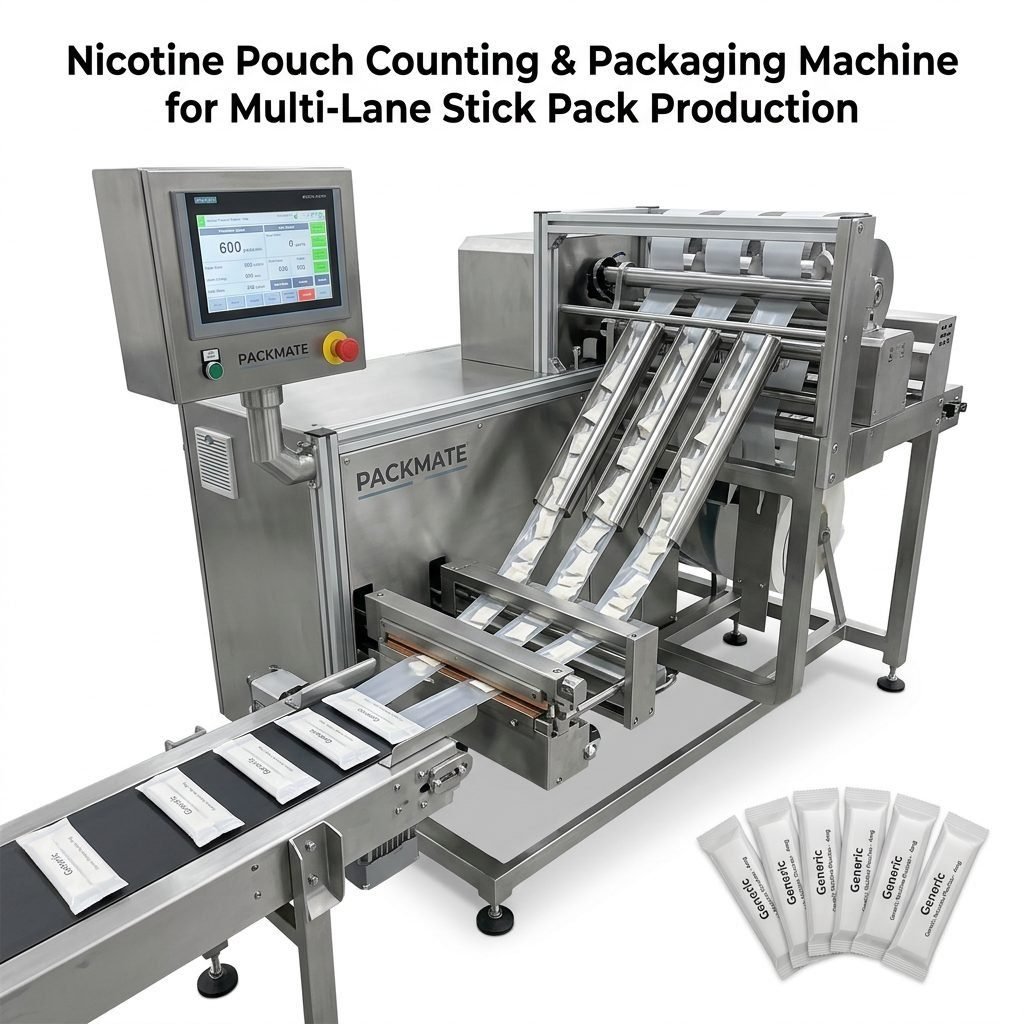
Decide whether you will run single-dose pouches, multi-pouch retail cans, stick packs, or sachets. Popular choices for Latvian distribution include small-count sachets for trial packs and multi-lane portion pouch lines for higher throughput.
Tip: Multi-lane systems can reduce cost per pouch when demand scales, but give up some flexibility versus single-lane lines for frequent format changes.
Essential Machine Types and When to Choose Them
Matching machine capabilities to your product and volume goals is critical. The most relevant equipment types include:
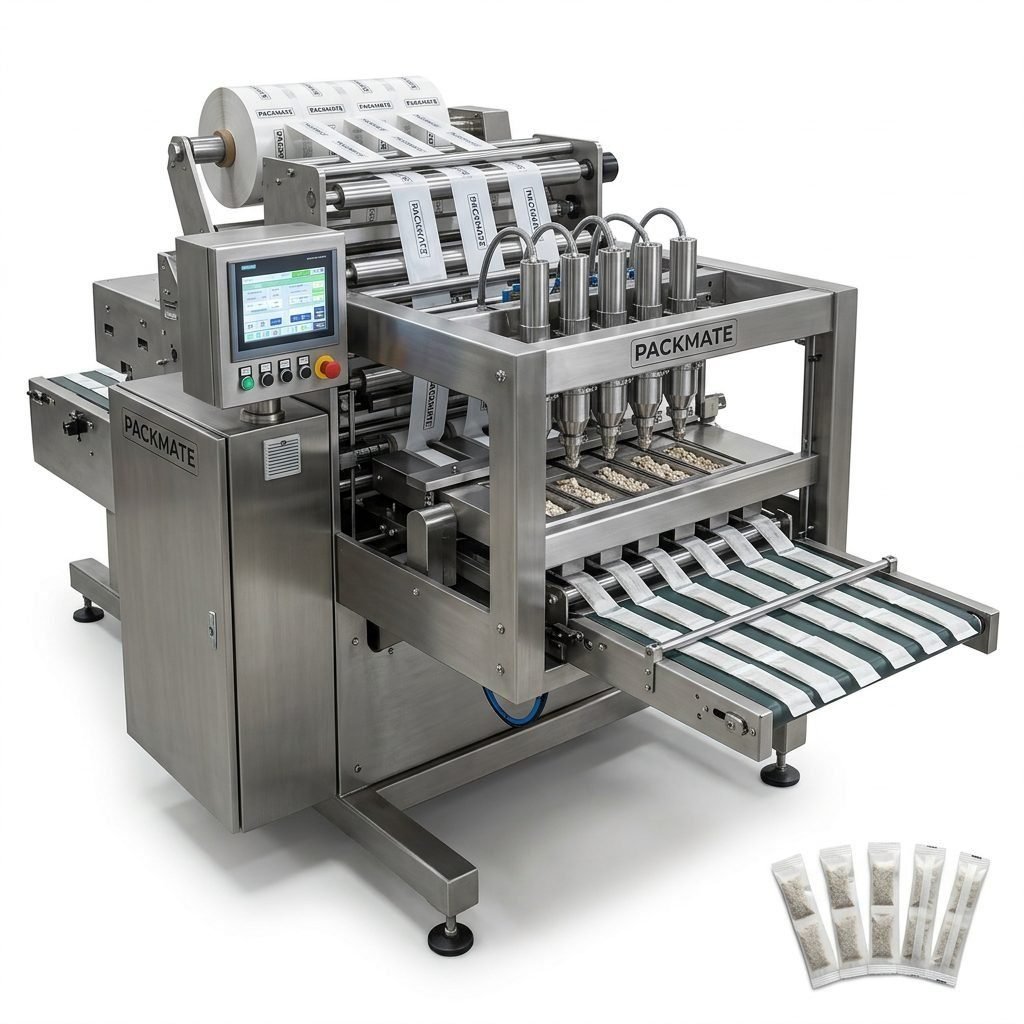
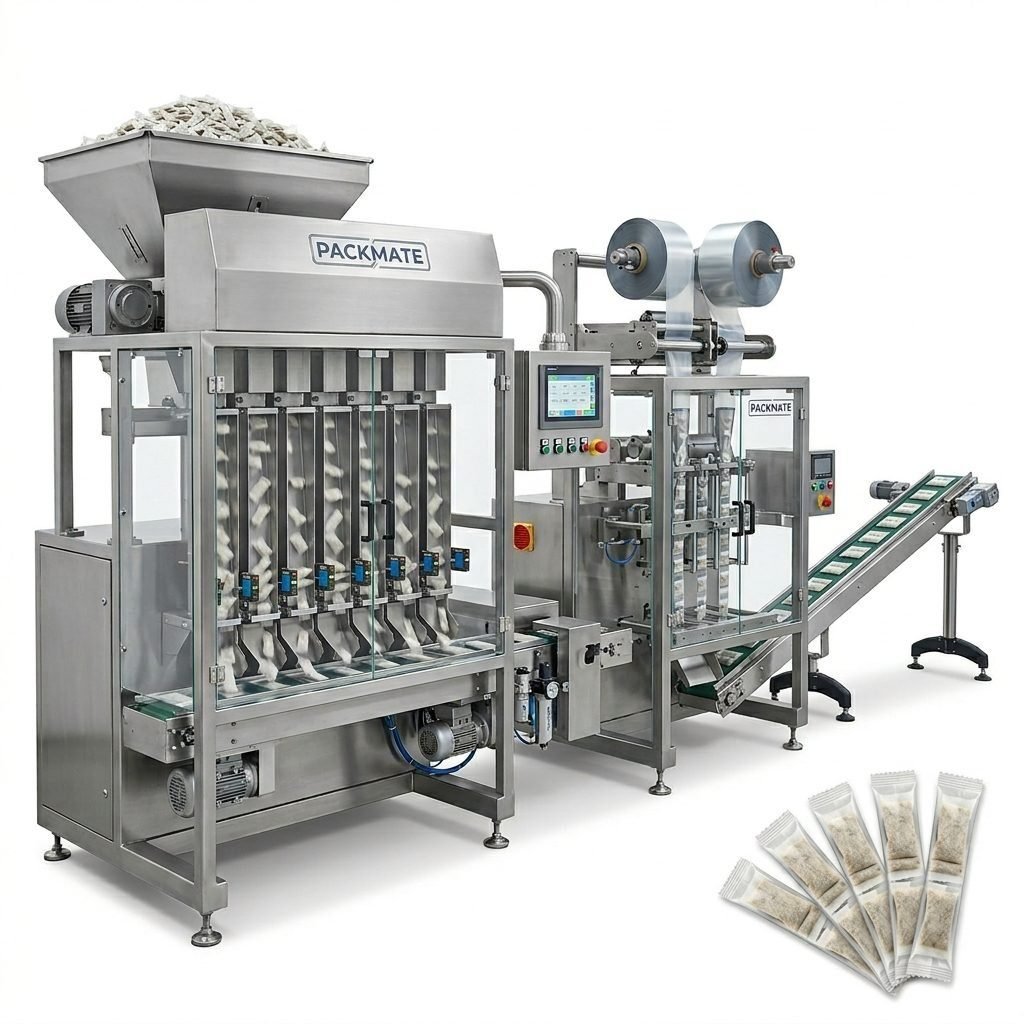
- Stick pack machines — suitable for single-dose format snacks and small sample sachets.
- Sachet & stick pack machines — flexible lines that handle powder and granule dosages well.
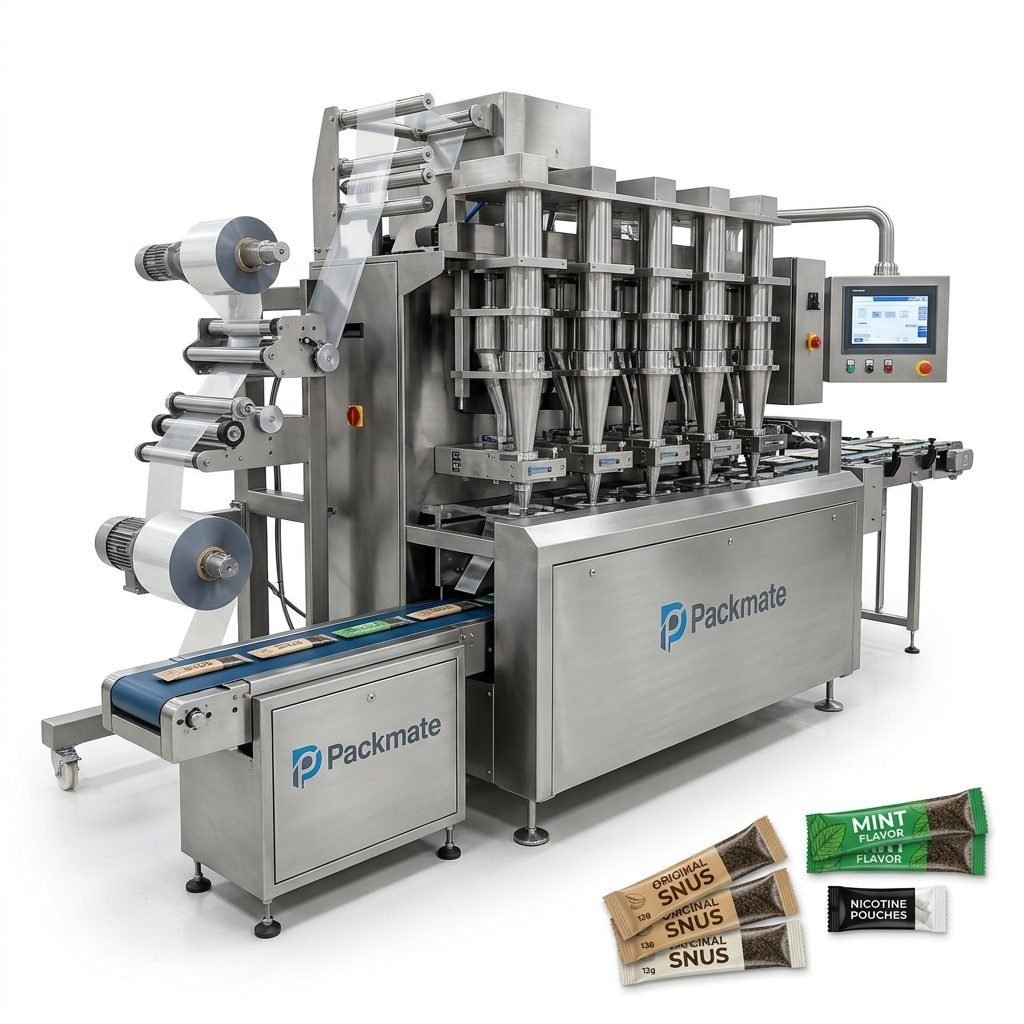
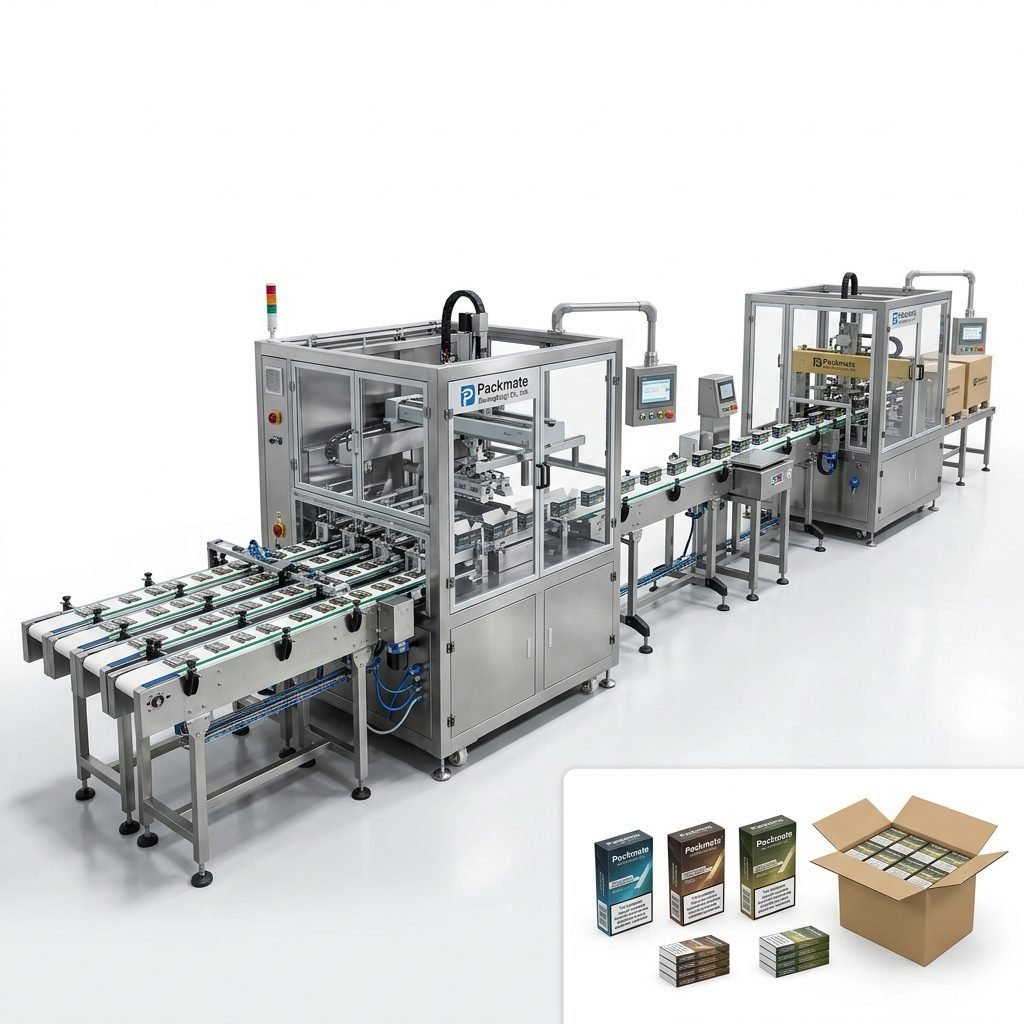
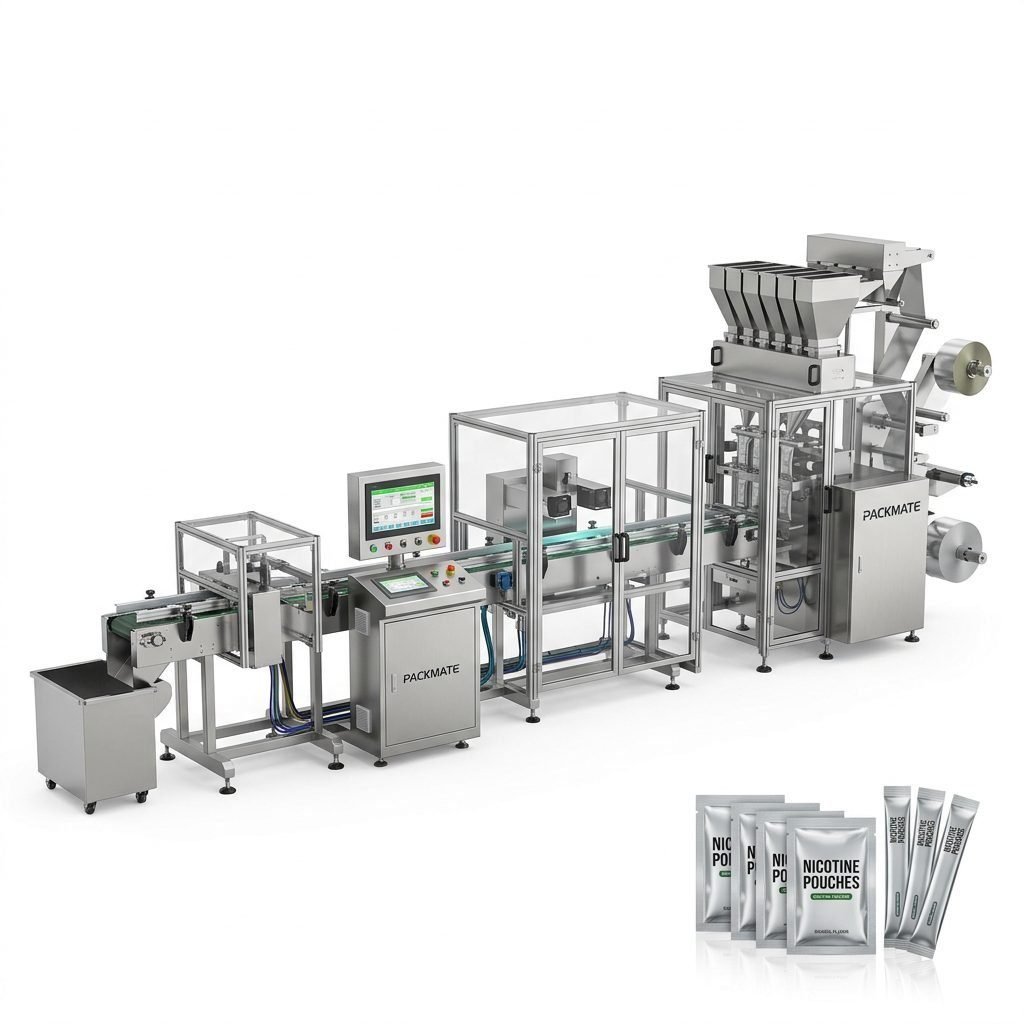
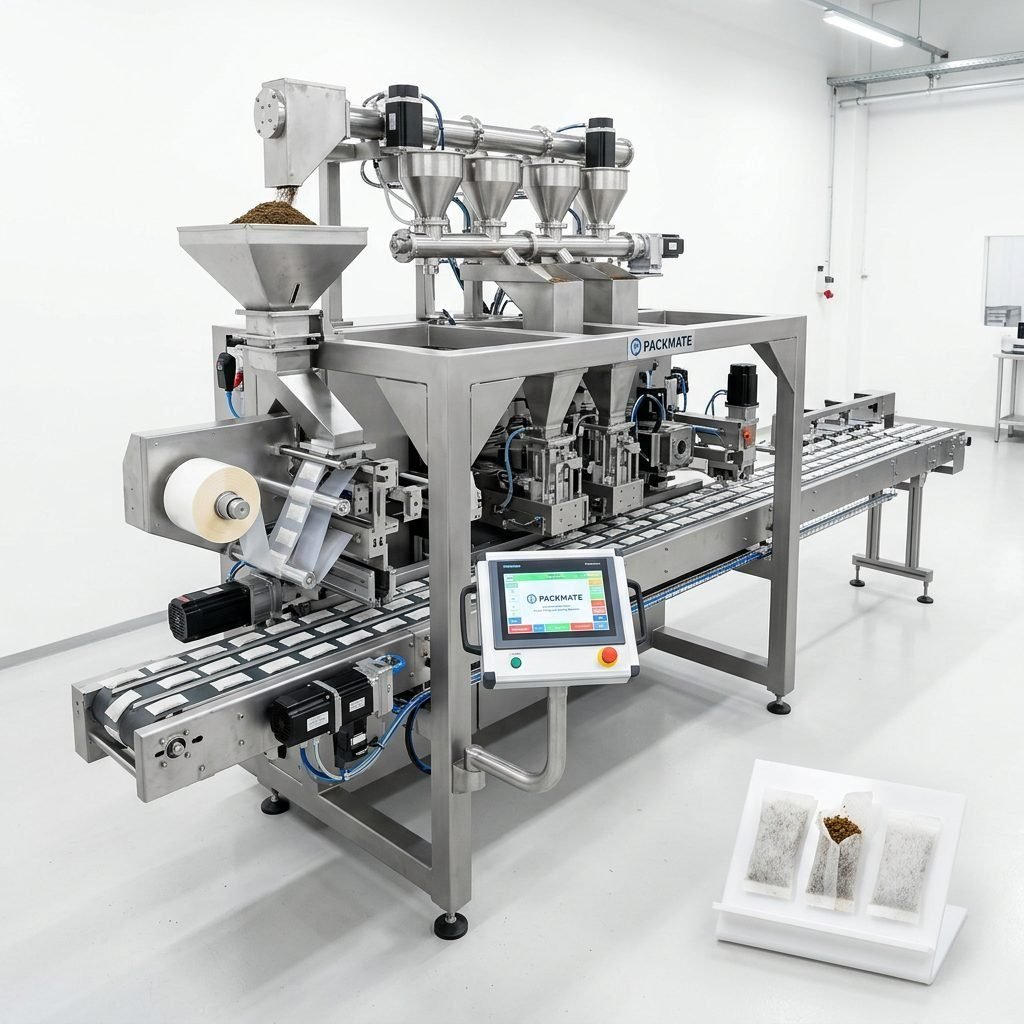
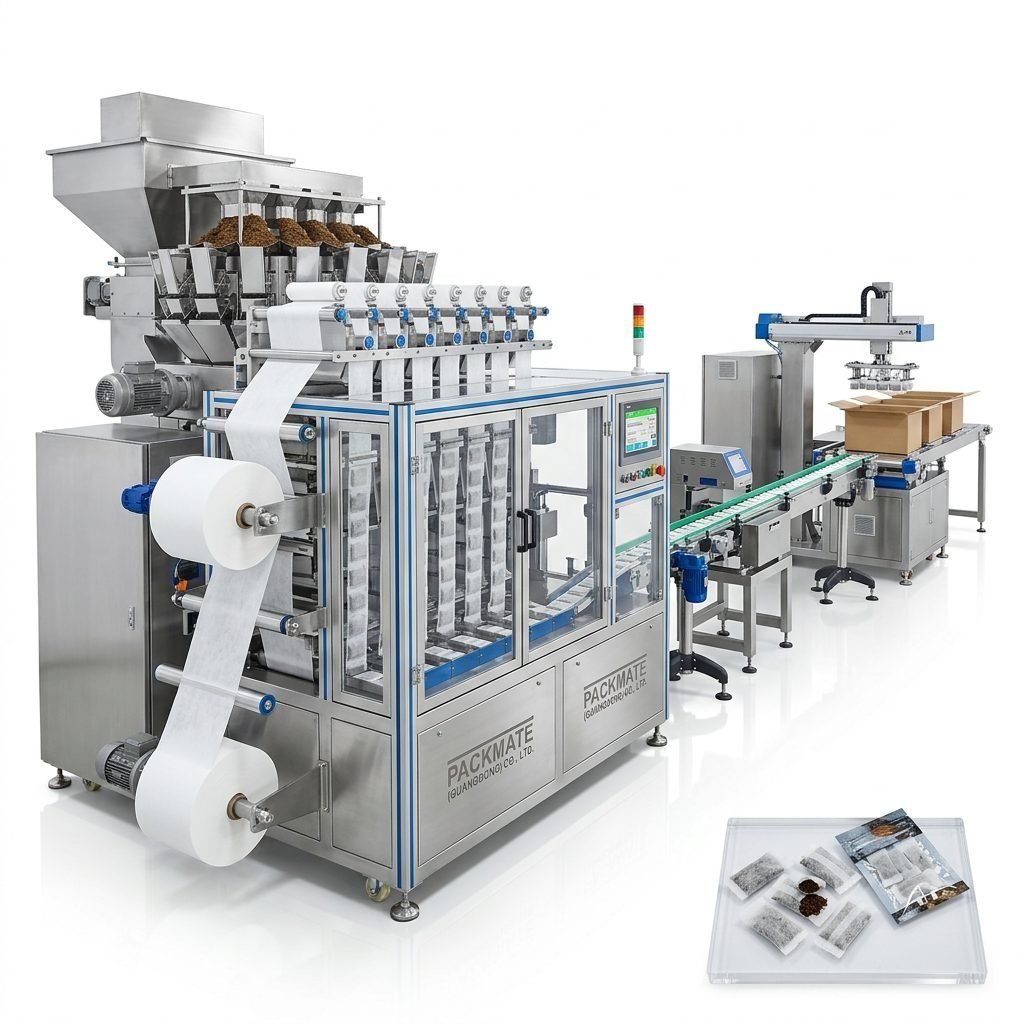
- Snus & nicotine packaging machines — purpose-built for portion pouches with dosing control and multi-lane options.
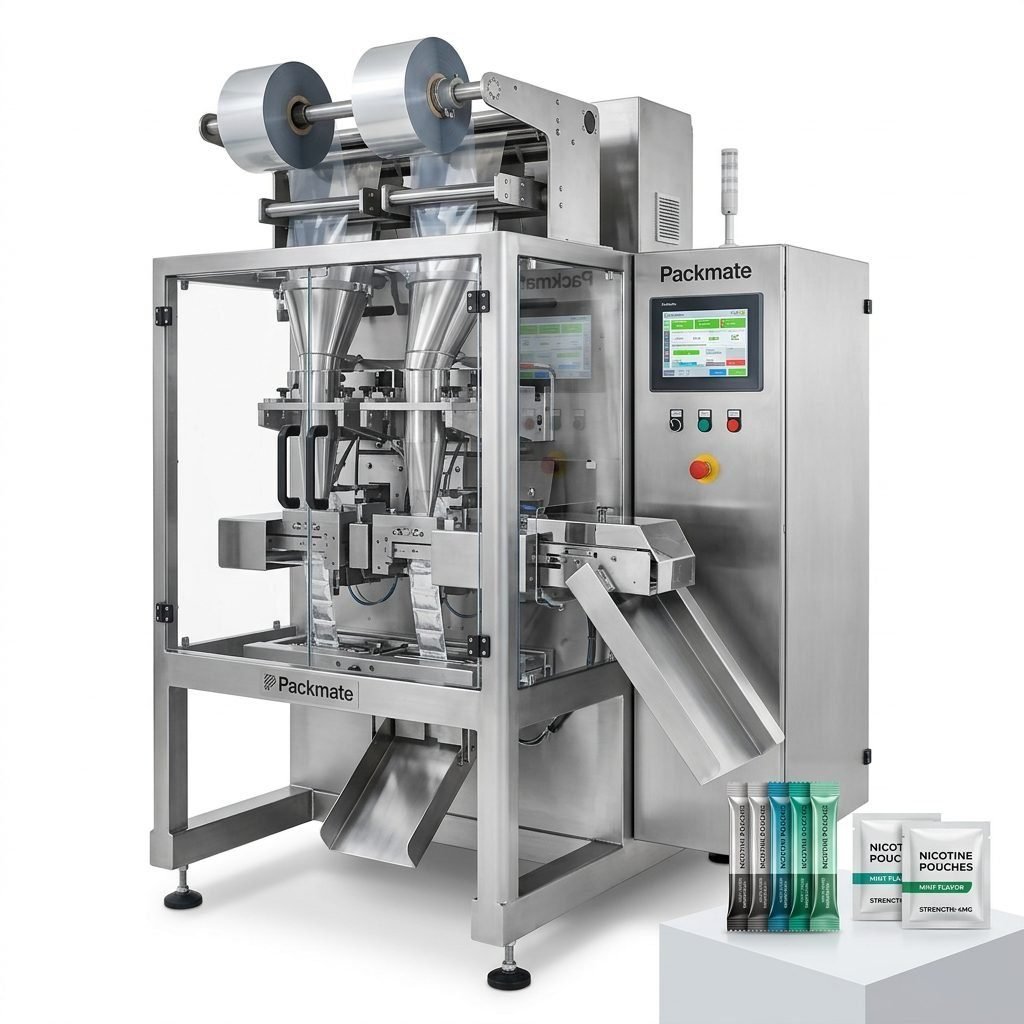
- Weighing & packaging systems — for blend consistency and precise dose control on powder or granular formulations.
If you plan multiple SKUs and frequent changeovers, prioritize modular machines with quick change tooling and programmable recipe storage.
Performance Specifications to Prioritize
When comparing offers, evaluate these technical factors carefully:
Throughput (pouches/min) — pick machines that match both current and projected demand; Accuracy — dosing tolerance is crucial for nicotine consistency; Uptime — proven reliability and easy maintenance reduce downtime.
Other important specs include servo-driven indexing for precision, hygienic design (stainless surfaces), easy-to-clean components, and modular I/O for future integrations like vision inspection or automatic case packing.
Materials & Seal Integrity
Packaging materials influence machine choice. Laminated foils, paper-foil blends, and biodegradable films all behave differently under heat and pressure. Make sure your supplier can demonstrate successful runs with your selected materials and provide test data for seal strength and barrier properties.
Automation, Control Systems & Traceability
Modern lines use PLCs, HMI touchscreens, and recipe management to minimize errors and accelerate changeovers. For Latvia’s export or multi-market operations, include serialization or batch coding capability for traceability.
Ask whether software updates and data export options are provided, and check compatibility with your factory MES or ERP systems.
Flexibility vs. Specialization: Finding the Right Balance
If you intend to launch new flavors, pouch sizes, or entirely new product lines, prioritize flexibility. If your focus is a single, high-volume SKU, a specialized, high-efficiency line is often the best ROI. A local Latvian producer may prefer flexible machines for seasonal promotions and export trials.
Changeover Time and Tooling
Short changeover time reduces production loss during SKU switches. Look for quick-release tooling, memory recipes, and simple mechanical adjustments. Confirm the supplier’s spare tooling costs and lead times for additional format sets.
Service, Spare Parts & Local Support
For companies in Latvia, reliable after-sales service is a top priority. Evaluate:
- Supplier local representation or certified partners in the Baltic region.
- Availability of spare parts and typical lead times.
- Training packages for operators and maintenance staff.
- Service level agreements for remote diagnostics and preventive maintenance.
Look for suppliers offering on-site commissioning, operator training, and long-term spare parts plans. These reduce downtime and speed up time-to-market.
Budgeting & Total Cost of Ownership (TCO)
Purchase price is only one component. Include installation, employee training, spare parts inventory, energy consumption, and consumables in your TCO calculation. High-efficiency servo machines may cost more upfront but can reduce waste and labor costs over time.
Financing & Leasing Options
For mid-sized Latvian companies, financing or equipment leasing can preserve cash flow. Some manufacturers offer flexible payment plans — ask about turnkey solutions that include installation, validation, and spare parts.
Factory Acceptance Testing & Trials
Always request FAT (Factory Acceptance Test) and on-site trials with your actual materials. FAT helps confirm throughput, seal integrity, dosing accuracy, and ease of operation before shipping. A reputable manufacturer will invite you to witness test runs and provide documented results.
If you need to see machines in action, consider visiting industry exhibitions where suppliers demonstrate lines — Packmate participates in major global exhibitions and offers live demos for prospective buyers.
Supplier Credibility & Case Studies
Review supplier track records, factory size, and manufacturing capabilities. Key indicators of a trustworthy partner include:
- Decades of engineering experience and a large manufacturing facility.
- A wide model range and turnkey solutions for different sectors.
- Published case studies or customer references from similar projects.
For more product information, explore product ranges such as Snus & Nicotine Packaging Machines, Bag & Pouch Packaging Machines, and Sachet & Stick Pack Machines to compare specs and lines.
Installation, Commissioning & Training
Ensure the supplier includes commissioning and operator training in the contract. Proper commissioning reduces first-run losses and avoids repeated adjustments. Training local Latvian staff in maintenance and routine checks ensures long-term reliability.
Spare Parts & Consumables Strategy
Build a spare parts plan: critical wear parts, spare tooling, and electrical components. Confirm lead times for shipments to Latvia and consider stocking frequently replaced items to avoid production stoppages.
Sustainability and Material Waste Reduction
Machines with reduced scrap rates, accurate dosing, and energy-efficient drives help meet sustainability goals and lower material costs. If you plan to use biodegradable films or environmentally friendly packaging, verify that your selected machine handles these materials without compromising speed or seal integrity.
How Packmate Can Help: Practical Next Steps
Packmate Snus Machine offers a range of purpose-built snus and nicotine pouch lines, backed by 30+ years of engineering experience and a large manufacturing footprint. If you want to evaluate real solutions:
- Request a detailed proposal with FAT options and demo data.
- Visit the factory or review case studies to validate machine performance: Case.
- Check certifications and company profile for reassurance: About Packmate and Certificate.
Checklist before you buy: define target formats, production volumes, material types, compliance needs, and after-sales expectations. Invite suppliers to demonstrate runs with your materials and negotiate spare-parts terms.
Local Considerations for Distribution & Marketing in Latvia
Latvia’s retail landscape includes small kiosks, supermarkets, and growing e-commerce channels. Packaging should be optimized for shelf visibility, tamper evidence, and easy storage. Consider multi-language labels (Latvian and English), and smaller count packs for impulse purchases in kiosks or cross-border tourists.
Final Buying Tips
1) Prioritize real-world trials with your materials. 2) Choose partners with proven multi-lane snus lines if you plan to scale. 3) Secure a complete service and spare parts plan to keep lines running in Latvia and for exports.
Useful Links & Resources
Explore product pages and service offerings when shortlisting suppliers: Weighing & Packaging Systems, Filling & Packaging Lines, and contact the supplier for tailored turnkey proposals via Contact Us.
Frequently Asked Questions
Q: How do I know which machine throughput is right for a small Latvian brand?
A: Start with realistic sales projections for the first 12–24 months, then choose a line that meets current needs with some headroom. Multi-lane machines can be useful if you expect rapid scaling.
Q: Are snus packaging machines compliant with EU regulations?
A: Reputable manufacturers provide CE and ISO certifications and can support labeling and traceability features needed for the EU market.
Q: How important is local support in Latvia?
A: Very important — quick access to spare parts and trained technicians minimizes downtime. Ensure your supplier offers regional partners or clear logistics for parts supply.
Q: Can one machine handle multiple pouch materials and sizes?
A: Many modern machines are designed for flexibility, but confirm compatibility with your exact materials and required seal types during FAT.
Q: What is the best way to validate a supplier before purchase?
A: Visit production demos, review case studies, request FAT with your materials, confirm certificates, and check references especially from similar markets or product types.