Choosing the Best Nicotine Packaging Machinery Supplier in Madagascar: A Practical Guide
Finding the right nicotine packaging machinery supplier for your factory in Madagascar can make the difference between a smooth production launch and months of delays. This guide walks you through the key factors to evaluate—manufacturing capability, certifications, after-sales service, logistics into Madagascar, and local business customs—so you can select a supplier who delivers reliable equipment, compliance support, and long-term value.
Why supplier choice matters for Madagascar operations
Madagascar’s market and distribution environment present specific challenges: long ocean freight routes, variable customs processing at ports like Toamasina, and a multilingual business context (French and Malagasy commonly used). A supplier that understands these realities will help you reduce lead times, avoid costly paperwork errors, and ensure machinery is delivered and installed with minimal disruption.
✓ Tip: Choose a supplier with proven export experience to Africa and clear logistics support. A vendor who has shipped complete lines internationally reduces risk.
Key selection criteria (what to evaluate)
Below are the practical factors to assess when comparing suppliers for nicotine pouch or snus packaging lines.
1. Manufacturing strength & experience
Look for suppliers with decades of experience and a large, well-equipped factory. A production facility with CNC machining centers, precision assembly, and systematic quality checks signals consistent machine quality. For example, a 20,000㎡ plant with 50+ machine models indicates the supplier can provide both standard equipment and custom configurations.
2. Product range and technical fit
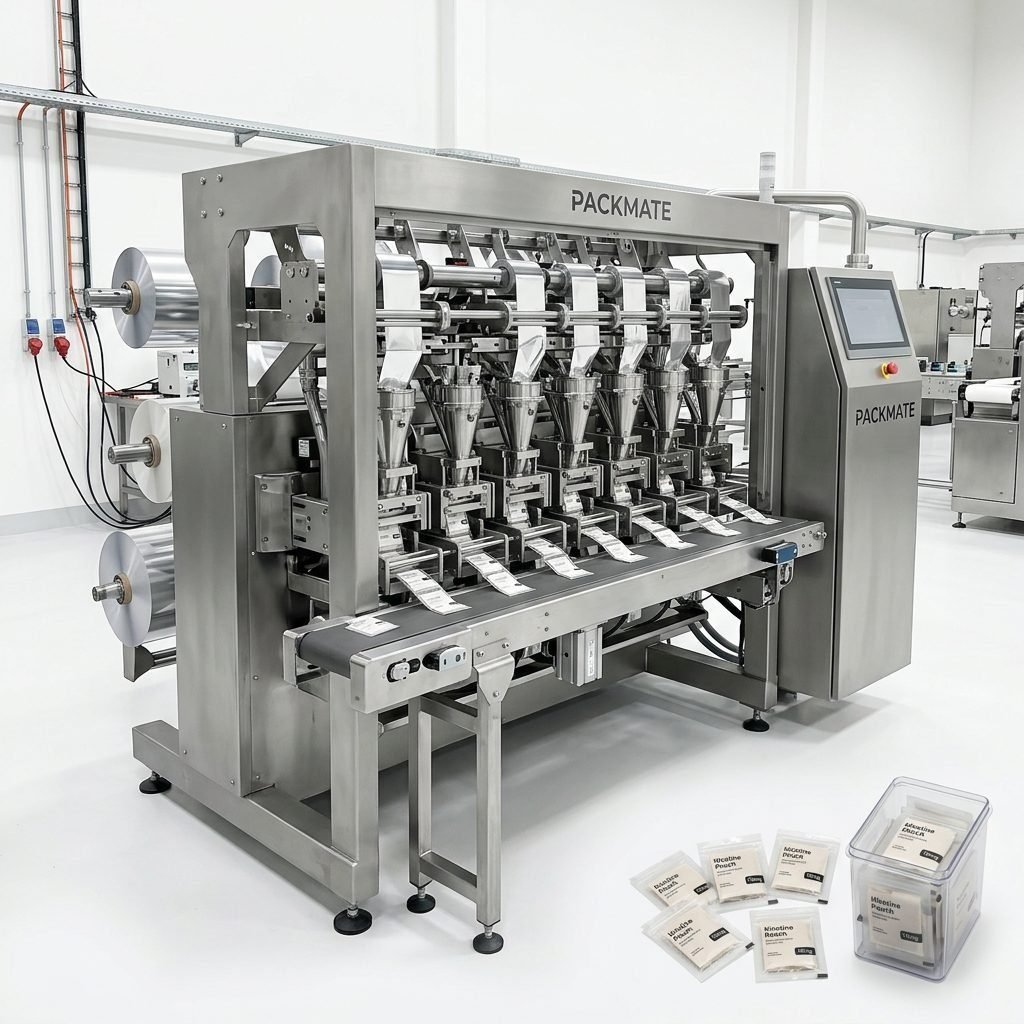
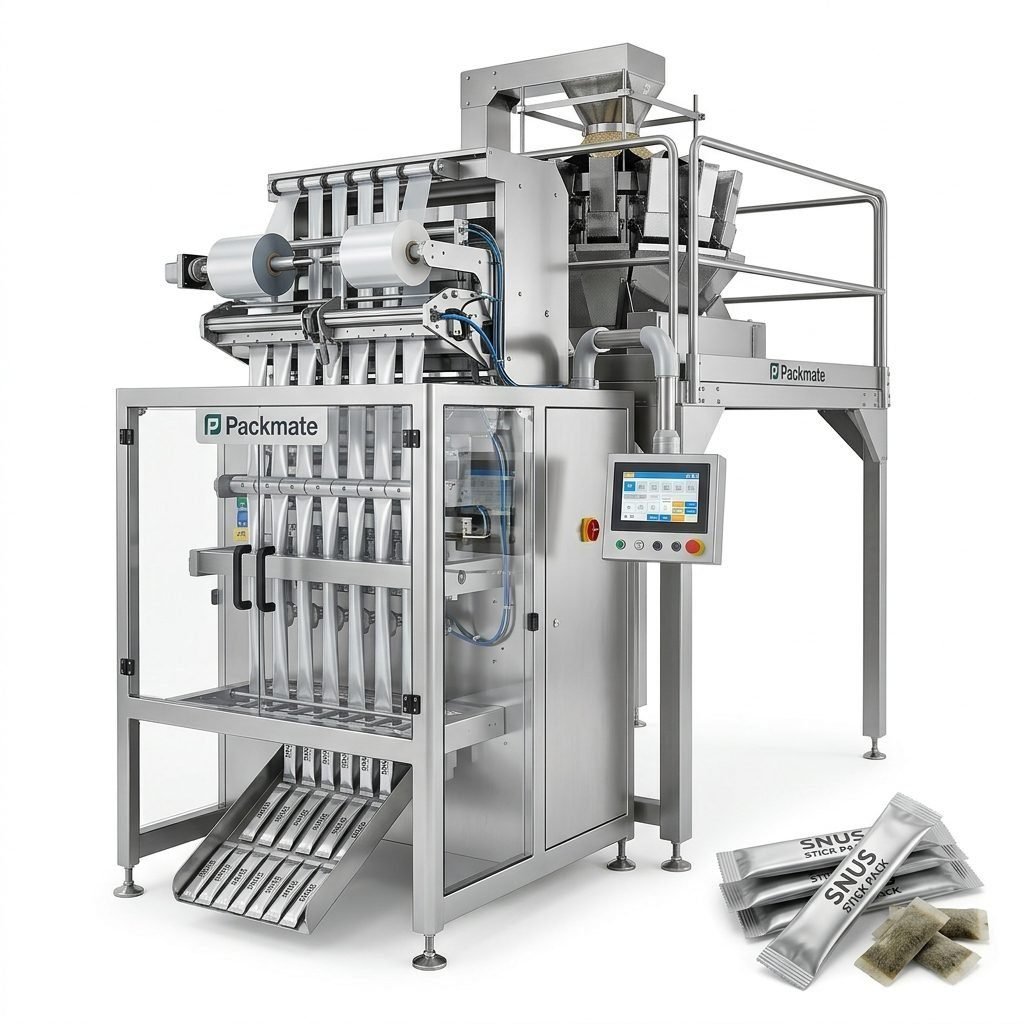
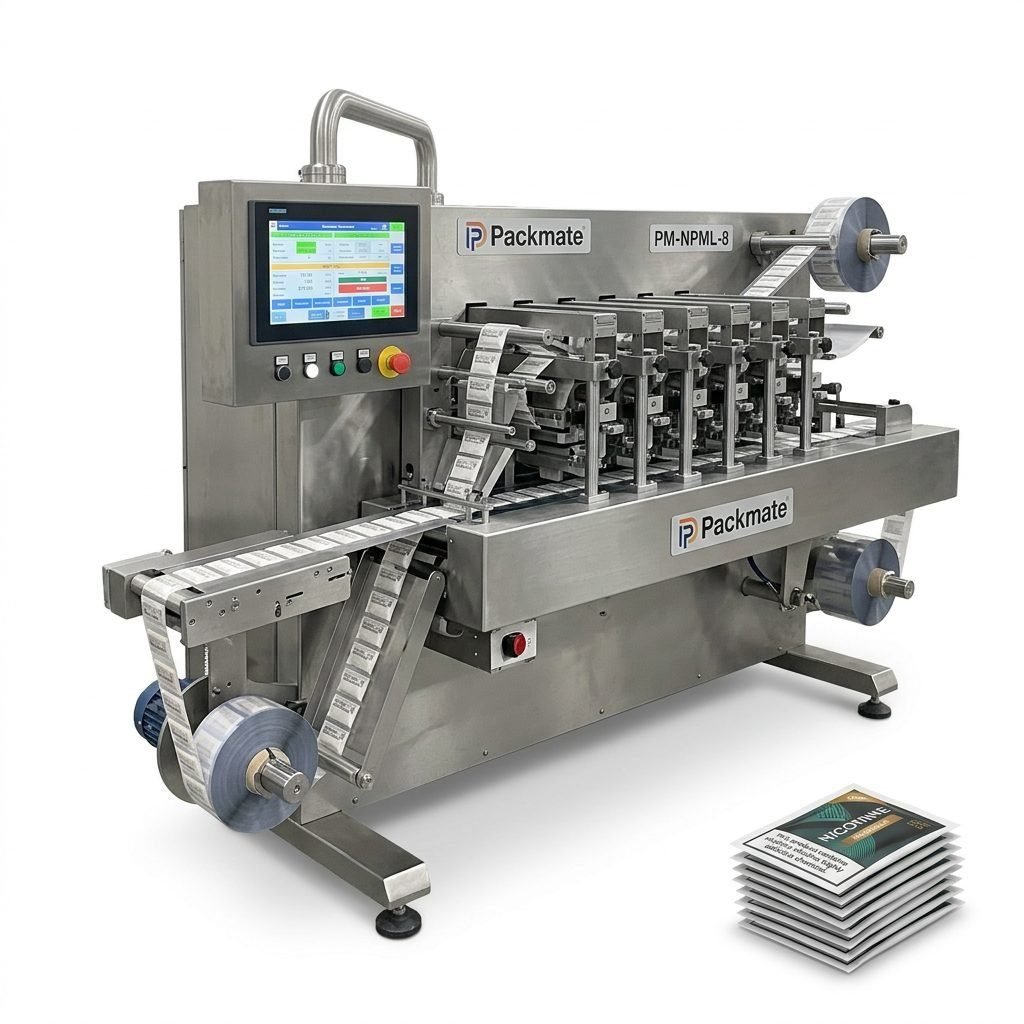
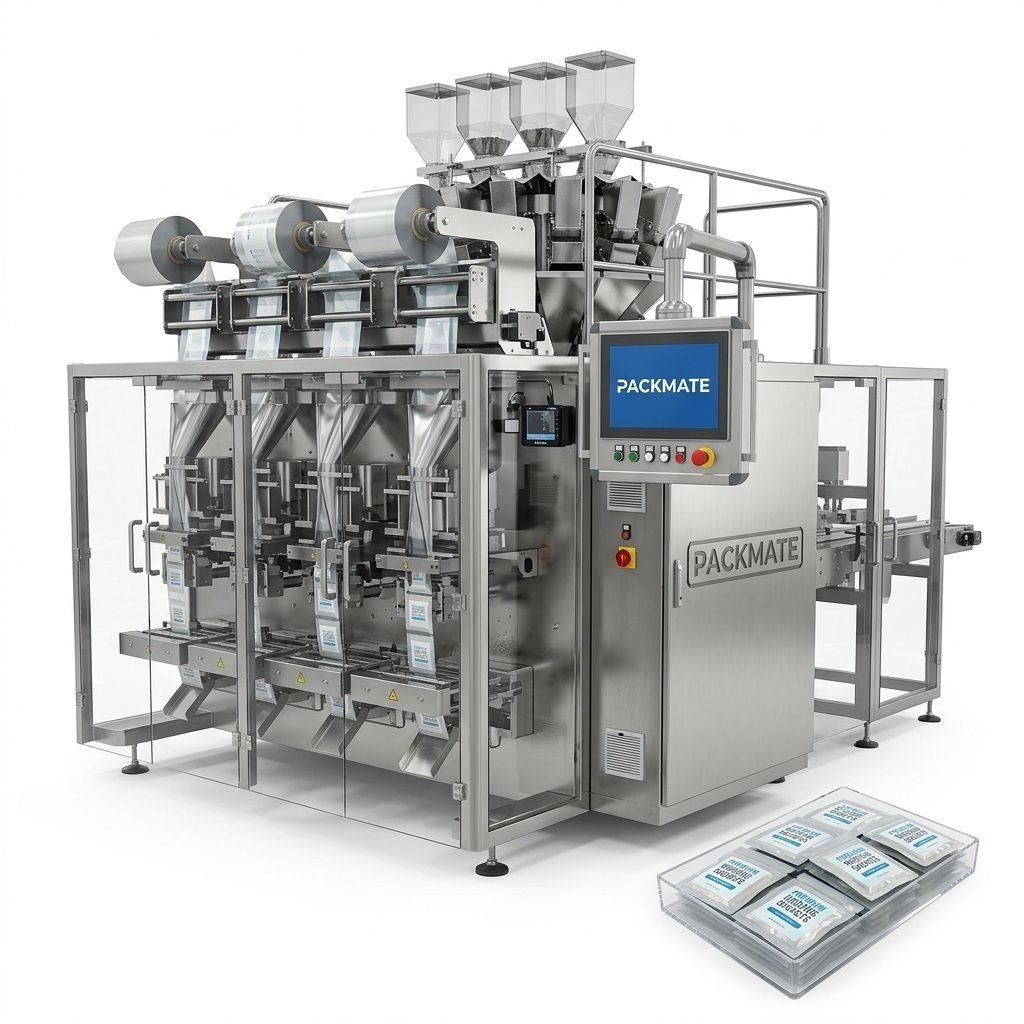
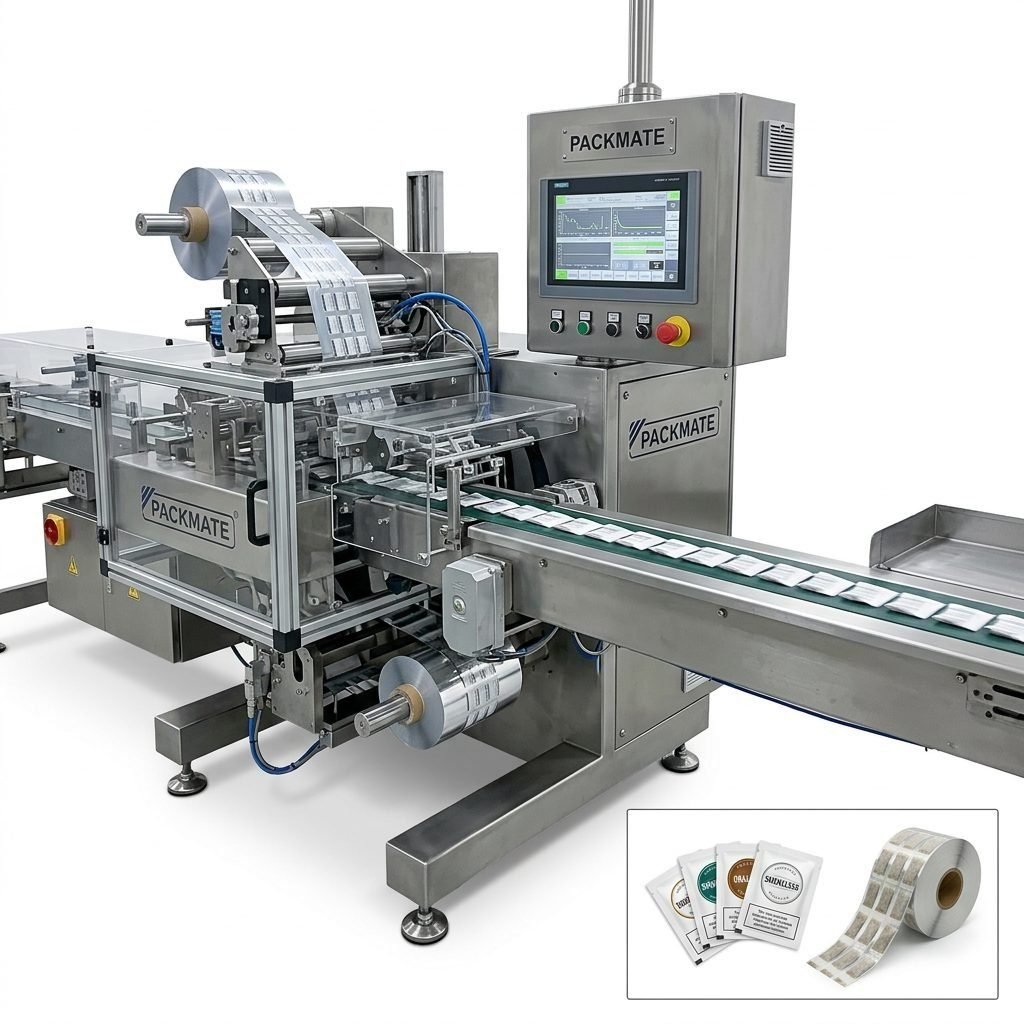
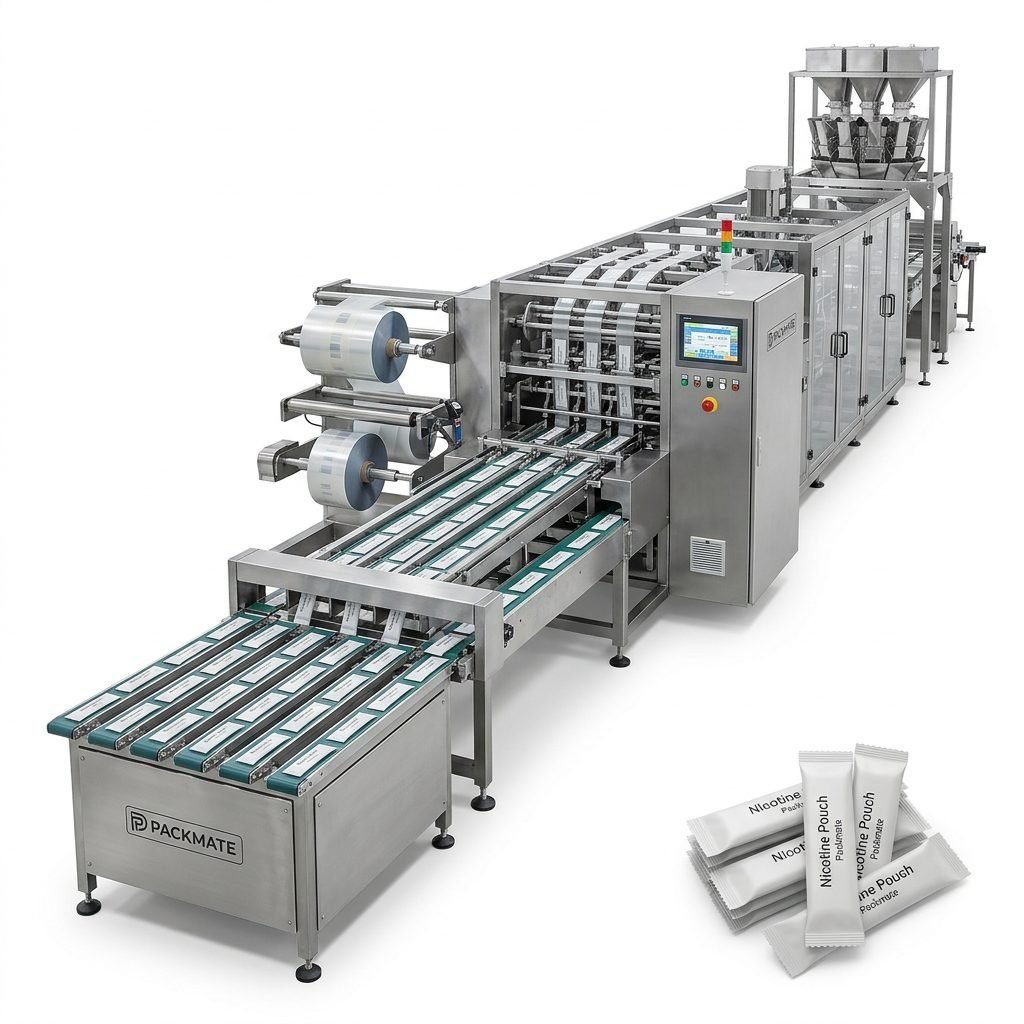
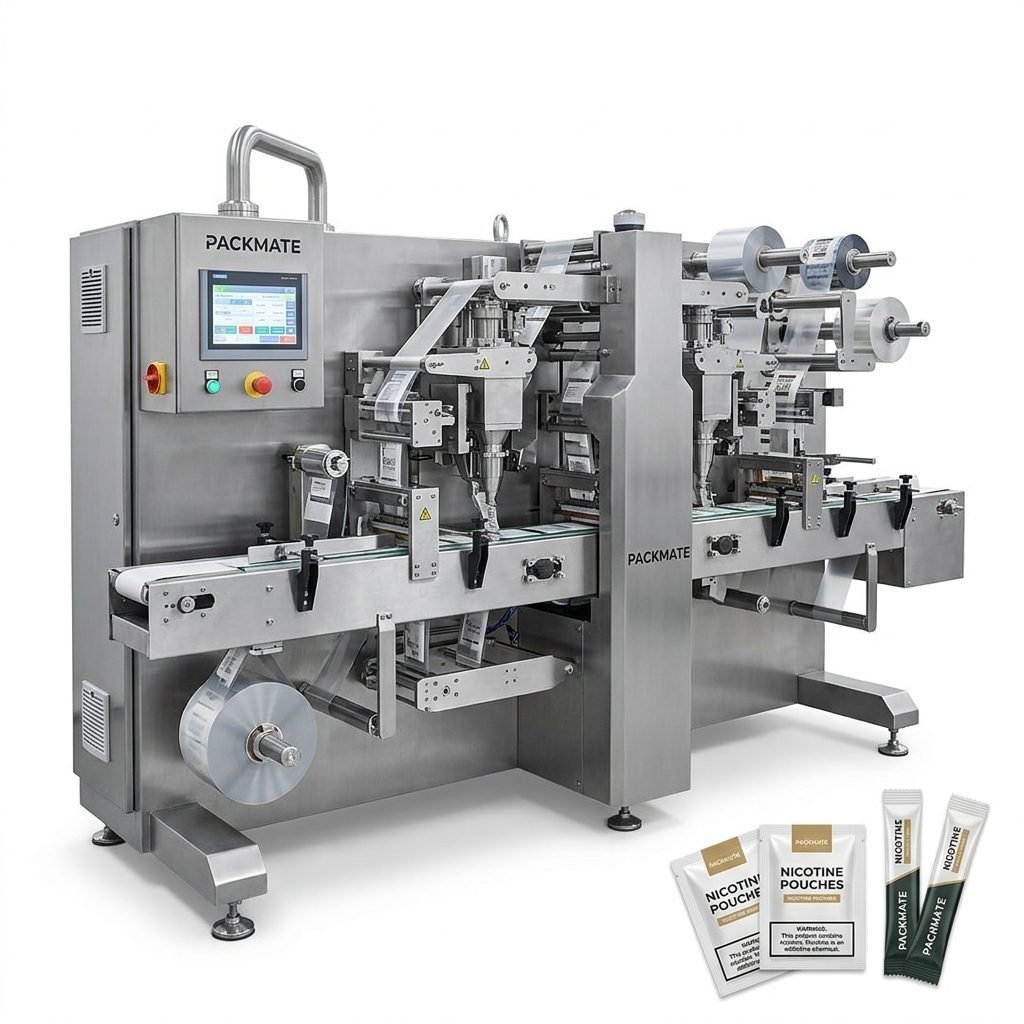
Ensure the supplier offers machines that match your product format: nicotine pouches, snus cans, stick packs, sachets, multi-lane pouches, or powder/granule systems. Snus & Nicotine Packaging Machines lines that include multi-lane systems are especially useful for small-dose, high-speed production.
3. Certifications and compliance
Verify CE, ISO, and any additional certificates that demonstrate the equipment meets international safety and quality standards. Suppliers who publish certificates show transparency and readiness for export to regulated markets.
4. Customization & turnkey capabilities
A dependable supplier offers customization—adjustable dosing for different pouch weights, tailored packaging formats, and turnkey lines that integrate filling, weighing, sealing, and secondary packing. This reduces the number of vendors you must manage and speeds up commissioning.
5. After-sales support, training & spare parts
Evaluate response times for spare parts, availability of remote troubleshooting, and training services. Suppliers who provide on-site installation, operator training, and clear spare-parts lists minimize downtime. Ask for annual maintenance plans and local spare parts distribution options.
🔧 Must ask: What is the lead time for critical spares shipped to Madagascar? Do they offer technician visits for commissioning?
Logistics, customs and local distribution considerations
Shipping heavy equipment to Madagascar requires planning: container sizing, port agent coordination at Toamasina or Antsiranana, and clear HS codes for customs. Suppliers experienced with African exports can provide complete shipping documents, packing lists, and CN22/33 paperwork to smooth customs clearance.
Freight & installation planning
Discuss with the supplier whether they provide DDP or FOB options, and whether they can assist with local crane/lift arrangements and terminal handling. A reliable vendor will coordinate machine skidding, protective packing, and warranty coverage that starts at installation.
Regulatory and market specifics for Madagascar
Madagascar’s regulatory environment for nicotine products is evolving. It is essential to consult local authorities and distributors about labeling rules, import permits, and public health restrictions. A supplier who can help with compliant labeling machines and pouch printing options adds real value.
Cultural & business etiquette tips
Business in Madagascar often blends French-language documentation and Malagasy personal rapport. Plan to have contracts and technical manuals in French where needed, and expect in-person meetings with local partners to build trust. Suppliers who provide bilingual manuals or French-speaking engineers will ease communication.
⚠️ Local note: Ensure labeling and advertising comply with Madagascar’s health regulations to avoid shipment holds or market restrictions.
Evaluating supplier credibility: checklist
Use this quick checklist in supplier meetings and factory visits.
- Factory tour photos and videos of CNC centers and assembly lines
- List of installed machines and references in similar industries
- Copies of CE / ISO certificates and test reports
- Warranty terms and documented service-level agreements
- Spare parts catalog and suggested stocking list for Madagascar
- Sample production reports, capacity simulations, and ROI calculations
If available, review case studies or references from other African customers to confirm export experience and after-sales reliability. See sample implementations at the supplier’s case page: Case.
Trial runs, samples, and performance verification
Never accept equipment sight unseen without performance validation. Request trial runs or video demonstrations of your exact pouch format and target speeds. Ask for trial samples shipped by air for lab testing or shelf-life trials before full line commissioning.
Acceptance criteria
Define acceptance tests in the purchase contract: production speed, sealing integrity, weight accuracy, and downtime metrics. This reduces ambiguity and ensures the vendor meets promised KPIs after installation.
Commercial terms and negotiation pointers
Negotiate payment milestones tied to deliverables: initial deposit, pre-shipment inspection, and final payment after successful commissioning. Consider letters of credit or escrow for large investments to protect your capital.
Warranty & service
Clarify warranty lengths, excluded wear parts, and response times for remote support. If the supplier has local partners or authorized service agents, confirm their availability in Madagascar or neighboring countries.
How Packmate-like suppliers add value
Suppliers with long engineering histories, multiple machine models, and turnkey solutions bring advantages: reliable multi-lane designs for small-dose pouches, full filling and weighing integration, and experienced export teams. Learn about the manufacturer’s background and product suite at About Packmate and their product pages for integration ideas: Filling & Packaging Lines.
🔎 Due diligence: Check exhibition history and live demos—suppliers who show machines at international fairs typically support export and after-sales more reliably. View exhibitions: Our Exhibition.
Decision matrix: technical scorecard example
Create a simple weighted scorecard to compare suppliers across technical fit, certifications, warranty/service, price, and lead time. Assign weights to each area (e.g., 30% technical fit, 25% service & warranty, 20% price, 15% delivery, 10% references) and score each supplier to objectively choose a partner.
Final checklist before signing
– Confirm spare parts list and lead times.
– Agree on acceptance tests and penalties for missed KPIs.
– Document training scope and technical manual languages.
– Validate export packing and shipping Incoterms.
– Ensure warranty and support contacts are on file.
Next steps for Madagascar buyers
Start with a shortlist of 2–3 suppliers, request technical proposals and references, and schedule virtual demos. If feasible, plan a factory visit or send an independent inspector for pre-shipment checks. When ready to talk to vendors, use the supplier’s contact channels such as Contact Us to request quotes and lead-time commitments.
Closing summary
Selecting the best nicotine packaging machinery supplier for Madagascar requires balancing technical capability, export experience, after-sales service, and regulatory awareness. Prioritize suppliers who offer turnkey solutions, clear certifications, and strong logistics support so your factory can reach production targets quickly and compliantly.
Frequently Asked Questions (FAQs)
Q1: How important are certifications for nicotine packaging machines?
A1: Very important—CE and ISO show adherence to safety and quality standards. For export to regulated markets, documentation speeds customs clearance and market entry.
Q2: Can suppliers help with shipping and customs to Madagascar?
A2: Many experienced manufacturers provide export documentation and can offer shipping options (FOB, CIF, DDP). Confirm if they coordinate with local freight forwarders or provide recommendations.
Q3: What after-sales support should I require?
A3: Request guaranteed response times for remote troubleshooting, availability of technicians for commissioning, and clear spare-parts lead times. Ask for training in French if needed.
Q4: Is trial production necessary before full purchase?
A4: Yes—trial runs and sample shipments validate performance and reduce risk. Define acceptance criteria and include them in the purchase contract.
Q5: How can I verify a supplier’s track record?
A5: Request case studies, client references in similar industries or regions, factory visit photos, and evidence of international exhibition participation to confirm real-world performance.
For more detailed machine options and product specifications, explore product categories like Bag & Pouch Packaging Machines, Sachet & Stick Pack Machines, and integrated Weighing & Packaging Systems.