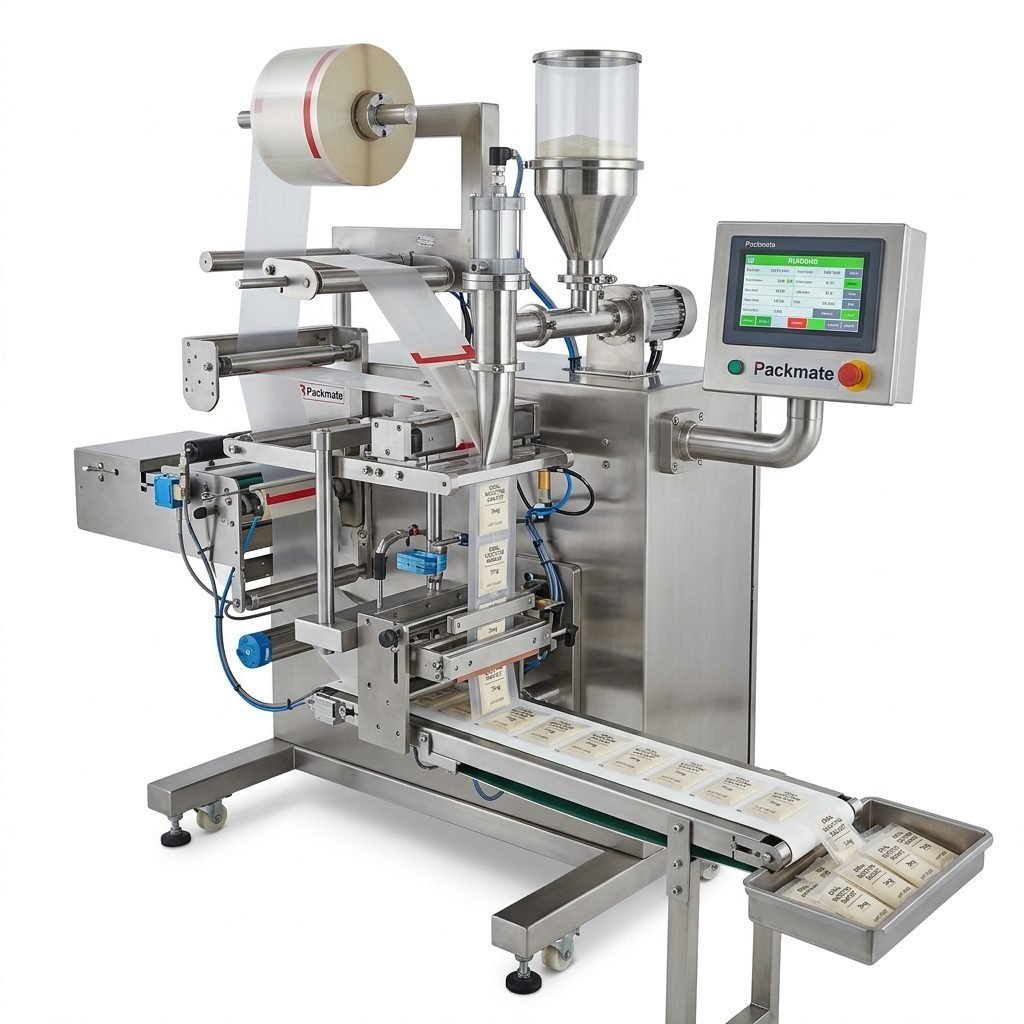
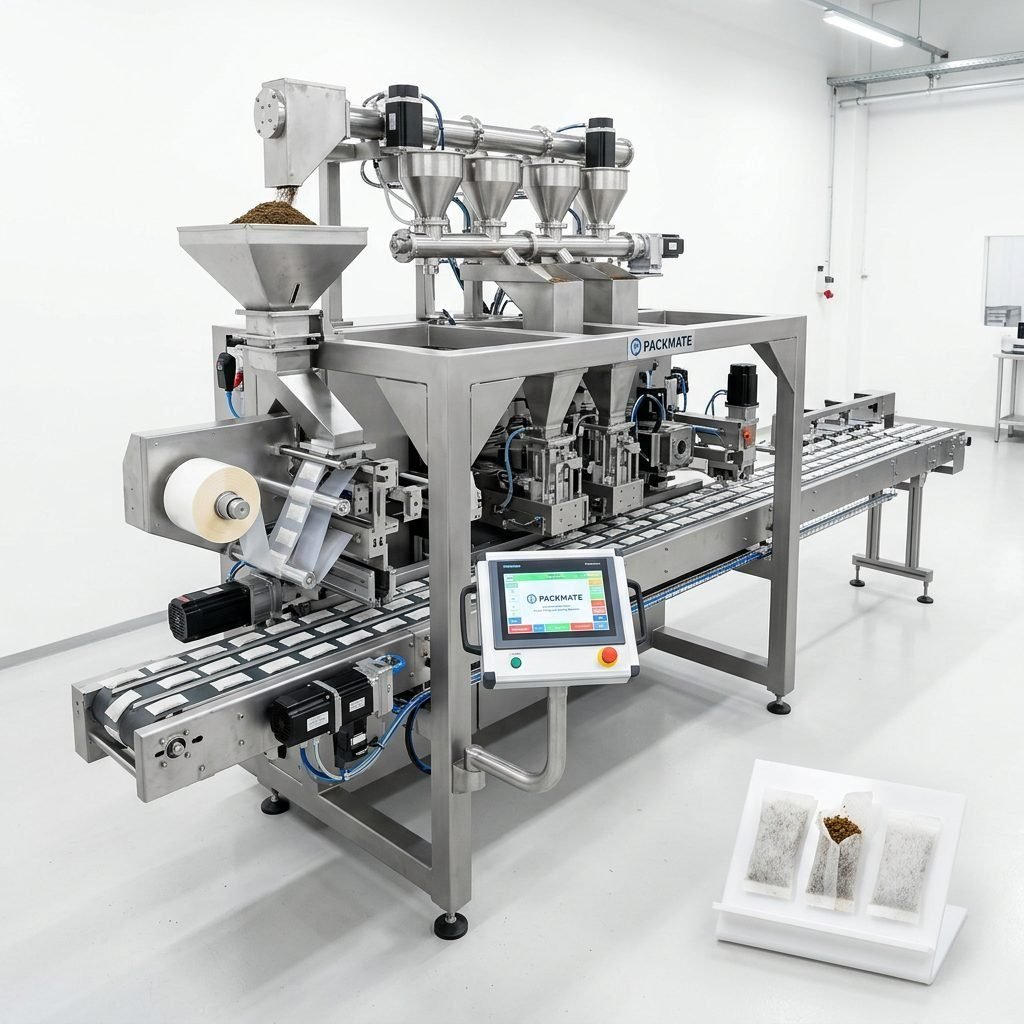
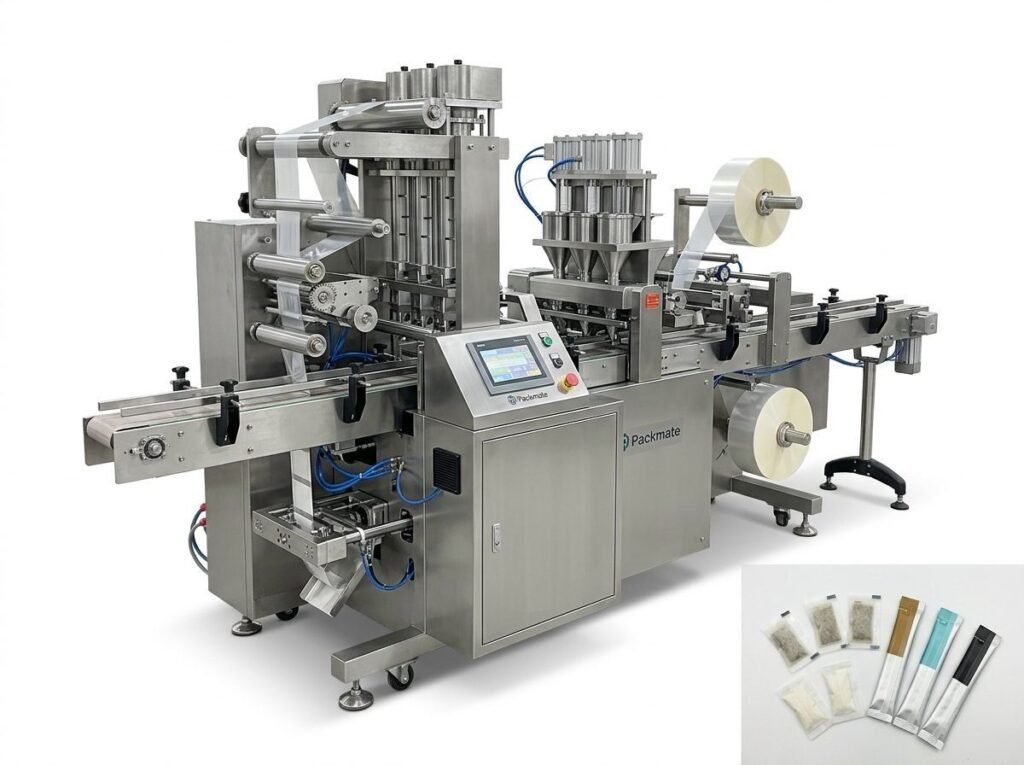
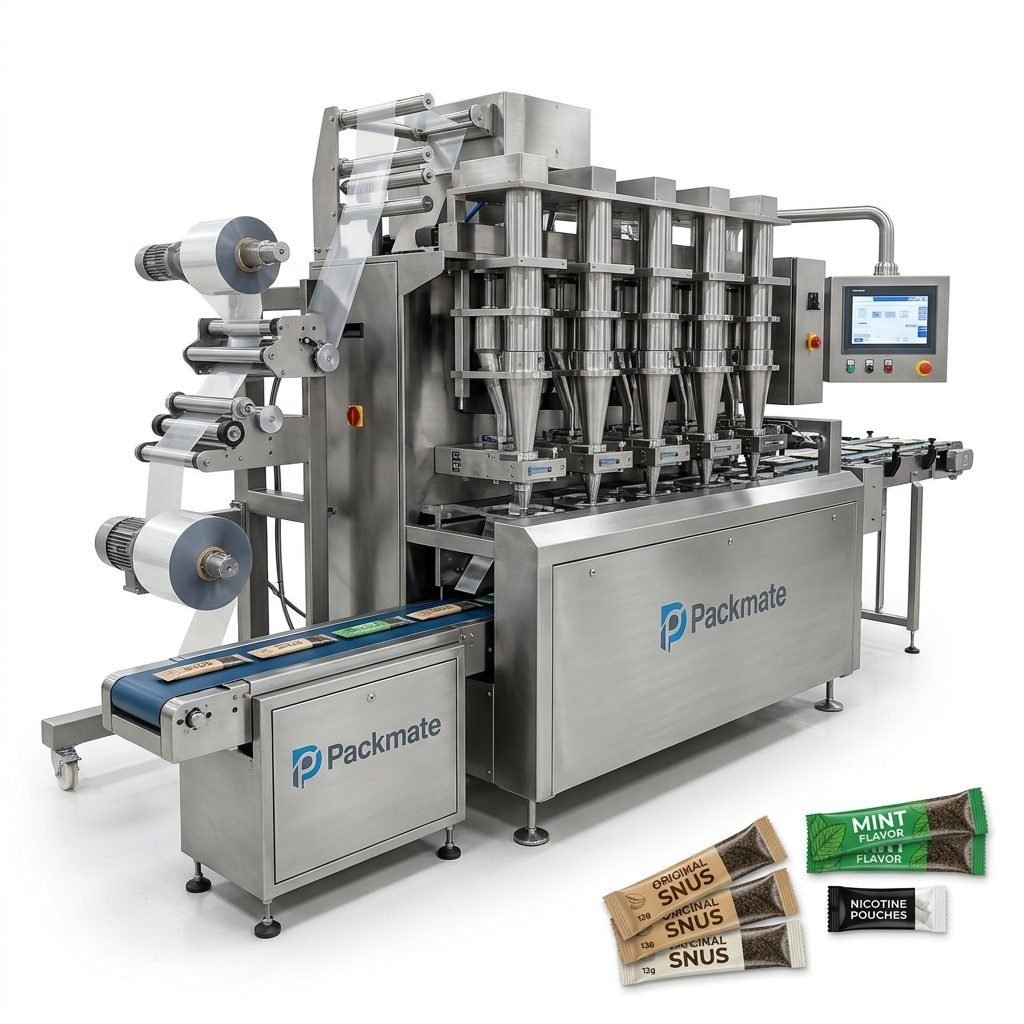
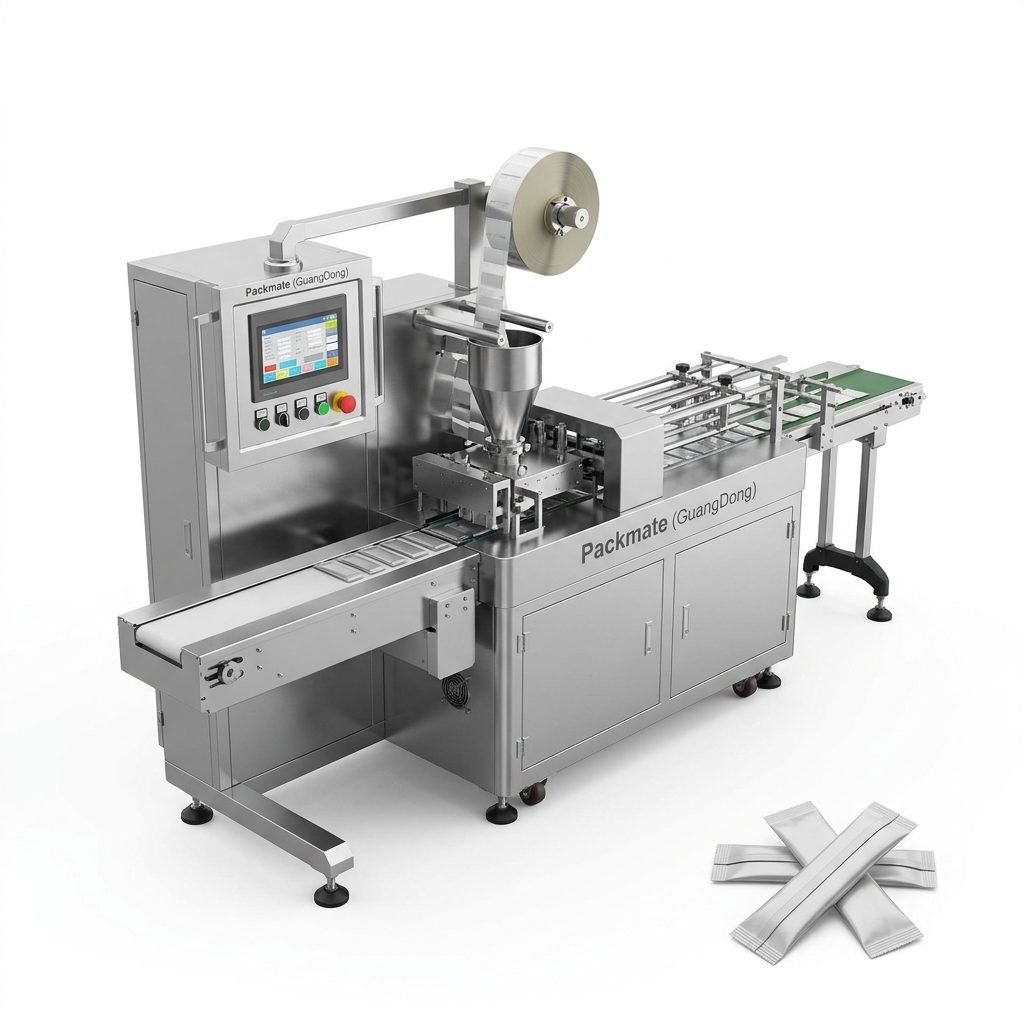
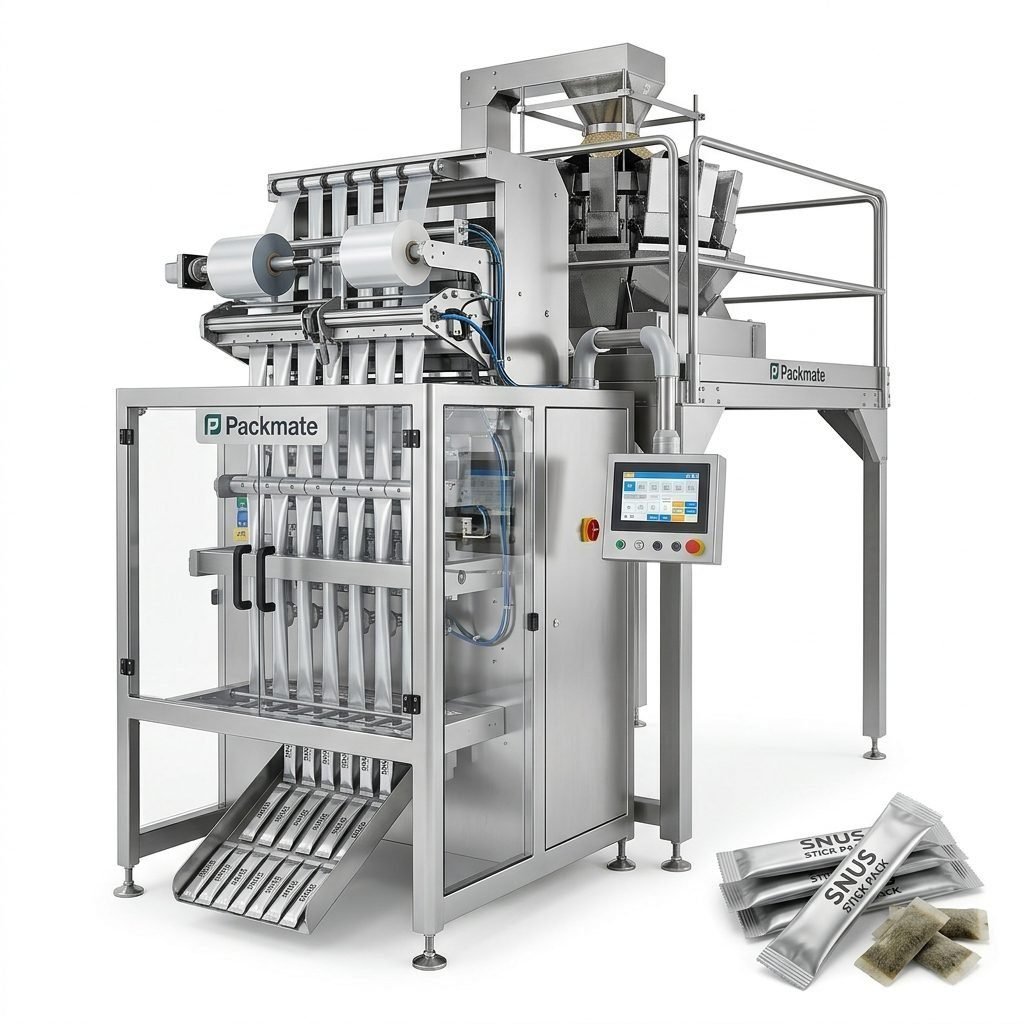
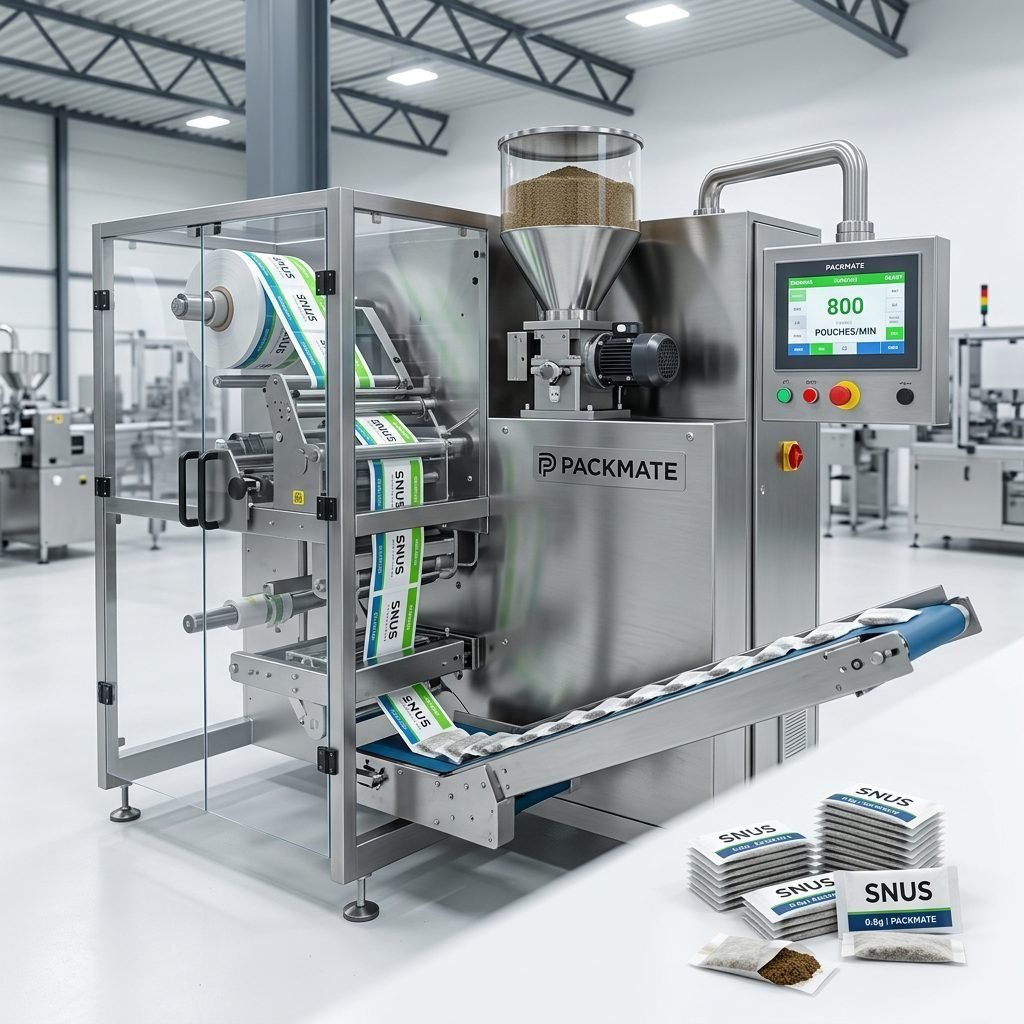
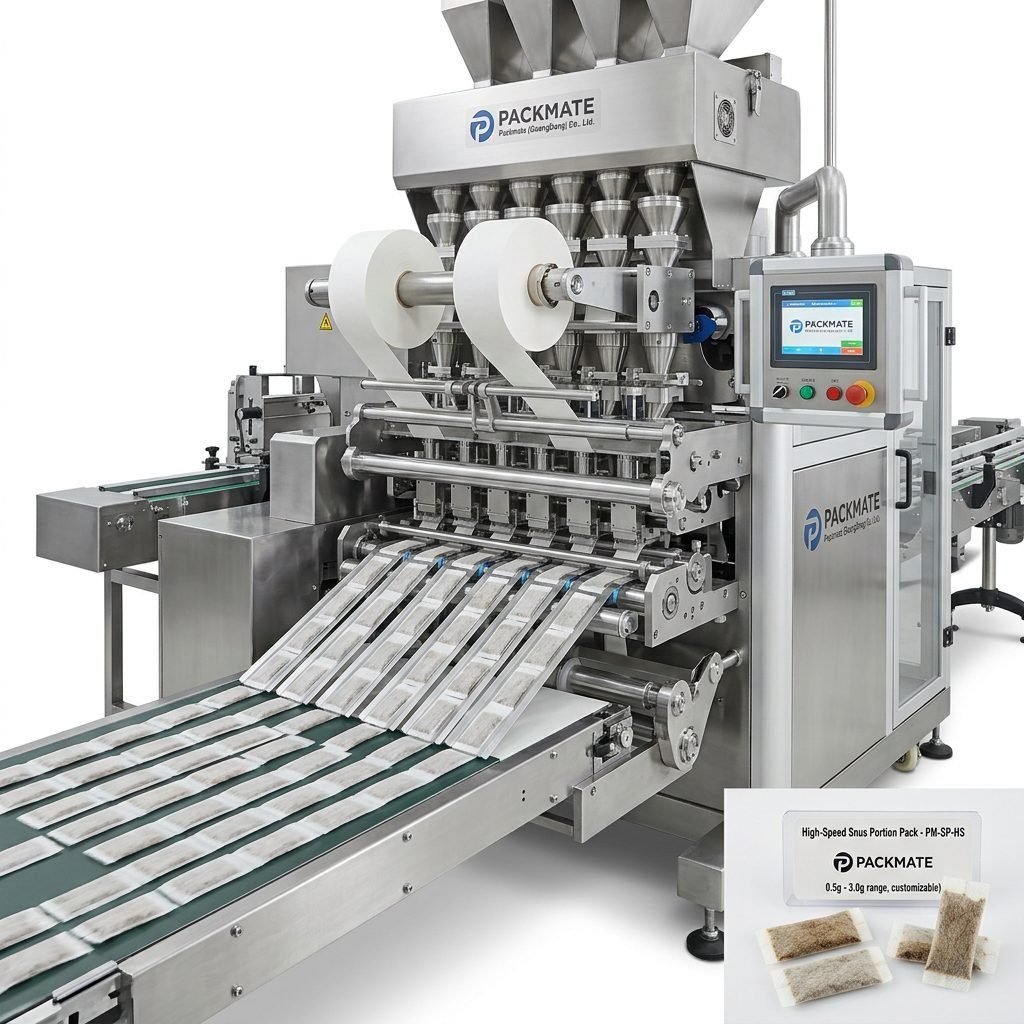
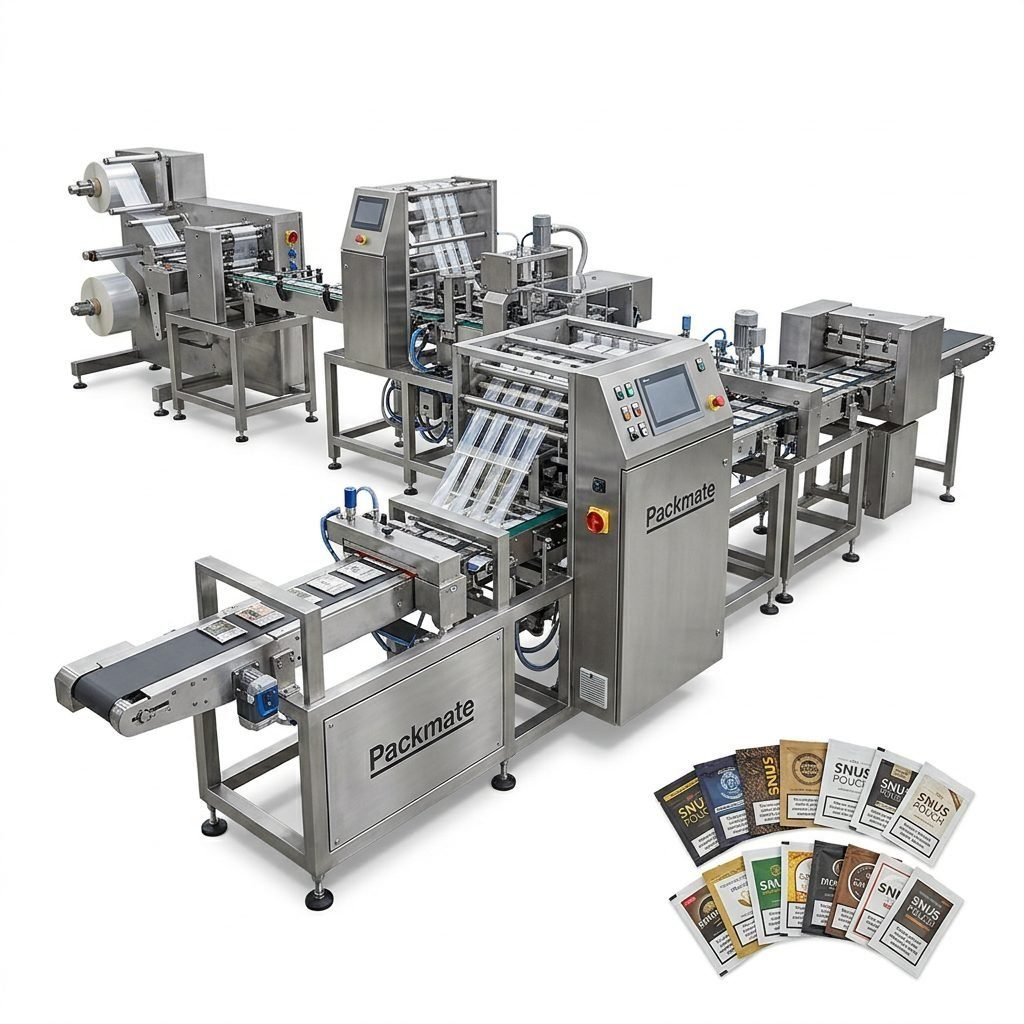
In today’s fast-evolving snus and nicotine pouch market, manufacturers need reliable, efficient and fully integrated production solutions that go beyond a single machine. A turnkey snus production line consolidates precision engineering, automated filling & sealing, quality inspection, and factory-level process design to deliver scalable output, regulatory compliance and consistent product quality. This article walks through the complete scope of a turnkey snus production line—equipment, process design, factory setup and operational considerations—so decision-makers can evaluate investment, timelines and expected performance.
⚙️ What “Turnkey” Means for Snus Production
A turnkey production line refers to a fully engineered solution delivered ready for operation: from raw material intake to boxed finished product. For snus and nicotine pouches, a turnkey approach includes:
✅ Equipment selection and integration (feeders, fillers, conveyors, pouch machines, capping/closing units)
✅ Process flow design and PLC/HMI integration
✅ Quality control and in-line inspection systems
✅ Packaging, cartoning and palletizing stations
✅ Factory layout, utilities, and operator training
Why turnkey saves time and risk
Implementing individual machines from different vendors can create integration issues, longer timelines, and higher commissioning costs. A turnkey provider like a specialized snus packing machine manufacturer coordinates mechanical, electrical, and software components to ensure fast validation, repeatable quality and clear accountability.
🧩 Core Equipment in a Snus Production Line
The exact lineup varies by product format (portion/snack-style pouches, mini-pouches, sachets, sticks) and production capacity. A typical high-performance snus production line includes:
⚙️ Feed & dosing systems – precise metering for tobacco blends or nicotine pouch fillings
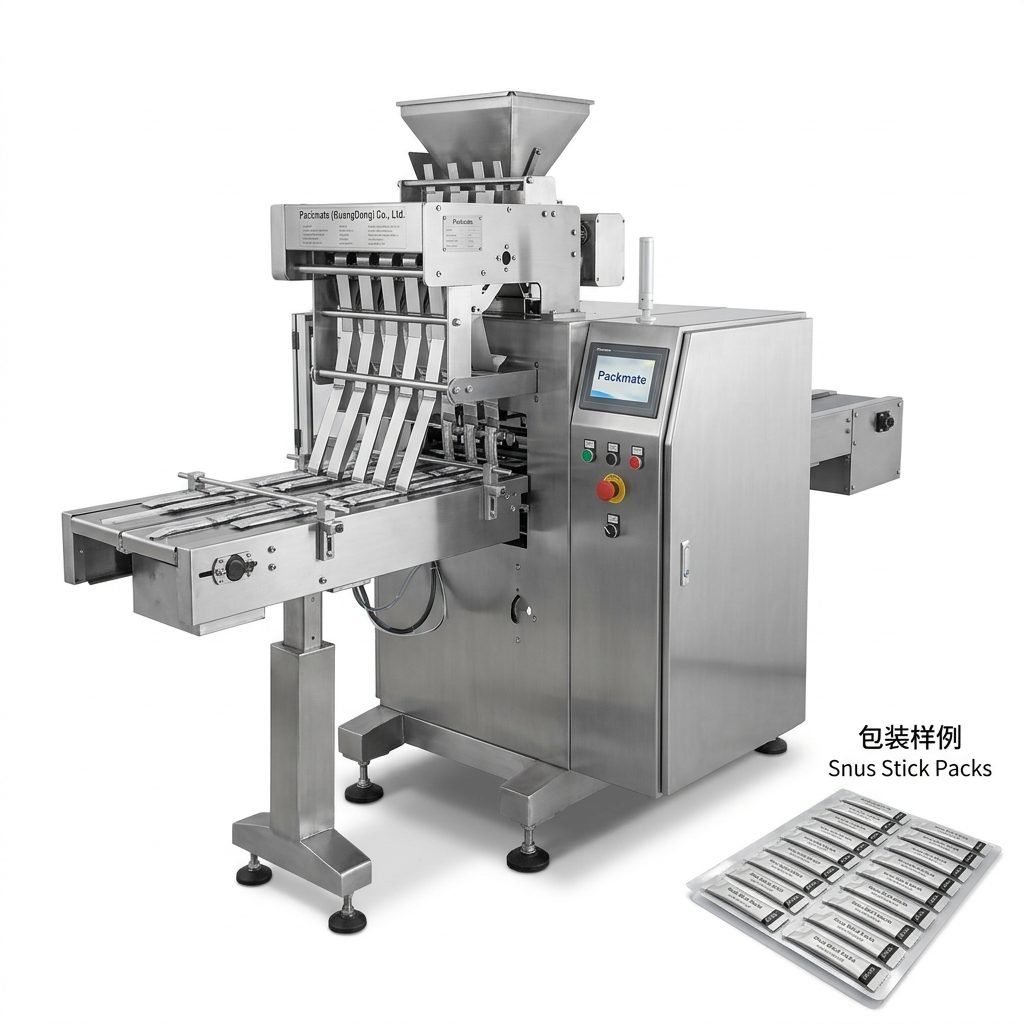
⚙️ Multi-lane pouch forming and filling machines – for high throughput and small-dose consistency (see Snus & Nicotine Packaging Machines)
⚙️ Sachet & stick pack modules – for alternative formats (see Sachet & Stick Pack Machines)
⚙️ Sealing and cutting units – controlled thermal or ultrasonic sealing tailored to pouch materials
⚙️ In-line metal detection, weight checkers and vision systems – ensure regulatory and quality compliance
⚙️ Secondary packaging: cartoners, baggers and case packers – for retail-ready presentation
⚙️ Conveyors, accumulation buffers and palletizing cells – for smooth material handling
Customization and modular design
Manufacturers should choose equipment suites with modular interfaces. That makes future upgrades—such as adding lanes or automated inspection—manageable without replacing the entire system. Packmate-style suppliers often provide 50+ machine models and customization for formats and capacities.
📐 Process Design: From Concept to Commissioning
Effective process design balances throughput, product integrity and regulatory requirements. A professional turnkey provider follows a structured workflow:
1. Requirements & feasibility
Define product SKUs, target output (units/minute, kg/hour), packaging formats and quality specs. This stage identifies any regulatory constraints, especially important for nicotine-containing products in different markets.
2. Layout & utilities planning
Design the factory layout for efficient material flow, segregated zones for raw materials and finished goods, and utilities (compressed air, power, vacuum, dust extraction). Optimize for cleaning access and operator safety.
3. Control architecture
Implement PLC/HMI systems for synchronized machine control, recipe storage, data logging and remote diagnostics. A well-designed HMI reduces operator errors and shortens changeover times.
4. Validation & commissioning
Conduct FAT (Factory Acceptance Test) and SAT (Site Acceptance Test) to verify mechanical performance, accuracy, sealing integrity and packaging aesthetics. Training and documentation should be included.
🏭 Factory Setup Considerations
Setting up a factory for snus production requires special attention to regulatory rules, worker safety and product handling hygiene. Key factors include:
🔹 Clean room classification where needed for nicotine pouch filling operations
🔹 Segregation of nicotine handling areas and proper PPE policies
🔹 Waste handling systems for offcuts and contaminated consumables
🔹 HVAC design to control humidity, dust and cross-contamination
🔹 Ergonomic operator stations to reduce fatigue and maintain consistent quality
Regulatory and cultural considerations by region
Regulations for nicotine and tobacco-derived products differ globally. Some countries treat snus tightly, while others permit broader sales. Local consumer preferences—such as portion size, flavor intensity and packaging aesthetics—should influence product SKUs and line flexibility. A global supplier with exhibition presence and international case studies can guide compliance and market fit (see Case).
🔧 Quality Control and In-Line Inspection
Maintaining product consistency is critical for consumer safety and brand reputation. Modern production lines incorporate:
- High-precision weigh feeders and multi-head weighing systems
- Vision systems to check pouch shape, seal position and print quality
- Checkweighers and reject stations to remove out-of-spec products
- Traceability through batch codes and production logs
Digital data for continuous improvement
Collecting production data enables OEE tracking, predictive maintenance and rapid root-cause analysis. A turnkey partner should provide data connectivity options for ERP or cloud monitoring to support performance gains over time.
📈 Capacity Planning and Scalability
When planning capacity, estimate peak demand, SKU mix and maintenance windows. Key strategies include:
• Start with a modular multi-lane filling platform to increase lanes rather than machine speed
• Use buffer & accumulation conveyors to decouple upstream and downstream processes
• Reserve floor space and utilities for future expansions
• Choose machine controllers that support easy firmware upgrades and additional I/O
🤝 Selecting a Turnkey Partner
Choose a partner with demonstrated snus experience, capable factory infrastructure and global support. Important evaluation criteria:
- Industry focus: Experience in nicotine pouch and snus packaging lines
- Manufacturing capabilities: On-site CNC, precision assembly and extensive testing
- Service network: Spare parts, remote diagnostics and on-site commissioning
- Certifications: CE, ISO and other compliance evidence
A reputable supplier often publishes catalogs, certificates and global case studies to validate claims (see About Packmate, Certificate).
💡 Project Timelines and Typical Deliverables
Turnkey projects commonly follow a 4–24 week timeline depending on scope:
- Initial consultation and drawing review (1–2 weeks)
- Engineering, procurement and machine fabrication (8–12 weeks)
- FAT and documentation (1–2 weeks)
- Installation, commissioning and training (2–6 weeks)
🔒 Safety, Maintenance and After-Sales Support
For nicotine pouch operations, safety and maintenance plans are essential. Expect your turnkey supplier to offer:
• Operator and maintenance training programs
• Preventive maintenance schedules and spare parts kits
• Remote troubleshooting and software updates
• On-site technical support and performance audits
📦 Secondary Packaging & Supply Chain
Secondary packaging touches brand presentation and retail compliance. Plan for boxed assortments, labeling and barcodes. Work with suppliers for sustainable packaging alternatives where market demands prefer recyclable materials.
For a full view of complementary systems like weighing, auxiliary equipment and filling lines, product pages provide deeper technical specs: Weighing & Packaging Systems, Auxiliary Packaging Equipment.
🌍 Global Deployment & Local Market Fit
When deploying international projects, respect both regulations and local consumer habits. For example:
- Northern European markets may require traditional snus formats with specific portion sizes.
- Emerging markets prefer flexible SKUs and smaller batch runs to test flavors and packaging.
- North American compliance and labeling rules can differ significantly across states—plan for adaptable label printing and verification.
🔎 Choosing the Right Machine Models
Evaluate machine performance using metrics such as fill accuracy, pouch sealing consistency, changeover time and OEE. Explore detailed product lines to compare options: Snus & Nicotine Packaging Machines, Bag & Pouch Packaging Machines.
Key performance questions
Ask about mean time between failures, typical wear parts, average changeover times between SKUs and the supplier’s spare parts lead time. These determine operational uptime and long-term cost.
Need help selecting equipment or planning a factory layout? Contact specialist teams to request a catalog or start a project discussion: Contact Us | Catalog
Conclusion
A turnkey snus production line is a strategic investment that reduces implementation risk, accelerates time-to-market and enhances product consistency. By choosing a partner with deep snus packaging expertise, robust manufacturing capability and global after-sales support, companies can scale rapidly while maintaining compliance and consumer trust. Whether you are launching a new nicotine pouch brand or expanding capacity, a well-planned turnkey solution ensures predictable performance and room to grow.
Frequently Asked Questions
Q1: How long does it take to install a turnkey snus production line?
Typical timelines are 8–24 weeks from order to commissioning depending on scope. Simple upgrades can be faster; full factory installations take longer due to utility and validation work.
Q2: What certifications should the equipment have?
Look for CE and ISO compliance as baseline. For exports, verify local regulatory requirements for nicotine/tobacco handling and product labeling.
Q3: Can a line handle multiple pouch formats and flavors?
Yes—modular multi-lane fillers and flexible dosing systems support multiple SKUs. Plan for recipe storage and quick changeover procedures to reduce downtime.
Q4: What level of after-sales support is typical?
Reputable suppliers offer spare parts, remote diagnostics, training and on-site service. Confirm SLA options and spare parts kits during contract negotiations.
Q5: How do I start a project?
Begin with a needs assessment: define SKUs, target output and regulatory markets. Request references and product specifications, then schedule a consultation with an experienced turnkey provider to develop a tailored proposal.