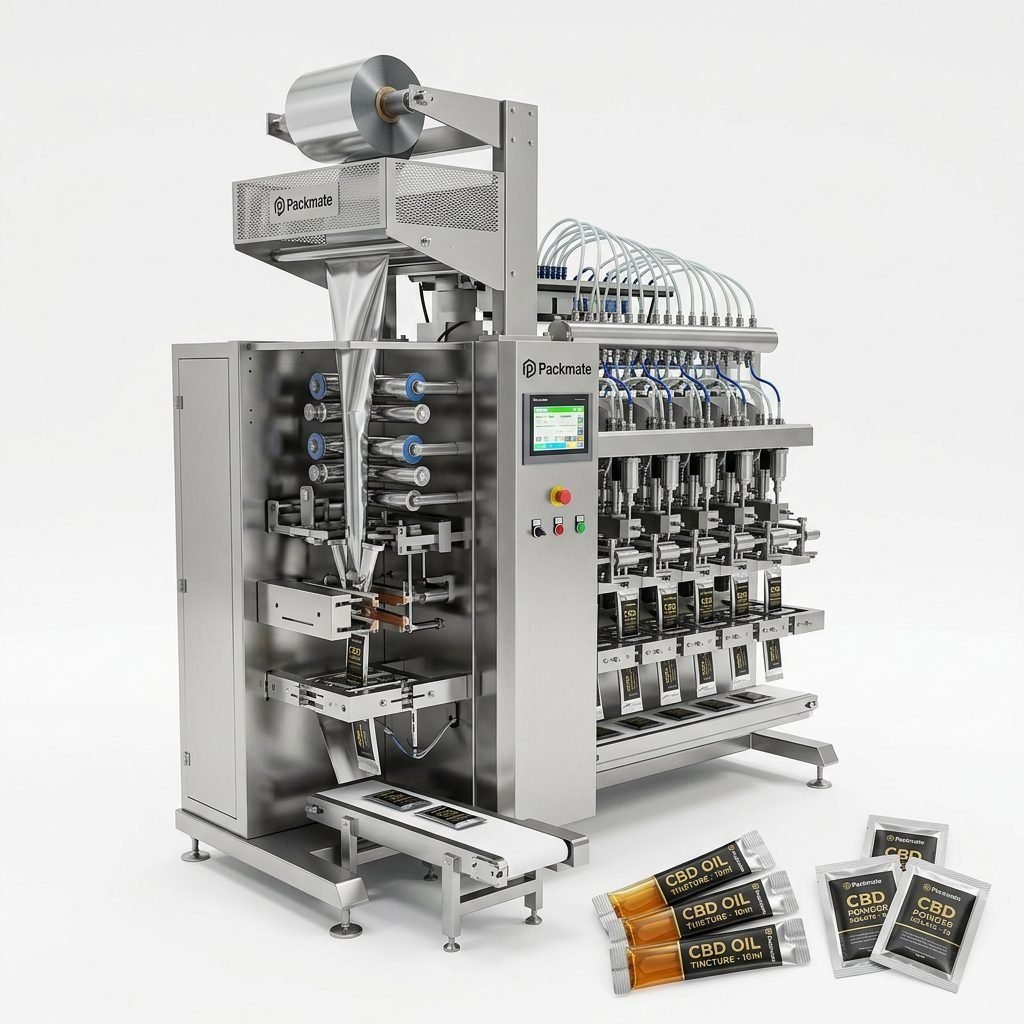
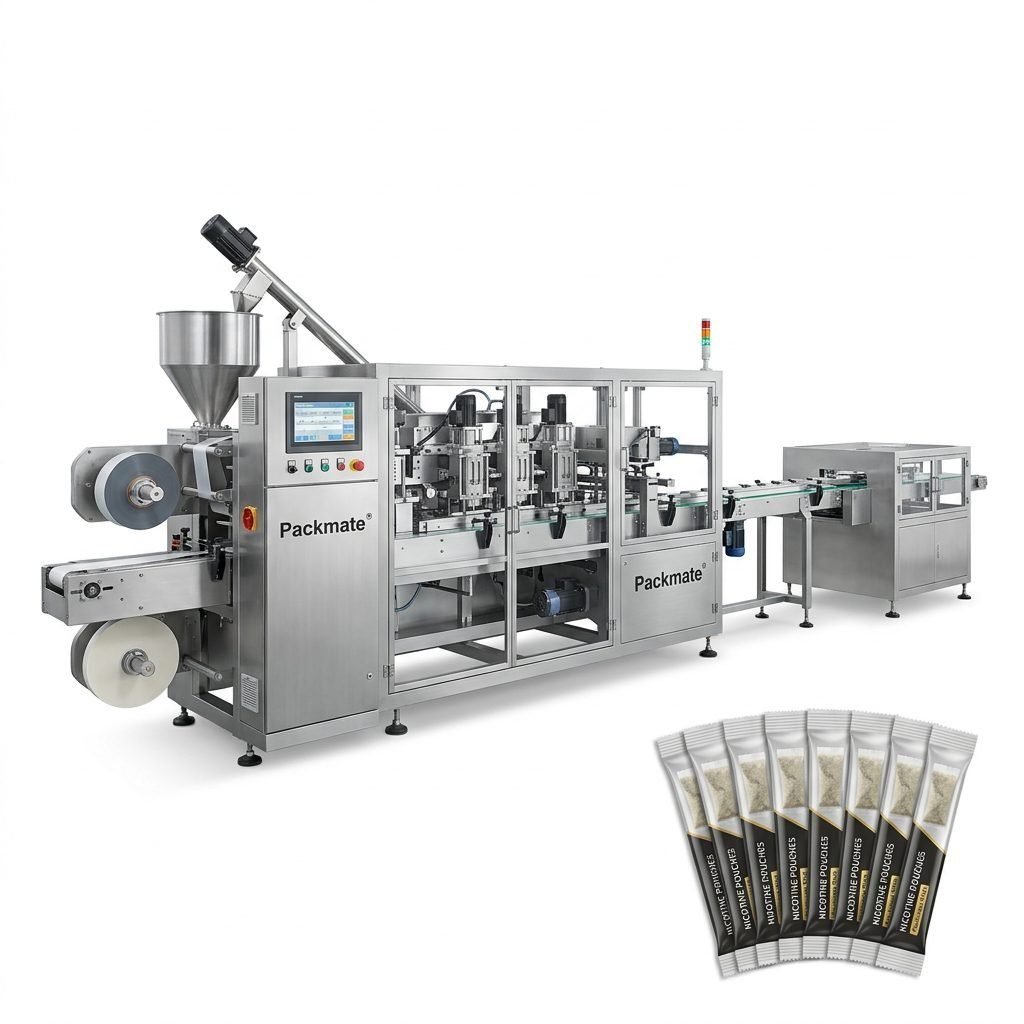
Choosing the right nicotine packaging machine supplier for a factory in San Marino is a strategic decision that affects product quality, regulatory compliance, production efficiency, and long-term costs. This guide walks you through practical, culturally-aware, and technical considerations so you can evaluate suppliers with confidence, negotiate favorable terms, and deploy a reliable snus or nicotine pouch packaging solution that fits the unique needs of your operation.
Why the Supplier Choice Matters in San Marino
San Marino’s business environment is shaped by its small population, close-knit commercial relationships, and high expectations for product quality and discretion. Buyers here often value personal service, transparent communication, and machines that deliver consistent output with minimal downtime. Choosing a supplier who understands these local traits—alongside international regulatory expectations for nicotine products—will help ensure smooth installation, compliance, and long-term partnership.
Key local considerations
📌 Personal relationships matter: In San Marino, suppliers that offer responsive, direct contact and on-site support are preferred.
✅ Discretion and confidentiality: Nicotine products may involve private brands; suppliers should respect NDAs and provide secure project handling.
🔧 Compliance awareness: Though San Marino is not an EU member, it has close regulatory ties with Italy—suppliers with CE and ISO experience will simplify approvals and market entry.
Essential Technical Criteria to Evaluate
When assessing a packaging machine supplier, scrutinize machine performance, build quality, and engineering credentials. Below are the most critical technical factors you should evaluate before making a purchase.
1. Proven experience and engineering depth
Look for suppliers with long-term industry experience and a track record in snus or nicotine pouch systems. Companies with decades of R&D and multiple machine models demonstrate maturity in design and problem-solving. A factory with advanced CNC machining centers and precision assembly lines suggests consistent mechanical quality and repeatability.
2. Certifications and standards
Machines certified to CE and ISO standards indicate compliance with international safety and quality norms. For nicotine products, prioritise suppliers who can document hygienic design, material traceability, and electromagnetic safety. This reduces regulatory risks when bringing products to market in or through San Marino.
3. Stability, accuracy and multi-lane capabilities
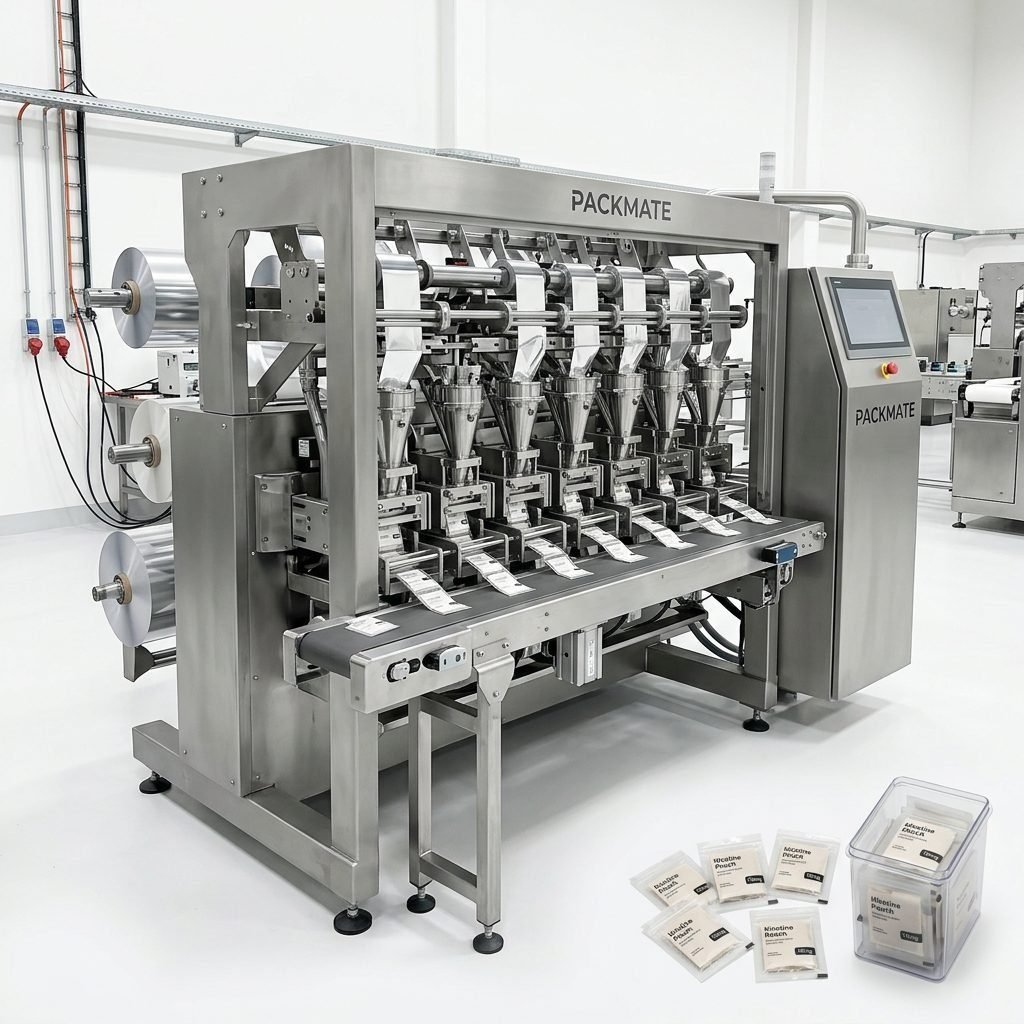
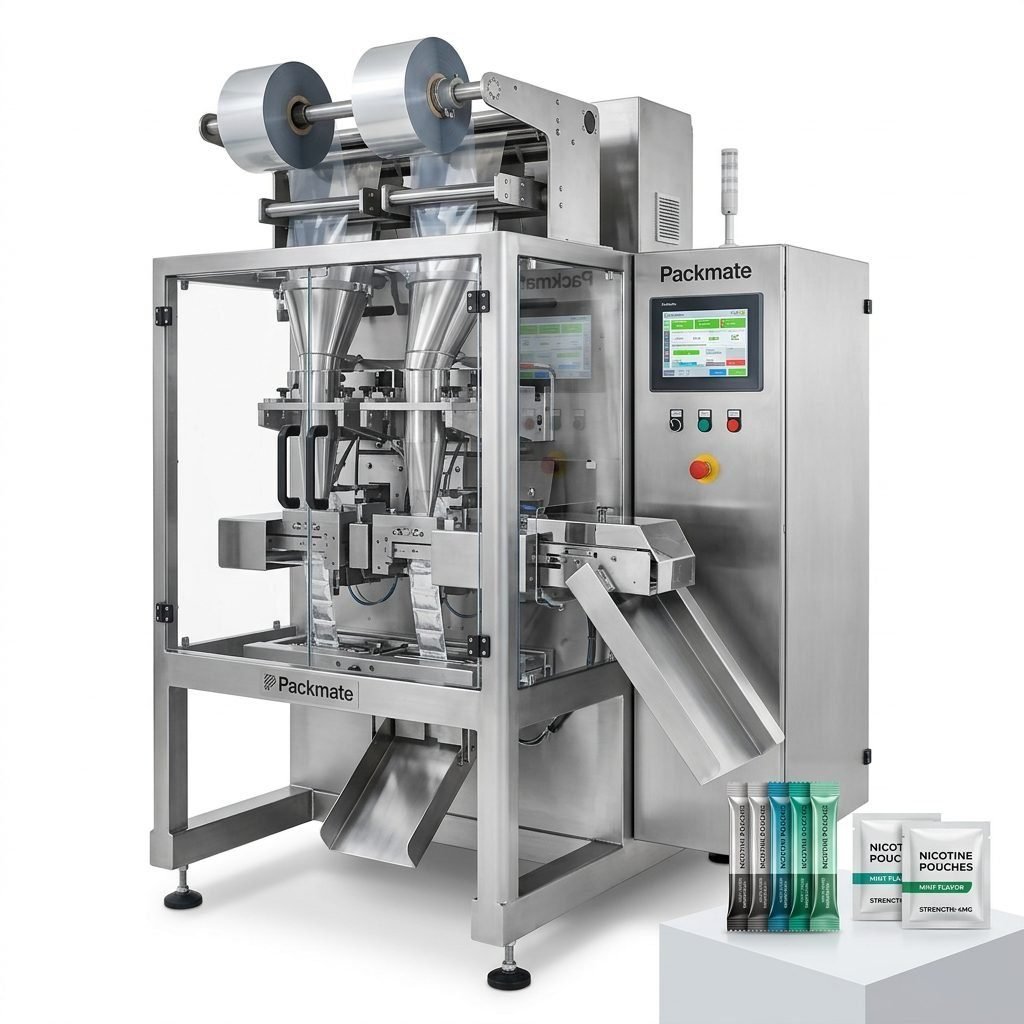
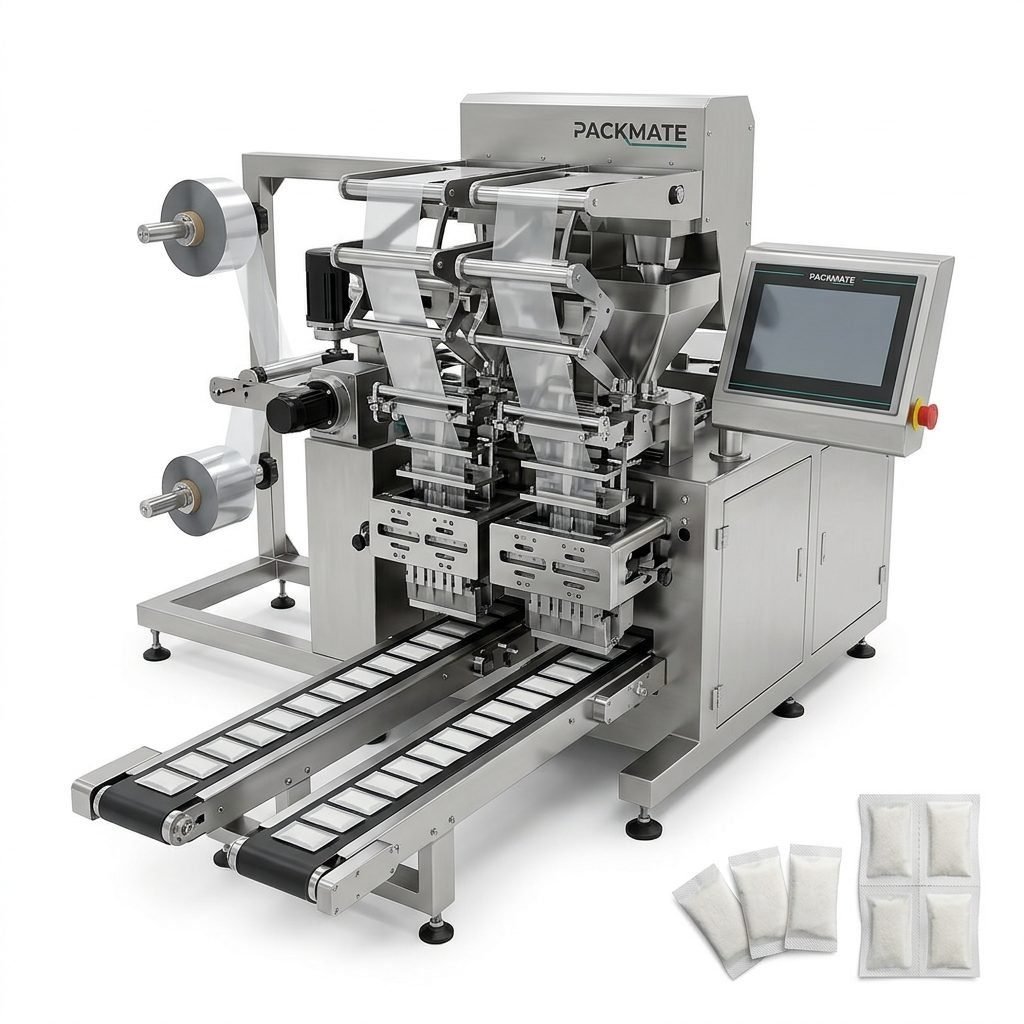
Nicotine pouches often require small-dose, high-precision filling. Multi-lane systems with stable servo controls deliver high throughput with consistent weight accuracy. Ask for test data or sample runs demonstrating weight tolerances, lane balance, and speed under real-world conditions.
4. Customisation and turn-key solutions
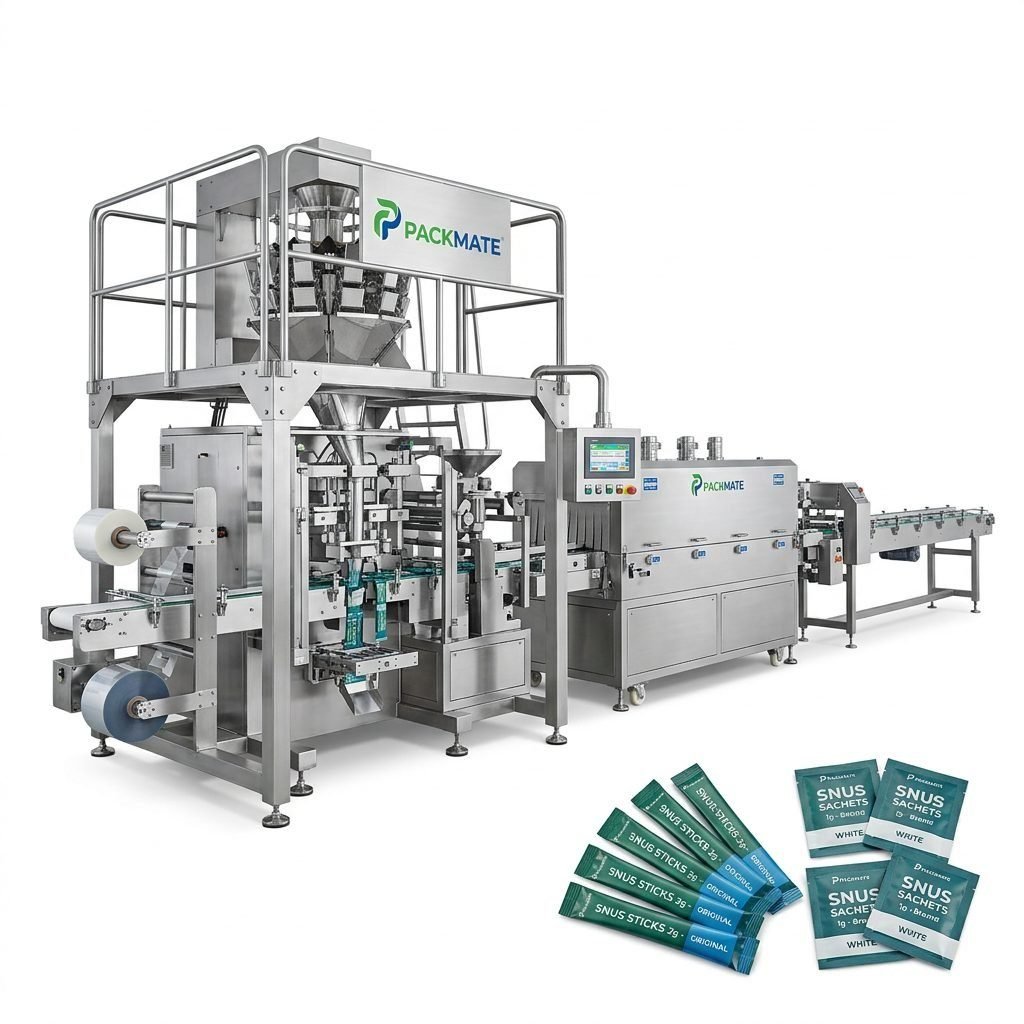
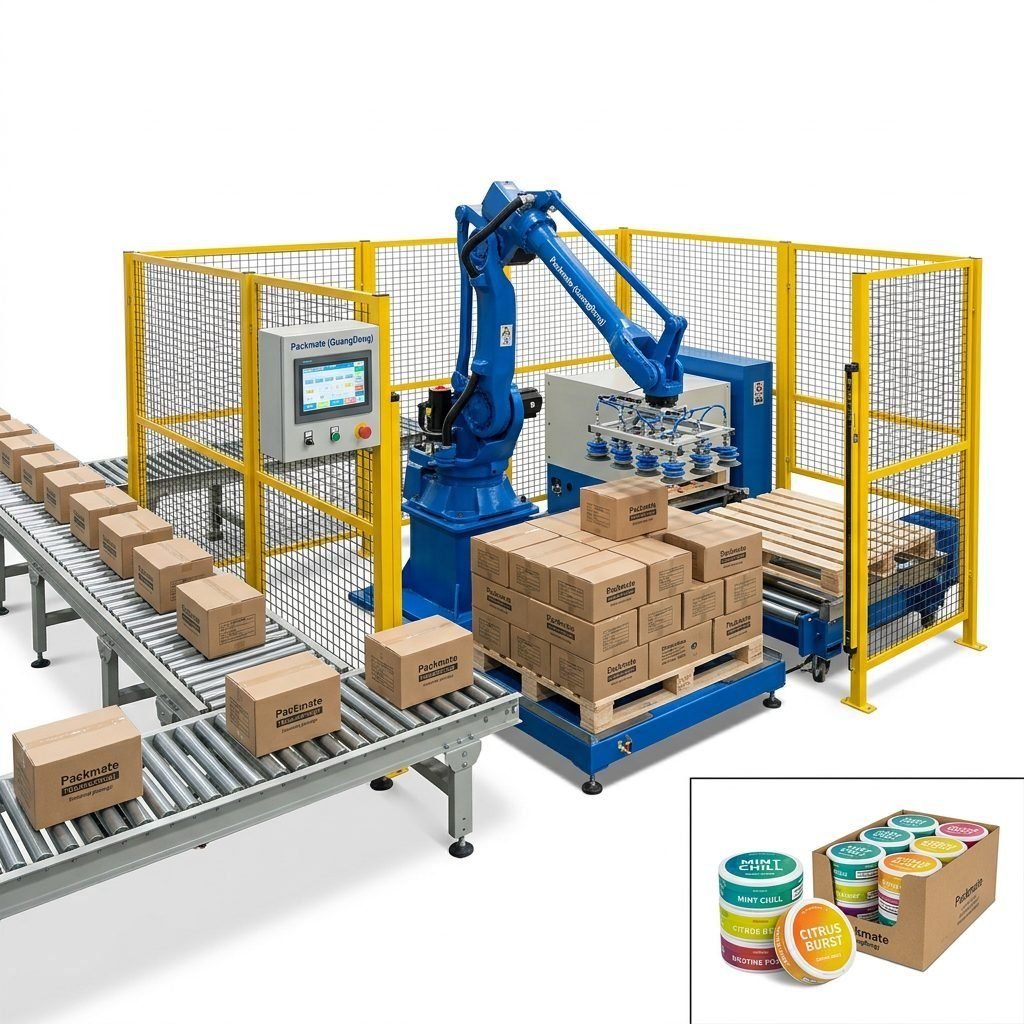
A supplier offering customizable modules, turnkey lines, and full factory automation can save time and integration risk. Whether you need stick packs, sachets, or customized pouch formats, ensure the supplier can adapt tooling, dosing systems, and software to your specs.
Operational Factors: Service, Spares, and Training
Excellent after-sales, fast spare parts delivery, and operator training are as important as initial equipment cost. Consider the following operational criteria when selecting your supplier.
After-sales and remote support
A supplier who offers remote diagnostics, PLC/SCADA support, and rapid-response field engineers will dramatically reduce downtime. Ask about remote access options, software update policies, and average response times for critical faults.
Spare parts logistics
For a factory in San Marino, fast customs clearance and reliable shipping routes matter. Choose suppliers that hold global spare parts stocks and can ship commonly replaced components within 48-72 hours. Verify part numbers, expected lifetime, and recommended spares per machine.
Training and documentation
On-site commissioning and operator training tailored to your team are essential. Request full manuals, electrical diagrams, and maintenance schedules. Suppliers who offer multilingual documentation—especially in Italian—fit better into San Marino’s local context.
Commercial and Contractual Considerations
Price is important, but total cost of ownership (TCO) matters more. A cheaper machine that costs more in downtime, waste, or energy is not a saving. Consider warranties, payment terms, and acceptance testing clauses in your purchase contract.
Warranty, acceptance testing and performance guarantees
⚠️ Warranty scope: Clarify what is covered (parts, labor, travel) and the warranty period.
📌 Factory Acceptance Test (FAT): Require a FAT with your product to verify speed, weight accuracy, and sealing integrity before shipment.
🔍 Penalties/rectification: Include remediation steps if performance guarantees are not met after installation.
Payment, lead time and delivery
Negotiate reasonable lead times, staged payments tied to milestones (design approval, FAT, shipment, installation), and clear delivery Incoterms. For San Marino-based factories, confirm the supplier’s experience with EU/Italy logistics to avoid customs surprises and shipping delays.
Quality Assurance and Testing
Quality assurance includes machine build, process validation, and product testing. Validate the supplier’s testing capabilities and request documented evidence.
Request documented proof
Ask for machine test records, calibration certificates for weighing systems, and examples of quality control protocols. Manufacturers who maintain detailed production logs and provide inspection reports reduce integration risk.
Sample runs and pilot production
Run a pilot line using your actual product and packaging materials. This confirms sealing performance, pouch appearance, and dosing consistency. A supplier that allows on-site trials or provides sample videos and data demonstrates confidence in their equipment.
Regulatory and Product Safety Considerations
Nicotine products are tightly regulated in many markets. Ensure your supplier understands material compatibility, cleaning regimes, and traceability requirements to avoid regulatory setbacks.
- Material contact parts should be food-grade or compliant with applicable safety standards.
- Machine design should allow easy cleaning and validation to control cross-contamination.
- Request documentation on electrical safety, EMC, and mechanical guarding.
Practical Checklist Before You Buy
🔧 Engineering & Factory: Verify factory size, CNC capability, and models in production.
📑 Certifications: Request CE/ISO certificates and test reports.
📦 FAT & packing: Ensure FAT with your product, and robust export packaging for safe arrival in San Marino.
🤝 Service terms: Confirm warranty, spare stock locations, and training plans.
Common Negotiation Points and Price vs Value
When negotiating, focus on value drivers rather than only upfront price. Elements such as uptime guarantees, spare parts packages, and bundled commissioning can deliver better long-term ROI than a lower purchase price.
Ask about:
- Extended warranty packages and service contracts.
- On-site commissioning days included and operator training hours.
- Spare part kits packaged for first 12 months of use.
- Options to upgrade lanes or add automation as volumes grow.
Why Working with an Experienced Manufacturer Helps
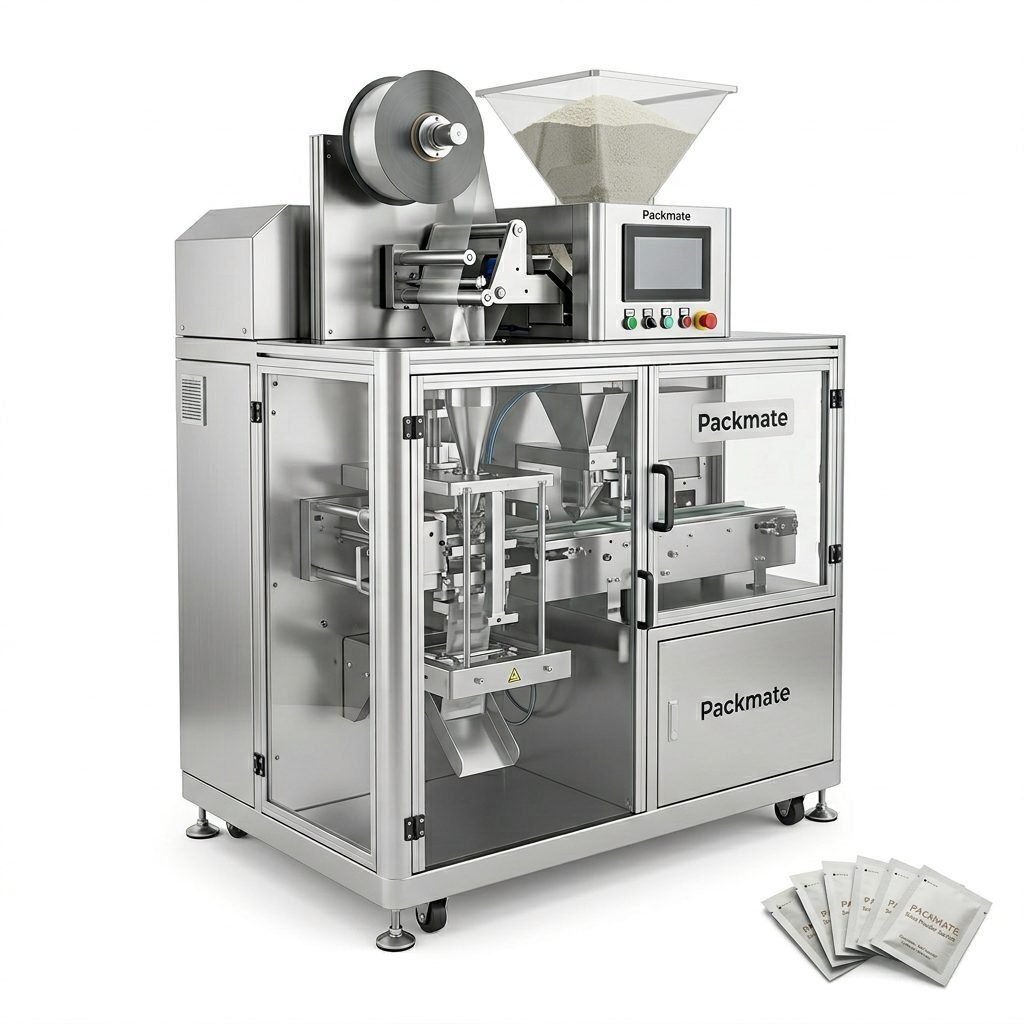
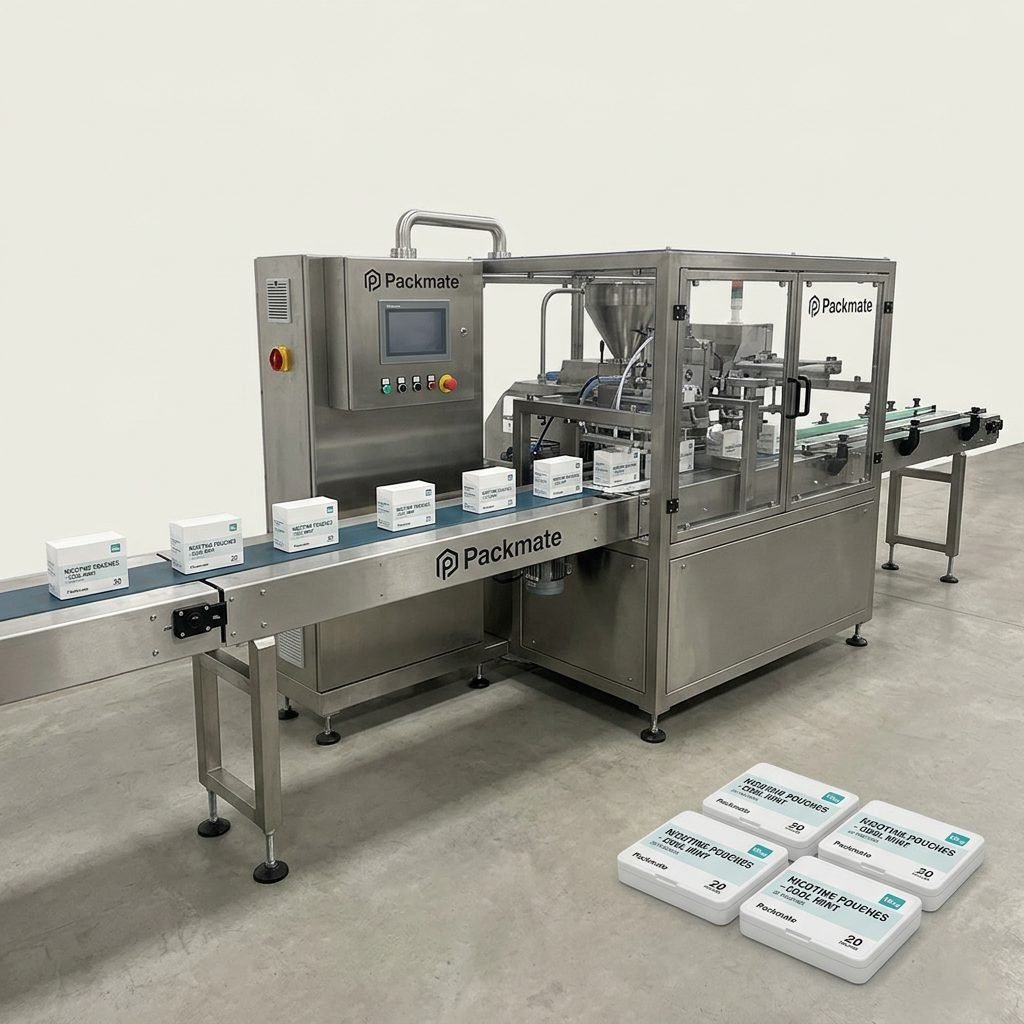
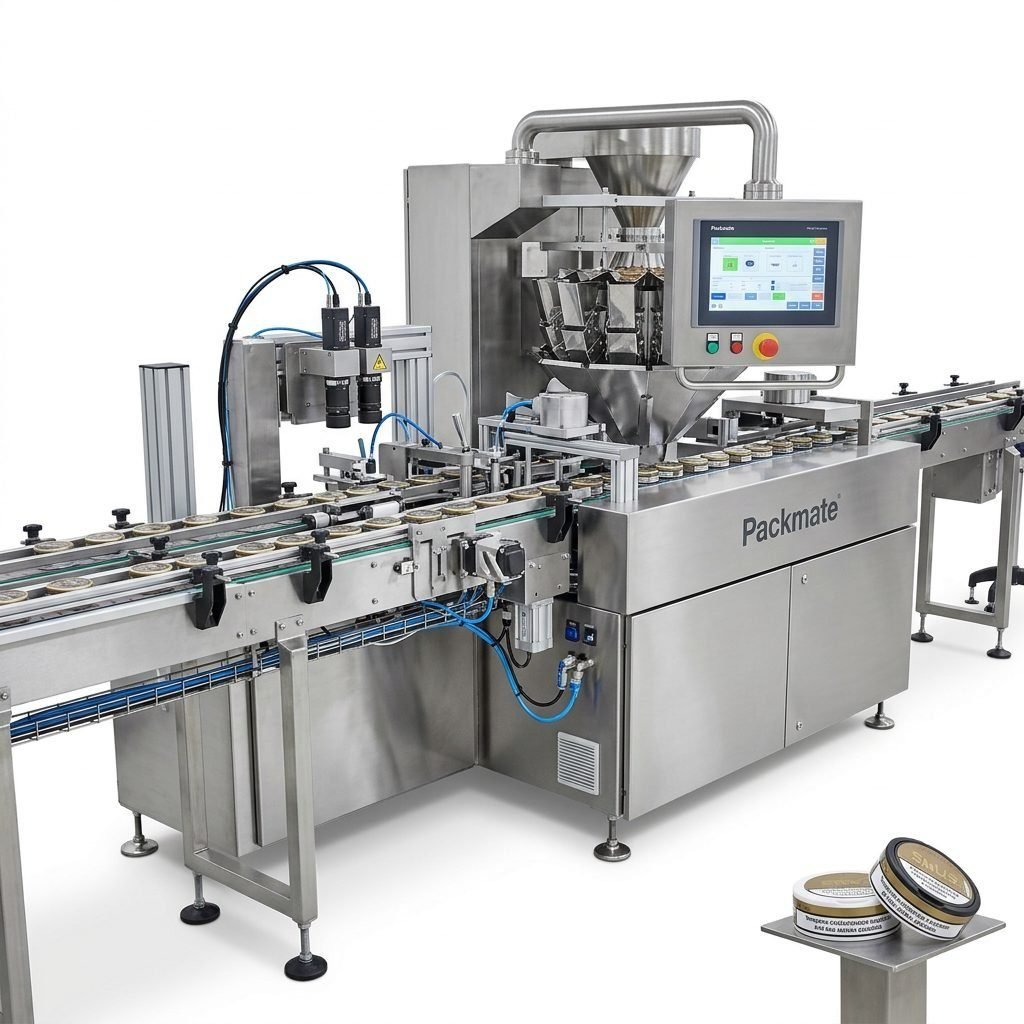
Experienced packing machine manufacturers combine product knowledge with mature production capabilities. They can provide tailored solutions—such as high-precision multi-lane systems for small-dose nicotine pouches, custom dosing options, and integrated weighing and packaging lines—that reduce your time to market and long-term risk.
If you’d like to review product lines and technical specs, consider exploring these resources for a deeper look at machine types and turnkey solutions:
- Snus & Nicotine Packaging Machines — focused machines for nicotine pouch and snus formats.
- Sachet & Stick Pack Machines — stick and sachet formats for higher-speed applications.
- Filling & Packaging Lines — integrated lines including upstream dosing systems.
- About Packmate — company profile, production capabilities and history.
On-site Installation & Commissioning Tips
Plan installation carefully: ensure floor load capacity, power supply, compressed air quality, and room ventilation meet supplier specifications. Schedule commissioning with experienced technicians and use acceptance criteria tied to production targets.
During commissioning
- Run full shift cycles to validate thermal and mechanical stability.
- Document start-up issues and require supplier remediation before final acceptance.
- Ensure operators are trained on daily checks, cleaning, and first-line troubleshooting.
Red Flags to Watch For
❌ Lack of FAT or test data: If the supplier refuses a Factory Acceptance Test with your product, treat this as a major risk.
❌ No spare parts strategy: Long lead times on spares will increase downtime and TCO.
❌ Vague warranty or service commitments: Ensure all service terms are contractually specified.
Closing advice
Selecting the right nicotine packaging machine supplier for a San Marino factory is a balance of engineering capability, local service fit, and robust contractual protection. Prioritise suppliers with proven experience in snus and nicotine pouch lines, strong QA processes, and realistic support commitments. A well-documented FAT, clear spare parts plan, and thorough commissioning will protect your investment and ensure smooth production ramp-up.
Next steps
Start by preparing a detailed technical specification, request proposals that include FAT and spare parts quotes, and schedule site visits or virtual factory tours. Use the checklist in this guide to compare suppliers objectively and select a partner who aligns with both San Marino’s business culture and your technical needs. For direct enquiries, consult the supplier’s contact and service pages to arrange factory visits or demonstrations.
Frequently Asked Questions
Q1: How long does it typically take from order to installation for a snus packaging line?
A1: Lead time varies by customization and factory workload, but typical delivery windows range from 12 to 20 weeks including FAT, shipping, and installation. Discuss expedited options if you have tight timelines.
Q2: What warranty and service levels should I require?
A2: Request at least a 12-month warranty on parts and workmanship, clearly defined response times, and a spare parts package for the first 6–12 months. Consider an extended service contract for full coverage.
Q3: Do I need local language documentation or training?
A3: Yes—multilingual manuals and Italian-language training are highly beneficial for San Marino operations. Confirm documentation language options with the supplier.
Q4: How do I validate a supplier’s machine performance before purchase?
A4: Insist on a Factory Acceptance Test using your actual product and packaging materials, review test data, and, if possible, visit installations where the machine is in production.
Q5: Where can I see examples of machine types and turnkey solutions?
A5: Explore manufacturer product pages and case studies for examples of snus/nicotine packaging systems, bag & pouch lines, and filling & packaging lines to match your needs.
For more detailed product specifications and case examples, you may review the manufacturer’s product sections and contact their sales team directly through the official channels.