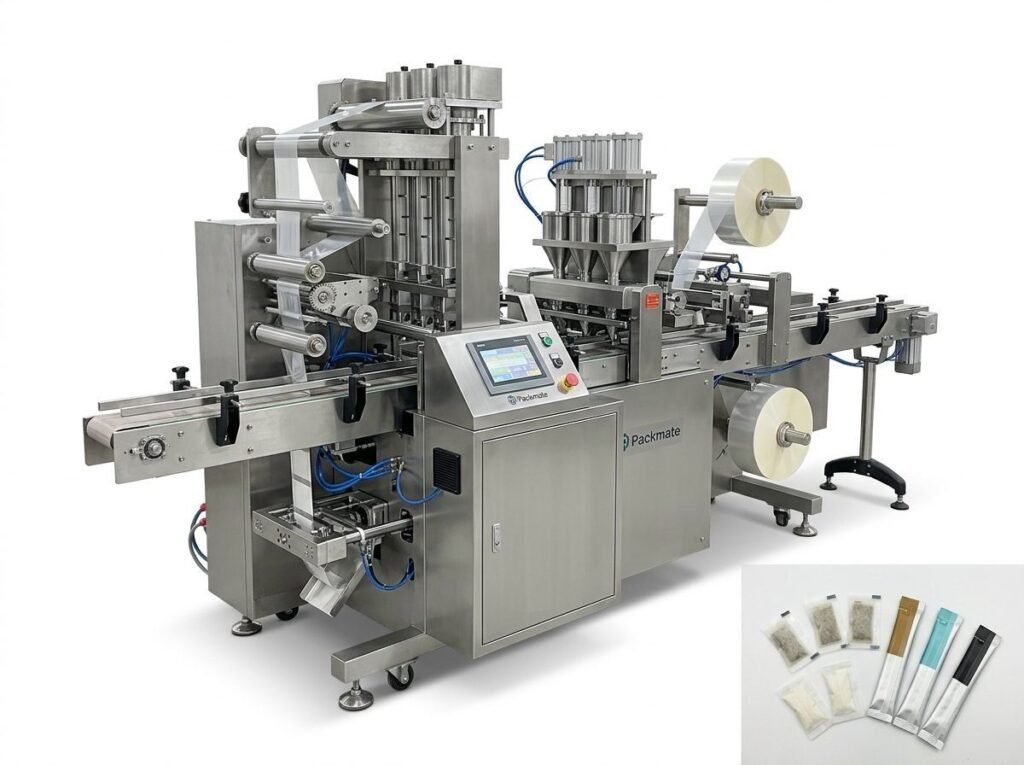
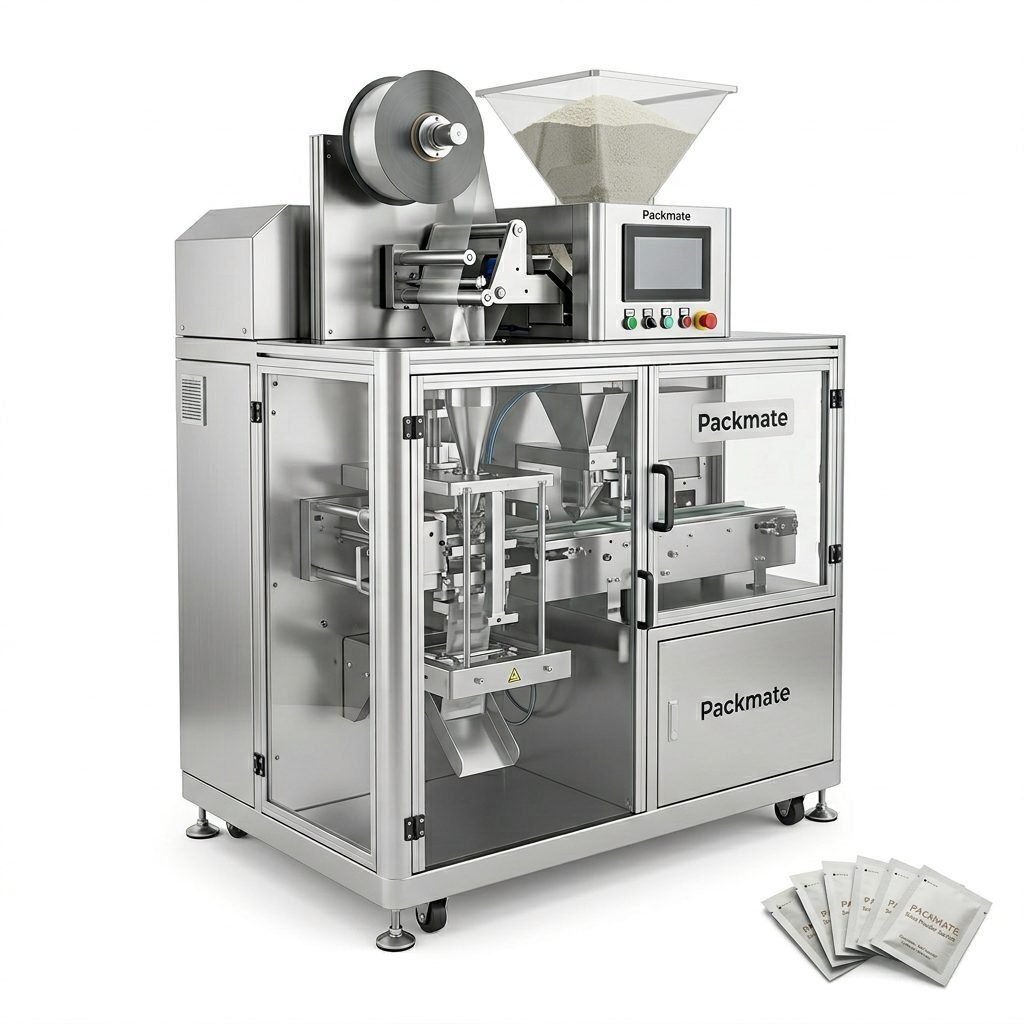
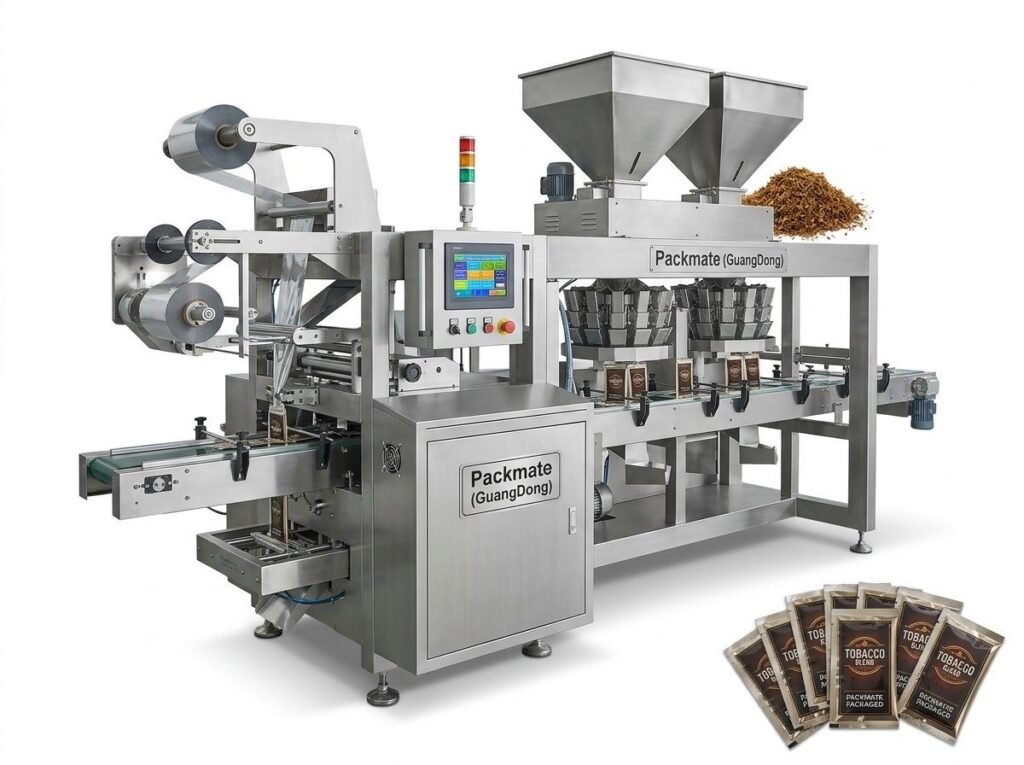
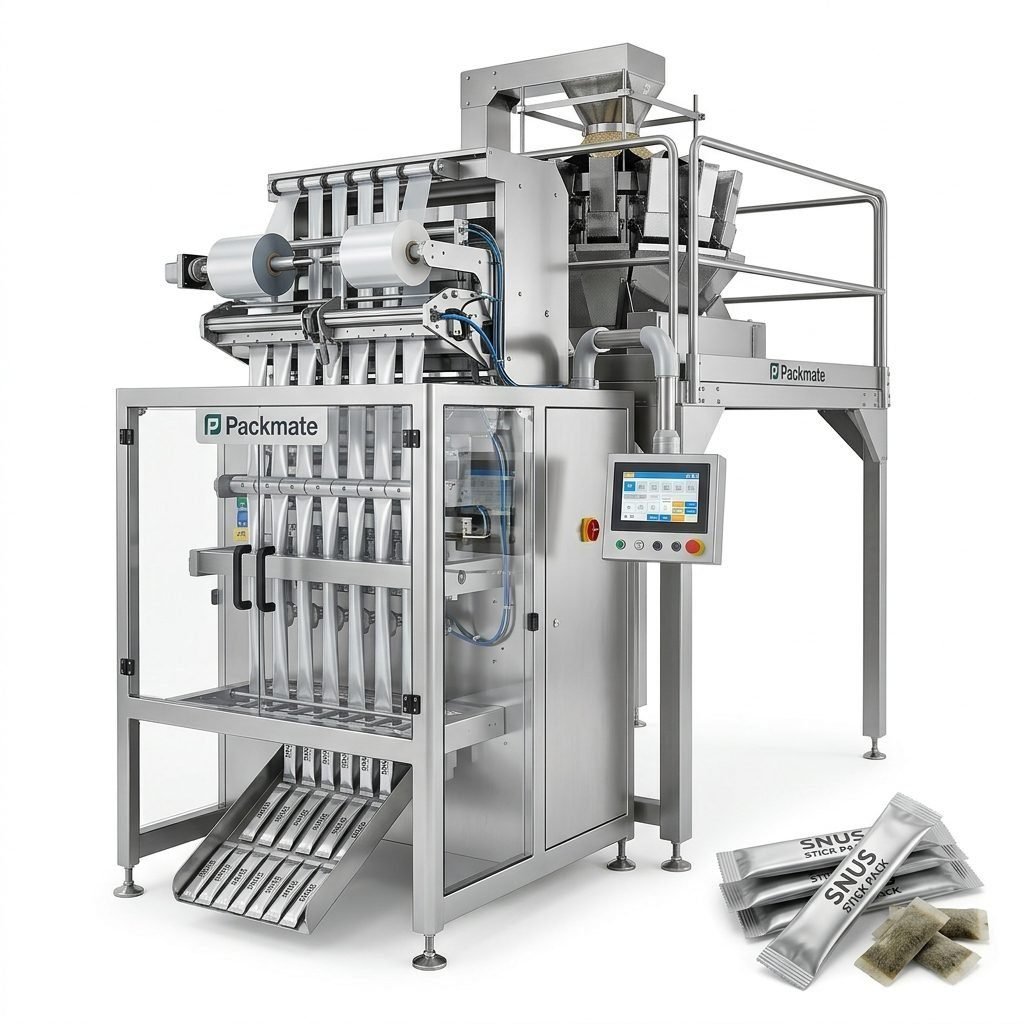
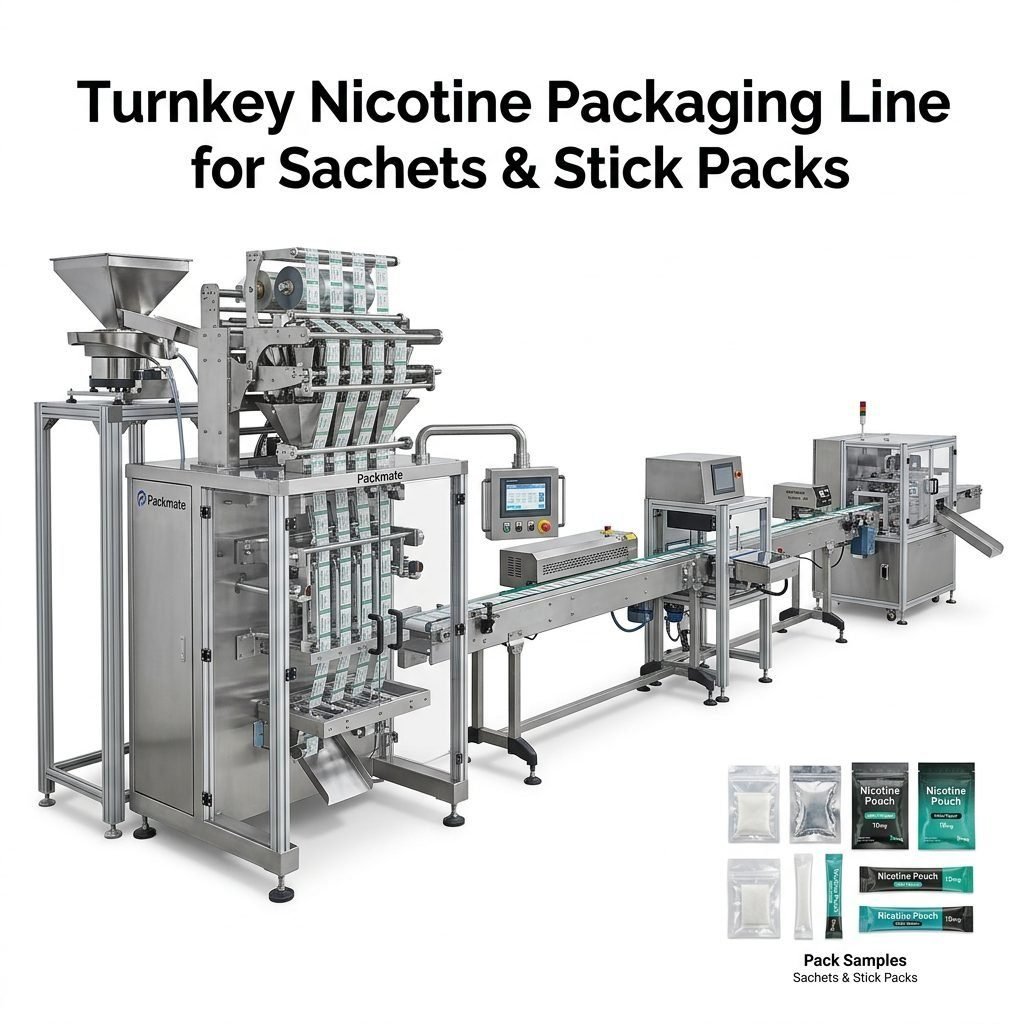
Choosing the right snus packaging machine in Tajikistan requires a careful balance of technical specifications, local market understanding, regulatory compliance, and long-term service support. This buyer’s guide walks you through every step of the decision-making process, from machine types and production capacity to supplier evaluation and total cost of ownership. Use these insights to select a packaging solution that fits your product format, budget, and growth plans.
🔍 Understanding the Tajikistan Snus Market & Regulatory Context
Before evaluating machines, assess the local market demand, consumer preferences, and legal framework. In Tajikistan, regulations around nicotine products, import restrictions, and labeling requirements can impact your production choices. Engage with local legal counsel or regulatory consultants to confirm product classifications, acceptable ingredients, and labeling rules.
Key considerations for compliance:
✔️ Product classification and local permits: ensure snus or nicotine pouches are permitted for sale and understand any licensing requirements.
✔️ Labeling & ingredient transparency: plan packaging space for multilingual labels and mandated warnings.
⚙️ Types of Snus Packaging Machines — Which Fits Your Product?
Snus and nicotine pouch producers typically choose between stick pack, sachet, and multi-lane pouch machines. Each format has distinct advantages in terms of speed, flexibility, and cost.
Sachet & Stick Pack Machines
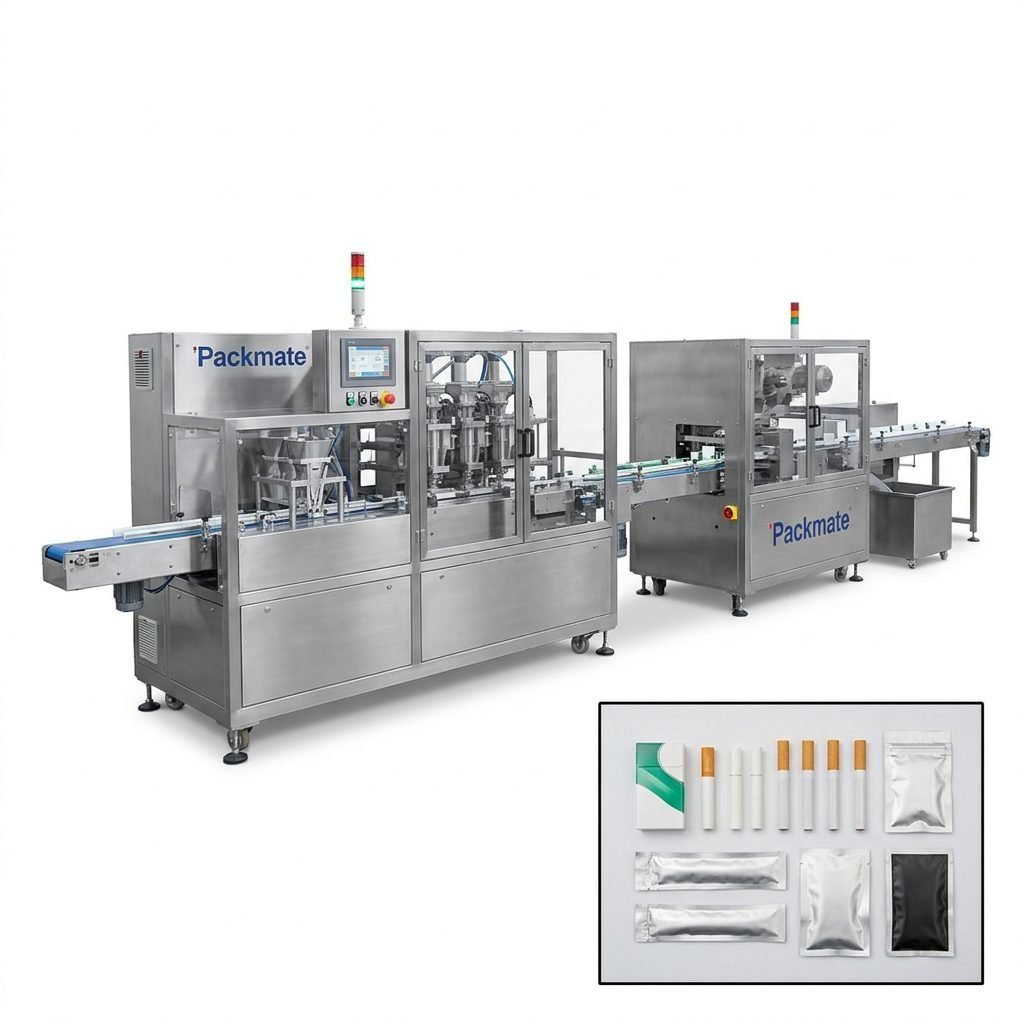
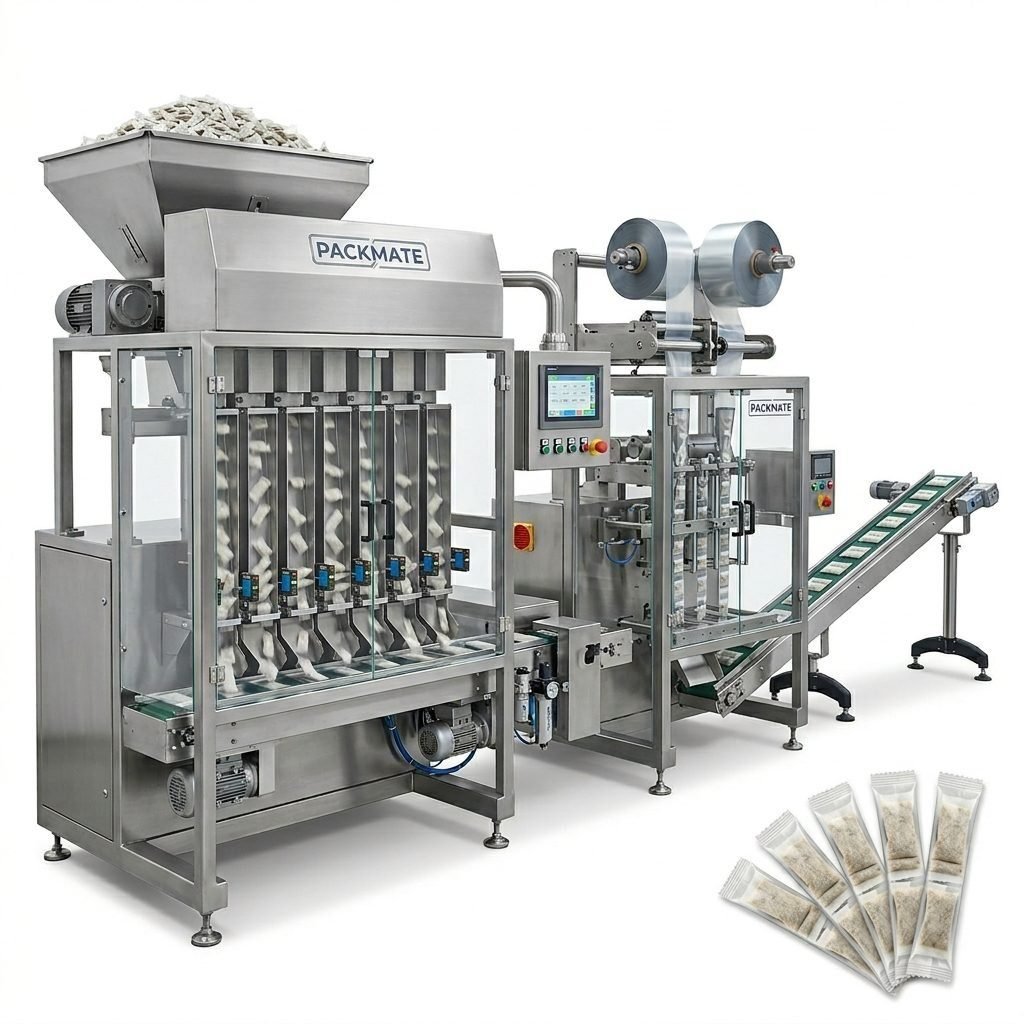
Stick pack and sachet machines are ideal for single-dose or small-dose formats. They offer fast changeovers and consistent seal quality for powdered or granular nicotine blends. If your priority is retail-friendly single units with printed branding, these machines are a strong option. For details on models and specifications visit Sachet & Stick Pack Machines.
Multi-lane Snus / Nicotine Pouch Packaging Machines
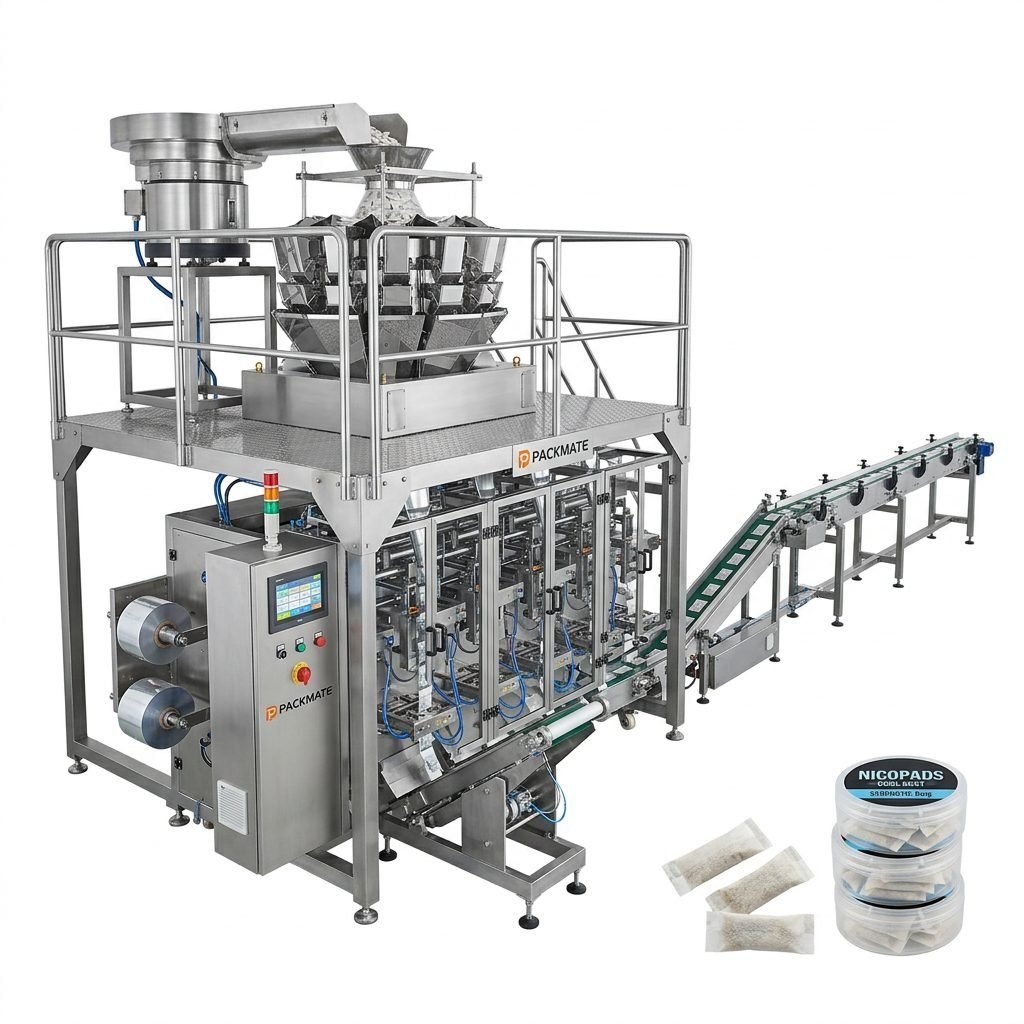
For higher throughput and small-dose pouch production, multi-lane systems are the leading choice. They run multiple lanes simultaneously, maximizing output per shift while maintaining compact footprint. These systems are particularly suited for nicotine pouch production lines that demand high precision and consistency. Explore options at Snus & Nicotine Packaging Machines.
📈 Production Capacity & Speed: Matching Machine Output to Demand
Estimate your current and projected production volumes before selecting a machine. A mismatch can result in overinvestment or production bottlenecks.
Consider:
• Throughput (pouches/minute): Choose a machine that meets peak demand with some headroom for growth.
• Shift patterns & uptime: factor in maintenance windows and mean time between failures (MTBF).
Tip: If you expect rapid market growth in Tajikistan, prioritize modular multi-lane equipment that can be upgraded with additional lanes or higher speed modules.
🧩 Material Compatibility & Packaging Formats
Different snus formats require specific materials and sealing technologies. Ensure the machine supports your chosen pouch materials (e.g., laminated films, biodegradable films, or foil laminates) and can handle the powder or granule characteristics of your product.
Important factors:
• Sealing method: heat sealing vs. ultrasonic sealing (heat sealing is most common for laminated films).
• Filling accuracy: dosing systems for micro-doses must support high precision.
🤖 Automation, PLC & Integration with Production Lines
Modern packaging lines demand automation for consistency and labor efficiency. Look for machines with robust PLC controls, user-friendly HMI, and options for integrating with upstream weighing or mixing systems and downstream cartoning or case-packing equipment.
Features to prioritize:
• Intuitive HMI and recipe management for quick format changes.
• Remote diagnostics & connectivity: reduces downtime and speeds up troubleshooting.
🔧 Maintenance, Spare Parts & Local Support
After-sales support is essential for long-term operation. Confirm availability of spare parts and technician training in Tajikistan or nearby regions. A supplier who offers remote support, quick spare parts shipping, and training will minimize production interruptions.
What to ask suppliers:
• Spare parts lead times and recommended spare-kit list.
• On-site commissioning and operator training as part of the purchase.
💰 Cost, ROI & Total Cost of Ownership
Evaluate not just the purchase price, but the full lifecycle cost: maintenance, energy consumption, consumables, and downtime losses. Calculate the payback period based on realistic production plans and pricing strategies.
ROI checklist:
• Energy efficiency: lower running cost over long-term operations.
• Consumables & tooling life: frequency of replacements affects TCO.
🏭 Supplier Evaluation — What Matters Most
Choosing the right manufacturer is as important as choosing the right machine. Look for demonstrated experience in snus and nicotine pouch equipment, transparent manufacturing processes, and certifications that prove quality control.
Evaluate suppliers on:
• Industry experience & track record: years of focused R&D and widely used models.
• Factory capability & certifications: modern CNC machining centers, assembly lines, and CE/ISO compliance.
Supplier highlight: Some manufacturers, like Packmate Snus Machine, emphasize 30+ years of engineering, 20,000㎡ factory facilities, and a broad range of snus-focused lines. Reviewing factory tours, case studies, and customer testimonials can reveal real-world performance and service reliability. Learn more at About Packmate.
🚚 Logistics, Installation & Commissioning in Tajikistan
Plan for logistics and customs clearance. Machines shipped from overseas may require special crating and documentation. Confirm whether the vendor provides installation, calibration, and local commissioning support.
Shipping checklist:
• Shipping terms & transit time (EXW, FOB, CIF).
• Local utilities & site preparation: power, compressed air, and floor load capacity.
🔁 Typical Turnkey Solutions & Line Integration
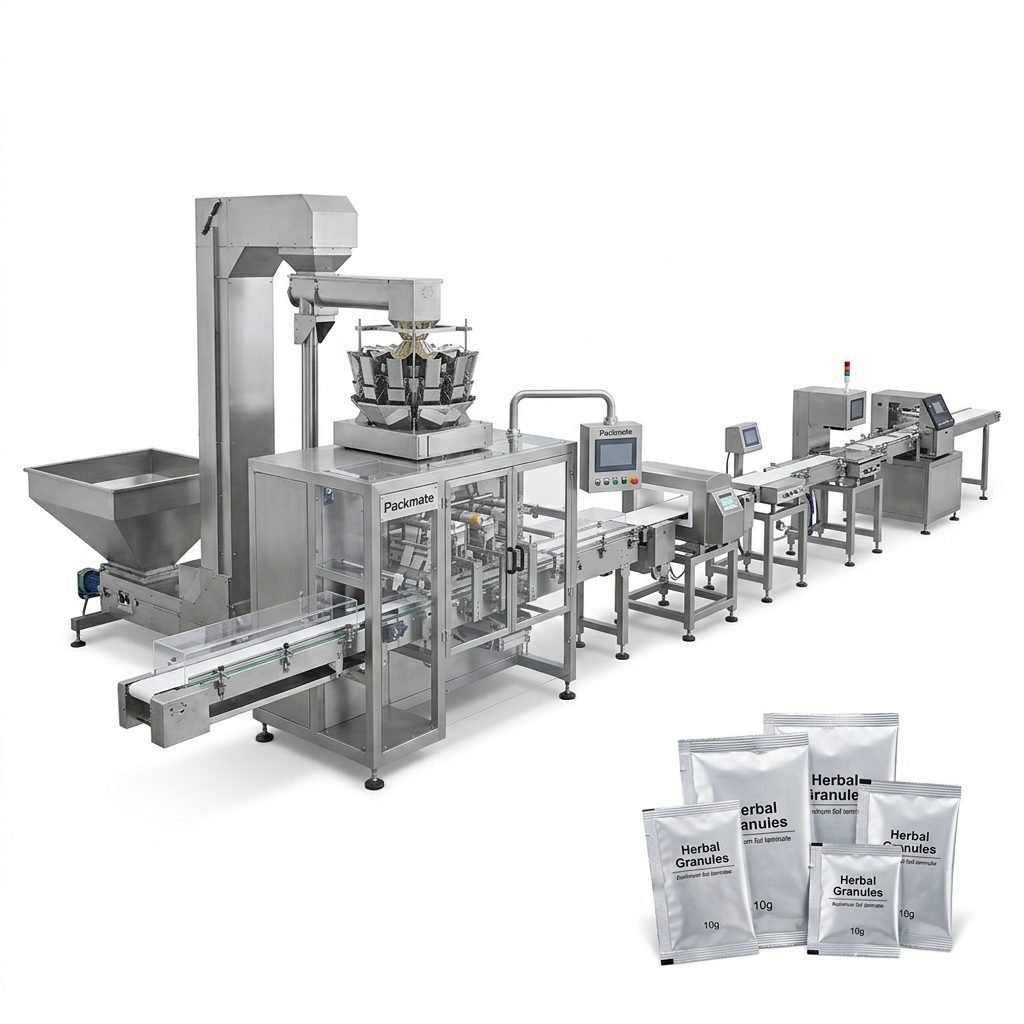
Many suppliers offer turnkey lines that include filling, weighing, pouch forming, sealing, and secondary packaging. Turnkey solutions reduce integration risks and accelerate commissioning. For integrated options including weighing and auxiliary equipment, see Weighing & Packaging Systems and Auxiliary Packaging Equipment.
📝 Practical Buying Checklist
Use this checklist to compare proposals and make an informed purchase:
1. Machine type & compatibility with your snus format and materials.
2. Production capacity (pouches/minute) and headroom for growth.
3. Accuracy of dosing and sealing integrity.
4. Automation level, PLC/HMI, and remote diagnostics capability.
5. Warranty, spare parts access, and local technical support.
6. Certifications (CE, ISO) and supplier factory capabilities.
7. Training, commissioning, and documentation in a language your team understands.
💡 Real-World Case & Supplier Considerations
When evaluating vendors, ask for case studies that reflect similar product types and output targets. Reliable manufacturers will share production line examples, exhibition appearances, and customer references. See real-life examples at the supplier’s case page: Case.
Check for:
• Demonstrations & factory acceptance testing (FAT) — ask to witness or request recorded machine runs with your product or a close analog.
Decision tip: Request a complete proposal that includes machine specifications, electrical and air requirements, spare parts list, warranty terms, and a clear lead time. Proposals that omit commissioning or training can cause unexpected delays and costs.
📌 Final Recommendations
To summarize the path for buyers in Tajikistan:
– Start with a clear production plan: volumes, formats, and growth timeline.
– Choose a machine family that supports your material and dosing accuracy needs: stick/sachet for retail single-serve, multi-lane for high throughput.
– Prioritize manufacturers with proven snus expertise, strong factory capabilities, and CE/ISO certifications.
– Negotiate commissioning, spare parts supply, and operator training into the contract to reduce risk.
– Consider turnkey lines to streamline integration with weighing and downstream packaging modules: check Filling & Packaging Lines for integrated solutions.
📞 Want expert assistance?
If you need tailored advice or want to request a quotation, contact the manufacturer’s sales and service team directly to discuss your production targets, samples, and site requirements. Reach out via Contact Us.
❓ Frequently Asked Questions
Q1: What is the typical lead time for a snus packaging line?
A1: Lead times vary by configuration and customization level. Standard models may ship faster, while fully customized multi-lane turnkey lines commonly require several months for manufacturing, testing, and shipping.
Q2: Can these machines handle different pouch sizes or formulations?
A2: Most modern machines are designed for format flexibility with changeover kits and recipe storage. Ensure your chosen machine supports the full range of pouch sizes and material thicknesses you plan to use.
Q3: What after-sales support should I expect?
A3: Expect commissioning, operator training, spare parts lists, and remote diagnostics. Verify spare parts lead times and optional maintenance contracts with the vendor.
Q4: How do I validate sealing and dosing performance before purchase?
A4: Request factory acceptance testing (FAT) videos or on-site demonstrations using your product or a close equivalent. Ask for test certificates showing fill accuracy and seal integrity.
Q5: Are turnkey lines more cost-effective than buying components separately?
A5: Turnkey solutions often reduce integration risk and shorten commissioning time. While initial capital might be higher, the reduced installation complexity and supplier accountability often provide a better overall value.