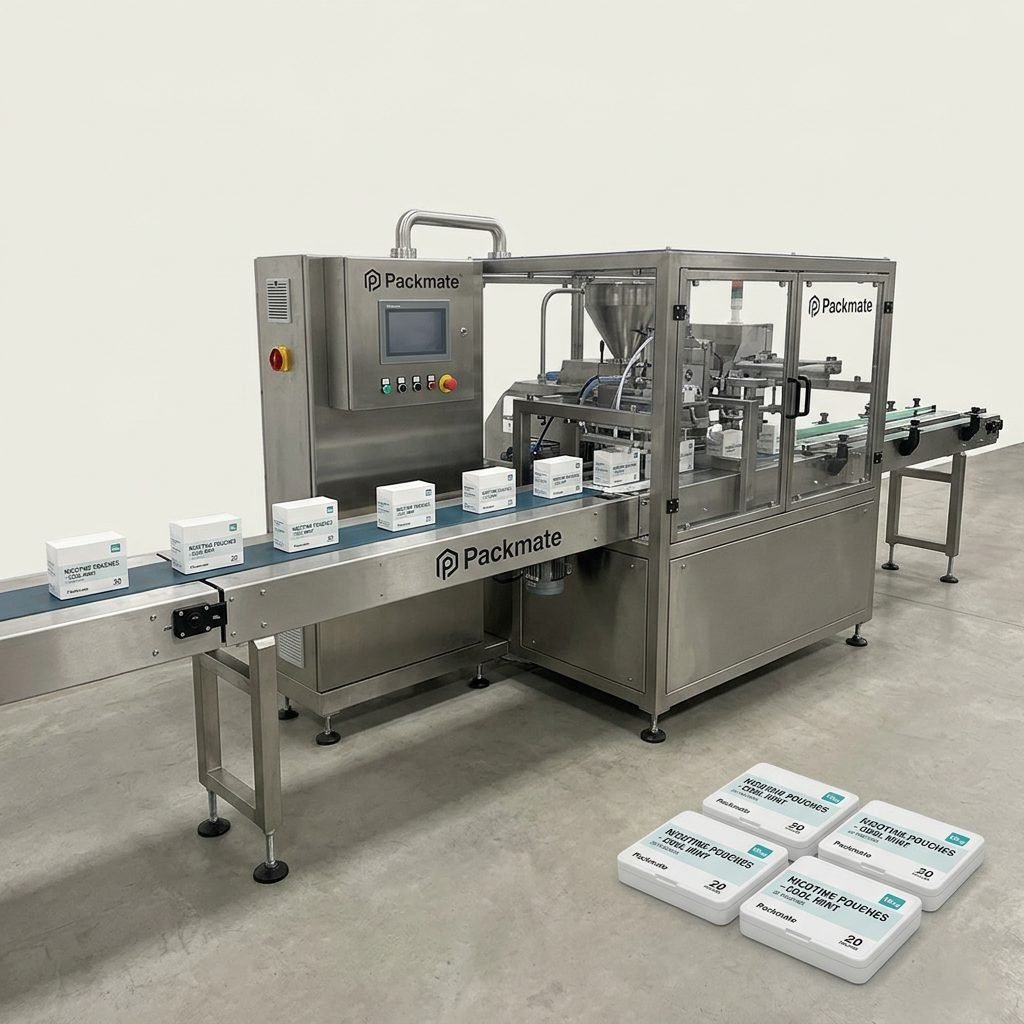
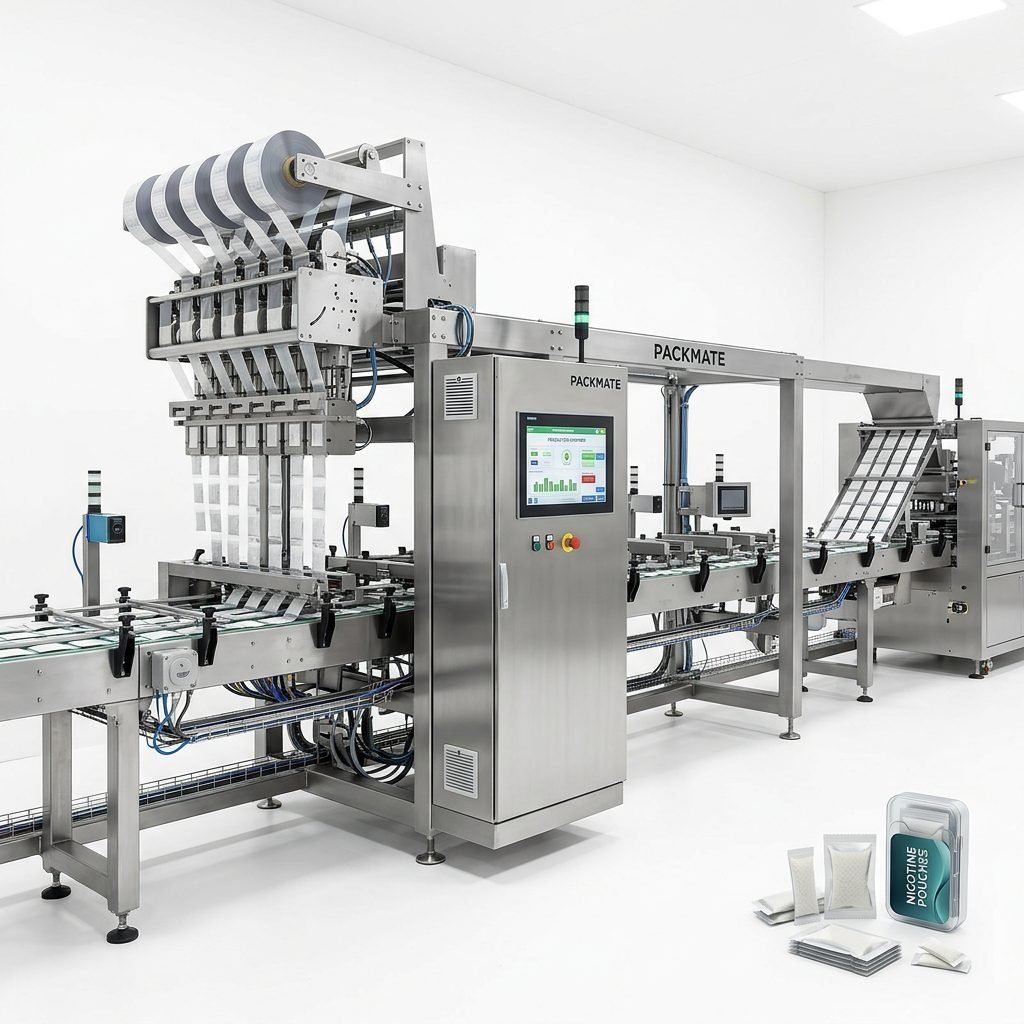
Choosing the right snus packaging machine manufacturer for your factory in Kazakhstan is a strategic decision that affects product quality, regulatory compliance, production uptime, and long-term profitability. Whether you are launching a new nicotine pouch brand or scaling an established snus operation, the right packaging partner must blend engineering reliability, local logistics know-how, and attentive after-sales service. This guide walks you through the critical factors to evaluate, practical checklists for vendor selection, and negotiation tips so you can shortlist manufacturers with confidence.
Understand Your Production Requirements
Start with an accurate assessment of your production goals. Ask yourself:
✔️ Daily output target: How many cartons/pouches per shift? Multi-lane systems can multiply throughput without expanding factory footprint.
✔️ Package format: Stick pack, sachet, pillow pack, or custom snus pouch shapes — different machines specialize in different formats.
✔️ Product type: Moist snus, dry nicotine pouches, powders, or liquid additives — the filling and sealing modules vary by product.
Key machine categories to consider
If you need a quick reference, leading manufacturers usually offer:
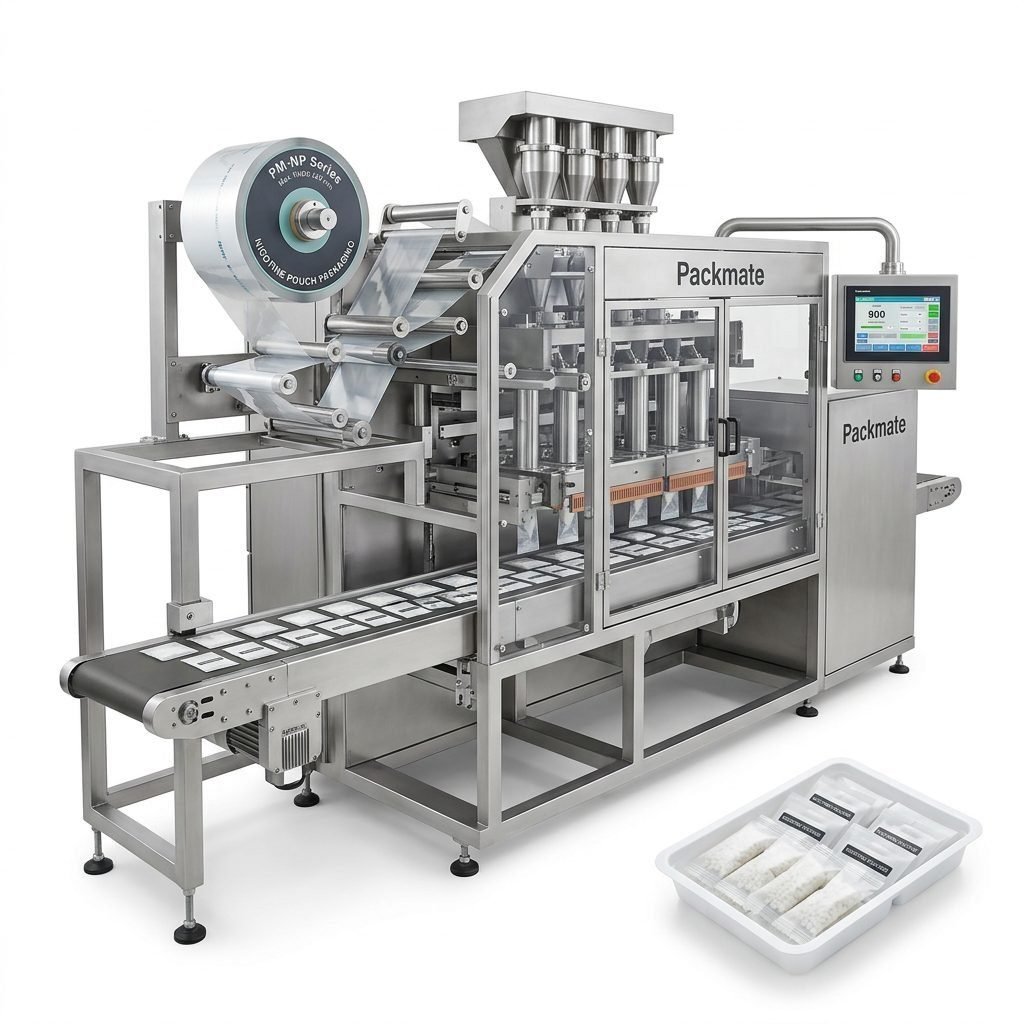
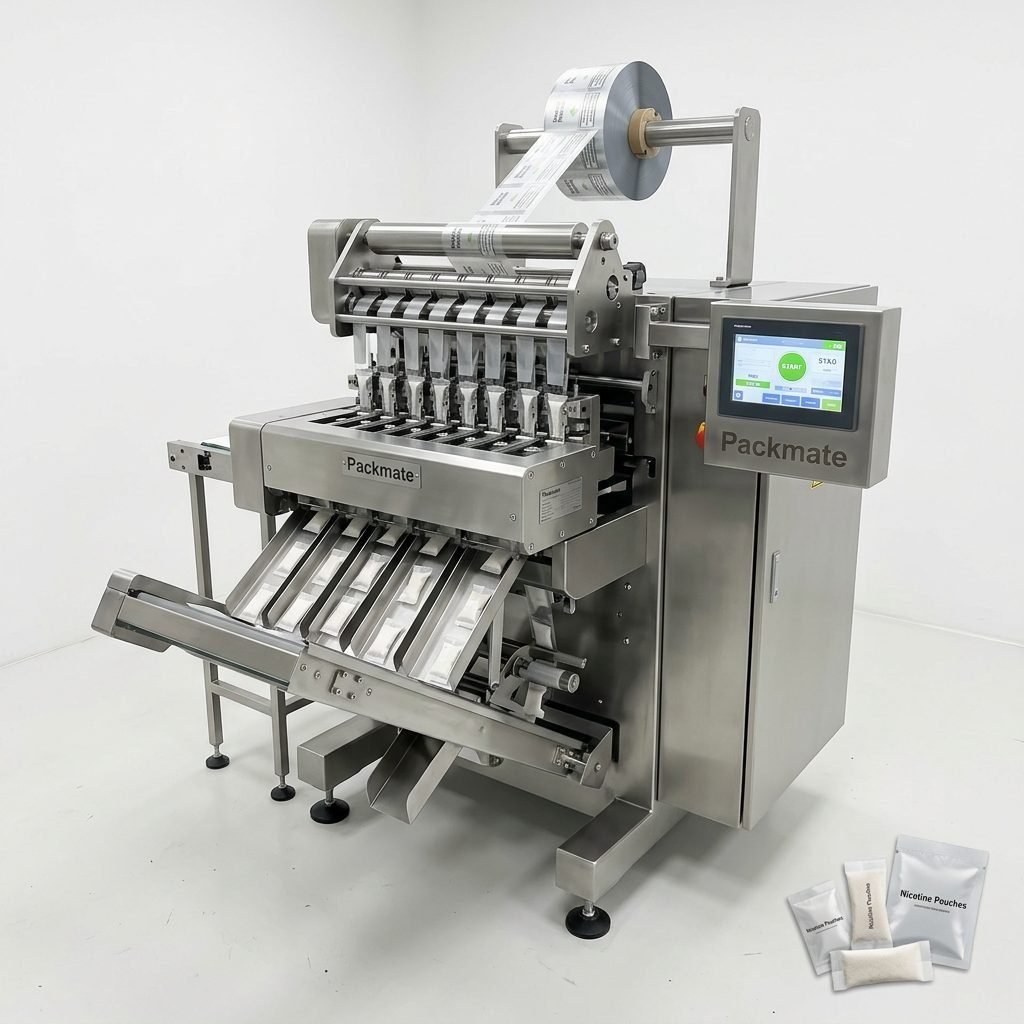
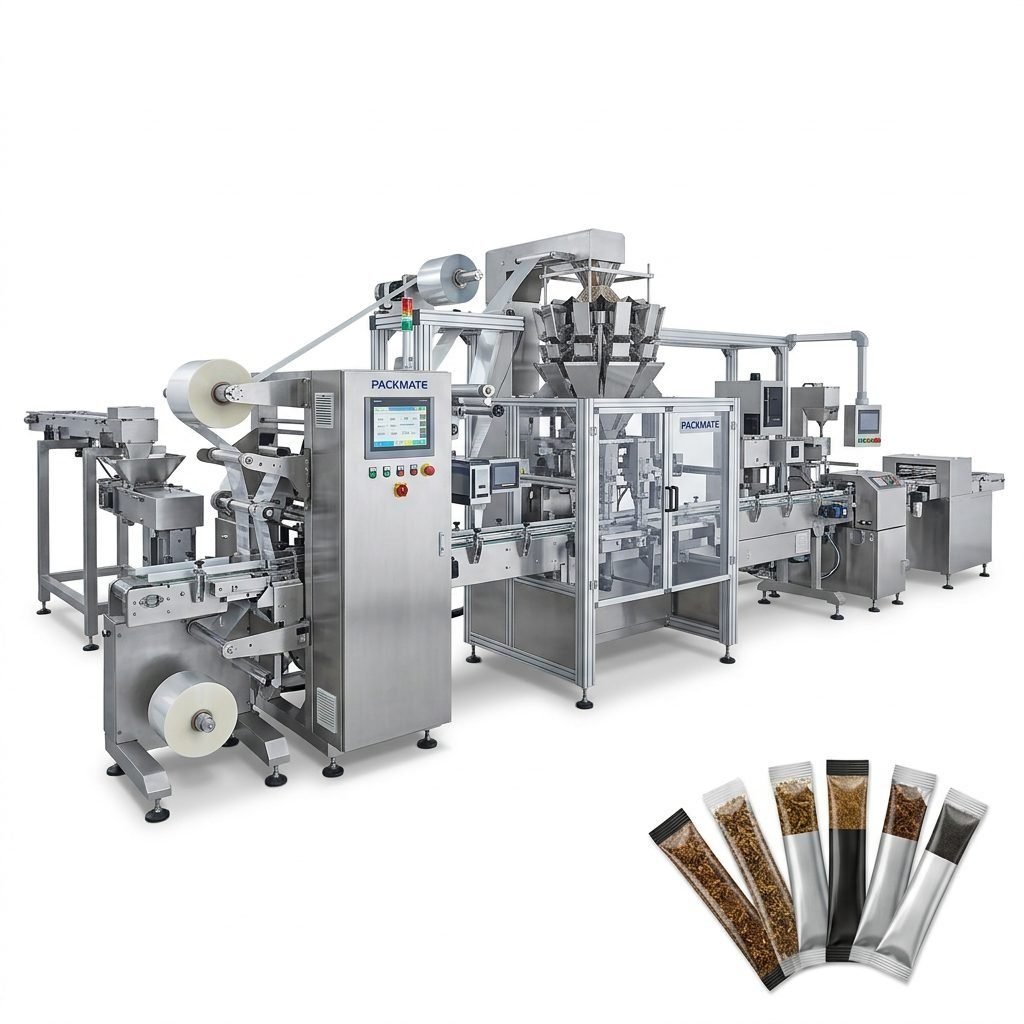
⚙️ Stick pack and sachet machines — for single-serve nicotine pouches.
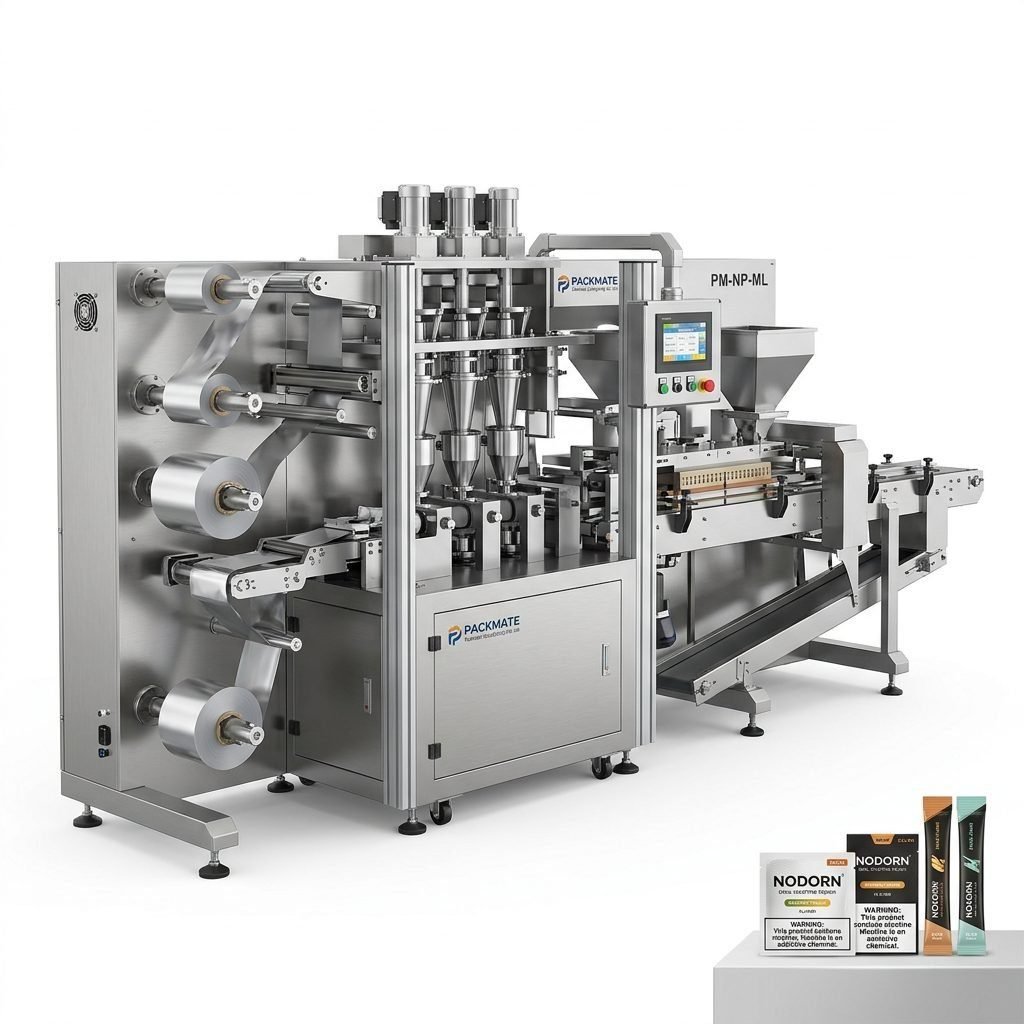
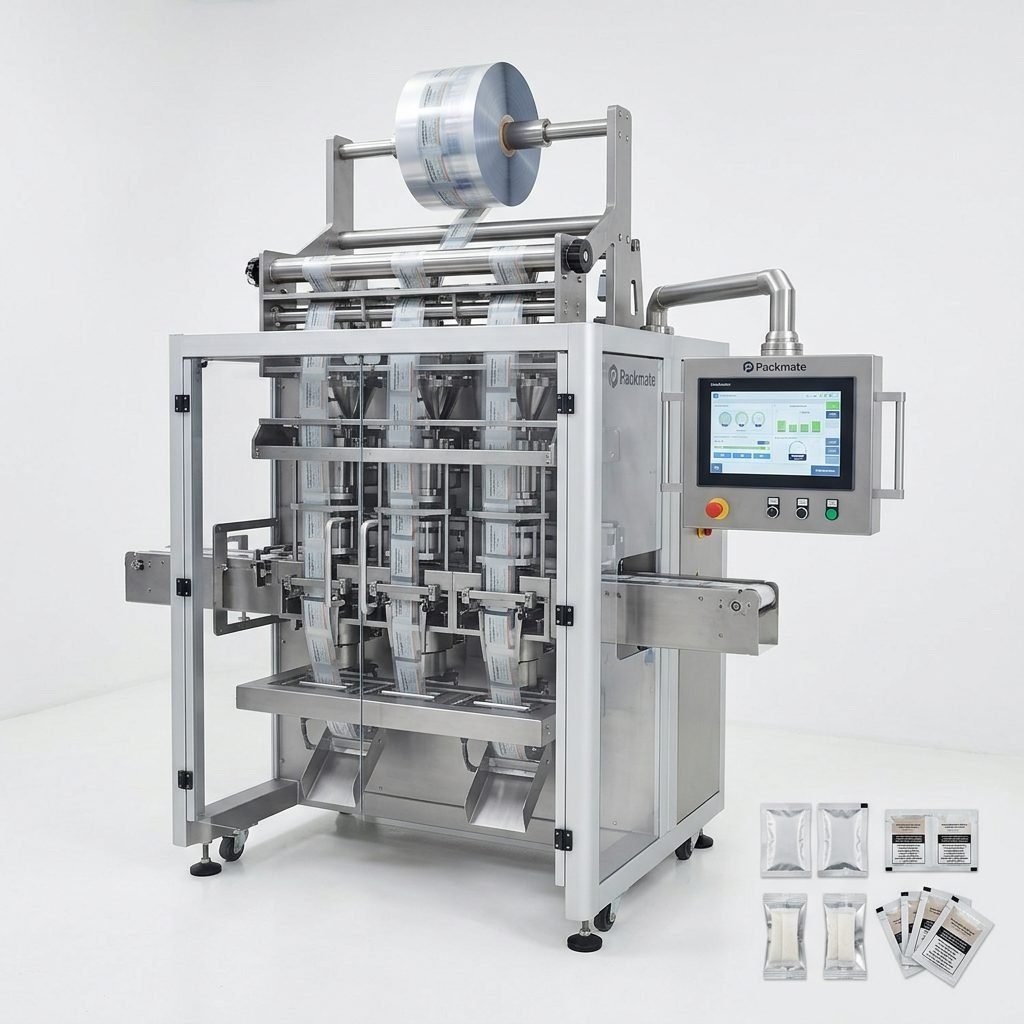
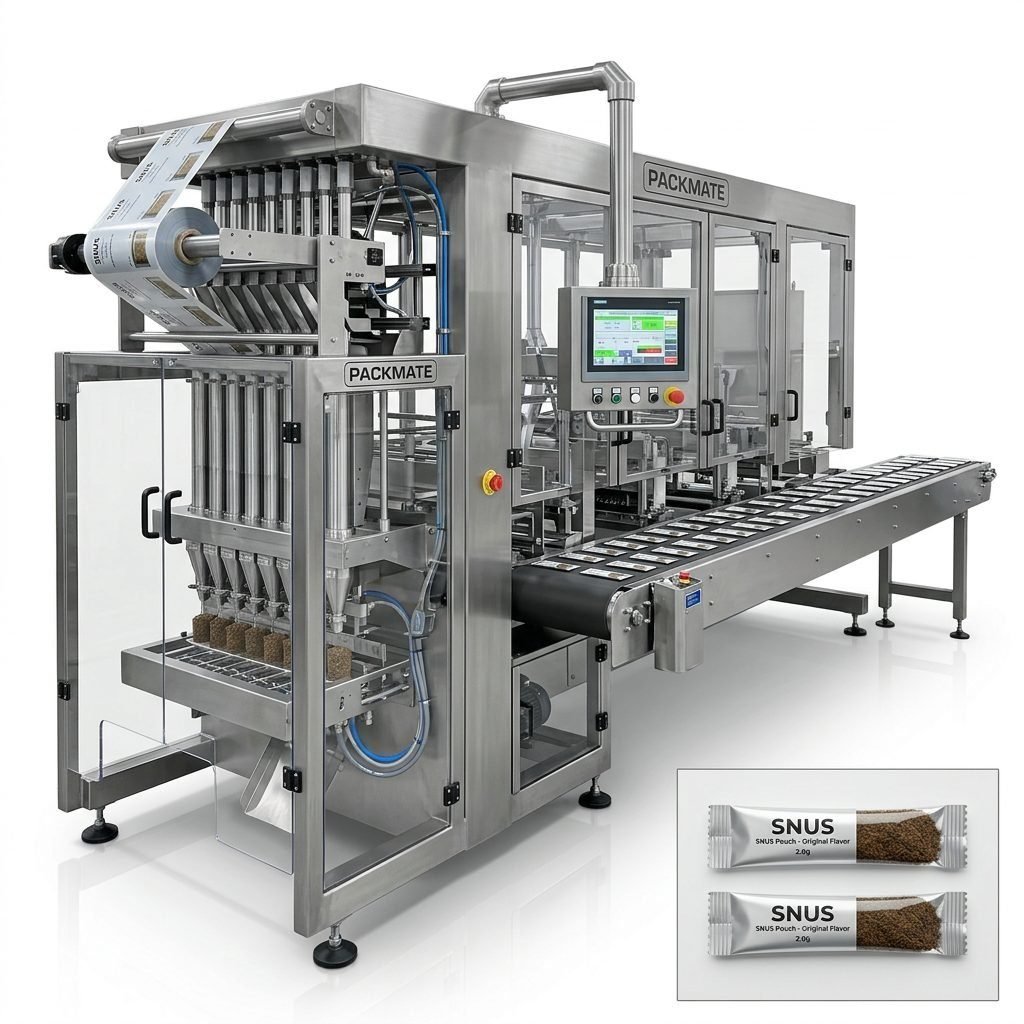
📦 Multi-lane snus pouch lines — increase output with synchronized lanes.
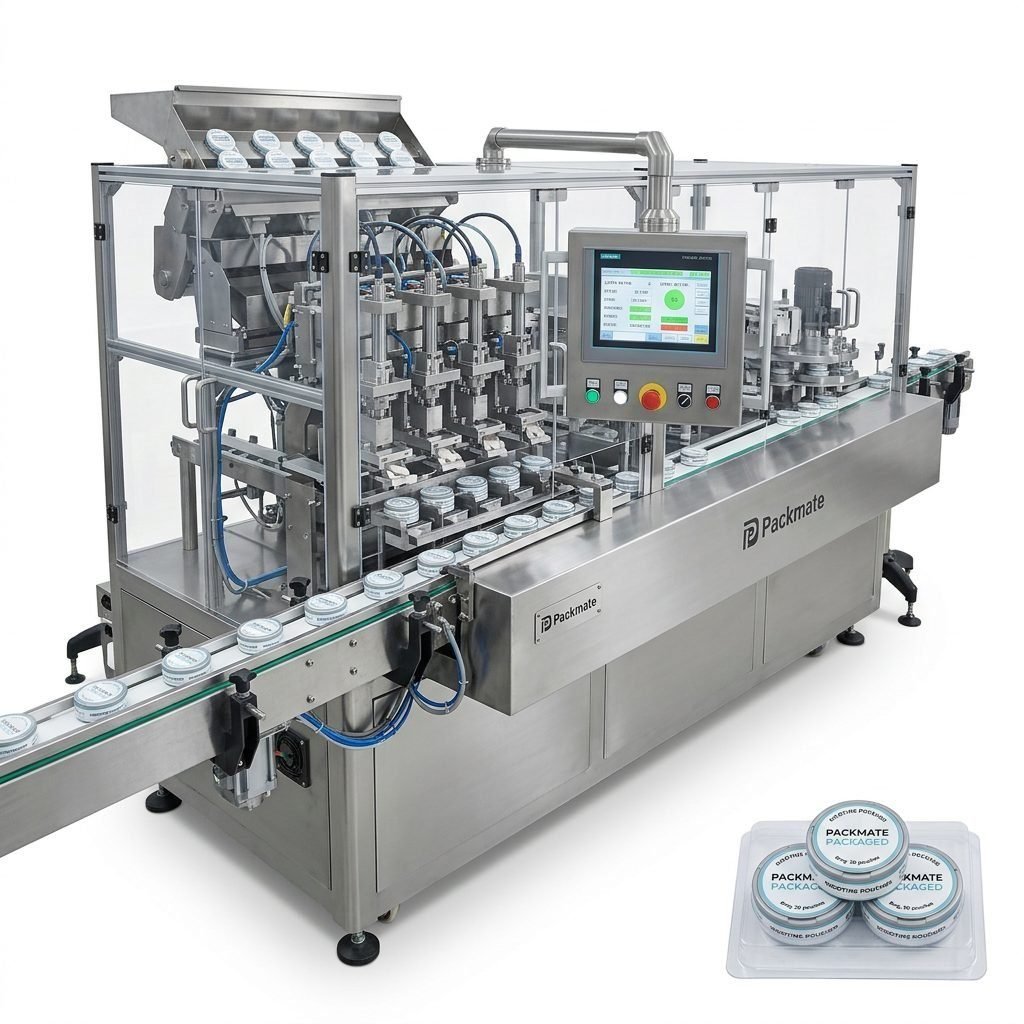
🔧 Filling & packaging lines — integrate weighing, dosing, and sealing systems.
Evaluate Manufacturer Experience & Track Record
Experience matters more than price when downtime or regulatory issues can cost more than the machine itself. Look for manufacturers with:
30+ years of engineering know-how, proven multi-lane designs, and a portfolio that includes snus and nicotine pouch projects. Companies with a documented factory footprint, advanced CNC capabilities, and many machine models provide flexibility for customization. For reference, you can learn about a supplier’s heritage and manufacturing strength at their About page: About Packmate.
Check case studies and client references
Ask for performance data and installation photos from similar projects. Real-world feedback on service responsiveness, spare parts delivery, and training quality is invaluable. Many reputable manufacturers publish case studies—review them carefully (see Case).
Certifications, Compliance & Quality Standards
In Kazakhstan, as in most export and domestic markets, compliance with international standards helps simplify approvals and reduces safety risk. Prioritize manufacturers that provide:
✅ CE and ISO certification — indicates adherence to international quality and safety protocols.
✅ Machine-level validation — traceable testing records, QA checklists, and FAT (Factory Acceptance Test) documentation.
Why certificates matter
Certified equipment reduces risk during customs clearance and helps when seeking bank financing or insurance for new production lines. Request copies of certificates early in the tender process: suppliers typically post certificate info in their online Certificate section.
Customization & Turnkey Capabilities
Snus packaging often requires tailored dosing, humidity control, and sealing profiles. Look for manufacturers who offer:
🛠️ Custom tooling and pouch format engineering.
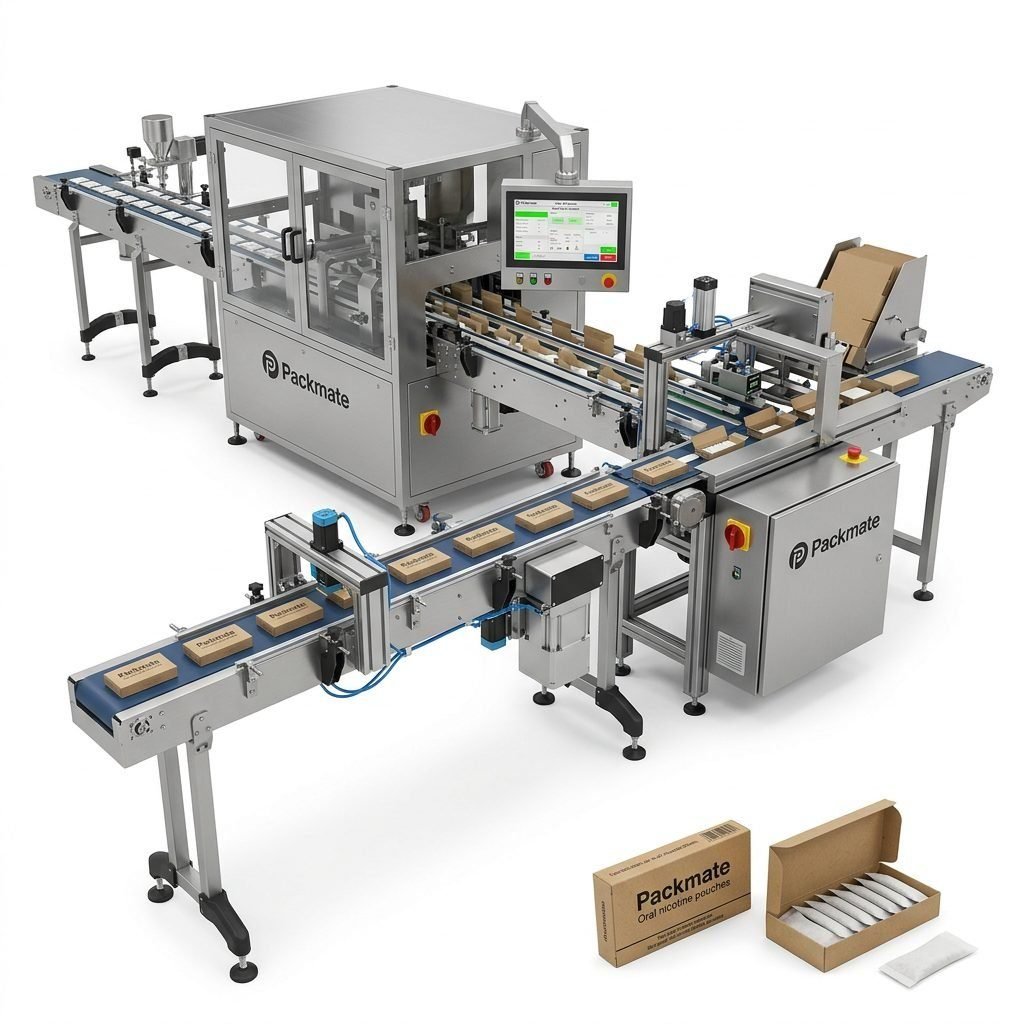
🔄 Turnkey integration with upstream (weighing/filling) and downstream (cartoning) equipment — check their Filling & Packaging Lines.
🔗 Delivery of full production lines and layout consultation to maximize space and workflow.
After-Sales Support, Spare Parts & Local Service
A machine purchase is a long-term relationship. Evaluate support by asking:
📞 Response SLA for technical calls — ask for guaranteed response times and escalation paths.
📦 Spare parts availability and recommended spares list for critical wear components.
🧑🏫 Training — onsite commissioning, operator training, and maintenance manuals in English and Russian are essential for Kazakhstan operations.
Local presence vs remote support
If the manufacturer lacks a local branch in Kazakhstan or nearby, ensure they have robust remote support tools, spare parts shipped from regional warehouses, and a clear plan for urgent onsite interventions.
Total Cost of Ownership (TCO) — Not Just Purchase Price
When comparing quotes, break down costs into:
💸 Upfront equipment price and tooling costs.
🔁 Expected maintenance and spare parts annual cost.
⏱️ Downtime risk and MTTR (mean time to repair) — better-engineered machines often reduce unplanned downtime.
⚖️ Energy consumption and consumables (film, glue, sealing materials).
Logistics, Installation & Commissioning
For Kazakhstan projects, shipping routes, customs clearance expertise, and on-site installation planning are essential. Confirm whether the supplier offers:
Door-to-door delivery, customs documentation support, modular crating for international shipping, and supervised commissioning that includes trial runs with your product.
Factory Acceptance Tests (FAT)
Insist on FAT before shipment — documented test runs using your film and product parameters reduce surprises on site. This demonstrates transparency and makes final acceptance objective.
Negotiation & Contract Tips
When you have shortlisted manufacturers, structure your RFQ and contracts to protect your interests:
• Define acceptance criteria and FAT requirements in the contract.
• Clear warranty terms, exclusions, and repair SLA.
• Spare parts lead-times and guaranteed pricing for a set period.
• Training scope, documentation language, and technical drawings to be delivered with the machine.
Why a Reputable Supplier Can Save You Money
Lower initial price may hide future costs: inferior electrical components, imprecise dosing, or unstable sealing can lead to rejected batches, product recalls, and lost customers. Investing in a supplier with proven designs and a 20,000㎡ factory footprint, advanced CNC machining, and international turnkey experience often yields better ROI.
Suggested vendor discovery links
Explore specific equipment lines and support resources while you evaluate suppliers:
• Snus & Nicotine Packaging Machines: https://www.snusmachinery.com/products/snus-nicotine-packaging-machines/
• Bag & Pouch Packaging Machines: https://www.snusmachinery.com/products/bag-pouch-packaging-machines/
• Full service and contact: Contact Us
Practical On-Site Checks during Factory Visits
If possible, visit the manufacturer. Inspect assembly standards, cable management, safety guarding, and calibration records. Watch a live machine run your product or a close analog. Confirm spare parts storage and test benches for control systems.
Questions to ask on-site
• How are electrical and pneumatic components sourced and labeled?
• Can you review maintenance logs and recent service records?
• What is the average installation lead time for similar orders to Kazakhstan?
Deployment & Scale-Up Considerations
Plan for incremental expansion. Choose modular machines that allow lane additions or upgraded HMI/software packages. Also ensure your supplier can support future upgrades and retrofit projects without full replacement.
Tip: Request a lifecycle plan that outlines recommended maintenance intervals, spare parts replacement schedules, and software update policies.
Final Checklist Before You Sign
Use this short checklist to validate supplier claims:
• Written FAT protocol and acceptance criteria.
• Warranties and SLAs clearly defined in the contract.
• Training and documentation scope confirmed.
• Spare parts list with guaranteed lead times.
• References from clients in similar markets or climates.
Conclusion
Selecting the best snus packaging machine manufacturer for your Kazakhstan factory requires balancing technical capability, certifications, after-sales support, and logistical competence. Favor suppliers with deep snus-specific experience, a robust factory presence, and documented turnkey projects. A well-chosen partner reduces production risk, improves product consistency, and accelerates your market entry.
Useful resources
Browse product lines and technical catalogs to match machine capabilities to your formulation and pouch design. For technical specs and model options, see Sachet & Stick Pack Machines and Weighing & Packaging Systems.
Frequently Asked Questions
Q1: What is the typical lead time for a snus packaging line?
Lead time varies by customization and production queue; a standard multi-lane system may take several months from order to shipment. Confirm lead times during RFQ and include penalties or alternatives in contracts if time is critical.
Q2: Do I need local certification in Kazakhstan for the machines?
Machines with CE/ISO compliance simplify approvals, but local electrical or safety certifications may be required. Work with your supplier to prepare documentation for customs and regulatory review.
Q3: How much spare parts inventory should I keep?
Maintain critical spare parts for wear items (sealers, belts, sensors) to cover at least 3 months of expected production, plus consumables such as sealing films. Your supplier can provide a recommended spares list.
Q4: Can a manufacturer support multiple pouch formats on the same line?
Many modern lines are modular and can be reconfigured for different formats with change parts and tooling. Confirm changeover time and whether the supplier offers quick-change kits.
Q5: Where can I see live demonstrations or find more info?
Visit manufacturer exhibition pages or request virtual demonstrations. For Packmate’s exhibition schedule and detailed product pages, see their exhibition and product links: Our Exhibition and Snus & Nicotine Packaging Machines.