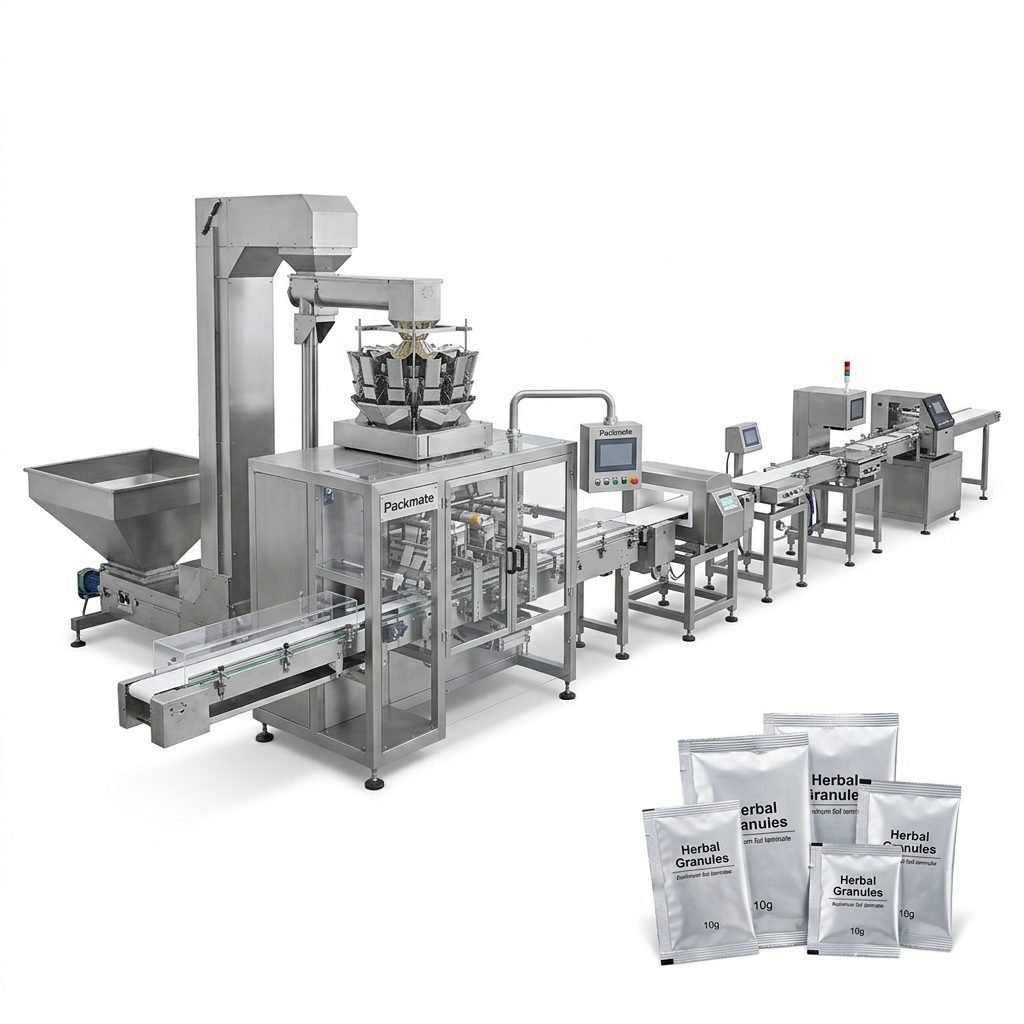
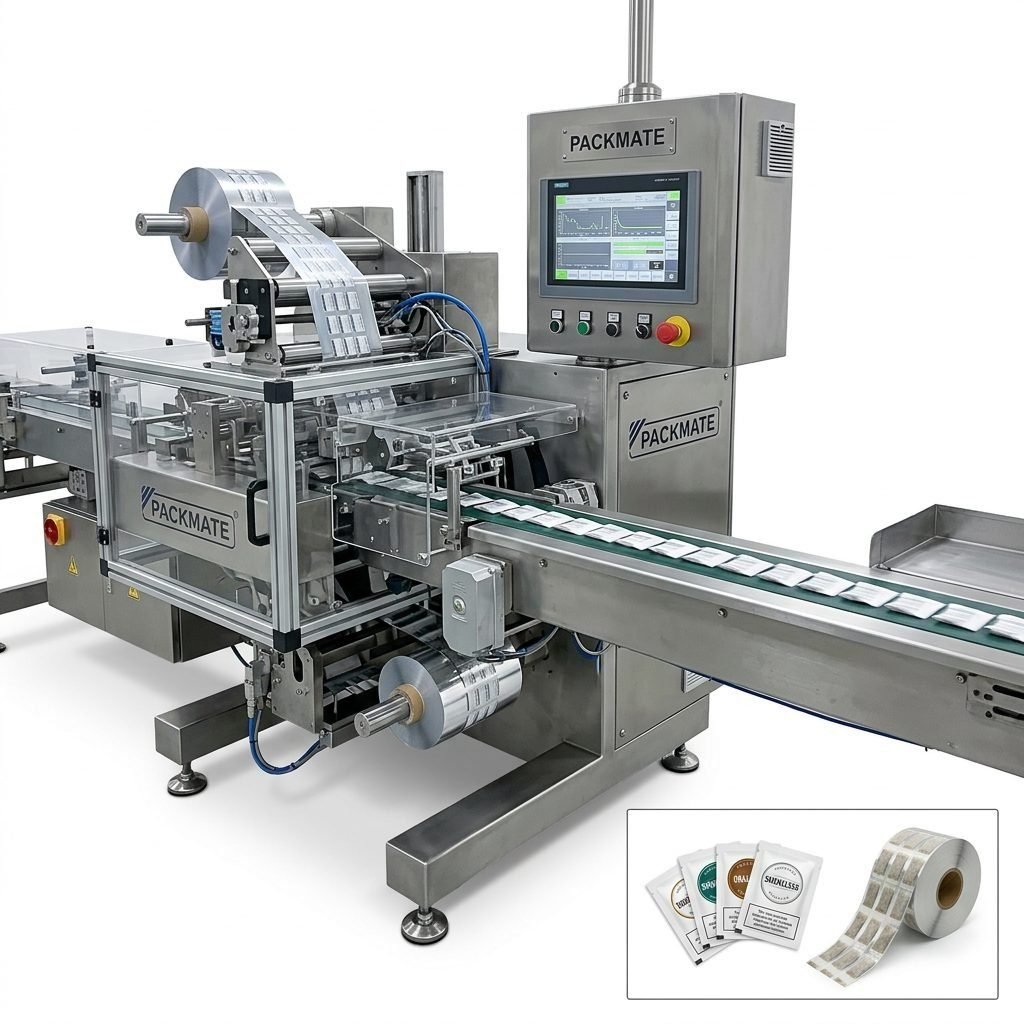
Entering the nicotine pouch and snus production market in Namibia requires careful selection of packaging machinery that balances regulatory compliance, production capacity, product format, and total cost of ownership. This guide outlines practical steps and technical considerations to help manufacturers and startup brands choose the right packaging equipment for their production needs in Namibia, with a focus on reliability, scalability, and after-sales support.
Understand Your Product Format and Packaging Style
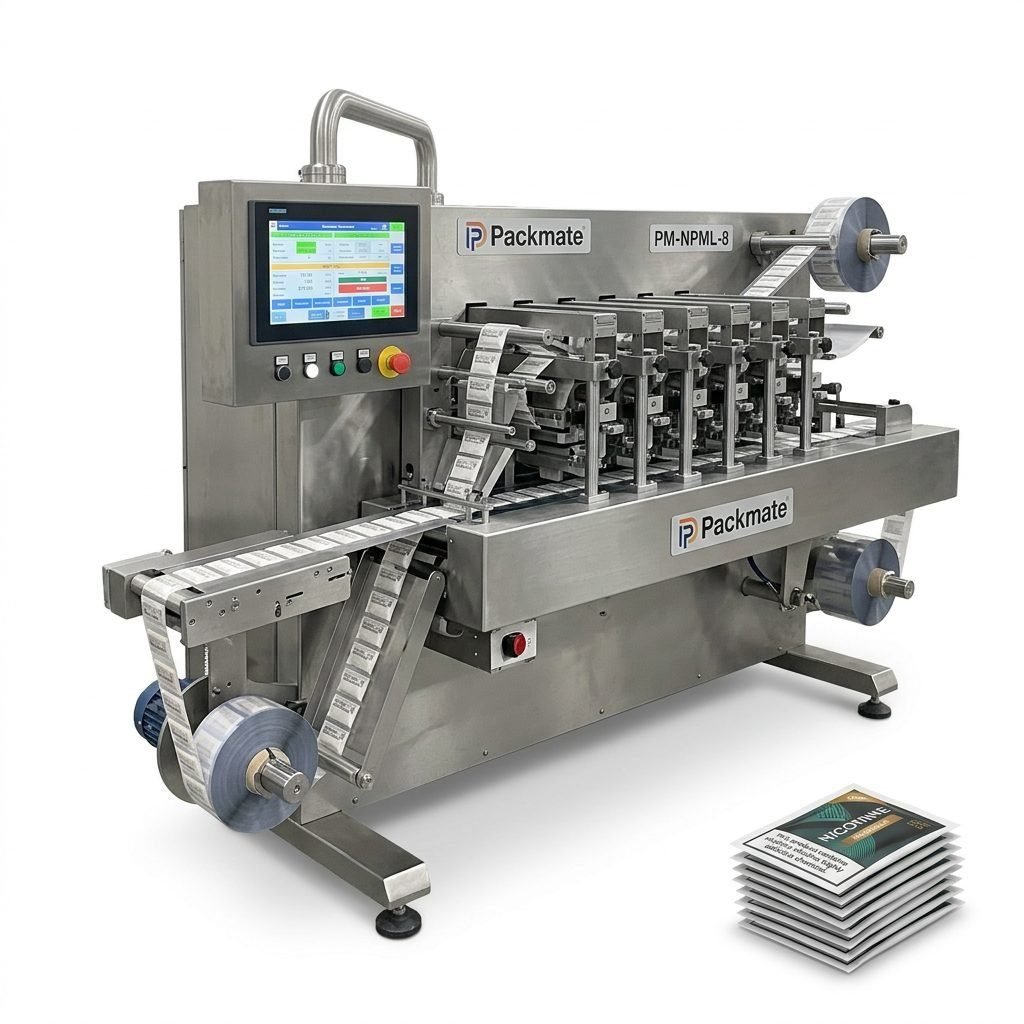
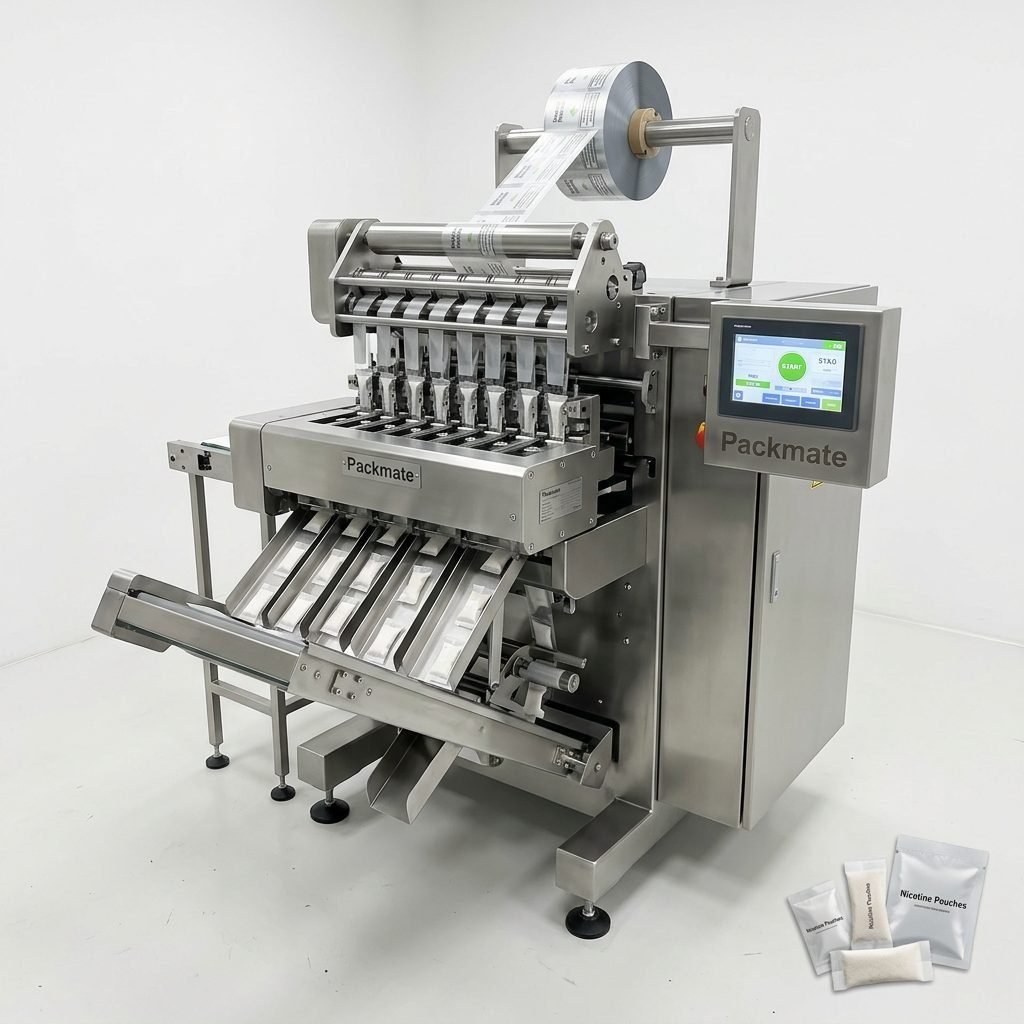
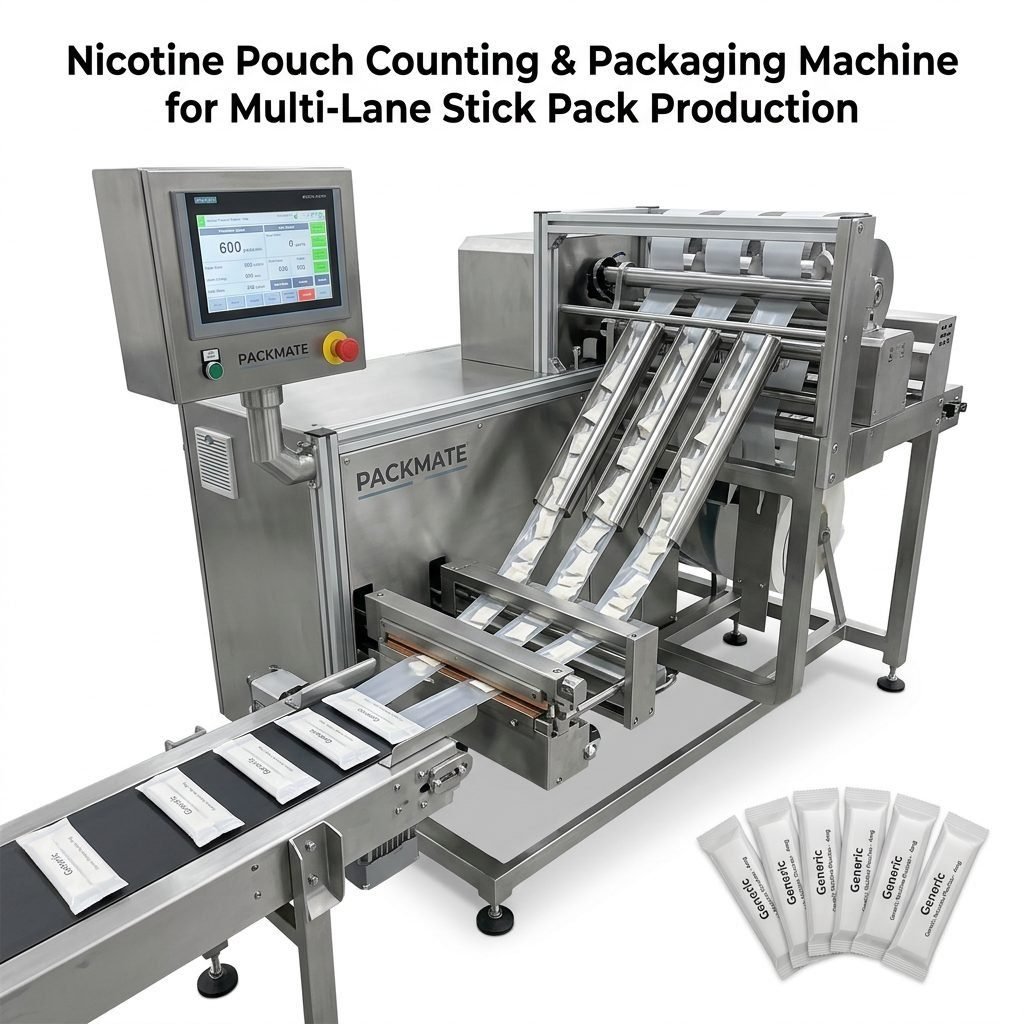
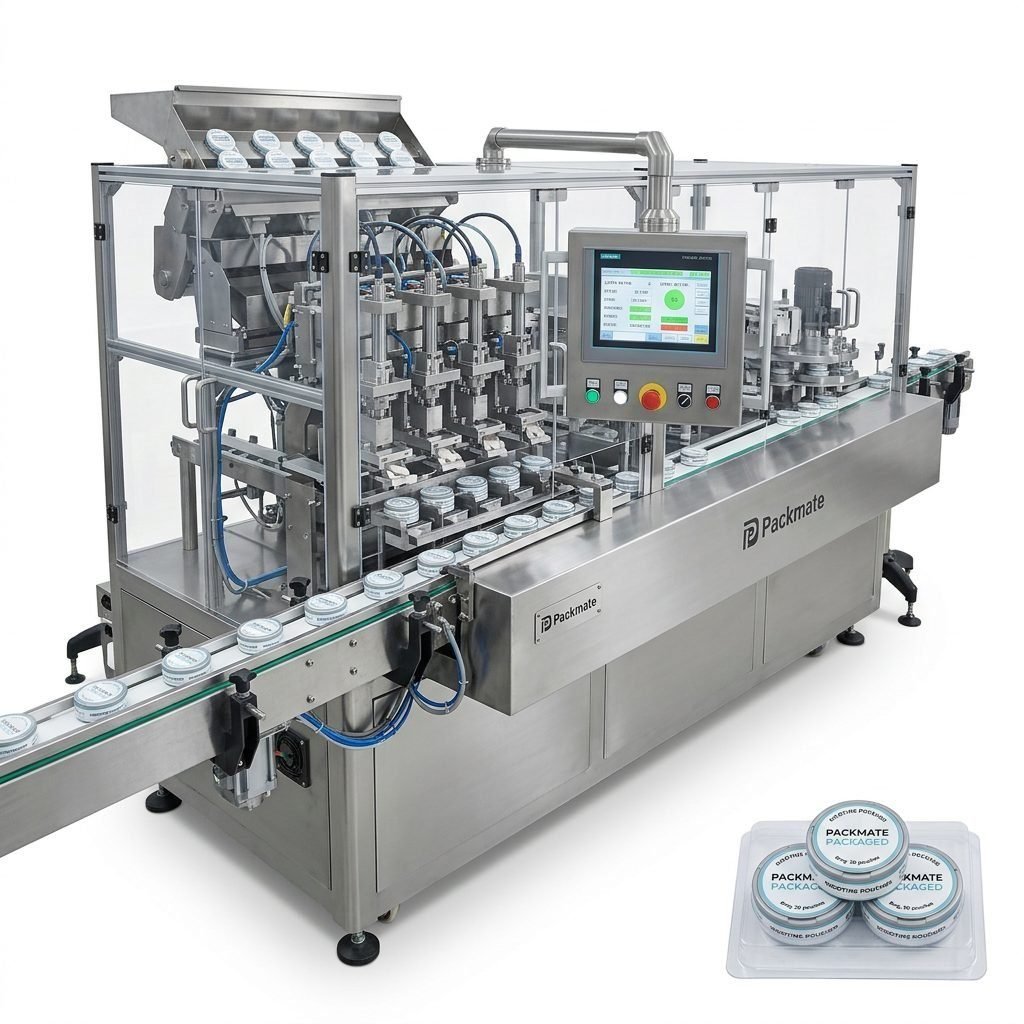
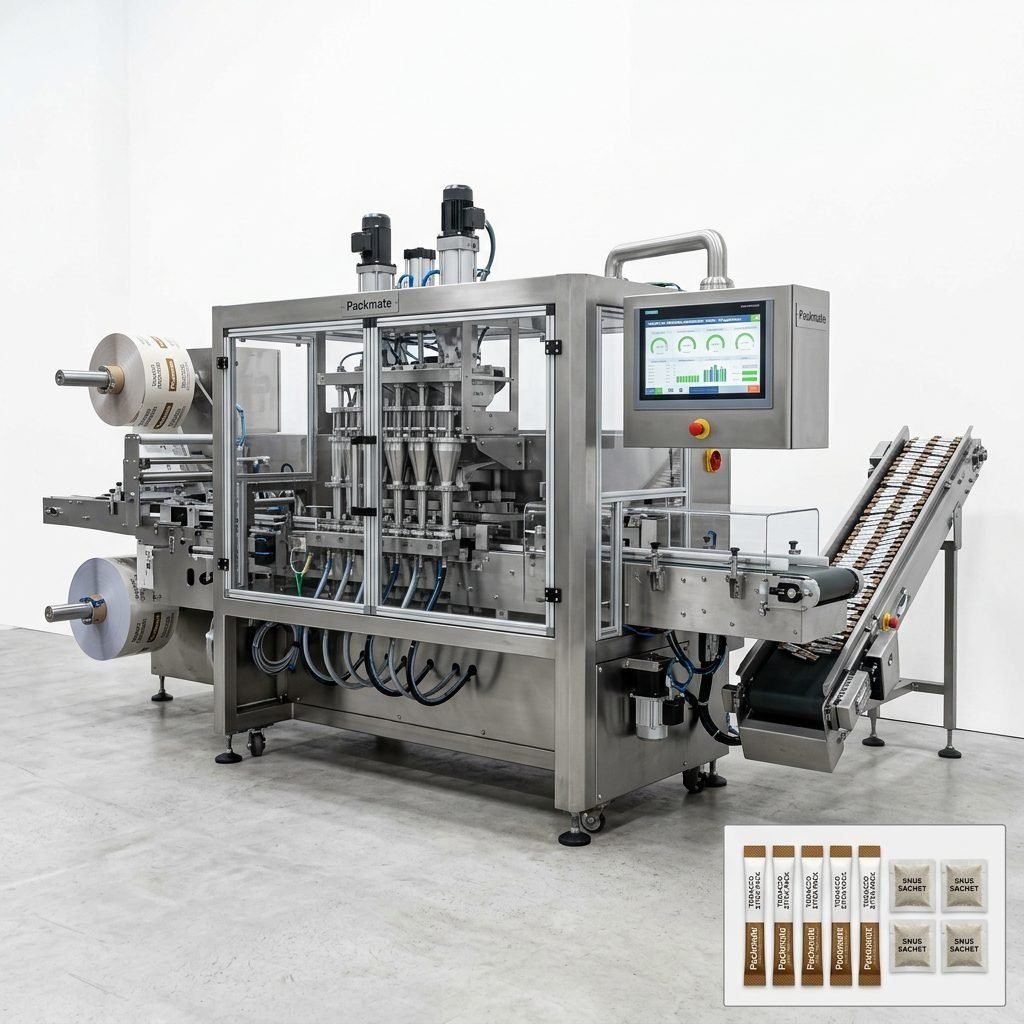
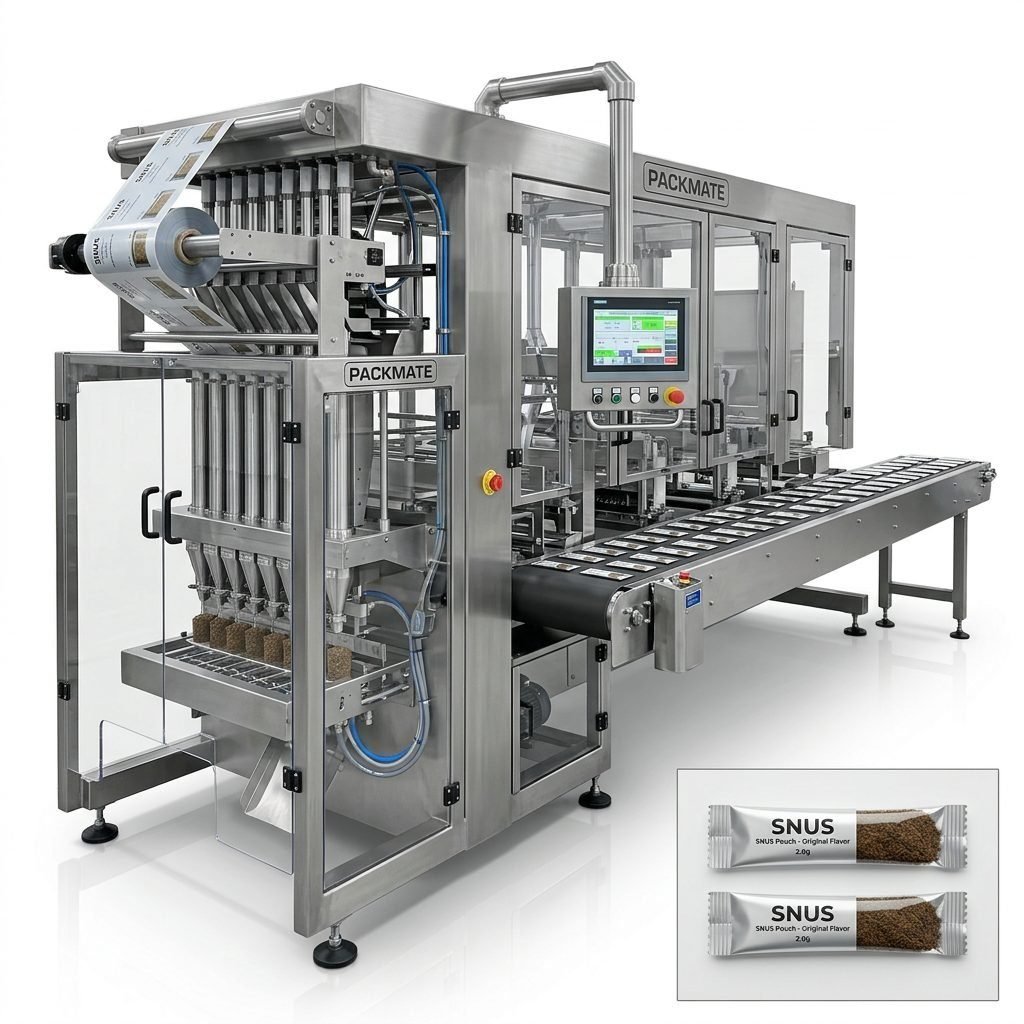
The first decision is the product format: are you producing nicotine pouches, traditional snus, sachets, or stick packs? Each format has distinct filling and sealing requirements. For example, nicotine pouches typically need high-precision dosing and a soft, textile-like pouch material, while stick packs and sachets may use different film types and sealing profiles. Choosing the correct machine family up front avoids costly retrofits later.
Snus & Nicotine Packaging Machines •
Sachet & Stick Pack Machines
Production Capacity and Line Speed
Estimate daily and monthly output goals. Packaging machinery is defined by throughput (pouches/min, sticks/min) and lane count. Multi-lane systems multiply per-lane output, but require precise synchronization and more complex maintenance. For start-ups, a single or dual-lane machine offers lower capital cost; for scaling brands, modular multi-lane systems provide flexibility.
Precision Dosing and Fill Accuracy
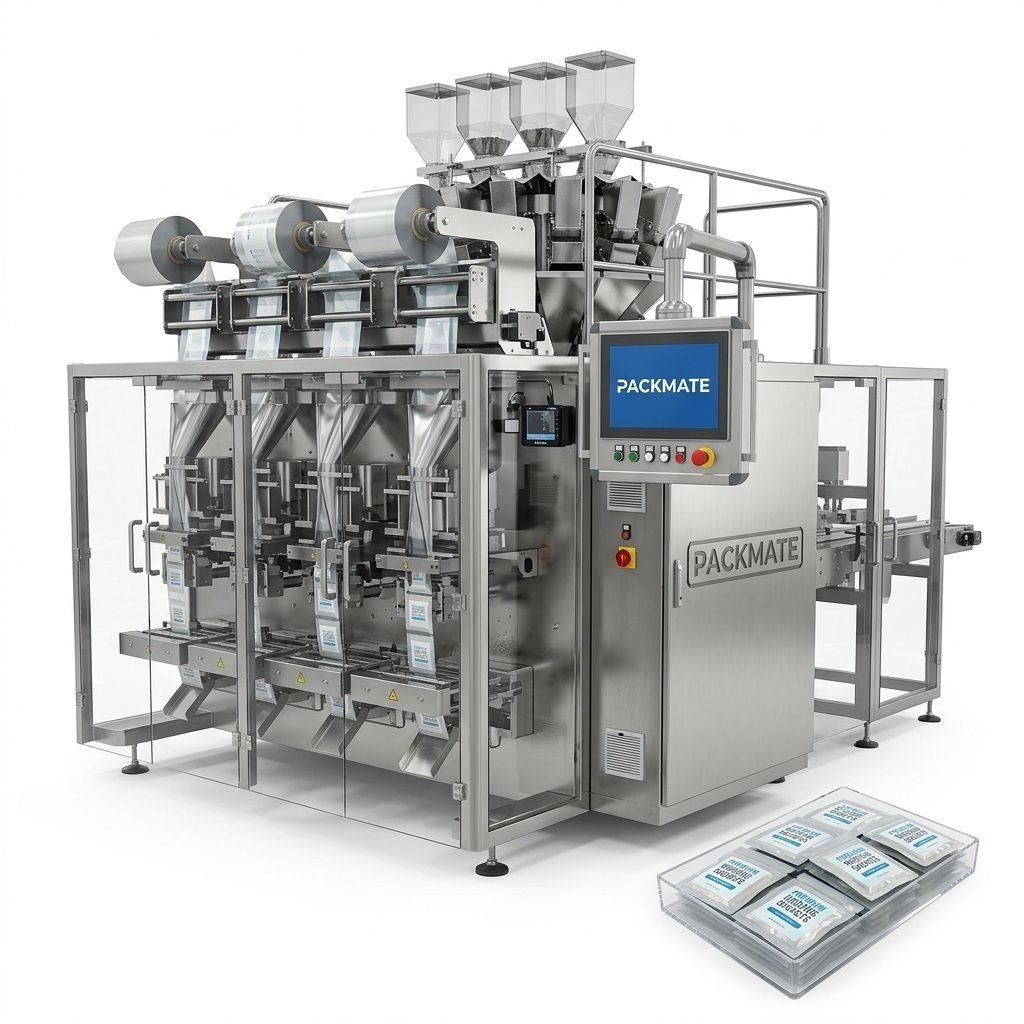
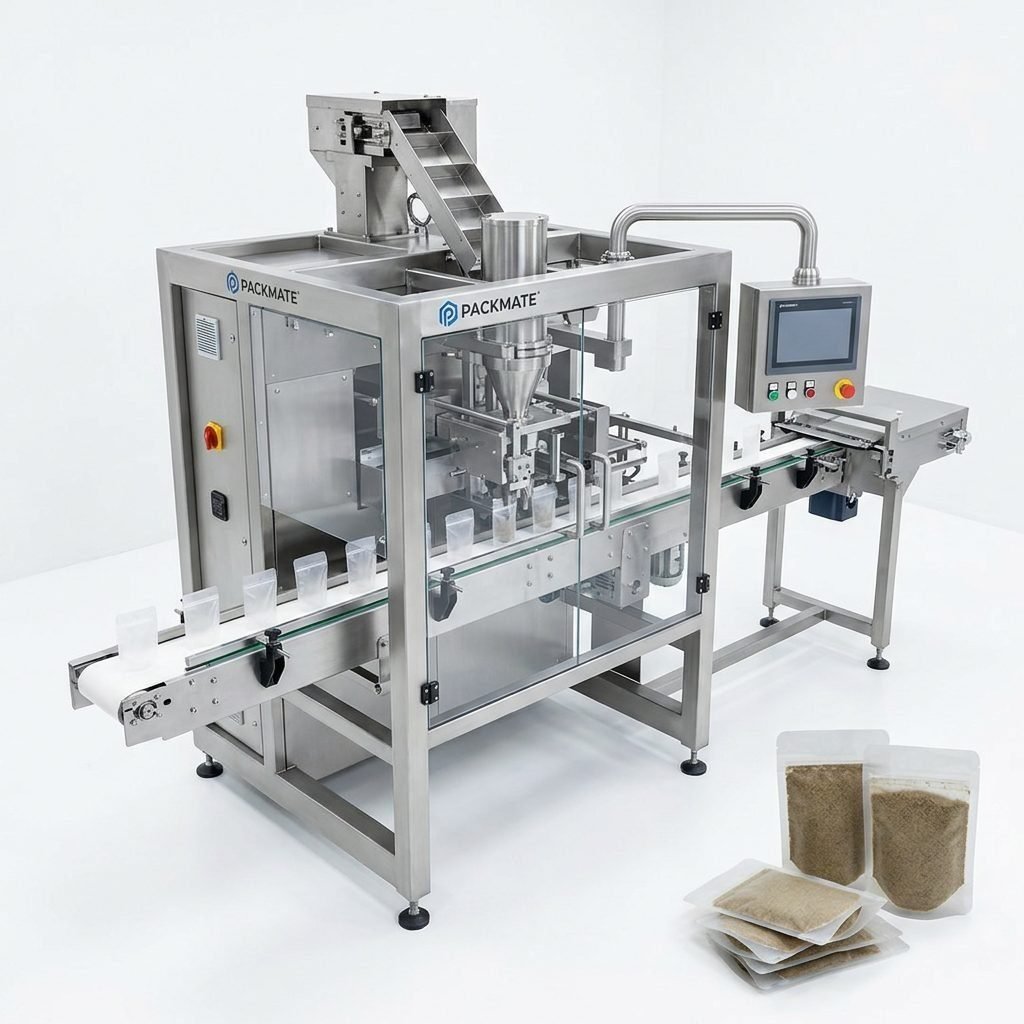
Nicotine products are dose-sensitive. Look for machines with high-accuracy dosing systems (volumetric, auger, or multi-head weighers depending on payload). Tighter dosing tolerance reduces product giveaway and ensures compliance. Consider integrating Weighing & Packaging Systems if you require exact weight control for powder or particulate fillings.
Weighing & Packaging Systems
Regulatory and Safety Compliance in Namibia
Packaging equipment must support product safety and traceability. Machines that accommodate tamper-evident seals, batch coding, and integration with serialization hardware are advantageous. Additionally, ensure equipment adheres to international certifications such as CE and ISO for safety and reliability — these certifications are often requested by importers and distributors.
Material Handling and Packaging Material Compatibility
Confirm that the packaging material you plan to use (edge-seal film, paper-laminates, non-woven pouches) is compatible with the machine’s sealing method (heat seal, ultrasonic). Some nicotine sachets and pouches require breathable layers or special inner liners — ensure the machine can handle multi-layer webs and the film widths you specify.
Automation, Controls and HMI
Modern packaging lines include PLC control, touchscreen HMIs, recipe management, and remote diagnostics. These features reduce changeover time and enable consistent operation across shifts. For manufacturers in Namibia, remote support capability is particularly valuable to troubleshoot issues without waiting for long on-site visits.
Changeover and Cleaning
Quick-change tooling and hygienic design reduce downtime. Look for machines engineered for easy access, tool-free change parts, and smooth surfaces that meet hygienic standards. Reduced cleaning time improves overall equipment effectiveness (OEE).
About Packmate
Total Cost of Ownership (TCO) and Financing
Evaluate not only the initial capital expense but also spare parts availability, energy consumption, tooling wear, and service contracts. Machines with higher upfront cost can be cheaper over time if they deliver greater uptime and lower maintenance. Ask suppliers about local spare parts stock, lead times, and optional service packages — these factors directly impact operating costs in Namibia.
Spare Parts and Local Support
Reliable local or regional support shortens repair time. Confirm whether the manufacturer provides technical training, on-site commissioning, and a clear spare parts list. Consider suppliers that publish an online catalog and have a documented case history of international support.
Catalog •
Service
Supplier Reputation and Case Studies
Choose suppliers with proven experience in nicotine pouch packaging and a global footprint. Review case studies, exhibition participation, and client references to validate performance claims. Manufacturers with decades of experience typically have refined designs and better lifecycle support.
Case •
Our Exhibition
Customization and Turnkey Solutions
If you require integrated solutions (filling, dose control, sealing, secondary packaging), look for manufacturers that supply turnkey lines and can tailor equipment to your product. Customization may include multi-head weighing, inline metal detection, nitrogen flushing, or secondary cartoning.
Filling & Packaging Lines
Installation, Training and After-sales Care
Proper installation and operator training are critical to achieve expected performance. Confirm the supplier’s commissioning package, training schedule, and availability of remote diagnostic tools. A strong after-sales team reduces downtime and preserves throughput targets.
Spare Parts Kits & Consumables
Request a recommended spare parts kit and lead times for consumables such as sealing jaws or cutting knives. Stocking key items locally can dramatically reduce stoppage time in Namibia.
- Verify local spare parts availability and shipping times.
- Ensure documented training and machine manuals.
- Confirm remote support options and diagnostics.
Energy and Plant Layout Considerations
Evaluate power requirements, compressed air, and plant layout before ordering. Ensure the chosen machine fits your floor plan and allows sufficient space for material handling, storage, and maintenance. Proper layout planning reduces installation costs and improves workflow.
Environmental Controls
For hygroscopic or moisture-sensitive fillings, consider humidity controls and climate-conditioned rooms. Machines that support nitrogen flushing for oxygen-sensitive products can extend shelf life.
Why Consider Packmate (Packmate Snus Machine)?
Packmate Snus Machine brings over 30 years of engineering experience in snus and nicotine pouch packaging. With a 20,000㎡ factory, 50+ machine models, and global turnkey solutions, the company offers customizable multi-lane systems, advanced CNC manufacturing, and international certifications. Their portfolio includes Snus & Nicotine Packaging Machines, Bag & Pouch Packaging Machines, and integrated Filling & Packaging Lines.
Making the Final Choice: Evaluation Checklist
Use this summarized checklist when you evaluate suppliers and machines:
- Production capacity and scalability (lanes, cycles/min)
- Dosing accuracy and weight control
- Material and sealing compatibility
- Certifications (CE/ISO) and regulatory support
- Local spare parts and service availability
- Total cost of ownership and energy needs
- Supplier references, case studies and exhibitions
Trial Runs and Factory Acceptance Test (FAT)
Before shipment, request a Factory Acceptance Test (FAT) or video demonstration using your actual product or a close substitute. FAT verifies performance expectations, changeover time, and dosing accuracy. Insist on documented acceptance criteria and a commissioning plan.
Conclusion and Next Steps
Selecting the right nicotine packaging machinery in Namibia requires balancing technical capabilities, regulatory compliance, operational support, and long-term cost considerations. Start by defining your product format, capacity targets, and materials, then evaluate suppliers based on certifications, service, and proven case studies. A careful, checklist-driven procurement process and a thorough FAT will substantially reduce risk and accelerate time-to-market.
Further Resources
For more detailed equipment specifications and turnkey solutions, visit the supplier pages or request a consultation to review line layouts and costing options tailored to Namibia.
Service •
FAQs
Common Questions
Q1: How do I choose between single-lane and multi-lane machines?
A1: Single-lane systems are cost-effective for small runs; multi-lane offers higher throughput for scale. Base your choice on forecasted daily output and growth plans.
Q2: What certifications should I require from the machine supplier?
A2: Require CE and ISO certifications as a baseline, plus documentation that the machine supports traceability and coding for regulatory compliance.
Q3: How important is local spare parts availability?
A3: Very important — local or regional stock reduces downtime. Request lead times for critical consumables and spare parts kits during procurement.
Q4: Can machines be customized for special pouch materials?
A4: Yes — many manufacturers offer tooling and sealing adjustments to accommodate special films, breathable layers, or laminated materials. Confirm compatibility during the specification phase.
Q5: What is the recommended next step when evaluating suppliers?
A5: Request technical proposals, performance videos or FAT, customer references, and a clear spare parts and service plan. Arrange a site visit or remote demo if possible.