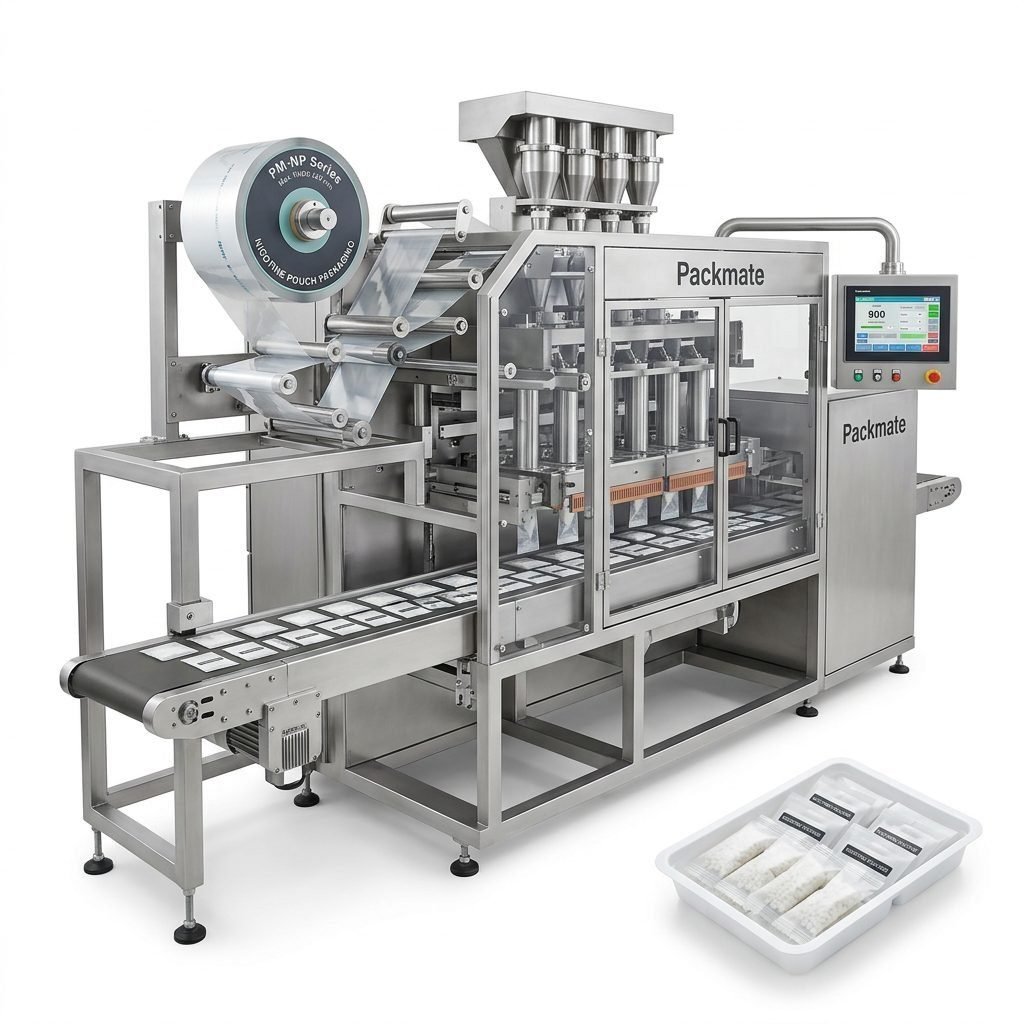
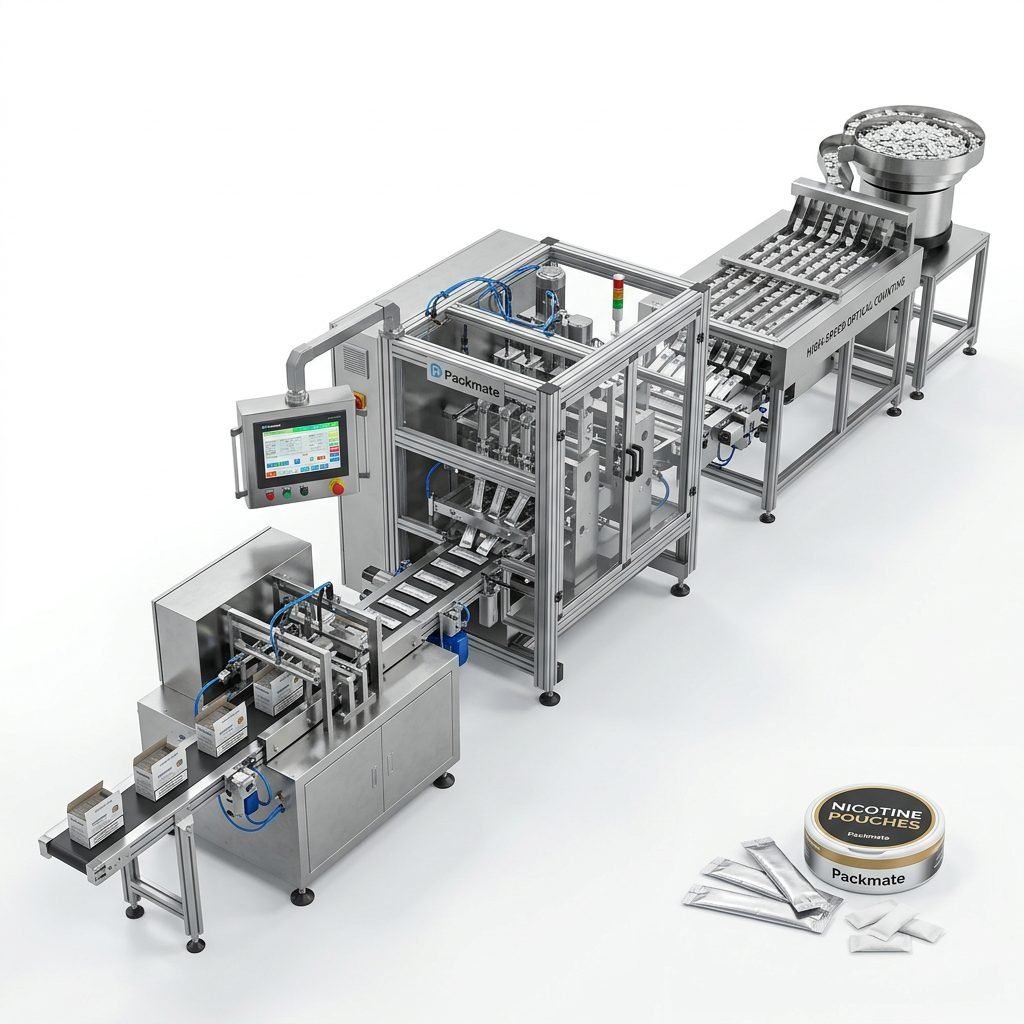
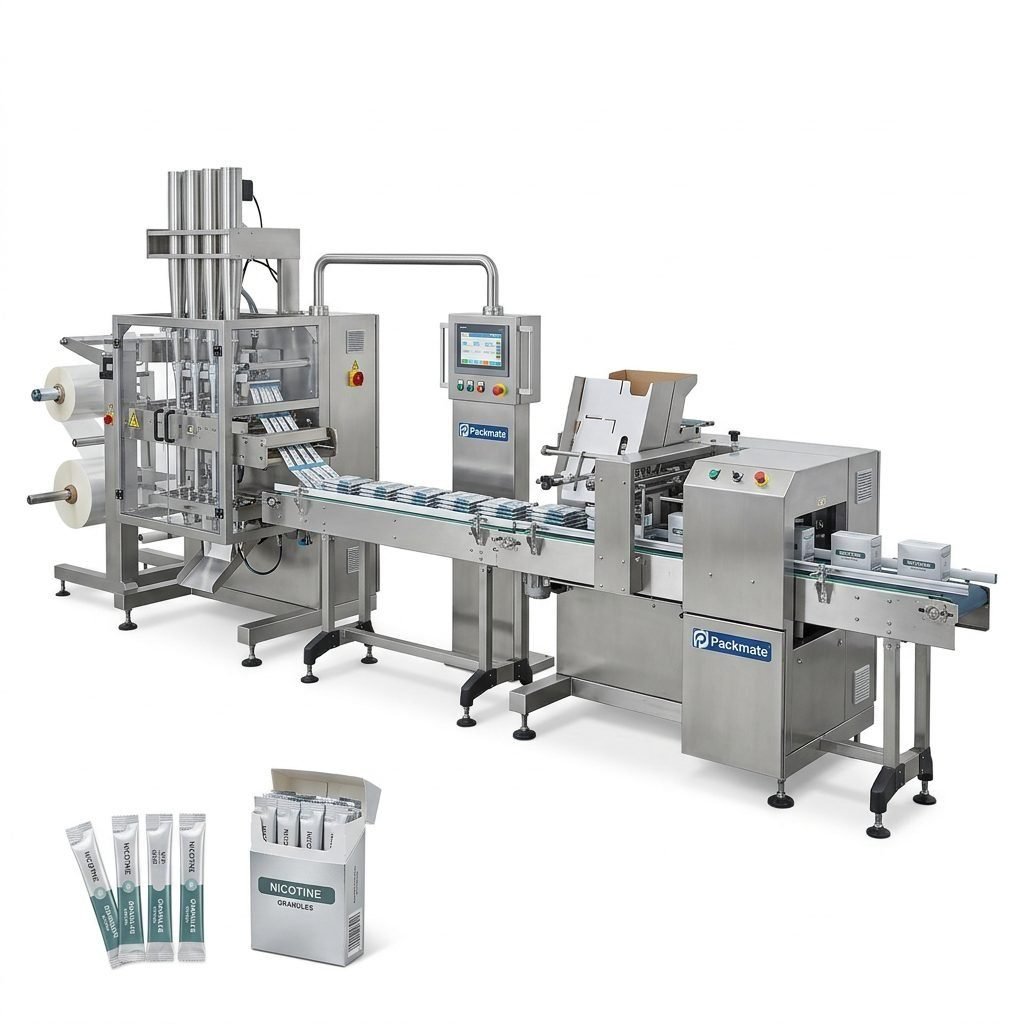
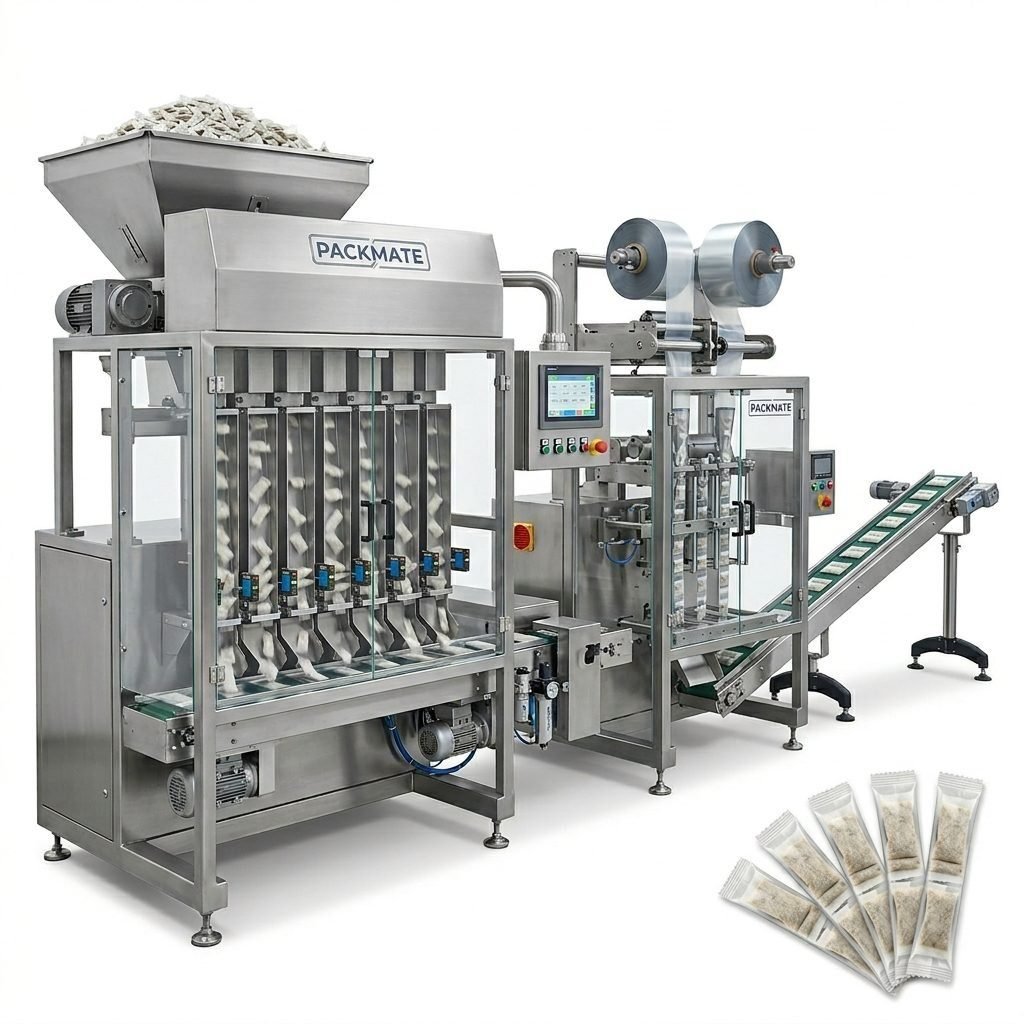
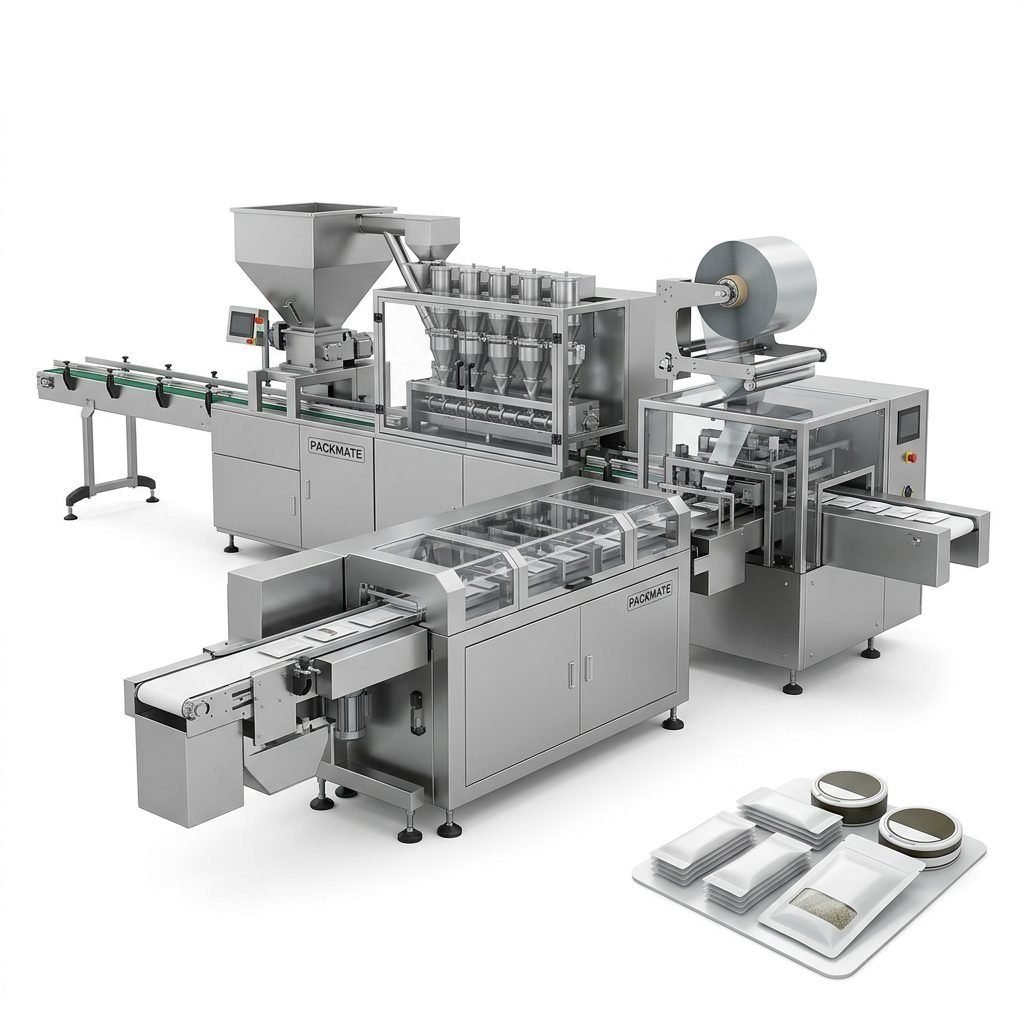
Choosing the right snus packaging machinery manufacturer for your factory in Zambia can make the difference between a smooth production rollout and months of downtime, product waste, and compliance headaches. This guide walks you through practical, factory-focused criteria and a step-by-step approach to help you pick the best partner — covering machine performance, local considerations, after-sales support, certifications, and cost of ownership.
Why the manufacturer choice matters
🔧 Modern snus and nicotine pouch packaging demands precision: small-dose pouches, airtight seals, and consistent weight control. A trusted manufacturer not only delivers equipment but also ensures repeatable quality, regulatory compliance, and reliable uptime. Choosing the wrong supplier can lead to frequent mechanical issues, poor yield, and a damaged brand reputation.
Key outcomes you should expect
• High packaging accuracy and consistent pouch form and seal
• Minimal downtime with accessible spare parts and responsive service
• Compliance with international safety and hygiene standards
• Scalable technology that grows with your production needs
Top selection criteria: what to evaluate
When vetting manufacturers, consider technical, commercial, and logistic factors. Below are the most important dimensions to evaluate thoroughly before making a purchase.
1. Engineering experience & product range
✅ Look for a manufacturer with deep industry experience and a broad portfolio: multi-lane pouch systems, stick pack, sachet machines, and end-to-end filling & packaging lines. A supplier with 20+ years of development and multiple machine models can usually customize solutions for unique product formats and speed targets.
2. Factory capability and quality control
✅ A sizeable, well-equipped facility (advanced CNC machines, precision assembly, and strict QC) demonstrates production reliability. Inspect manufacturing photos, assembly protocols, and test reports. Ask for factory acceptance test (FAT) records and sample run data to verify advertised speeds and accuracy.
3. Certifications and compliance
⚠️ Ensure machines meet relevant international standards — typically CE and ISO for most global markets. Certified equipment helps with local approvals and reduces regulatory risk. Request copies of certificate documents and verify validity.
4. Customization & flexibility
Customization is essential if your snus pouches have special shapes, multi-layer films, or require integrated weighers and cappers. A manufacturer that offers modular design and engineering support will deliver a production line tailored to your product specifications.
🔎 Quick checklist — Minimum questions to ask a potential manufacturer:
• How many snus / nicotine packaging lines have you built? • Can I see FAT reports and client references? • What spare parts and service packages are offered for Zambia? • What are lead times and warranty terms?
Zambia-specific considerations
Operating in Zambia introduces practical constraints that should shape your supplier decision: import logistics, power stability, humidity, and spare parts availability. Plan for these early to avoid costly production gaps.
1. Import & local regulations
📦 Verify import documentation and duties. A manufacturer experienced with African shipments can help with packing lists, certificates of origin, and customs-friendly crate specifications. Confirm whether the supplier can coordinate FOB or CIF terms and provide local contact points for clearance.
2. Power and environmental adaptation
⚡ Zambia’s grid stability varies; ask about machine tolerances, recommended UPS/voltage stabilizers, and protective modules. Also consider humidity control and corrosion-resistant components if the factory environment is humid.
3. Local support & spare part logistics
⏱️ Fast access to spare parts reduces downtime. Prefer suppliers who keep common spares or have regional distributors. Clarify shipping times for critical parts and whether the manufacturer offers consignment stock for high-wear items.
Evaluating total cost of ownership (TCO)
Price is only one element. TCO includes installation, training, spare parts, energy use, consumables, and expected lifetime. Request a TCO estimate that covers:
• Initial purchase and shipping • Installation and commissioning costs • Annual maintenance and spare-parts budget • Energy consumption per shift • Expected production output and yield loss estimates
Tip: A slightly higher upfront cost on a robust, well-supported machine often leads to lower TCO through fewer stoppages and higher yield.
Factory acceptance, commissioning and training
A reliable supplier offers FAT (Factory Acceptance Test) and SAT (Site Acceptance Test), plus on-site commissioning and operator training. Confirm the number of training days, spare parts included with the initial delivery, and whether they provide operation manuals in English.
After-sales service & warranties
Look for clear warranty terms, available service contracts, and guaranteed response times. Remote diagnostic capabilities and spare-part kits shipped with the line are valuable for Zambia-based operations where service visits may take longer.
Performance guarantees to request
• Production speed and yield guarantees validated at FAT
• Tolerance ranges for weight control and sealing integrity
• Warranty period and coverage details including electronic components
How to benchmark potential manufacturers
Evaluate each supplier by gathering standardized information so you can compare apples-to-apples:
• Product specs: speed, lane count, film compatibility
• Acceptance testing: FAT videos, sample pouch runs, measurement reports
• Support: spare parts list, reaction time, training scope
• References: customer case studies, exhibition presence, certificates
📌 Practical scoring: create a short RFP matrix scoring each vendor across 8–10 categories (technical fit, price, TCO, delivery time, spare parts, references, certifications, training) and then rank suppliers objectively.
Why Packmate Snus Machine is often a top choice
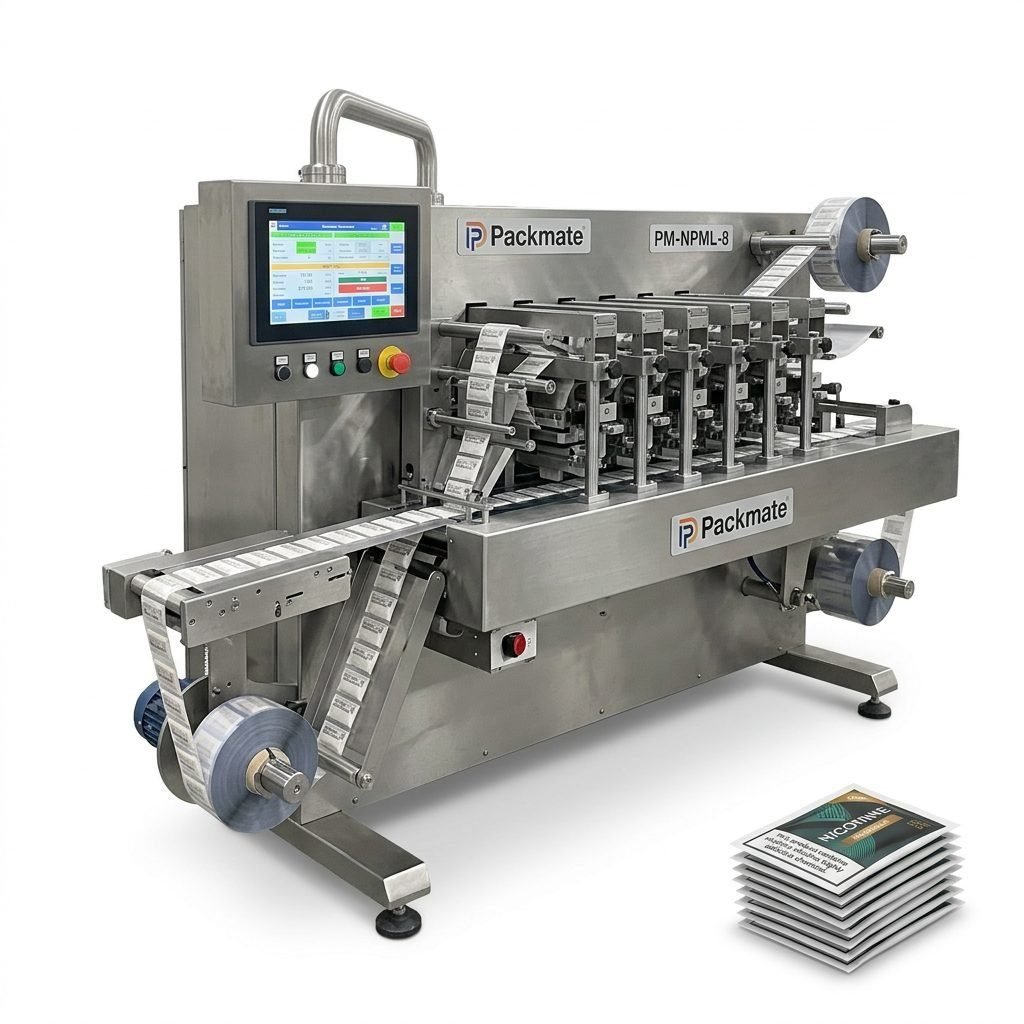
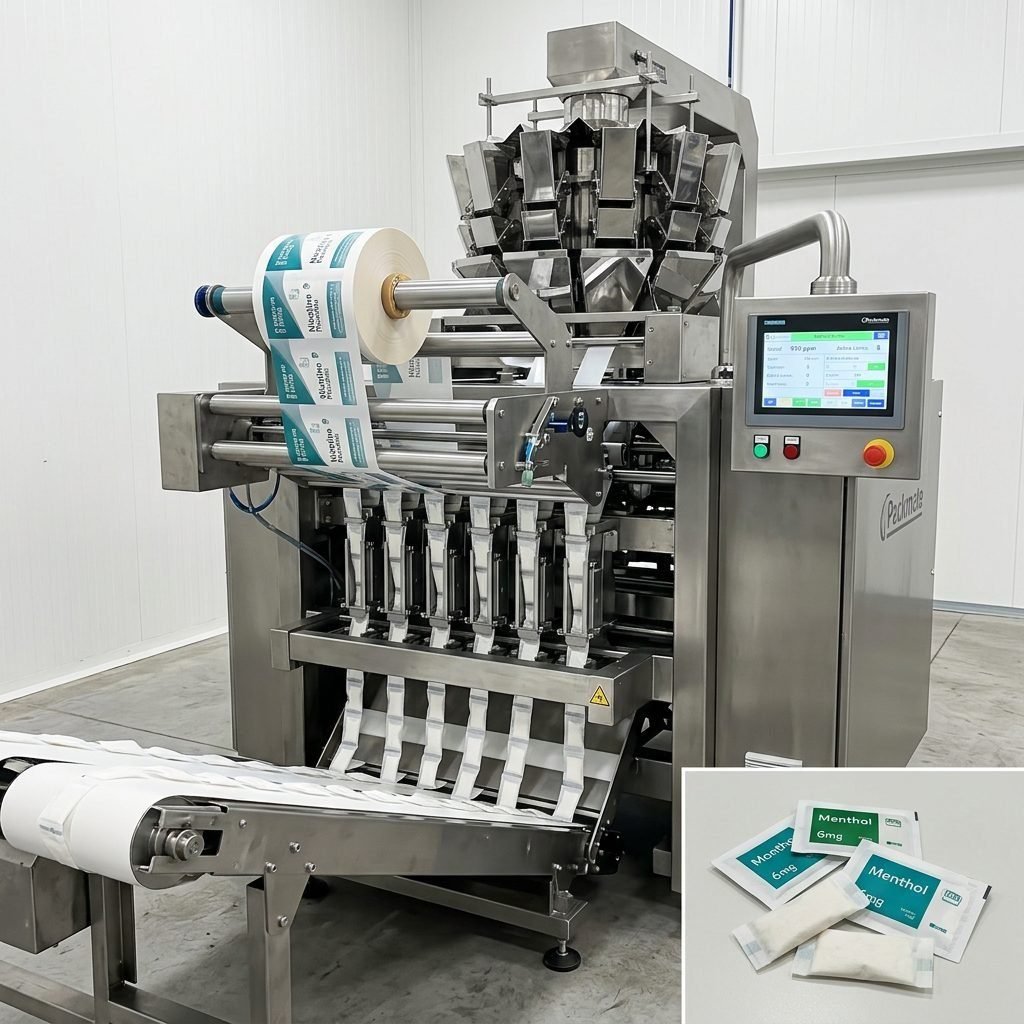
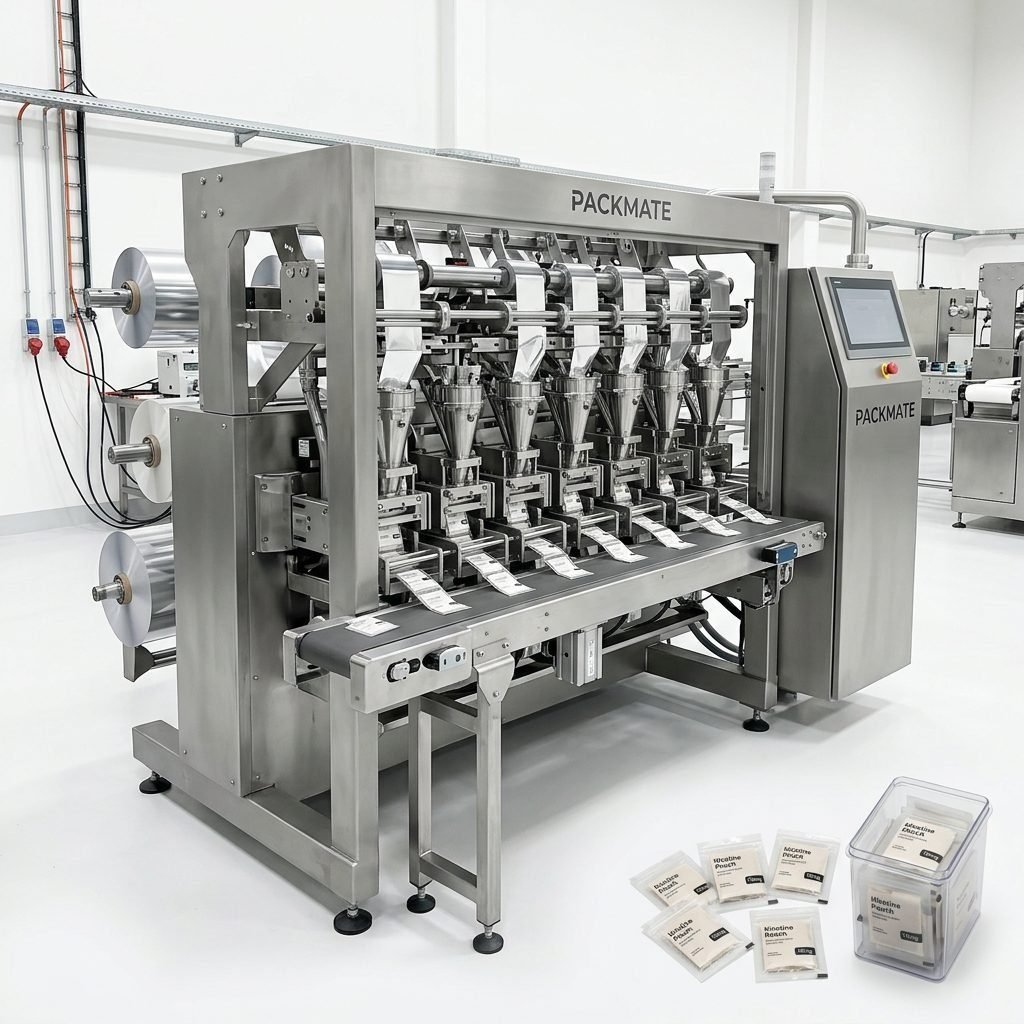
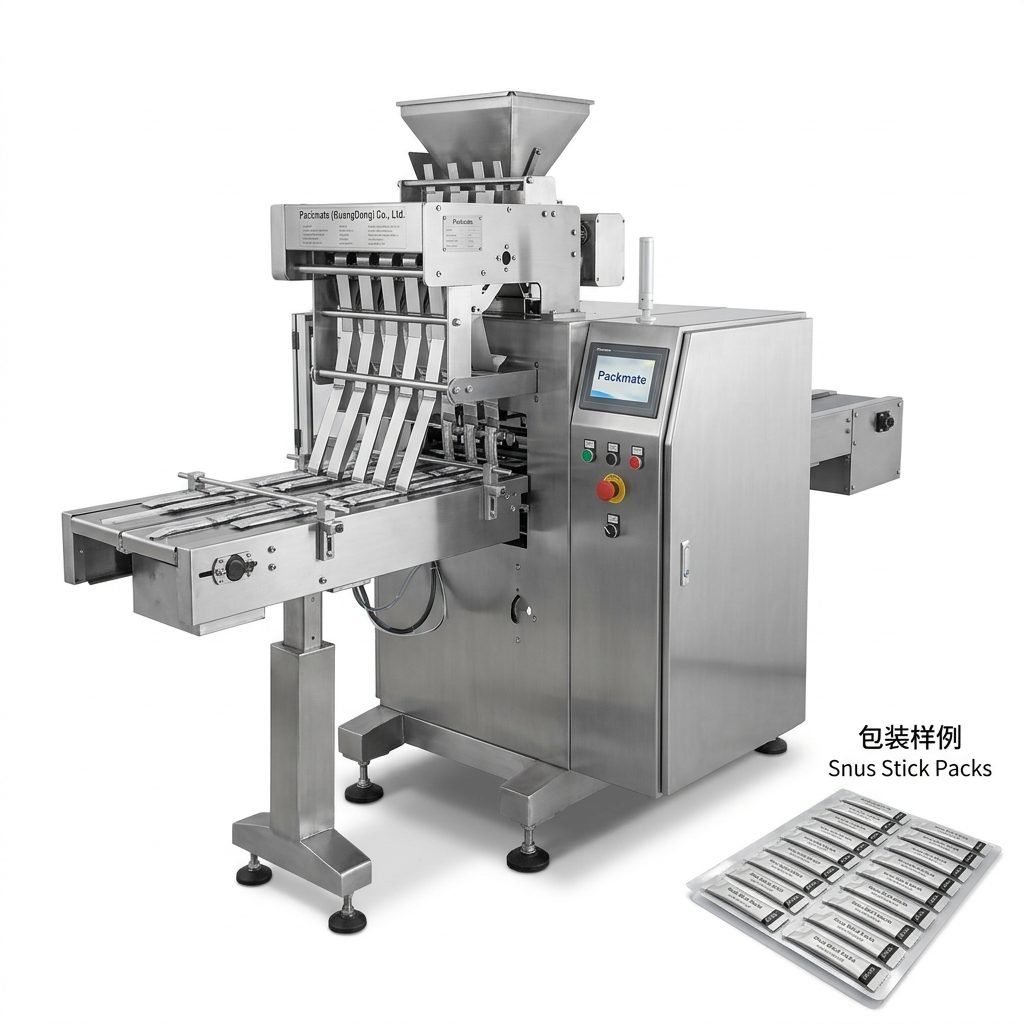
Packmate offers specialized snus and nicotine pouch packaging machines backed by over 30 years of engineering experience and a 20,000㎡ manufacturing facility. Their product range includes multi-lane snus packaging systems, sachet & stick pack machines, and full filling & packaging lines tailored for nicotine pouch production.
Explore Packmate’s product pages for detailed machine models and deployment examples: Snus & Nicotine Packaging Machines, and review the company story and certifications on their About Packmate page.
You can also view real-world implementations and exhibition participations: Case and Our Exhibition.
Procurement checklist before signing
1) Confirm model specifications and expected throughput.
2) Verify FAT documentation and request a demonstration video or live demo.
3) Agree on spare part list, initial spare kit, and local shipping terms.
4) Clarify warranty, service levels, and remote support options.
5) Lock in installation, commissioning, and operator training dates.
✅ Before you sign: request a clear acceptance protocol describing how performance and yield will be measured during SAT at your Zambian facility.
Installation, ramp-up and continuous improvement
Plan a phased ramp-up: pre-installation checks, mechanical assembly, electrical hookups, dry runs, product runs with QA sampling, and a stabilization phase with continuous monitoring. Partnering with a manufacturer that provides a dedicated commissioning engineer and follow-up visits ensures faster ROI.
Sustainability & consumables
Consider the availability of compatible films, adhesives (if used), and wear parts. A manufacturer that helps qualify local suppliers or offers guidance for film selection saves time and reduces the risk of compatibility problems after installation.
Final recommendations — decision timeline
Set a realistic selection timeline: 2–4 weeks for RFP evaluation, 2–3 weeks for reference checks and FAT review, and 4–12 weeks lead time depending on customization and shipping. Factor in commissioning and training for another 2–4 weeks. Build contingency for customs clearance and local installation.
Getting started
Start by preparing a concise RFP describing your product format, target line speed, packaging film details, and expected output. Share this with shortlisted manufacturers and ask for FAT evidence, spare parts lists, and a provisional commissioning schedule.
Additional resources
To explore technical machine categories and auxiliary equipment that may be part of your turnkey line, see Packmate’s modules and systems such as Weighing & Packaging Systems and Auxiliary Packaging Equipment.
Common Questions (FAQ)
Q1: What documents should I ask for when evaluating a snus packaging machine supplier?
A1: Request machine specifications, FAT reports, sample run videos and yield data, CE/ISO certificates, spare parts list, warranty terms, and customer reference contacts.
Q2: How important is local service for a factory in Zambia?
A2: Extremely important. Local or regional service reduces downtime and shipping delays for spare parts. If local presence is limited, ensure the manufacturer offers fast air-shipping options and remote diagnostic support.
Q3: How do I validate machine speed and yield before purchase?
A3: Insist on FAT documentation, sample pouch runs with your formulation or a comparable product, and measurable performance targets in the purchase contract. Request on-site SAT to confirm real-line performance.
Q4: What is the typical lead time for customized snus packaging lines?
A4: Lead times vary widely — from several weeks for standard machines to multiple months for complex, multi-lane customized lines. Confirm timelines and include buffer for shipping and customs.
Q5: Who can I contact to discuss turnkey solutions and local deployment?
A5: For turnkey packaging solutions, factory tours, or to request quotes and technical support, reach out through the supplier’s contact channels: Contact Us.