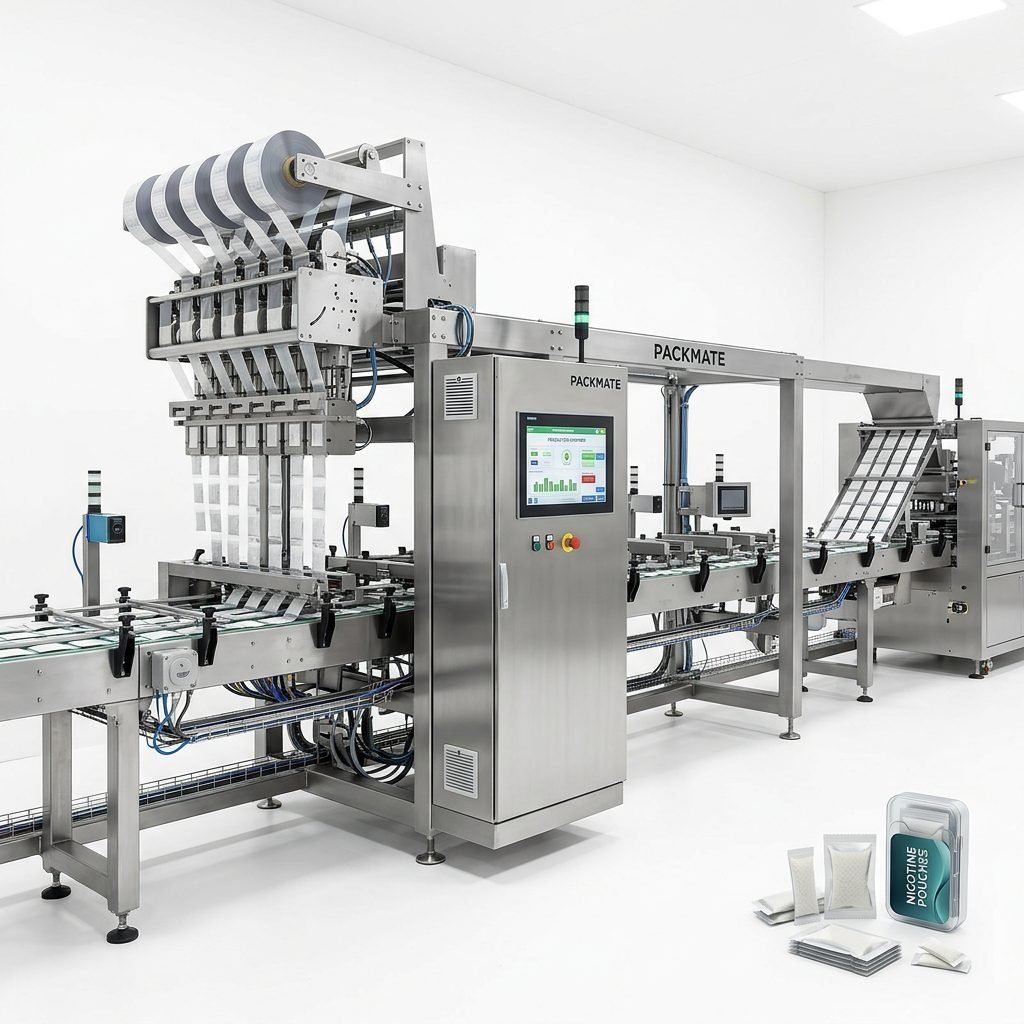
Choosing the right snus packaging machine in Eswatini requires balancing technical performance, local market habits, and regulatory realities. This guide walks you through practical steps — from assessing production targets to selecting a multi-lane or stick-pack system — and highlights why selecting an experienced supplier like Packmate can speed up your path to reliable production.
Why the right machine matters in Eswatini
Eswatini is a compact, community-driven market with close trade links to South Africa. Local sales channels include urban retailers, cross-border distributors, and informal shops. Because demand volumes may start small and grow rapidly, you need a machine that supports both low-volume flexibility and scalable throughput. A wrong choice can lead to high downtime, difficult format changes, and poor package quality — all of which hurt brand trust.
Key local considerations
• Cultural context: Eswatini’s conservative social fabric means discreet, compliant packaging is often preferred. Use child-resistant designs and clear labeling in English and Siswati when required. Respect local norms on public display and advertising.
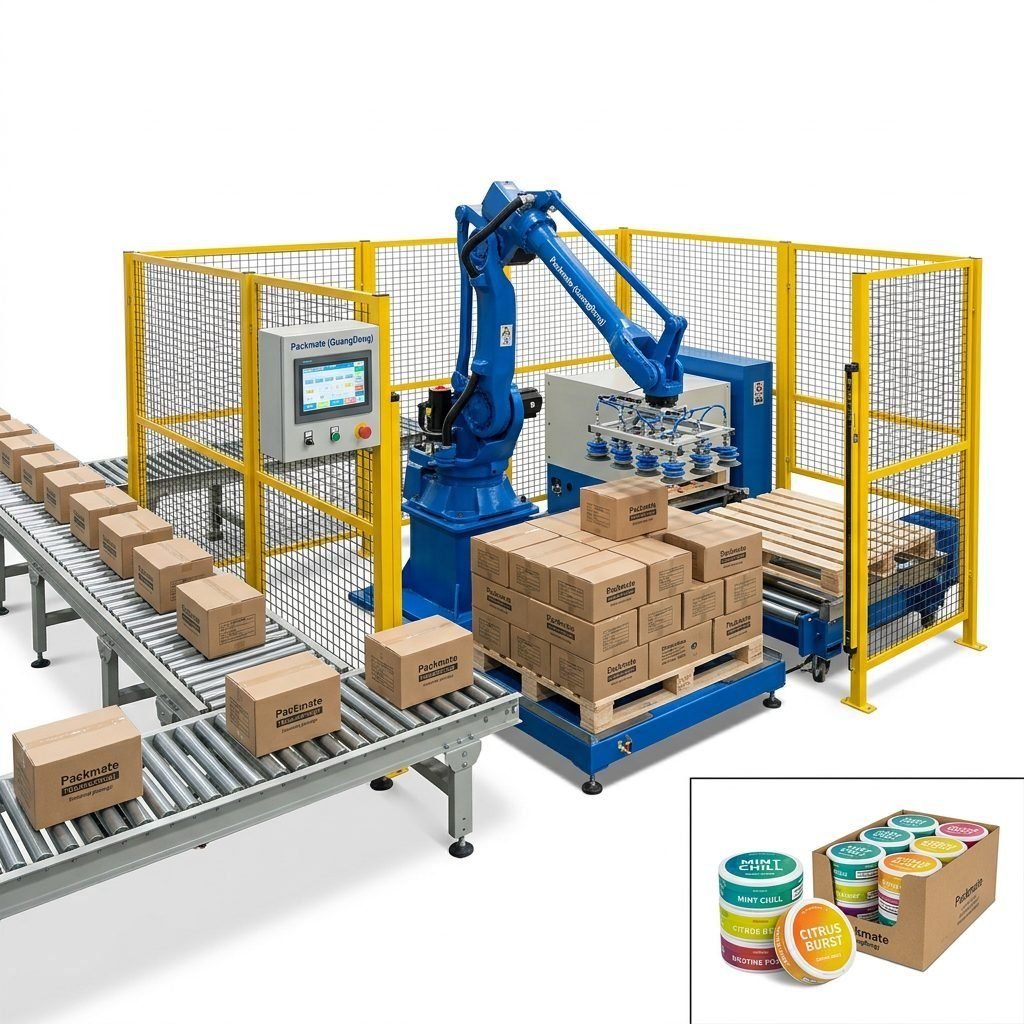
• Distribution: Cross-border logistics with South Africa can influence packaging durability and palletization choices; choose machines that produce stable, stackable packages.
• Regulation: Tobacco and nicotine product rules vary — check national import rules and labeling requirements before mass production. Working with a supplier experienced in international compliance (CE, ISO) reduces risk.
Step-by-step buyer’s checklist
Production target: Define daily and monthly pouch counts. Start-up volumes in Eswatini may be modest; choose modular machines that scale to higher capacity as demand grows. 🔧
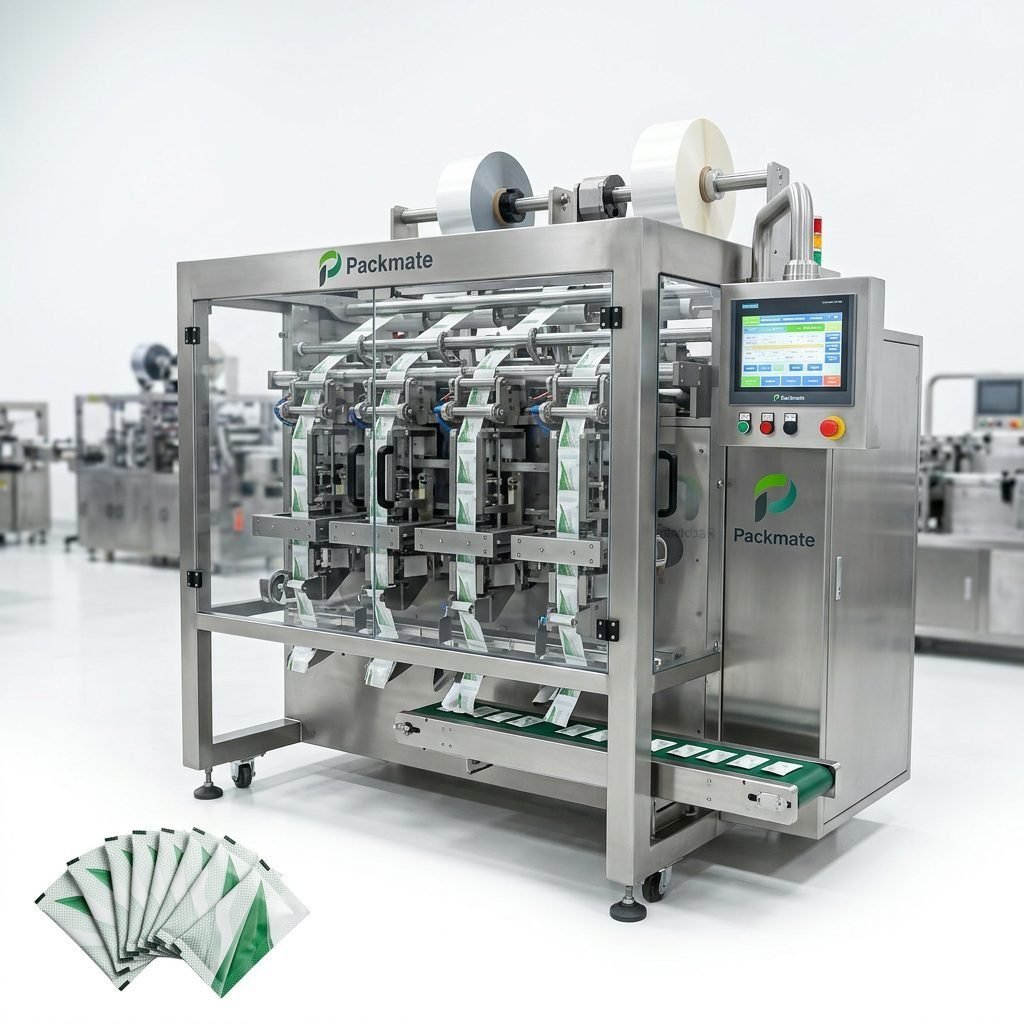
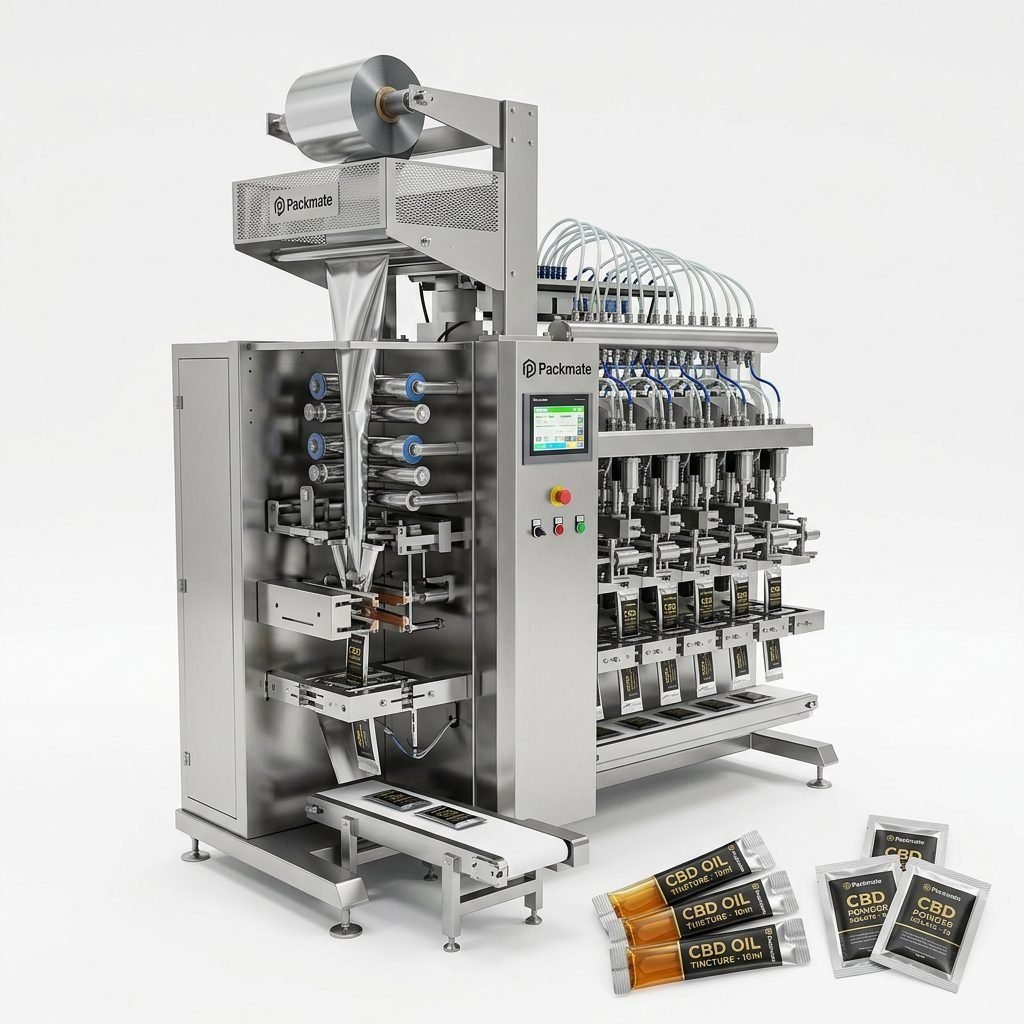
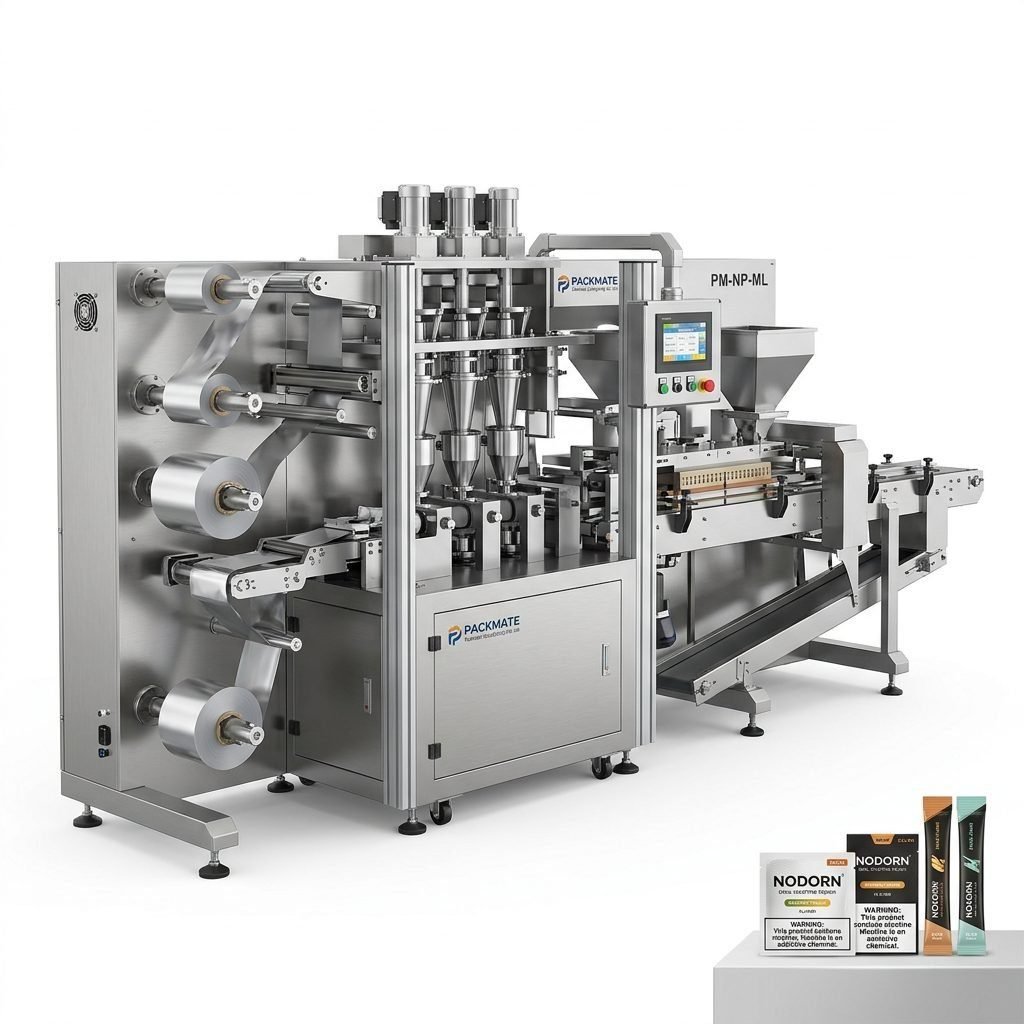
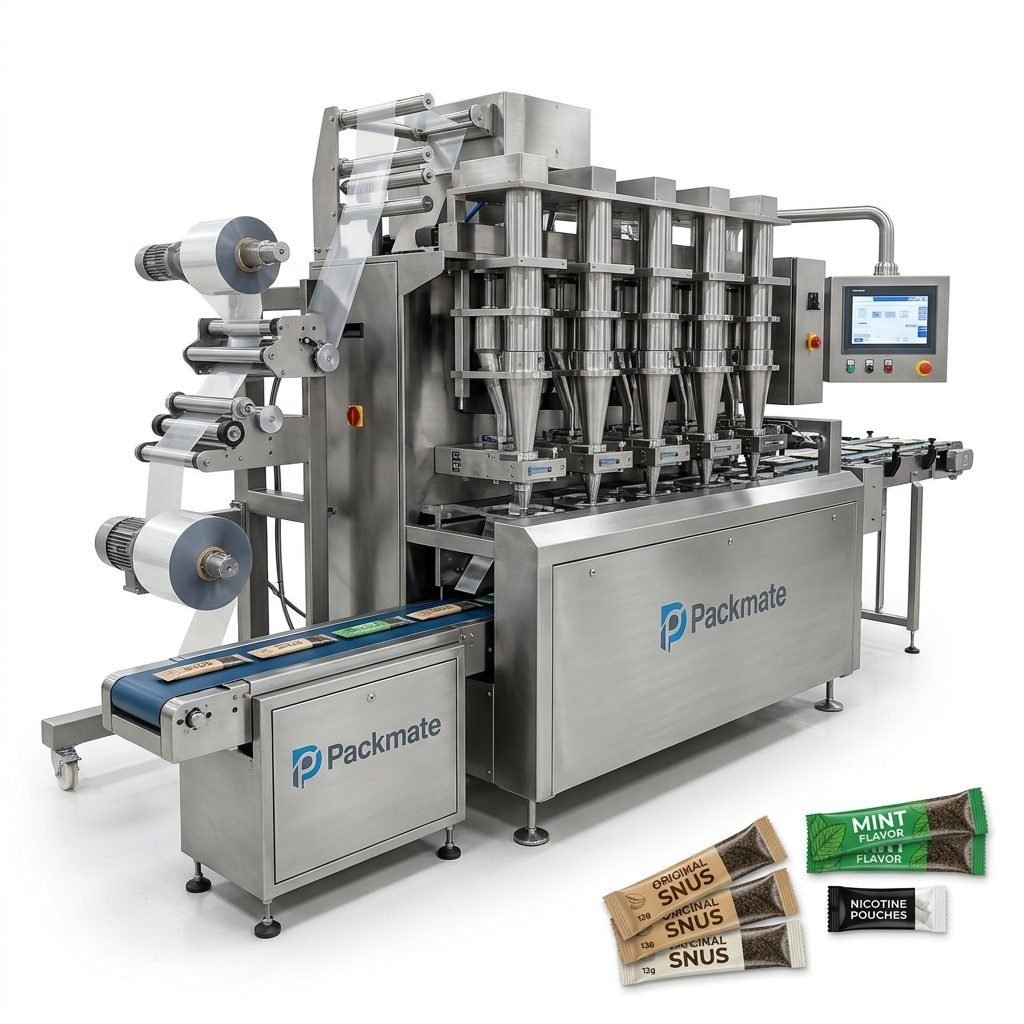
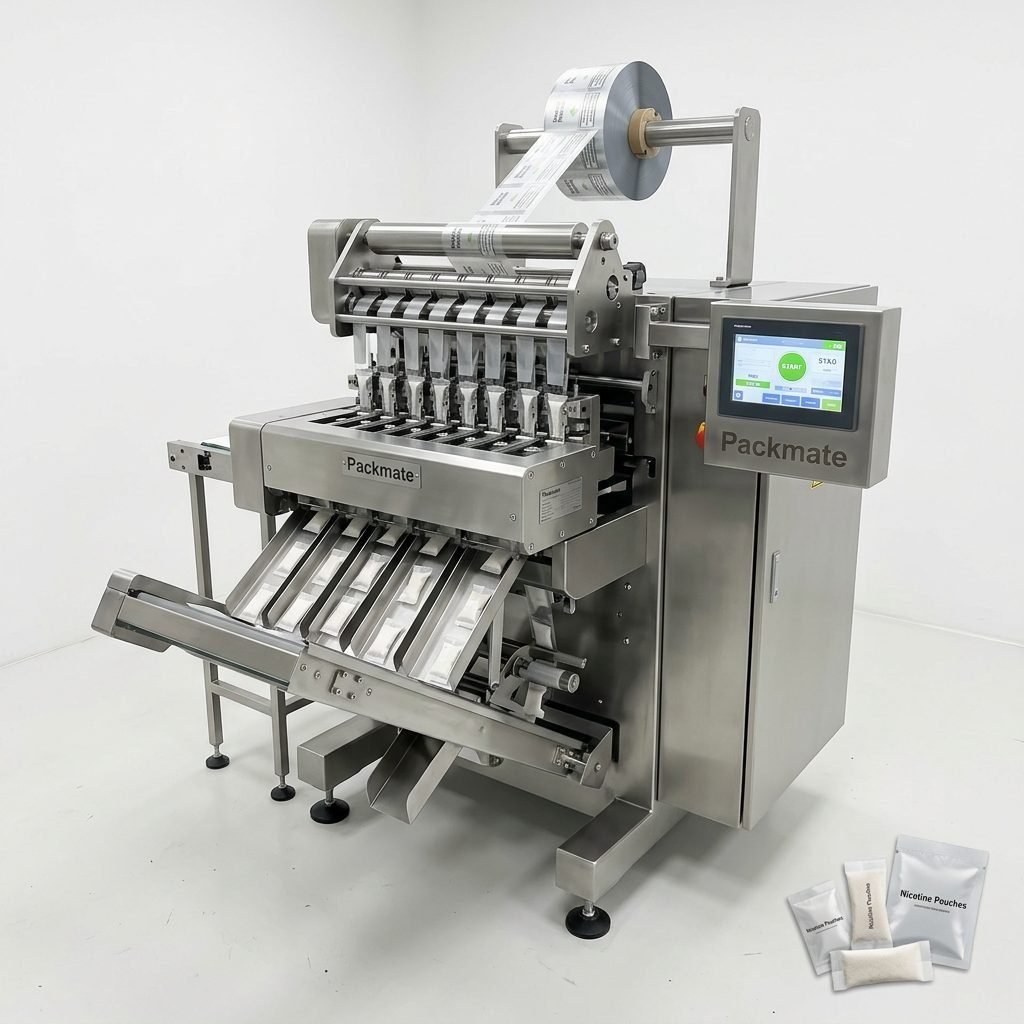
Machine format: Decide between single-lane stick packs, sachets, or multi-lane systems. For small-dose nicotine pouches and snus, multi-lane or fast sachet machines are common choices for higher throughput per footprint.
Material compatibility: Confirm compatibility with laminated films, foil, or paper-based pouches. Hygienic sealing and barrier properties are essential for moisture-sensitive products.
Changeover & flexibility: If you plan multiple SKUs or frequent format swaps to match seasonal flavors or special editions, prioritize machines with quick changeover design and tool-less adjustments.
Technical specs to verify
• Speed (pouches/min): Align to your target output and packaging quality.
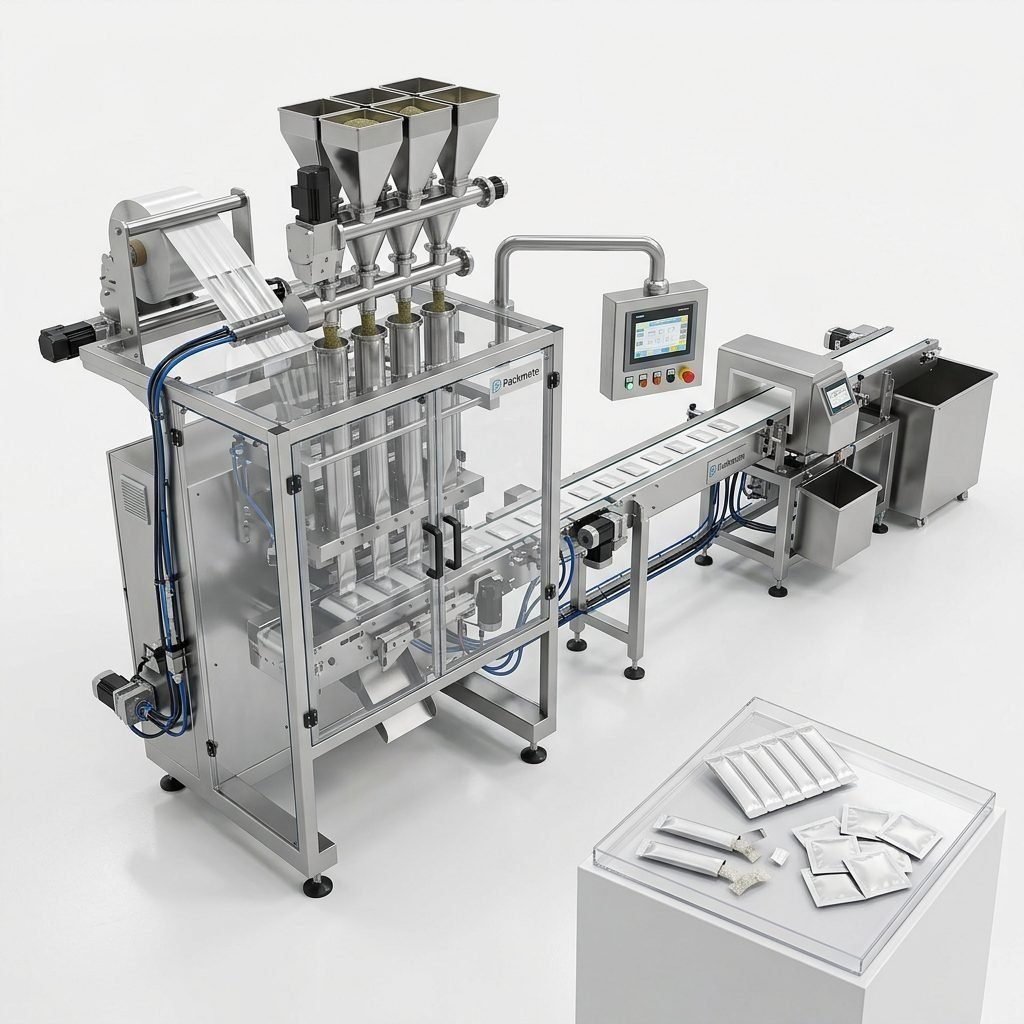
• Weighing accuracy: For nicotine pouches, precise dosing is essential to avoid regulatory and quality issues — consider integrated weighing systems. See examples of integrated solutions on the weighing & packaging systems page.
• PLC & HMI: Modern, user-friendly human-machine interfaces reduce operator error and training time. Remote diagnostics can be invaluable given Eswatini’s geographical scale.
Machine types and when to choose them
Stick pack machines
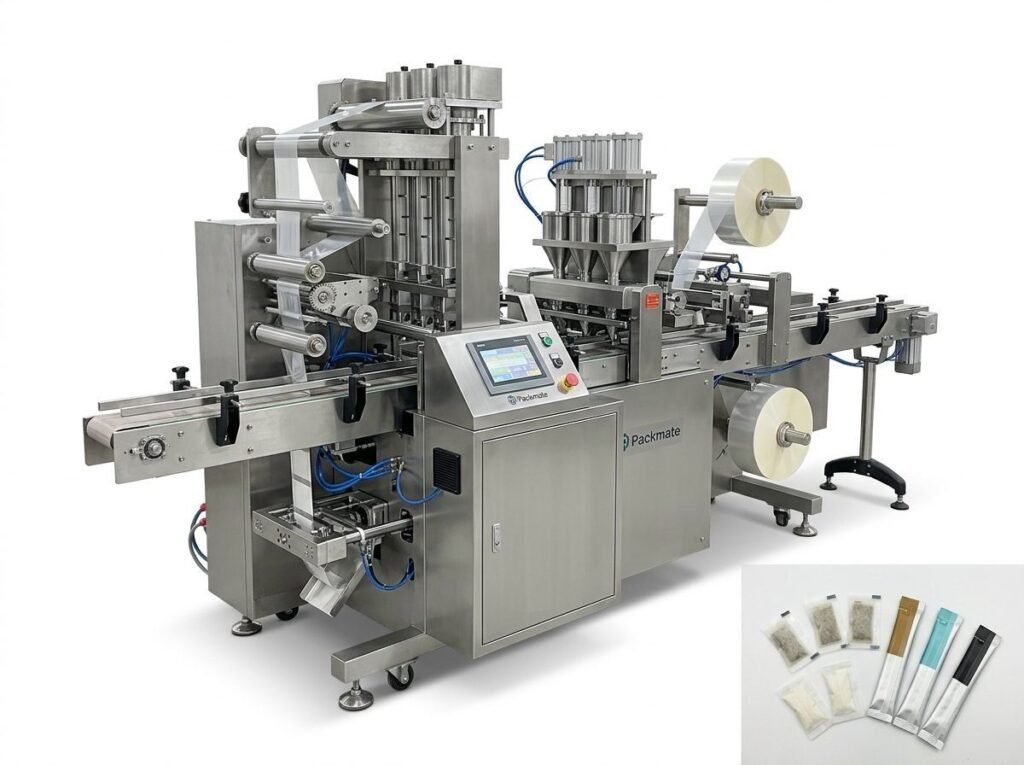
Stick packs are ideal for single-serve portions. They require minimal material and are fast to produce. If your brand aims at convenience stores or on-the-go consumers in urban Eswatini, stick packs are worth considering.
Sachet and multi-lane sachet systems
Sachet systems can handle a variety of shapes with strong barrier options. Multi-lane systems dramatically increase throughput without expanding floor space — a good option if you plan to serve neighboring markets like South Africa.
Learn more about Sachet & Stick Pack Machines.
Form-fill-seal (FFS) vs. Pre-made pouch systems
FFS offers material savings and continuous production; pre-made pouch systems provide high flexibility for premium, printed pouches. Evaluate printing capability, lead time for custom film, and cost per pouch.
Assess supplier capabilities — why Packmate stands out
When buying packaging equipment, supplier strength is as important as machine specs. Packmate Snus Machine brings over 30 years of engineering experience, a 20,000㎡ manufacturing base, and a range of 50+ machine models — helping you match the right solution to Eswatini market realities.
Certifications & compliance: Packmate machines comply with CE and ISO standards, which simplifies export and regulatory alignment. See certificates and compliance details for reassurance.
After-sales support: Local uptime depends on spare parts and technical support. Choose a partner offering remote diagnostics, training, and spare parts kits. Packmate provides turnkey solutions and global service options.
Integration with production line components
A packaging machine rarely operates in isolation. Consider upstream dosing (weighing and filling), labeling, metal detection, and downstream cartoning. Integrated lines reduce manual handling and improve traceability. View combined Filling & Packaging Lines and Weighing & Packaging Systems for compatibility ideas.
Quality control & traceability
Include serialization or batch coding modules if Eswatini or export markets require traceability. Metal detectors and inline vision systems can ensure seal integrity and label correctness.
Budgeting and return on investment (ROI)
Capital cost is only part of the story. Account for installation, training, tooling, shipping, customs duties, and local electrical and air requirements. Estimate cost per pouch and break-even volumes. Machines that reduce labor and waste often pay back faster in small markets.
Financing options: Suppliers often provide financing, lease options, or phased upgrades. Discuss payment terms and spare part packages when negotiating.
Installation, training and local adaptation
A successful launch depends on proper site preparation: power, compressed air, floor loading, and operator training. Padding training with local language materials (English and Siswati summaries) speeds ramp-up. For exhibition demos and machine validation, Packmate shows machines at international fairs — a useful step before purchase.
Spare parts & consumables logistics
Ensure timely spare parts supply to minimize downtime. Maintain a starter kit with belts, seals, and sensors. If shipping from overseas, consider stocking critical spares locally.
Real-world checklist before signing a contract
• Request performance videos, references, and a FAT (Factory Acceptance Test) report.
• Confirm warranty terms, lead times for spare parts, and on-site training commitments.
• Verify export documentation readiness, CE/ISO certificates, and compatibility with Eswatini electrical norms.
Useful links and product references
Explore specific machine families and turnkey solutions: Snus & Nicotine Packaging Machines, Sachet & Stick Pack Machines, and Weighing & Packaging Systems. For company background and certificates see About Packmate and Certificate.
Final recommendations
Start flexible: For Eswatini, a modular machine with multi-lane options offers the best balance between low initial cost and scalability. Prioritize quality sealing, accurate dosing, and supplier support to build a reliable local brand.
Next steps
Contact a supplier early to discuss samples, FATs, and integration. Visiting a demonstration or exhibition helps validate your choice — Packmate participates in major global exhibitions where you can see machines in action.
Frequently Asked Questions
Q1: What machine type is best for a small start-up in Eswatini?
A: Begin with a flexible sachet or single/multi-lane stick-pack system that supports small batches and scales. Multi-lane machines are efficient when demand grows.
Q2: How do I ensure compliance with local regulations?
A: Consult local authorities on nicotine product rules, prepare labeling in required languages, and choose machines that enable tamper-evident and child-resistant packaging if needed.
Q3: What after-sales support should I require?
A: Ask for remote diagnostics, spare parts lead times, on-site commissioning, and operator training. A supplier with global service networks shortens downtime.
Q4: Are multi-lane machines suitable for export to South Africa?
A: Yes — multi-lane systems increase output with limited footprint and are ideal if you plan to expand distribution to neighboring markets.
Q5: Where can I see real machines?
A: Visit supplier exhibition pages or request video demonstrations and FAT documents. Packmate lists upcoming fairs and live demos on their exhibition page.