Introduction
Choosing the right nicotine packaging machine manufacturer is one of the most important decisions for businesses entering or expanding in the snus and nicotine pouch market. In Lithuania — a market increasingly receptive to modern tobacco alternatives and nicotine pouches — companies must balance regulatory compliance, product quality, production flexibility, and cost efficiency. This guide walks you step-by-step through how to select the best manufacturer for your needs, with practical evaluation criteria, local considerations for Lithuania, and actionable tips to reduce risk and maximize ROI.
Understand the Lithuanian Market Context
Lithuania is an EU member with strict product and import rules, but also with a growing consumer base for nicotine alternatives. Local retailers and distributors often value predictable supply, quick turnaround, and adherence to EU safety and labeling standards. Additionally, Lithuanian business culture tends to emphasize reliability, face-to-face meetings when possible, and clear contractual terms — so choose a partner who understands EU regulations and is willing to support inspections, certifications, and local customs processes.
Key local considerations
Regulatory alignment: EU/CE compliance and documentation are essential.
Small-batch flexibility: Many Lithuanian brands start with smaller runs; a machine capable of multi-lane production or quick format changeovers is advantageous.
After-sales proximity: Consider suppliers who provide spare parts and remote service support to avoid long downtimes.
Top Criteria for Choosing a Nicotine Packaging Machine Manufacturer
When evaluating suppliers, rank them on the following categories. Each factor has a direct impact on your production efficiency and final product quality.
1. Compliance, Certifications, and Documentation
Manufacturers must provide evidence of CE, ISO, and relevant safety certifications. Machines used for nicotine pouches should also meet hygienic design and electrical safety standards common across the EU. Ask for test reports, material certificates, and a copy of the machine’s CE declaration of conformity.
Tip: Request a Factory Acceptance Test (FAT) video or live demonstration. This demonstrates the machine’s performance under real load and validates compliance.
2. Production Performance and Capacity
Assess maximum speed, lanes (for multi-lane pouch machines), accuracy of dosing, and achievable formats (stick, sachet, pouch). Verify that the machine’s production envelope matches both your current and projected output. Machines that can scale from small-batch to higher-volume runs reduce the need for future capital expense.
3. Customization & Flexibility
Your supplier should offer format change solutions, tooling options, and software flexibility for different pouch sizes and sealing requirements. For Lithuanian customers who might pivot product design based on consumer feedback or regulation, fast retooling is a competitive advantage.
4. Factory Strength & Engineering Experience
Long-term engineering experience, modern CNC capacity, and assembly lines indicate reliability. Look for manufacturers with decades of R&D and a wide model range — these attributes typically translate to stable machines, better spare parts availability, and proven solutions across markets.
5. After-sales Service, Spare Parts, and Training
Fast access to spare parts and qualified technicians is crucial. Prioritize suppliers offering:
✔️ Remote troubleshooting and PLC support
✔️ On-site commissioning and operator training
✔️ Clear spare parts catalog with lead times
Practical Evaluation Checklist
Use this checklist when comparing vendors. Each item is a potential deal-breaker if not satisfied.
- Proof of CE/ISO certification and regulatory documents
- Factory photos or virtual tour
- FAT report / demo video with your product
- Reference customers in Europe or similar markets
- Spare parts list and delivery time guarantees
- Warranty and service contract options
Must check: If you are importing to Lithuania, ensure the manufacturer provides export documentation, packing lists, and CE certificates for customs clearance.
How to Validate a Manufacturer Remotely
Even if travel is difficult, you can validate suppliers with a structured remote review:
1) Ask for time-stamped FAT videos showing your product format.
2) Request live video calls while the machine runs multiple cycles.
3) Verify references and request contactable European clients.
4) Check factory capacity photos and list of CNC/assembly equipment.
5) Confirm spare part availability and shipping times to Lithuania.
Why Packmate Snus Machine Is Worth Considering
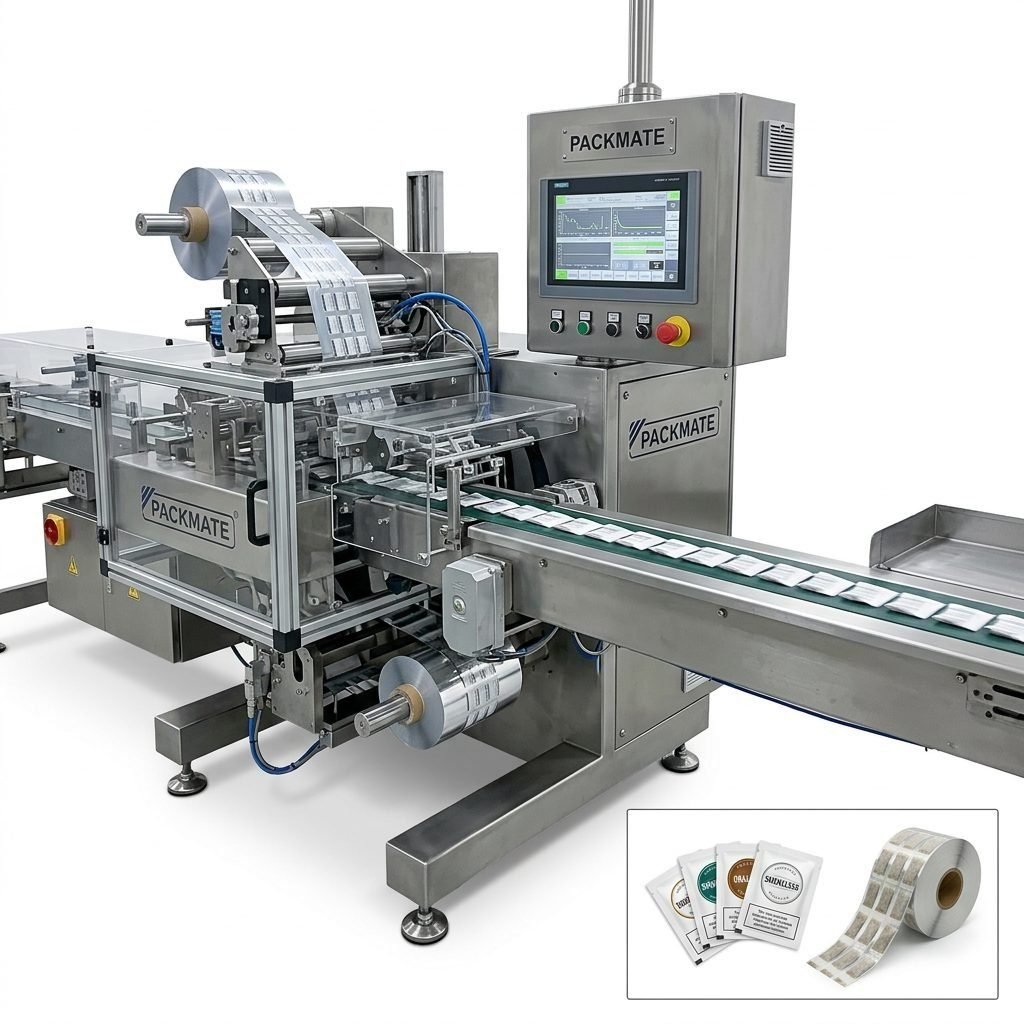
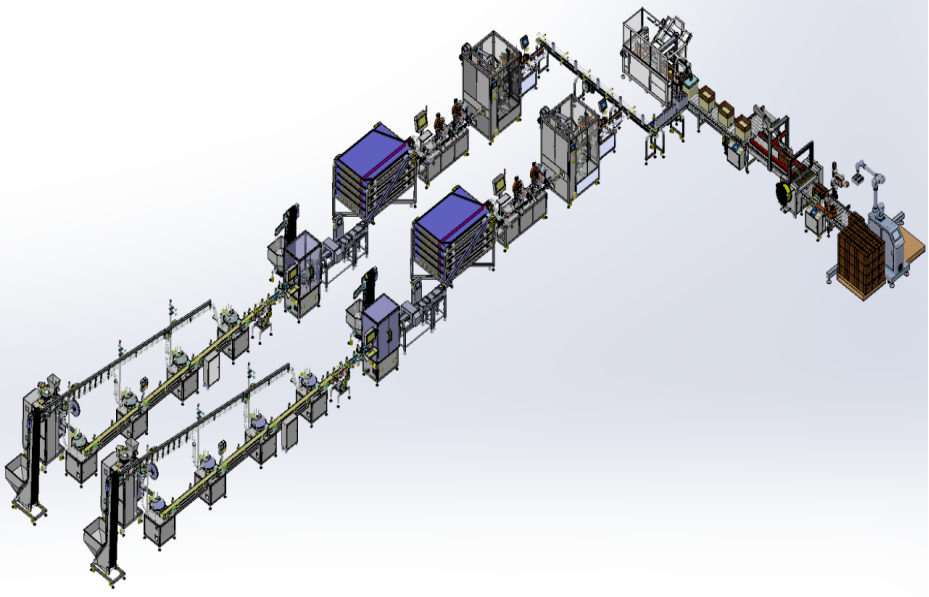
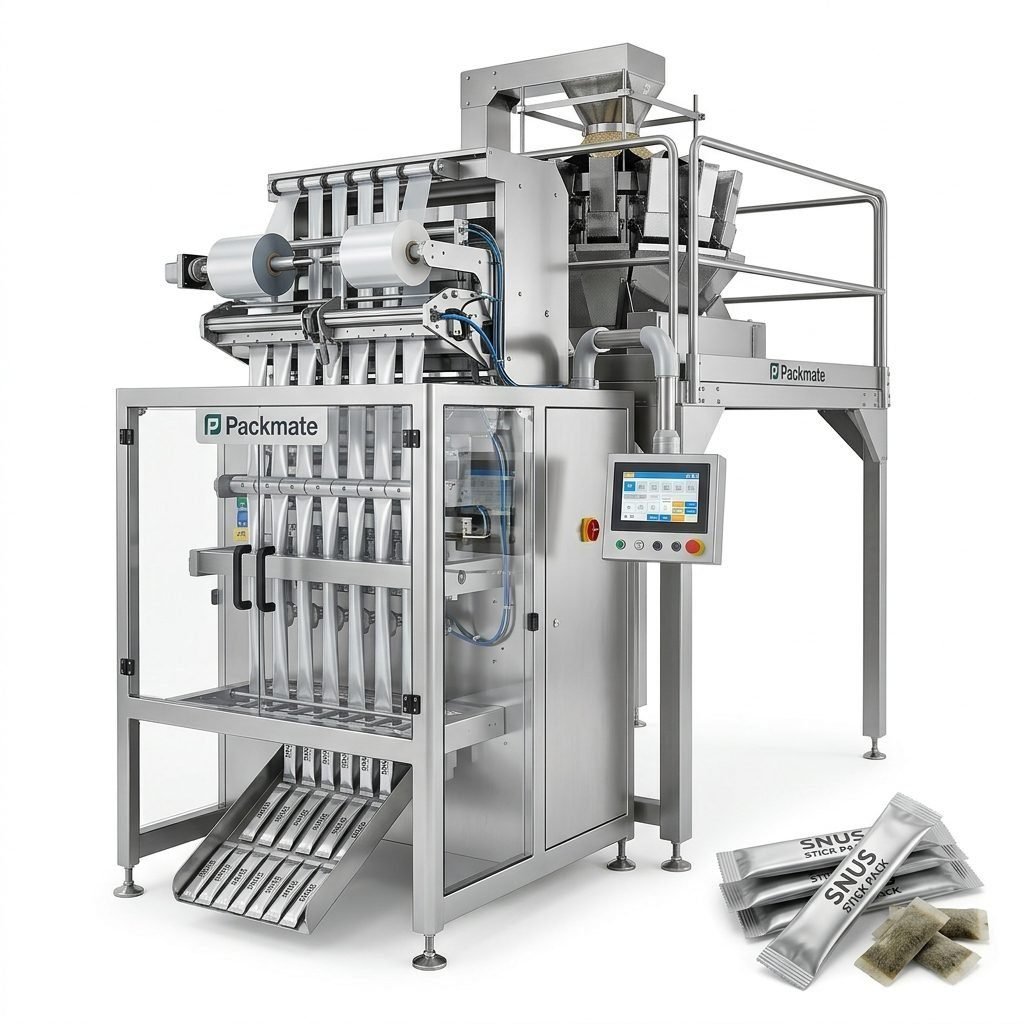
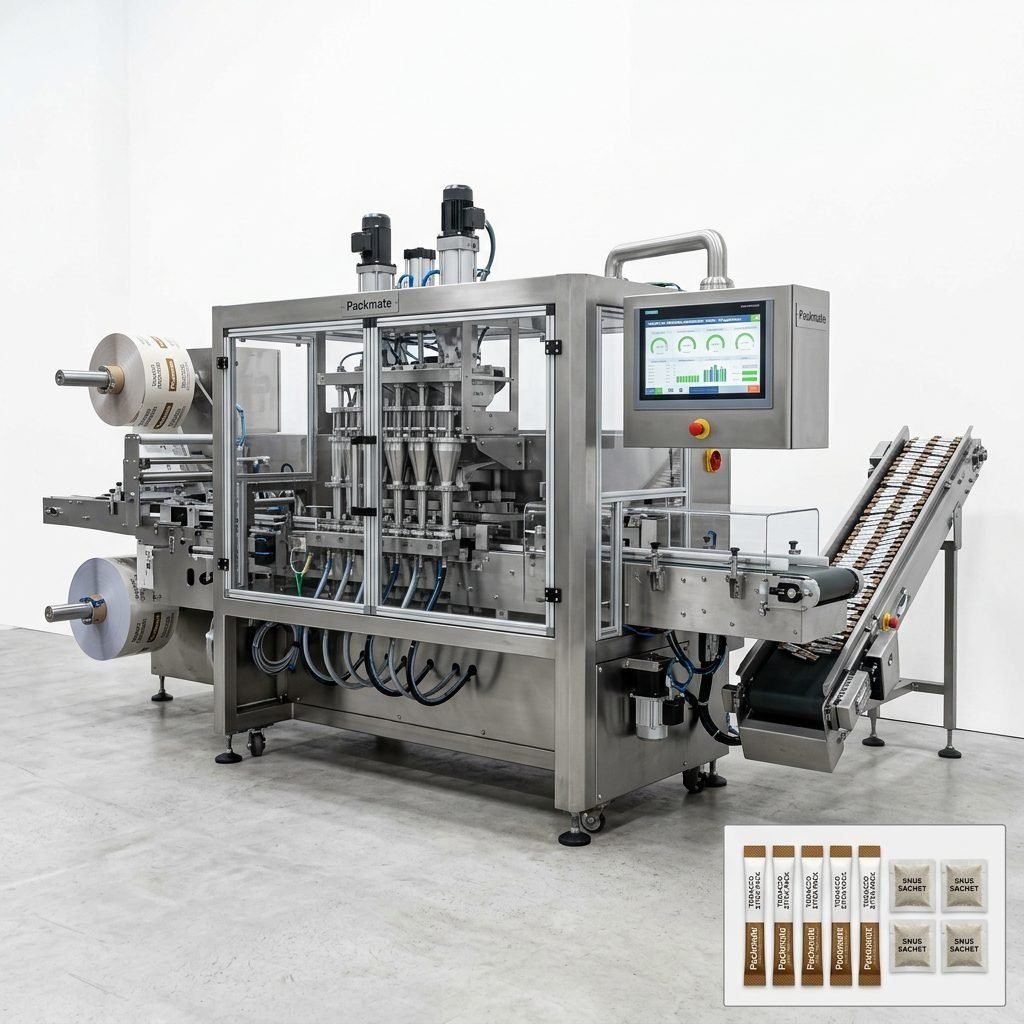
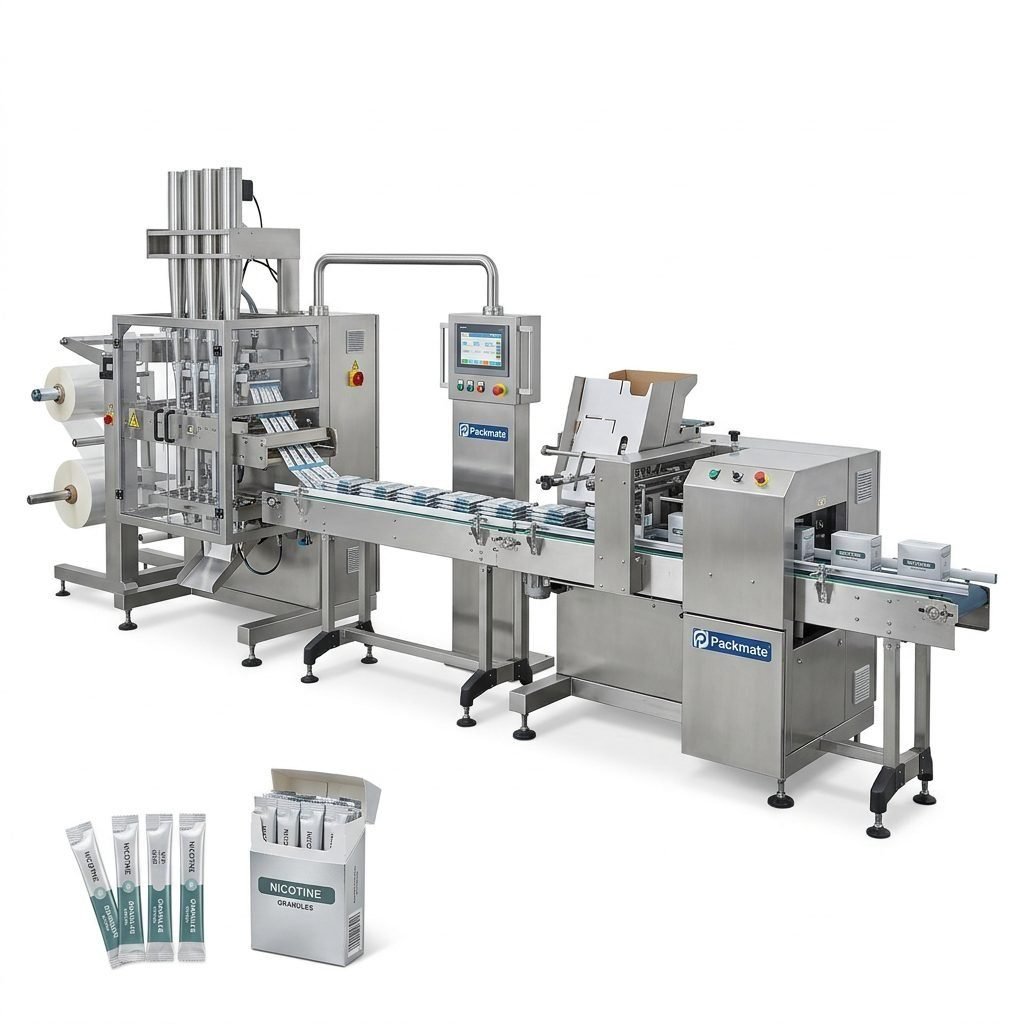
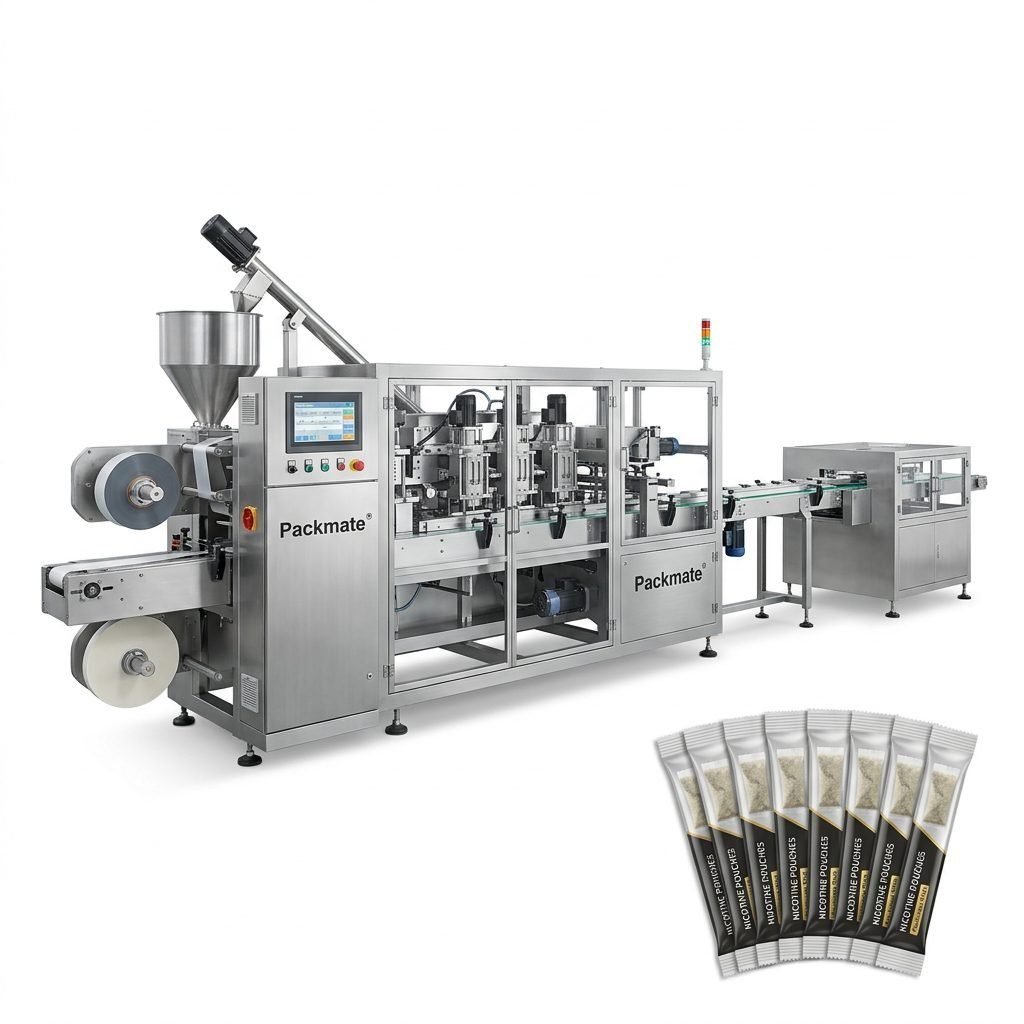
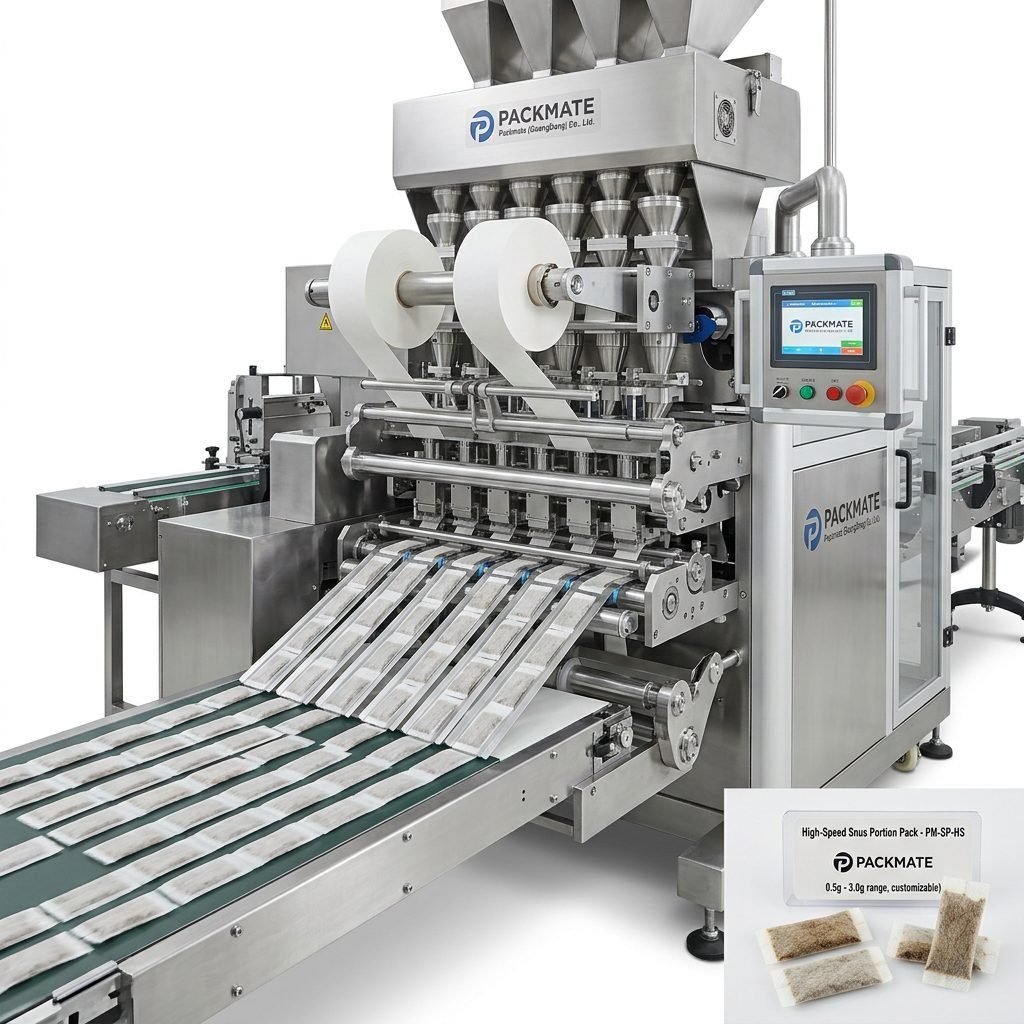
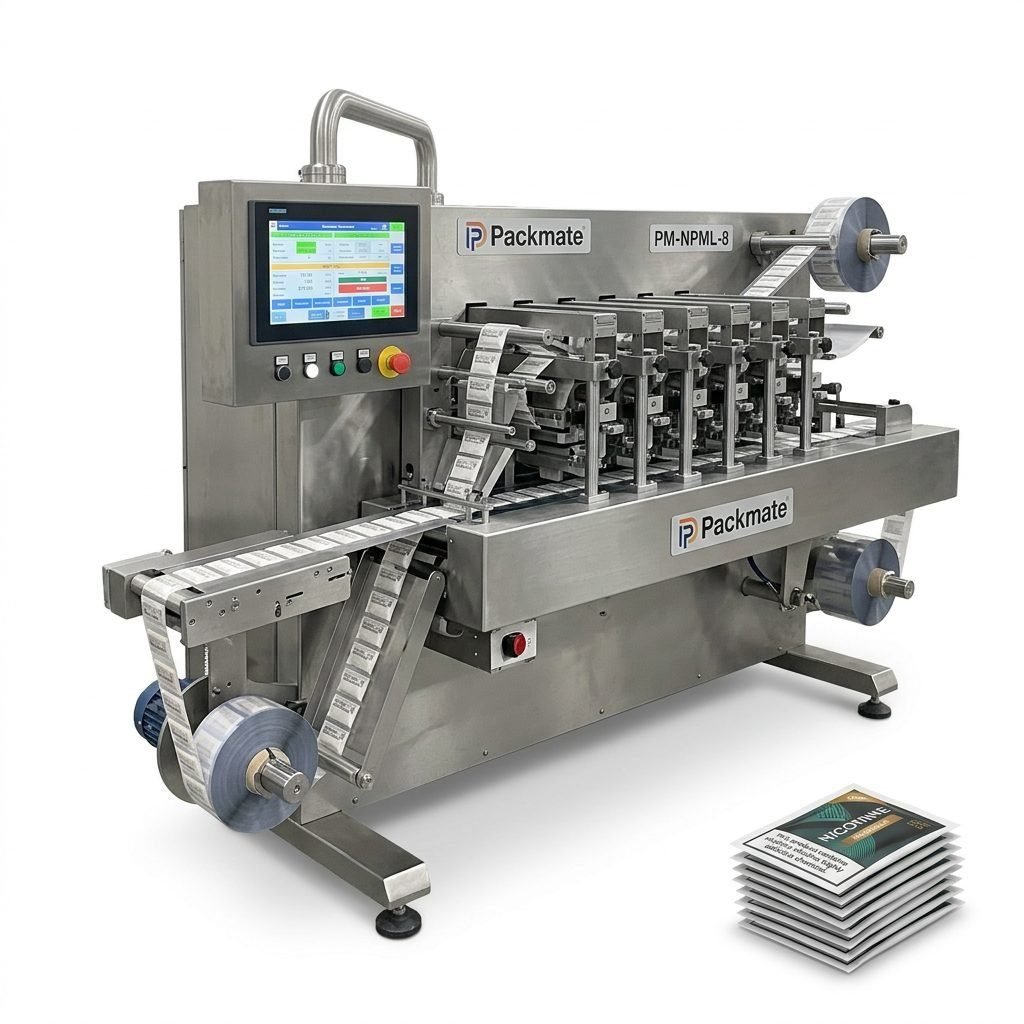
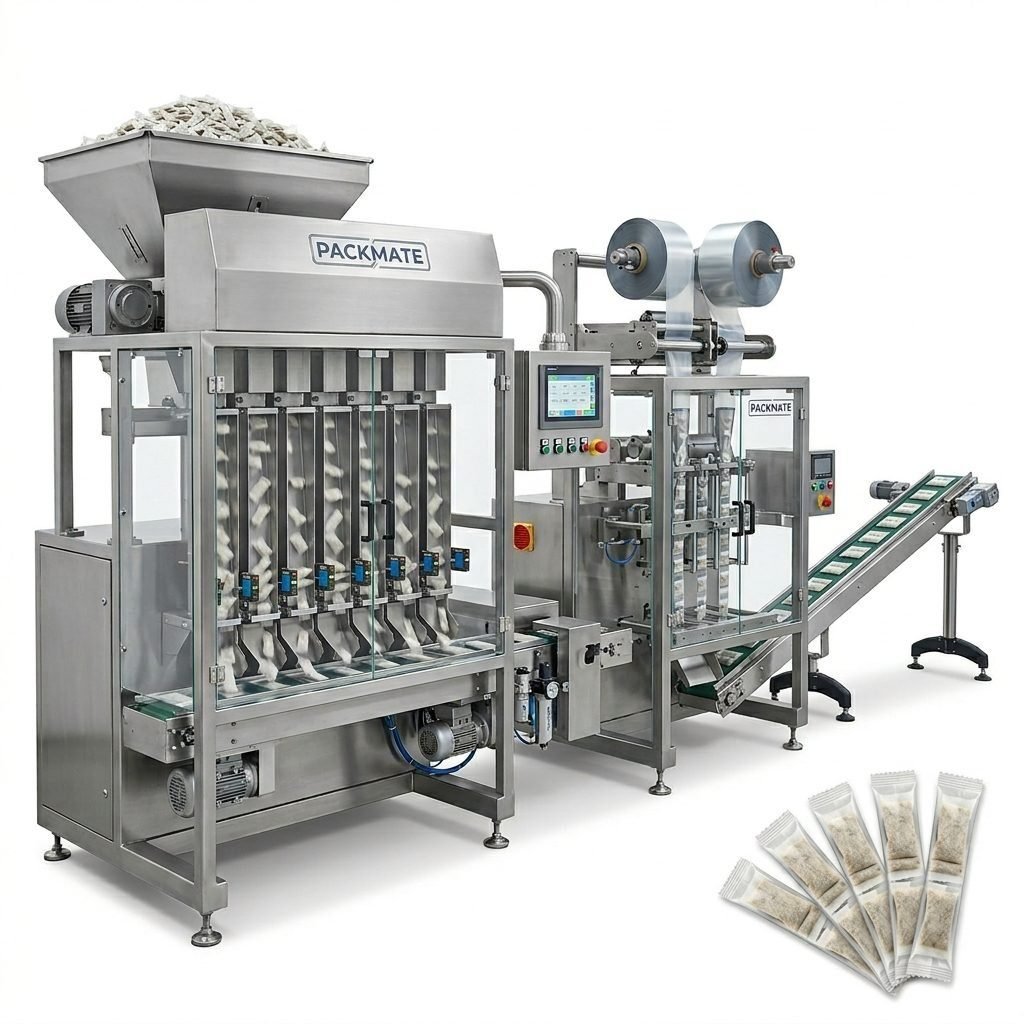
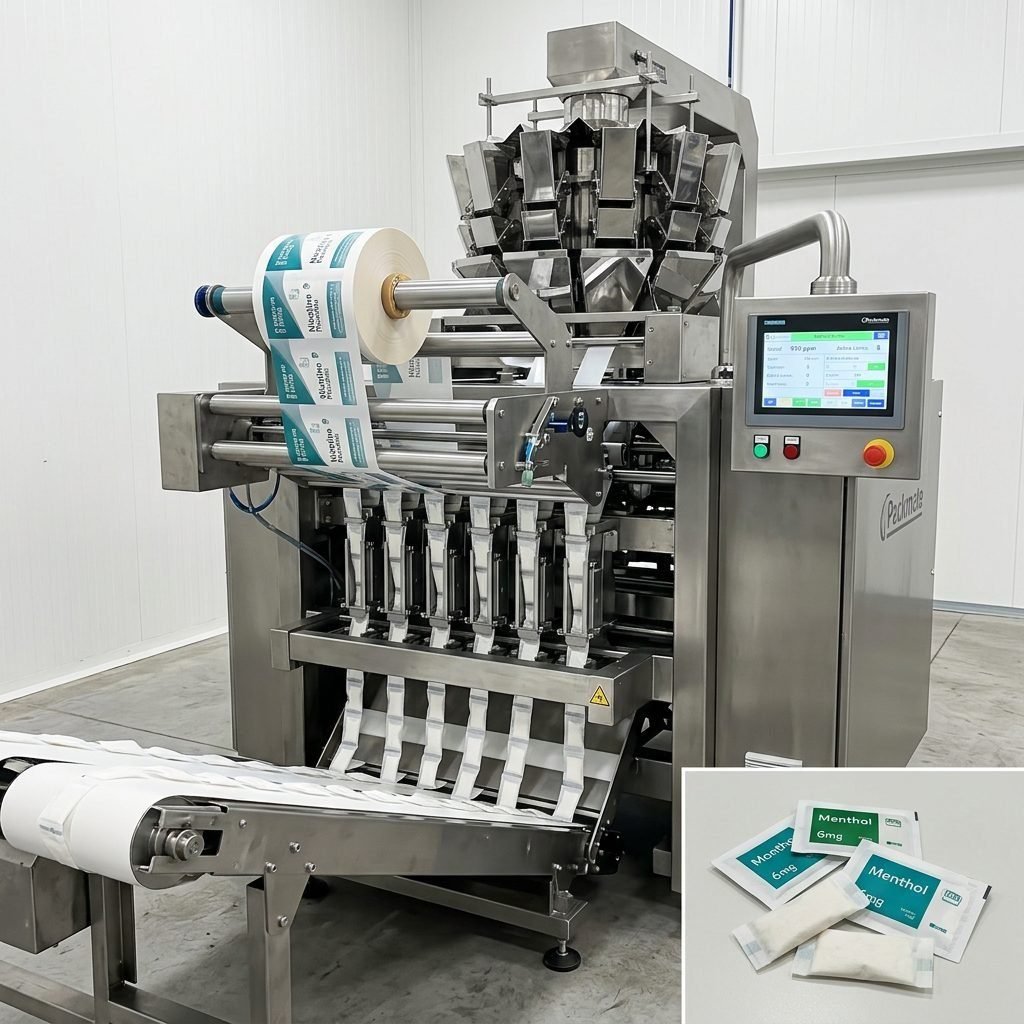
If you need a real-world example of a supplier matching the above criteria, consider the profile of Packmate Snus Machine. With over 30 years of engineering experience, a 20,000㎡ manufacturing facility, and more than 50 machine models, they specialize in high-performance snus and nicotine pouch packaging solutions — including multi-lane systems and full turnkey lines.
Explore their product pages for technical details and model selection:
Snus & Nicotine Packaging Machines,
Sachet & Stick Pack Machines,
and their About Packmate page to learn more about factory capabilities.
Packmate highlights
– 30+ years of R&D and production experience.
– Comprehensive models for nicotine pouches, powders, liquids, and granules.
– Advanced CNC machining and precision assembly lines to ensure long-term machine stability.
Cost vs. Value: Evaluating Total Cost of Ownership
Rather than making decisions based only on purchase price, consider total cost of ownership (TCO). TCO includes:
- Initial equipment cost and installation
- Spare parts and consumables
- Downtime costs and service response time
- Training, software updates, and warranty coverage
A slightly higher initial investment in a reliable and well-supported machine often delivers lower cost per pouch over time.
Contract & Delivery Tips for Lithuania
When negotiating terms:
– Insist on a clear delivery timeline with milestones: order confirmation, production start, FAT, shipping.
– Include acceptance criteria based on FAT videos and sample production.
– Define warranty terms and spare part lead times.
– Clarify Incoterms for shipment to Lithuania, customs responsibilities, and VAT handling.
Logistics, Import & Local Compliance
Because Lithuania is in the EU, machines imported from outside the EU must clear customs, and documentation must be precise. Prepare:
– CE certificates and user manuals in English (and Lithuanian if required by local regulators).
– Packing lists and commercial invoices listing machine components and country of origin.
– Any required material safety data sheets (MSDS) for consumables.
Local language & cultural note
While Lithuanian and English are commonly used in business, having documentation and training materials available in Lithuanian can speed approvals and operator acceptance. Many Lithuanian partners appreciate punctuality, clear timelines, and direct lines of communication.
Maintenance & Long Term Support
A maintenance plan extends machine life and reduces unplanned downtime. Consider:
- Preventive maintenance schedule from manufacturer
- Availability of local service partners or trained in-house technicians
- Access to consumables and wear parts with short lead times
Recommendation: Negotiate spare part kits and first-year service as part of the purchase to minimize the impact of early wear or tuning.
How to Make the Final Decision
Score vendors on the earlier criteria and weight the categories by importance to your business (e.g., compliance 25%, uptime & service 20%, cost 20%, flexibility 20%, reference & factory strength 15%). Visit the top candidate if possible; otherwise, request extended FATs and third-party inspections.
Sample decision matrix items
– Compliance documentation completeness (score 1-10)
– FAT demonstration quality and reproducibility
– Spare parts availability and shipping times to EU ports
– Local or regional service presence
– Total cost of ownership estimation
Useful Resources and Next Steps
If you want to explore machines and case studies in more detail:
– View Packmate’s product range for nicotine machines: Snus & Nicotine Packaging Machines.
– See real-world implementations and customer stories: Case.
– Confirm certificates and compliance documents: Certificate.
– Contact the supplier for quotes and FAT scheduling: Contact Us.
Final Recommendations
Selecting the best nicotine packaging machine manufacturer for Lithuania requires a balance of regulatory knowledge, machine performance, local support, and clear contractual safeguards. Prioritize suppliers with proven EU experience, robust FAT procedures, and strong after-sales networks. A reliable partner will not only deliver equipment but also help ensure smooth market entry and sustainable production growth.
Frequently Asked Questions (FAQs)
1. How important is CE certification when importing packaging machines into Lithuania?
Answer: CE certification is essential. It signals compliance with EU safety and electrical standards and simplifies customs clearance and regulatory acceptance.
2. Can a manufacturer provide FAT videos instead of an on-site demo?
Answer: Yes — FAT videos are commonly accepted if they are live or time-stamped and show full production runs with your product format. For higher assurance, combine FAT videos with third-party inspection or a live video call.
3. What spare part lead times should I expect for machines shipped to Lithuania?
Answer: Lead times vary by supplier and part. Aim for suppliers who keep critical wear parts in stock or can ship within 7–21 days to EU ports. Negotiate a spare parts kit in the contract.
4. How can I ensure the supplier will support regulatory changes in the EU?
Answer: Choose manufacturers with experience serving EU customers and documented compliance processes. Ask for references from European clients and a written commitment to assist with future compliance documentation updates.
5. What initial services should be included in the purchase?
Answer: Include on-site commissioning, operator training, a first-year spare parts package, and remote PLC support to ensure a smooth ramp-up to production.