Choosing the right snus packaging machine supplier in Israel can determine the success of your nicotine pouch product line. This guide walks you through practical comparisons, local considerations, technical checklists, and negotiation tips so you can select a partner who delivers reliable machines, compliant solutions, and long-term support.
Understanding the Israeli Market and Local Considerations
Israel’s consumer preferences and regulatory landscape shape how packaging equipment should be specified. Many Israeli manufacturers and importers prioritize compact multi-lane solutions that maximize throughput within limited factory space. Also keep in mind:
📌 Local business rhythm: Israeli business weeks typically run Sunday to Thursday; plan demos, training and after-sales support accordingly.
🔍 Language & labeling: Ensure your supplier can support Hebrew labeling (and Arabic if targeting diverse demographics), including compliance with local packaging regulation requirements.
⚖️ Regulatory caution: Nicotine products face evolving rules worldwide; choose a partner experienced in international compliance and documentation.
Why supplier choice matters for snus/nicotine pouch production
A supplier is not just a machine vendor — they are a long-term partner. Machines for snus and nicotine pouches require precise dosing, gentle handling, accurate pouch formation, and reliable sealing. Poor choice can lead to downtime, waste, and regulatory headaches. Prioritize suppliers with a track record in snus-specific machines, multi-lane systems, and turnkey lines.
Key Factors to Compare When Selecting a Supplier
1. Product Range and Customization
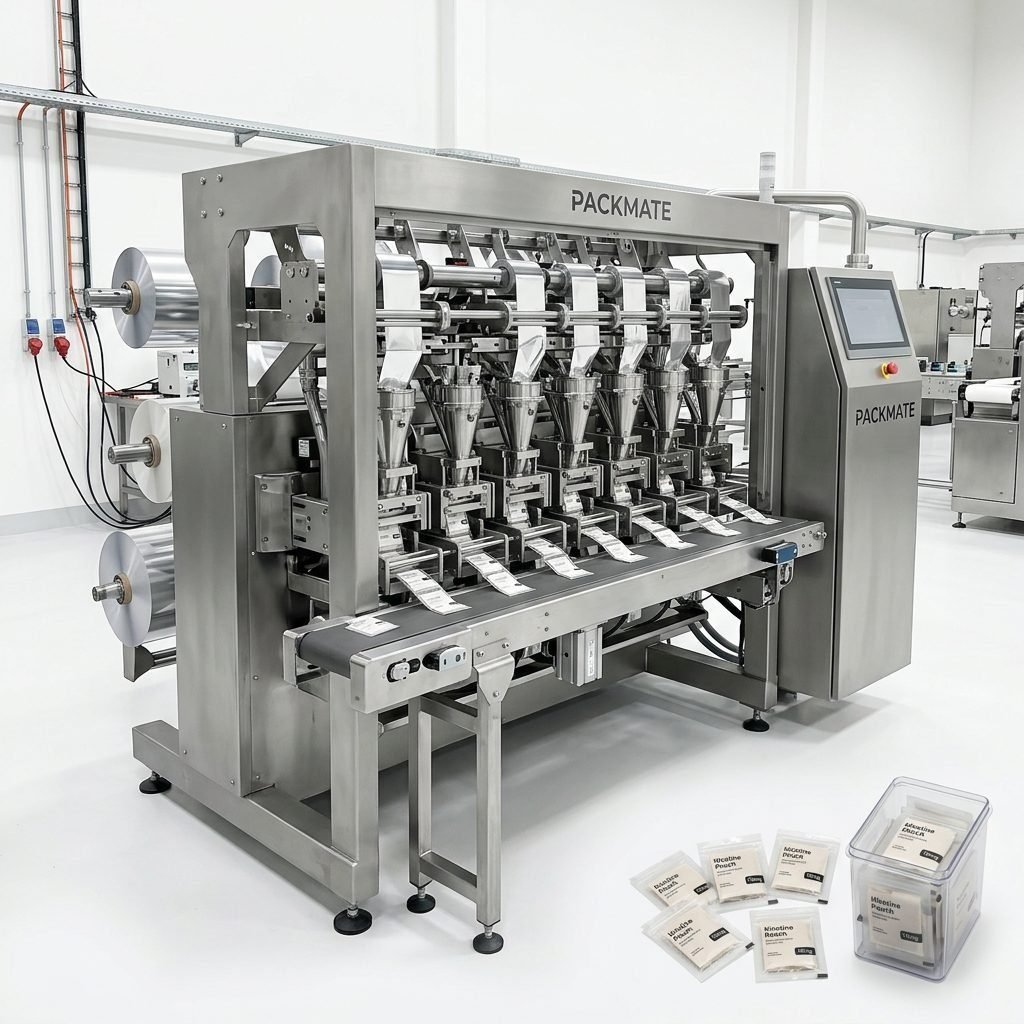
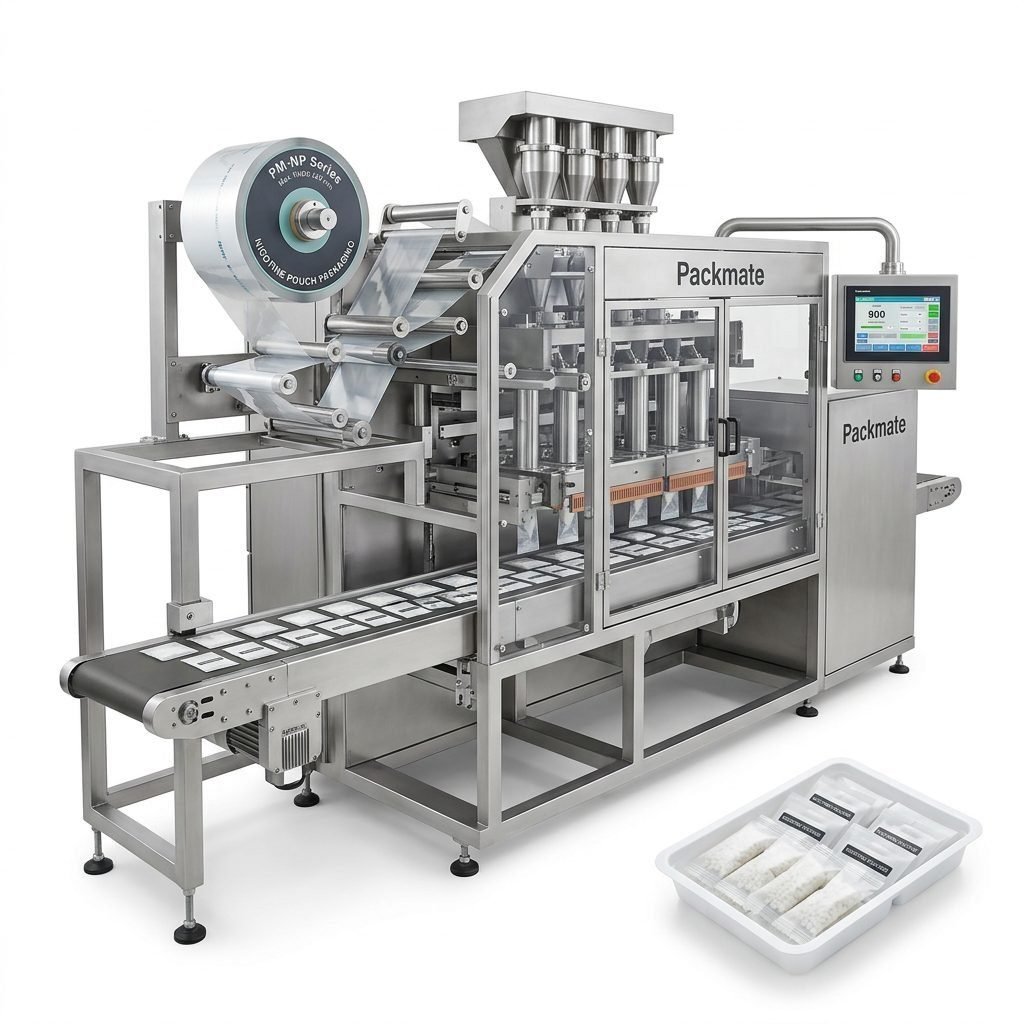
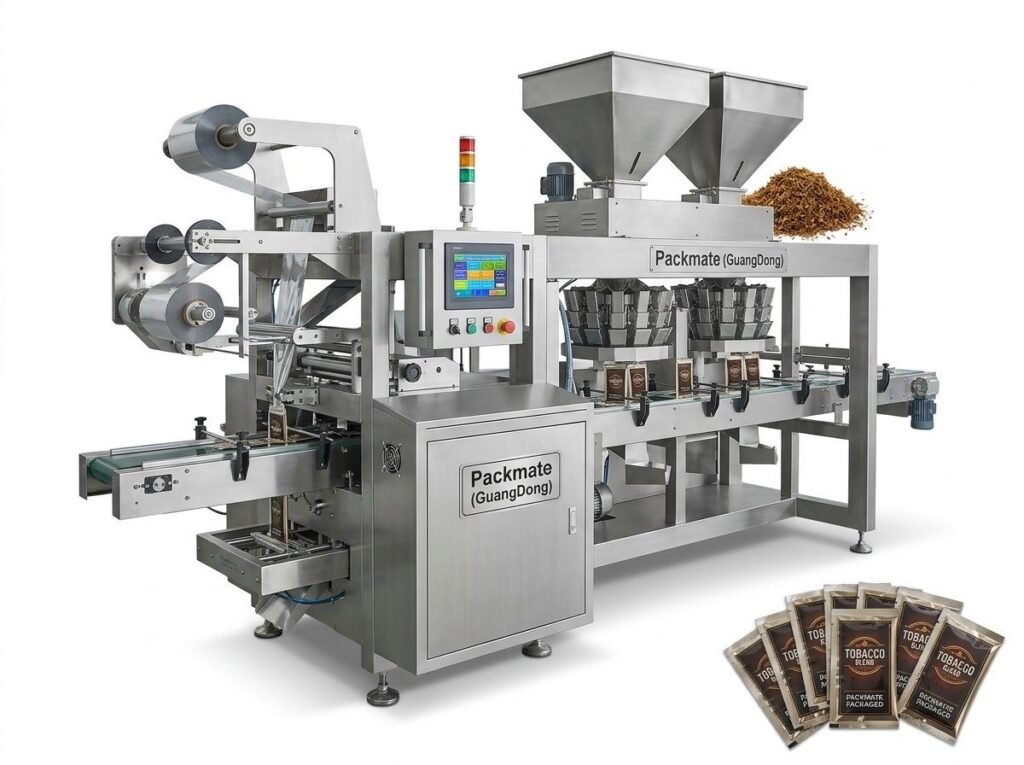
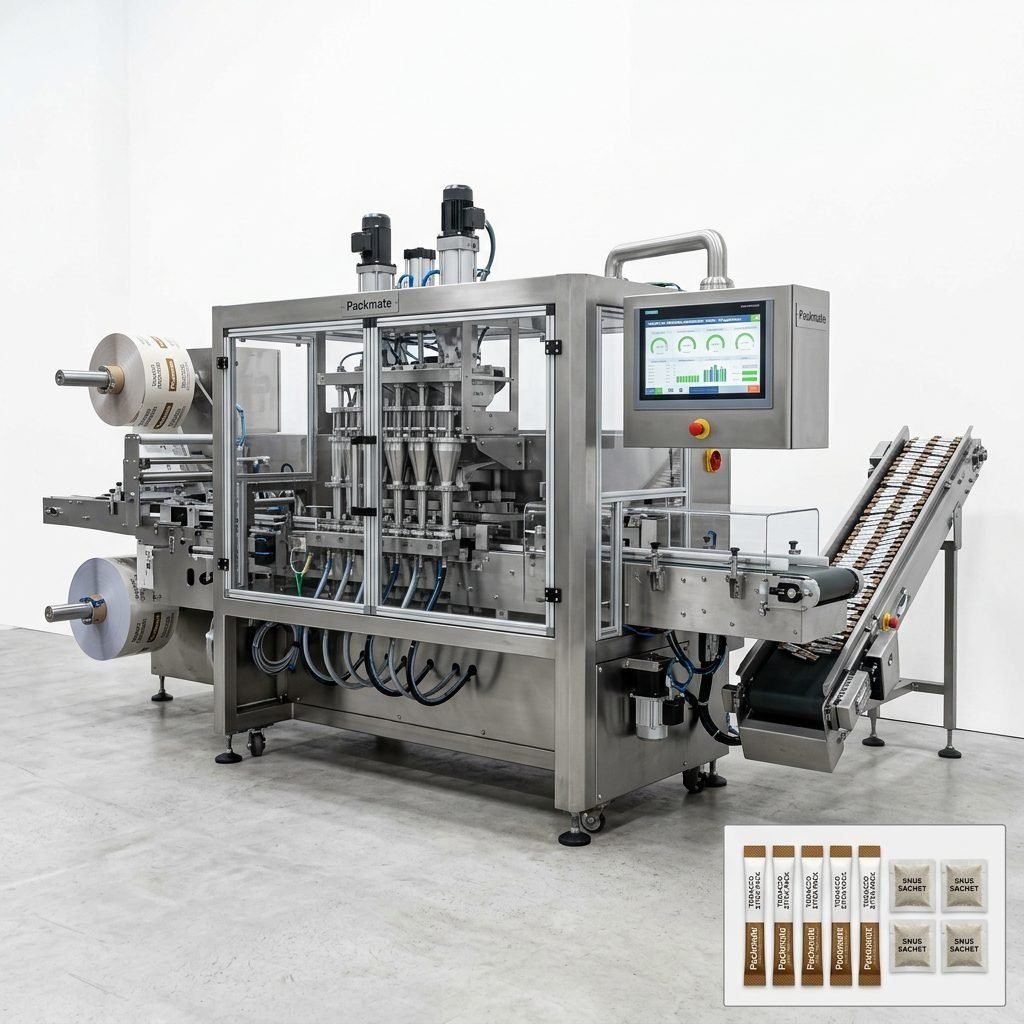
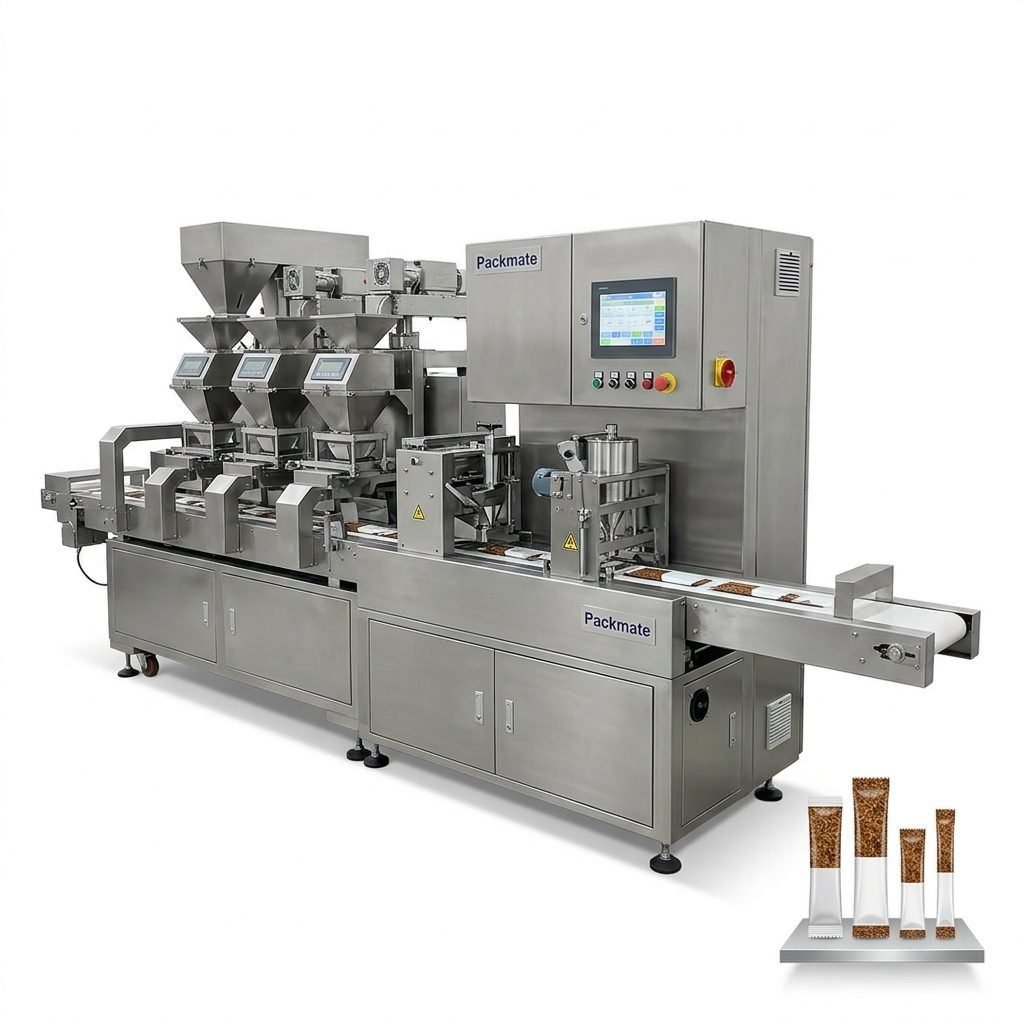
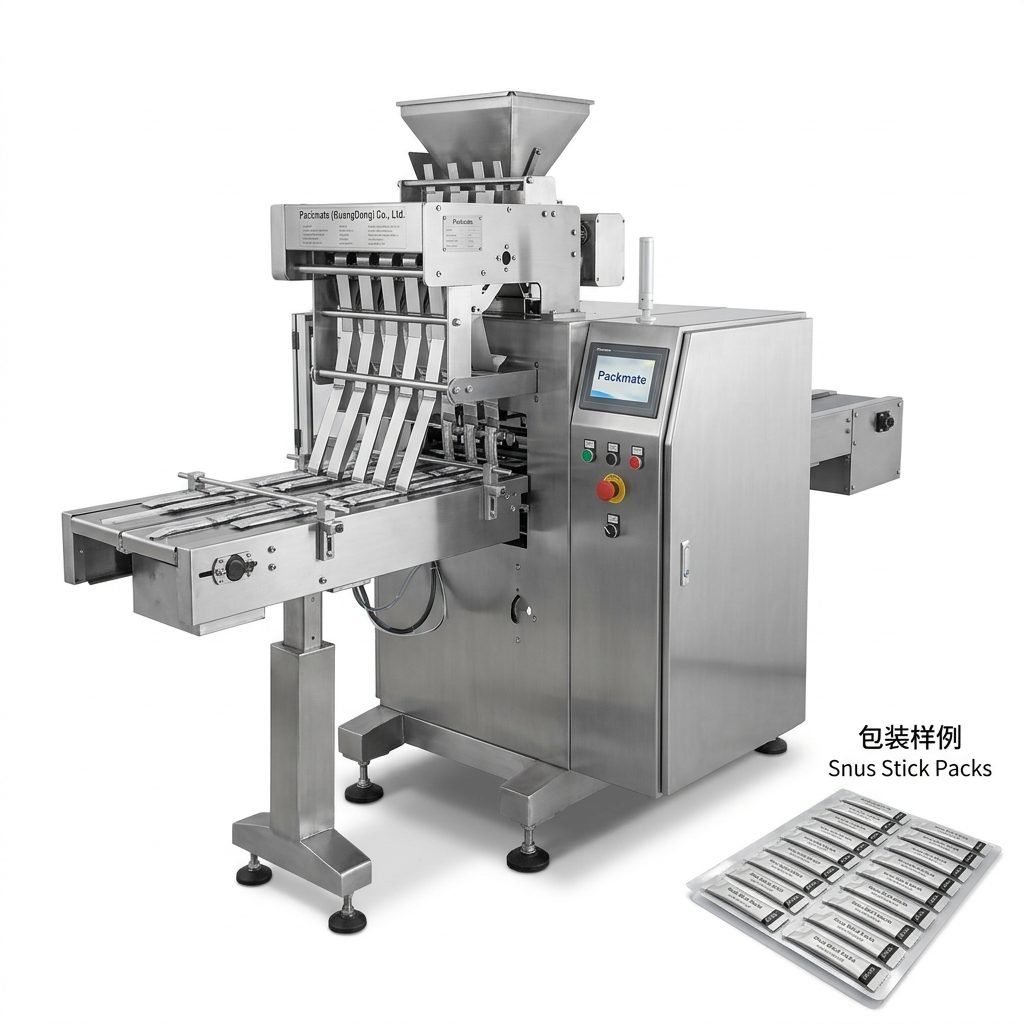
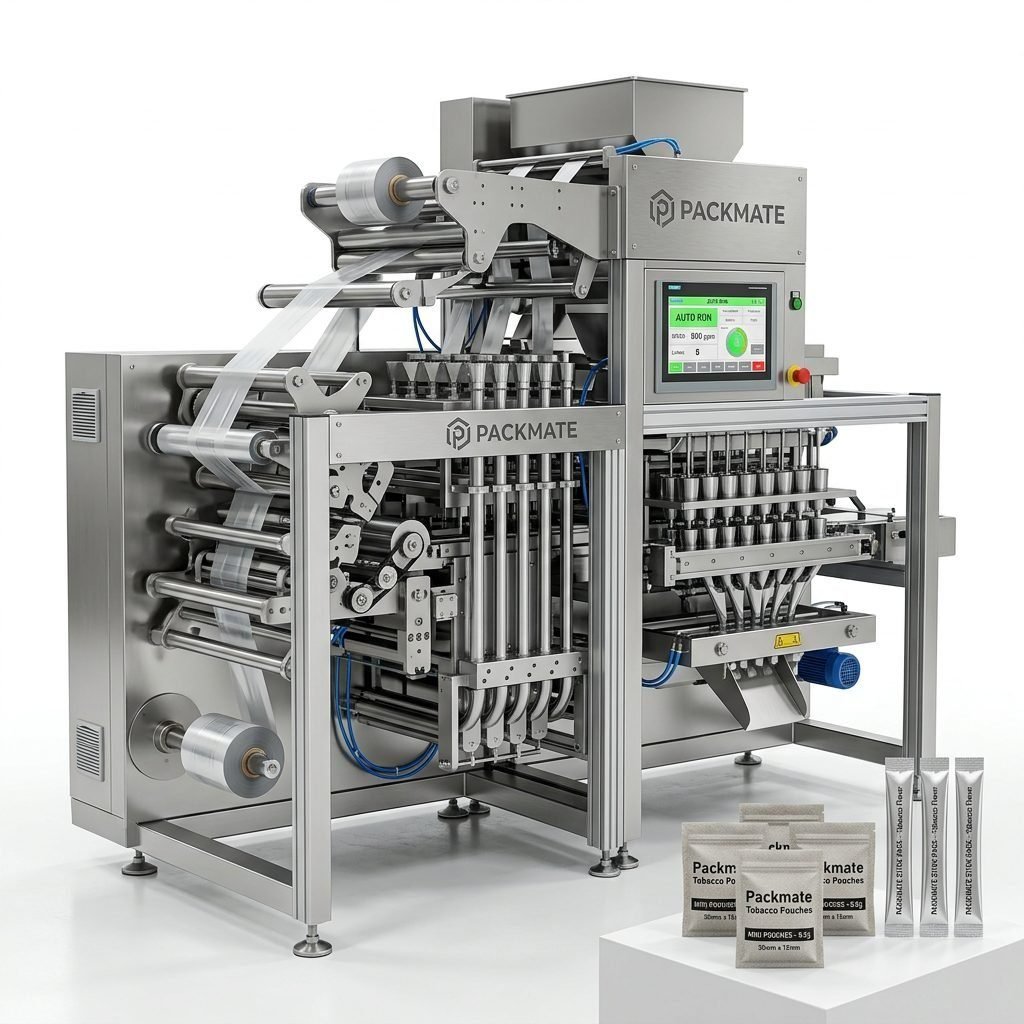
Look for suppliers offering multiple models: single-lane, multi-lane, stick packs, sachets, and complete filling lines. A broad portfolio indicates deeper engineering capabilities. For example, manufacturers that provide specialized Snus & Nicotine Packaging Machines and auxiliary equipment can tailor solutions for throughput and pouch formats.
2. Technical Specifications and Performance Metrics
Compare packaging speed (pouches per minute), lane counts, filling accuracy, and acceptable pouch sizes. Evaluate:
✅ Throughput vs. footprint: Multi-lane machines increase output without a linear increase in floor space.
✅ Filling accuracy: Look for ± tolerance specs and real-case accuracy data for powders and granules used in nicotine pouches.
✅ Changeover time: Fast, tool-less changeovers reduce downtime for different pouch styles or materials.
3. Manufacturing & Quality Assurance
Inspect the supplier’s manufacturing footprint. Facilities with advanced CNC machining centers, precision assembly lines, and strict quality testing — such as a 20,000㎡ factory — indicate robust in-house capabilities and consistent machine quality. Request evidence of quality control procedures, CE/ISO certificates, and sample test reports.
4. After-sales Support and Spare Parts
After-sales service is critical. Prioritize suppliers who offer:
- On-site installation and commissioning
- Remote diagnostics and training
- Fast spare parts supply and local stocking options in your region
- Clear service contracts and long-term support
Evaluating Supplier Credibility and Track Record
Trustworthy suppliers display case studies, exhibition presence, and global cooperation. Review real-life projects that match your scale and product type. If available, attend live machine demonstrations — either in-person or via virtual showcases — and request references from customers in Europe or similar markets.
Useful links for deeper research include the supplier’s company profile and project references. For instance, see About Packmate and concrete examples in their Case page.
Cost vs. Value: Total Cost of Ownership
The cheapest bid may not be the best choice. Consider total cost of ownership (TCO):
🔧 Maintenance costs: Frequency of service, ease of part replacement, and average MTBF (mean time between failures).
⚡ Energy efficiency: Lower power consumption reduces long-term operating expenses.
📈 Upgrade paths: Can the line be expanded with additional lanes or automation modules as production grows?
Technical Trial and FAT (Factory Acceptance Test)
Insist on a Factory Acceptance Test with real materials. A robust FAT should demonstrate consistent pouch weight, seal integrity, and machine stability for extended runs. If visiting the factory isn’t possible, request a recorded FAT and third-party verification.
Negotiation Tips and Contract Clauses to Protect Your Investment
When negotiating terms, ensure the contract includes:
- Clear delivery schedule, acceptance criteria, and penalty clauses for delays
- Detailed warranty coverage and response times for onsite service in Israel
- Spare parts lead-times and pricing freeze periods
- Training scope and documentation in English and, if needed, Hebrew
Integration with Upstream & Downstream Processes
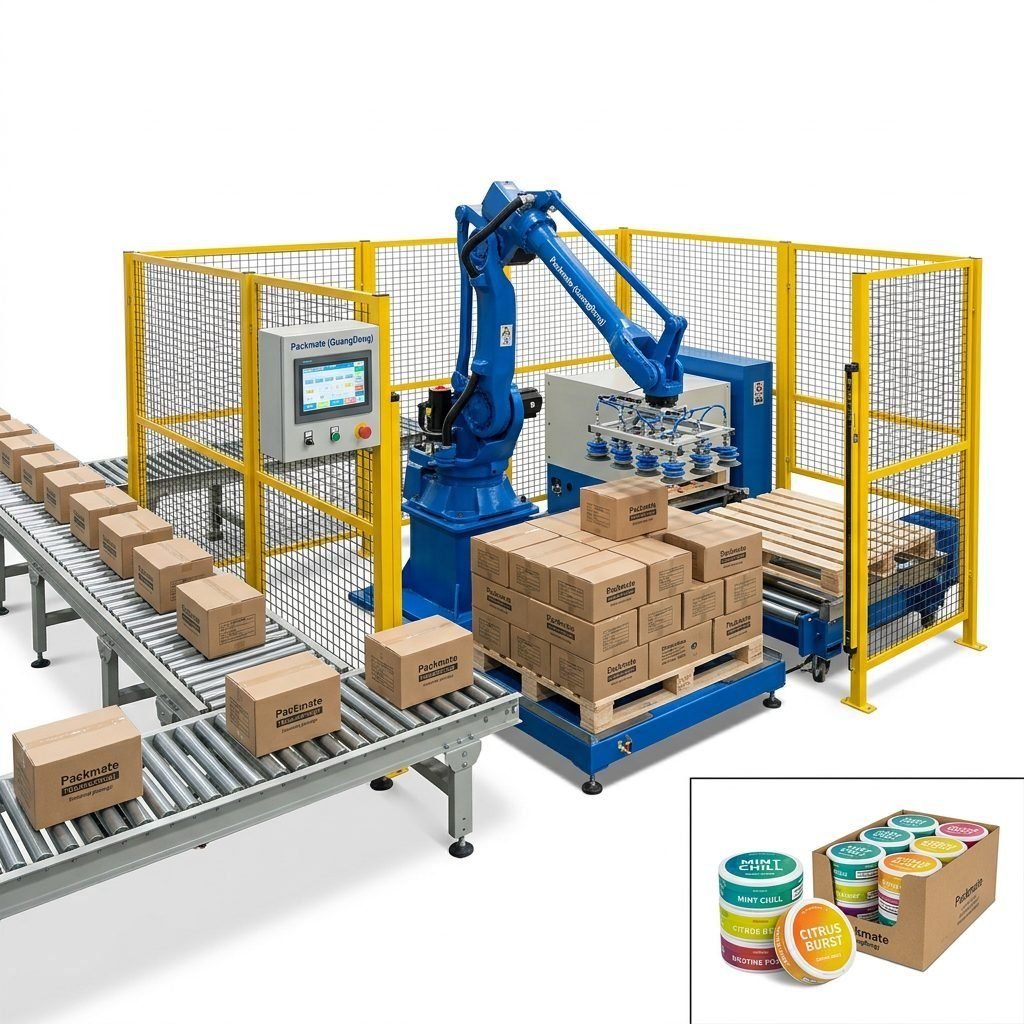
Packaging lines rarely operate in isolation. Check compatibility with your existing weighing, conveying, or cartoning equipment. Suppliers offering full Filling & Packaging Lines and Weighing & Packaging Systems can reduce integration headaches and improve overall OEE.
Inspection Checklist Before Finalizing Purchase
Use this practical checklist during factory visits or video inspections:
- Physical inspection of machine build quality and finish
- Review of CNC and assembly processes (evidence of precision manufacturing)
- Verification of PLC/HMI brands and software support
- Demonstration of changeover and cleaning procedures
- Confirmation of CE/ISO certification documents
- References from clients with similar products or markets
Selecting Between Local Distributor vs. Direct Manufacturer
Both options have merits: local distributors can offer faster spare parts and localized service; direct manufacturers often provide better pricing, deeper customization, and direct engineering support. Evaluate response times, warranty fulfilment and the supplier’s global service network.
How Packmate (Example Supplier) Demonstrates Strong Capabilities
A supplier with over 30 years of engineering experience and a 20,000㎡ manufacturing facility offers tangible advantages: well-established CNC machining, precision assembly, and a portfolio of multi-lane snus machines. If you want to review a full product range, consider exploring Packmate’s Snus & Nicotine Packaging Machines or their Bag & Pouch Packaging Machines.
Factory Visit & Exhibition Strategy
Attend industry exhibitions or schedule a factory visit to watch live demos. Suppliers often showcase reliability and flexibility at trade shows; learn about their global footprint by checking exhibition records and certifications. See the supplier’s exhibition history at Our Exhibition.
Practical Onboarding After Purchase
Successful onboarding includes installation, operator training, spare parts delivery, and performance validation. Ensure training covers routine maintenance, troubleshooting, and best practices for handling nicotine-containing products safely. Confirm a clear escalation path with the supplier and local contacts via their Contact Us page.
💡 Pro tip: Request spare parts kits and predictive maintenance schedules before shipment to minimize downtime when your line goes live.
Final Assessment: Make a Scored Decision
Create a scoring matrix that weighs technical fit, TCO, local support, delivery time, and supplier credibility. Assign higher weight to features that impact product quality and uptime. Use FAT results and reference checks as decisive factors.
Summary Checklist Before Signing
Ensure you have:
- Clear FAT evidence and acceptance criteria
- Agreed warranty and response SLAs for Israel
- Training schedule and documentation language preferences
- Spare parts list with lead-times
- Integration plan for upstream/downstream equipment
Frequently Asked Questions
Q1: How do I verify machine quality before purchase?
A1: Request a Factory Acceptance Test using your materials, check CNC and assembly capabilities, and ask for client references with similar production requirements.
Q2: What are typical support expectations for Israel?
A2: Expect remote support, scheduled on-site commissioning, and clear spare parts logistics. Negotiate SLAs that account for regional shipping times and local working days (Sunday–Thursday).
Q3: Should I buy from a local distributor or direct from the manufacturer?
A3: Choose based on service needs: distributors can speed up parts and service; manufacturers often provide better customization and direct technical support. Evaluate both options using response time and warranty fulfilment criteria.
Q4: Where can I find more product information and catalogs?
A4: Explore detailed machine categories and downloadable materials at the supplier’s product pages such as Snus & Nicotine Packaging Machines and the Catalog.
Q5: How do I check regulatory compliance for nicotine pouch packaging in Israel?
A5: Work with suppliers experienced in international certification (CE/ISO) and request documentation and guidance for local labeling, safety information, and import compliance.