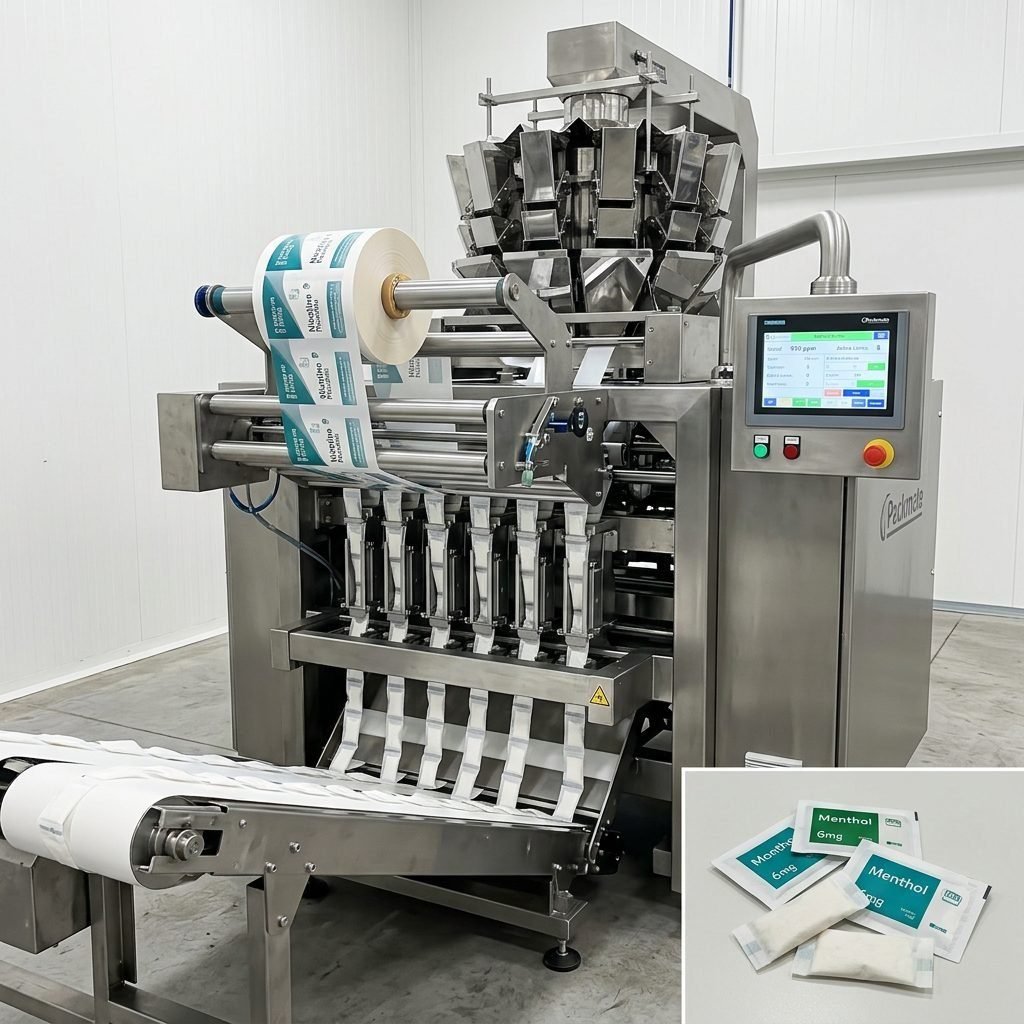
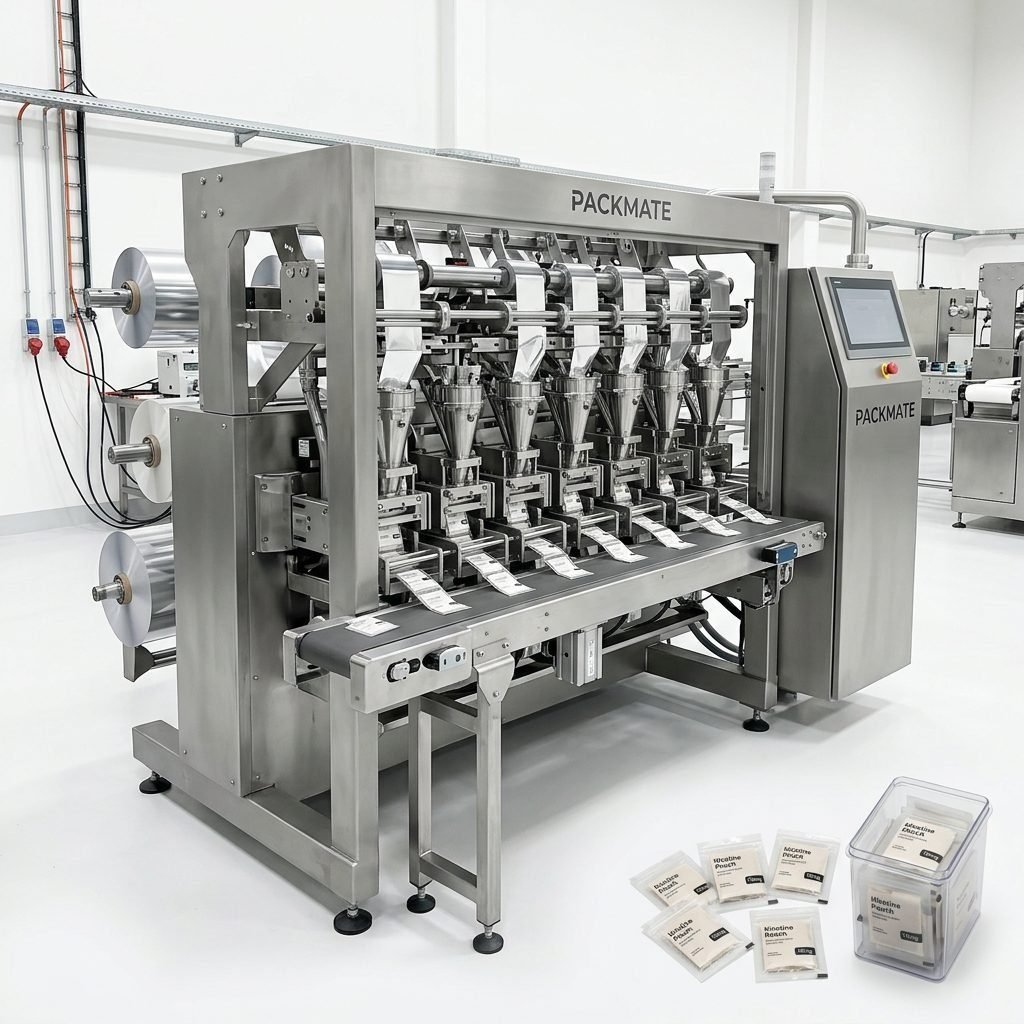
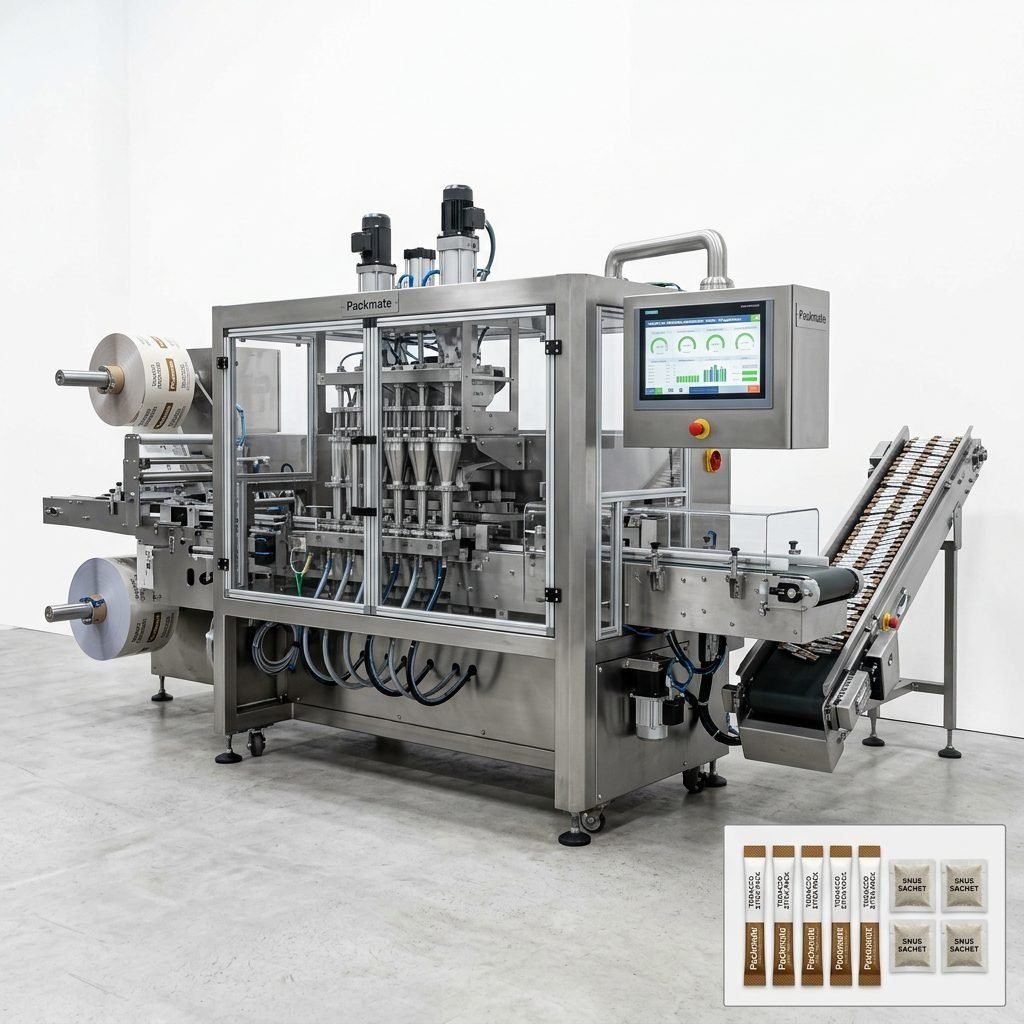
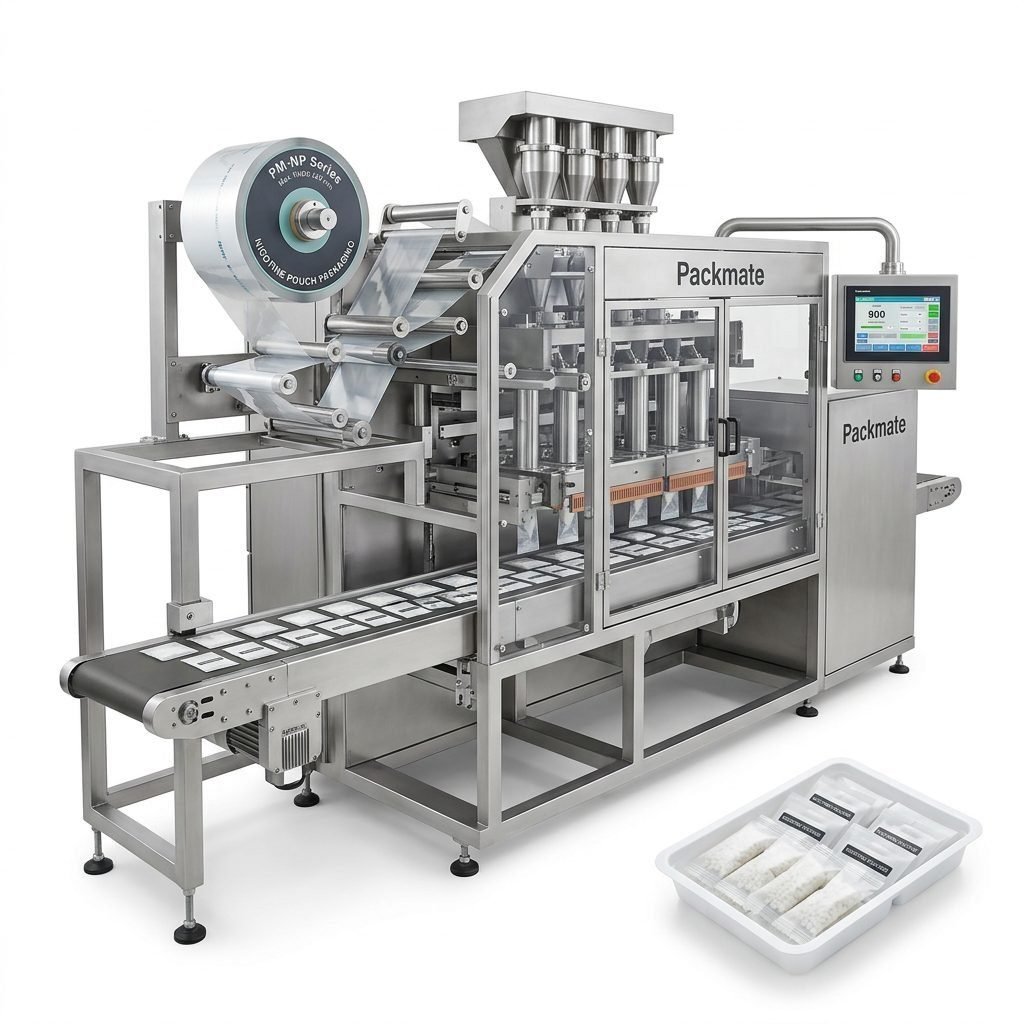
Choosing the right snus packaging machinery manufacturer for a Canadian factory is a strategic decision that affects product quality, regulatory compliance, and long-term profitability. In this guide you will learn how to evaluate manufacturers, what technical and commercial criteria matter most in Canada, and how to ensure smooth installation and reliable after-sales support. Follow these practical steps to find a partner who understands snus and nicotine pouch production, Canadian bilingual requirements, and the seasonal and logistical realities of operating in Canada.
Understand the Canadian Market & Regulatory Context
📌 Canada has a unique market profile: consumers increasingly prefer smoke-free nicotine formats, and provinces may apply additional rules on sales and packaging. When selecting a manufacturer, prioritize suppliers who understand federal and provincial compliance, labeling needs (including bilingual English/French), and ingredient traceability. A good manufacturer can help you design packages that meet labelling laws and health warning requirements while preserving brand appeal.
✅ Look for manufacturers who can provide documentation and design guidance for compliance. Ask if they have experience supplying clients in Canada, or if they support documentation that helps with regulatory filings and import clearance. Local language support for manuals and control interfaces is a real advantage — bilingual documentation (EN/FR) reduces errors in operation and maintenance.
Key Technical Criteria: What Your Factory Needs
🔧 Technical specifications should match your product, production volume, and future growth plans. For snus and nicotine pouches, pay attention to fill accuracy, pouch format flexibility (single-portion pouches, multi-lane capabilities), sealing quality, and hygiene standards.
Core technical must-haves:
• High-precision dosing and weighing to ensure consistent nicotine content and regulatory compliance
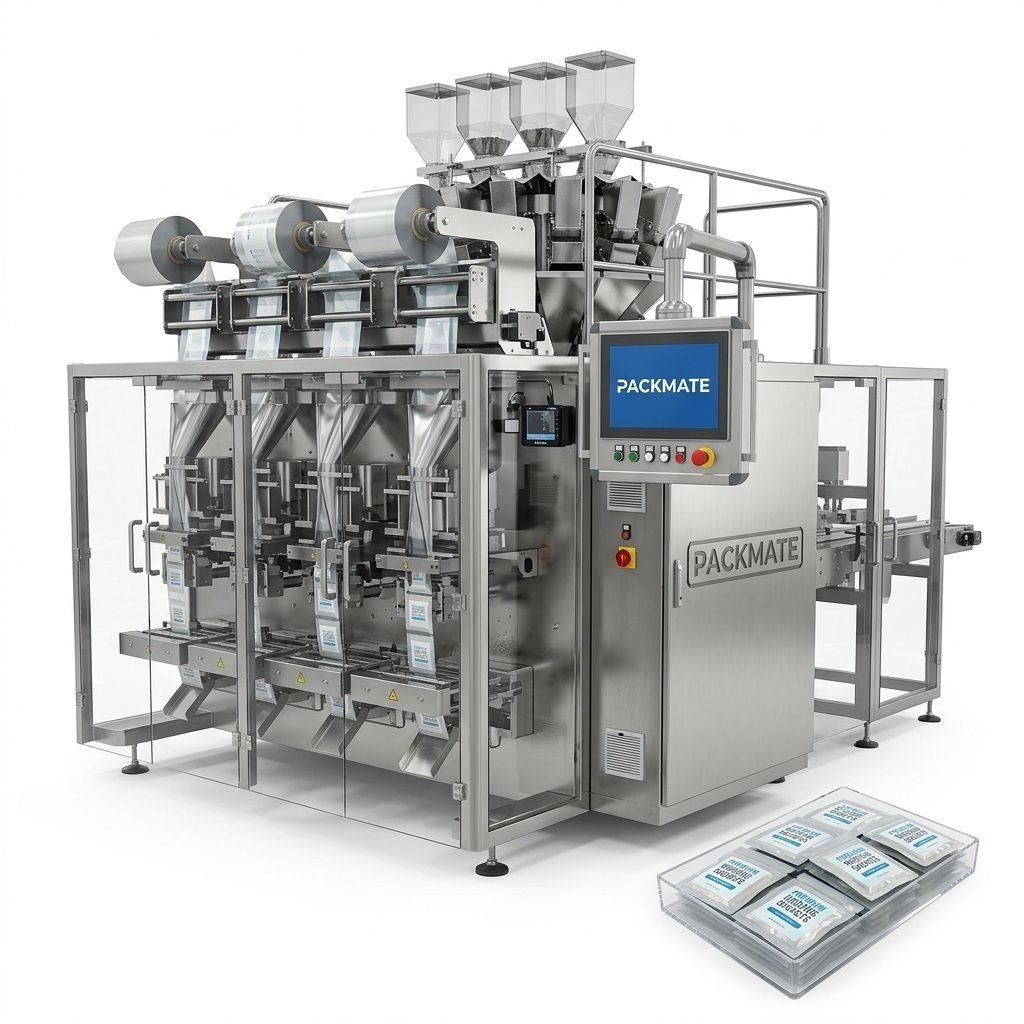
• Multi-lane systems for small-dose pouch efficiency and scalability
• Food-grade stainless steel contact parts, easy-to-clean surfaces and CIP-compatible designs
• Reliable sealing technologies to maintain product freshness and tamper-evidence
• User-friendly PLC/HMI with multilingual support and recipe storage for quick changeovers
Production Capacity & Flexibility
If your Canadian operation plans high SKU variability, prioritize modular machines that support rapid format changeovers. Multi-lane packaging lines are especially valuable for small pouch formats and can significantly increase output without a larger footprint. Evaluate throughput (pouches per minute), lane count, and the upgrade path to higher speeds.
Manufacturer Credentials & Factory Capabilities
📄 Verify certifications and manufacturing strength. International standards like CE and ISO demonstrate baseline quality and safety practices. For Canadian markets, also ask about conformity to local electrical and safety standards; some customers prefer manufacturers who can support CSA or UL certifications through partners or documentation.
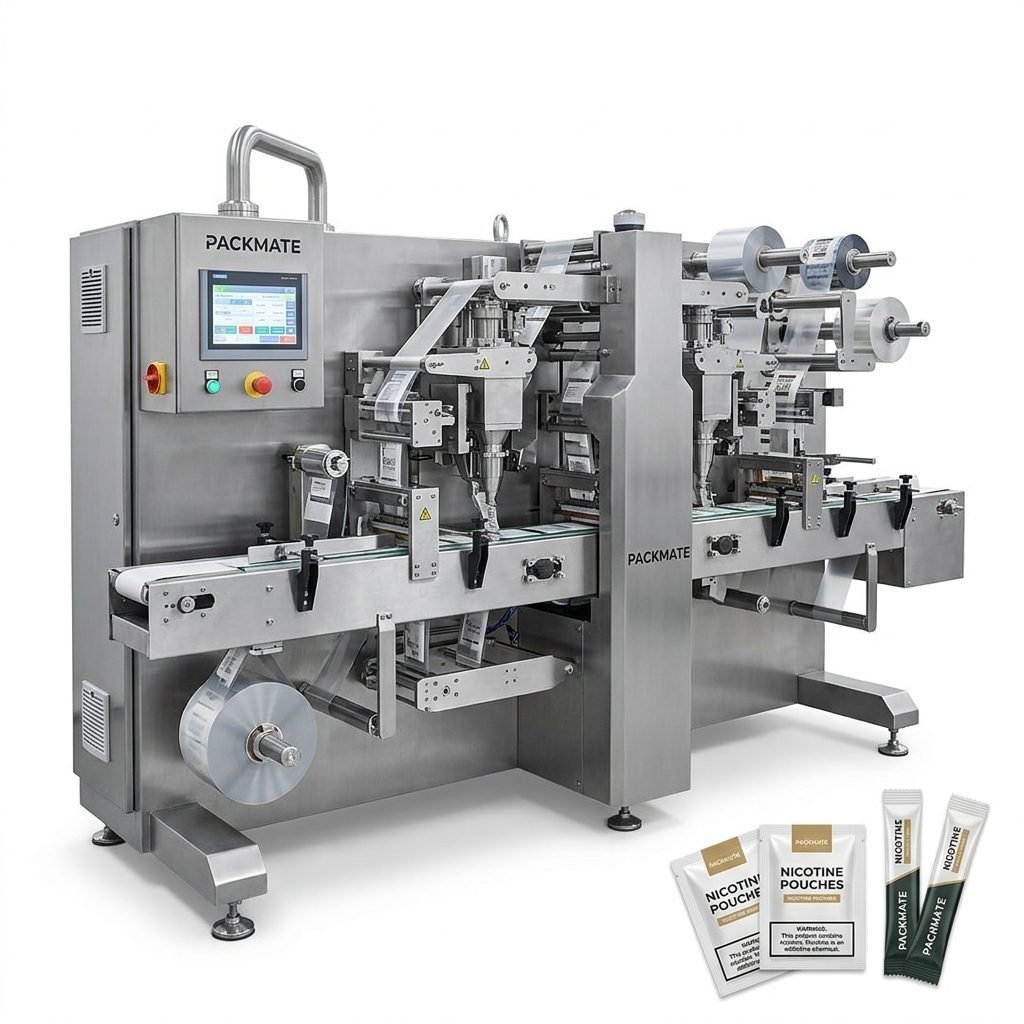
Packmate Snus Machine, for example, emphasizes more than 30 years of engineering experience, a 20,000㎡ manufacturing facility, and 50+ machine models — all indicators of scale and manufacturing maturity. Choosing a manufacturer with a robust factory and CNC capability reduces customization lead times and ensures spare parts availability.
Factory Visits, Quality Control & Traceability
📌 Whenever possible, arrange a factory visit or request a virtual factory tour. Inspect their assembly lines, CNC centers, testing procedures and quality records. A manufacturer with strict quality testing and a clear development timeline (R&D → prototyping → FAT) will deliver machines with better longevity and predictable performance.
Red flags to avoid:
• No documented factory tour or unclear testing procedures
• Limited spare parts inventory or long custom-part lead times
• Poor traceability of batches and components
After-sales Support: The Canadian Reality
📞 After-sales service is critical for minimizing downtime. For Canadian factories, local or regional support partners shorten response times and reduce the cost of travel for technicians. Confirm availability of remote diagnostics, spare parts warehousing, and training programs for your staff.
🔧 Good suppliers offer structured support: onsite commissioning, operator & maintenance training, preventative maintenance plans, and fast spare parts delivery. Check references and case studies to learn how the manufacturer handled emergency breakdowns and upgrades for other clients.
You can review real-world examples and case histories at Packmate’s case page to evaluate service performance and installation results: Case.
Commercial Terms: Cost, Lead Time & Total Cost of Ownership
💰 Price is important, but the lowest upfront cost often leads to higher lifecycle expenses. Evaluate the total cost of ownership (TCO): energy consumption, spare parts cost, maintenance intervals, downtime statistics, and upgrade options.
⏱️ Lead times are critical, especially if you need to align machine delivery with facility readiness, raw material supplies, and product launch windows. Ask the manufacturer for realistic timelines, including engineering, FAT (Factory Acceptance Test), shipping, customs clearance to Canada, and onsite commissioning.
Commercial tips:
• Negotiate spare parts kits and initial training included in the contract
• Request performance guarantees and acceptance criteria in the purchase order
• Confirm warranty scope, response times, and excluded items
Logistics, Climate & Installation Considerations in Canada
🌎 Canada’s geography and climate affect shipping and onsite installation. Cold winters and long transport routes mean you should plan for insulated shipping, careful scheduling around seasonal weather, and experienced local installers who can adapt to site-specific HVAC and utility conditions. Some machine settings or lubricant choices may need adjustment for low-temperature environments.
🔧 Ask whether the manufacturer provides documentation for site utilities, foundation requirements, and environmental controls (humidity, temperature) that are essential to maintain product stability and machine performance in different Canadian provinces.
Testing, FAT, & Validation
📋 A robust FAT (Factory Acceptance Test) validates throughput, sealing integrity, dosing accuracy, and software functionality before shipment. Ask for video documentation of FAT, sample packs created during the test, and a signed FAT report with measurable acceptance criteria.
✅ For regulated products like nicotine pouches, ensure machine validation includes traceable test records and, if needed, IQ/OQ (Installation/Operational Qualification) documentation. This helps during audits and supports quality assurance throughout your Canadian supply chain.
Integration & Turnkey Solutions
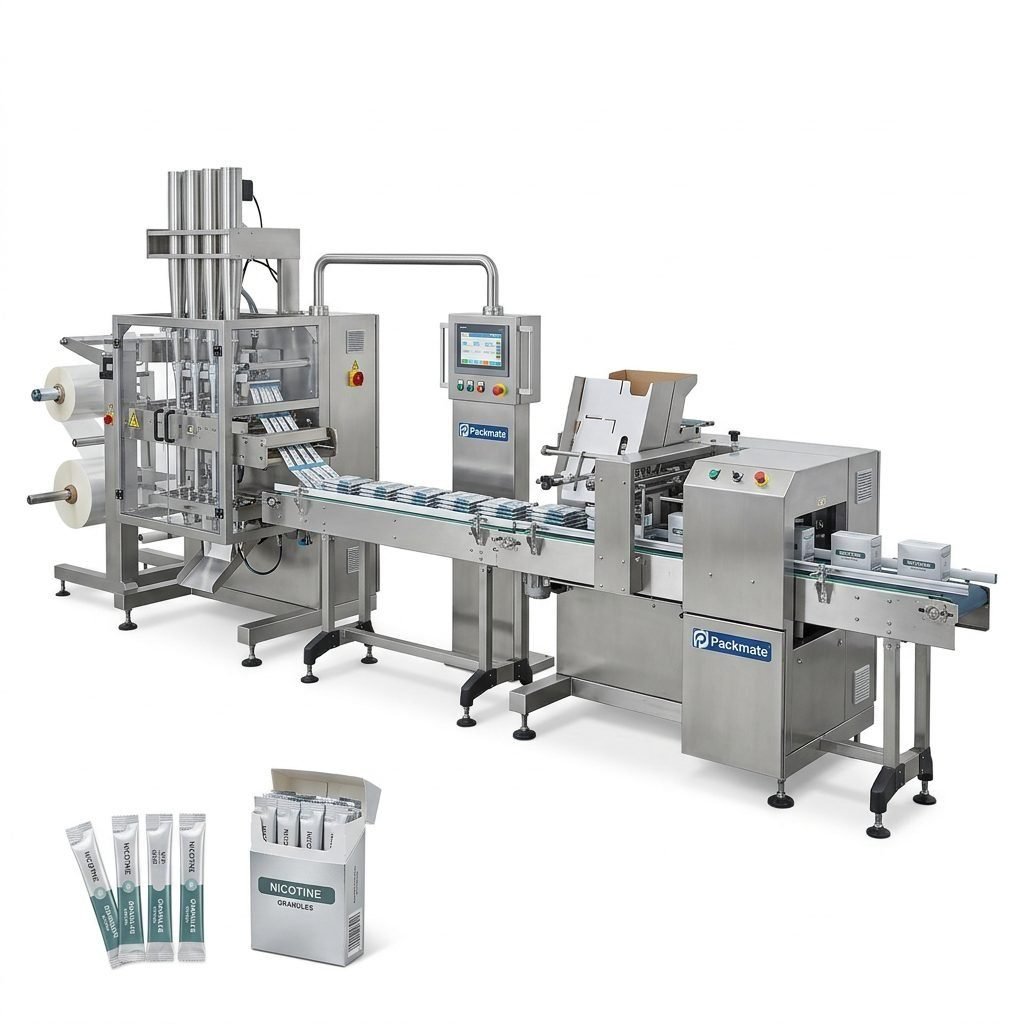
If you need a full production line — from feeding and dosing to packing and case-packing — choose a supplier experienced in turnkey solutions. Integrated lines reduce complexity and improve throughput consistency. You can explore integrated offerings such as filling & packaging lines and weighing & packaging systems at the manufacturer’s product pages: Filling & Packaging Lines and Weighing & Packaging Systems.
Supplier Evaluation Checklist: Ask These Questions
📌 Use this checklist when you evaluate potential suppliers. Document answers and score them to make a fair comparison.
• Can you provide references or installations in Canada or similar markets?
• What certifications do your machines carry (CE, ISO, other)? Can you support local certification needs?
• What is the typical lead time from order to shipment and to onsite commissioning?
• What is included in warranty, training, and spare parts kits?
• Do you offer bilingual documentation and HMI interfaces (English/French)?
Why Packmate Might Be a Strong Candidate
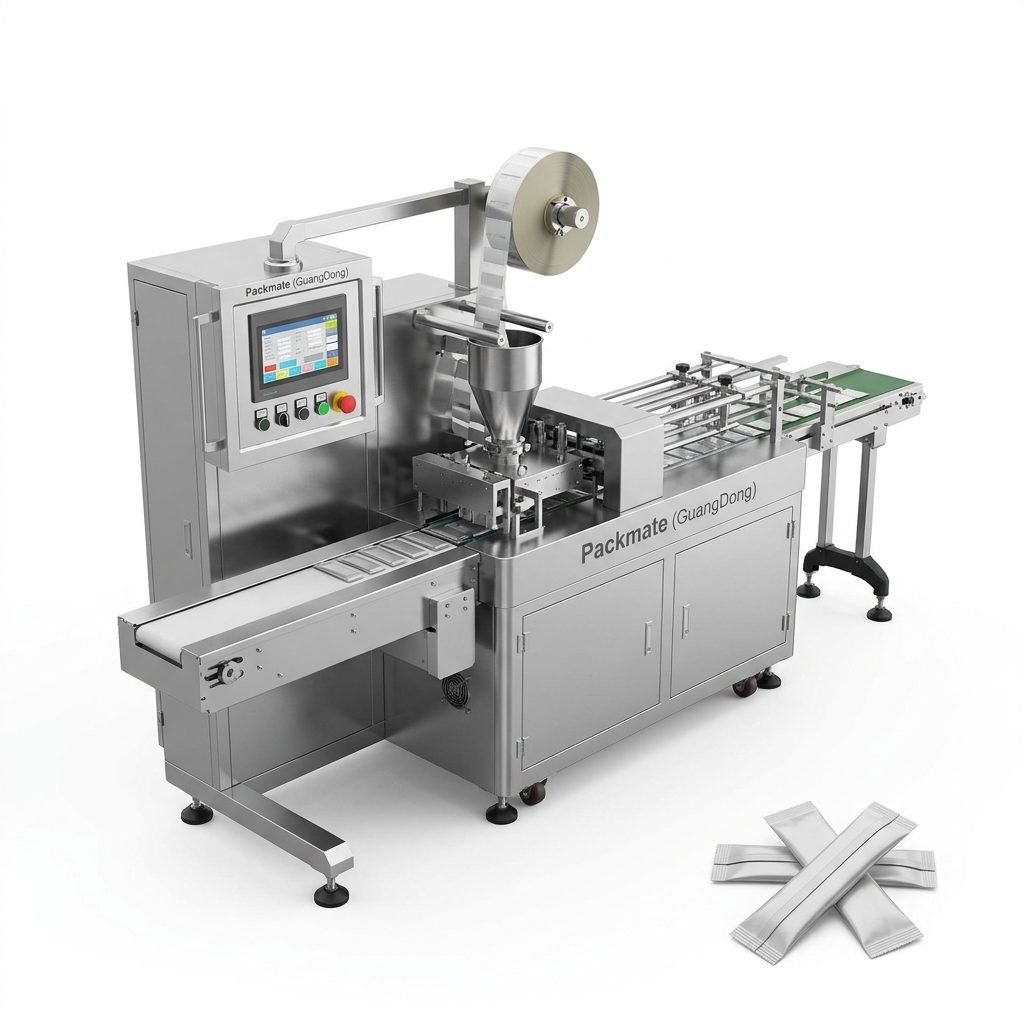
📌 Packmate Snus Machine brings a combination of long engineering history and specialized product lines for snus and nicotine pouches. Their portfolio includes snus packaging machines, stick pack and sachet systems, and modular multi-lane solutions ideal for small-dose production.
Explore Packmate’s snus and nicotine packaging solutions to see machine families and capabilities: Snus & Nicotine Packaging Machines. For broader product categories, including auxiliary equipment, visit Auxiliary Packaging Equipment.
They emphasize factory strength (20,000㎡), over 30 years of experience, and more than 50 machine models — factors that reduce customization risk and improve spare parts availability. Always confirm site references and request FAT reports for machines similar to the ones you plan to buy.
Decision Roadmap: From Shortlist to Purchase
1) Shortlist 3–4 suppliers based on technical fit and Canadian experience.
2) Request quotes with detailed scopes, FAT criteria, and TCO analysis.
3) Review references and verify factory capabilities (visit or virtual tour).
4) Negotiate terms: warranty, spare parts, training, acceptance tests, delivery timelines.
5) Finalize purchase order with clear acceptance criteria and service SLA.
Contract Tips
🔐 Ensure contracts include measurable acceptance criteria, penalty clauses for missed milestones, and a clear definition of spare parts delivery times. Include clauses for remote support and escalation paths to reduce downtime risk.
If you want to learn more about the manufacturer history and commitments, review their company overview here: About Packmate, and contact them for detailed specifications: Contact Us.
Final Considerations for Canadian Factories
Canada’s bilingual requirements, provincial regulations, and logistical realities make supplier selection nuanced. Prioritize manufacturers who demonstrate regulatory knowledge, provide bilingual documentation, have robust quality systems, and offer strong after-sales support or local partnerships in North America.
🔎 Remember: the best manufacturer for your factory is not necessarily the cheapest vendor. Choose a partner that reduces risk, shortens downtime, and accelerates your time-to-market with reliable packaging solutions designed for snus and nicotine pouches.
Useful Resources
• Explore product catalogs to match format and capacity: Catalog.
• See exhibitions and live demos to evaluate machine performance: Our Exhibition.
• For typical questions and technical clarifications, check the FAQ: FAQs.
Frequently Asked Questions
Q1: How long does it take to get a snus packaging line installed in Canada?
Typical timelines range from 12–24 weeks including engineering, FAT, shipping, customs clearance, and onsite commissioning. Timelines depend on customization and spare parts availability.
Q2: Do manufacturers provide bilingual (English/French) documentation and HMI?
Many experienced suppliers can provide bilingual manuals and HMI configuration. Confirm language support in the purchase order to ensure operators and maintenance staff have appropriate documentation.
Q3: What certifications should I expect?
Look for CE and ISO as baseline certifications. Discuss local compliance needs (electrical/safety) and whether the manufacturer can support additional certifications or provide documentation for Canadian import and regulatory processes.
Q4: How is spare parts support typically handled?
Good manufacturers supply an initial spare parts kit, recommended stocking levels, and options for regional warehousing or direct shipping. Negotiate lead times and emergency part options into the contract.
Q5: Where can I see real examples of installed lines?
Ask the supplier for case studies and client references, and request videos or documentation of similar installations. You can review industry case pages for real-world examples to assess performance and support history.