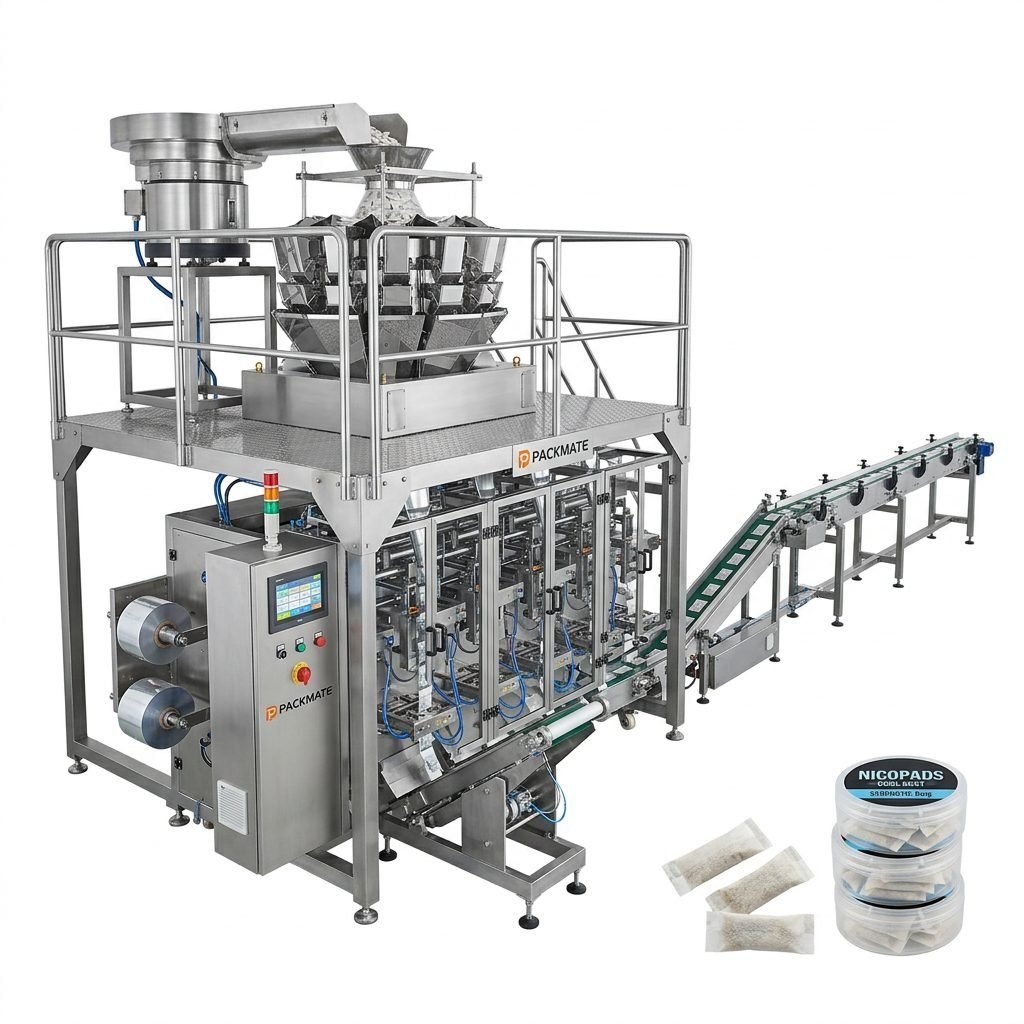
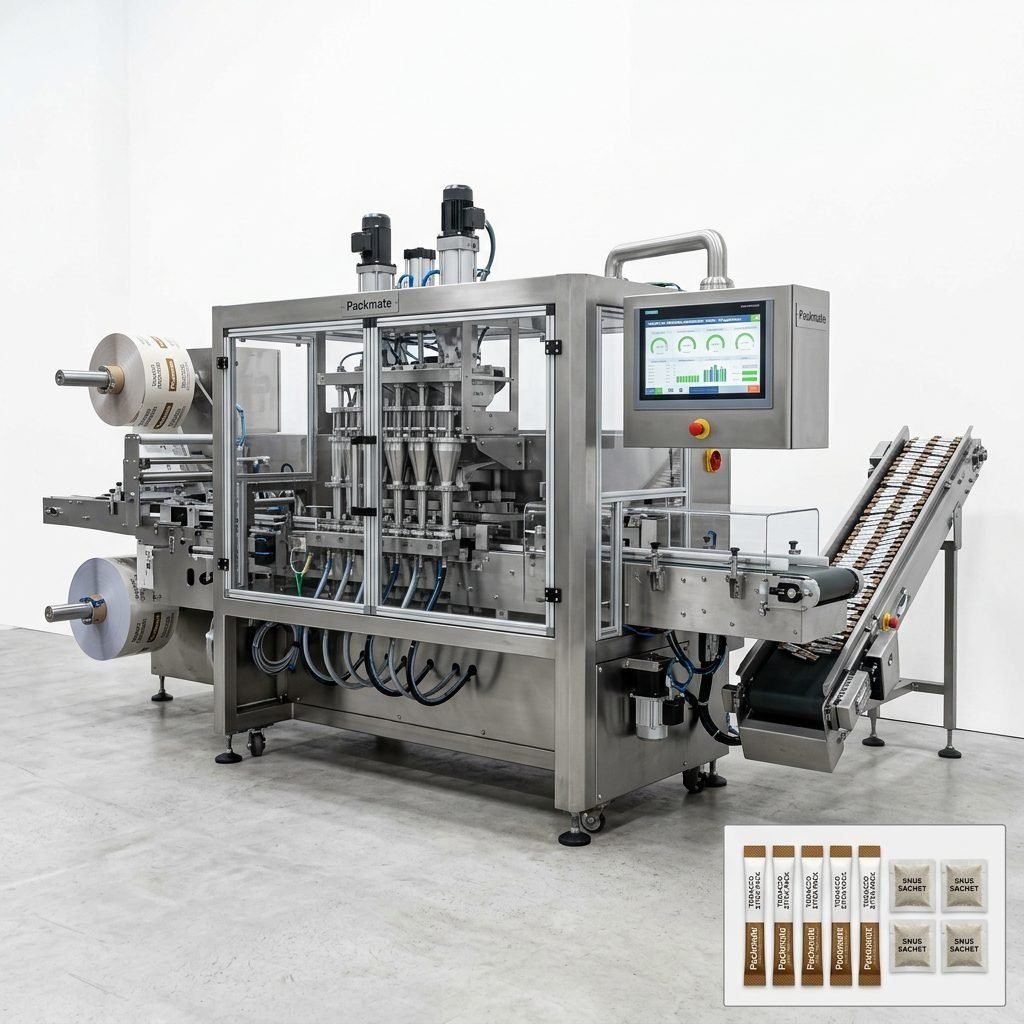
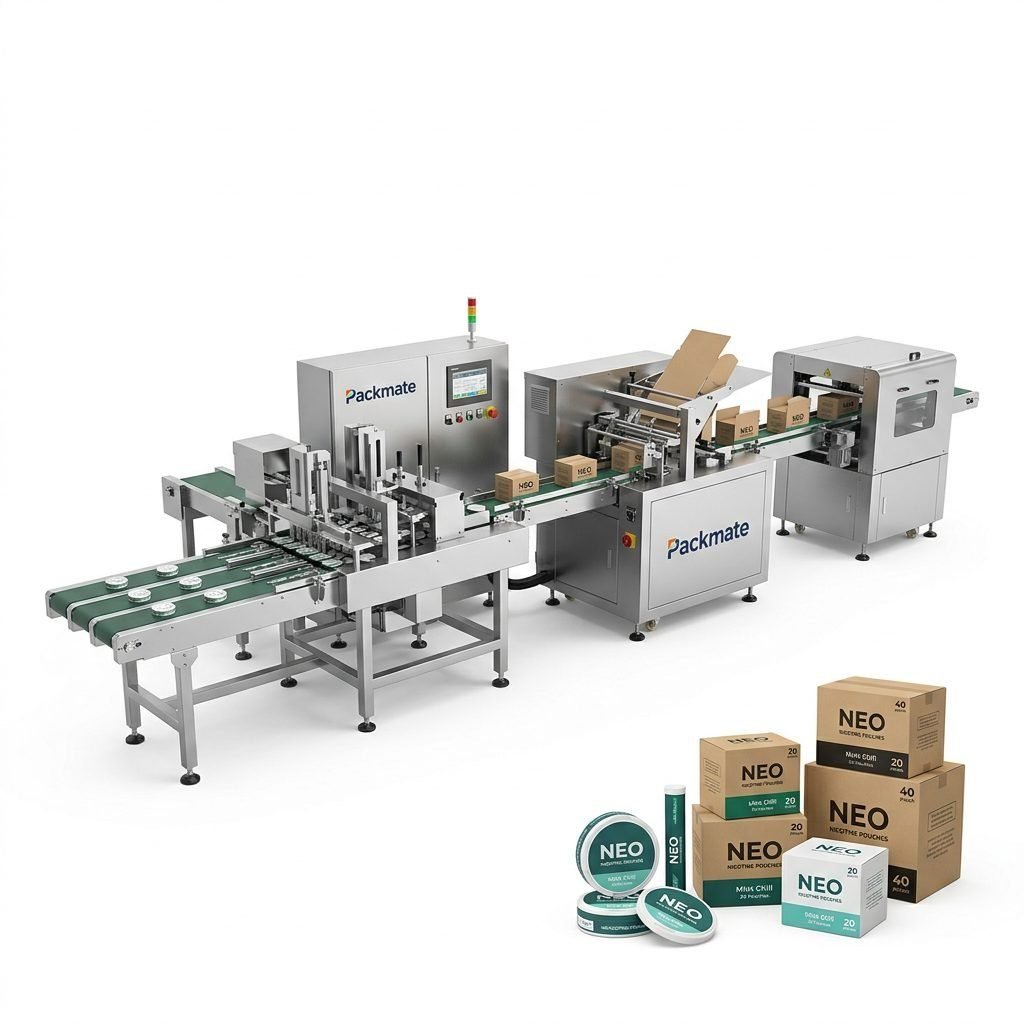
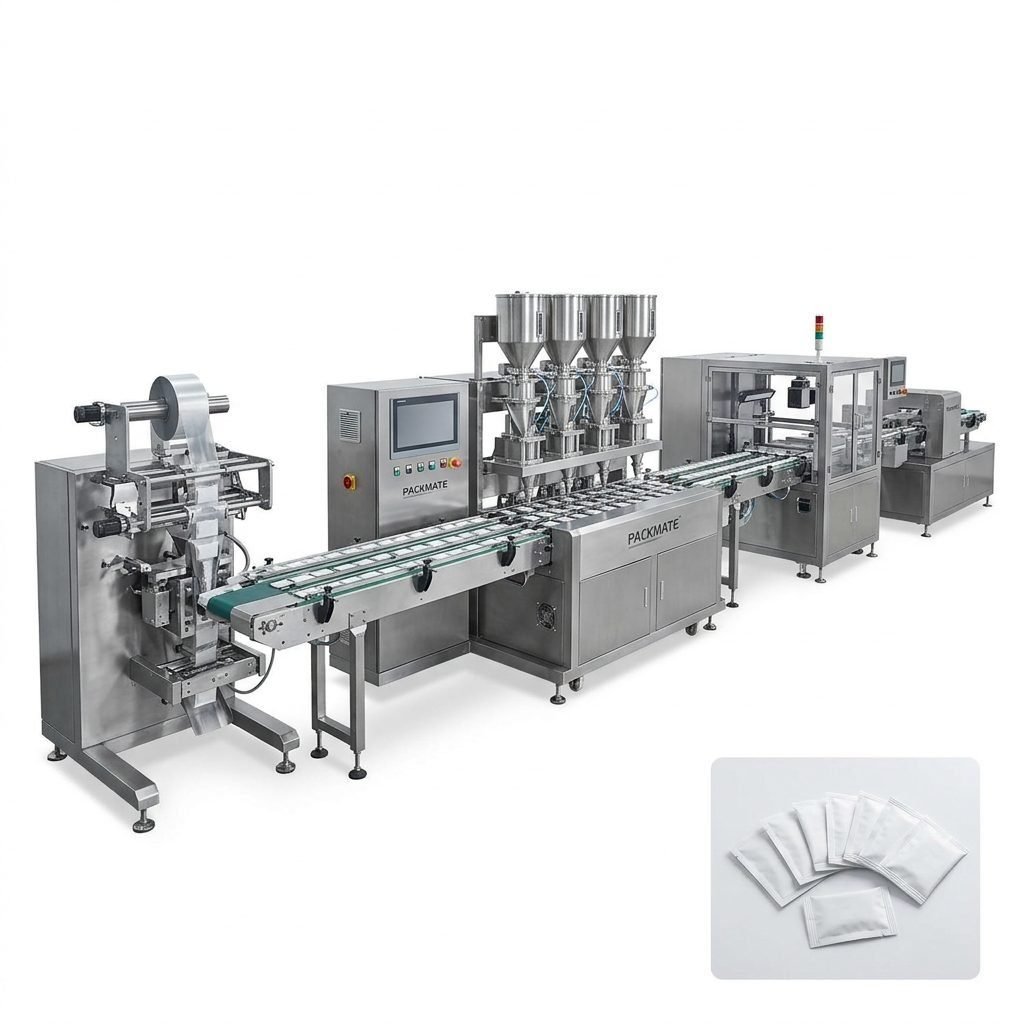
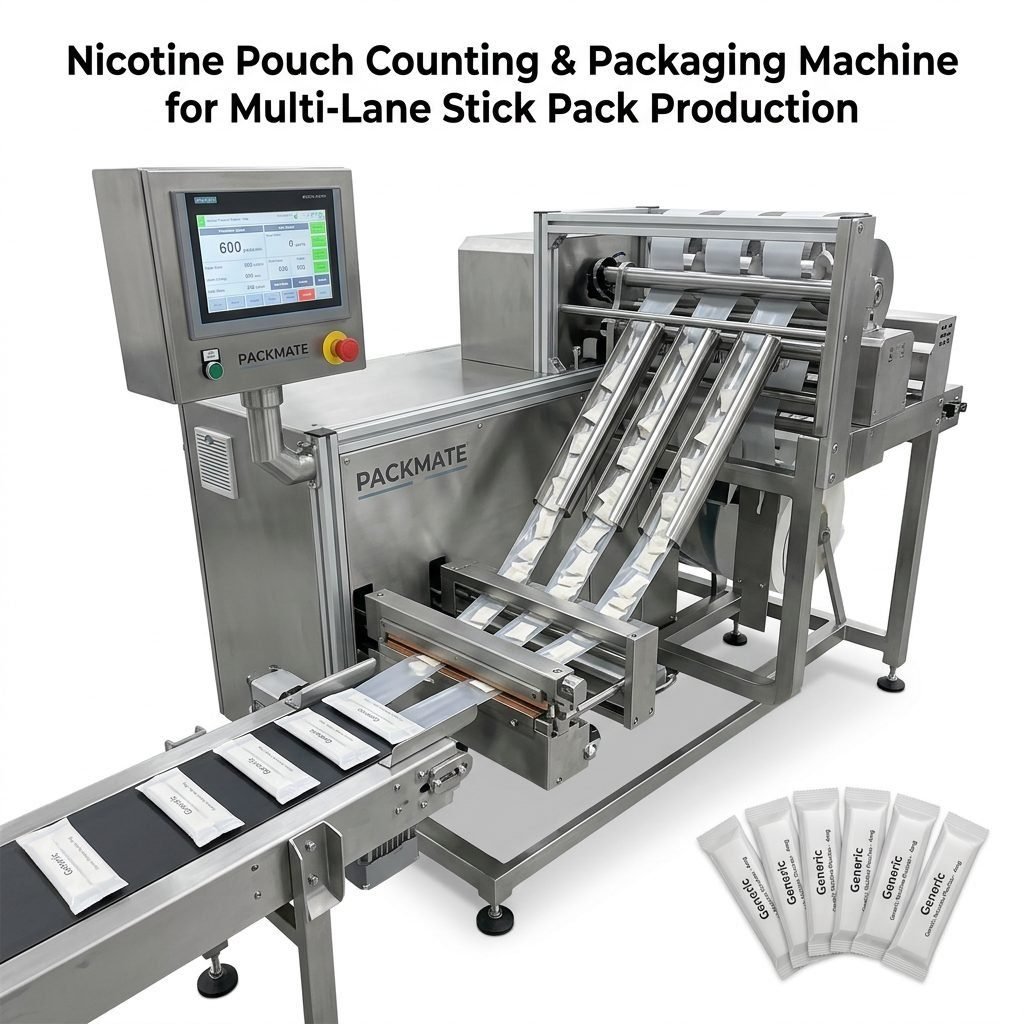
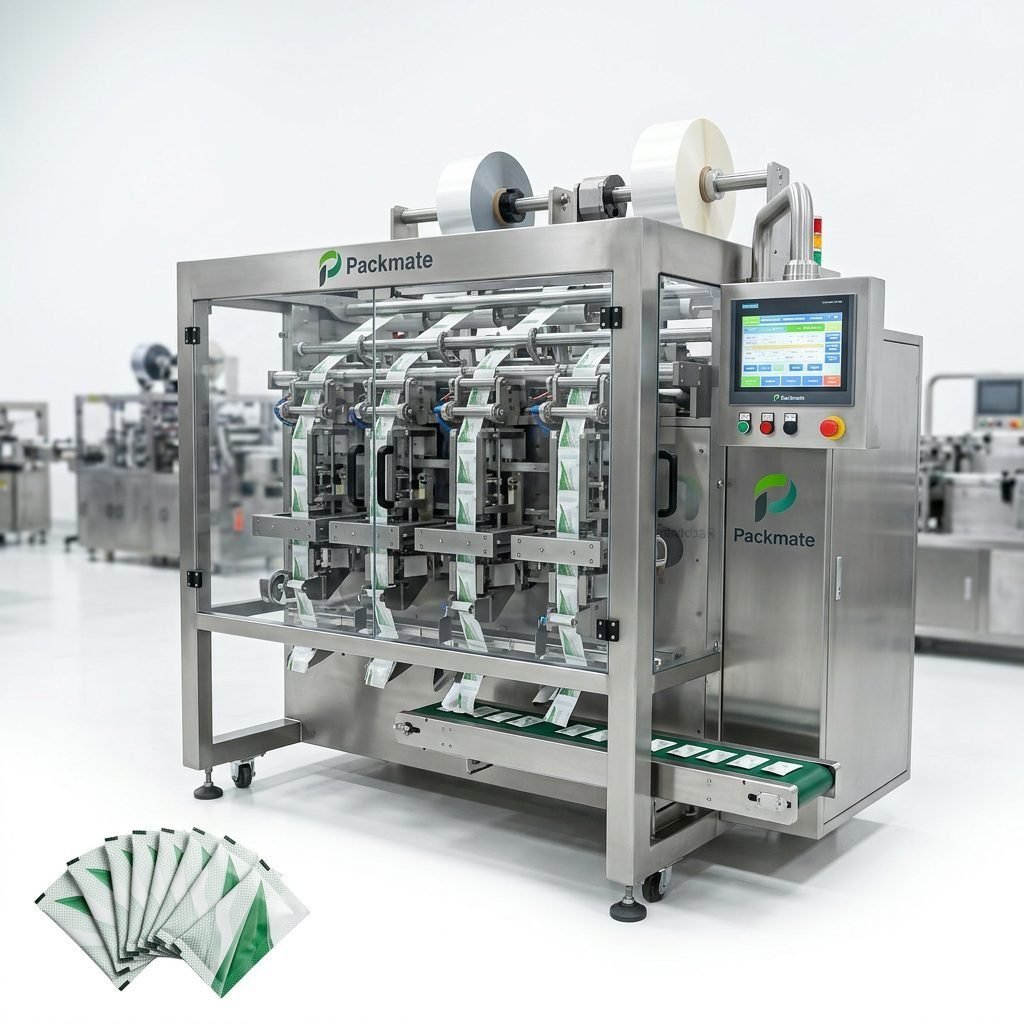
Choosing the right snus packaging machine for your operation in Senegal is a strategic decision that affects product quality, compliance, and long-term profitability. This guide walks you through the practical considerations and selection criteria to ensure you invest in a packaging solution that matches your production goals — from small-batch artisan lines to high-speed multi-lane systems for large-scale nicotine pouch manufacturing.
🔎 Understanding the Snus Market in Senegal
Senegal’s tobacco and nicotine product sector is evolving, with increasing demand for well-packaged snus and nicotine pouches. Market entrants and established producers must balance regulatory compliance, local consumer preferences, and cost control. When evaluating equipment, consider the full product lifecycle: production, packaging integrity, labeling, and after-sales service.
📦 Core packaging formats to consider
The type of packaging your product requires determines the machine family you should evaluate. Typical formats include:
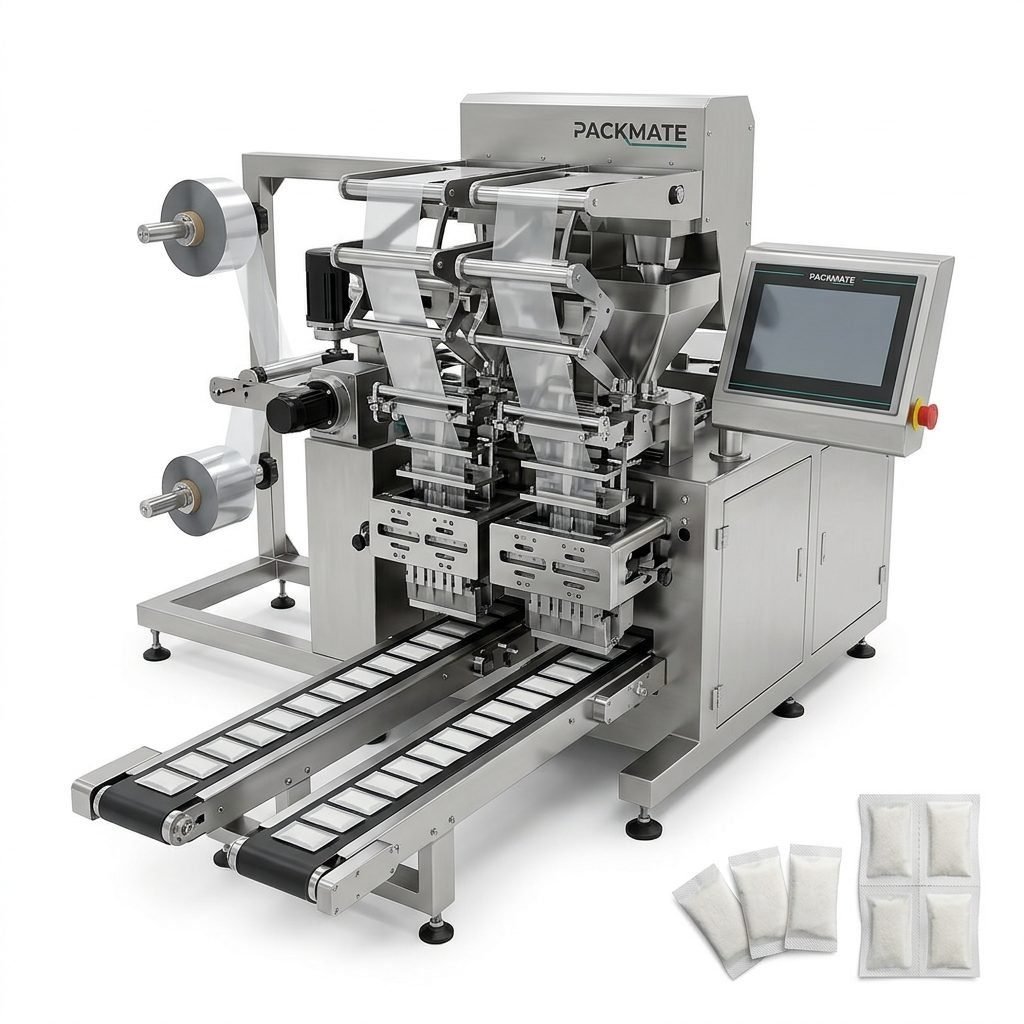
– Stick packs and single-portion sachets for individual doses.
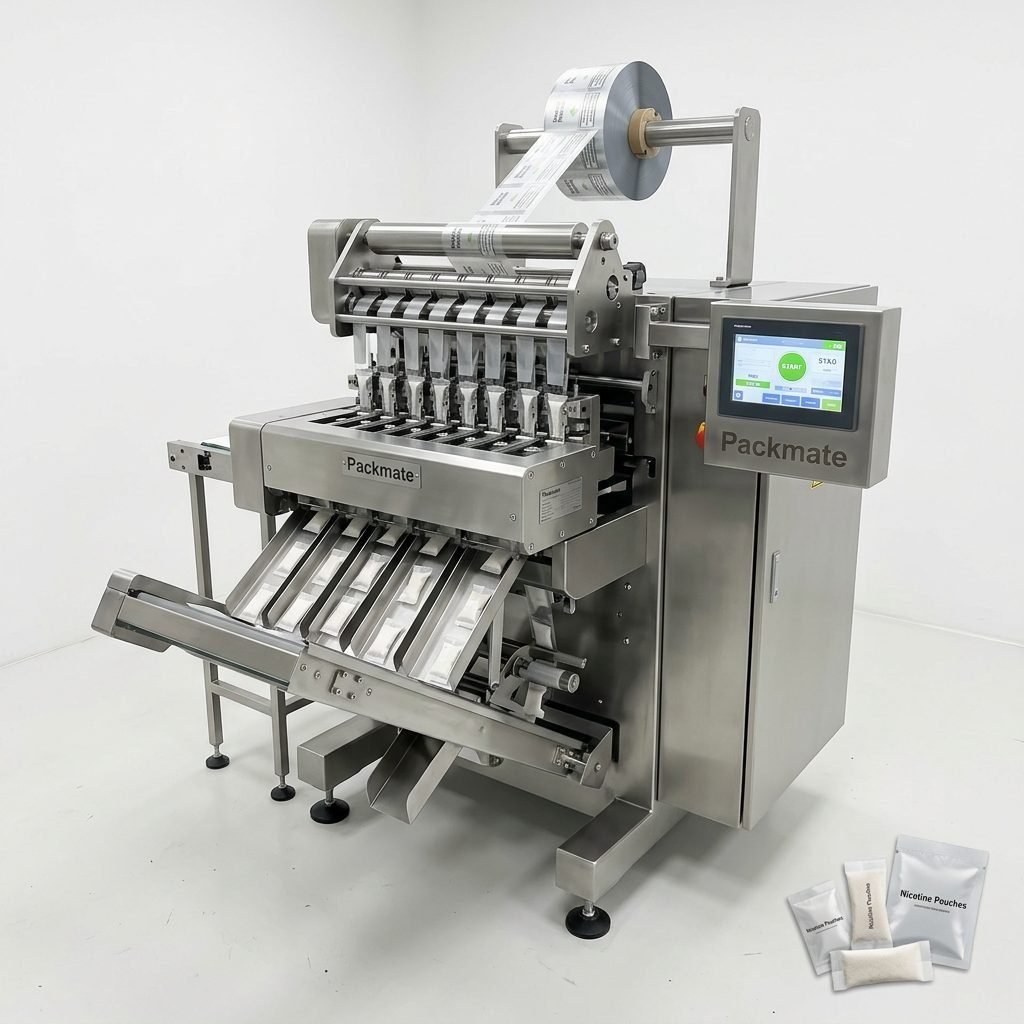
– Multi-lane pouch machines for higher throughput and compact layouts.
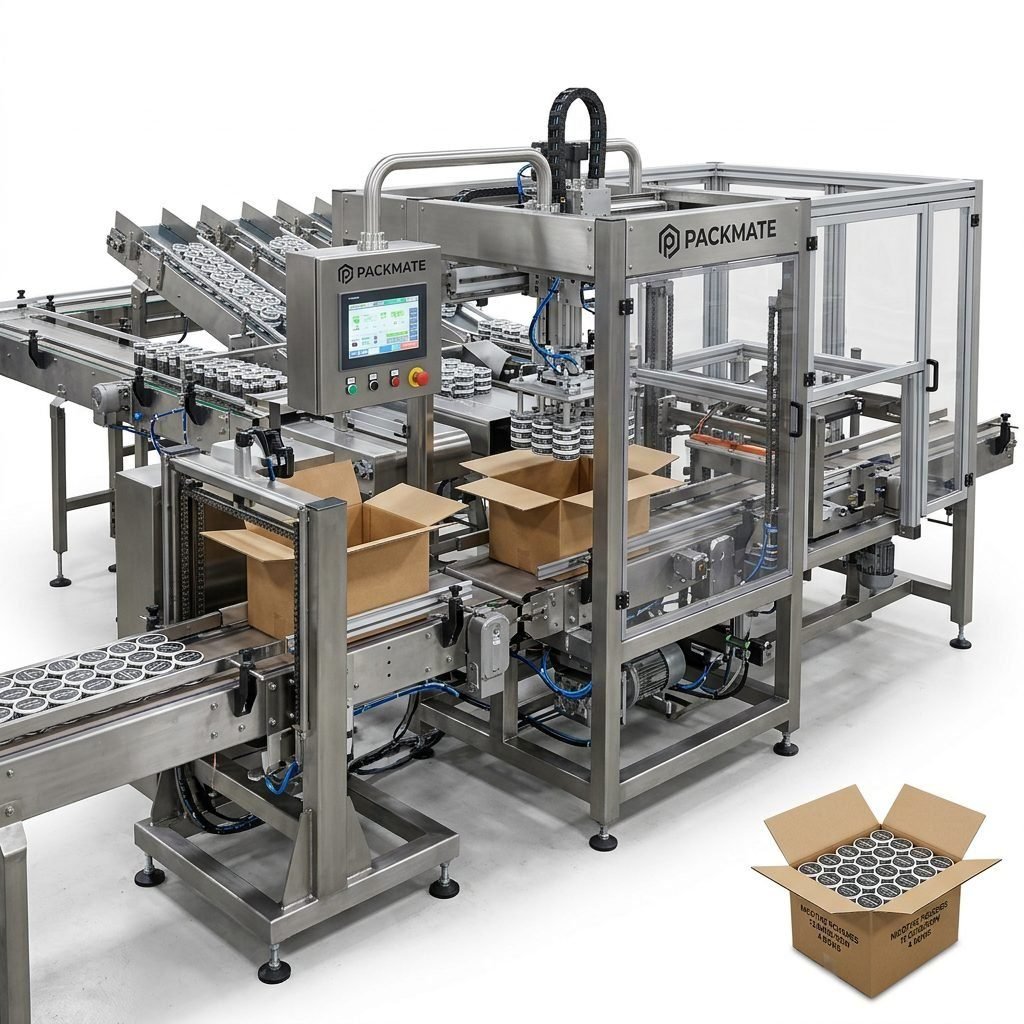
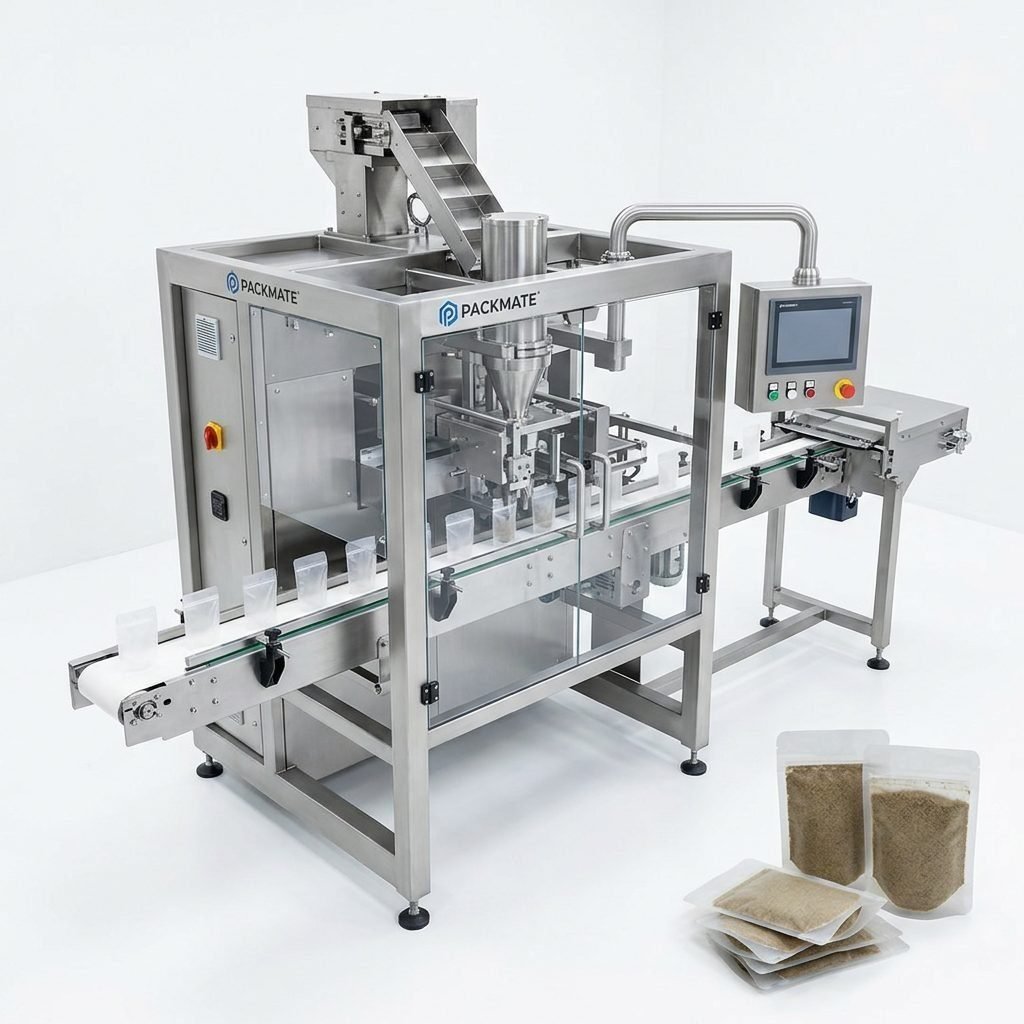
– Custom bag or pouch systems for retail cartons and bulk packs.
Tip: If you need a quick overview of machine options, see the Snus & Nicotine Packaging Machines range for technical specs and configurations: Snus & Nicotine Packaging Machines.
⚙️ Key technical selection criteria
When narrowing down suppliers and models, prioritize the following technical characteristics:
1. Production capacity and speed
Estimate your daily and monthly production targets. Machines are rated in pouches per minute and lanes; choose a model that meets your peak demand with a margin for growth. For export-oriented operations, plan for higher throughput to accommodate batch runs.
2. Format flexibility
If you produce multiple pouch sizes or transition between sachets and stick packs, select machines with easy format changeovers and modular tooling. This reduces downtime and tooling cost when introducing new SKUs.
3. Filling accuracy and product handling
For nicotine pouches, dosing precision is crucial for regulatory compliance and customer safety. Look for high-precision dosing systems and integrated weighing options. Machines that minimize powder loss and dust generation are preferred.
4. Materials compatibility and sealing technology
Ensure the machine supports the pouch materials you plan to use (foil, paper-laminates, barrier films). Reliable sealing systems (heat, ultrasonic, or optimized pressure sealing) ensure shelf life and tamper-evidence.
Must-have: accurate dosing and robust sealing to meet safety standards and avoid costly recalls.
🧰 Automation, control and integration
Modern snus packaging lines offer PLC control, HMI touchscreens, recipe management, and remote diagnostics. Evaluate:
– Ease of operator interface and recipe recall.
– Capability to integrate with upstream dosing and downstream cartoning lines.
– Remote support and software update options.
🔒 Compliance, certifications and safety
For international trade and local regulations, choose machines from manufacturers that provide CE, ISO, and other relevant certifications. Compliance ensures safer operation and smoother customs clearance for exported products.
🛠 After-sales service, spare parts and local support
Local support is crucial for downtime reduction. Prefer suppliers who offer:
- On-site installation and commissioning.
- Operator training and maintenance manuals.
- Fast spare-parts supply or local stocking options.
- Global service network or a regional partner for Senegal.
Supplier checklist: evidence of manufacturing scale, case studies, and on-site training capability. Learn more about manufacturer experience: About Packmate and review real-world projects on the Case page.
💰 Budgeting and return on investment (ROI)
Consider total cost of ownership: initial capex, installation, tooling, training, spare parts, and energy consumption. A slightly higher upfront cost for a reliable, accurate machine can yield lower operating cost and fewer production losses. Build a 3–5 year ROI model including expected uptime and yield.
📦 Logistics, installation and site planning for Senegal
Plan for customs, shipping, and site readiness: electrical supply, compressed air, floor load capacity, and space for conveyors and material handling. Ask suppliers for a site layout and a list of utilities required for commissioning.
Local deployment considerations
Coordinate with local freight forwarders and customs brokers experienced in importing industrial machinery to Senegal. Clarify installation supervision and whether the supplier will send an engineer for set-up and training.
Pro tip: verify local power compatibility (voltage/frequency) and request spare-part kits for first 12 months.
🔧 Maintenance and operator training
Preventive maintenance schedules, quick-change tooling, and clear troubleshooting guides will reduce downtime. Ensure the supplier provides structured operator and technician training, ideally on-site during commissioning.
✅ Evaluating suppliers — what to ask
Ask prospective manufacturers for:
- Factory tours or video walkthroughs of their manufacturing facility.
- Performance data and reference installations in similar markets.
- Spare parts lead times and warranty coverage.
- Availability of customization for your specific pouch designs or dosing systems.
A reputable company with strong factory capabilities and a long industry track record can be a decisive advantage — check certifications and production scale to validate claims.
📚 Manufacturer credentials and why they matter
Manufacturers with decades of engineering experience provide better-tested solutions. Packmate Snus Machine, for example, emphasizes precision engineering and turnkey packaging lines — from small sachet systems to multi-lane high-speed lines. Explore product categories to match your needs: Bag & Pouch Packaging Machines, Sachet & Stick Pack Machines, and integrated Weighing & Packaging Systems.
🚀 Final checklist before purchase
Before signing a contract, confirm:
- Performance guarantees and acceptance testing criteria.
- Spare parts list and recommended stock levels.
- Training scope and commissioning responsibilities.
- Delivery and installation timeline including penalties for delays if applicable.
Action: request a formal proposal with technical specifications, scope of supply, and commercial terms. For direct inquiries and local support options, visit Contact Us.
🧾 Post-purchase: ramp-up and continuous improvement
After installation, track yield, reject rates, and downtime carefully. Implement a continuous improvement program: optimize recipes, refine material handling, and schedule preventive maintenance. Establish KPIs and review them monthly with your supplier to keep the line performing optimally.
Local examples and global reach
Manufacturers with a global footprint often exhibit proven capability across diverse markets. Reviewing exhibition participation and certificates can provide additional assurance; see manufacturer exhibitions and certificates for validation.
For more detailed product catalogs and machine models, review the manufacturer’s product lines and supporting auxiliary equipment pages: Auxiliary Packaging Equipment.
FAQs — Common questions from buyers in Senegal
Q1: How do I determine the right machine speed for my business?
A1: Calculate your daily production requirement, factor in working shifts, and add 10–30% capacity buffer for peak demand. Discuss lanes and speed options with suppliers to match throughput to business plans.
Q2: What are the typical lead times for delivery and installation?
A2: Lead times vary by model and customization. Standard machines may ship within several weeks; highly customized lines can take months. Confirm scheduling and lead times in the contract and allow extra time for customs clearance in Senegal.
Q3: How important is local spare-parts availability?
A3: Very important. Local spare-parts availability reduces downtime. Request a recommended spare parts kit and verify shipping times for critical components.
Q4: Can these machines handle different pouch materials and designs?
A4: Many modern machines are designed for material flexibility, but confirm compatibility with your selected films or laminates. Discuss sealing and barrier requirements with the manufacturer.
Q5: Where can I see real-world examples and request a quote?
A5: Review case studies and request quotations directly from manufacturer pages and contact forms. For more information about full production lines and services, explore the Filling & Packaging Lines and Service pages: Filling & Packaging Lines and Service.