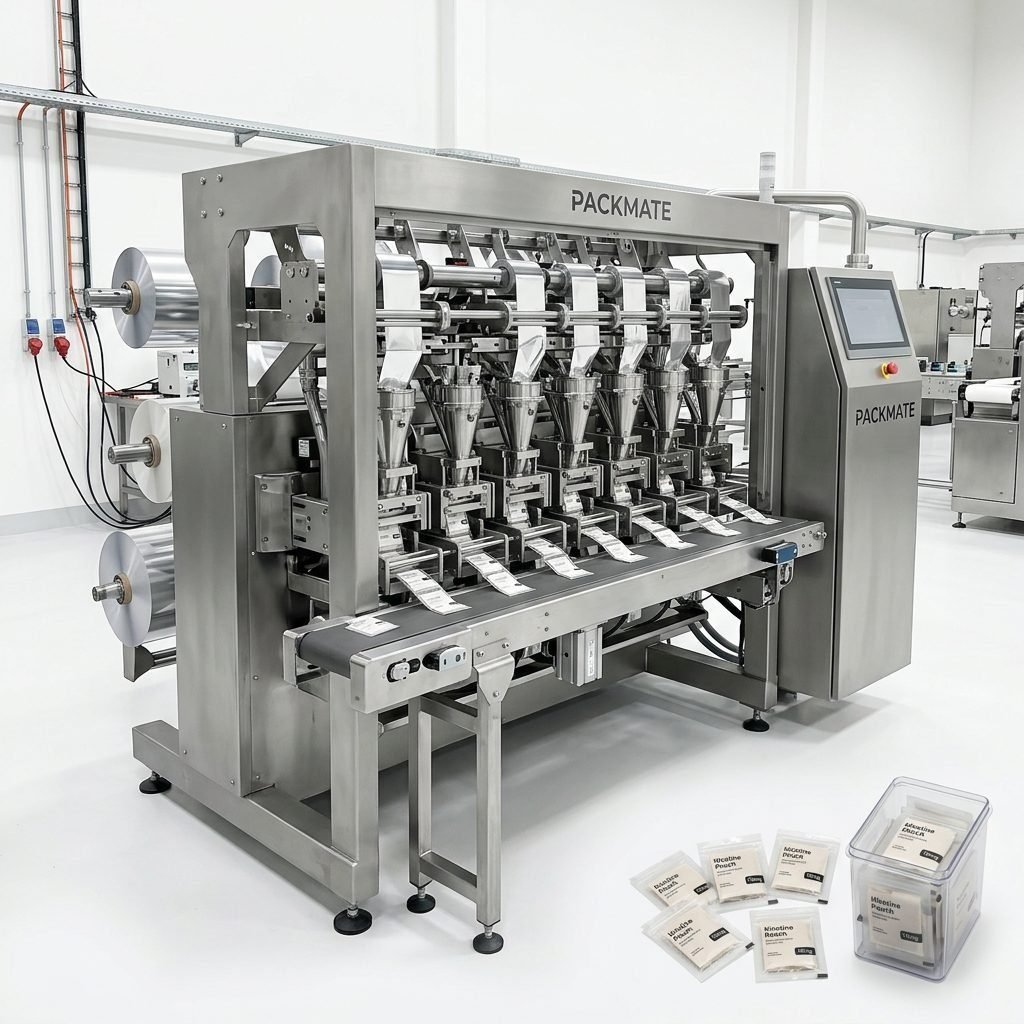
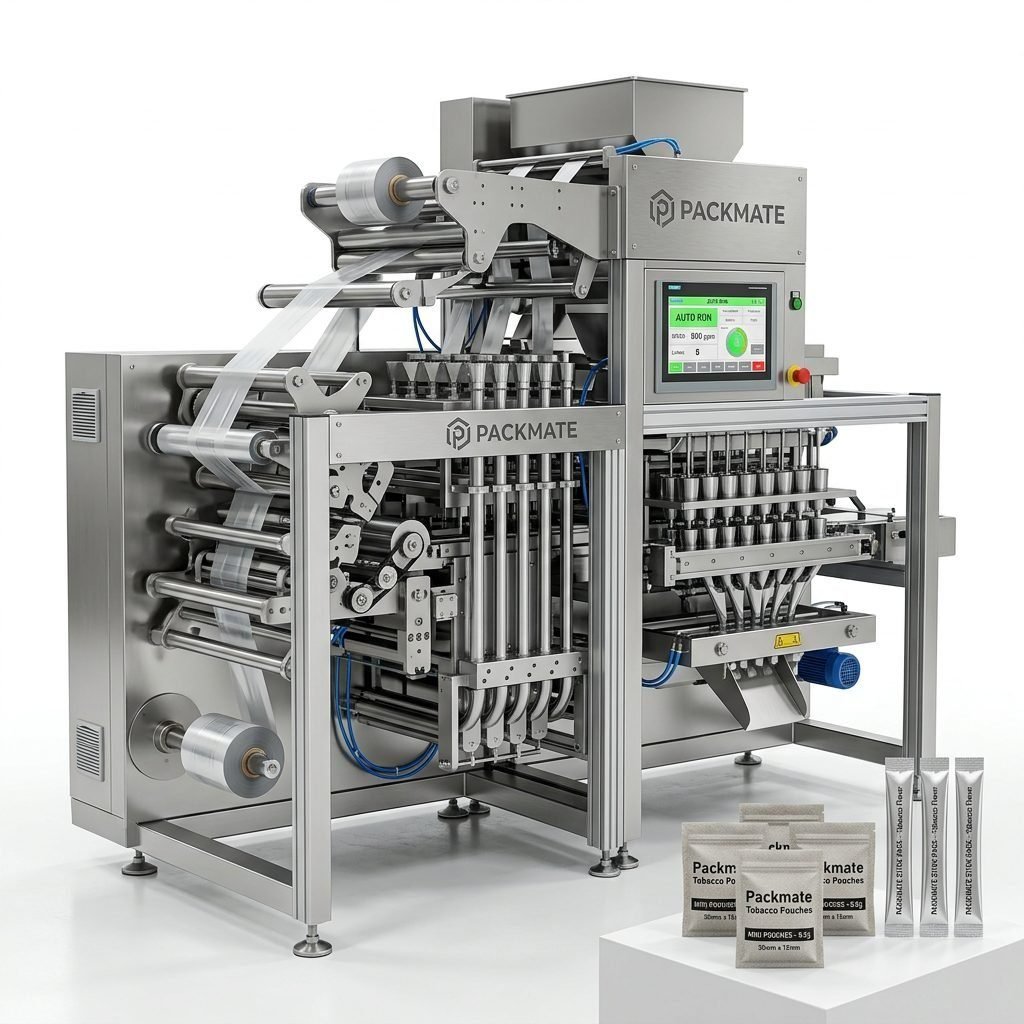
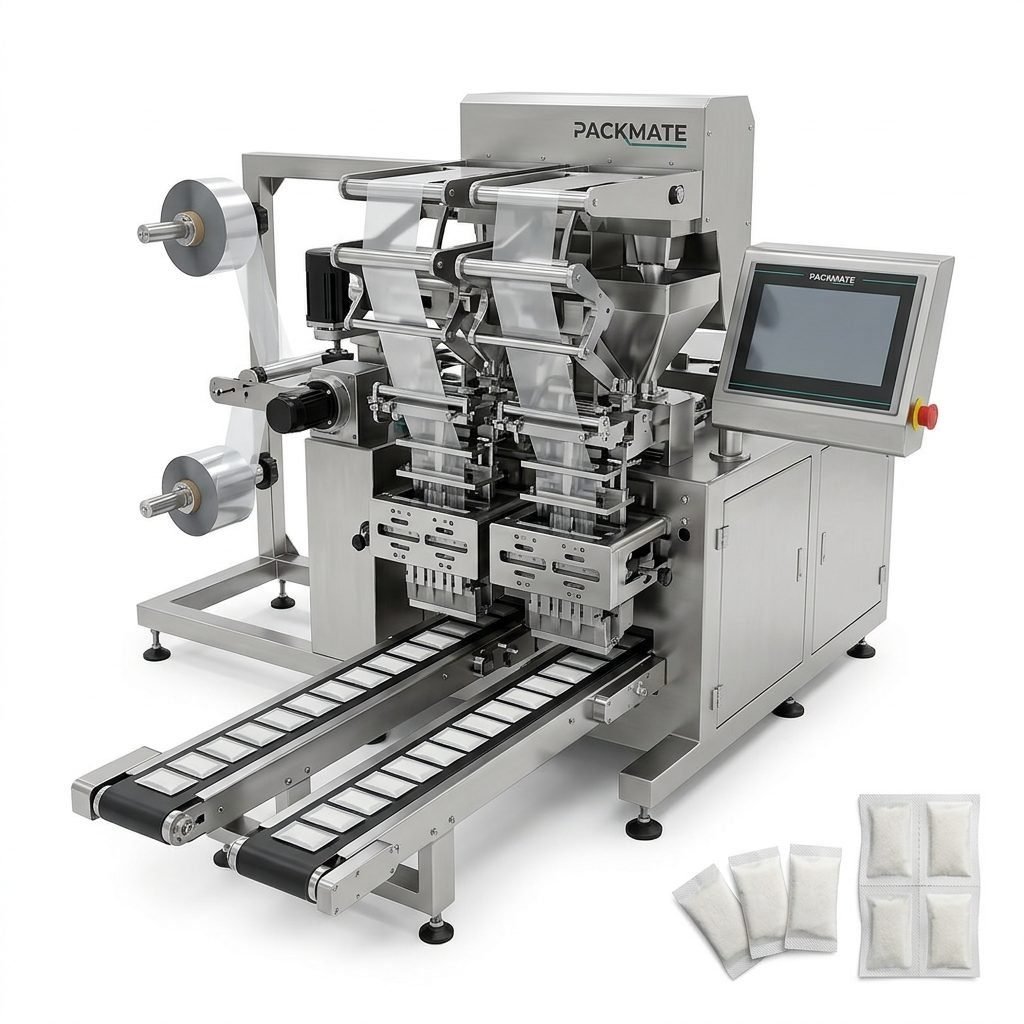
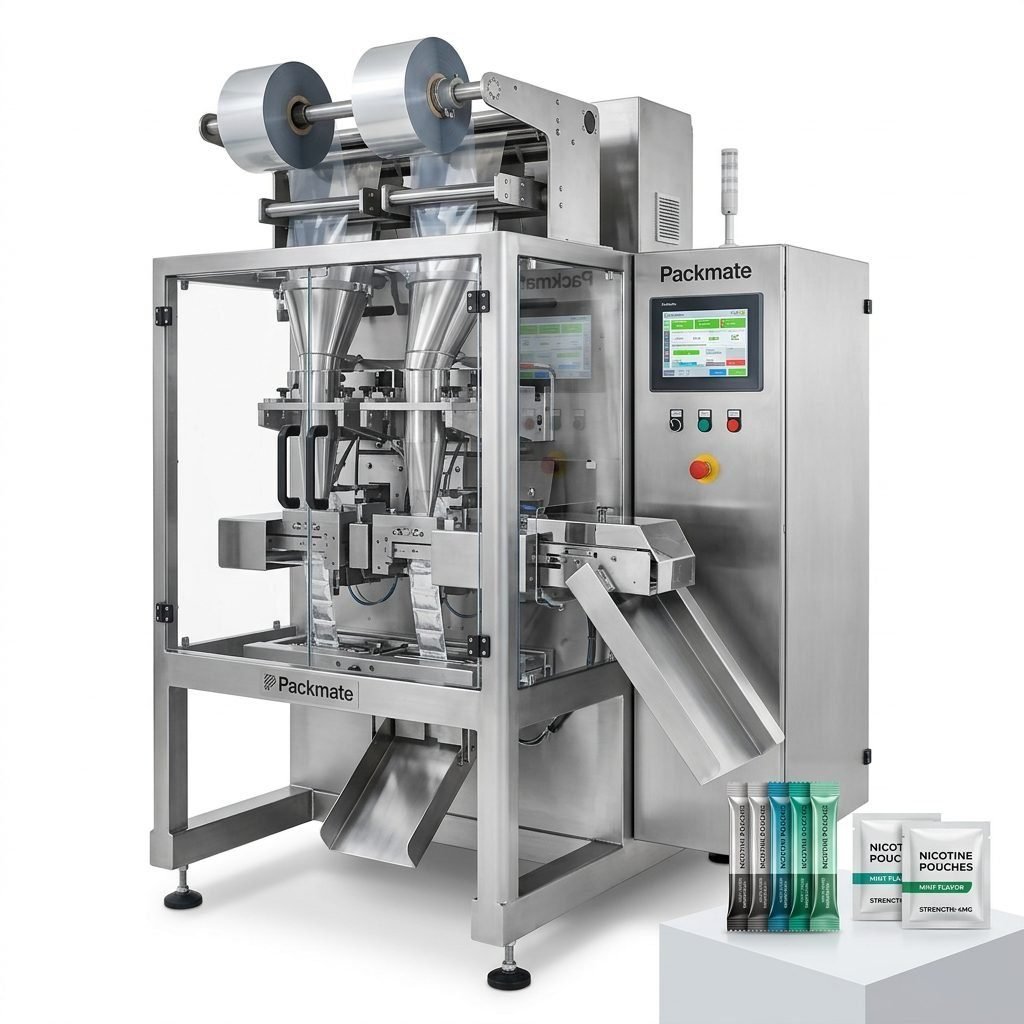
Choosing the right nicotine packaging machine manufacturer for your business in Yemen is a strategic decision that impacts product quality, production throughput, regulatory compliance, and long-term profitability. This guide walks you through practical steps and critical considerations—technical, commercial, and operational—so you can confidently select a partner who meets both immediate needs and future growth plans.
Understand Your Production Requirements
Start by defining your production targets and product formats. Are you producing nicotine pouches, snus, stick packs, or sachets? What is the expected daily output, number of SKUs and packaging materials (foil, paper, laminate)? Manufacturers can optimize equipment selection only when these parameters are clear.
Key variables to quantify:
⚙️ Throughput — target pieces per minute/hour/day;
📦 Formats — pouch, sachet, stick;
🔁 Flexibility — how often will you change SKUs.
Know the Machine Types and Which Suits Yemen Market Needs
Different packaging styles require different machines. Familiarize yourself with the common systems:
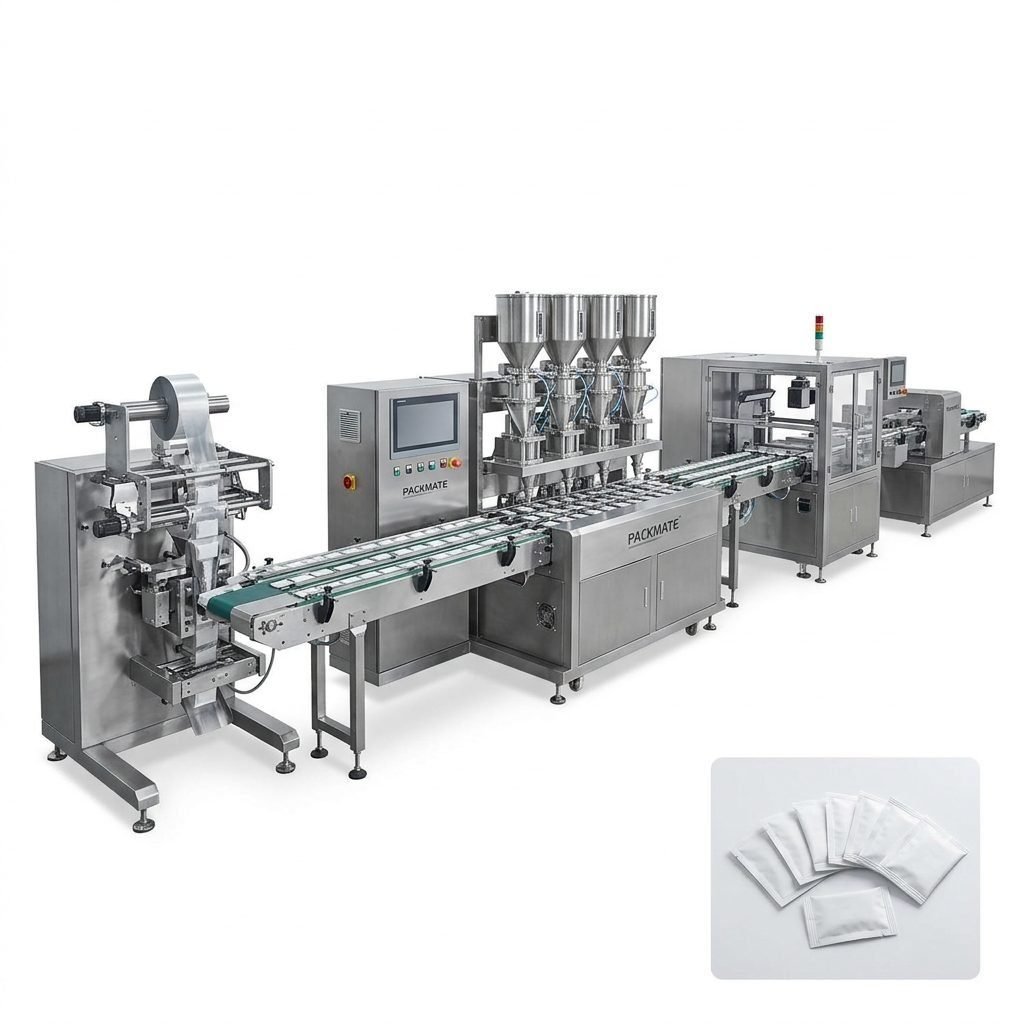
Sachet & Stick Pack Machines
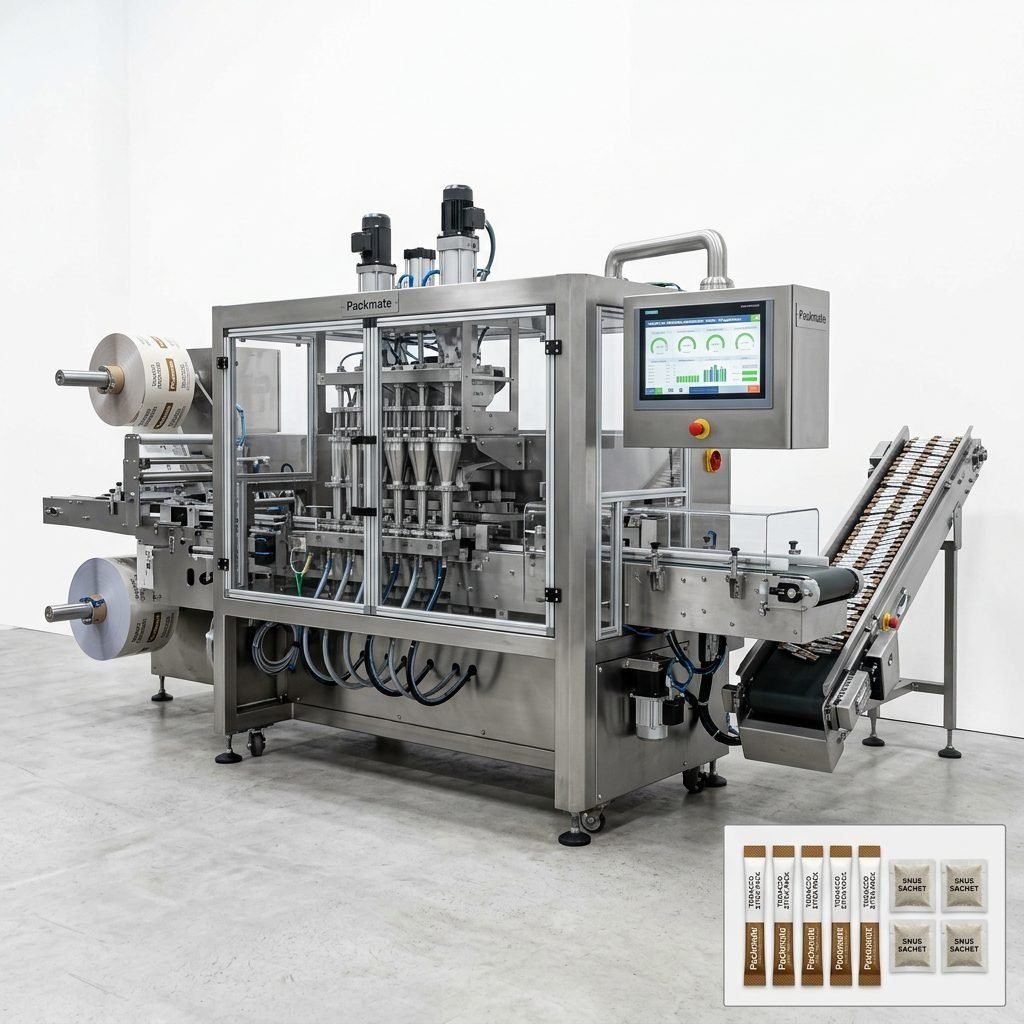
Ideal for single-dose nicotine pouches and small sachets. They offer high-speed single-lane or multi-lane configurations for small-dose consistency. Consider models that support quick changeover and minimal waste.
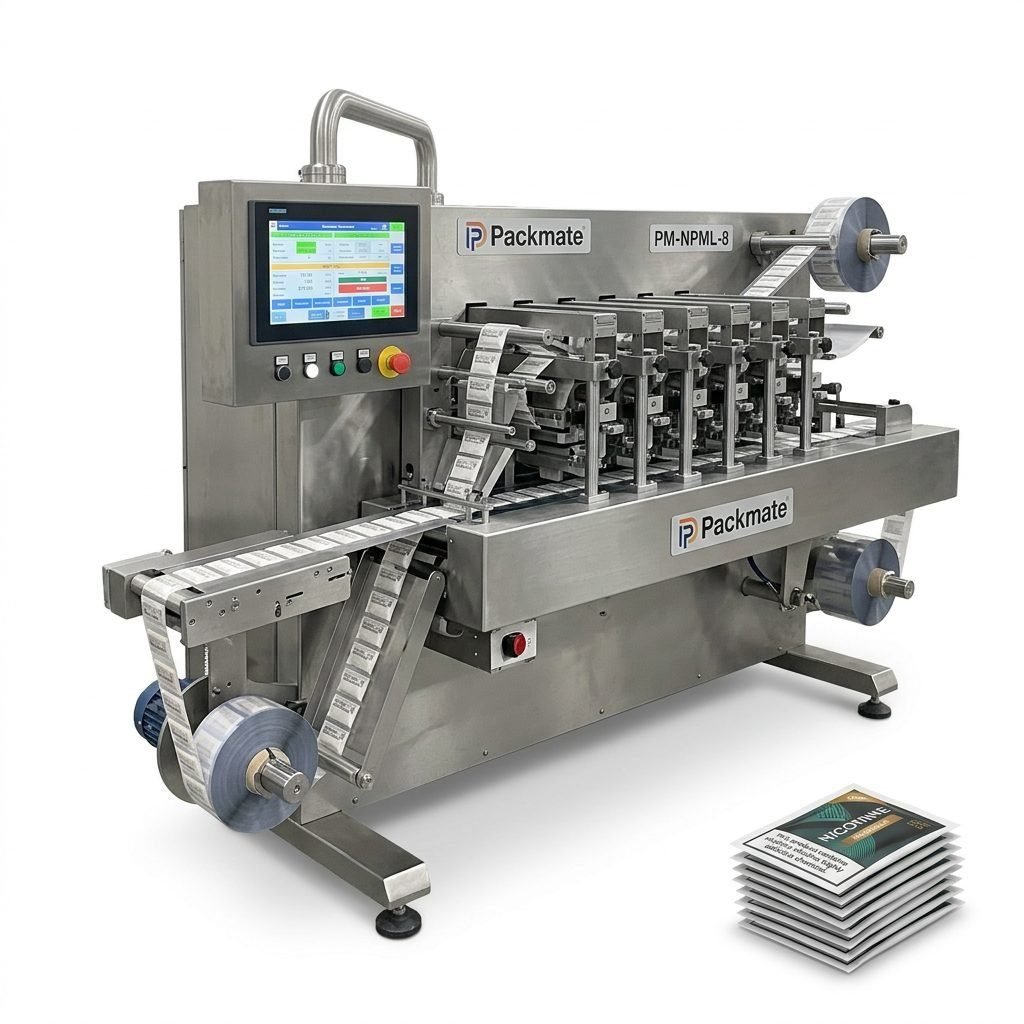
Snus & Nicotine Pouch Machines
Specialized equipment designed for tobacco-free nicotine pouches and snus products. Precision in pouch forming and sealing is essential to ensure product integrity and consistent dosing.
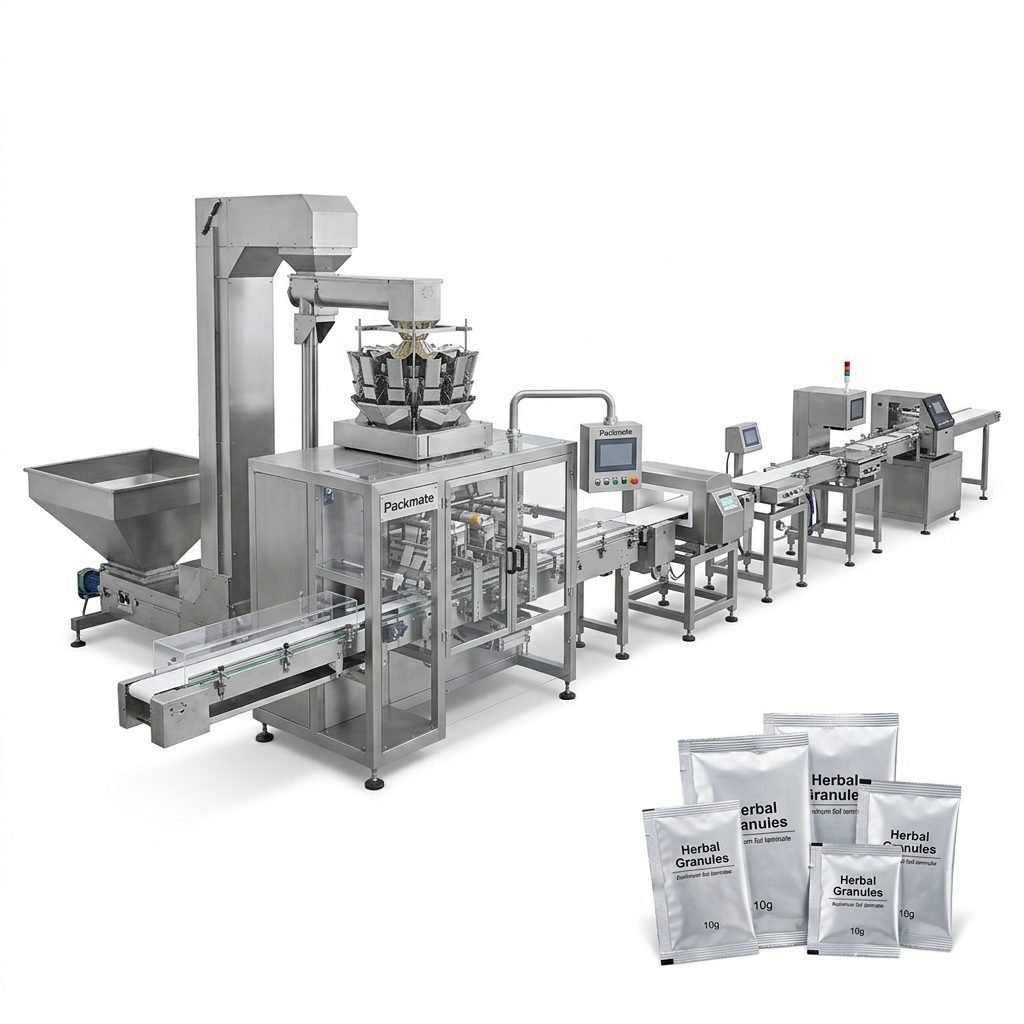
Filling & Packaging Lines
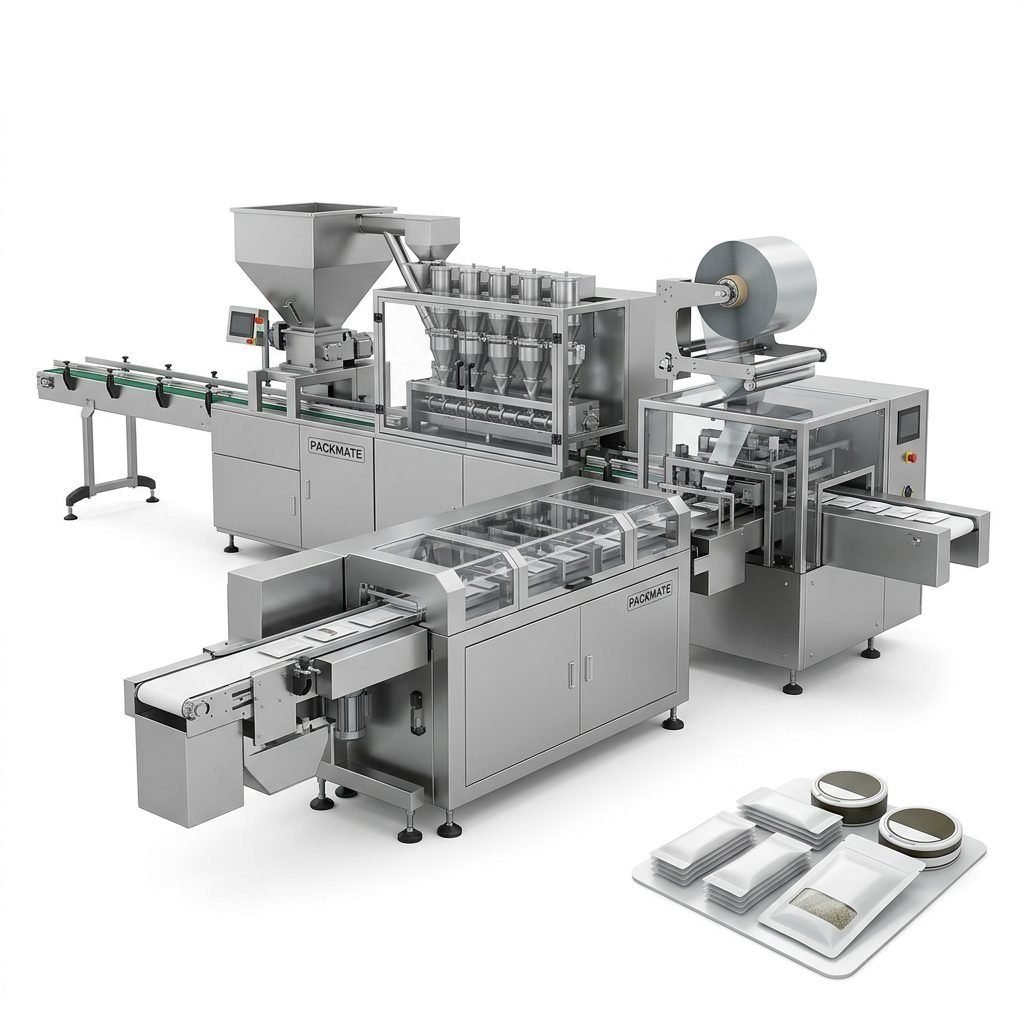
For turnkey needs — from dosing and filling to secondary packing — integrated lines reduce manual handling and improve hygiene. If you plan to scale, a full line offers long-term operational benefits.
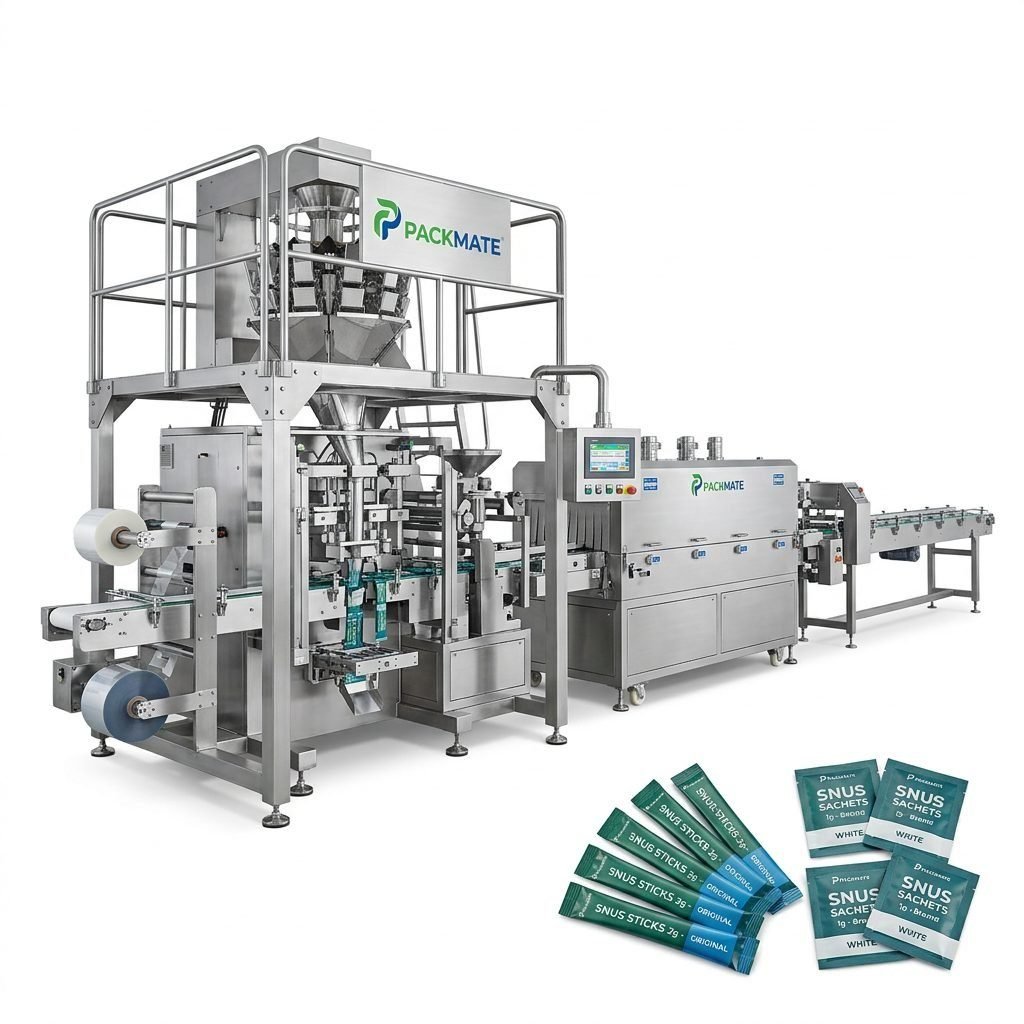
Snus & Nicotine Packaging Machines
and
Sachet & Stick Pack Machines.
Evaluate Manufacturer Capabilities
When assessing manufacturers, look beyond the machine brochure. Focus on engineering depth, factory capability, and real-world reliability. A reputable supplier will demonstrate strong production processes, experienced R&D teams, and transparent testing.
Important indicators:
- Factory size & equipment — modern CNC and precision assembly lines reduce variability.
- Industry experience — manufacturers with decades of experience tend to provide more refined solutions.
- Model variety — a wide product range allows better matching of machines to needs.
Inspect Quality, Certifications & Compliance
Compliance with international standards ensures machines meet safety and reliability requirements. For export and local market acceptance, certifications such as CE and ISO are critical. Confirm that the vendor performs rigorous quality testing and offers documentation.
If available, review the manufacturer’s certificate listings directly, for instance via their
Certificate
page to validate compliance claims.
Performance Metrics to Confirm at Purchase
Prioritize measurable performance: mean time between failures (MTBF), actual tested throughput, sealing integrity, material waste rate, and calibration accuracy. Demand performance data from the manufacturer and request live machine demonstrations or videos of similar lines in operation.
Tested throughput, sealing test results, spare part lists, electrical & pneumatic specifications, and maintenance manuals.
Service, Spare Parts & Local Support in Yemen
After-sales support is often the deciding factor. Confirm lead times for spare parts, availability of remote diagnostics, and training offerings. Manufacturers with global networks or regional partners can reduce downtime dramatically.
Ask about:
- On-site commissioning and operator training.
- Remote support options (video support, PLC remote access).
- Turnaround time for critical spare parts and recommended spares inventory.
Total Cost of Ownership (TCO) vs Purchase Price
Don’t focus solely on the purchase price. TCO includes installation, utilities, spare parts, consumables, maintenance, and downtime costs. A higher-quality machine with proven reliability can deliver lower TCO over its lifecycle.
Use a simple TCO model to compare suppliers: initial cost + annual operating cost (parts, labor, utilities, downtime) × expected years of service.
Customization and Turnkey Solutions
If your project requires a complete line with weighing, dosing, primary and secondary packaging, look for a vendor that offers turnkey solutions. Customized engineering ensures optimal integration and maximized efficiency.
Explore integrated systems like
Weighing & Packaging Systems
and
Filling & Packaging Lines
for complete production automation.
Turnkey Benefits
Single-source responsibility, optimized material flow, and consistent handoff between machines are major advantages of turnkey deliveries. Confirm the vendor’s project management methodology and delivery milestones.
Factory Visits and Case Studies
When possible, visit the manufacturer’s factory or request client references and case studies. Seeing machines in operation reveals real-world performance and build quality. Learn how similar customers tackled installation and ramp-up challenges.
For real examples, check relevant case studies on the manufacturer’s site:
Case.
Choose partners with a demonstrated history. For example, companies that began R&D in the 1990s and evolved into global suppliers offer mature engineering and service systems.
Logistics, Import & Customs Considerations for Yemen
Equipment shipments to Yemen can face import regulations and logistical complexities. Confirm the manufacturer’s export experience, packing standards, and support with export documentation. Factor shipping, insurance, customs, and local installation logistics into your budget and timeline.
Contracts, Warranties & Payment Terms
Detailed contracts protect both buyer and supplier. Your purchase agreement should include delivery timelines, performance guarantees, warranty coverage, spare parts commitments, and penalties for missed milestones. Negotiate payment schedules that align with project milestones.
Installation, Training & Ramp-Up
Effective installation and operator training determine how quickly you reach target yields. Ask for a detailed commissioning plan, training curriculum, and contingency arrangements for initial production runs. Consider on-site support for the first production weeks.
How to Evaluate Final Proposals
When evaluating final proposals, use a weighted scoring model including performance, cost, lead time, warranty, spare parts policy, and local support. A transparent scoring process ensures you choose the supplier that best balances quality and commercial terms.
- Define SKU mix & production targets.
- Shortlist manufacturers with proven nicotine packaging experience.
- Request factory acceptance test (FAT) data and reference customers.
- Confirm service and spare parts lead times.
- Finalize contract terms with clear KPIs and warranty clauses.
Why Work with an Experienced Supplier
Experienced suppliers who specialize in snus and nicotine pouch machines bring process knowledge and proven line designs that reduce risk. They can provide tailored solutions — from single machines to full production lines — and help with material compatibility, dosing accuracy, and regulatory compliance.
To learn more about a manufacturer with deep experience in snus packaging, visit their
About Packmate
page or reach out directly to discuss custom solutions via
Contact Us.
Final Considerations Before Signing
Before finalizing your purchase, validate all technical specs, request FAT or video proof of the exact model, and confirm spare parts kits. Ensure you have a clear escalation path for technical issues and agree on service level agreements (SLAs).
Selecting the right manufacturer requires balancing performance, reliability, service, and total cost. Prioritize vendors with proven snus/nicotine packaging expertise and strong after-sales support to reduce production risk and accelerate time-to-market.
Common Questions
Q1. How long does it take to install a snus packaging line in Yemen?
A1. Typical installation and commissioning can take 2–6 weeks depending on the line complexity, local site readiness, and customs/clearance timelines. For turnkey lines with weighing and secondary packaging, budget more time for validation and operator training.
Q2. What certifications should I ask for when importing packaging machines?
A2. Ask for CE and ISO certifications as a baseline, plus any electrical or safety documentation relevant to your country. Confirm that the manufacturer provides FAT records, calibration certificates for weighing systems, and material compliance statements if needed.
Q3. How can I ensure spare parts availability for machines imported into Yemen?
A3. Negotiate a spare parts package with initial shipment, obtain part numbers and recommended inventory levels, and clarify shipping lead times. Consider sourcing critical consumables locally where possible and ensure remote support capability for rapid troubleshooting.
Q4. Should I prefer a local agent or deal directly with the manufacturer?
A4. Both models work. A local agent can simplify logistics and on-the-ground support, while direct manufacturer relationships often ensure deeper technical engagement and better pricing. Choose based on the supplier’s global service footprint and your in-country capabilities.
Q5. Where can I see examples of installed lines and obtain references?
A5. Request customer references and case studies from the manufacturer. Review their online case section for past projects and, if possible, arrange to view live demonstrations or factory acceptance tests. See documented examples on the manufacturer’s
Case
page.