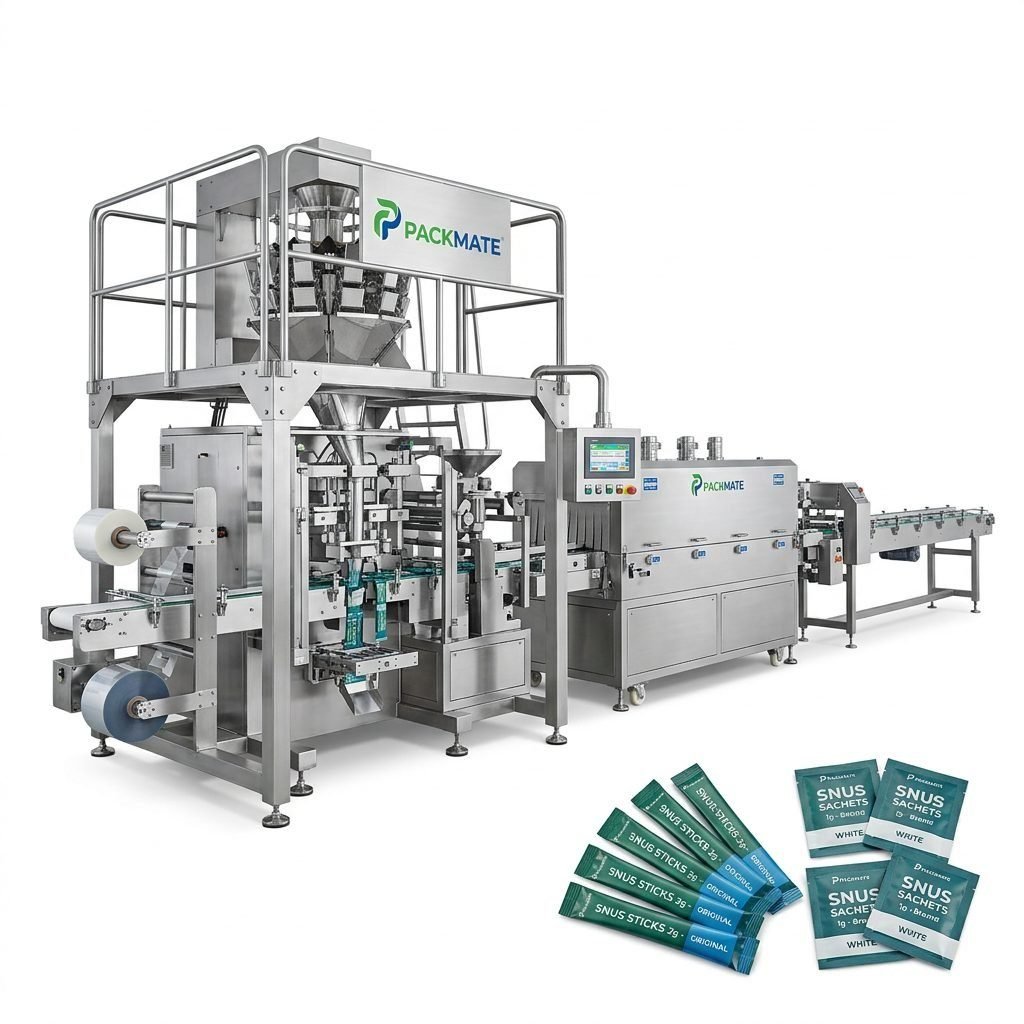
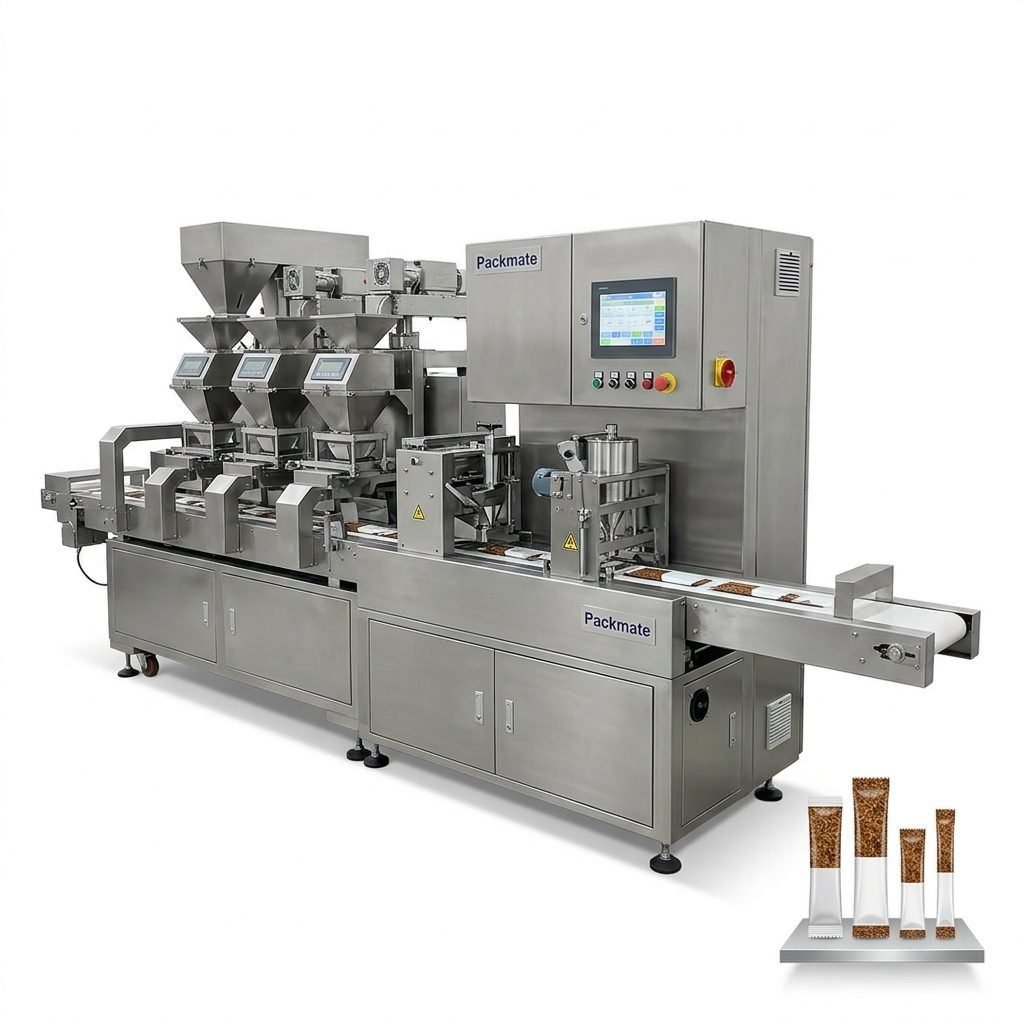
Selecting the right nicotine pouch or snus packaging machine manufacturer for your business in Colombia is a strategic decision that affects product quality, regulatory compliance, production efficiency, and long-term costs. This guide walks you through the practical criteria, real-world checks, and negotiation tips to help you choose a partner who delivers high-performance machines and reliable support.
Understand Your Production Needs First
Before engaging with manufacturers, clearly define your product specs, daily output targets, pouch formats (e.g., single-dose sachets, multi-lane pouches, stick packs), and future scalability plans. Many producers offer models across multiple product types — for example, a dedicated Snus & Nicotine Packaging Machines line or combined stick and sachet platforms — so aligning requirements up-front avoids wasted time and inaccurate quotes.
Key parameters to define
🔧 Production capacity: target pouches per minute/hour/day.
📦 Pouch format & material: heat-seal laminates, paper, soluble films.
⚙️ Filling accuracy & dosing: tolerance for nicotine dose, hygroscopic powders, or liquids.
📈 Expandability: do you plan to add lanes or secondary packaging later?
Evaluate Manufacturer Expertise and Factory Strength
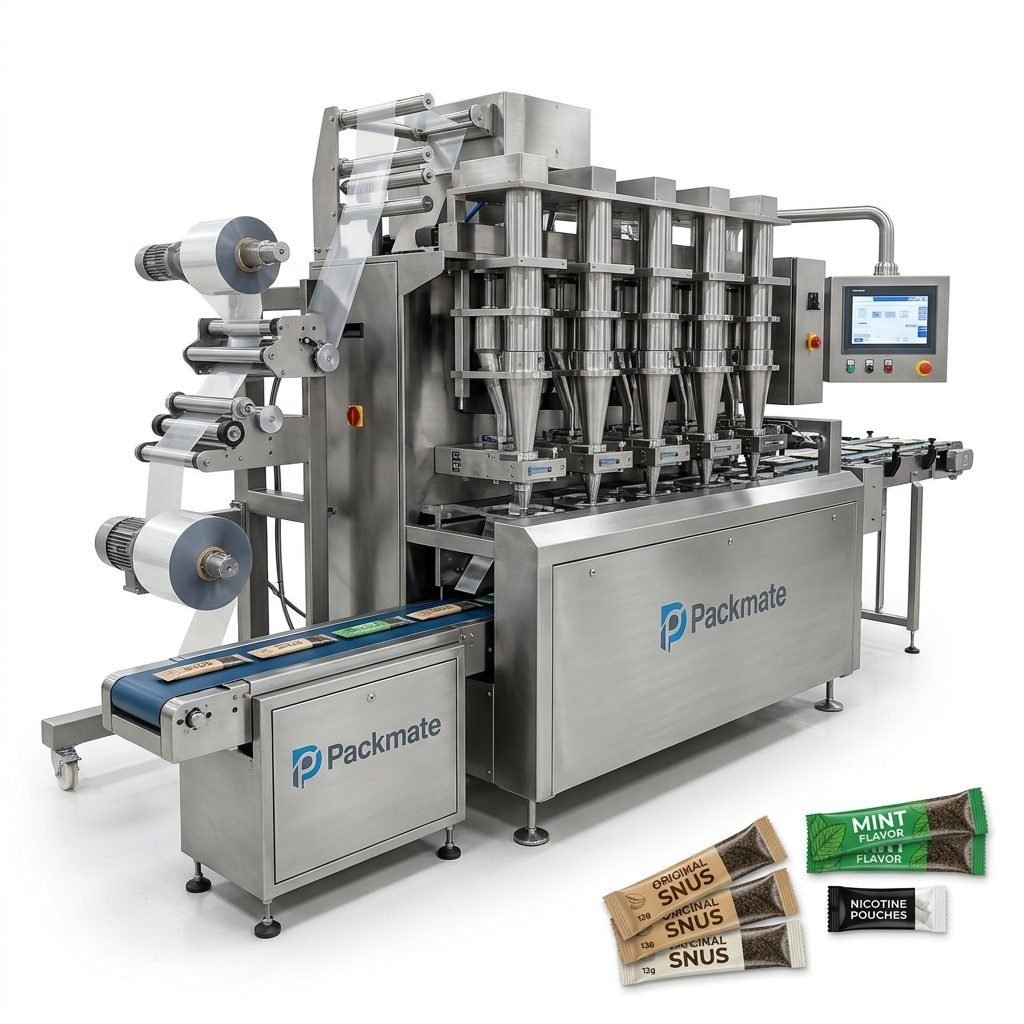
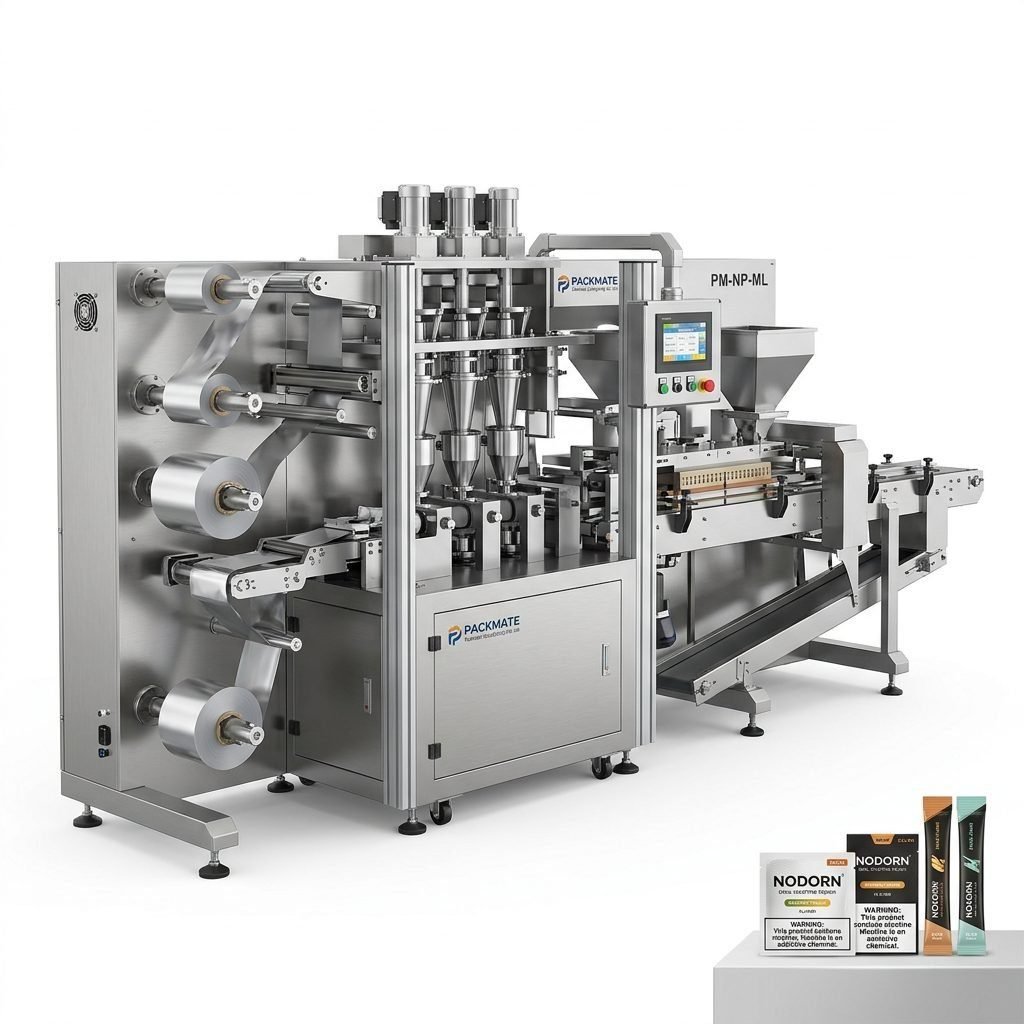
Choose manufacturers with deep experience in snus and nicotine pouch machinery. A company that specializes — and has decades of engineering history — typically delivers more refined solutions. For instance, Packmate Snus Machine highlights 30+ years in packaging R&D and a 20,000㎡ manufacturing footprint, which signals manufacturing capacity and maturity.
Why factory scale matters: larger, well-equipped factories (advanced CNC centers, precision assembly lines) can ensure better tolerances, faster lead times, and more robust QA procedures. Look for manufacturers that publish factory facts like model ranges (e.g., 50+ models), certifications, and global case histories.
✅ Tip: ask the supplier for a virtual factory tour or videos of assembly and testing stages to verify capabilities.
Machine Types & Technological Fit
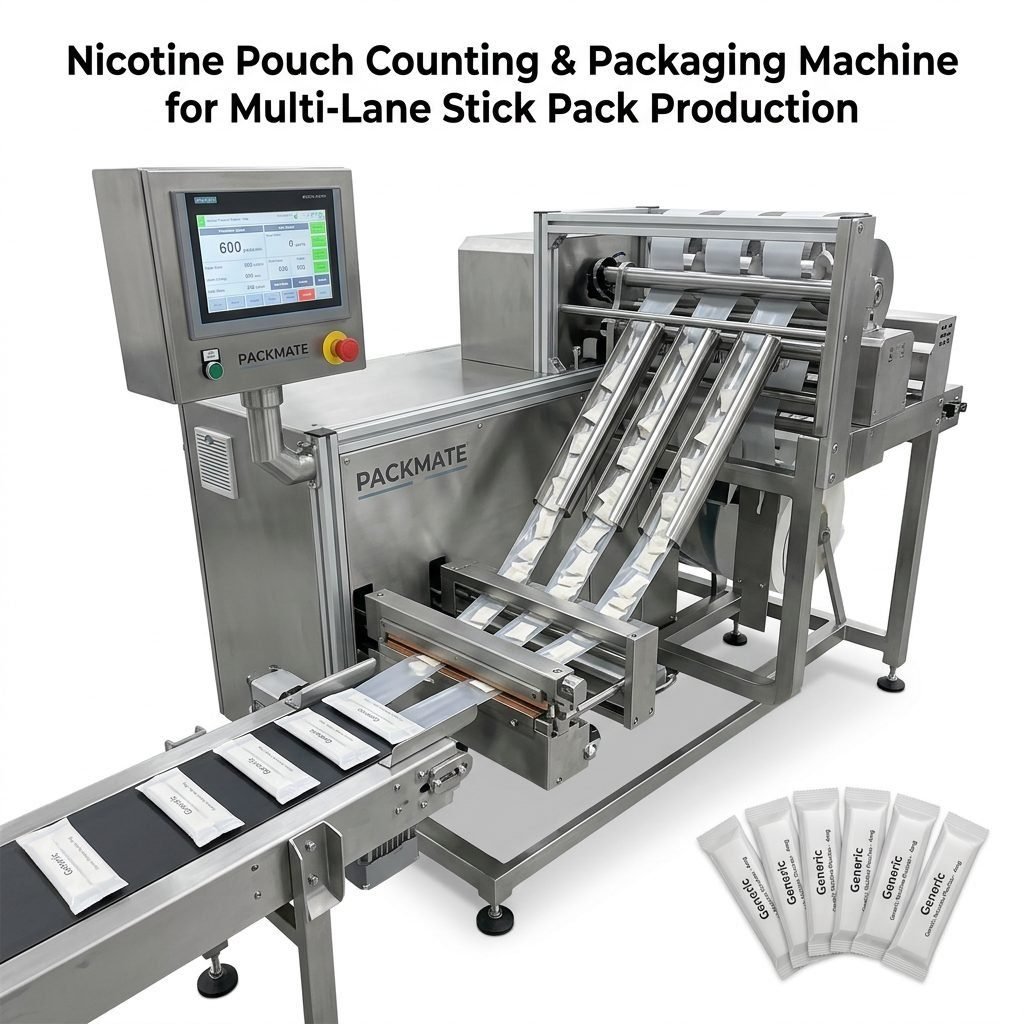
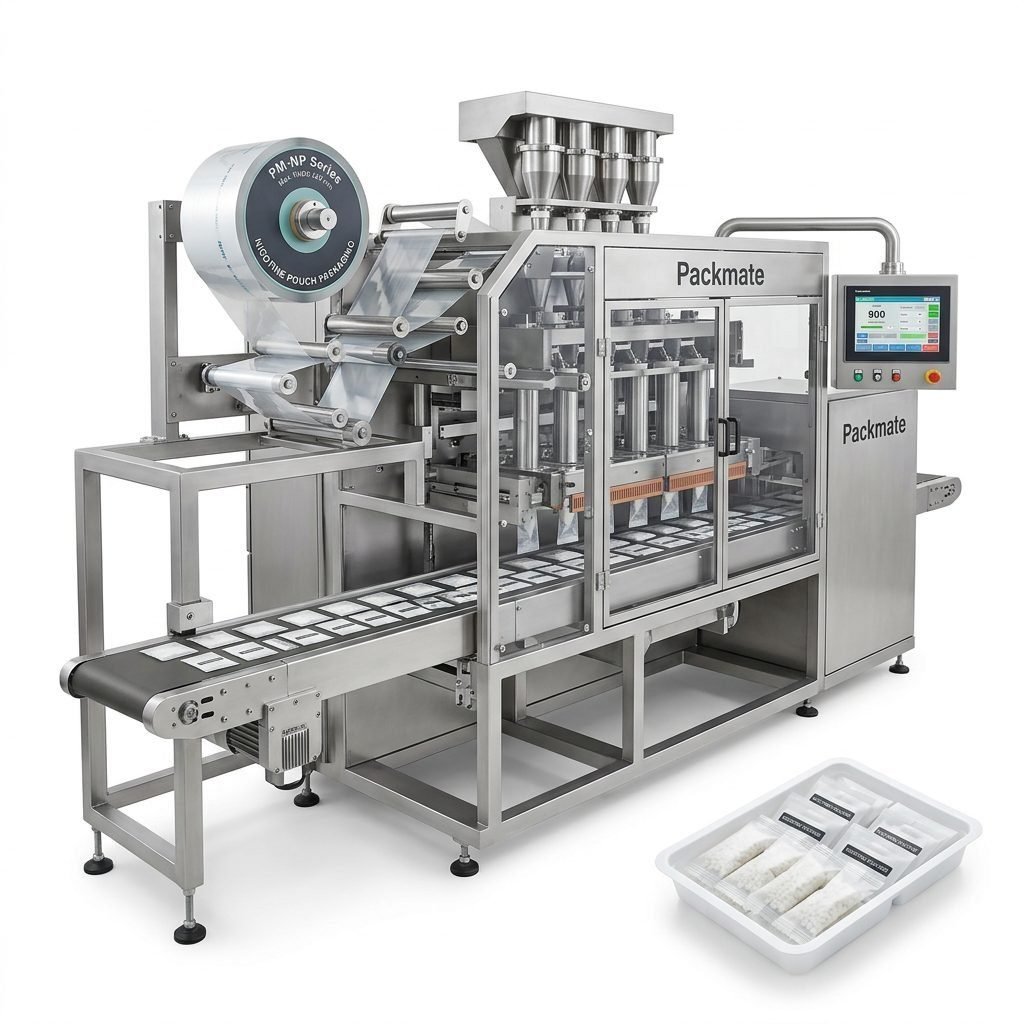
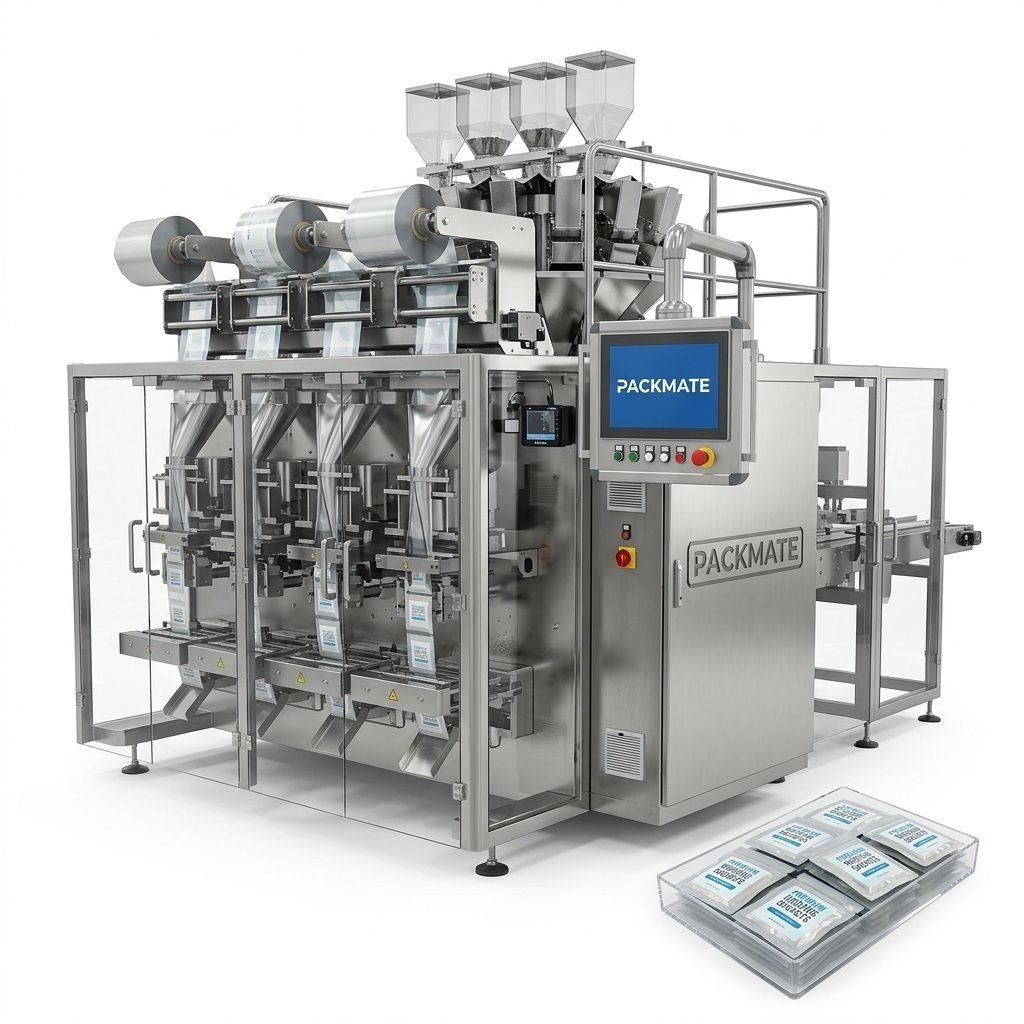
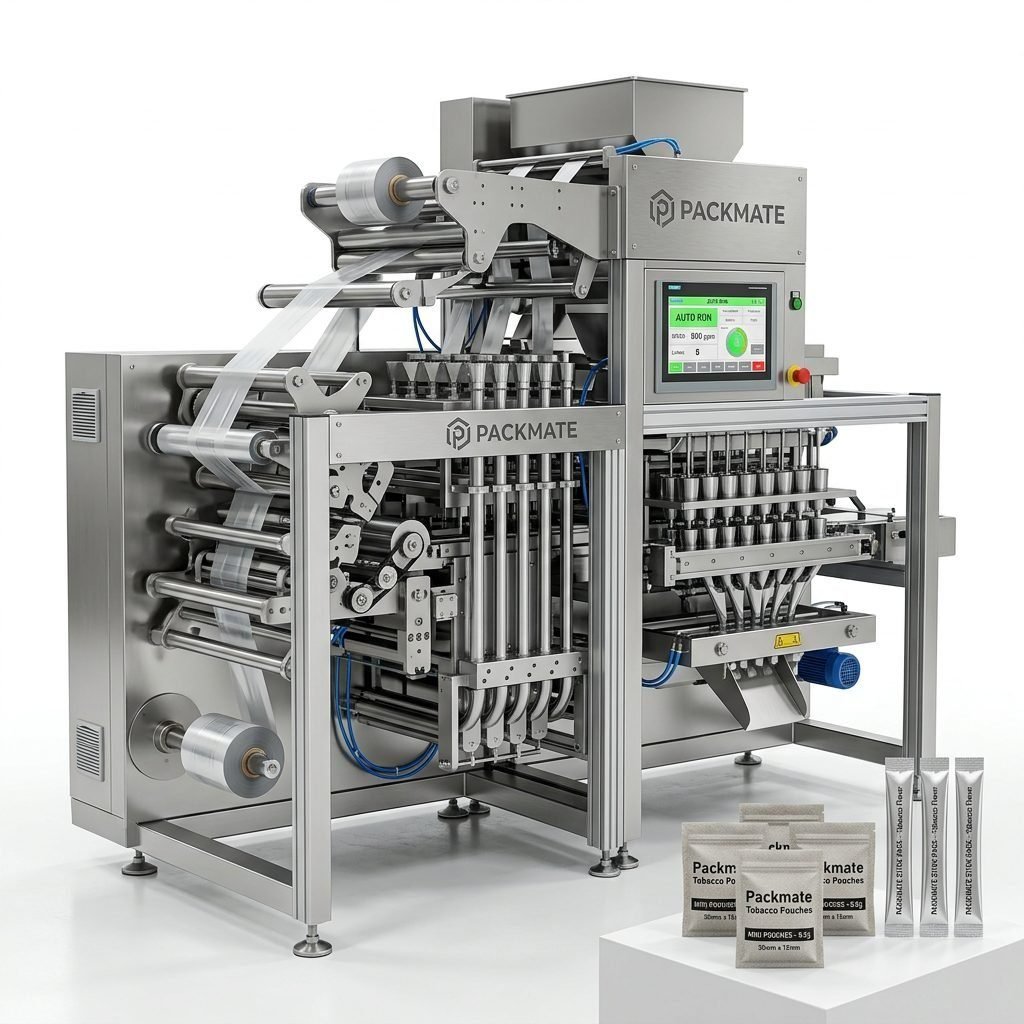
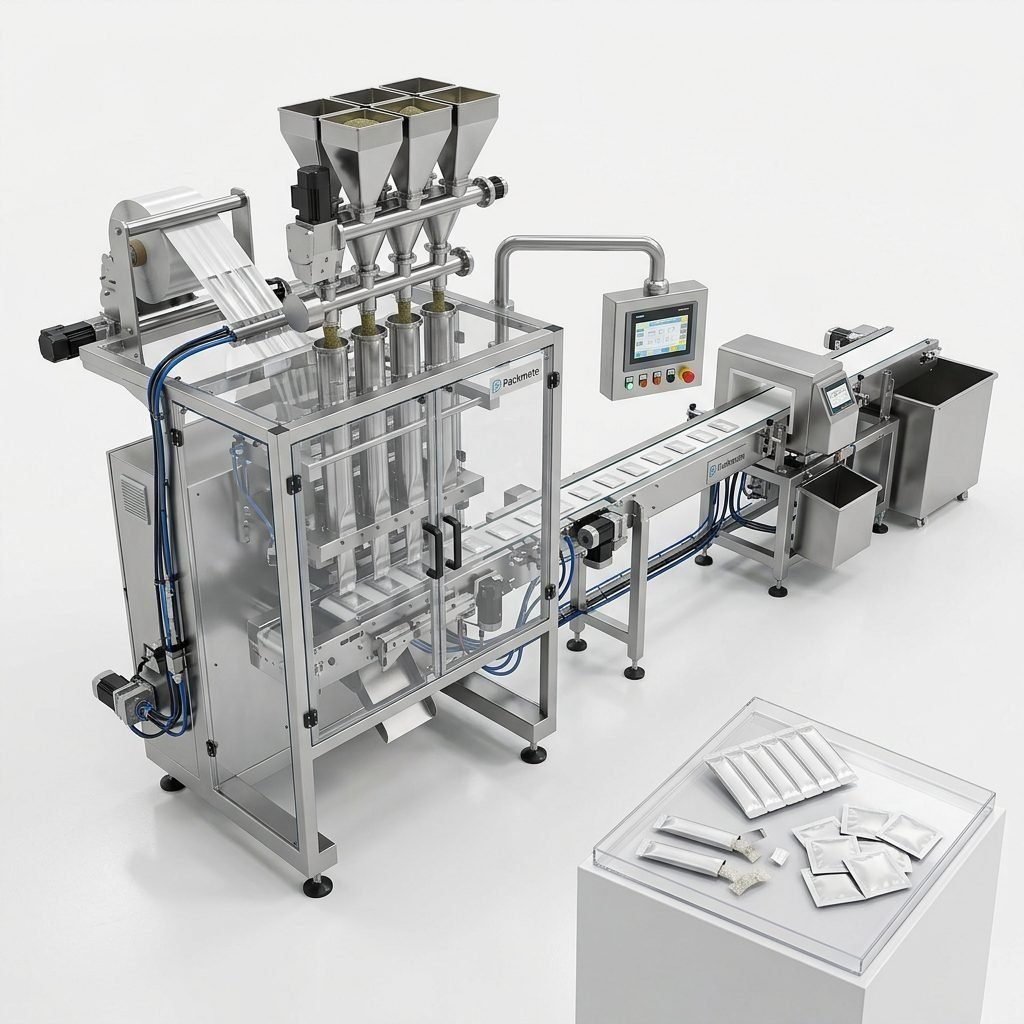
Not all packaging machines are created equal. Match the machine type to your product: multi-lane systems for high-volume small-dose pouches, stick pack machines for narrow sachets, and sachet lines for larger single-dose formats. Check whether the supplier makes related systems such as weighing and filling lines to integrate seamless production flows — for example, their Weighing & Packaging Systems or Sachet & Stick Pack Machines.
Important technical features to inspect
• Servo control systems for precise dosing and film tracking.
• Multi-lane synchronization for consistent fill across lanes.
• Clean design & easy sanitation if hygroscopic powders or nicotine liquids are involved.
• PLC and HMI interfaces with remote diagnostics.
Compliance, Certifications & Quality Assurance
Ensure the manufacturer adheres to international standards and can supply documentation needed for Colombian import and local compliance. Look for CE, ISO certifications, and testing reports. Suppliers with structured QA and traceable test records (material certificates, electrical component brands) reduce downstream risk.
Documentation you should request:
• CE/ISO certificates (or equivalents), • Electrical & calibration reports, and • FAT/SAT test records (Factory/Site Acceptance Tests).
After-Sales Support, Spare Parts & Training
Machines require preventive maintenance, spare parts, and occasional technical adjustments. Confirm whether the supplier offers:
🔁 Spare parts availability (local stock or quick shipping).
🛠️ Remote diagnostics & technical support with SLA commitments.
🎓 Operator training at factory or on-site, plus detailed manuals and wiring diagrams.
Service & local presence in Colombia
If the manufacturer has local partners or service agents in Colombia, that is a strong advantage. Otherwise, verify overseas warranty terms, response times for spare part shipments, and whether training can be delivered in Spanish. Packmate’s global cooperation cases and exhibition presence can be a useful sign of international after-sales readiness — check their Our Exhibition and Case pages to review real-world deployments.
Cost vs Value: Total Cost of Ownership (TCO)
The lowest purchase price can be misleading. Evaluate the Total Cost of Ownership: energy consumption, spare parts pricing, maintenance intervals, and expected uptime. A slightly more expensive machine with higher accuracy and lower waste can save significant costs over time. Use these metrics in supplier comparisons.
TCO checklist:
• Energy use per 1,000 pouches
• Average waste rate during runs
• Mean time between failures (MTBF)
• Spare part lead times & prices
Local Import, Regulation & Logistics Considerations in Colombia
For imported machines, factor in customs duties, import documentation, and shipping logistics. Work with suppliers who provide comprehensive export packs (packing lists, origin certificates, electrical schematics) to streamline clearance. Also confirm whether the supplier assists with installation and on-site commissioning to reduce downtime.
How to Qualify & Compare Suppliers — A Practical Checklist
Use a consistent checklist when you evaluate manufacturers. Ask for:
1. detailed technical datasheets; 2. videos of machines running your product types; 3. client references and site photos; 4. warranty & service terms; 5. sample pack outputs for your film/material.
Request a Factory Acceptance Test (FAT)
A FAT is the strongest proof of performance. Insist on seeing a FAT running your product or a close analog. This reduces risk and ensures the delivered machine matches agreed specs. If visiting the factory isn’t possible, request a live-streamed FAT and recorded runs.
Customization & Turnkey Production Lines
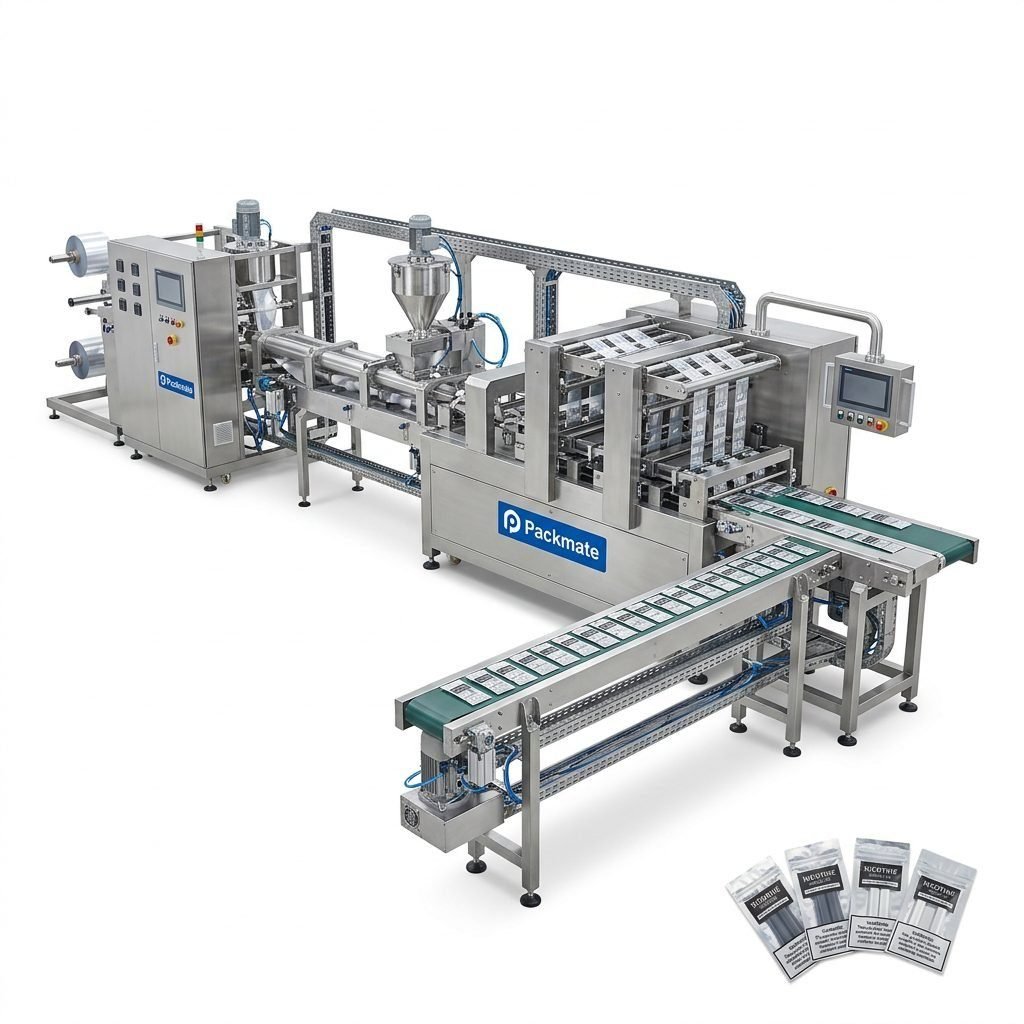
If you need a fully integrated line — pouch formation, dosing, sealing, secondary packing — choose a manufacturer offering turnkey solutions and system integration experience. Companies that provide auxiliary equipment and filling lines simplify procurement, minimize integration issues, and provide single-point accountability. See examples like Filling & Packaging Lines and Auxiliary Packaging Equipment.
Negotiation Tips & Contract Clauses to Protect Your Business
When finalizing terms, ensure the contract includes clear acceptance criteria, spare part lists with prices, delivery milestones, installation & commissioning commitments, training scope, warranty duration, and penalties for missed delivery or performance targets. A well-defined warranty and spare parts agreement can significantly reduce long-term operational risk.
Contract essentials:
• Performance acceptance tests
• Spare parts list & lead times
• Training & documentation
• Warranty & support SLA
Why Choose an Established Specialist Like Packmate?
Specialist manufacturers who focus on snus and nicotine pouch solutions bring refined mechanical designs, industry-specific dosing expertise, and the ability to deliver multi-lane, high-precision systems. Packmate’s company story (30+ years of R&D, multi-lane systems since 2012, and a broad product lineup) illustrates how specialization reduces integration risks and improves uptime. Learn more about the company background on their About Packmate page.
Step-by-Step Decision Roadmap
1. Document product specs and production targets.
2. Shortlist 3–5 suppliers with proven snus/nicotine experience.
3. Request datasheets, videos, and FAT evidence.
4. Compare TCO and after-sales support terms.
5. Negotiate contracts with clear acceptance tests and spare-part commitments.
6. Plan installation, training, and ramp-up with supplier support.
Final Considerations: Risk Mitigation and Long-Term Partnership
Your supplier should be a long-term partner, not just a vendor. Prioritize transparency, documentation, and proven case studies. Attend industry exhibitions or request references to validate claims. If you want hands-on demos or direct contact, suppliers often provide on-site testing; contact them via their official channels to organize visits or virtual FATs — see their Contact Us page for direct inquiries.
Takeaway
Choosing the best nicotine packaging machine manufacturer in Colombia requires a balance of technical fit, factory capability, compliance, and dependable after-sales service. Use the checklists above, insist on FATs, and evaluate Total Cost of Ownership to make a decision that supports production reliability and business growth.
Frequently Asked Questions
Q1: How important is a Factory Acceptance Test (FAT)?
A1: A FAT is critical — it verifies that the machine performs to agreed specifications before shipment and prevents costly surprises during installation.
Q2: Should I prioritize local service presence in Colombia?
A2: Yes. Local service or authorized agents shorten response times for spare parts and technical support, reducing downtime and logistic costs.
Q3: What documents should suppliers provide for customs and compliance?
A3: Request CE/ISO certificates, packing lists, certificates of origin, electrical schematics, and FAT reports to facilitate import clearance and compliance checks.
Q4: How do I compare Total Cost of Ownership (TCO)?
A4: Include purchase price, energy use, expected waste, spare parts costs, MTBF, and projected downtime in your comparisons to estimate TCO accurately.
Q5: Where can I see real cases or request demos?
A5: Ask suppliers for case studies, demo videos, or to attend live exhibitions. Check the manufacturer’s case and exhibition pages for references and event schedules.