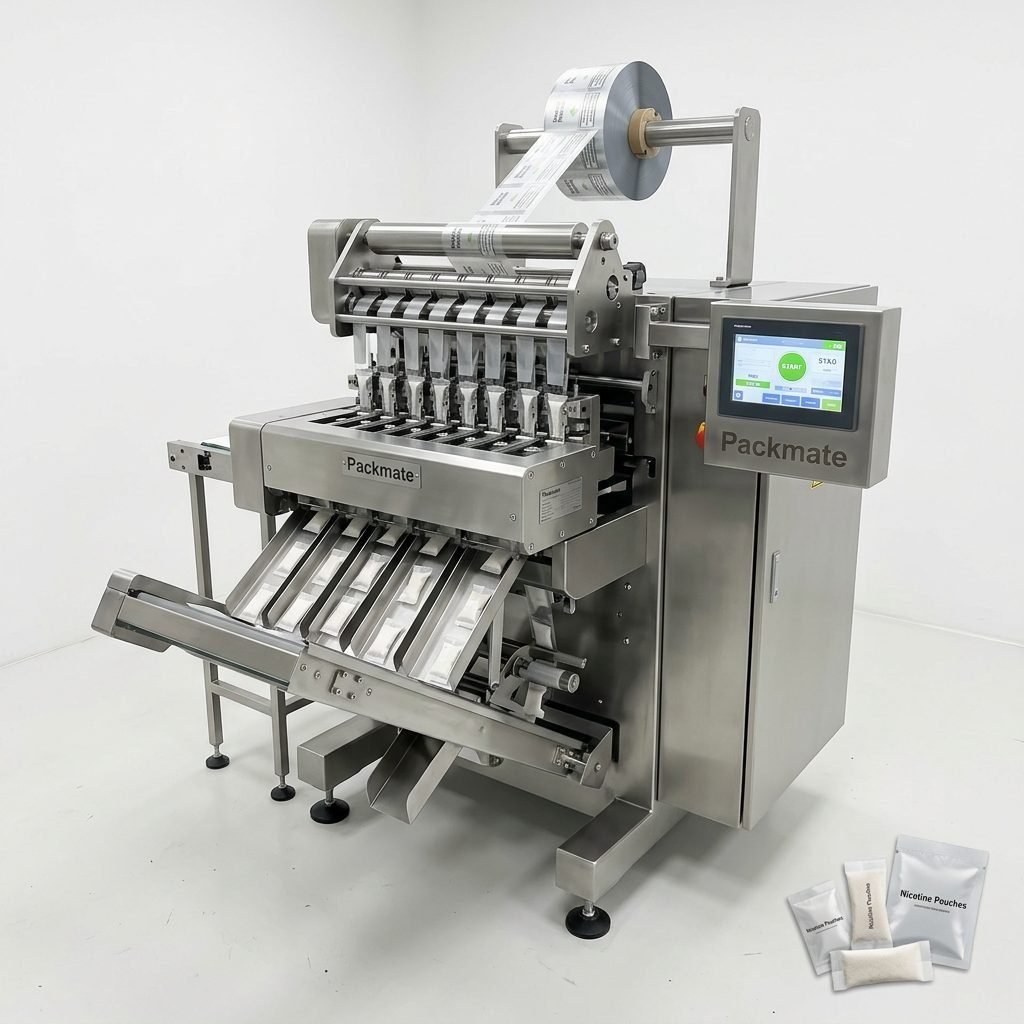
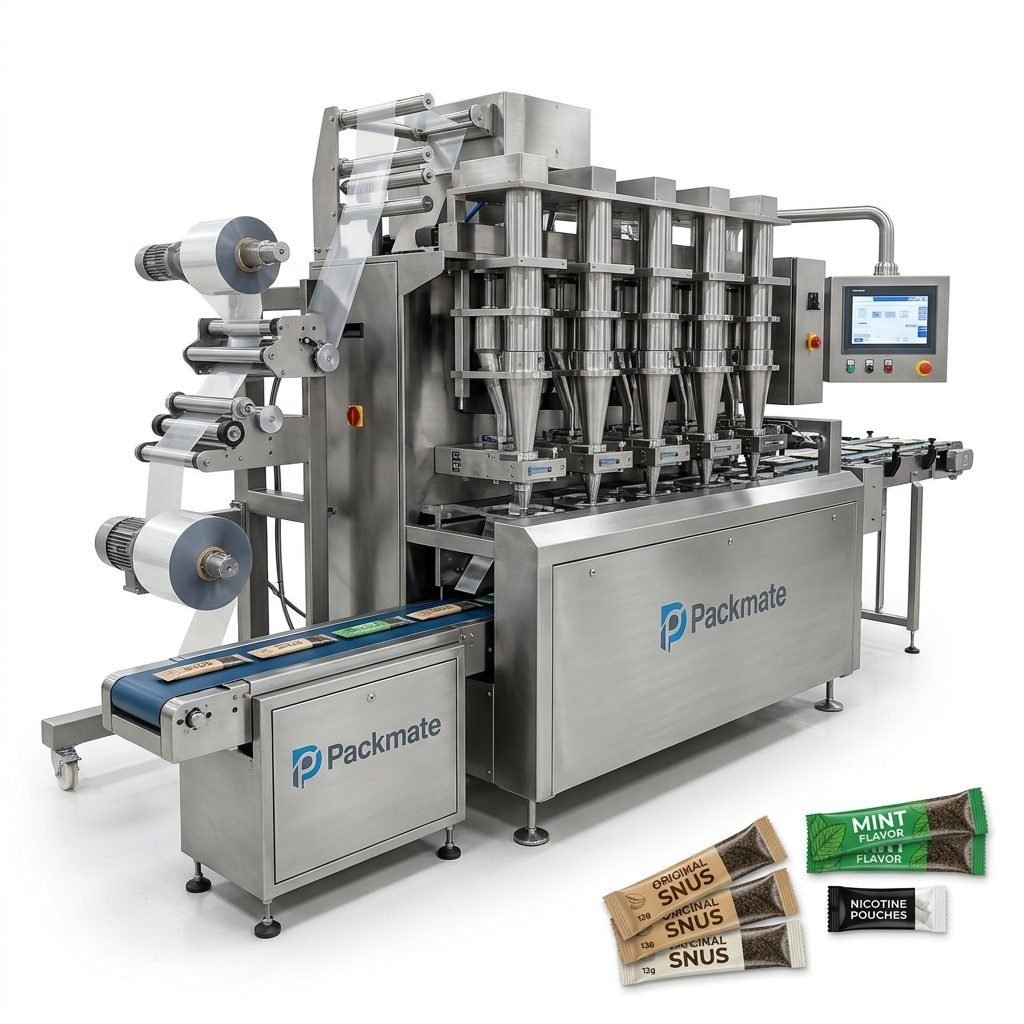
Choosing the right nicotine packaging machine for your Canadian operation requires more than comparing price tags. You need to balance regulatory compliance, product format, production speed, automation level, and after-sales support. This guide walks you through the key factors to consider, common machine types, practical tips for site preparation, and how to evaluate suppliers — all tailored to the unique demands of nicotine pouch and snus packaging in Canada.
Understand Your Product and Packaging Format
Start by defining the exact product you will package. Nicotine products vary by form: loose snus, pre-portioned nicotine pouches, or stick packs. Each format has distinct filling, sealing, and handling requirements. For example, nicotine pouches require gentle dosing and precise sealing to maintain freshness and avoid leakage, while stick packs may emphasize long seal integrity and high-speed output.
Identify the pouch type you want: sachet, multi-lane stick, pillow pouch, or can-ready packs. Matching machine capability to the final package is critical to avoid costly retrofits.
Key product questions to answer
• Is the product powder, granule, or a compact tobacco-like blend?
• What pouch sizes and dose accuracy are required?
• Will you produce single-lane or multi-lane outputs for higher throughput?
Tip: If you plan to expand SKUs, choose a flexible machine that supports quick tool-free changeovers. Consider systems designed for snus and nicotine pouches, such as those listed under
Snus & Nicotine Packaging Machines.
Match Speed and Output to Your Business Goals
Production speed is not just a number — it must align with your upstream and downstream processes. Define both your current required throughput and expected growth over 2–5 years. Buyers often underestimate downstream bottlenecks: a very high-speed vertical form-fill-seal (VFFS) or multi-lane stick pack machine may require faster feeders, stronger conveyors, and more frequent maintenance cycles.
For small-batch artisanal runs, a single-lane sachet or stick pack machine is cost-effective. For larger volumes, multi-lane systems provide economy of scale but need more precise synchronization and higher initial capital.
Production planning checklist
• Target units per minute and per shift.
• Number of SKUs and frequency of changeovers.
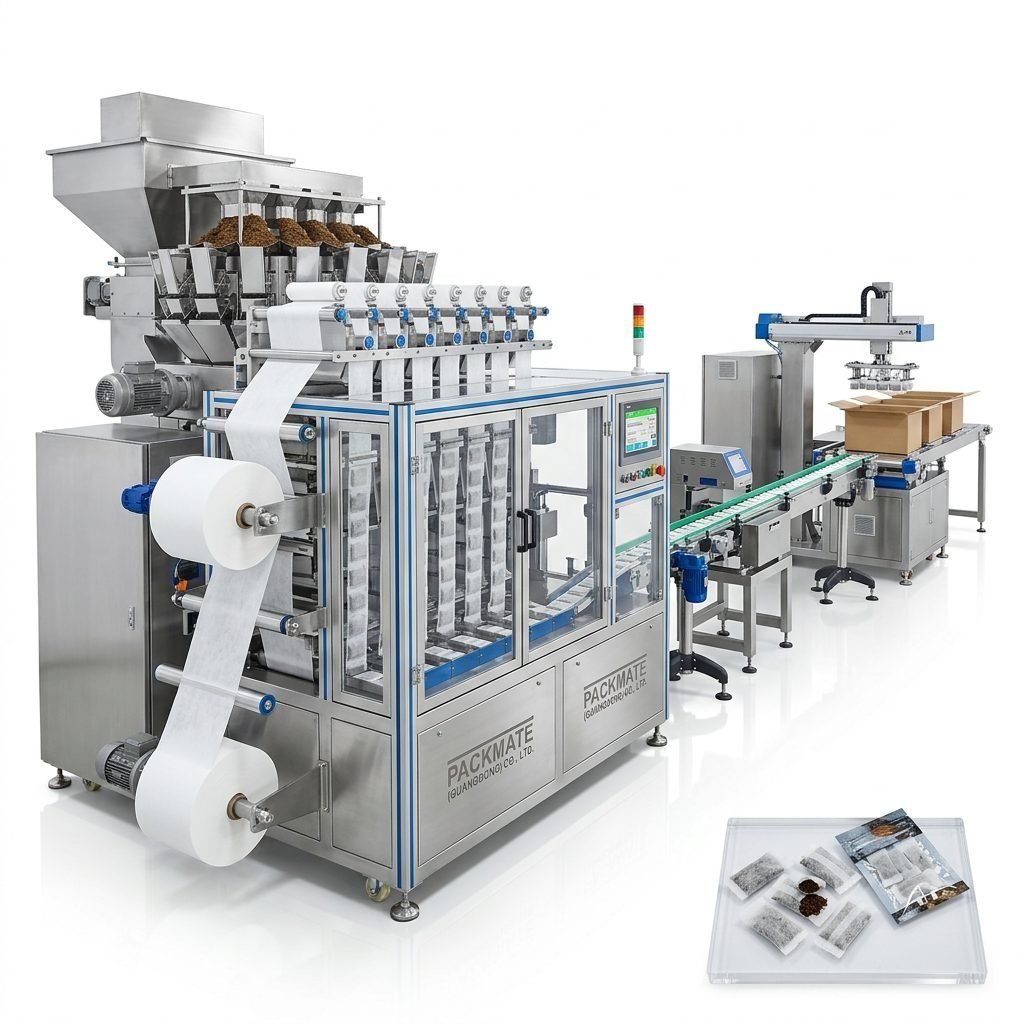
• Integration needs with weighers, feeders, and case packers.
Note: For complete filling and packaging lines, consider systems under
Filling & Packaging Lines to ensure compatibility across all equipment.
Compliance, Certifications, and Canadian Regulations
Nicotine and snus packaging fall into strict regulatory frameworks. Machines must support tamper-evident features, accurate labelling workflows, and hygienic design to meet health and safety standards. While machinery certifications like CE and ISO demonstrate manufacturing quality, you should also verify that the machine can be configured to meet Canadian labelling and packaging requirements for nicotine products.
Ask suppliers about material traceability, cleanability (stainless steel contact parts), and options for integrating verification systems like checkweighers or vision inspection to ensure regulatory compliance during production.
Types of Machines and When to Choose Them
There are several machine families suitable for nicotine packaging. Understanding the pros and cons helps you choose the most cost-effective solution.
1. Sachet and Pillow Pouch Machines
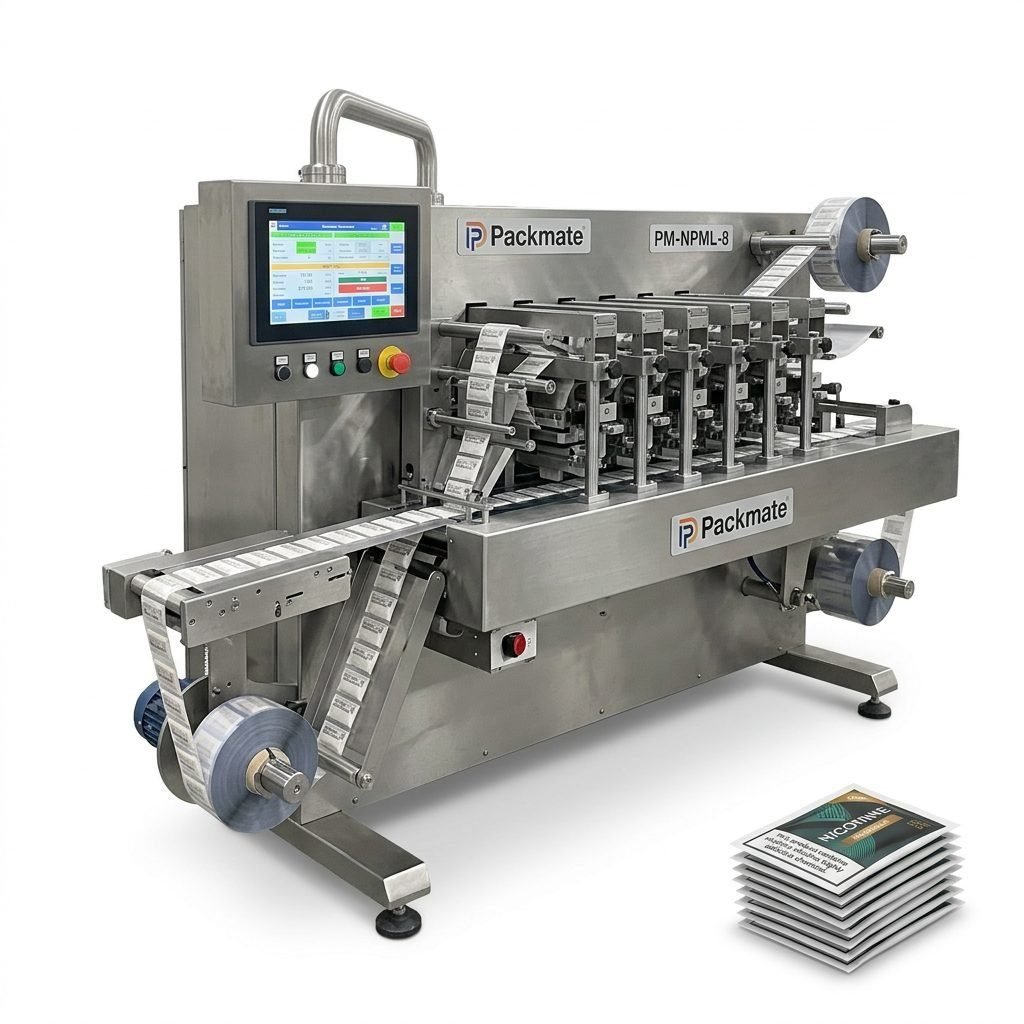
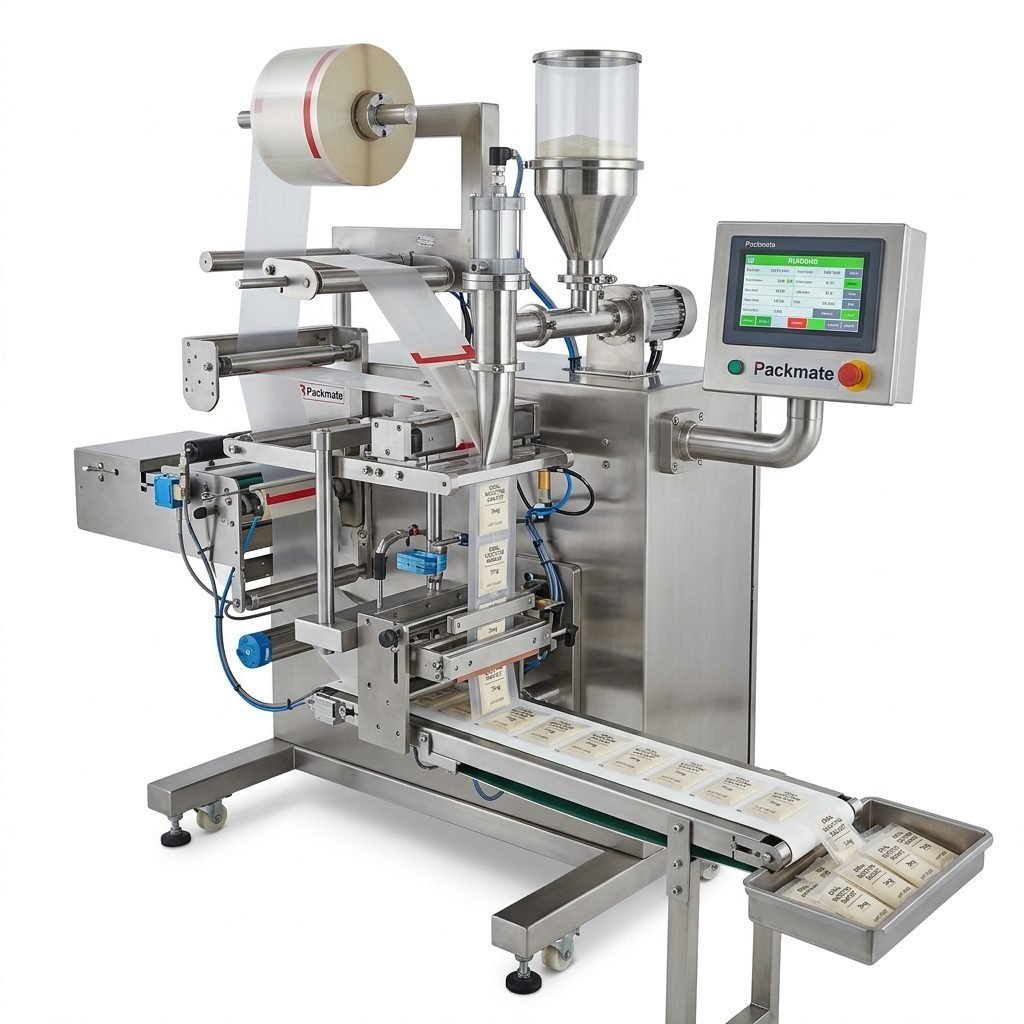
Ideal for single-dose sachets or pillow-style pouches. They are generally flexible and suitable for a range of materials and barrier films. Choose this type if you value flexibility and moderate speed with low tooling costs.
2. Stick Pack Machines
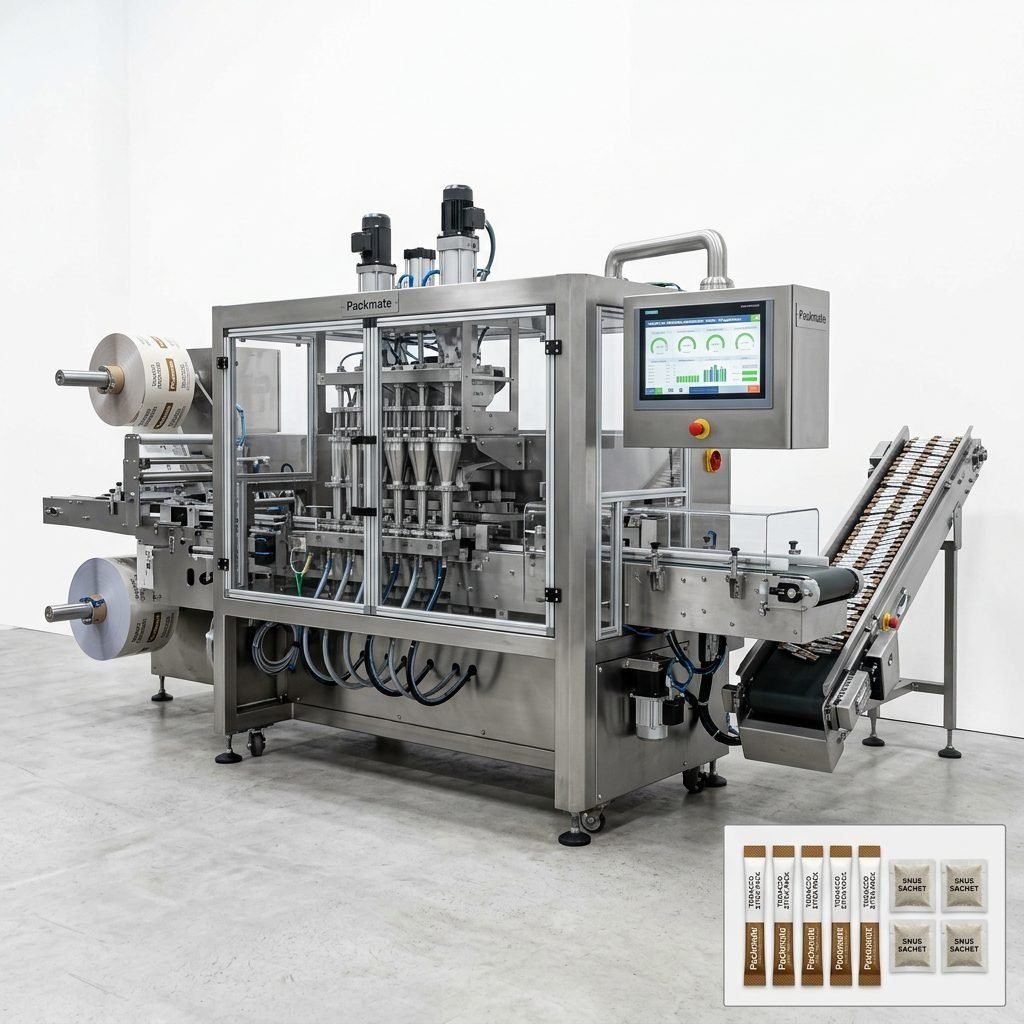
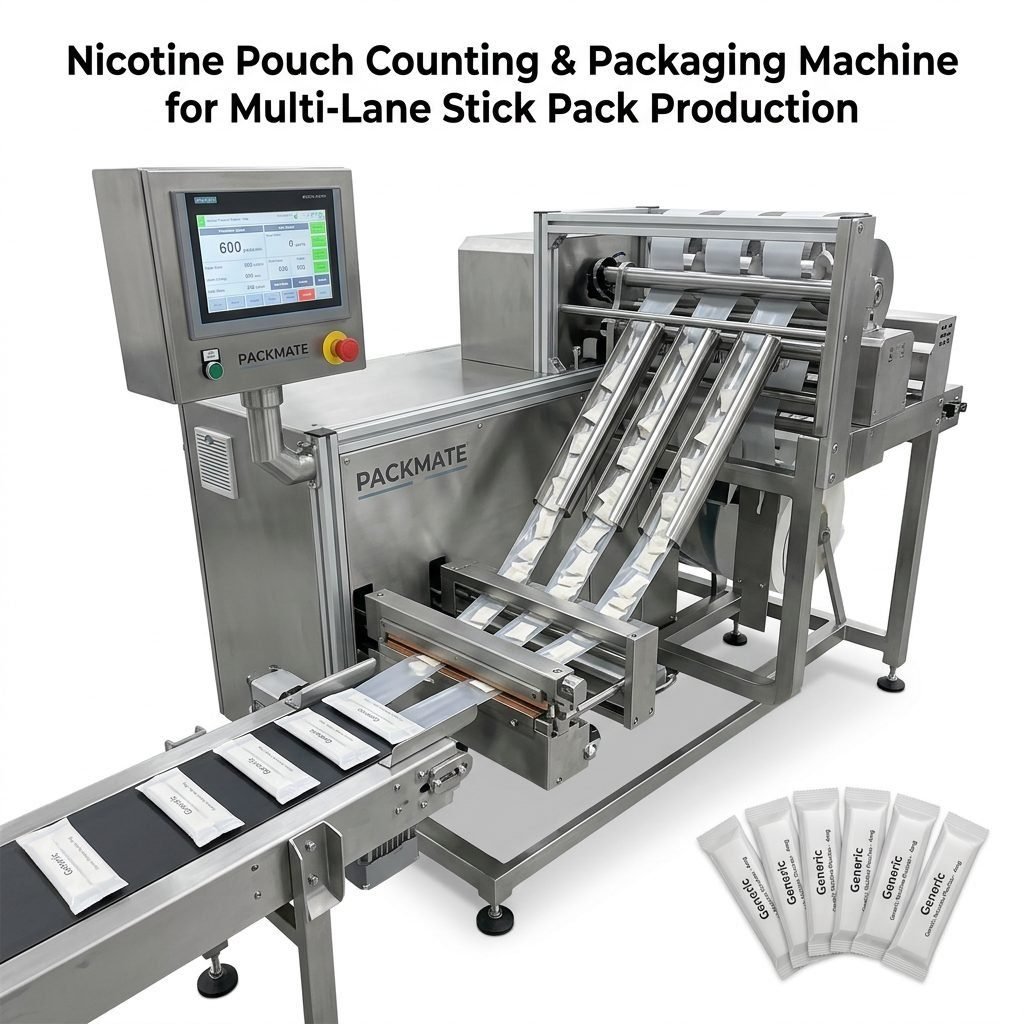
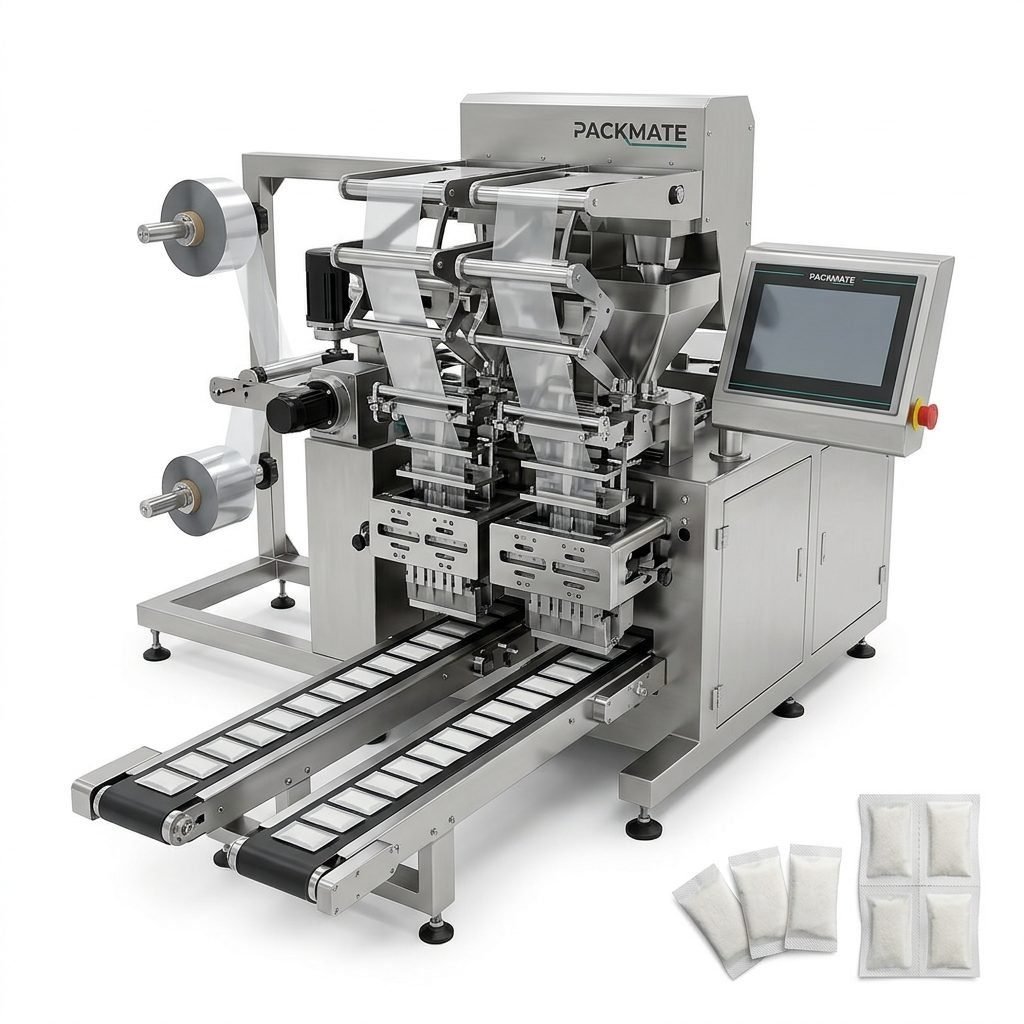
Best for narrow, elongated packs delivered at high speeds. Multi-lane stick pack machines are common for nicotine pouches when rapid output is needed. These machines often integrate with dosing systems designed for precise small-dose filling.
3. Vertical Form-Fill-Seal (VFFS) and Multi-Lane Systems
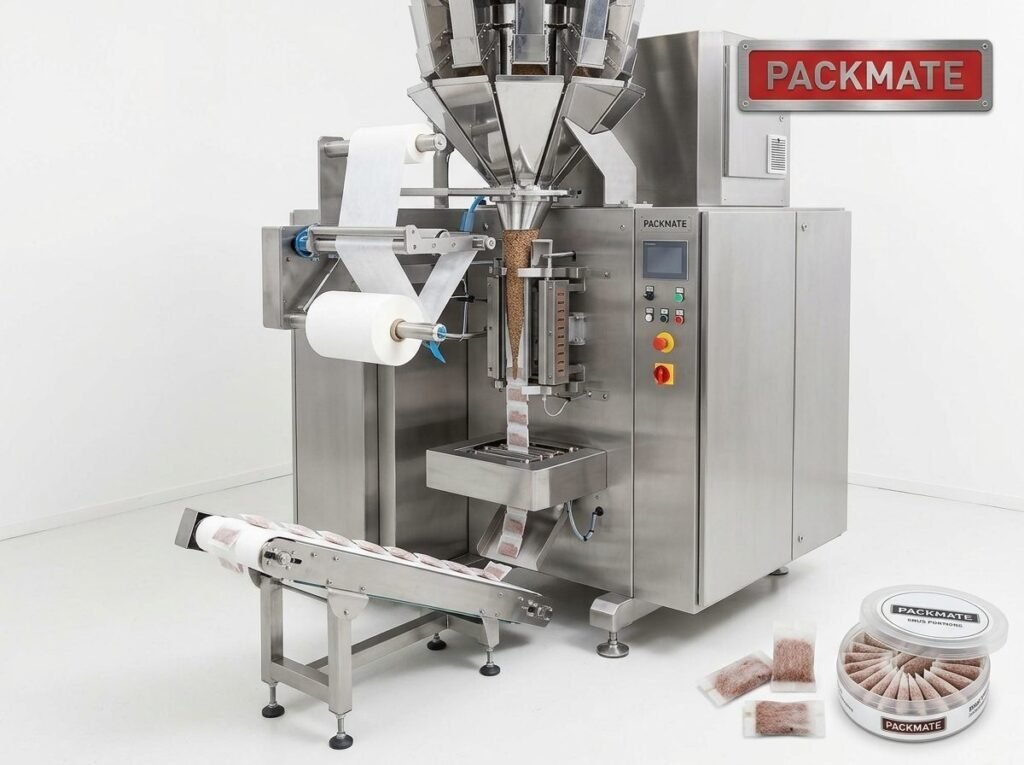
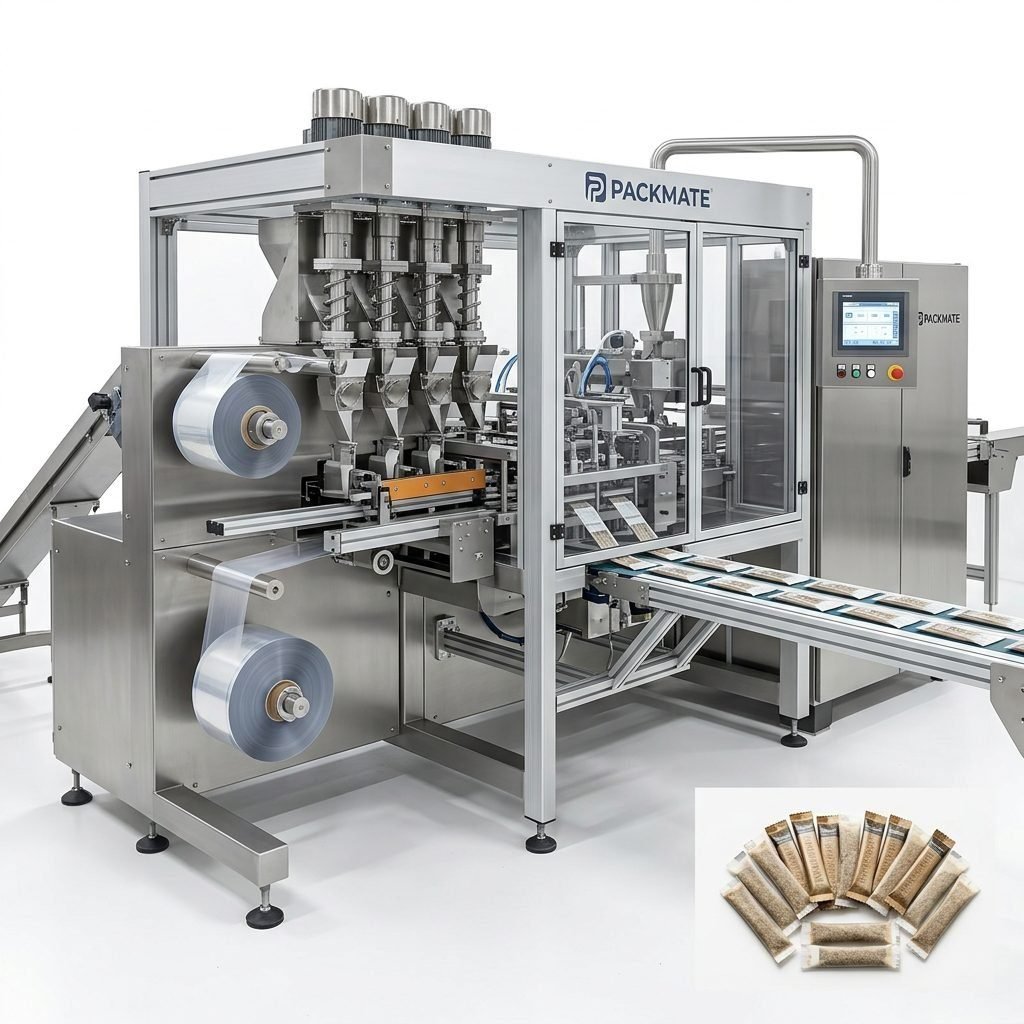
Multi-lane VFFS solutions are suitable when you need high throughput with multi-lane synchronization. They demand higher floor space and more advanced control systems but can significantly reduce per-unit costs at scale.
Recommendation: If your operation focuses on nicotine pouch production, review specialized solutions in
Sachet & Stick Pack Machines to compare models suited for small-dose packaging.
Material Compatibility and Barrier Requirements
Nicotine products often require high-barrier packaging films to protect against moisture, oxygen exchange, and flavor loss. Confirm that the machine accepts your chosen film laminates, can handle gusseting or barrier pouches if needed, and supports heat-sealing parameters for your material stack.
Ask about film tension control, servo-driven film handling, and temperature stability — especially critical for consistent seal integrity on nicotine pouches.
Automation, Controls, and Industry 4.0 Features
Modern packaging machinery provides advanced PLC/HMI controls, remote diagnostics, and data logging. These features help reduce downtime and enable predictive maintenance. If remote monitoring and production analytics matter, prioritize machines with built-in connectivity, standardized communication protocols, and strong technical documentation.
Integration-ready machines simplify line integration (weighers, augers, conveyors) and accelerate commissioning — valuable when deploying a turnkey packaging line.
Supplier Evaluation: What to Ask Potential Manufacturers
Selecting the right supplier is as important as selecting the machine. Look beyond brochures and ask for factory acceptance tests (FAT), references from similar projects, spare parts lead times, and local service capability in Canada.
Key questions:
• Can you provide references for snus/nicotine packaging installations?
• What are typical delivery and lead times for spare parts?
• Do you offer commissioning, staff training, and ongoing support in Canada?
• Is on-site or remote troubleshooting available?
Vendor highlight: Packmate Snus Machine, with over 30 years of experience and CE/ISO certifications, provides specialized snus packaging solutions and turnkey lines. Learn more in their company profile at
About Packmate.
Installation, Site Preparation, and Utilities
Before machinery arrives, ensure your plant layout supports machine footprint, material flow, and maintenance access. Check power, compressed air, drainage, and environmental controls. Some key considerations:
• Electrical supply voltage and phase compatibility.
• Cleanroom or hygienic area requirements for nicotine handling.
• Floor loading capacity and anchoring needs.
• Waste handling and film scrap collection.
Start-up timeline
Plan for a realistic commissioning period that includes FAT, site acceptance testing (SAT), operator training, and initial production runs. Allow time for minor tuning to reach target throughput and quality.
Total Cost of Ownership (TCO) — Beyond the Purchase Price
Evaluate machines by TCO: initial capital, installation, spare parts, consumables, energy consumption, and expected maintenance. Higher upfront cost for a robust, low-maintenance machine often pays off through reduced downtime and better product yields.
Include training and warranty terms in your cost calculations. A reliable supplier will provide clear warranty coverage and optional extended service plans.
Financial tip: Request a breakdown of consumable costs (sealing jaws, films, blades) and spare parts kits. This helps you forecast recurring expenses and avoid surprises.
Testing, Quality Assurance and Sampling
Request sample runs or videos of similar products on the exact machine model you plan to buy. Quality tests should include seal integrity, weight checks, and real-world handling tests. If possible, perform a trial with your materials and formulations.
Consider integrating vision inspection and checkweighing to automatically reject non-conforming pouches. Suppliers often bundle these as part of a complete solution.
After-sales Support, Spare Parts and Training
Fast and reliable after-sales support reduces downtime. Confirm spare parts inventory, local distributor presence, or guaranteed shipping times from the factory. Training for operators and maintenance staff is essential to maximize machine uptime.
Choose suppliers who provide remote diagnostics, spare parts kits, and clear maintenance schedules. Companies that participate in global exhibitions and show real case studies often have more mature support networks — see real-world
Case examples for insights.
How to Evaluate Machine Proposals
When comparing quotes, create a scoring matrix that weighs: compliance and certifications, throughput, flexibility, TCO, accessibility of spare parts, warranty terms, and supplier reputation. Don’t be swayed solely by the lowest price; focus on value and long-term reliability.
Request clear documentation: mechanical drawings, electrical schematics, software interfaces, and a list of consumables. Confirm who will handle installation, FAT, SAT, and operator training.
Extra resource: For auxiliary equipment compatibility, check options under
Auxiliary Packaging Equipment.
Practical Tips for Canadian Buyers
• Work with vendors who have export experience and provide clear customs and shipping documentation for Canada.
• Plan for bilingual labels and packaging where required (English/French).
• Verify electrical compatibility (voltage and frequency) and arrange for local-certified electricians for installation.
• Prioritize safety features and ergonomics to meet workplace regulations.
Decision Roadmap — A Quick Checklist
1) Define product format and SKUs. 2) Calculate current and future throughput. 3) Choose machine family that matches your package type. 4) Verify material compatibility and barrier needs. 5) Evaluate vendor support, certifications, and TCO. 6) Plan site prep, utilities, and commissioning. 7) Test with your material and finalize purchase.
Where to Find the Right Machines
Explore specialized manufacturers with proven snus and nicotine pouch expertise. Start with product pages like
Snus & Nicotine Packaging Machines and related solutions. Review certifications, factory capabilities, and exhibition participation to gauge reliability.
Final Considerations Before Purchase
Choosing a nicotine packaging machine is a strategic decision. Prioritize machine flexibility, supplier reliability, and regulatory compliance. Investing in a slightly higher-spec machine with good support can prevent production losses and ensure scalable growth.
Final tip: If you want a turnkey solution combining weighing, filling, and packaging systems, view integrated options under
Weighing & Packaging Systems.
Common Questions (FAQs)
Q1: How do I choose between single-lane and multi-lane machines?
A1: Choose single-lane models for flexibility and small batches; multi-lane systems are optimal for high-volume production where economies of scale justify the investment.
Q2: What certifications should the machine have for Canadian markets?
A2: Look for CE and ISO as indicators of manufacturer quality; ensure the machine’s design can meet Canadian labelling and product safety regulations for nicotine products.
Q3: How important is after-sales support when buying from overseas manufacturers?
A3: Extremely important. Confirm spare parts availability, remote diagnostics, local service partners, and training options to minimize downtime.
Q4: Can I run multiple SKUs on the same machine?
A4: Many modern machines support quick changeovers, but confirm tooling change time, program memory, and any additional change parts required for different pouch sizes.
Q5: Where can I see real-world examples and case studies for snus packaging systems?
A5: Review manufacturer case pages and exhibition demos to observe machines running similar products — these provide practical insights into real-life performance and support.