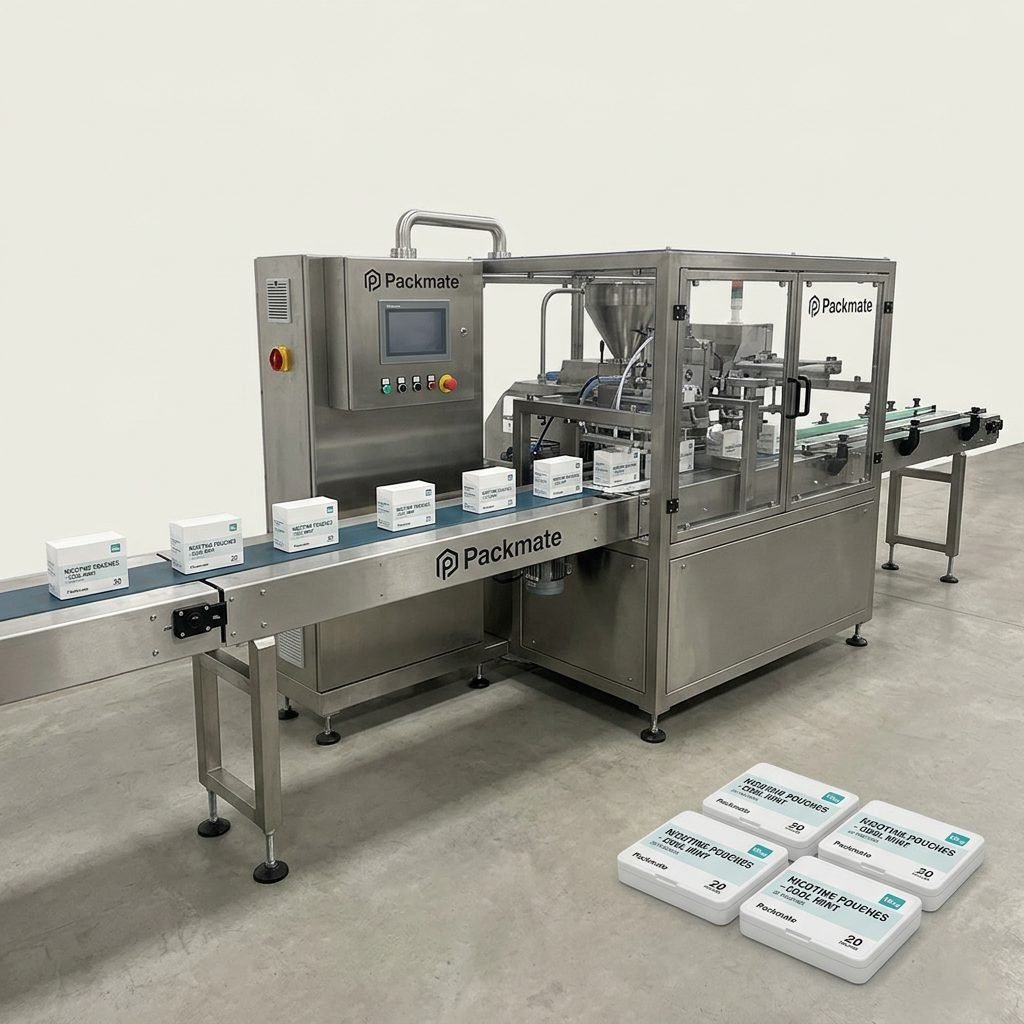
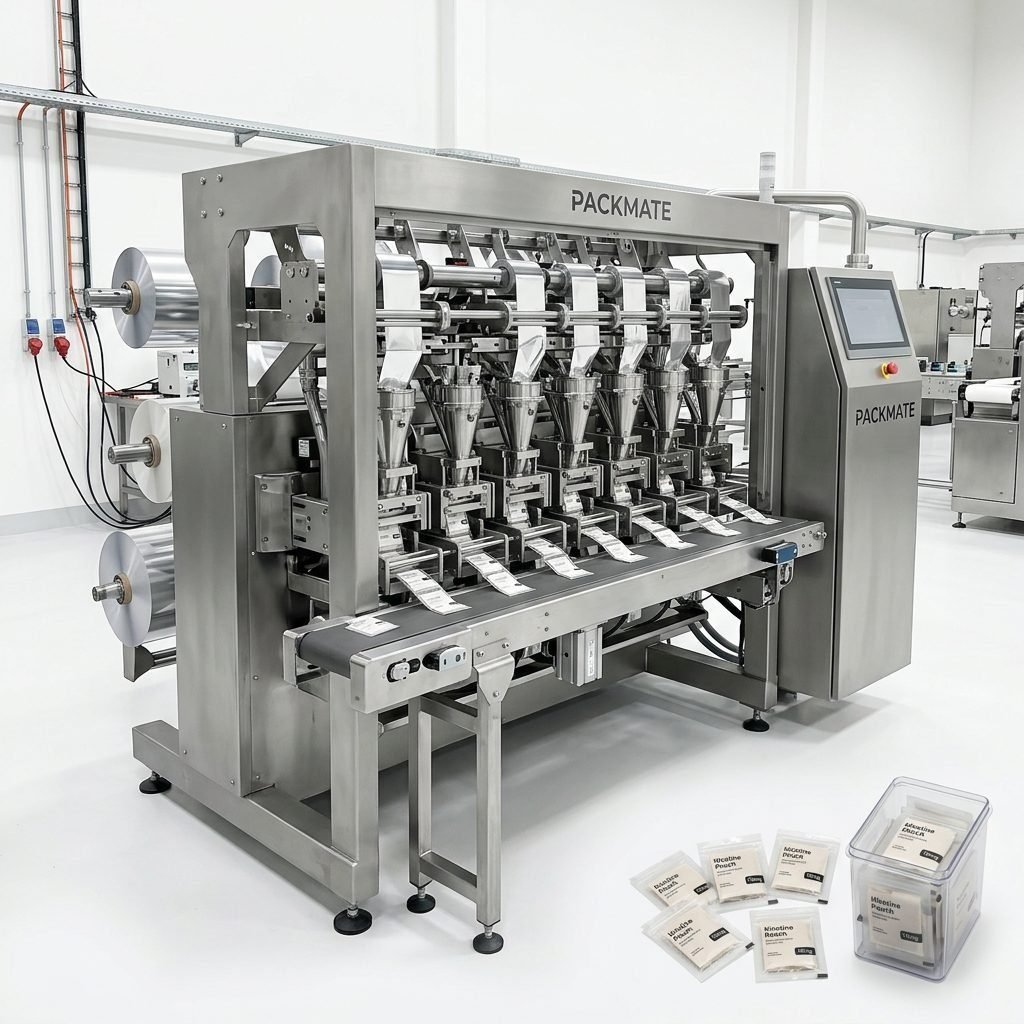
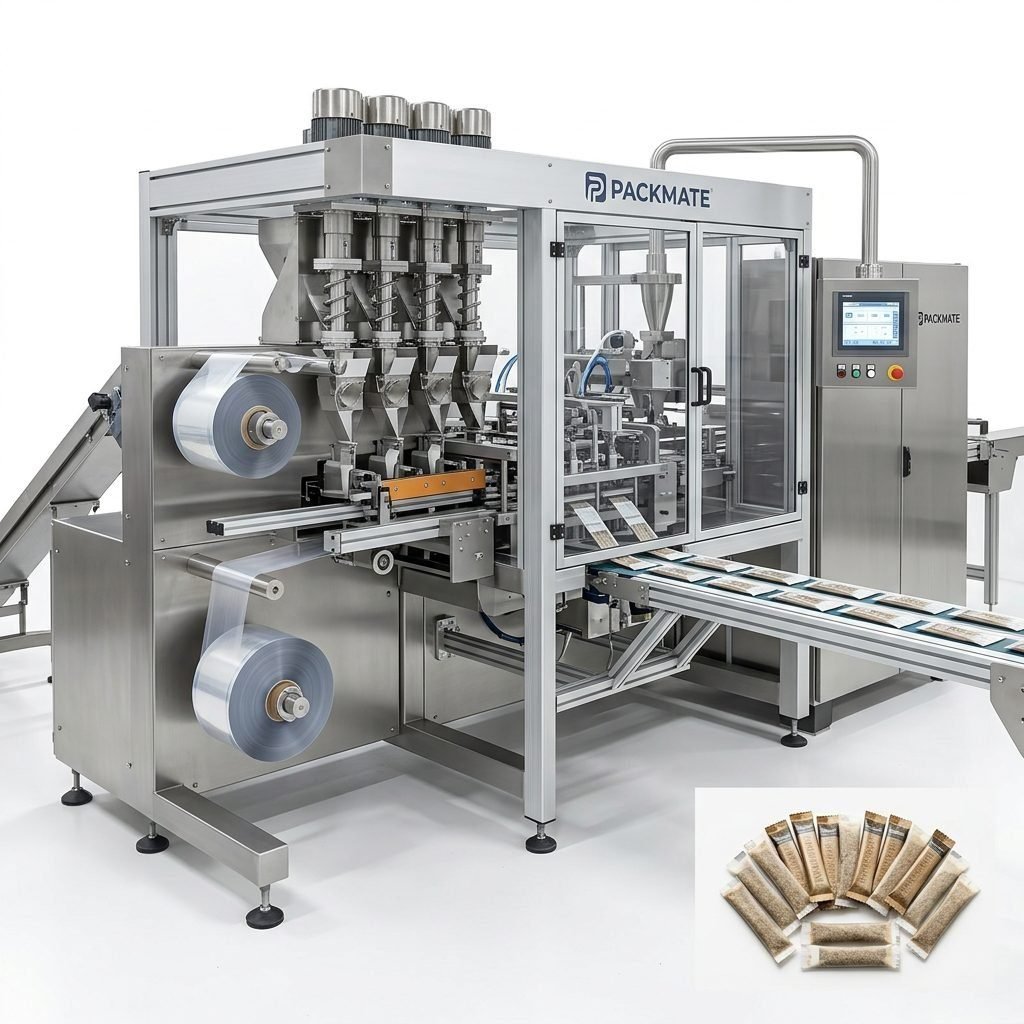
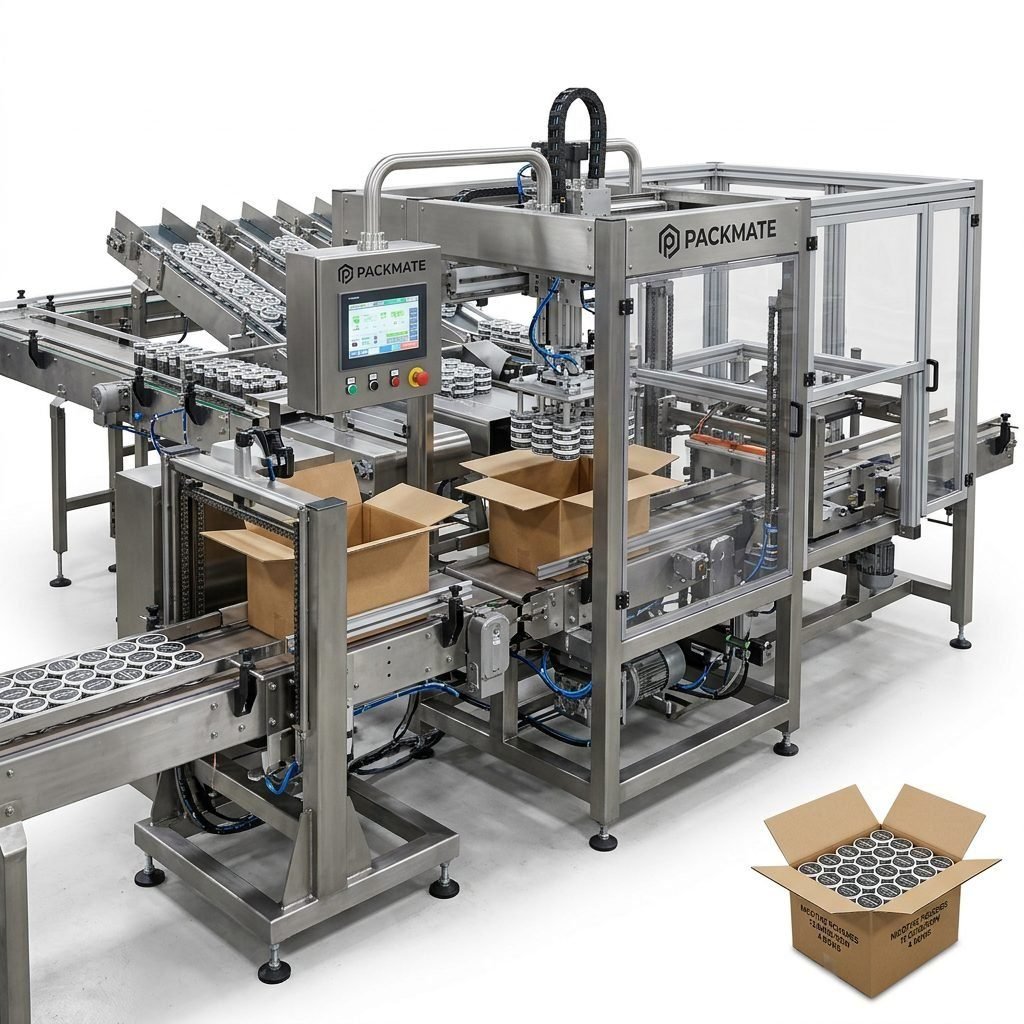
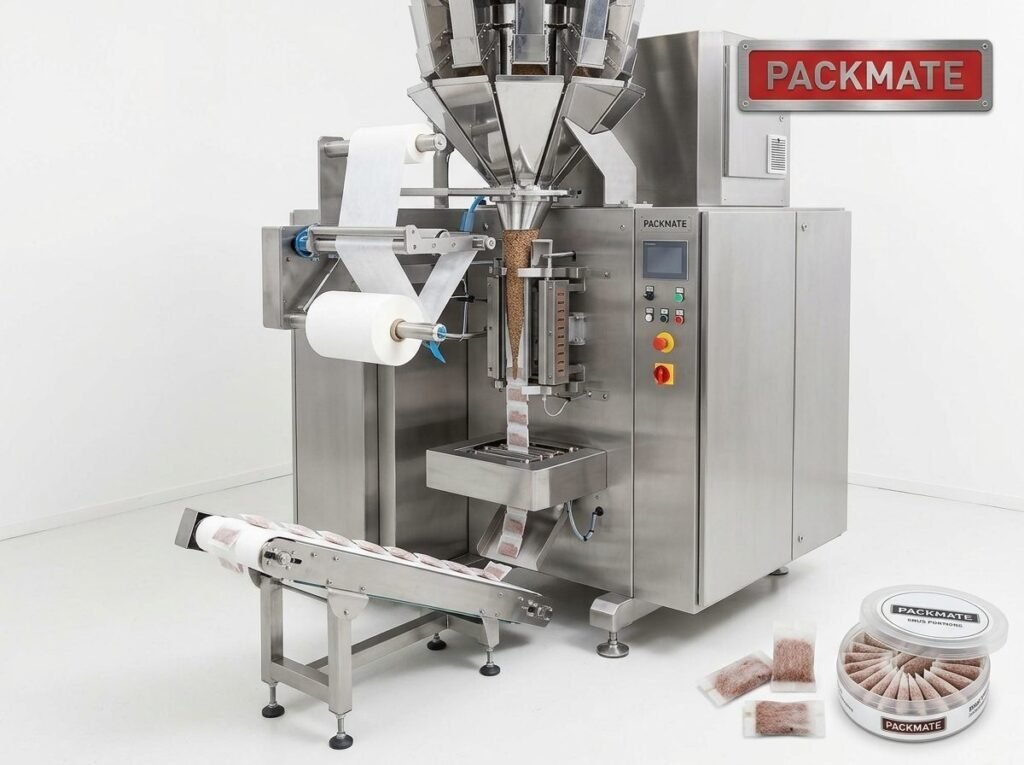
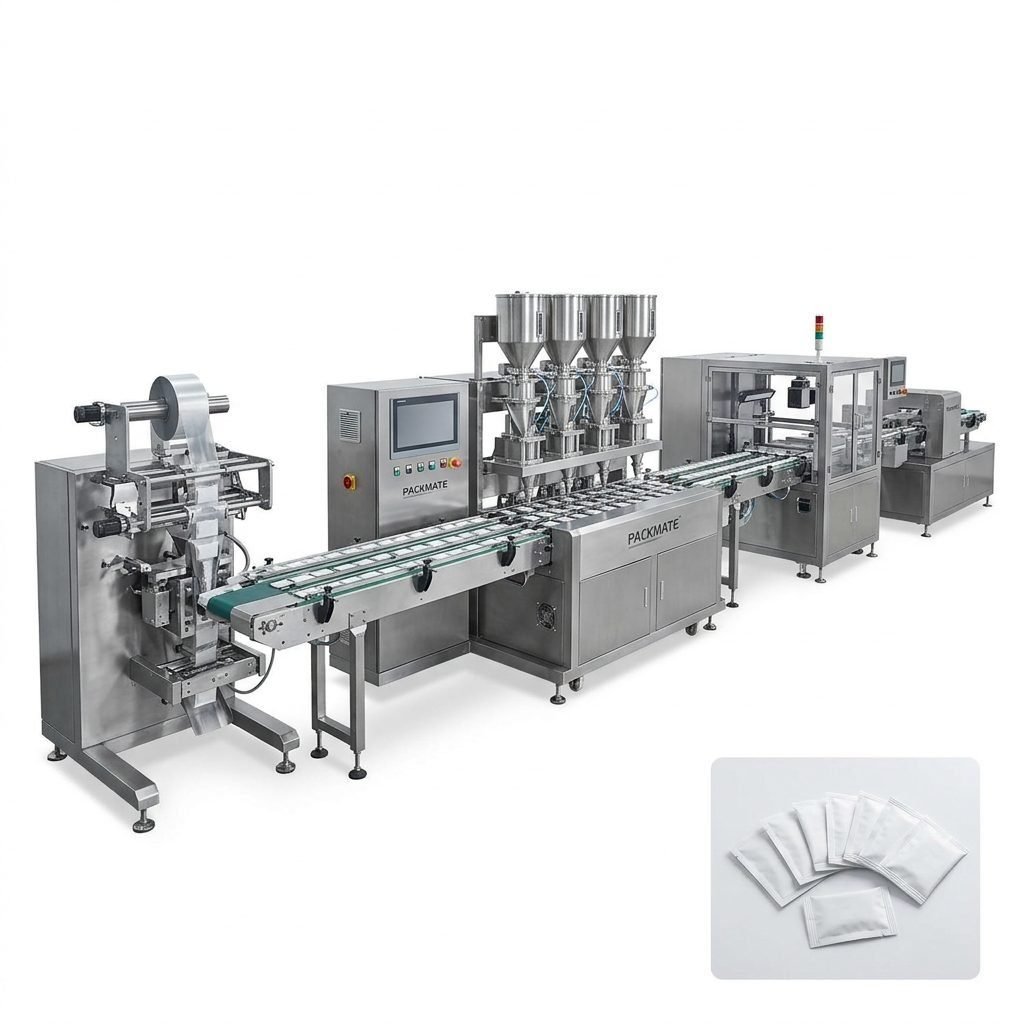
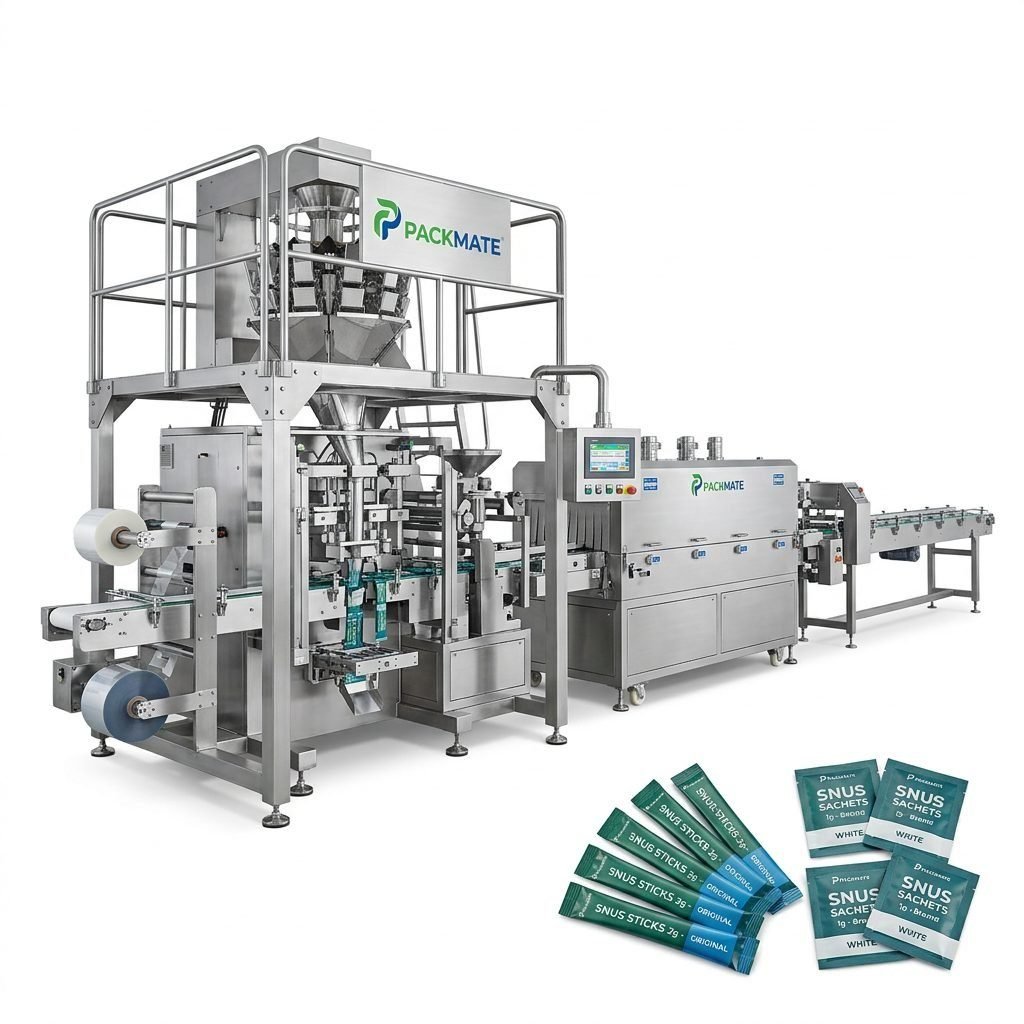
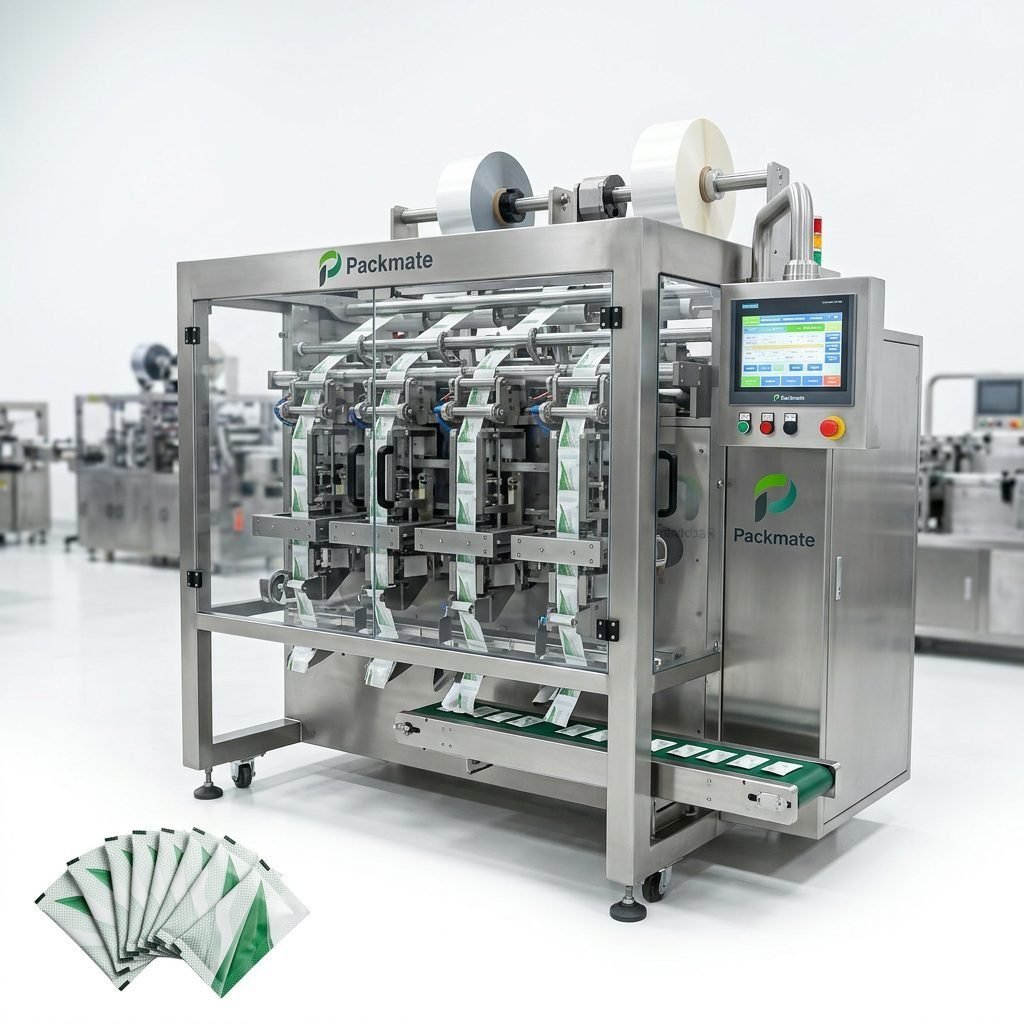
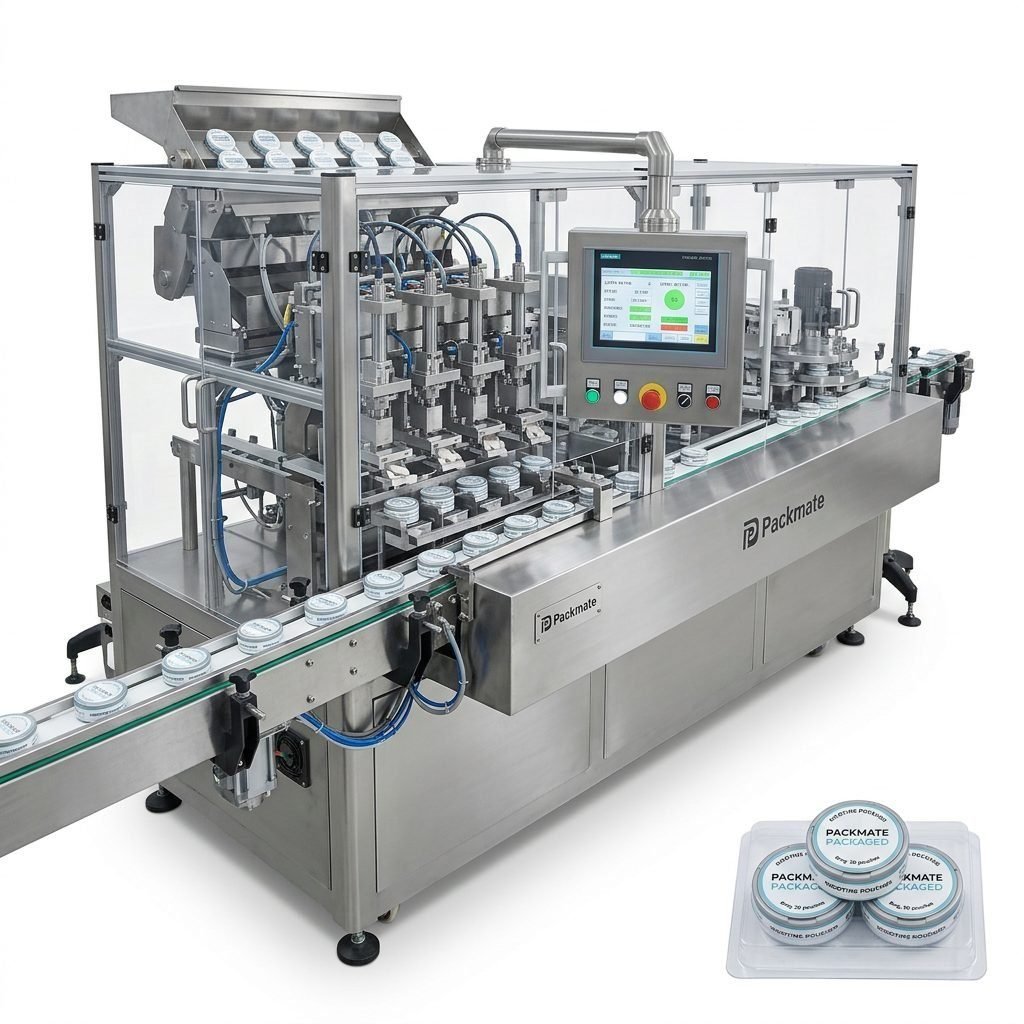
Finding a trustworthy snus packaging machinery supplier is one of the most critical steps for any manufacturer or entrepreneur moving into nicotine pouches, snus, or small-dose sachet products. This guide walks you through every stage of the purchasing process — from evaluating technical capabilities and certifications to understanding regional market nuances and after-sales support. Use the checklist and practical tips here to avoid common pitfalls and secure a machine partner who delivers long-term value.
Why a Reliable Supplier Matters
Choosing the right supplier affects product quality, regulatory compliance, production uptime, and total cost of ownership. A reliable supplier provides consistent machine performance, clear documentation, spare parts availability, and responsive technical service. In markets where snus and nicotine pouches face strict rules — for example in Scandinavia and parts of Europe — supplier reliability directly impacts your ability to sell and scale.
Tip: Before reaching out, prepare product specs (pouch size, weight, fill material, production speed) and ask suppliers for detailed case studies or references. This saves time and helps focus on capable vendors.
Core Technical Criteria to Evaluate
When you compare machines, evaluate these technical factors carefully:
- Production capacity (pouches per minute and multi-lane throughput).
- Filling accuracy and dosing technology — essential for nicotine products.
- Material compatibility (powders, granules, liquids, blends) and sealing technology.
- Automation level: PLC control, HMI, recipe management, and remote diagnostics.
- Ease of cleaning and maintenance to meet hygiene standards.
- Modularity for future upgrades and spare parts commonality.
Must-have: Demonstrable dosing accuracy data and a live or video demonstration of the machine running your product or a close substitute.
Certifications and Compliance
Verify that the supplier’s machines and processes comply with international standards relevant to your market. Key certifications often include CE and ISO. For nicotine products, documentation that supports hygienic design and traceability is a plus. Ask for copies of certificates and evidence of factory audits or third-party inspections.
Assessing Factory & Manufacturing Strength
A strong manufacturing base means better quality control, faster lead times, and scalable production. Look for:
- Facility size and layout — a sizable workshop with dedicated CNC machining centers and assembly lines indicates investment in precision manufacturing.
- Equipment inventory — advanced CNC, precision measuring tools, and in-house fabrication reduce dependency on third parties.
- Quality control processes and testing facilities — ask about acceptance tests, FAT (Factory Acceptance Test) procedures, and lifetime durability testing.
For an example of a supplier with these capabilities, review product and factory details on this supplier’s Snus & Nicotine Packaging Machines page: Snus & Nicotine Packaging Machines.
Types of Machines to Consider
Choose a machine family aligned with your product format and scale:
- Multi-lane snus pouch lines — ideal for high-throughput small-dose pouches.
- Stick packs and sachets — for single-serve or tear-open formats. See details: Sachet & Stick Pack Machines.
- Bag & pouch form-fill-seal machines — for outer packaging or pouches: Bag & Pouch Packaging Machines.
- Complete filling & line integration for powders, granules, and liquids: Filling & Packaging Lines.
Customization and Turnkey Solutions
A supplier offering turnkey packaging lines and customized solutions can save integration time and reduce risk. Confirm whether they:
- Provide design-for-manufacturing support and custom tooling.
- Offer full line integration (weighing, feeding, sealing, secondary packaging).
- Have experience with your specific product category, e.g., nicotine pouches or snus.
Explore detailed product groups and integrated systems: Weighing & Packaging Systems and Auxiliary Packaging Equipment.
Service, Spare Parts, and Training
Long-term uptime relies on rapid spare parts supply, remote diagnostics, and onsite support. Confirm:
- Availability of critical spare parts and mean time to delivery.
- Training programs for operators and maintenance staff.
- Remote support capabilities (VPN, telemetry) for troubleshooting.
- Global service network or reliable local partners.
Remember: Even the most reliable machine requires routine maintenance. Confirm warranty terms, spare parts kits, and availability of a service manual.
How to Evaluate Suppliers: Step-by-Step
Follow a structured evaluation process to reduce risk:
- Request detailed technical documentation, electrical schematics, and acceptance test procedures.
- Check references and case studies — ask for contactable customers in similar industries.
- Arrange a factory visit or a live virtual demo to observe assembly quality and testing protocols.
- Negotiate FAT (Factory Acceptance Test) and SAT (Site Acceptance Test) conditions in the contract.
- Agree on delivery, installation, and performance acceptance criteria before payment milestones.
Factory Visits and Remote Audits
A supplier’s shop-floor discipline reveals a lot. During a visit, pay attention to machining tolerances, part cleanliness, traceability of components, and the presence of skilled technicians. If travel is limited, request a guided virtual tour and documented QA records.
Pricing, Contracts, and Payment Terms
Price is important, but the lowest bid often hides higher lifecycle costs. Evaluate total cost of ownership, including:
- Spare parts consumption and spare kits pricing.
- Installation and commissioning costs.
- Training and documentation fees.
- Warranty scope and availability of service engineers in your region.
Negotiate performance-linked milestones, and include FAT and SAT acceptance clauses that protect your investment.
Logistics, Export, and Regional Considerations
International purchases must consider shipping, customs, and local regulations. Large packaging machines require careful crating, declared weights, and clear commercial invoices. Ask whether the supplier has export experience for your destination and if they can handle customs paperwork.
Regional Notes: Scandinavia & Europe
Snus has deep cultural roots in Sweden and Norway, where product standards and traceability expectations are high. Suppliers serving these markets should understand local labeling, nicotine limits, and packaging preferences (e.g., portion sizes and resealable cans). European buyers often prioritize CE compliance and detailed documentation.
Regional Notes: North America
In North America, nicotine pouch regulations vary by state and province. U.S. and Canadian buyers may prioritize machines that can quickly switch formats to accommodate regulatory-driven SKU changes. Rapid technical support and spare part logistics within the region are valuable.
Regional Notes: Asia & Emerging Markets
Asia is a growth area for nicotine pouches. Buyers may prefer cost-effective multi-lane systems with flexible dosing and local service partnerships. Cultural packaging preferences — such as single-serve formats and localized language labeling — inform line configuration.
Key Questions to Ask Any Supplier
- Can you provide references and documented case studies for similar products? ✅
- What are your typical lead times and production capacity? 🔧
- What does the warranty cover and how fast are spare parts delivered? ⚠️
- Do you perform FAT and provide video documentation of acceptance tests? 🎥
- Are control systems open for integration with MES/ERP and do you offer remote diagnostics? 🌐
You can contact suppliers for product catalogs and more information. For example, learn about the company background and capabilities here: About Packmate, and reach out via their Contact Us page to request a quote or schedule a factory visit.
Quick Pre-purchase Checklist
- Documented dosing accuracy and sample test results.
- Proven factory QA and ISO/CE certificates.
- Clear spare parts lead times and service agreements.
- Agreed FAT/SAT terms and acceptance criteria.
- References from customers with similar products and markets.
Final Recommendations for Buyers
Start with a shortlist of reputable suppliers that demonstrate domain expertise in snus and nicotine pouch equipment. Prioritize machine reliability, clear documentation, and after-sales support over headline price. Require FAT/SAT testing, insist on spare parts guarantees, and plan for operator training. Regional regulatory considerations should influence machine configuration and documentation needs.
Where to Find More Information and Examples
Explore machine families and case studies to better understand what a supplier can deliver: product pages such as Snus & Nicotine Packaging Machines, Bag & Pouch Packaging Machines, and Case Studies provide practical examples of installed lines and customer outcomes.
Frequently Asked Questions
Q1: How long does it take to get a snus packaging line delivered and installed?
Delivery and installation typically range from 3 to 6 months depending on customization, spare parts status, and shipping logistics. Plan for additional time for FAT, shipment, customs clearance, and on-site commissioning.
Q2: What are the common warranty and service terms?
Standard warranties often cover 12 months for mechanical/electrical faults (excluding wear parts). Confirm response times for on-site visits and availability of spare parts stock in your region.
Q3: Can machines be upgraded for different pouch formats later?
Many modern machines are modular and designed for format changes. Confirm the changeover time, required tooling, and whether upgrades are supported on-site or require factory modifications.
Q4: What documentation should be provided before shipment?
Request electrical schematics, mechanical drawings, software licenses, operation & maintenance manuals, FAT reports, certificates (CE/ISO), and a spare parts list.