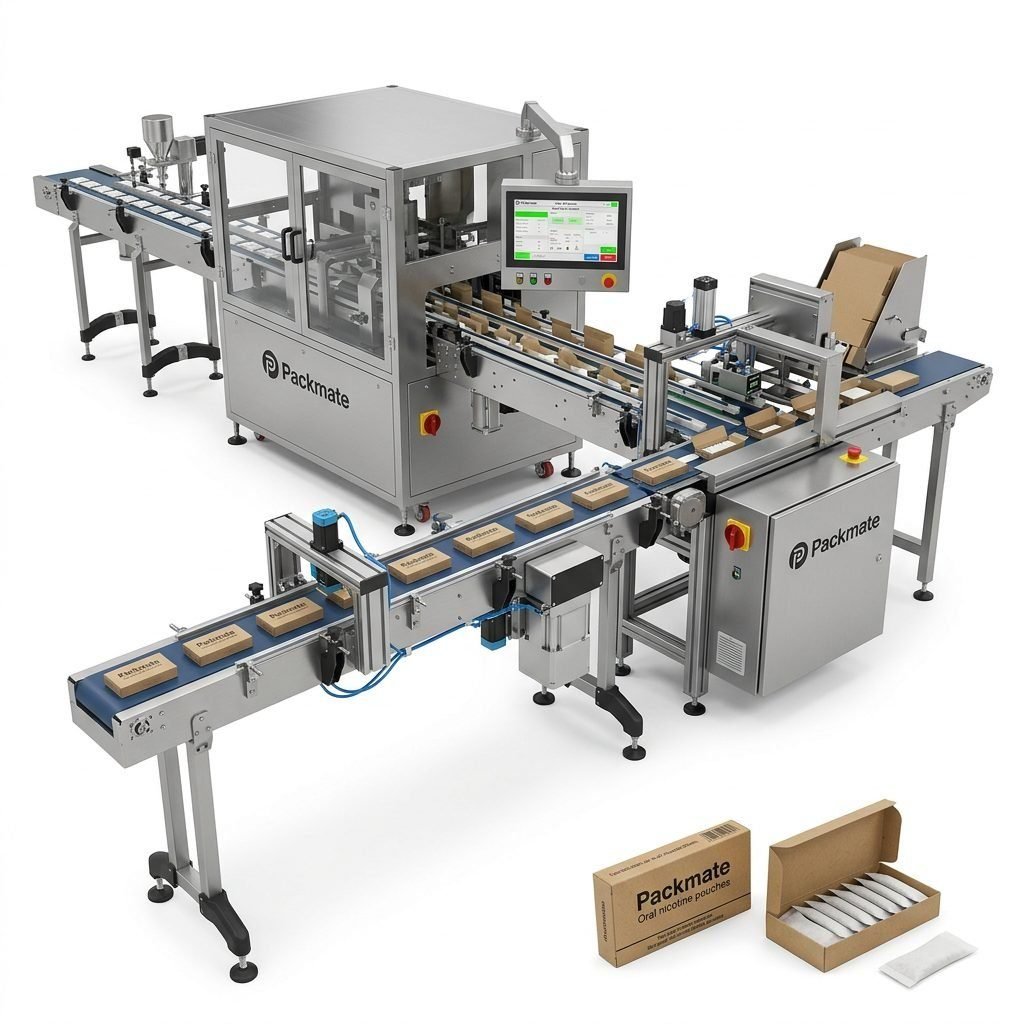
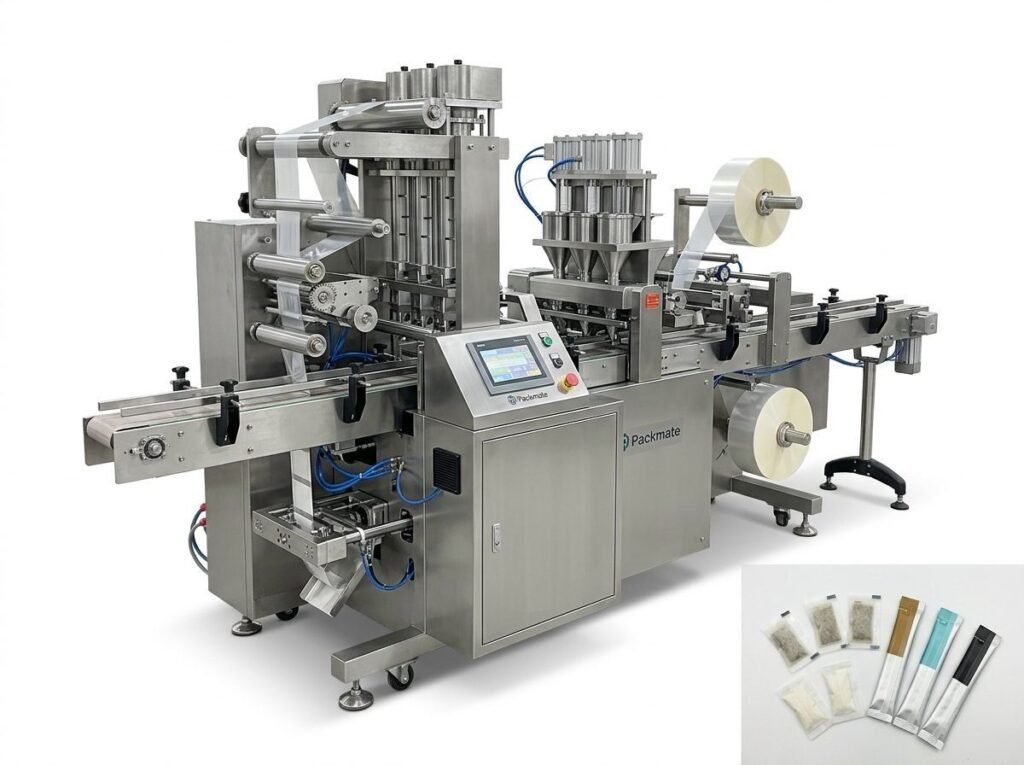
Choosing the right snus packaging machine manufacturer in Australia requires more than a price comparison. You need to weigh regulatory compliance, machine performance, local support, and long-term reliability. This guide walks Australian buyers through the technical, commercial, and cultural considerations to pick a partner that can deliver consistent, compliant snus and nicotine pouch packaging solutions.
Understanding the Australian Market and Local Considerations
⚠️ Australia has strict controls around nicotine products and tobacco alternatives. While consumer habits show interest in smokeless nicotine alternatives, legal and import frameworks are stringent — nicotine for inhalation and oral use often requires prescriptions or special permits. Before importing machinery or raw materials, check local regulations and consult legal counsel or Australian authorities to ensure compliance.
Cultural and workplace habits that matter
Australian workplaces and public spaces have strong smoke-free norms. Packaging designs and machines that support low-noise, dust-free operations and consistent sealing for tamper-evident packs align better with buyer expectations here. Manufacturers that emphasize hygiene, cleanroom compatibility, and low-maintenance operation will be more attractive to local buyers.
Key Technical Specifications to Compare
When evaluating a snus packaging machine manufacturer, focus on performance metrics that directly affect your output and product quality:
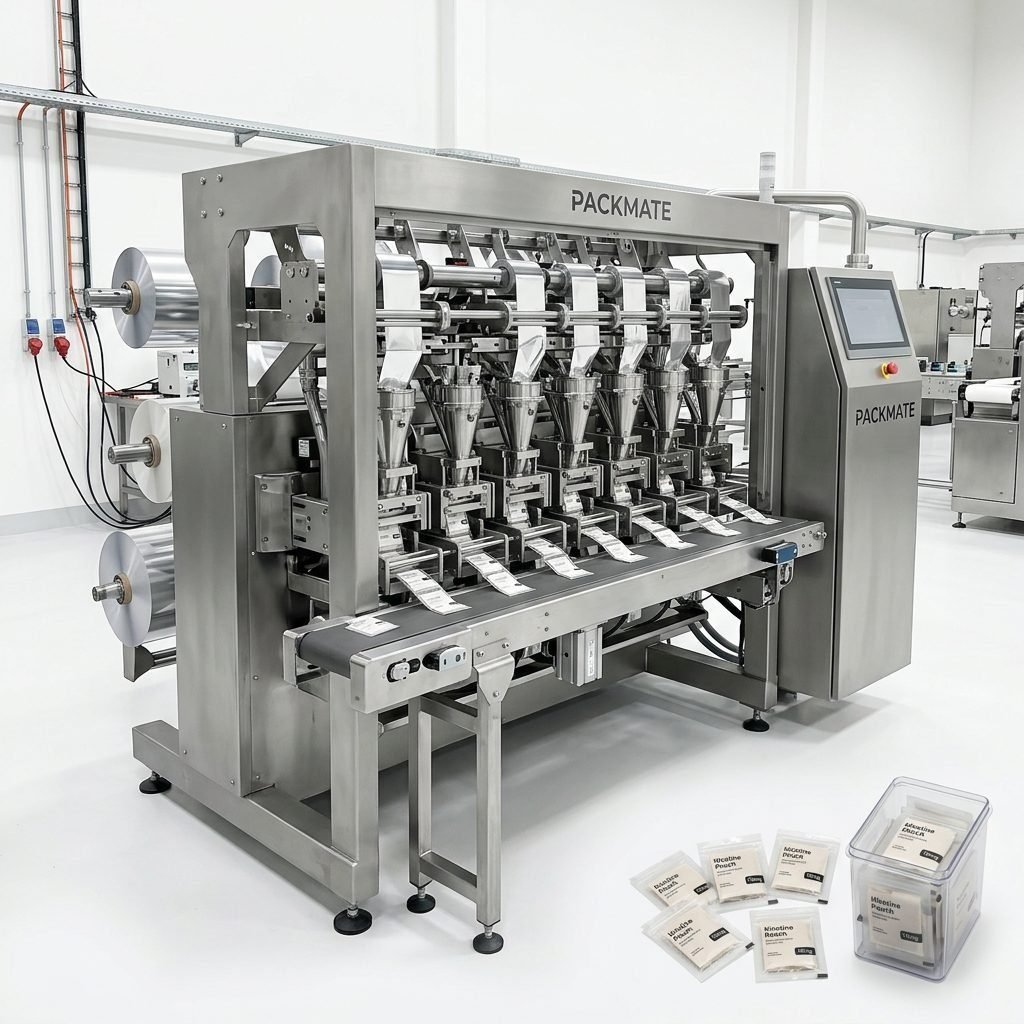
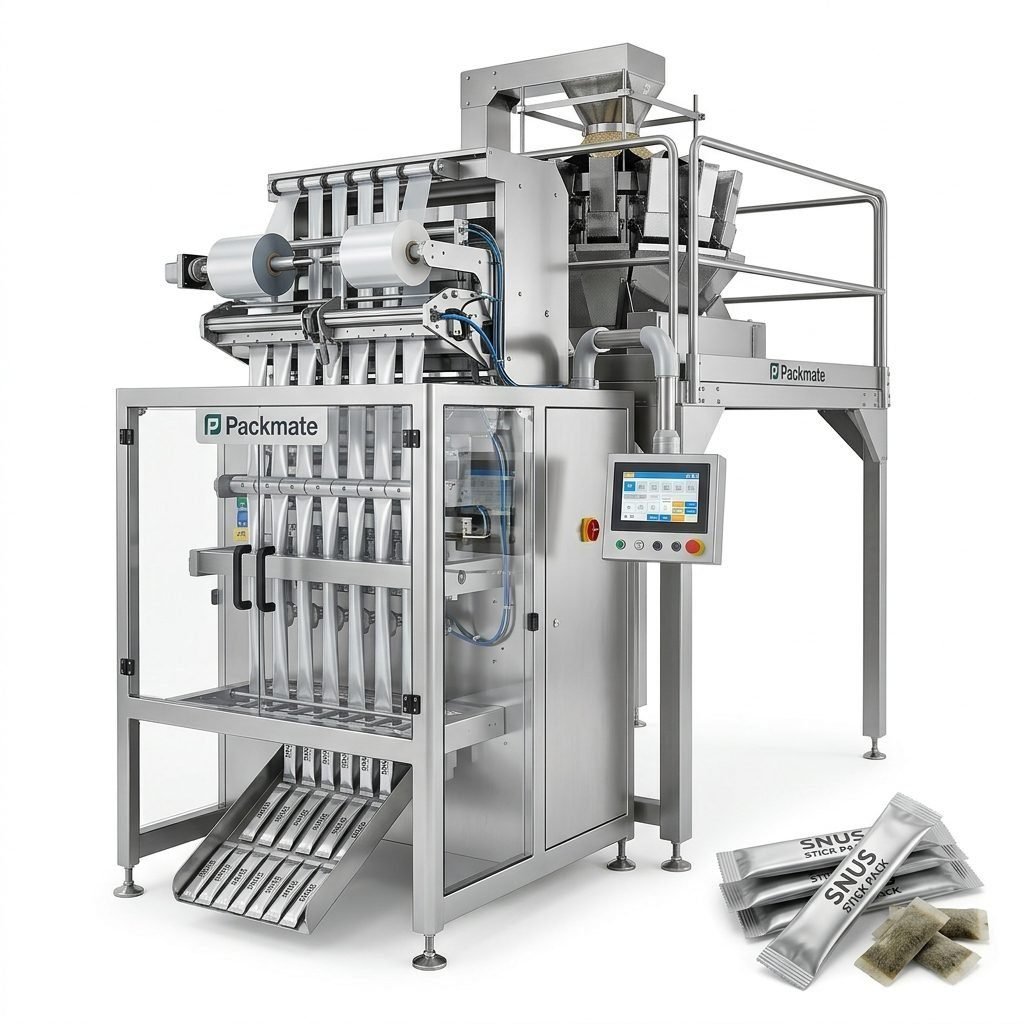
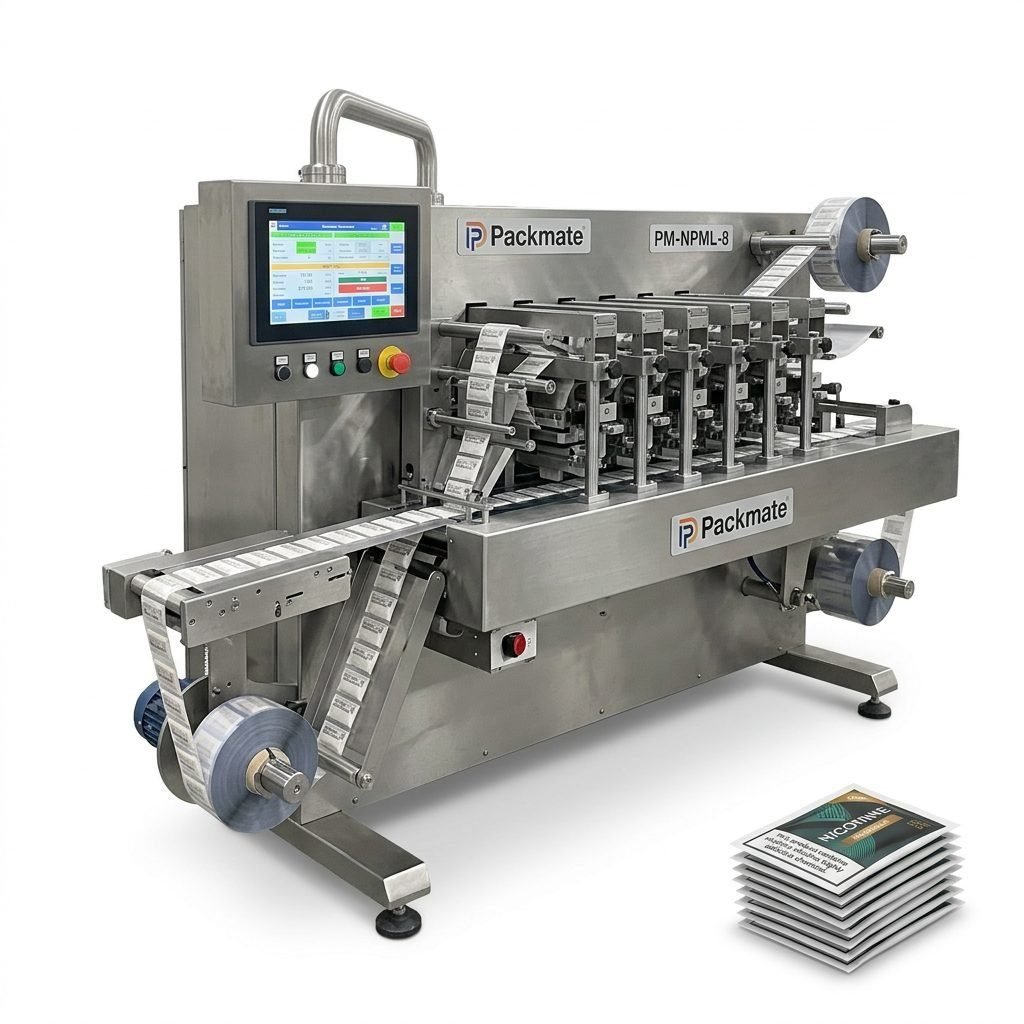
✔️ Throughput & lane configuration — single-lane vs multi-lane machines (4, 6, 8 lanes) determine speed and footprint. Multi-lane systems are optimal for small-dose pouches at high volume.
✔️ Dose accuracy — +/- tolerance for powder or granule dosing; important for nicotine pouch consistency and regulatory labeling.
✔️ Sealing integrity & material compatibility — ability to handle foil, laminated pouches, and different film thicknesses with reliable heat or ultrasonic sealing.
✔️ Hygiene and cleaning — CIP-compatible parts, stainless-steel contact surfaces, and accessible design for fast sanitation.
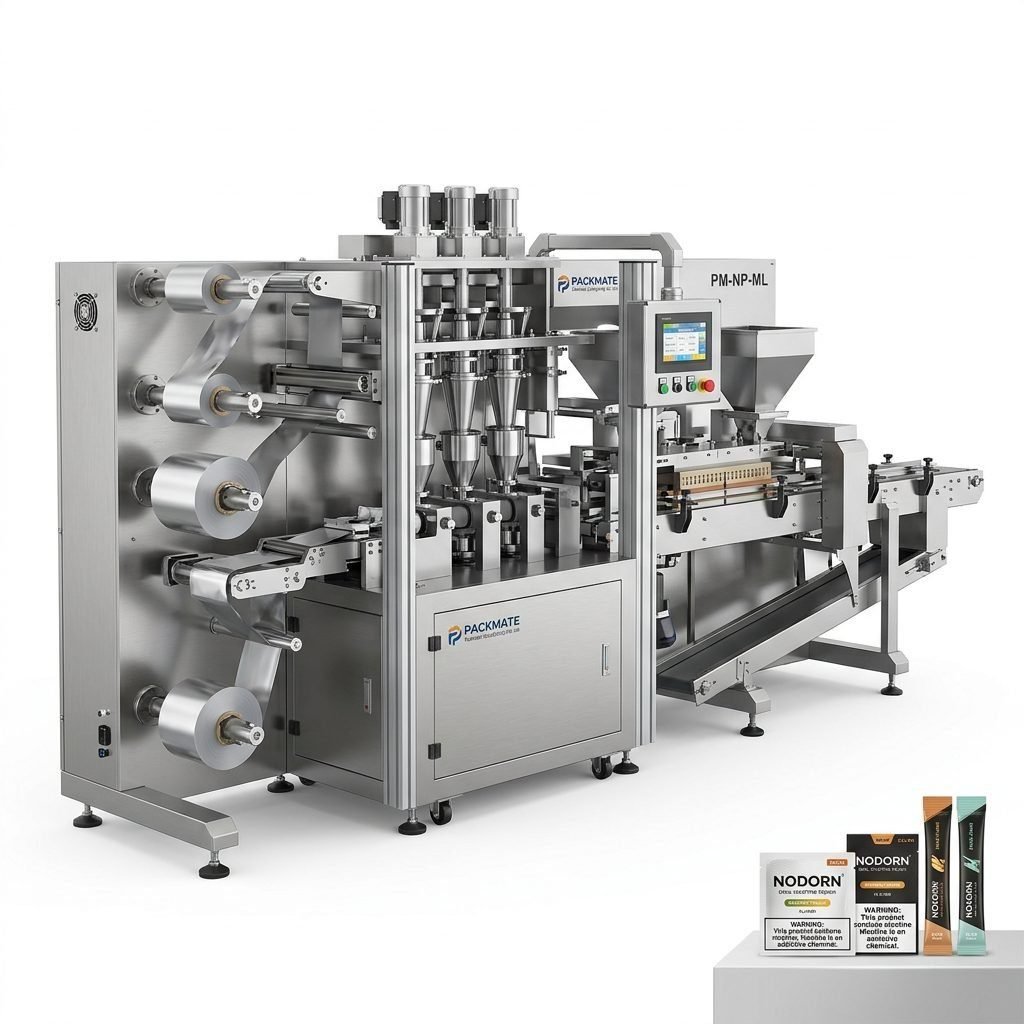
✔️ Automation & integration — PLC control, HMI, vision inspection, date coding, feeding, and downstream cartoning or filling lines.
Why manufacturer experience matters
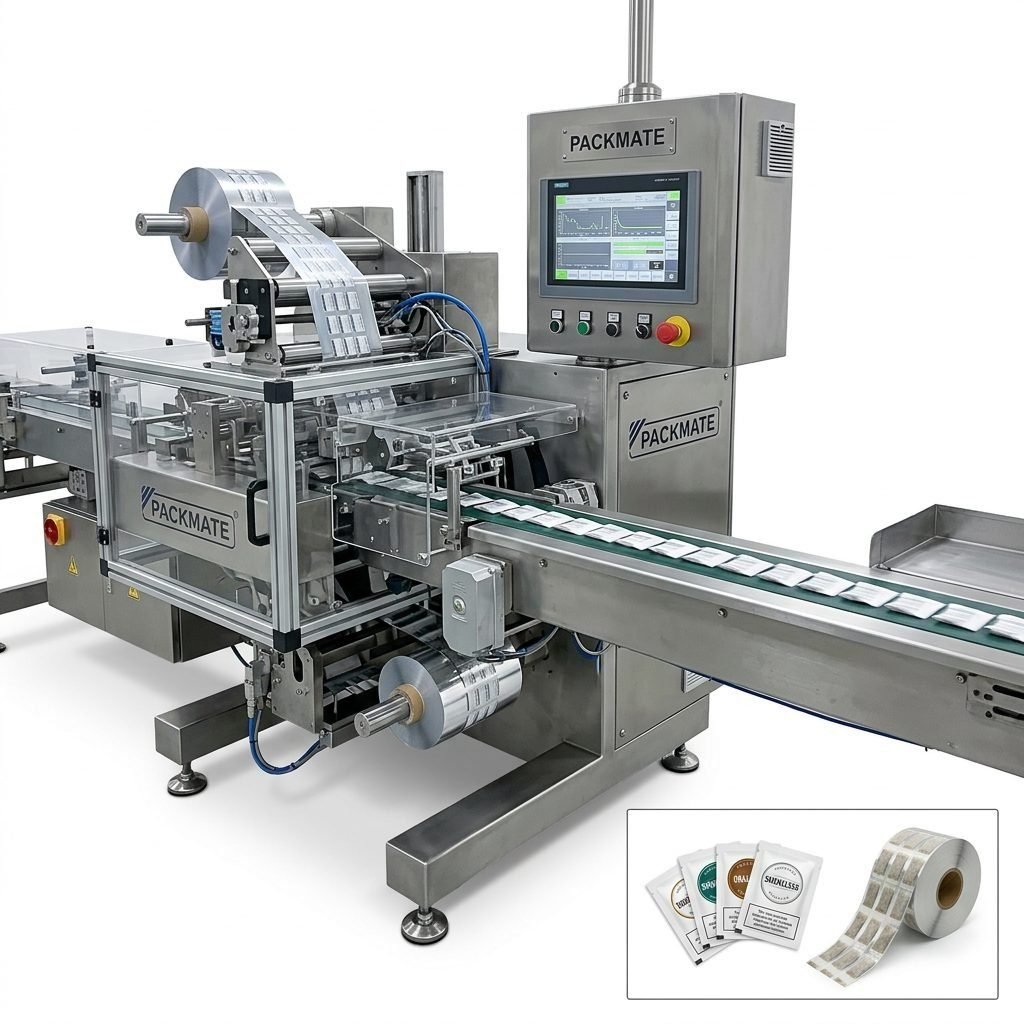
A vendor with decades of engineering and practical field experience will be better at anticipating common production problems. Look for signs of maturity: long company history, documented case studies, and a range of machine models. For example, Packmate Snus Machine brings over 30 years of R&D and has scaled from workshop origins to a 20,000㎡ factory, offering 50+ models and turnkey solutions — a profile that reduces technical risk for international buyers.
Factory Strength, Certifications, and Global Footprint
Manufacturing capability affects both quality and delivery lead times. Important factors include:
- Advanced CNC machining centers and precision assembly lines (these indicate consistent part tolerances).
- Quality systems & certifications such as CE and ISO for global compliance and safety.
- Exhibition presence and international service networks — look for vendors that demonstrate machines at trade shows and provide global after-sales support.
🔧 Pro tip: Ask for factory acceptance test (FAT) videos and references for installations in markets with stringent regulation — that demonstrates the manufacturer’s ability to meet standards similar to Australia’s.
Customization, After-Sales Service and Spare Parts
Australian buyers benefit from a clear after-sales plan: installation, operator training, spare parts availability, and rapid remote troubleshooting. Evaluate the manufacturer’s spare parts logistics and typical lead times for replacement components. A strong supplier will offer training manuals, on-site commissioning, and optional extended warranties.
For Packmate’s portfolio and specific machine lines, review their product pages and case studies: Snus & Nicotine Packaging Machines, and see real deployments in the Case page. Learn more about the company background at About Packmate.
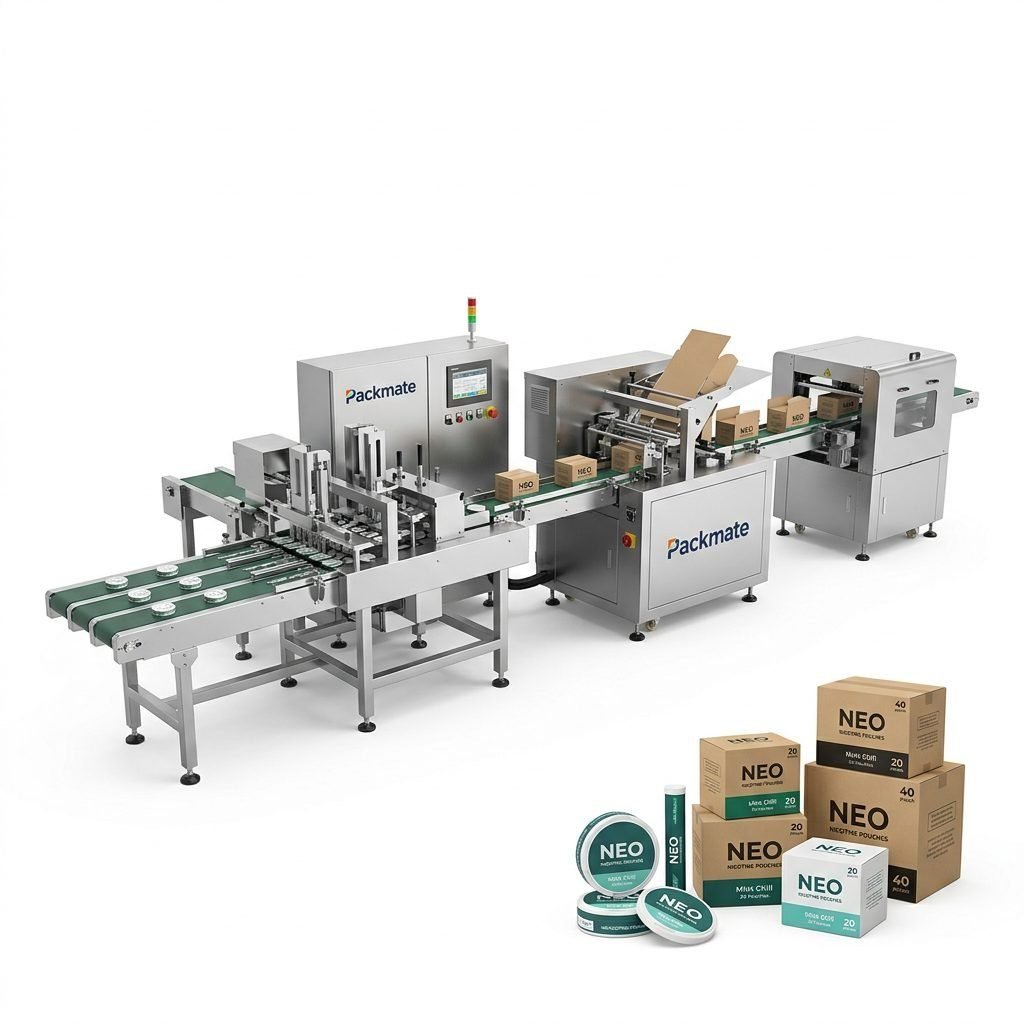
Integration: from filling to boxing
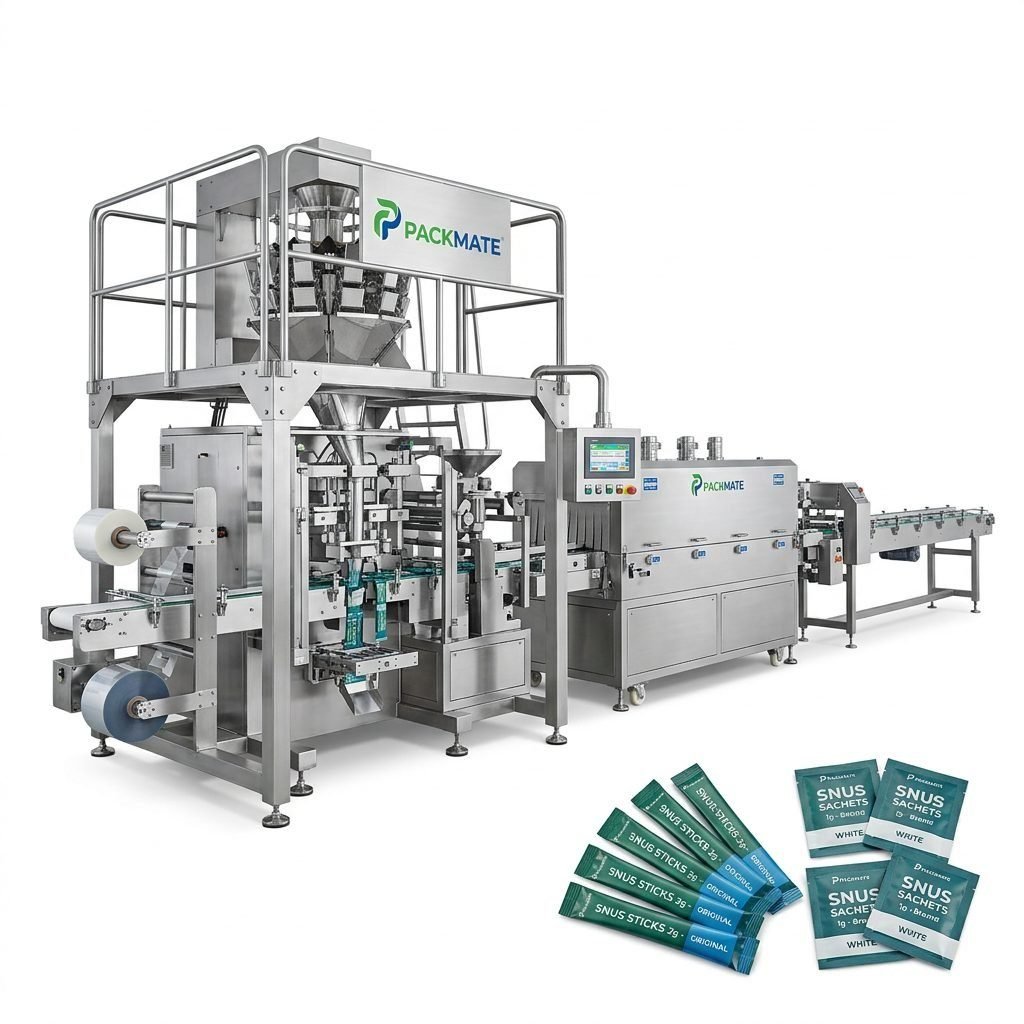
Consider the entire production chain: weighing systems, pouch sealing, secondary packing, and cartoning. Machines that are designed to integrate seamlessly with auxiliary equipment (dose fillers, conveyors, checkweighers) reduce engineering time and risk. Explore complementary solutions like filling and packaging lines to ensure a turnkey workflow.
Evaluation Checklist for Australian Buyers
1. Regulatory readiness — Does the design support labeling, child-resistant features, and tamper-evidence where required?
2. Local support plan — Are remote diagnostics, spare parts stock, and local technicians available or arranged?
3. Validation & QA — Can the manufacturer provide validation documents, test reports, and FAT records?
4. Total Cost of Ownership — Factor energy, maintenance, consumables, and expected uptime.
5. Customization capabilities — Can they modify lane counts, pouch sizes, and dosing systems quickly?
Common Machine Types for Snus and Nicotine Pouches
Different product formats require different machines. Typical types include:
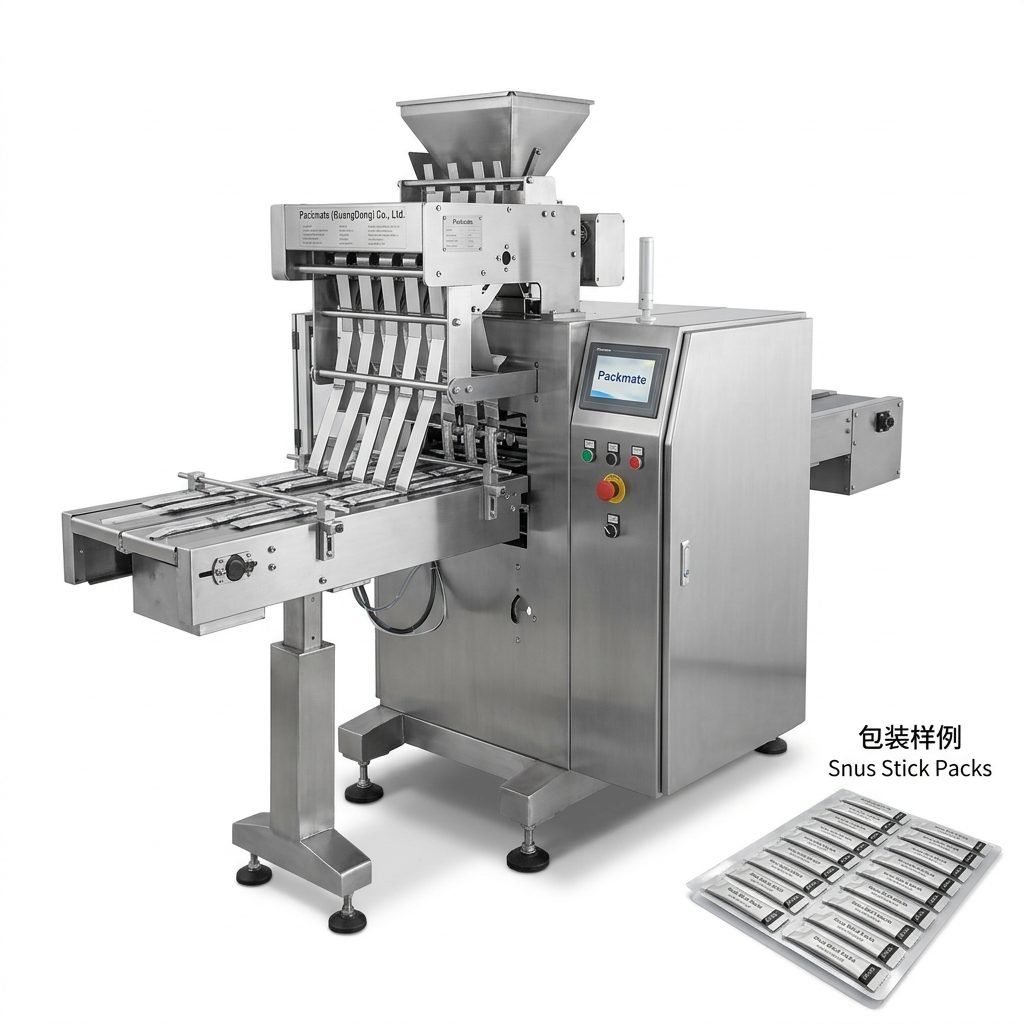
- Stick pack machines — for single-portion sachets and slim-format pouches.
- Sachet & multi-lane machines — high throughput for small-dose pouches; check the Sachet & Stick Pack Machines offerings for examples.
- Bag & pouch machines — for bulk or consumer retail pouches; these integrate well with weighers and stick packers. See Bag & Pouch Packaging Machines.
Cost, Lead Times and Return on Investment
Pricing is a starting point; evaluate the total cost of ownership. High-efficiency multi-lane lines often have a higher initial cost but deliver superior throughput and lower labor costs. Consider:
- Expected uptime and MTBF (mean time between failures).
- Spare part costs and typical consumable lifetimes (sealing jaws, belts, nozzles).
- Energy usage & maintenance intervals.
- Potential downtime impact on seasonal demand or export timetables.
💡 Practical tip: Request a production simulation or video of a live run with a product similar to yours. This is the fastest way to verify speed, fill accuracy, and sealing quality before committing.
Installation, Commissioning and Training in Australia
Plan for on-site commissioning and operator training. Manufacturers that provide clear documentation and remote support reduce ramp-up time. Consider electrical and air specifications (220–240V, single/three-phase differences), and ensure wiring and compliance with Australian electrical standards. If nicotine is involved, prepare for customs declarations and possible permits for importing product or raw nicotine. Work with customs brokers experienced in pharmaceutical/tobacco-adjacent imports.
Questions to Ask Potential Manufacturers
• What is your experience with nicotine pouch or snus applications?
• Can you provide FAT and SAT documentation?
• What spare parts are critical and what are typical lead times?
• Do you offer remote diagnostics and what SLAs exist for support?
Why Some Australian Buyers Choose Packmate
Companies often select manufacturers that combine technical depth with global support. Packmate (GuangDong) Co., Ltd. has a documented evolution from workshop R&D to large-scale manufacturing and offers snus-focused lines with multi-lane systems suited for small-dose pouch production. Their factory and engineering capacity help reduce customization lead times and offer a broad machine portfolio for end-to-end packaging solutions. If you want to explore their offerings or contact them for technical details, visit the Contact Us page.
Final selection approach
Shortlist 2–3 suppliers based on technical fit and references. Request FAT videos with your materials, negotiate clear warranty and spare-part terms, and verify post-sales response times. Balance cost with expected uptime — often the best returns come from robust, reliable lines rather than the cheapest upfront option.
Useful links
For further reading and product exploration, see Snus & Nicotine Packaging Machines, and related product categories on Packmate’s site: Snus & Nicotine Packaging Machines, Sachet & Stick Pack Machines, and Packmate’s Case studies for real-world examples.
Quick checklist before signing a PO
Confirm machine acceptance criteria, delivery schedule, warranty terms, spare parts list, training plan, and any local compliance requirements. Ensure software and HMI language options meet operator needs and confirm documentation will include schematics and parts lists.
Summary: Selecting the best snus packaging machine manufacturer in Australia requires a mix of technical evaluation, regulatory awareness, and practical due diligence. Prioritize vendors with proven snus experience, robust factory capabilities, global certifications, and a clear after-sales plan to support your production ramp-up.
Frequently Asked Questions
Q1: Is it legal to produce nicotine pouches in Australia? A: Regulations vary and can be restrictive — nicotine products often require prescription pathways or special permits. Always consult local regulators and legal advisors before production or import.
Q2: How long is the typical lead time for a custom multi-lane snus line? A: Lead times depend on customization level, but expect several months for design, build, and FAT. Sourcing premium components or complex automation can extend timelines.
Q3: What support should I expect after installation? A: Look for on-site commissioning, operator training, remote diagnostics, spare parts availability, and clear warranty terms. Choose suppliers with a history of global support and documented case studies.
Q4: How important are certifications like CE and ISO? A: Very important. Certifications indicate safety and quality management systems, which help with compliance, insurance, and buyer confidence.
Q5: Where can I see real examples or get more technical information? A: Visit product and case pages to review machine types and real deployments: Packmate’s product pages and case studies provide photos, specifications, and project examples to help inform decisions.