Choosing the right nicotine packaging machine supplier for your factory in Kazakhstan requires more than just comparing price tags. You need a partner who understands regulatory compliance, local logistics, after-sales service, and the cultural norms that shape business relationships in Central Asia. This guide walks you through a practical, step-by-step approach to evaluate suppliers, highlighting what matters most for factories operating in Kazakhstan’s unique market environment.
Understand Kazakhstan’s Market Context and Regulations
📋 Kazakhstan is a landlocked country with close trade ties to Russia, China and the Eurasian Economic Union. For nicotine and snus producers, that means customs, labeling, and excise rules often follow both national and regional frameworks. Before approaching suppliers, make sure you have clarity on:
– Local labeling requirements (Kazakh and Russian languages may be required).
– Import duties and documentation needed for industrial machines.
– Any nicotine-specific restrictions, taxation or registration for packaging lines.
– Certification expectations from buyers or regulators (CE, ISO, etc.).
Why this matters
Local compliance affects machine configuration (label feeders, language-capable HMIs, safety guards) and the timeline for commissioning. A supplier who pre-configures machines for Kazakh requirements reduces rework and customs delays.
Evaluate Technical Capabilities and Product Fit
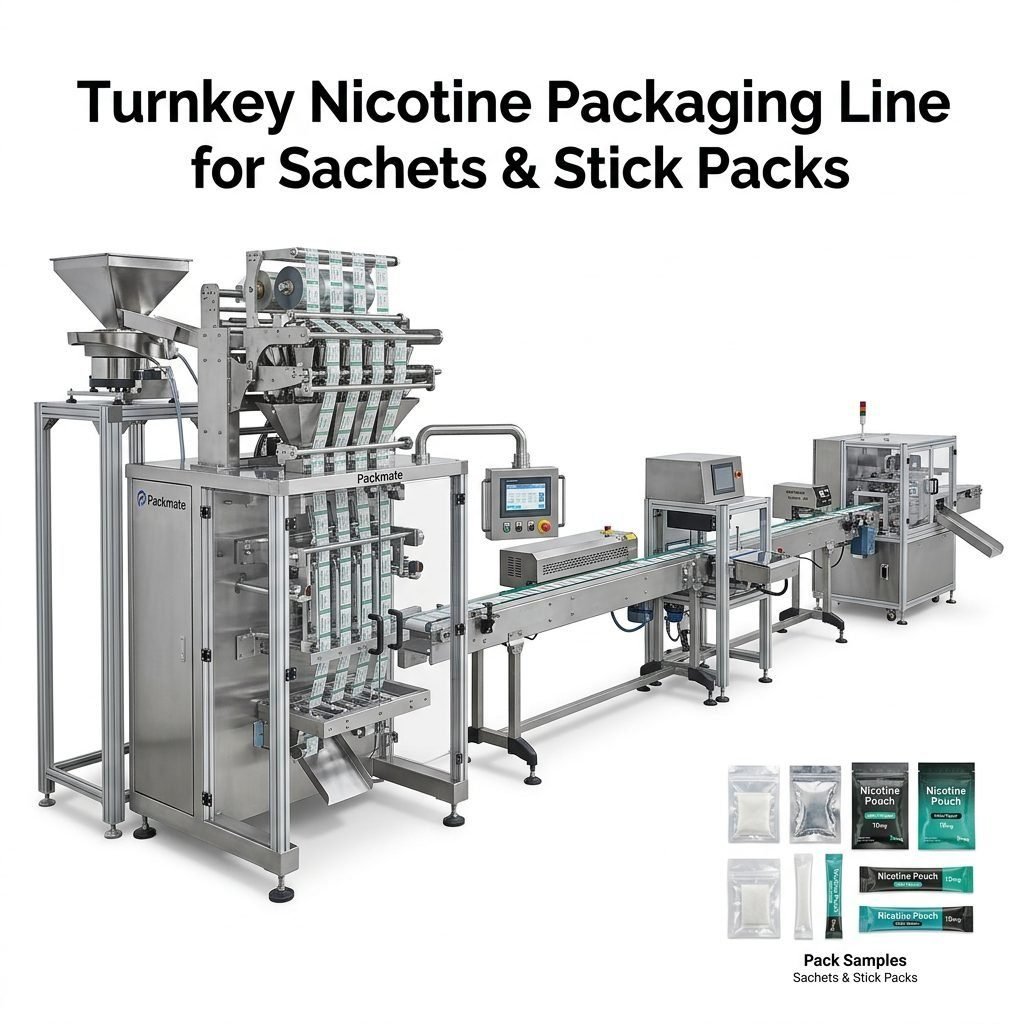
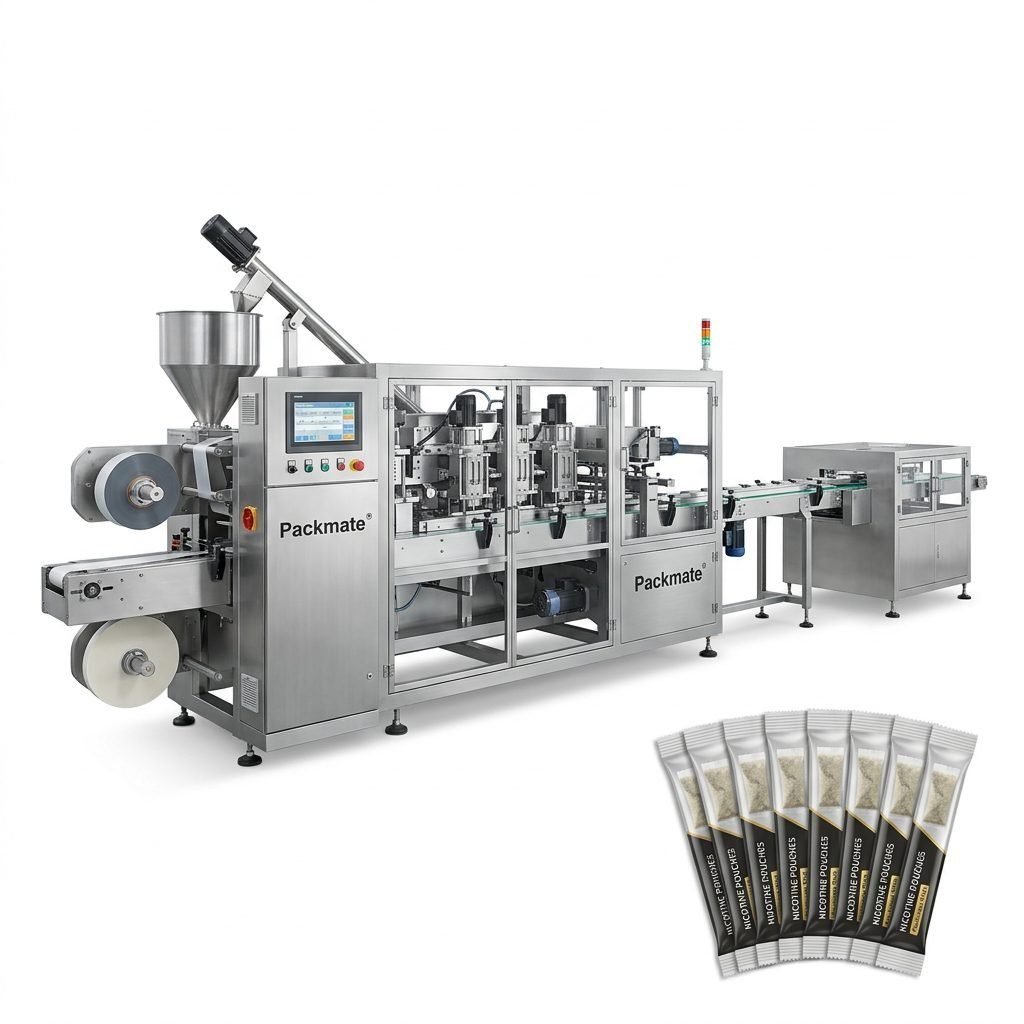
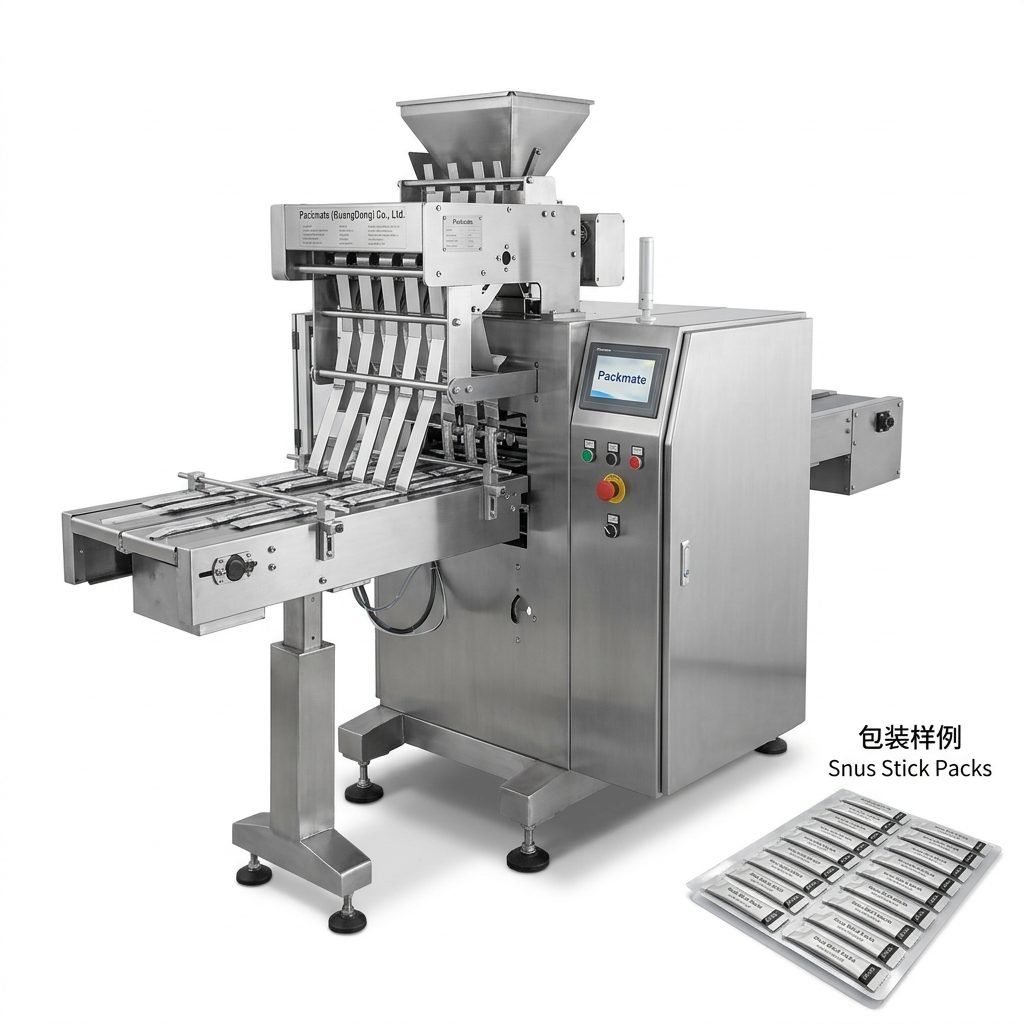
🛠️ Look beyond the brochure. The right supplier should offer machines that match your product format (nicotine pouches, snus sachets, stick packs, multi-lane pouches) and production targets. When assessing, prioritize:
- Production speed and lane configuration (single vs. multi-lane).
- Filling accuracy for low-dose products and consistent pouch weight.
- Changeover time and format parts availability for different SKU runs.
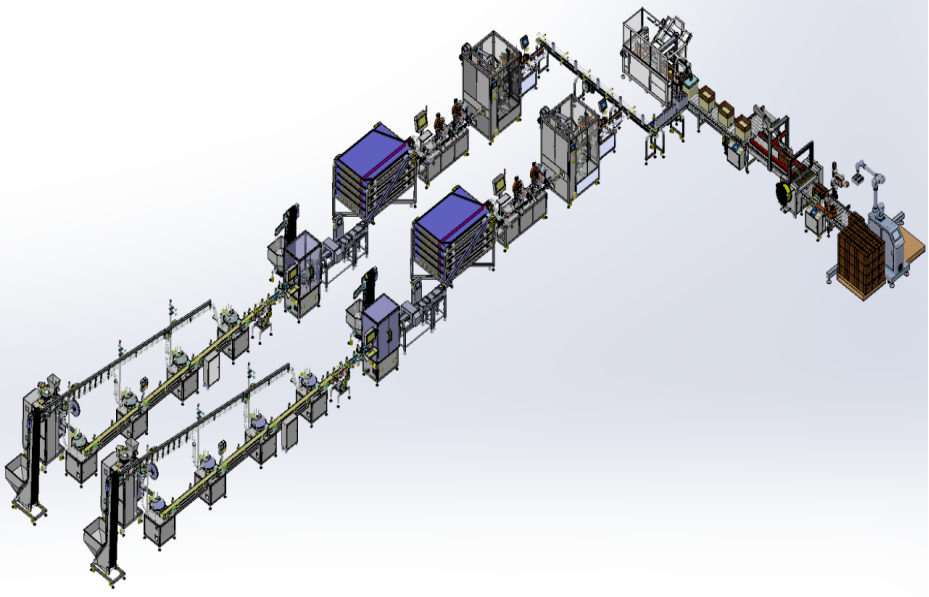
- Integration capabilities with your existing weighing, conveying, and case-packing lines.
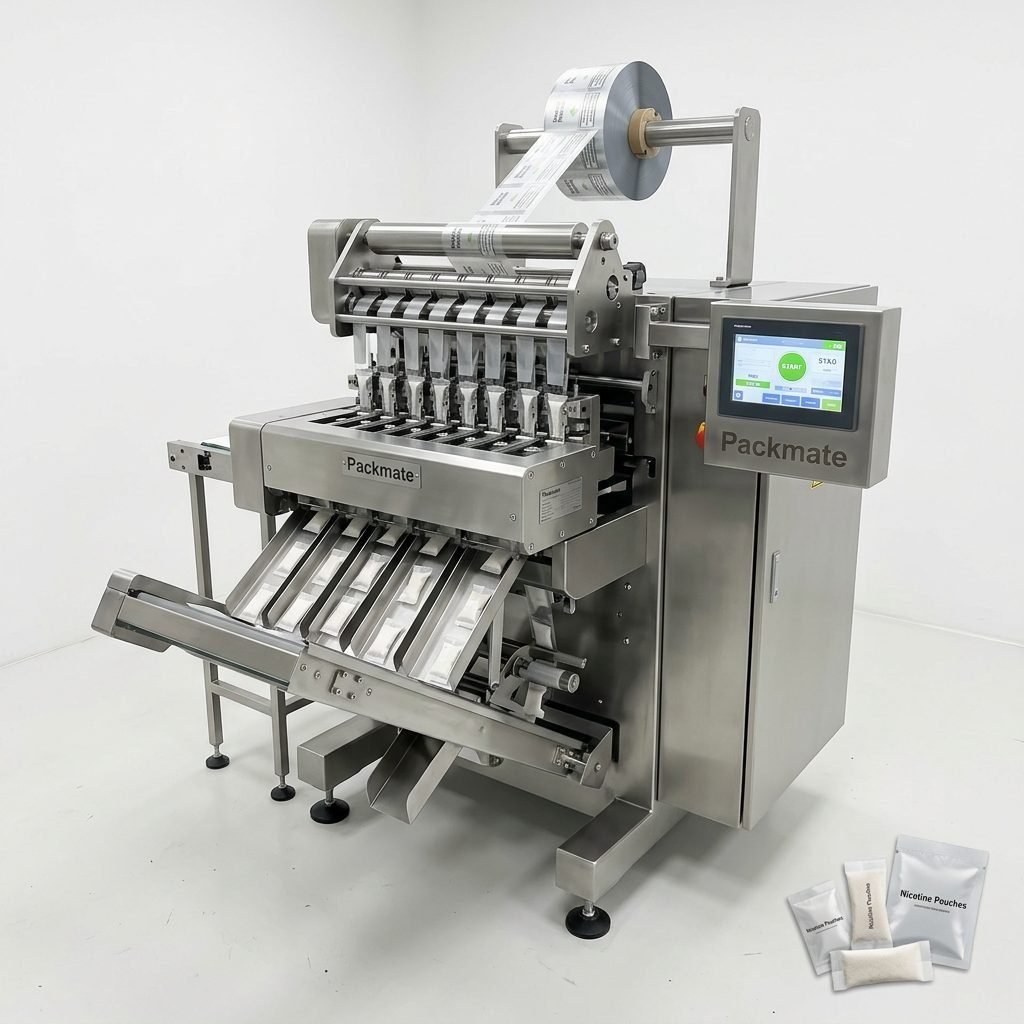
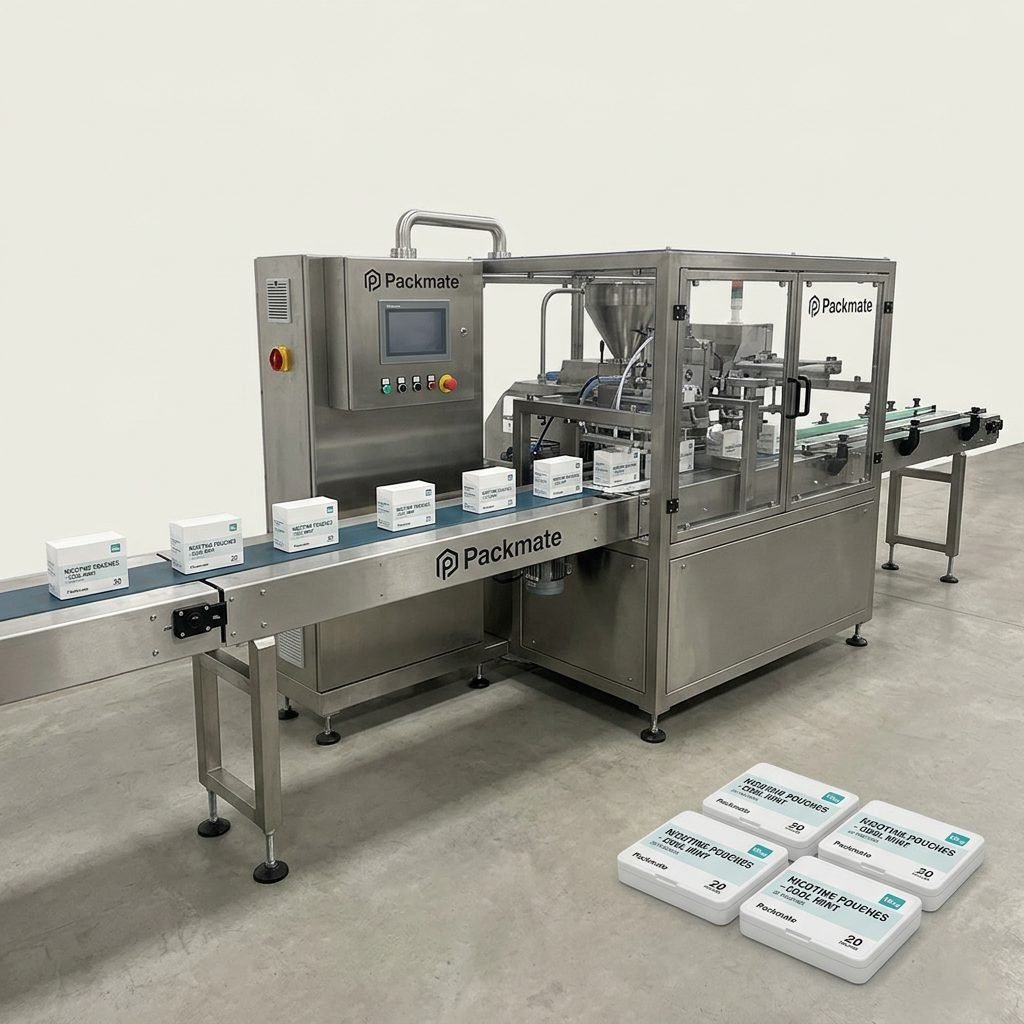
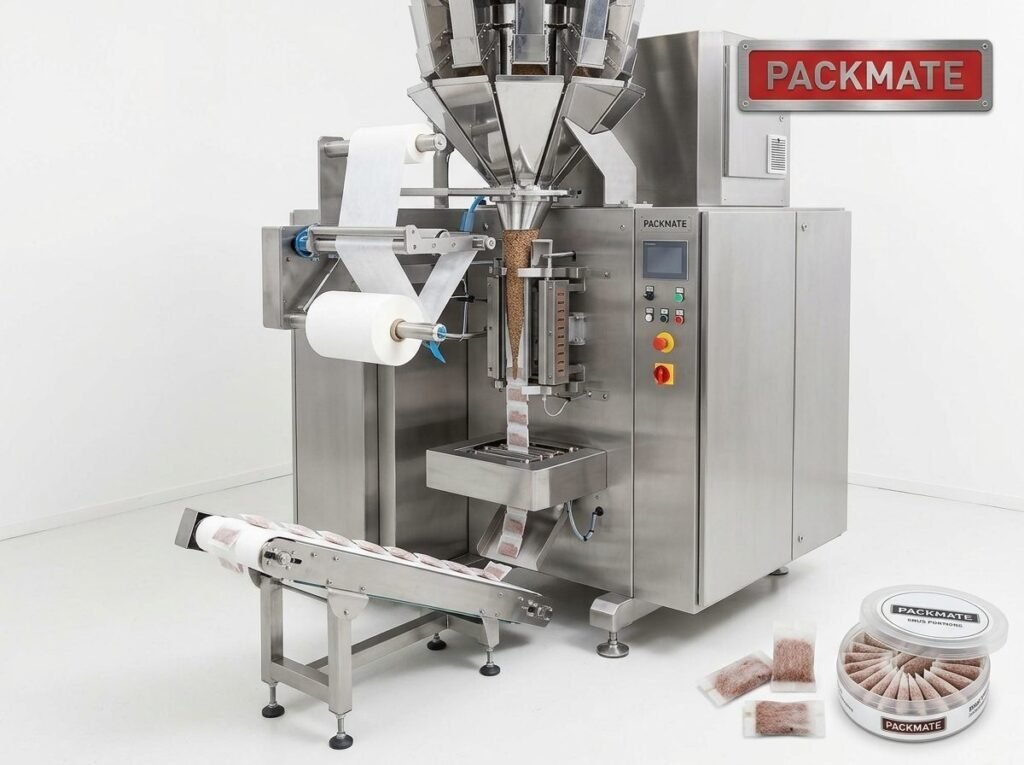
A supplier with a wide product range and turnkey solutions can reduce integration risk. For example, Packmate Snus Machine provides lines that include snus/nicotine pouch packing machines, weighing systems, and auxiliary equipment—see their Snus & Nicotine Packaging Machines for typical models.
Spot-check: technical proof
Ask for machine datasheets, case studies, and video demonstrations. Request references from customers in climates and markets similar to Kazakhstan. If available, review factory acceptance test (FAT) reports and performance guarantees.
Inspect Manufacturer Credentials and Factory Strength
🏭 The factory’s production capability directly impacts quality and lead time. Key indicators include:
• Size of manufacturing facility and availability of CNC machining centers.
• Years of industry experience and model variety (Packmate highlights 30+ years and 50+ machine models).
• Certifications like CE and ISO that show compliance with international safety and quality standards. You can review certificates on the supplier’s Certificate page.
• Capacity for customization and in-house R&D.
A supplier with robust manufacturing capabilities is more likely to supply reliable machines and provide spare parts quickly—a critical factor when distance and customs add to downtime in Kazakhstan.
Assess After-Sales Service, Spare Parts, and Training
🛎️ For equipment running nicotine pouch lines, downtime is costly. Confirm the supplier’s after-sales plan:
- Local or regional service partners in Central Asia or nearby hubs (Russia, China).
- Spare parts availability and typical lead times for shipments to Kazakhstan.
- On-site commissioning, operator training, and maintenance training packages.
- Remote technical support and troubleshooting via video calls, manuals, and diagnostics.
For many buyers, a supplier who offers comprehensive commissioning and hands-on training prevents early-stage operational errors and ensures safe, efficient production.
Price vs. Total Cost of Ownership (TCO)
⚖️ Purchase price is only the beginning. Evaluate the TCO by factoring in:
– Energy consumption and efficiency of the machine.
– Frequency and cost of consumables and spare parts.
– Downtime risk and warranty terms.
– Planned upgrades and software support fees.
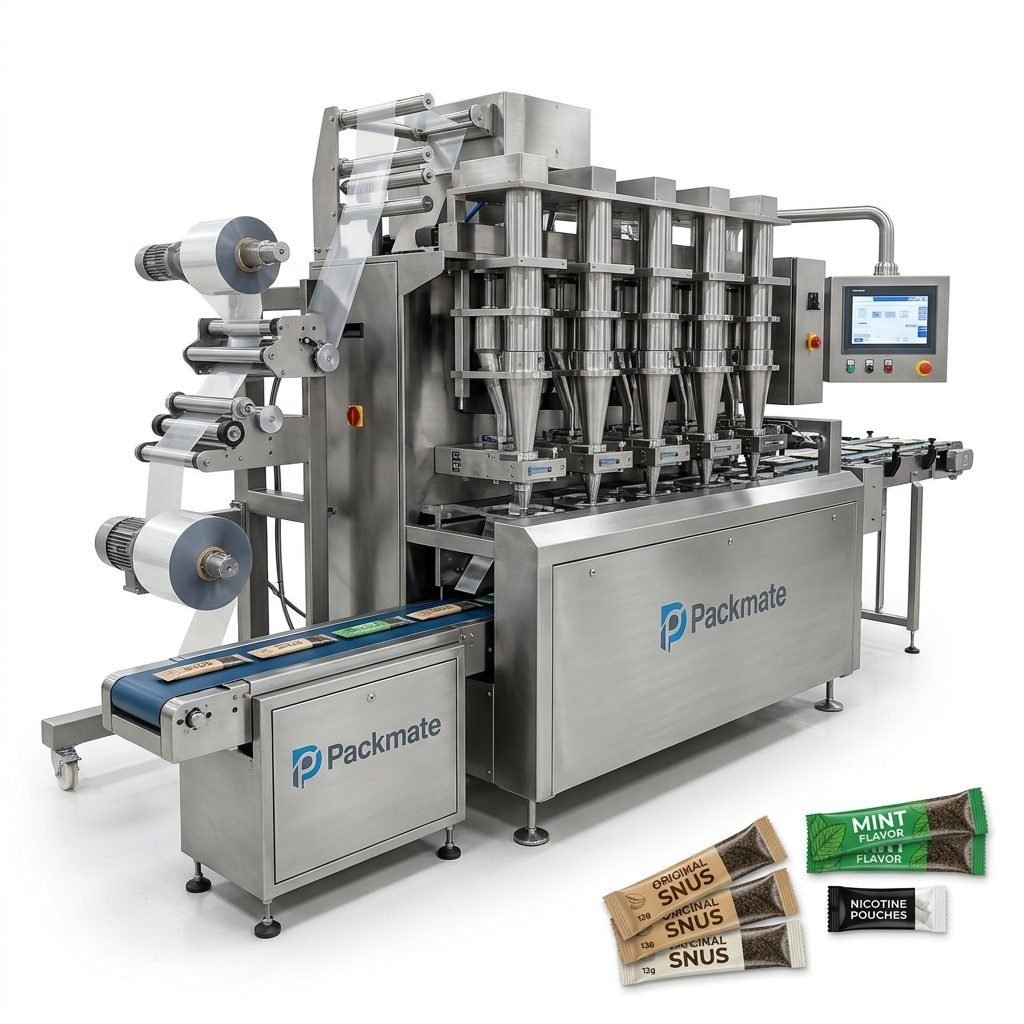
A reputed manufacturer with documented field performance, like Packmate’s multi-lane systems, often shows lower TCO despite a higher initial price due to durability and low scrap rates.
Logistics and Installation in Kazakhstan
📦 Kazakhstan’s logistics environment favors suppliers experienced with cross-border shipping by rail and road. Ask potential suppliers about:
- Packaging methods for export (sea, rail, road readiness).
- Assistance with customs paperwork and HS codes for packaging machines.
- On-site installation scope: who provides cranes, electrical hookup, and foundation work?
- Insurance coverage during transit and installation warranties.
Efficient coordination reduces risks of damage and time lost at border crossings. Suppliers who regularly export to Eurasian markets will be familiar with those procedures.
Cultural & Commercial Etiquette in Kazakhstan
🤝 Business in Kazakhstan often values relationship building and trust. Practical tips:
– Respect local languages and offer bilingual documentation (Kazakh/Russian) where possible.
– Schedule in-person visits or virtual factory tours; trust is built through transparency.
– Expect to engage in detailed technical discussions and refer to past cases or client visits as proof of capability.
How to Run Supplier Due Diligence
✅ A practical checklist for evaluating candidates:
- Verify company history, size, and production footprint. (Packmate claims 20,000㎡ factory and 30+ years of experience.)
- Request certificates (CE/ISO) and match them with machine categories.
- Ask for on-site or video FAT and real-line case studies—review the Case page for references.
- Get a clear spare parts list, lead times, and warranty terms.
- Confirm on-site commissioning timelines and training scope.
- Request client references in similar markets and check service responsiveness.
Negotiate Contracts and Finalize the Purchase
📑 When negotiating, get everything in writing: delivery schedules, acceptance criteria, warranty, spare parts terms, and penalty clauses for missed deadlines. Consider a staged payment plan tied to milestones: factory acceptance test, shipment, and on-site commissioning.
If you need a trusted starting point, review product lines such as Bag & Pouch Packaging Machines, Sachet & Stick Pack Machines, and Filling & Packaging Lines to better define your technical requirements and request precise proposals.
Local partnerships and extended services
Consider whether the supplier can connect you to local integrators for electrical installations, or to third-party firms for HVAC and foundations. A supplier who provides turnkey service simplifies project management and reduces coordination overhead.
Why Packmate Can Be a Strong Candidate
🌍 With a history that began in 1993 and a factory footprint of 20,000㎡, Packmate Snus Machine offers specialized snus and nicotine pouch solutions, multi-lane systems, and turnkey lines. Their portfolio includes Snus & Nicotine Packaging Machines, auxiliary equipment, and case references from global projects—use these resources to evaluate fit and request tailored proposals.
Helpful links:
• Snus & Nicotine Packaging Machines
• About Packmate
• Case
• Certificate
• Contact Us
Final Checklist Before You Buy
📌 Ensure you have covered:
- Clear regulatory and labeling requirements for Kazakhstan.
- Machine performance data and FAT results.
- Factory credentials, certifications and manufacturing capacity.
- After-sales coverage, spare parts logistics and local support options.
- Detailed contract with milestones, acceptance tests, and penalties.
Selecting a nicotine packaging machine supplier is a strategic decision. Combining rigorous technical evaluation with an understanding of Kazakhstan’s logistics, regulations, and business customs will position your factory for reliable production and long-term success.
Common Questions
1. How important are CE and ISO certifications when importing machines to Kazakhstan? Very important — they speed approval and instill buyer confidence with international partners.
2. What after-sales services should I insist on? Ask for on-site commissioning, operator training, a spare parts kit, and defined remote support response times.
3. How can I reduce downtime risk when importing heavy packaging equipment? Plan for pre-shipment FAT, robust packaging, clear customs documentation, and an agreed on-site installation and commissioning plan.
4. Should machine documentation be translated? Yes — bilingual manuals (Kazakh/Russian or Russian/English) are highly recommended to support local operators and regulatory bodies.
5. Where can I get verified references and real-world performance examples? Request customer references, video testimonials, and case studies from the supplier’s Case page or Contact Us channel to validate claims.