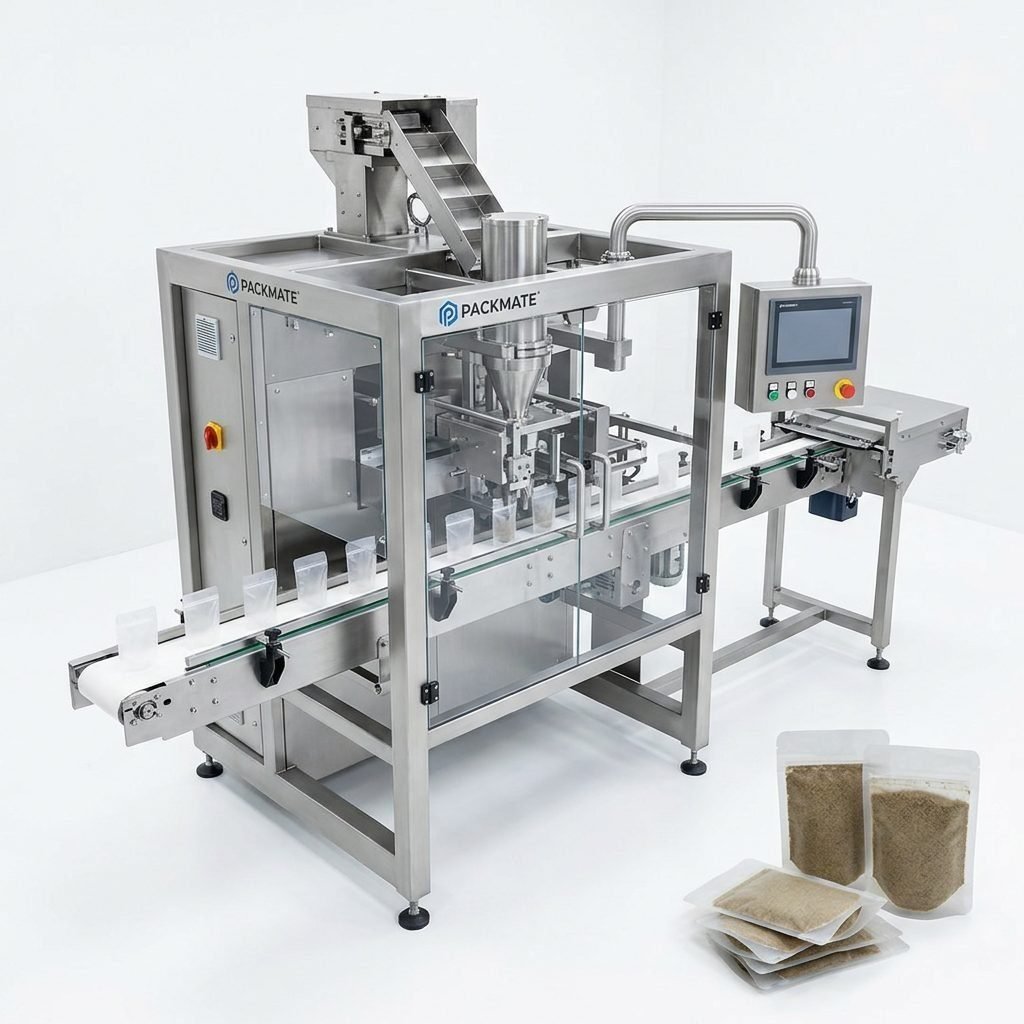
Choosing the right nicotine packaging machine in Myanmar requires more than comparing speeds and prices. You must consider local consumer habits, regulatory constraints, material availability, climate impacts on production, and after-sales support. This guide walks you through practical steps and technical criteria to select a machine that delivers safe, compliant, and efficient production for nicotine pouches, snus, and similar products in the Myanmar market.
Understand Myanmar Market Characteristics and Local Customs
Myanmar consumers buy tobacco and nicotine alternatives in a variety of small-package formats sold through roadside shops, markets, and specialty retailers. Packaging that is compact, tamper-evident, and easy to transport is preferred. Because many purchases are local and cash-based, clear labeling in Burmese and convenient portion sizes help boost acceptance. Additionally, high humidity in many regions means packaging integrity must be high to protect product quality.
Cultural Tips to Keep in Mind
– Respect local preferences for straightforward, informative packaging that does not conflict with religious sensibilities.
– Small-lot production and flexible packaging formats are often more successful in Myanmar’s fragmented retail landscape.
– Consider local holidays and market cycles when planning production runs to avoid overstocks.
Key Technical Criteria When Choosing a Nicotine Packaging Machine
Selecting equipment should be driven by the product format, production targets, and environmental constraints. Below are the most important technical criteria:
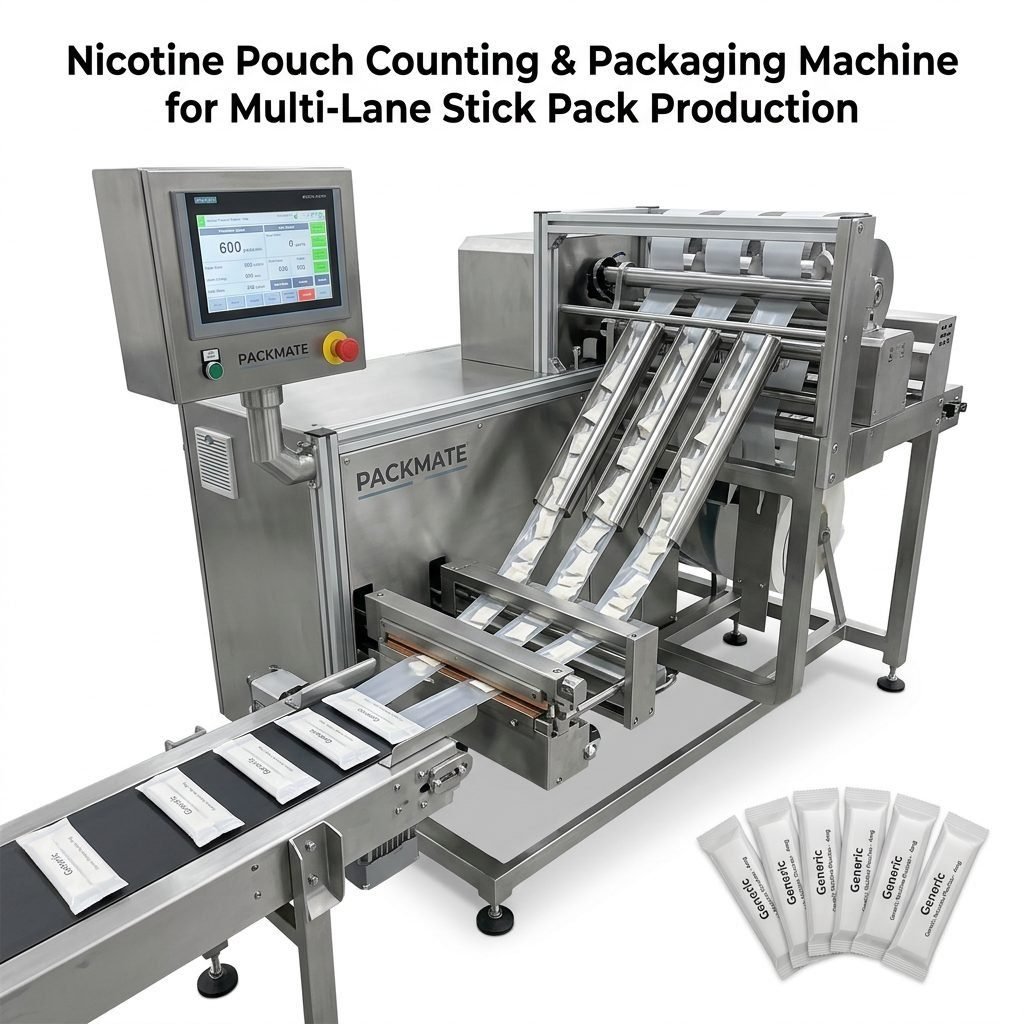
Production speed & flexibility: Choose machines that can handle your target output (pouches per minute) and can be adjusted for multiple pouch sizes. Multi-lane systems are ideal for scaling while keeping footprint small.
- Filling precision and dosing accuracy (critical for nicotine safety).
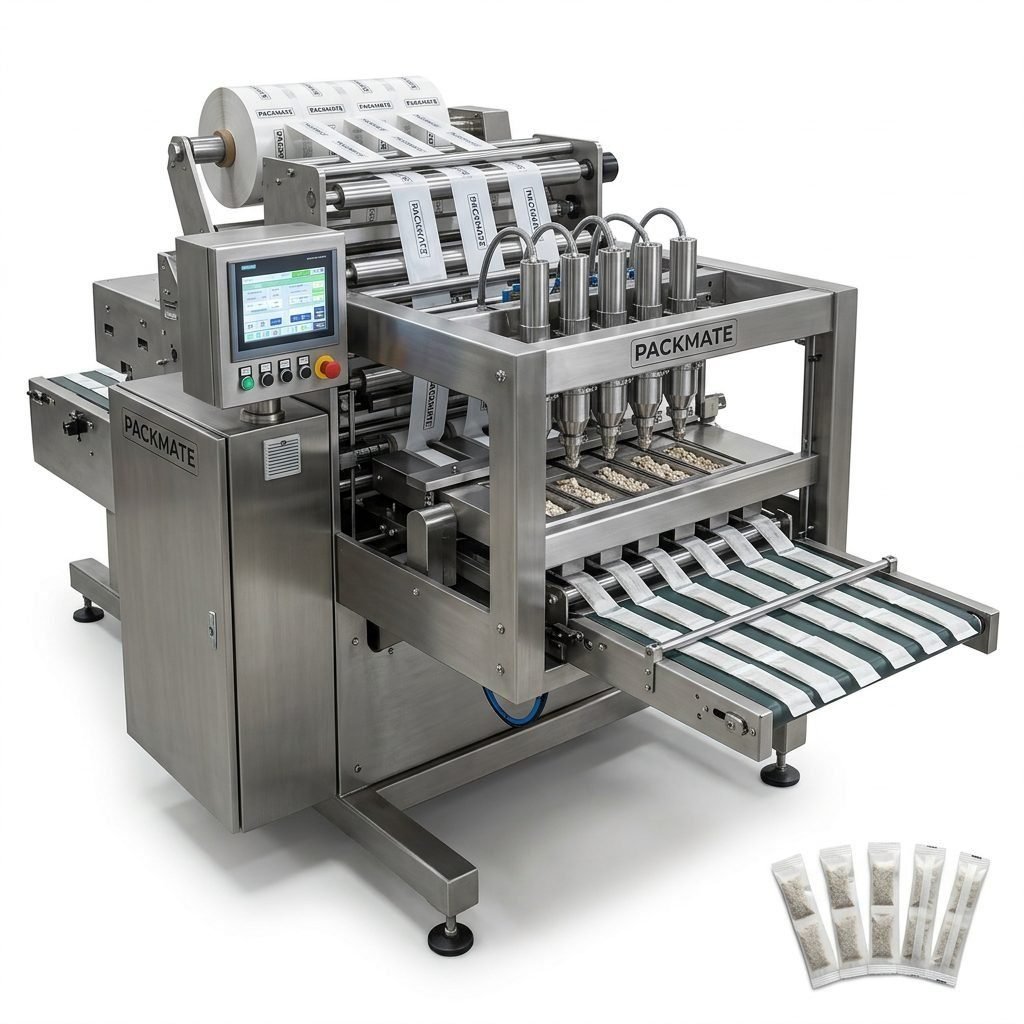
- Machine format compatibility: sachet, stick pack, multi-lane pouches, or canisters.
- Hygienic design and easy-clean surfaces to meet food/pharma-grade standards.
- Electrical and control systems compatible with Myanmar supply (typically 220V, 50Hz).
- Integration potential with upstream weighing/filling and downstream carton/tray systems.
Recommended Machine Types for Myanmar Producers
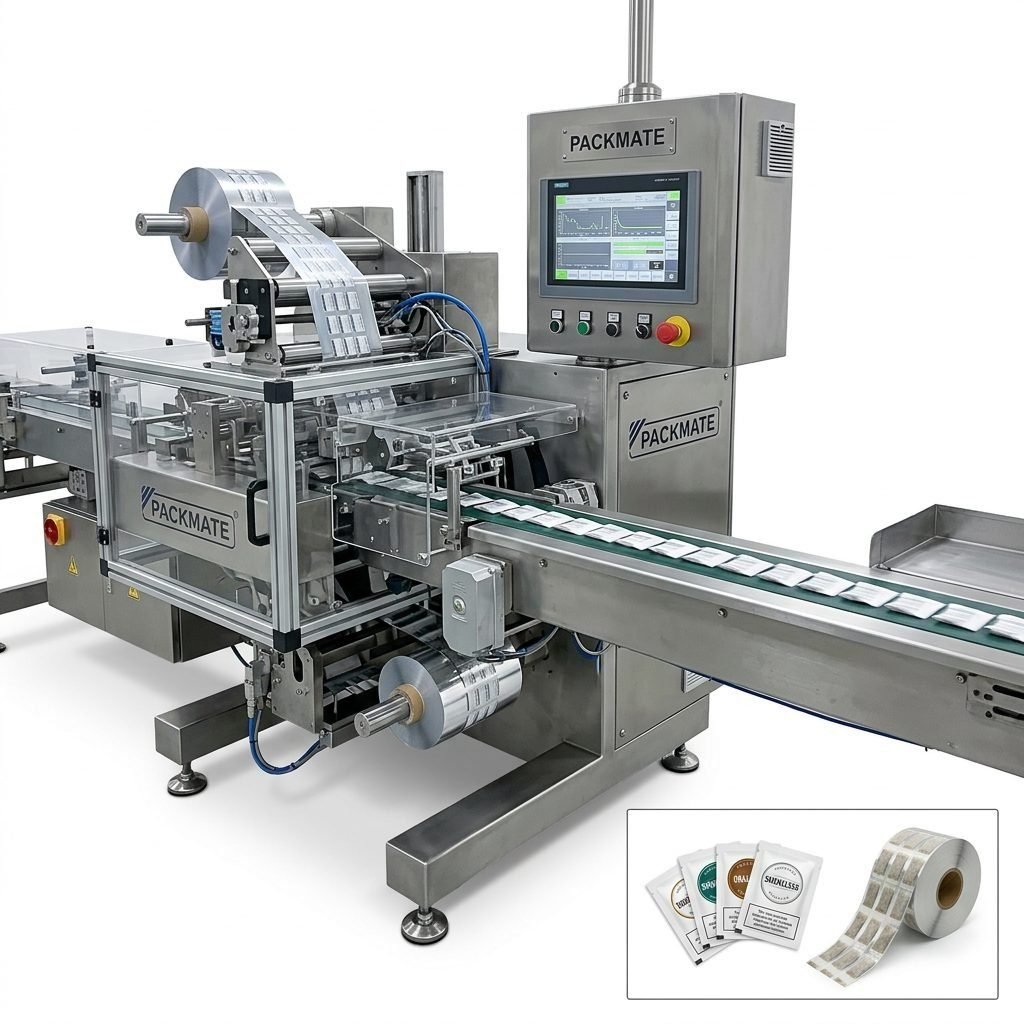
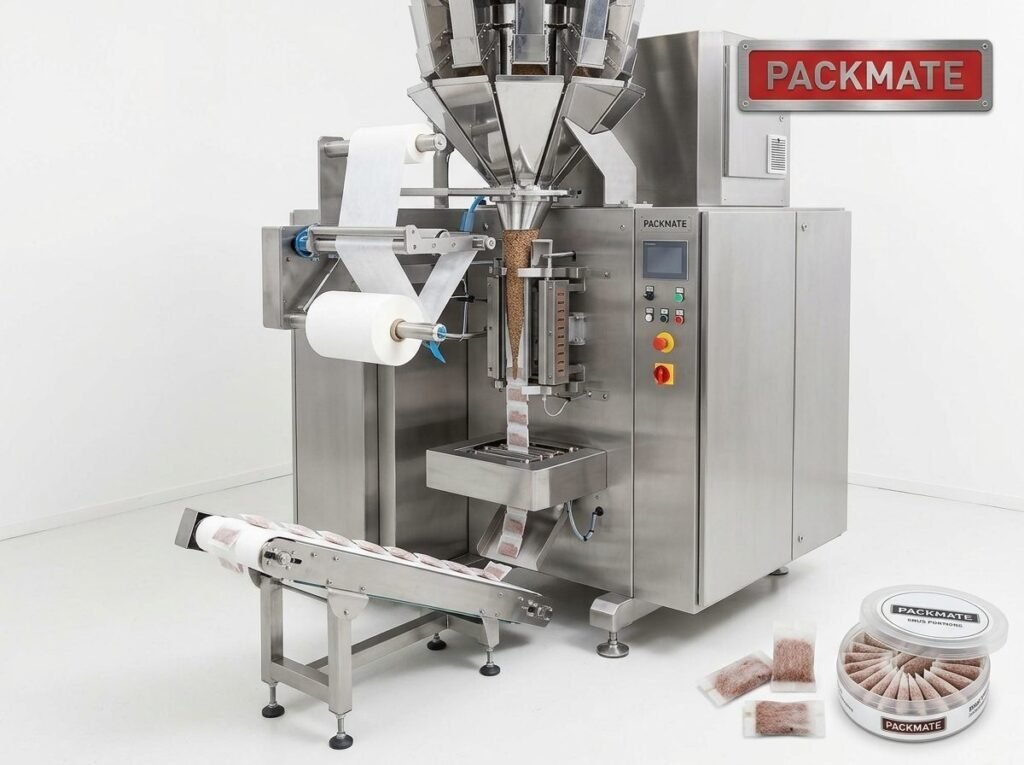
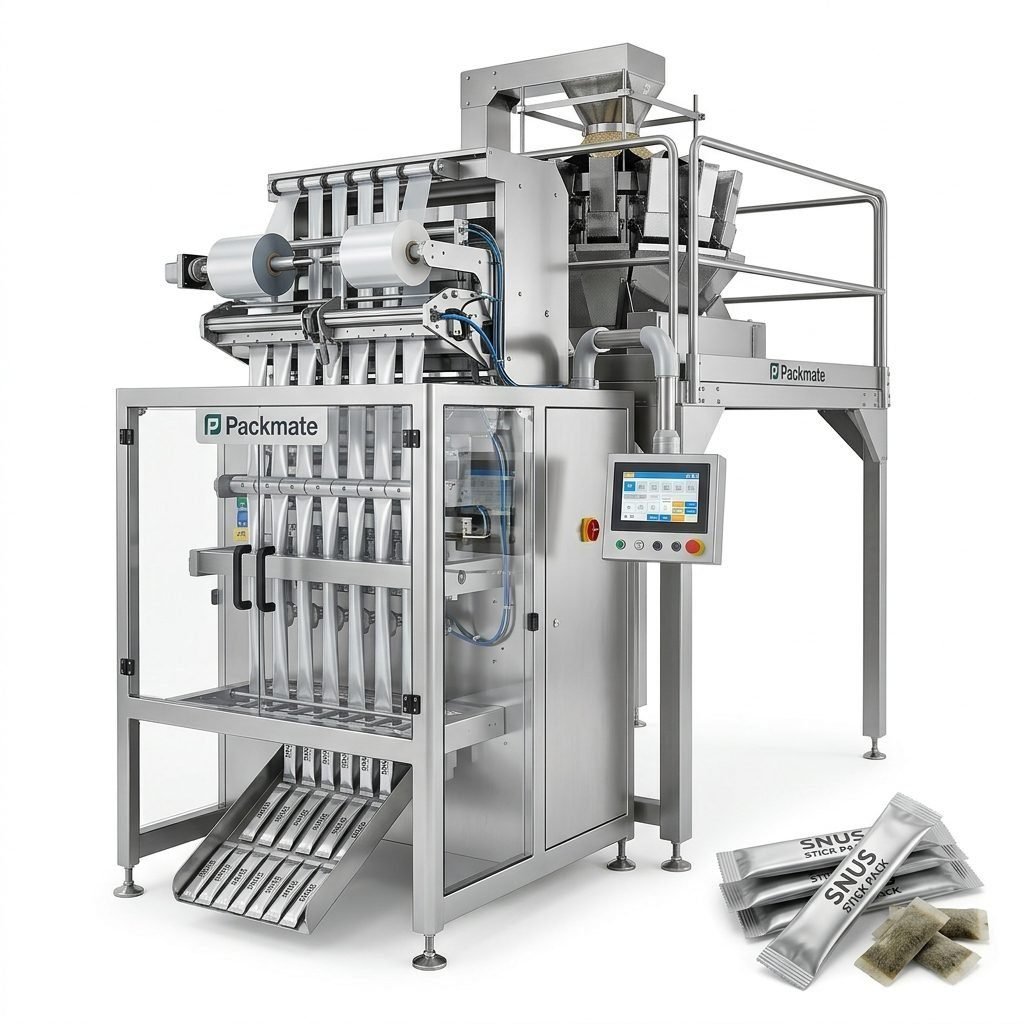
– Multi-lane snus/nicotine pouch packaging machines for small-dose, high-consistency pouches.
– Stick pack and sachet machines for single-dose and consumer convenience packs.
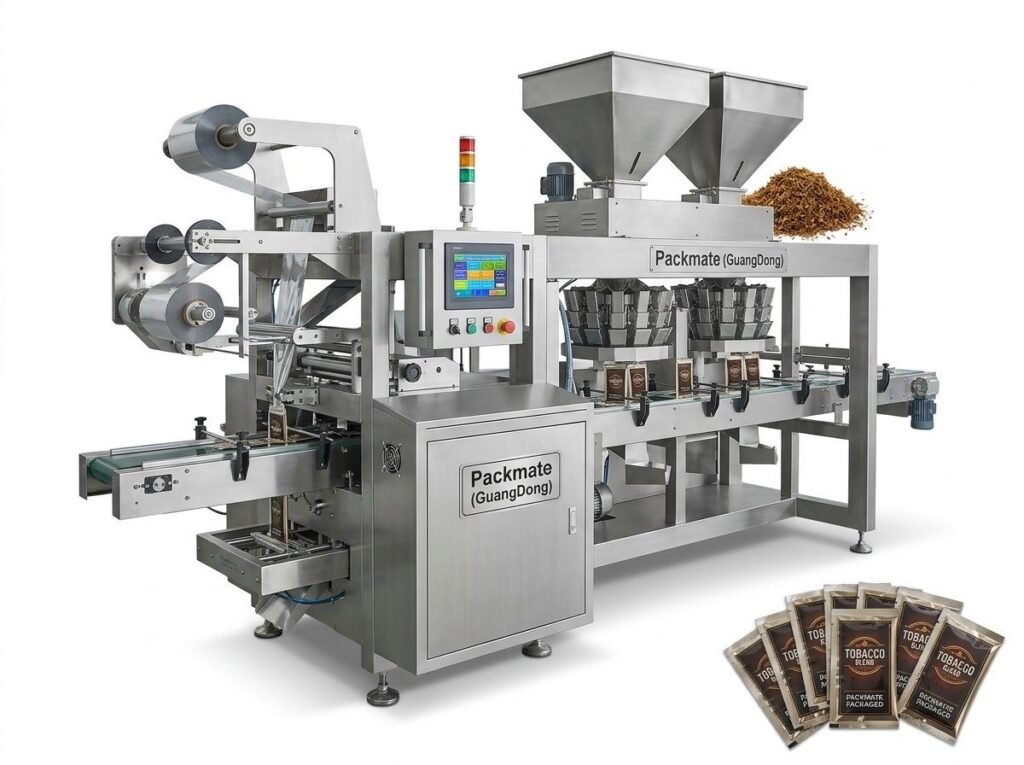
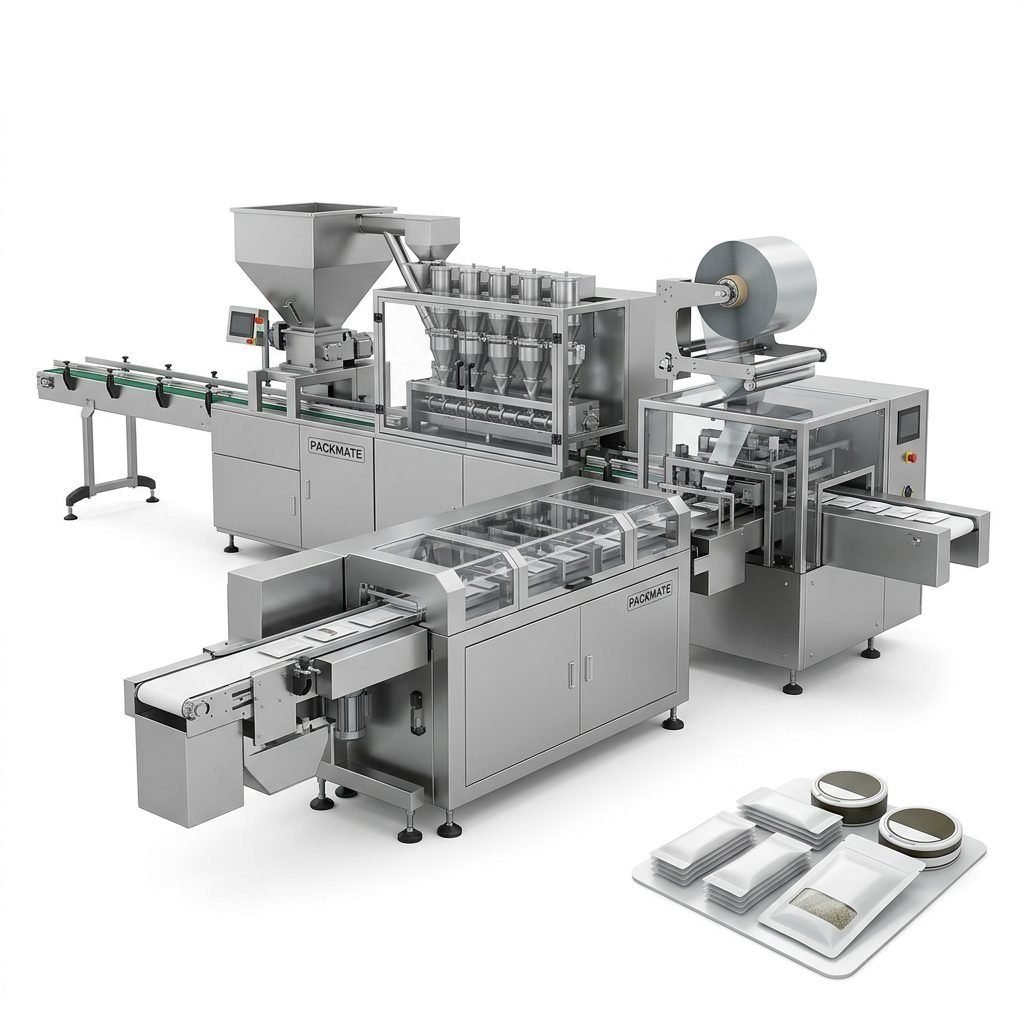
– Automated filling & packaging lines when you need turnkey solutions that include weighing and pouch forming.
Explore model options that align with these types on the manufacturer pages, such as Snus & Nicotine Packaging Machines and Filling & Packaging Lines.
Safety, Compliance and Certification Considerations
Complying with safety and labeling regulations is essential. Even if Myanmar’s regulatory environment is evolving, aligning with international standards helps with exports and builds trust.
Certifications to look for: CE, ISO compliance, and documented quality control processes. These indicate safer electrical systems, machine reliability, and consistent build quality.
Documentation and Traceability
Ask suppliers for full technical documentation, material safety datasheets for contact parts, and traceable component lists. This helps with maintenance and regulatory inspections.
Material & Packaging Film Considerations for Myanmar Climate
High humidity and seasonal temperature changes in Myanmar require barrier-grade films and reliable sealing technology. Aluminum foil, metallized films, and high-barrier laminates work best for moisture-sensitive nicotine products. Ensure your packaging machine can handle laminated film reels and high-torque sealing heads.
Material supply: Verify local availability of film reels and packaging materials or secure reliable import channels to avoid production downtime.
Operational and Economic Factors
Consider total cost of ownership (TCO) rather than only purchase price. TCO includes installation, operator training, spare parts, maintenance, energy consumption, and possible downtime costs.
- Spare parts availability and delivery lead-time.
- Local technical support or remote troubleshooting capability.
- Modular upgrades (e.g., adding lanes or converting formats).
- Energy efficiency and air consumption for pneumatic systems.
Manufacturers like Packmate provide turnkey options and global service networks — learn more about the company background at About Packmate.
Site Requirements and Installation
Floor space, power supply, compressed air, and environmental controls must be planned in advance. Ask for pre-installation checklists and factory acceptance test (FAT) reports. A proper site survey prevents costly revisions.
After-Sales Service, Training, and Local Support
Reliable after-sales service is essential in Myanmar where immediate local spares may not always be available. Prioritize suppliers who offer:
- Comprehensive operator and maintenance training.
- Remote diagnostics and spare parts air-shipment options.
- Field service engineers or certified local partners.
Tip: Negotiate a service contract that includes initial spare kits and guaranteed response times to minimize downtime.
Factory Inspection and Acceptance Tests
Schedule a factory acceptance test (FAT) before shipment and a site acceptance test (SAT) after installation. FAT should include running your actual materials and verifying dosing accuracy, sealing strength, and final product inspection criteria.
Checklist for FAT
– Confirm actual production speeds with your materials.
– Verify film handling and sealing quality under humidity conditions.
– Record electrical and pneumatic consumption.
– Test cleaning and maintenance access points.
Custom Engineering and Turnkey Solutions
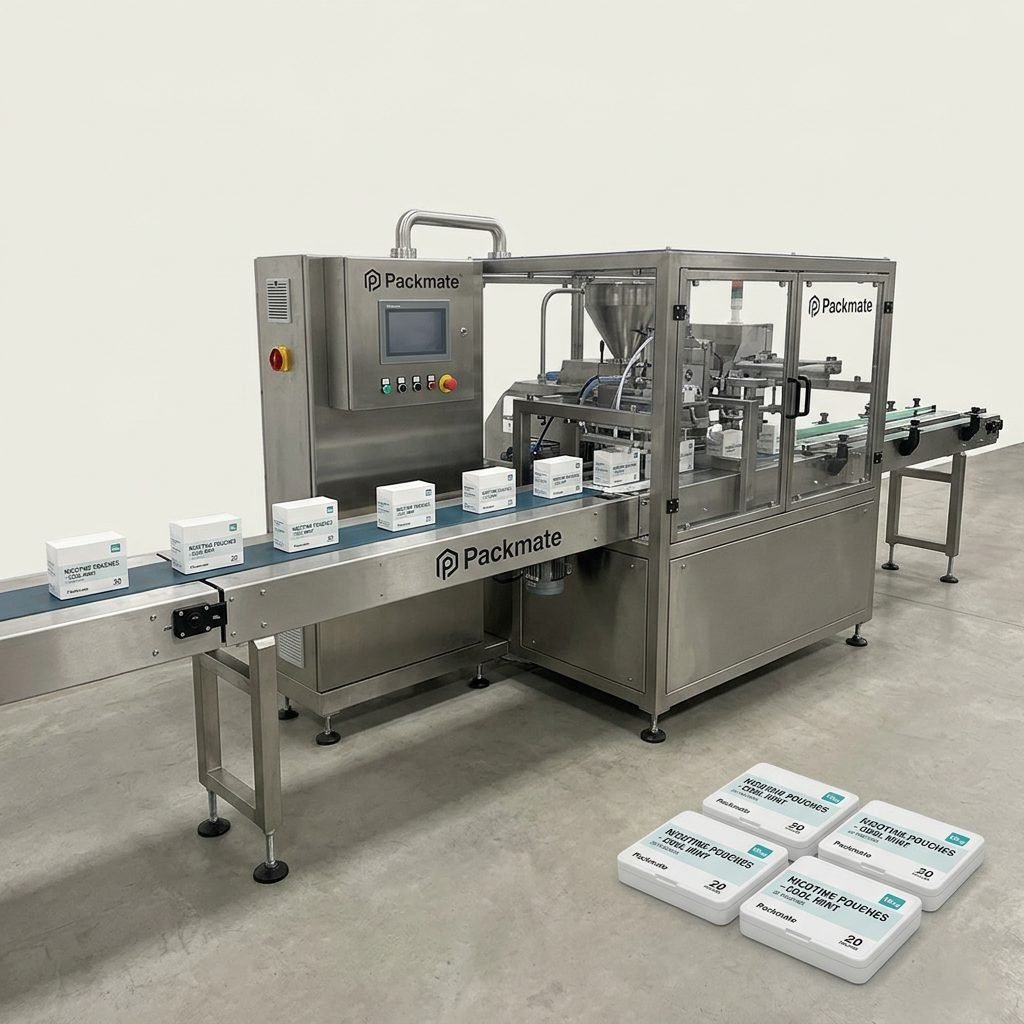
If you need a complete production line — from dosing and pouch forming to cartoning — look for suppliers who offer fully integrated solutions. Customization options should include multi-lane heads, pouch size quick-change kits, and inline metal detectors or checkweighers.
See examples of implemented projects and case studies to understand how a supplier manages turnkey projects: Case.
Financial Evaluation and ROI
Calculate ROI by including:
- Initial machine cost and installation fees.
- Recurring costs: consumables, energy, and labor.
- Projected yield improvements and waste reduction.
- Revenue uplift from new packaging formats or expanded capacity.
Financial tip: Consider leasing or staged payment options to spread capital expenditure while piloting new SKUs in Myanmar markets.
Choosing the Right Supplier — What to Ask
When evaluating suppliers, request the following:
- Detailed machine specifications and real-world production videos.
- References from other customers in similar climates or markets.
- Warranty terms, spare parts list, and service level agreements.
- Options for training, installation, and local technical support.
For direct contact and product catalog inquiries, suppliers often provide online contact portals — for example, reach out via Contact Us.
Why Packmate Is a Consideration
Packmate Snus Machine has 30+ years of engineering experience, a 20,000㎡ factory, and a portfolio of multi-lane and sachet machines designed specifically for snus and nicotine pouches. Their certifications and turnkey capabilities make them a reliable partner for Myanmar producers seeking robust machines and complete line solutions.
Practical Next Steps for Myanmar Businesses
1) Define product formats and monthly volume goals.
2) Shortlist machines that meet dosing accuracy and sealing needs.
3) Request FAT with your materials and a clear acceptance checklist.
4) Secure a service and spare-parts plan before shipment.
5) Pilot small production runs to validate consumer response then scale.
Quick recap: Match machine technology to product needs, plan for Myanmar climate and logistics, and prioritize suppliers who provide strong after-sales support and turnkey options.
Frequently Asked Questions
Q1: What machine type is best for small-batch nicotine pouches?
A1: Multi-lane pouch machines with flexible lane configurations are ideal because they allow small-batch runs while keeping production efficient and reducing changeover time.
Q2: How do I ensure my packaging withstands Myanmar’s humidity?
A2: Use high-barrier laminated films (aluminum or metallized layers) and machines with consistent high-quality sealing heads. Also, control storage and post-production humidity when possible.
Q3: What after-sales support should I insist on?
A3: At minimum, require operator training, a starter spare parts kit, documented preventive maintenance schedules, and a clear remote/onsite response time in the contract.
Q4: Are international certifications necessary for local sales in Myanmar?
A4: While local regulations vary, international certifications like CE and ISO demonstrate robust safety and quality controls, simplify export, and reduce regulatory risk.
Q5: Where can I find reliable machine catalogs and product lines?
A5: Review supplier product pages and catalogs to compare models and specifications; for example, see Snus & Nicotine Packaging Machines and contact the manufacturer for customized proposals.