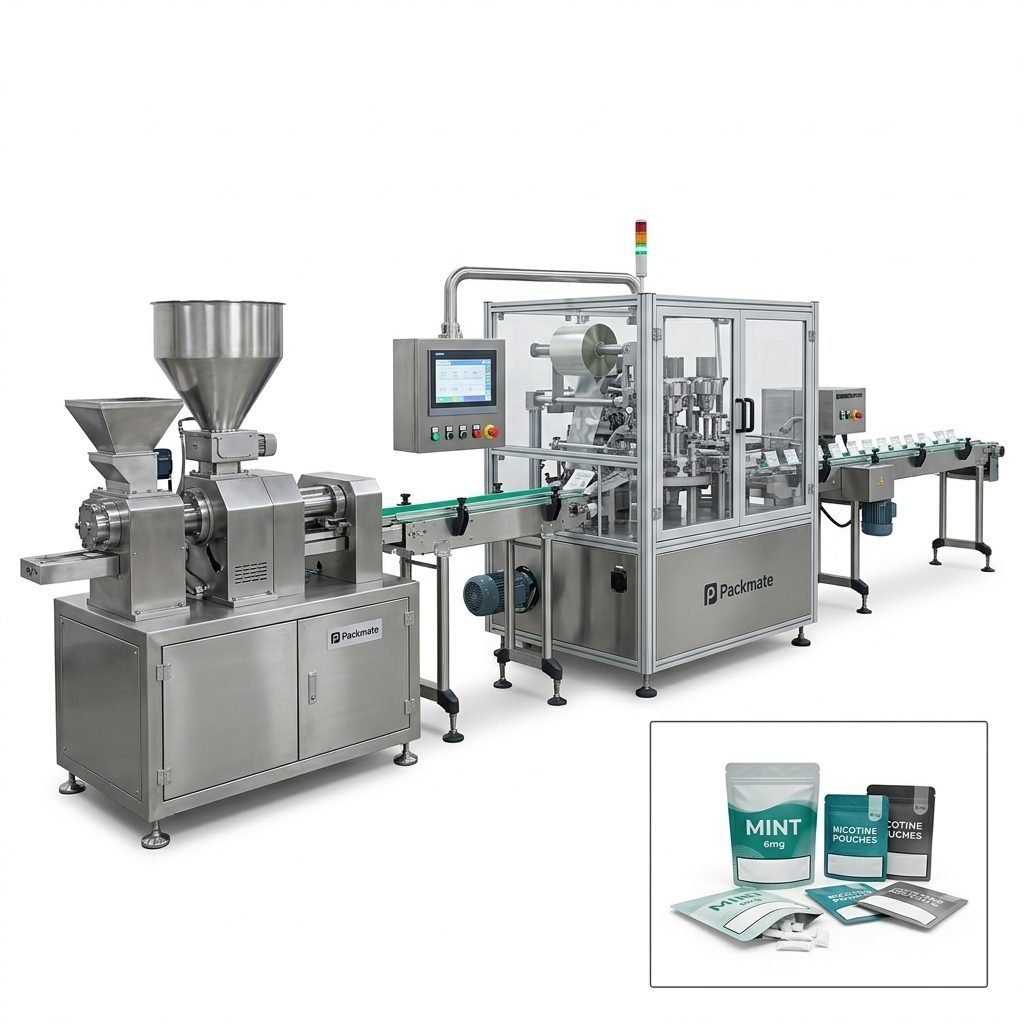
Entering the snus and nicotine pouch market in Mali requires more than just choosing a machine — you need packaging that withstands local climate, fits consumer habits, and complies with labeling expectations. This guide walks you through practical buyer considerations for selecting the best snus packaging machine in Mali, from machine type and materials to installation and local market nuances.
Understand Mali’s Market & Local Customs
Mali’s consumer culture and purchasing patterns are shaped by regional traditions, language, and climate. French is the official language and Bambara widely used — labeling in French (and optionally local language) helps products gain consumer trust. In many parts of Mali, discreet consumption and small purchase sizes are common, so consider packaging that supports compact, single-dose retail formats.
Religious and community norms can influence product acceptance; producers often prefer neutral, discreet branding and packaging that respects local sensitivities. Also, urban centers like Bamako have different purchasing power and retail channels compared to rural markets — factor that into your production volume planning.
Climate & Storage: Why Machine Choice Matters
Mali’s hot and variable climate (especially during dry season) affects product stability. High temperatures and dust can compromise pouches if packaging and sealing are not robust. Choose machines that can:
✅ Deliver strong hermetic seals and support high-barrier films to resist moisture and oxygen.
✅ Offer adjustable sealing temperature and dwell time for different film laminates.
✅ Work reliably in dusty or high-temperature workshops — consider options with protective covers and easy-clean surfaces.
Key Technical Specifications to Evaluate
When evaluating snus packaging machines, focus on specifications that affect production capacity, product quality, and long-term running costs:
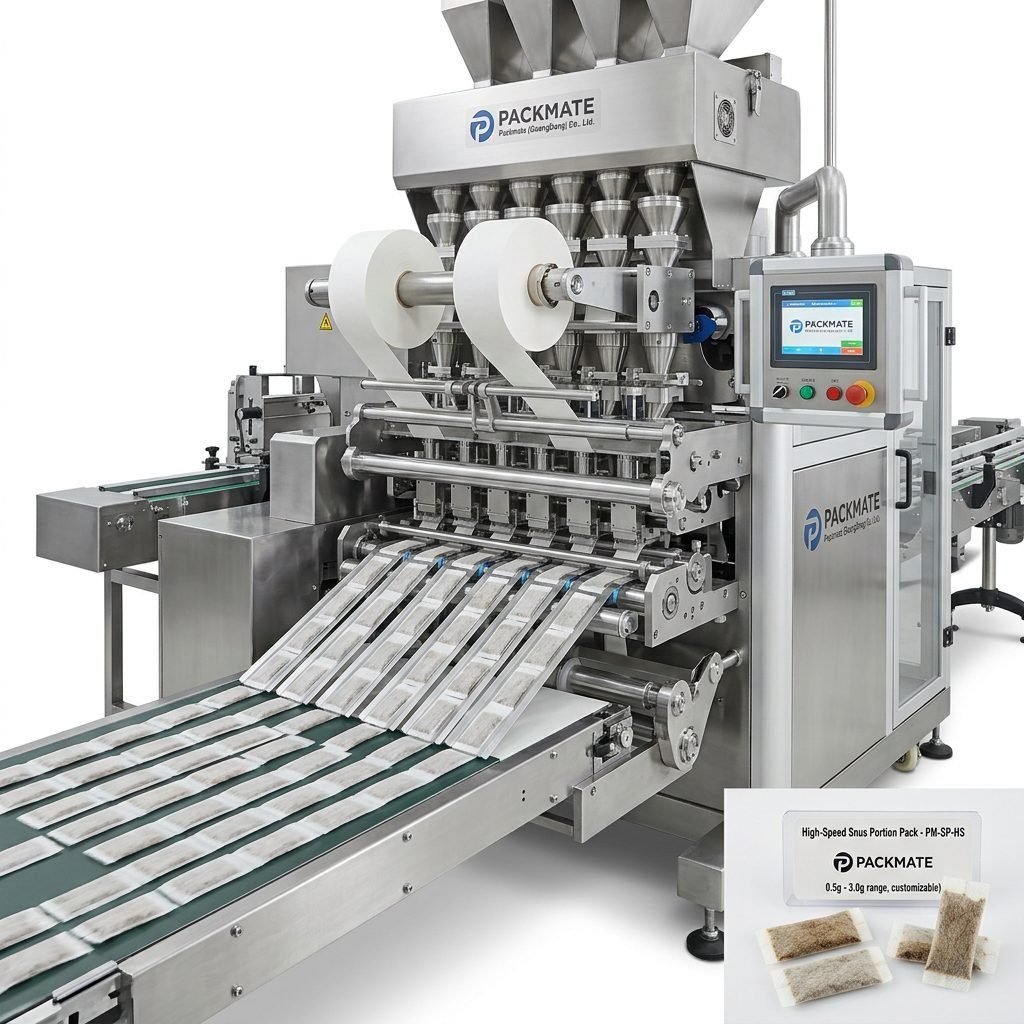
Production Speed — Measured in pouches/min or sticks/min. Choose speed based on your forecasted demand; for expanding markets like Bamako, multi-lane systems can scale capacity efficiently.
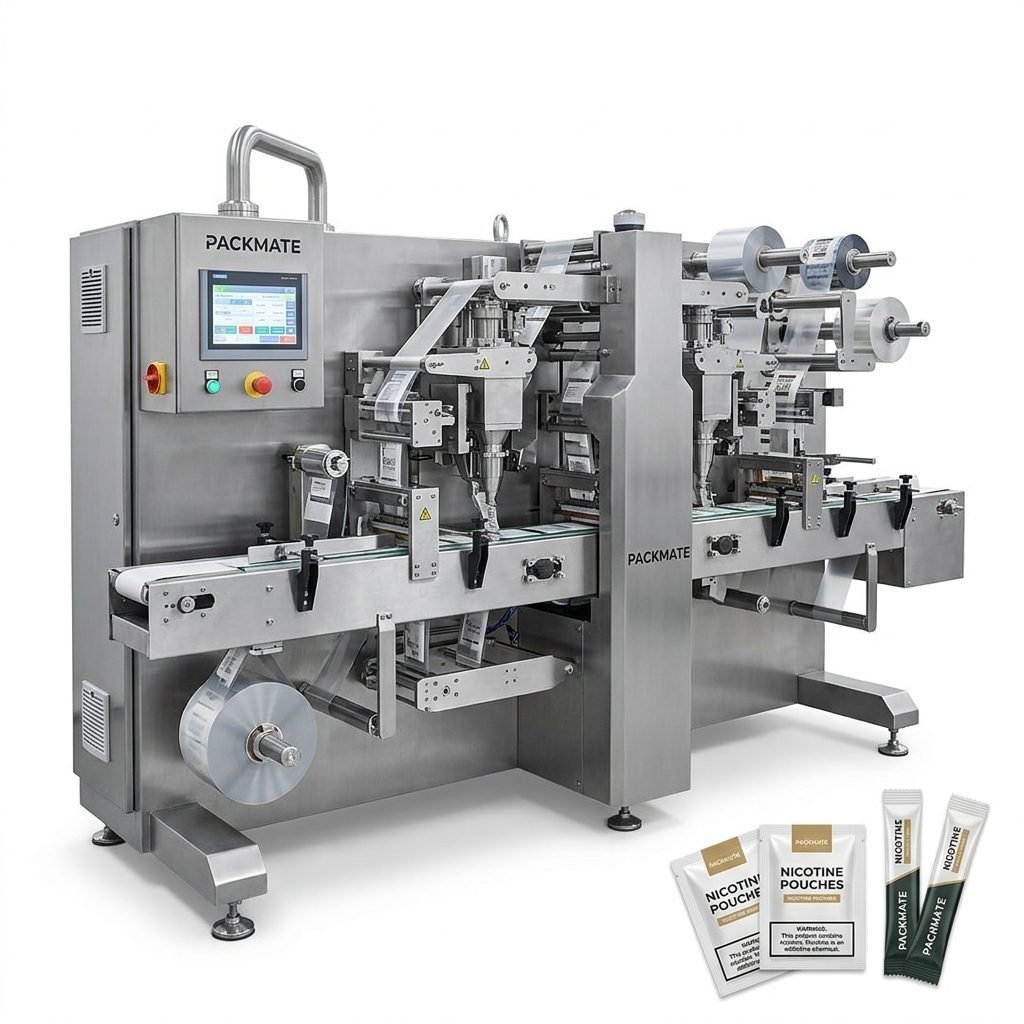
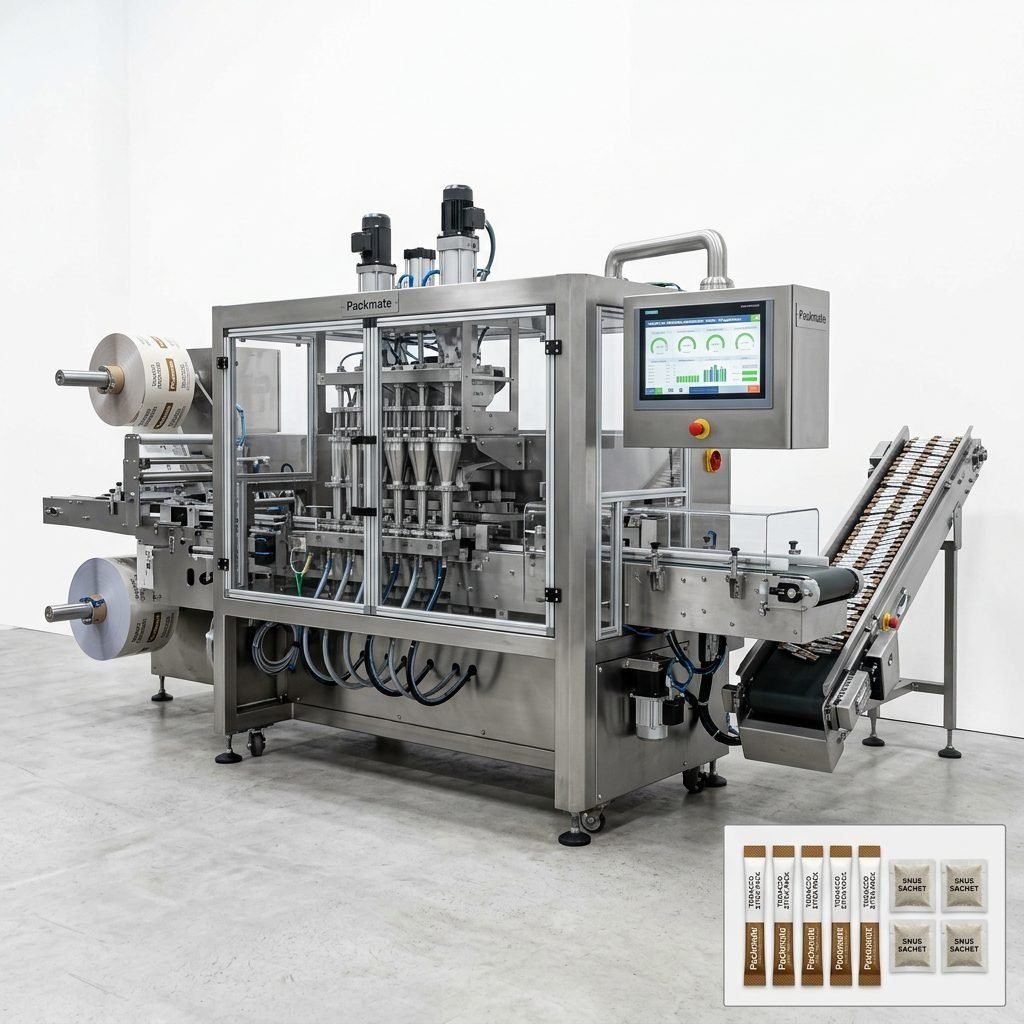
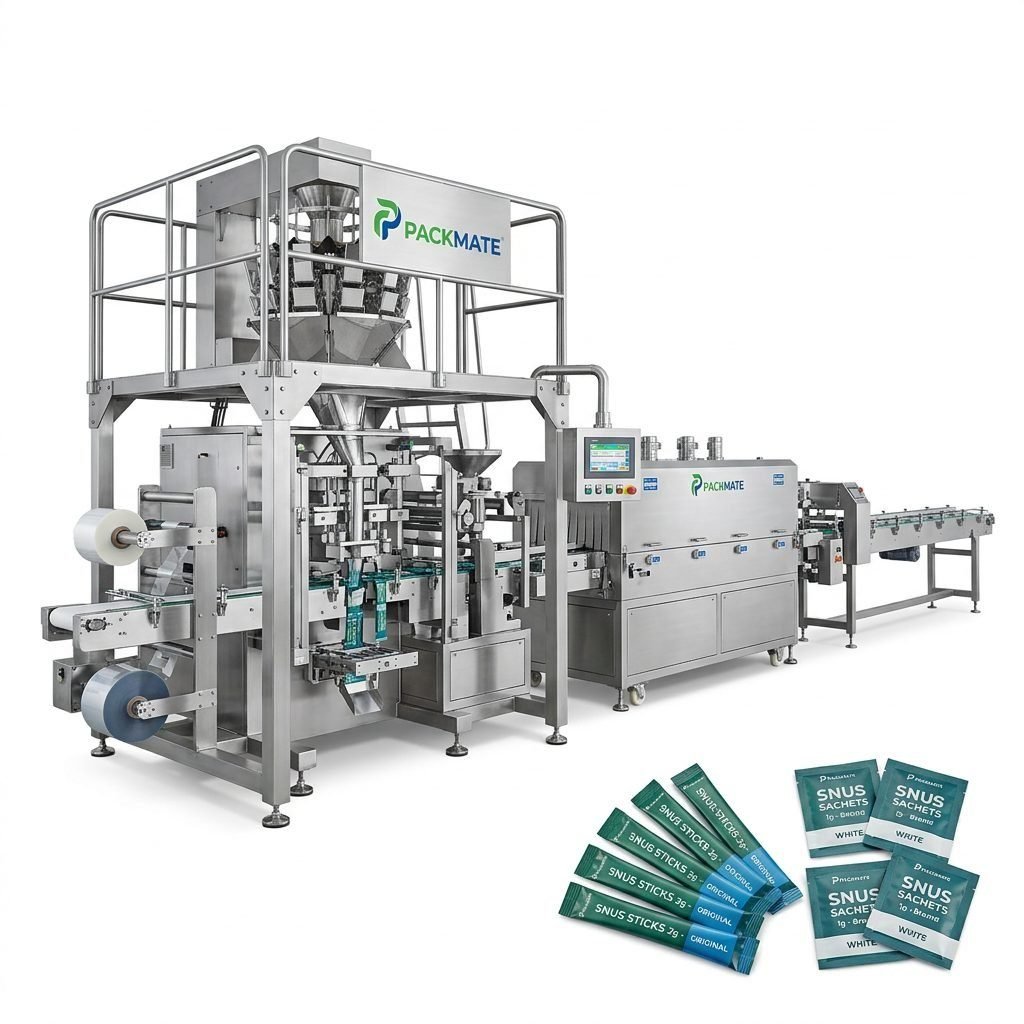
Pouch Formats & Flexibility — Ensure the machine supports sachets, stick packs, and small-dose pouches commonly preferred in Mali. Machines with adjustable tooling reduce changeover time.
Filling Accuracy — High-precision dosing avoids product giveaways and ensures regulatory compliance. For nicotine pouches, tight weight control is essential.
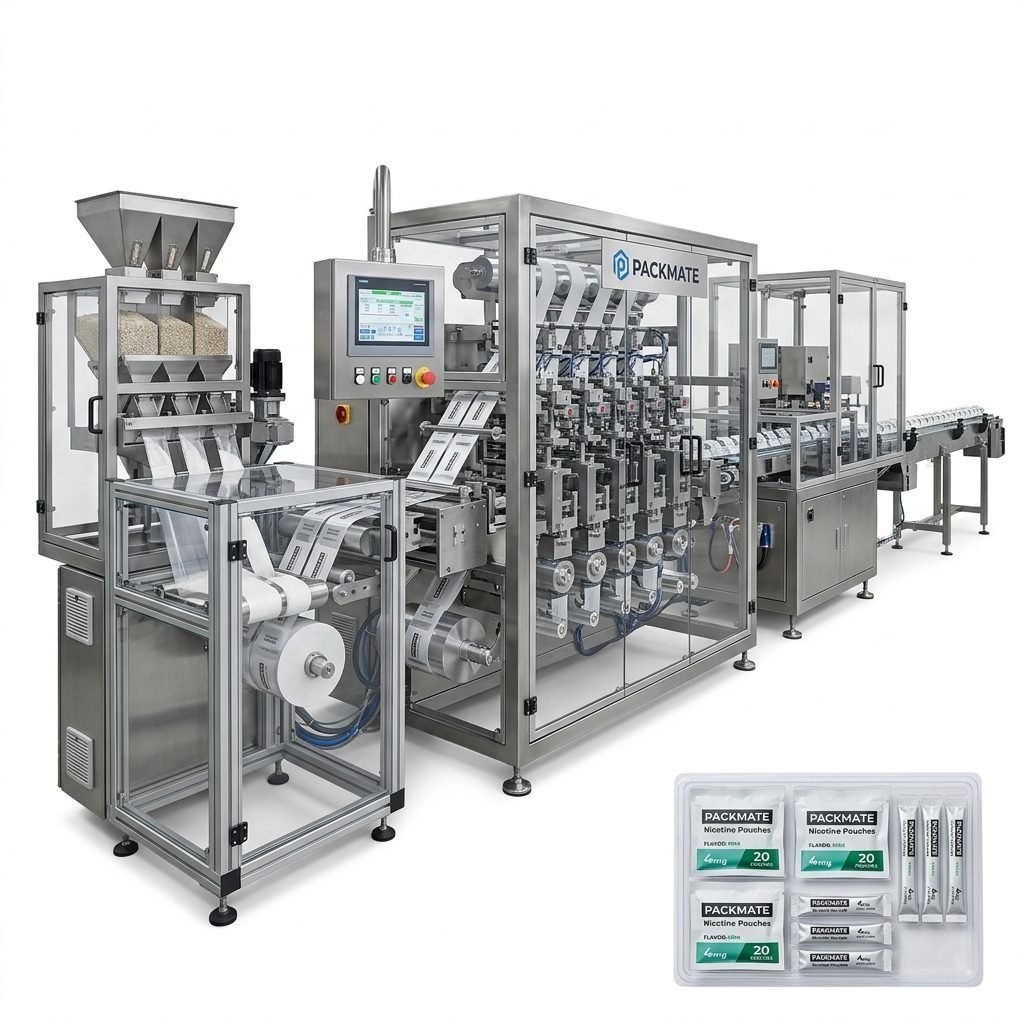
Multi-Lane Capability — Multi-lane systems increase throughput while minimizing floor space, a good fit for mid-size factories.
Automation & Controls — PLC controls, HMI touchscreens, and quick recipe change features reduce operator error and training needs.
Packaging Materials & Formats Suitable for Mali
Selecting the right film and pouch design is as important as the machine. Consider:
• High-barrier laminates (aluminum foil or metallized layers) to protect against humidity and heat.
• Resealable zipper options for larger multipack pouches favored by urban customers.
• Printed film with clear French labeling, ingredient lists, and health warnings as required — localization improves shelf acceptance.
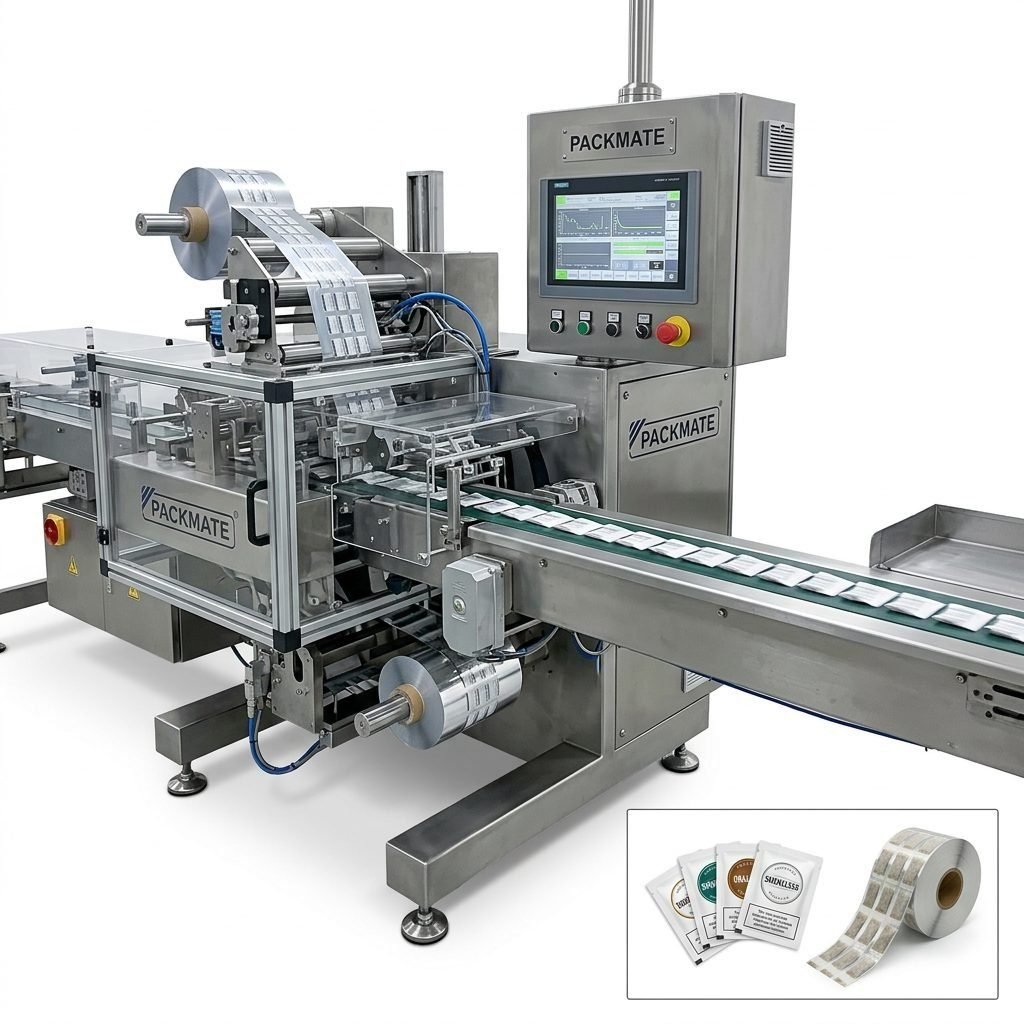
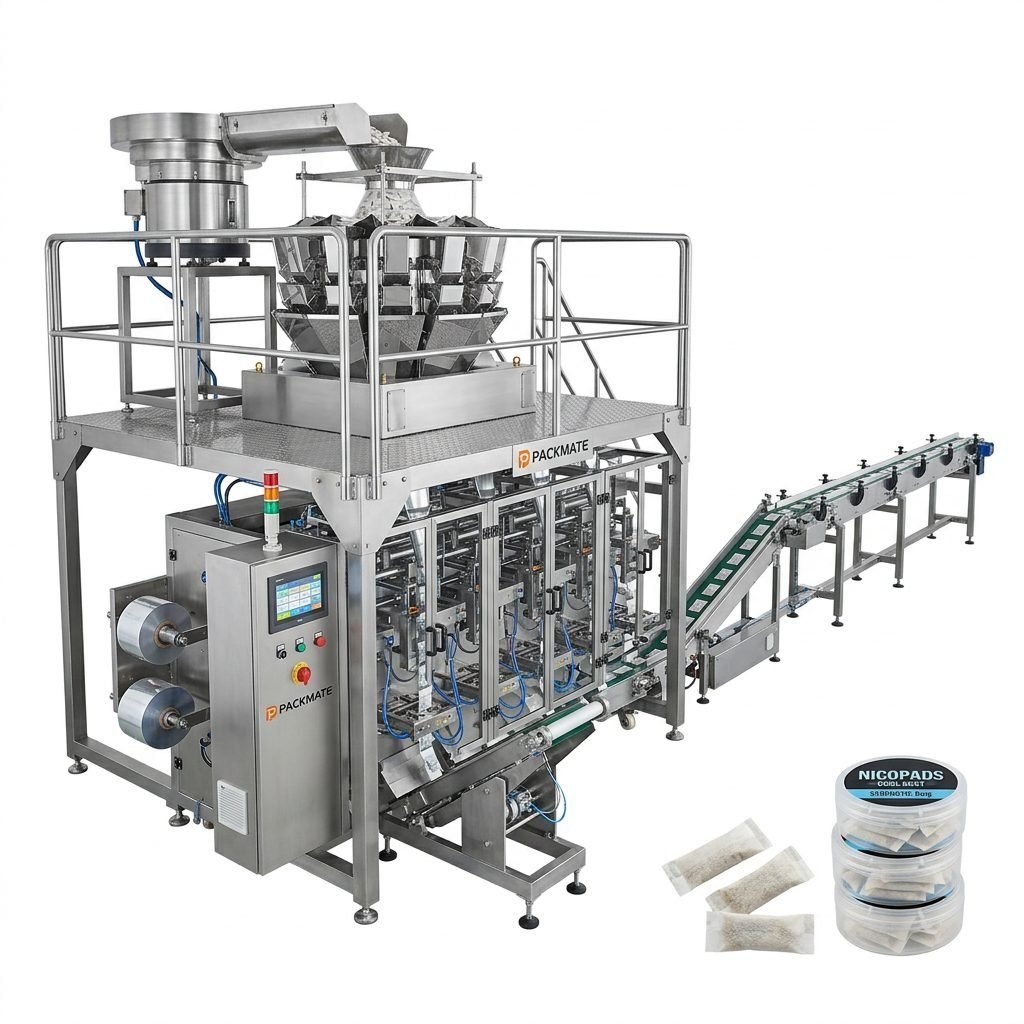
For technical reference and machine-film compatibility, explore specialized equipment options such as those for Snus & Nicotine Packaging Machines and Bag & Pouch Packaging Machines.
Machine Types & Automation Levels
Different business models require different machines:
Entry-Level Semi-Automatic Machines — Lower cost, suitable for startups testing the Mali market. Manual feeding or semi-automatic filling reduces initial investment.
Fully Automatic Single-Lane — Good for steady production lines with predictable demand and limited floor space.
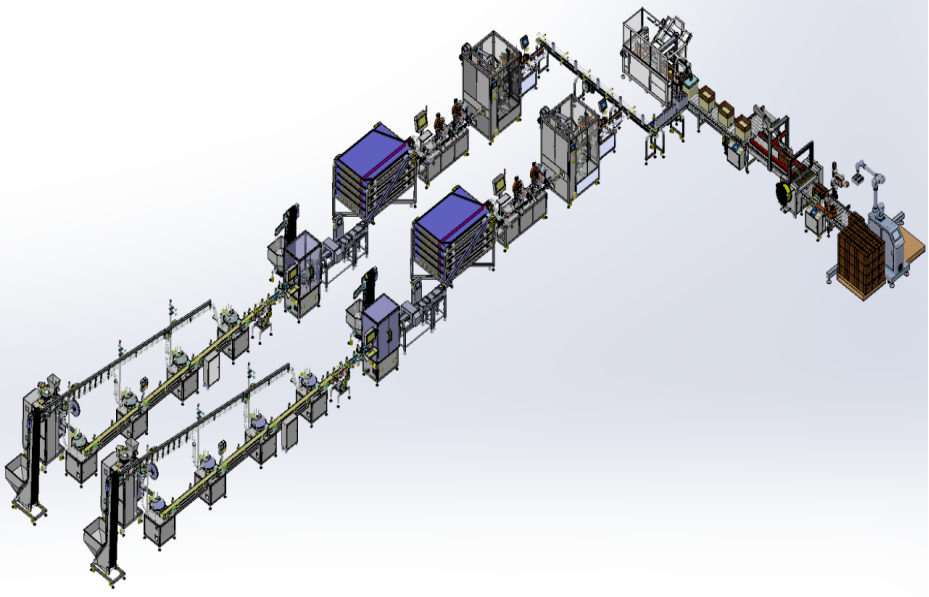
Multi-Lane High-Speed Systems — Best for larger-scale operations; multi-lane lines provide higher output per square meter and are often used in turnkey solutions.
If you are considering integrated solutions, review turnkey lines that include weighing, filling, and packaging; Packmate provides end-to-end options you can review on their Filling & Packaging Lines page.
Site, Utilities & Workforce Considerations in Mali
Before purchase, evaluate your factory conditions:
⚡ Reliable power: specify voltage and consider voltage stabilizers or UPS systems if grid stability is a concern.
🧰 Skilled operators & training: choose machines with accessible controls and good support; local training reduces downtime.
🧹 Clean environment & maintenance: implement simple dust-control measures and scheduled maintenance to keep seals and sensors working.
Maintenance, Spare Parts & After-sales Support
Quick access to spare parts and responsive service are crucial to minimize downtime. Look for:
Local or regional after-sales support, clear spare parts lists, and remote diagnostics for PLC/HMI issues. Packmate’s decades of experience and global service network can be explored on their Service and Contact Us pages.
Regulatory & Labeling Checklist
Always confirm local regulations before finalizing packaging: required health warnings, ingredient listings, and language rules. A local legal or regulatory advisor can save time and avoid costly reworks. When in doubt, use conservative labeling and keep traceability information (batch, date, machine ID) on each pack or carton.
Vendor Selection: What to Ask Your Supplier
When you contact manufacturers, ask for:
🔎 Detailed performance data (speeds with your pouch material).
🔎 References or case studies in similar climates — see Case examples.
🔎 Warranty terms, spare parts lead times, and remote support capabilities.
🔎 Training programs for operators and technicians.
Investment & ROI Considerations
Balance capital expenditure with expected market growth. Faster machines and multi-lane systems increase throughput but require higher upfront investment and more skilled maintenance. Smaller producers often start with semi-automatic units and scale to multi-lane turnkey lines as distribution expands in urban Mali.
Practical Buying Checklist (Quick Reference)
✅ Machine supports your pouch format(s) and film type.
✅ Adequate sealing quality for humidity/temperature conditions.
✅ Spare parts availability and training included.
✅ Local labeling and language considerations addressed.
✅ Clear warranty and service SLA.
For product options and specifications, review Packmate’s product lines such as Sachet & Stick Pack Machines and modular Weighing & Packaging Systems.
Conclusion
Selecting the best snus packaging machine in Mali blends technical requirements with local market understanding. Prioritize moisture-resistant sealing, language-appropriate labeling, and a vendor who provides strong after-sales support and spare parts. Start with a clear forecast of volumes and distribution channels in Mali’s urban and peri-urban areas, then choose a machine type that balances automation, cost, and scalability.
Common Questions
Q: What pouch materials work best for Mali’s climate?
A: High-barrier laminates (metalized or foil-based) with strong seal layers to resist humidity and heat are recommended.
Q: How do I ensure fast service and spare parts?
A: Choose a supplier with clear spare-parts lists, regional stocking options, and remote diagnostic support; confirm lead times before purchase.
Q: Should my labels be in French?
A: Yes — French is the official language and is expected on product labels; adding Bambara or other local language can improve acceptance in some areas.
Q: Is a turnkey line necessary for a new Mali business?
A: Not always. Startups often begin with semi-automatic lines and upgrade as demand grows; turnkey solutions are ideal for established producers scaling quickly.