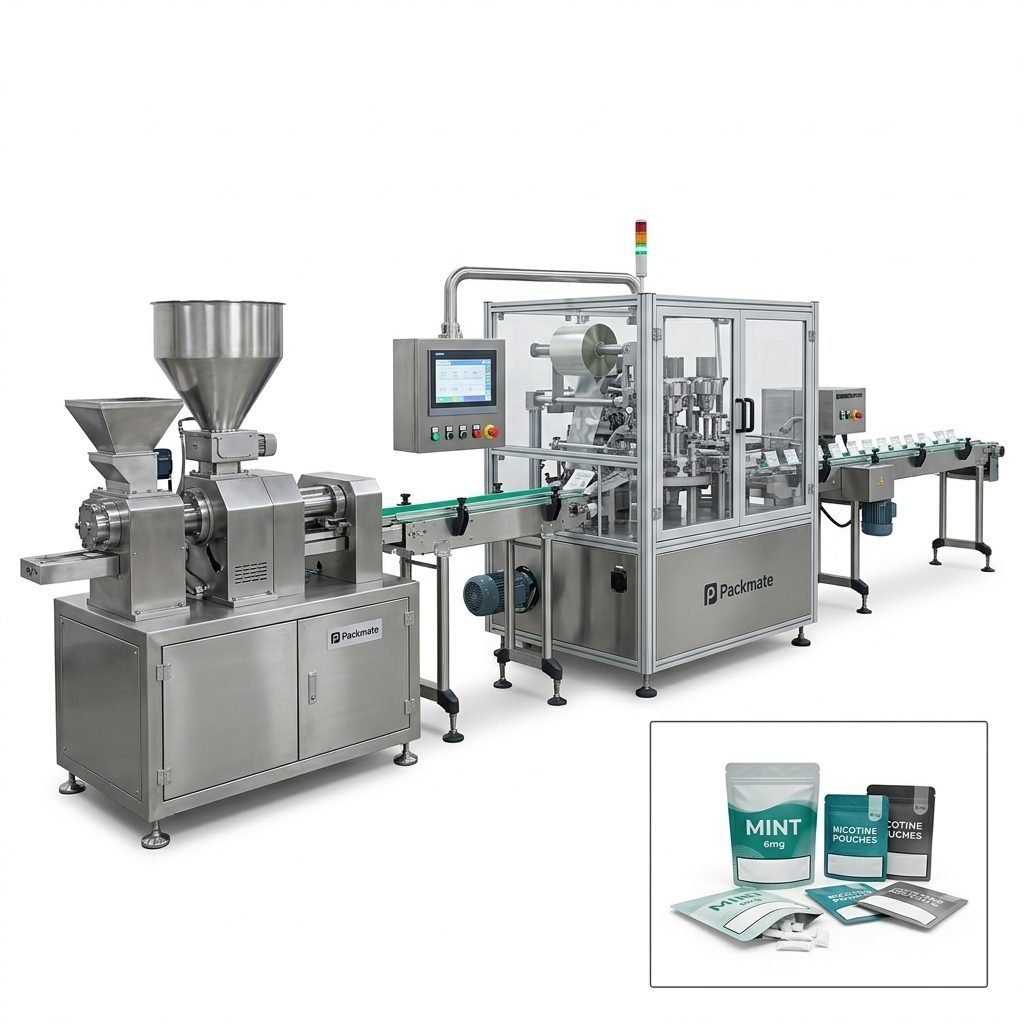
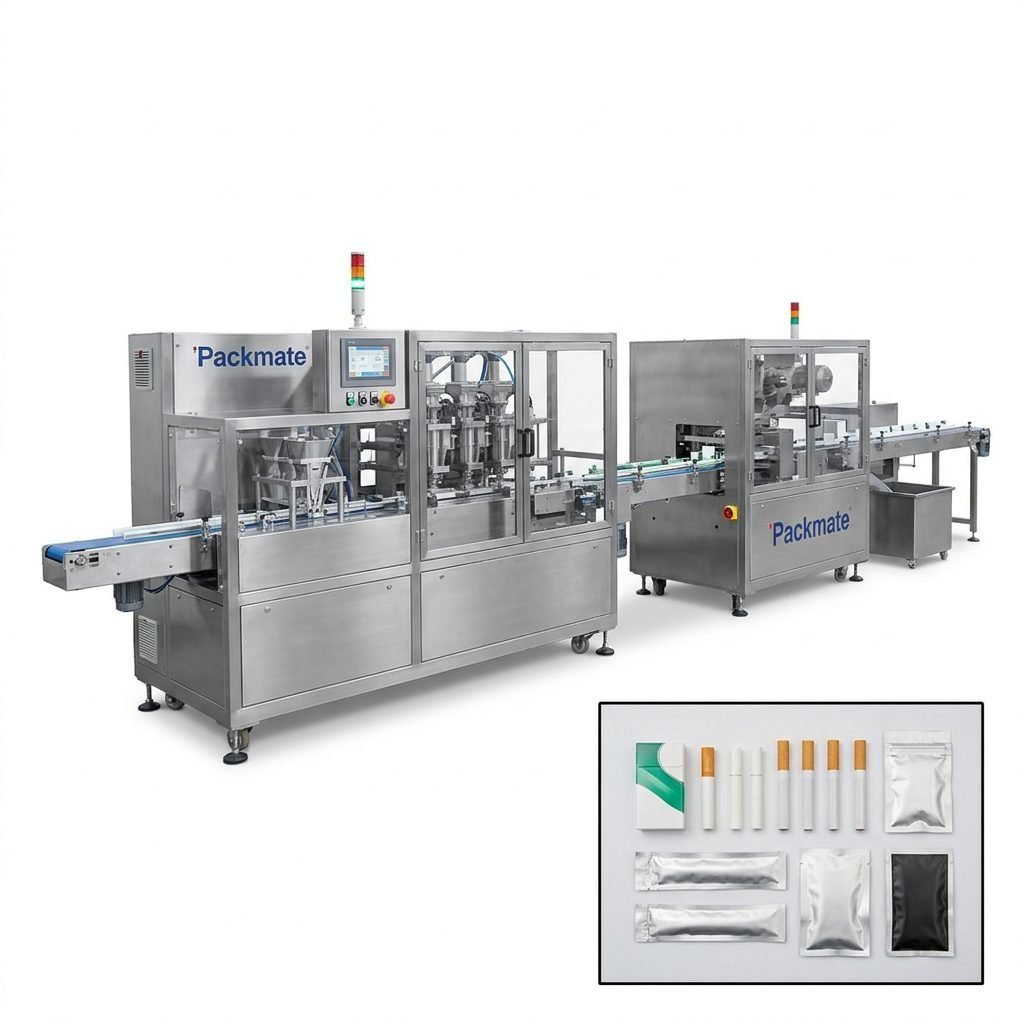
Choosing the right snus packaging machine manufacturer in Asia is a strategic decision that affects product quality, production efficiency, compliance, and long-term costs. This guide walks production managers, engineers, and procurement teams through the most important criteria to evaluate when selecting a manufacturer for snus and nicotine pouch packaging systems. It focuses on practical comparisons, key technical and commercial considerations, and how to align a partner’s capabilities with your production goals.
Understanding Your Production Needs ⚙️
Before you evaluate manufacturers, define your production parameters clearly. Ask how many pouches per minute you need, what pouch formats (stick pack, sachet, multi-lane), product types (powder, granules, liquid, nicotine pouches), and any GMP or regulatory requirements. These inputs determine whether you need a high-speed multi-lane machine, an intermittent-motion sachet line, or a flexible modular system.
Key production questions to clarify
• Required output per shift or per minute
• Pouch dimensions and materials (foil, paper, composite)
• Filling types (dry weighing, auger, liquid dosing)
• Integration with upstream/downstream equipment (weighing, cartoning, sealing)
• Regulatory and safety certifications needed for your market
Manufacturer Experience and Track Record 📦
Choose a manufacturer with proven experience in snus and nicotine pouch solutions. Experience translates into better machine design, fewer integration surprises, and refined process recipes for challenging materials. Look for a supplier with a long history of machine development and successful global installations.
Why experience matters: seasoned suppliers have solved common issues with hygroscopic powders, adhesive formulations, and multi-lane synchronization — reducing your commissioning time and operational risk.
Technical Capabilities and Machine Portfolio 🔍
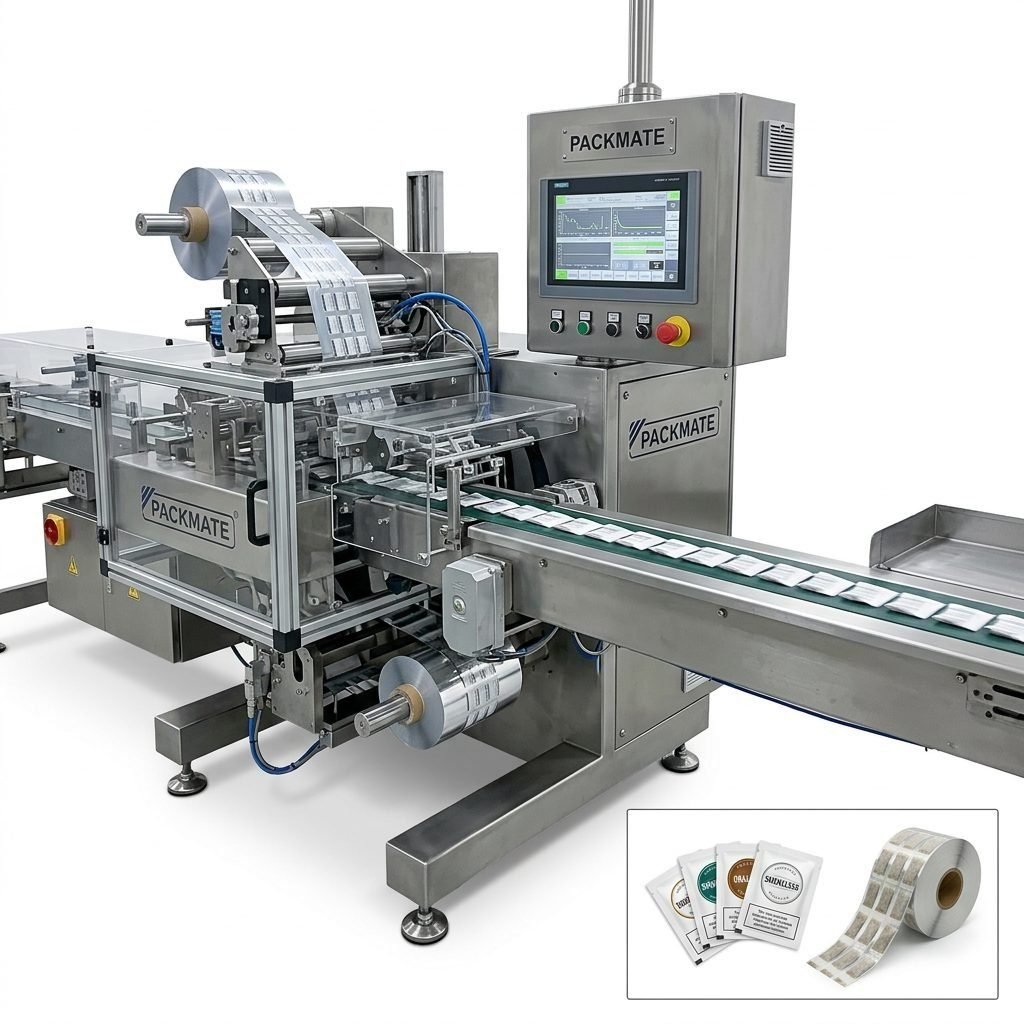
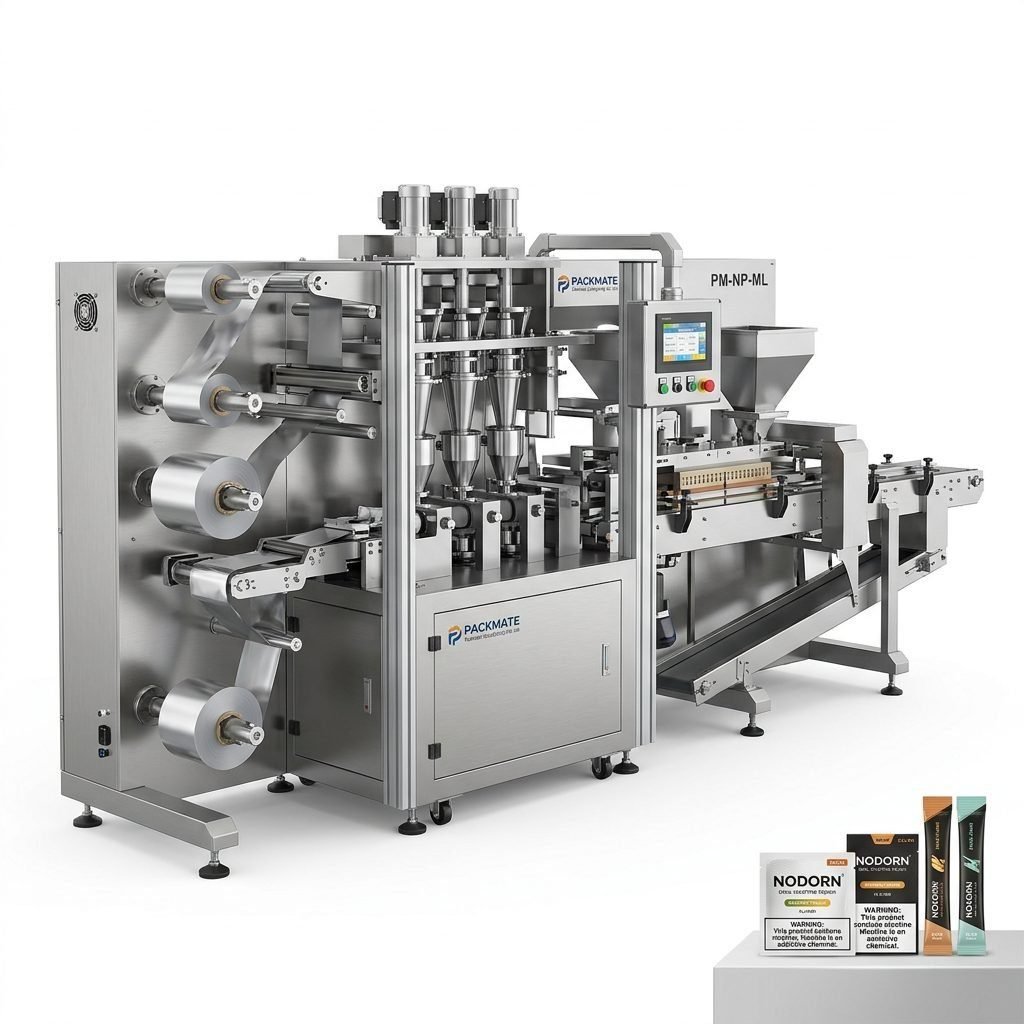
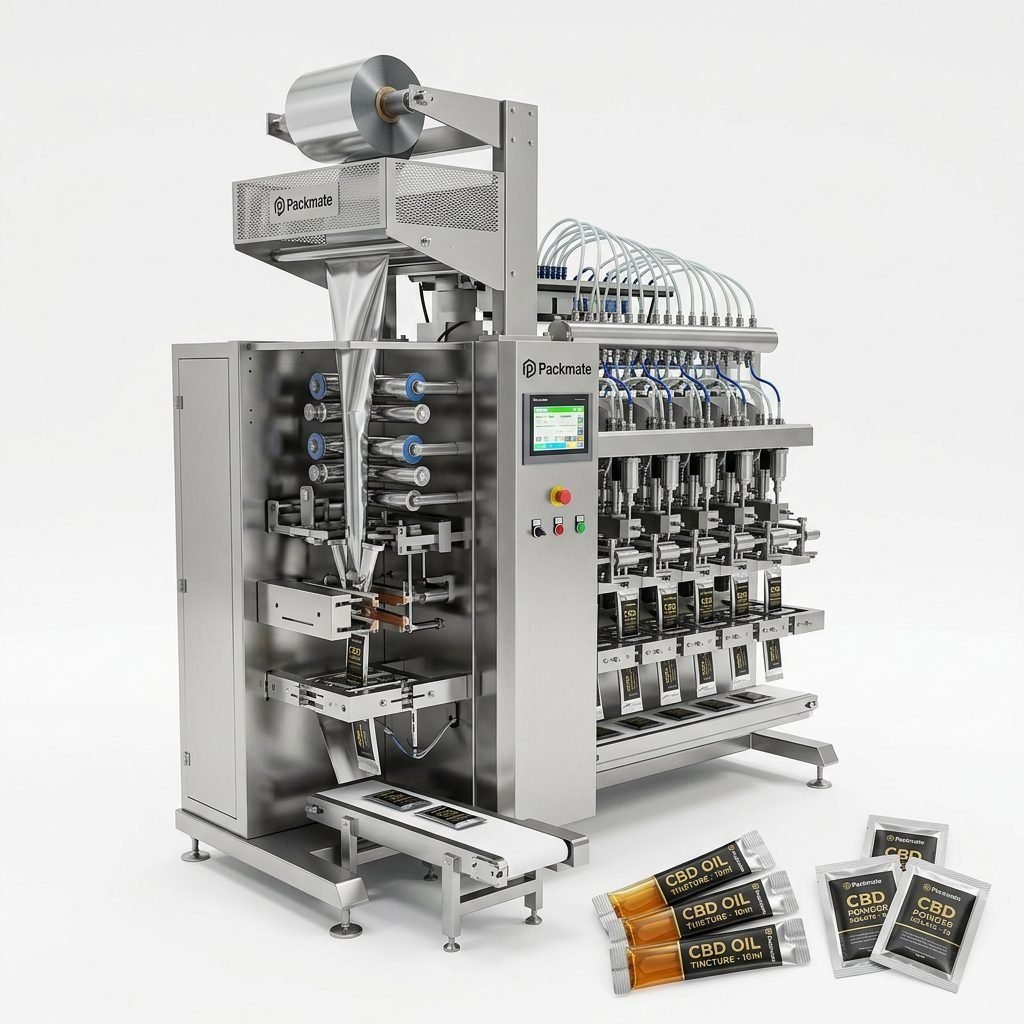
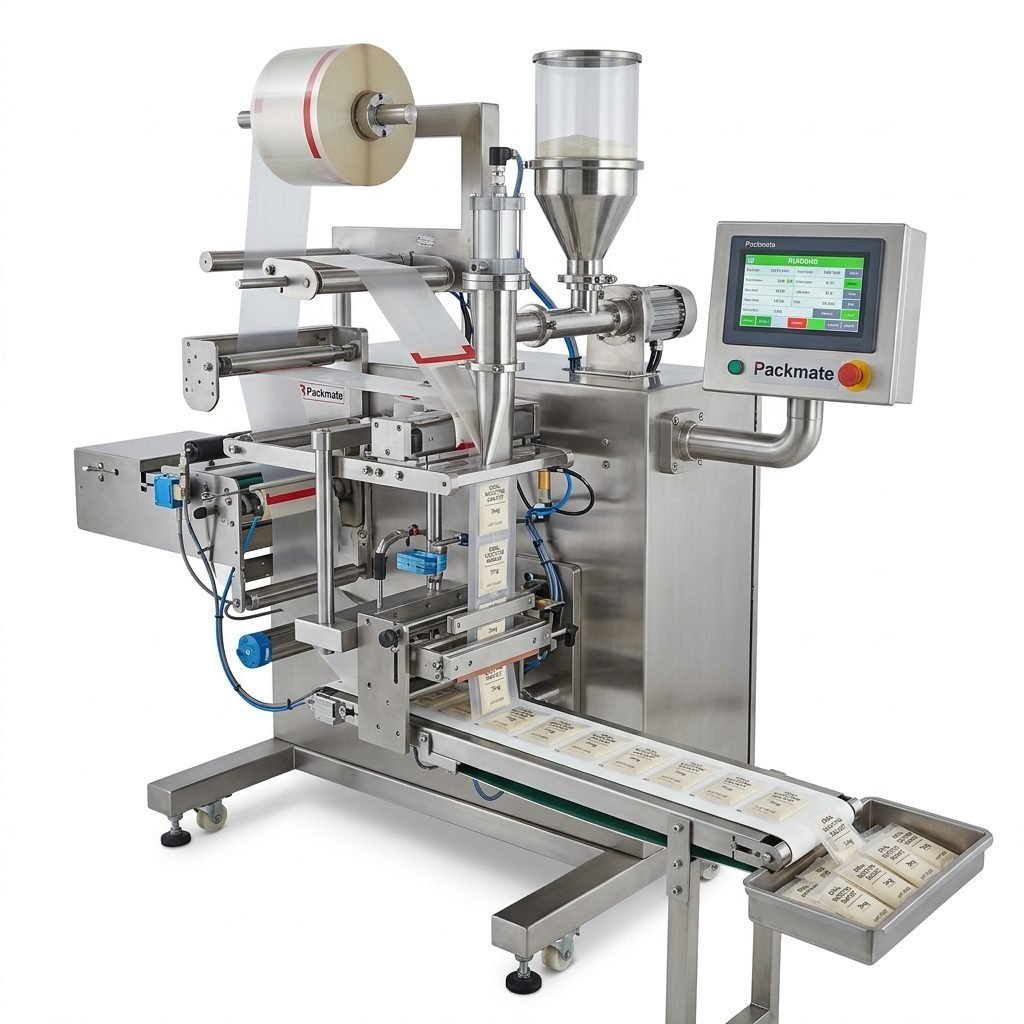
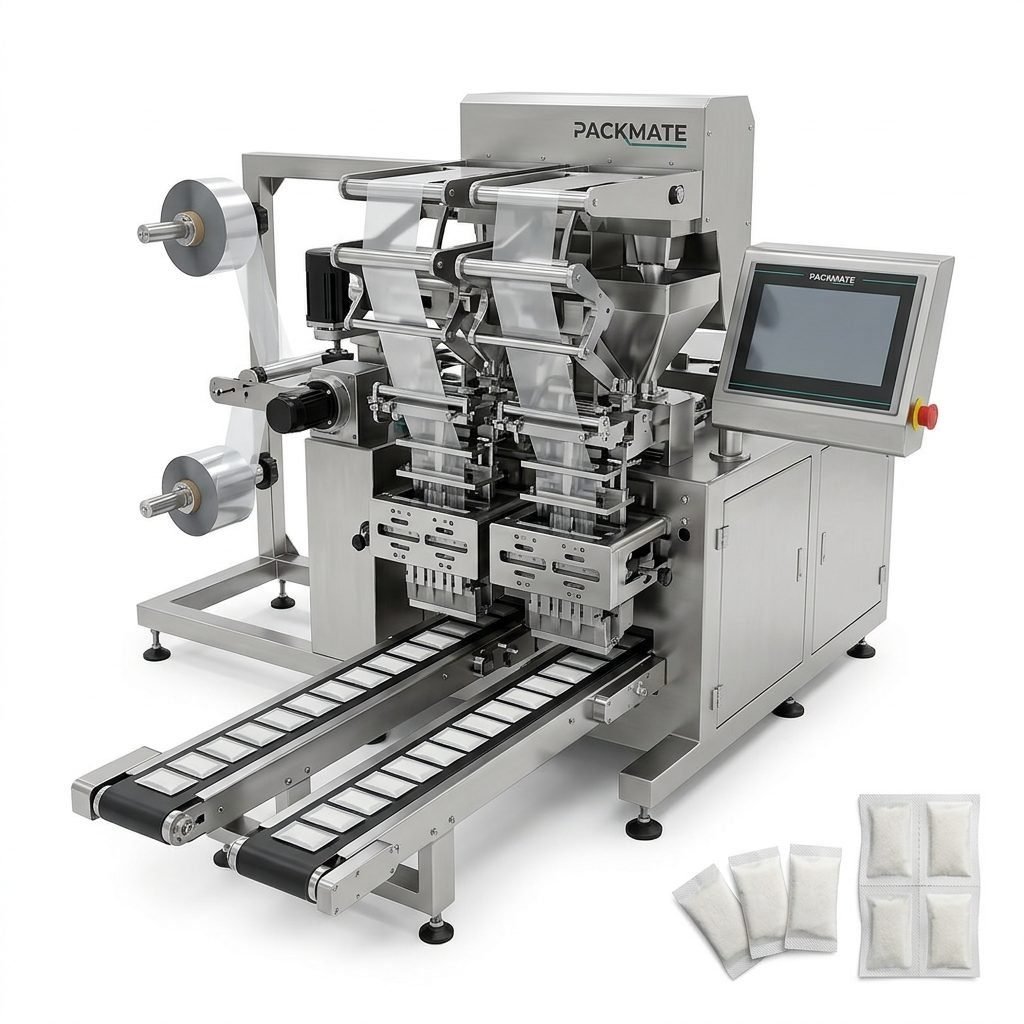
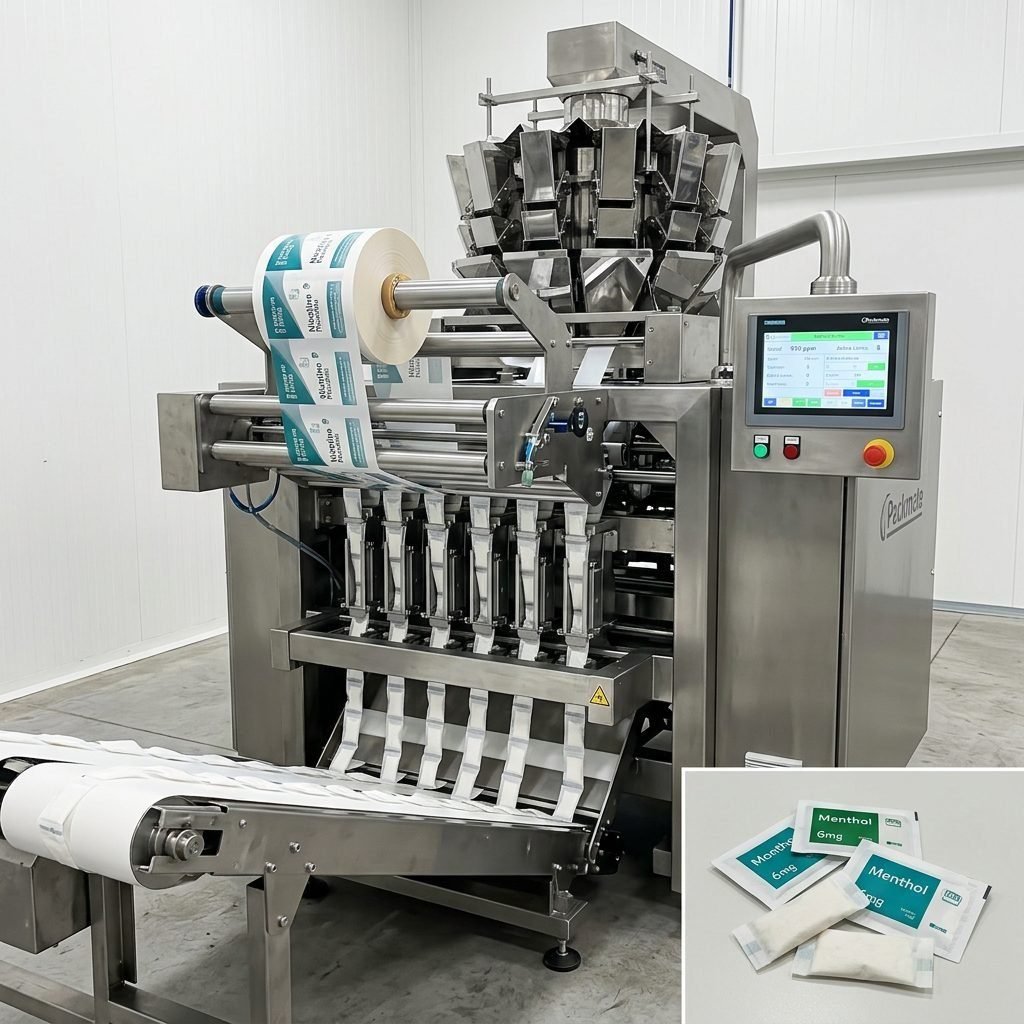
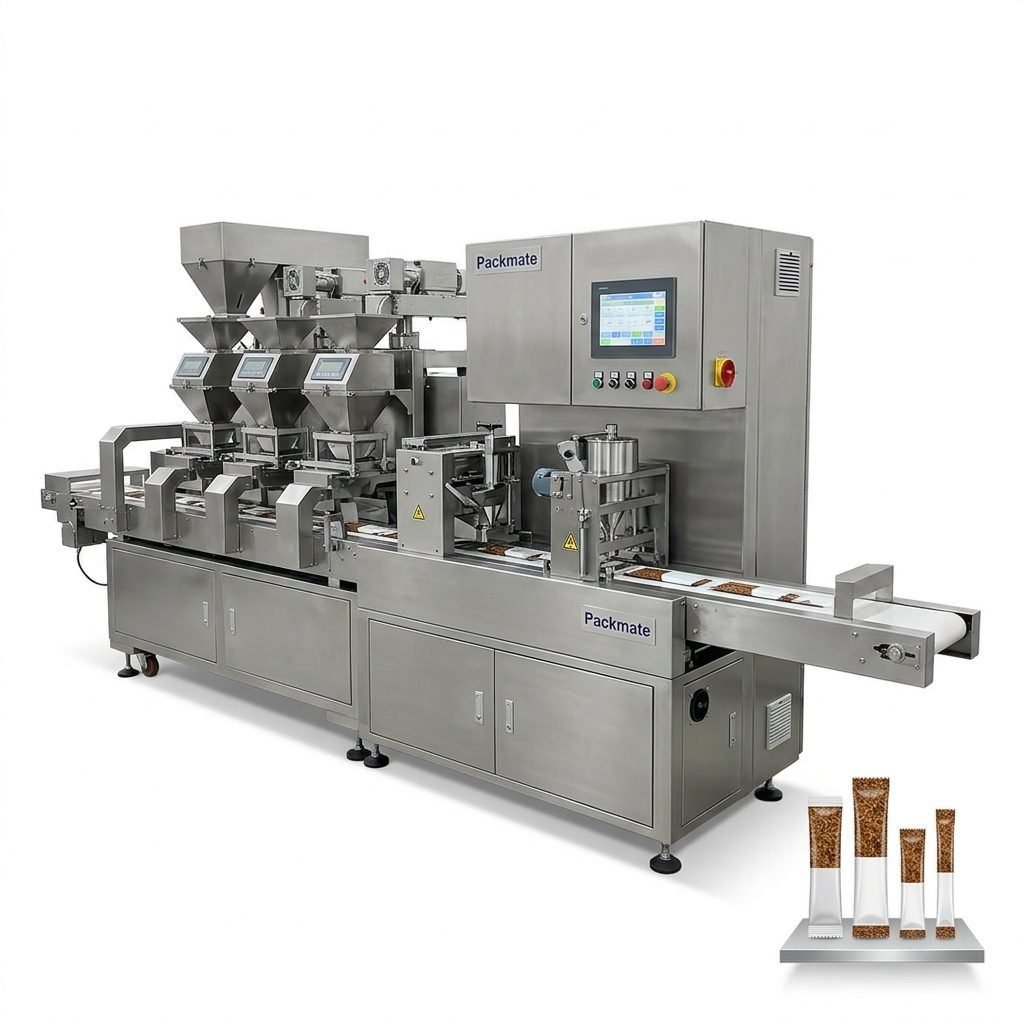
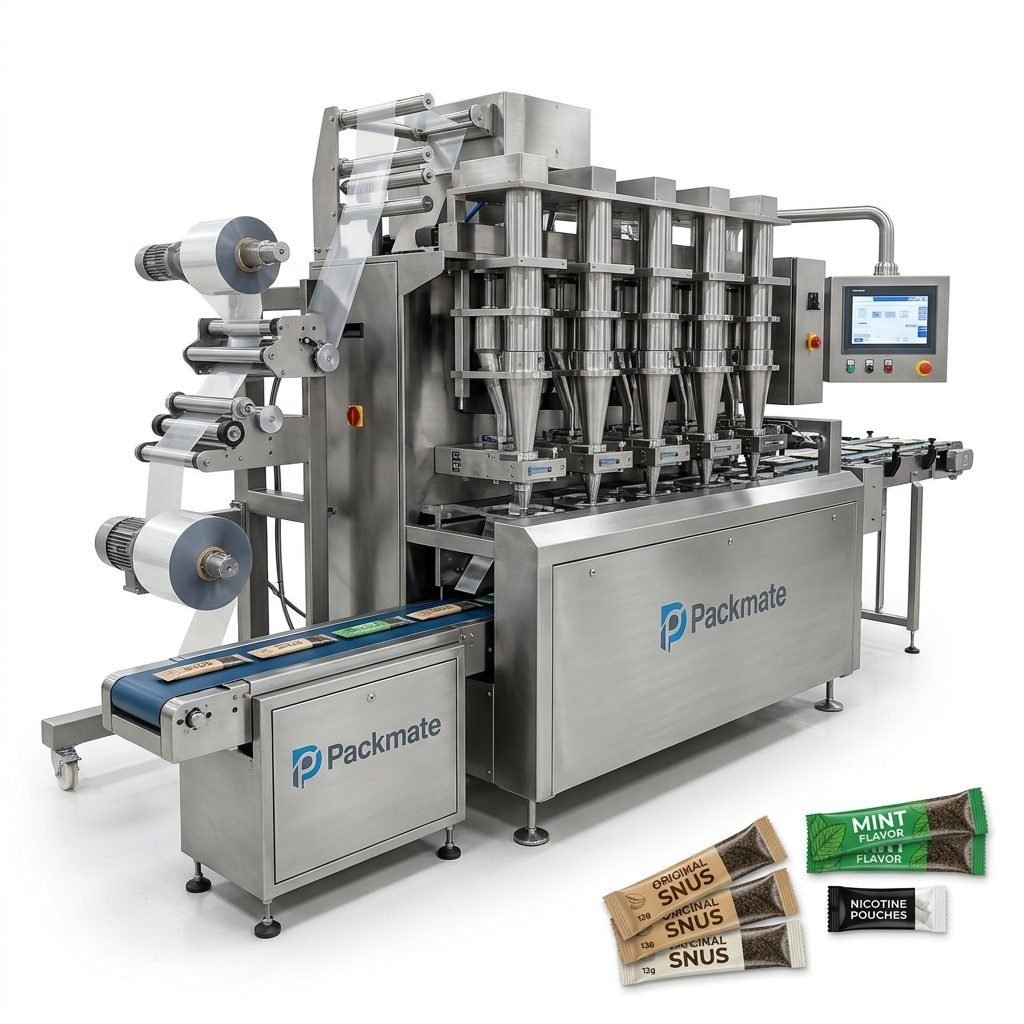
Review the manufacturer’s machine portfolio. A diverse catalog indicates strong engineering capacity and the ability to tailor solutions. For snus production, inspect machines for: multi-lane options, precise dosing modules, servo-controlled film handling, tool-less changeovers, and hygienic designs for nicotine products.
For details on machine types and available models, explore a supplier’s product pages to confirm they offer the exact category you need: Snus & Nicotine Packaging Machines and Sachet & Stick Pack Machines.
Essential machine features to request
• Servo drives for accurate pouch indexing
• Multi-lane synchronization with independent lane control
• Quick-change tooling for different pouch sizes
• Integrated weighing or dosing systems (check compatibility with your product) — see Weighing & Packaging Systems
• CIP-ready or easy-to-clean components for product safety
Factory Strength and Manufacturing Standards 🏭
A manufacturer’s factory environment, tooling capabilities, and quality control practices influence machine reliability. Verify that the supplier operates modern CNC centers, precision assembly lines, and has formal quality checks. Factory size and staff levels are indirect indicators of production capacity and lead time stability.
Company snapshot: a 20,000㎡ facility with advanced CNC machining centers and 50+ machine models shows mature manufacturing capability and the ability to deliver customized lines.
Certifications, Compliance and After-Sales Support ✅
Compliance with CE, ISO and other international standards is essential when exporting finished products or operating in regulated markets. Confirm the manufacturer’s certificates and ensure machines are designed to meet local electrical and safety requirements. Robust after-sales support — spare parts availability, remote diagnostics, and field service — is critical for minimizing downtime.
Reach out to the supplier’s service team to test response time and technical language capability. A reliable contact channel and clear warranty terms are part of a low-risk purchase.
Checklist for service & support
• Warranty duration and coverage details
• Availability of spare parts and consumables
• Remote support tools and training options
• On-site commissioning and operator training packages — check service options at Service
Customization and Turnkey Solutions 🔧
If your project requires a fully integrated production line — from dosing and pouch forming to cartoning and case packing — choose a manufacturer experienced in delivering turnkey systems. Customization capability ensures the line matches unique product behavior and regulatory requirements.
Turnkey benefits: fewer vendors to coordinate, standardized electrical and control systems, and a single acceptance test for the entire line.
Total Cost of Ownership (TCO) and Financing Options 💸
Beyond purchase price, evaluate energy consumption, spare parts cost, mean time between failures, and expected lifespan. Ask for operational cost estimates and realistic uptime targets. Some manufacturers provide leasing or financing solutions that ease capital expenditure — compare offers on TCO rather than headline price.
References, Case Studies and Factory Visits 📑
Always request customer references, case studies, and machine performance records. If possible, visit a factory or a running installation to observe the machine in operation. A reputable manufacturer will share evidence of installations across regions and product types.
Explore real-world examples and success stories: Case.
Communication, Project Management and Documentation 🗂️
Effective communication during design, manufacturing, installation, and commissioning prevents scope drift and delays. Insist on clear project milestones, acceptance criteria, and comprehensive documentation, including electrical drawings, PLC programs, mechanical schematics, spare parts lists, and maintenance procedures.
Red flags in vendor communication
• Vague delivery timelines
• Missing test reports or FAT (Factory Acceptance Test) documentation
• Unwillingness to provide references or factory visits
• Poor responsiveness to technical questions
Logistics, Lead Times and Installation Planning 🚚
Confirm realistic lead times and plan for customs clearance, local approvals, and on-site installation. Prepare your facility for machine arrival with foundation plans, power distribution, compressed air, and waste handling. A clear installation plan shortens commissioning time and avoids unexpected costs.
Pro tip: align electrical specifications and machine footprint early. Factory Acceptance Tests (FAT) cut site commissioning time and should be part of the contract.
Warranty, Spare Parts and Long-Term Partnership 🤝
A manufacturer’s willingness to stand behind their machines through generous warranty terms and ready spare part supply shows confidence in product quality. Seek partners that offer training programs, periodic maintenance contracts, and continuous improvement roadmaps for their equipment.
How Packmate Snus Machine Aligns with These Criteria
Packmate Snus Machine is a dedicated snus packing machine manufacturer with over 30 years of engineering experience, a large manufacturing facility, and a portfolio that includes multi-lane systems, stick packs, sachets, and integrated weighing systems. Their product catalog and turnkey offerings make them a candidate worth evaluating for nicotine pouch productions.
Learn more about the company background and mission at About Packmate, or reach out directly via Contact Us for project inquiries.
Decision Framework: A Simple Scoring Model
Create a scorecard with weighted criteria such as: machine performance (30%), after-sales support (20%), cost & TCO (20%), customization & integration (15%), and references/certifications (15%). Compare suppliers objectively and include site visits and FAT results before final approval.
Must-have documentation for your approval: FAT report, electrical and pneumatic schematics, spare parts list, PLC program overview, and maintenance manual.
Final Recommendations
• Define clear production requirements first.
• Vet manufacturers based on experience with snus and nicotine pouch lines.
• Prioritize long-term support and spare parts availability.
• Insist on FAT and documentation before shipment.
• Compare offers using a TCO approach, not only the purchase price.
Useful links
Explore product families and technical details: Filling & Packaging Lines, Auxiliary Packaging Equipment.
Frequently Asked Questions
Q1: How do I know if a machine is suitable for nicotine pouches?
A1: Verify the manufacturer’s experience with nicotine pouch materials, demand evidence of successful installations, request process recipes, and test a small production run during FAT to confirm dosing accuracy and pouch sealing performance.
Q2: What lead time should I expect for a custom multi-lane line?
A2: Lead times vary by complexity but expect 12–30 weeks for customized multi-lane turnkey lines when accounting for design, component sourcing, assembly, FAT, and shipping. Confirm timelines in writing and include milestone-based payments.
Q3: Are spare parts easy to obtain internationally?
A3: Reputable manufacturers maintain spare parts inventories and international distribution. Clarify lead times for critical parts and consider stocking a recommended spares kit for fast replacements to minimize downtime.
Q4: Can the supplier provide training and commissioning onsite?
A4: Most experienced suppliers include on-site commissioning and operator training as part of their service offerings. Get training scope and duration in the contract and request refresher or remote training options for new staff hires.
Q5: How should I evaluate total cost of ownership (TCO)?
A5: Include energy consumption, spare parts, maintenance labor, expected uptime, consumables (films, seals), and depreciation. Ask the supplier for real case uptime statistics and run cost simulations using your production volume.