Choosing the right snus sachet machine manufacturer can make or break your production plan. With a growing global demand for nicotine pouches and snus, manufacturers must balance speed, precision, compliance, and long-term service when selecting a supplier. This guide walks you through the crucial criteria, common machine types, customization options, and practical evaluation tips to help you pick the best partner for your production needs.
🔧 Understand the Types of Snus Packaging Machines
Snus and nicotine pouch production typically relies on several specialized machines. Knowing which type fits your product and capacity needs is the first step toward finding the right manufacturer.
Key Machine Categories
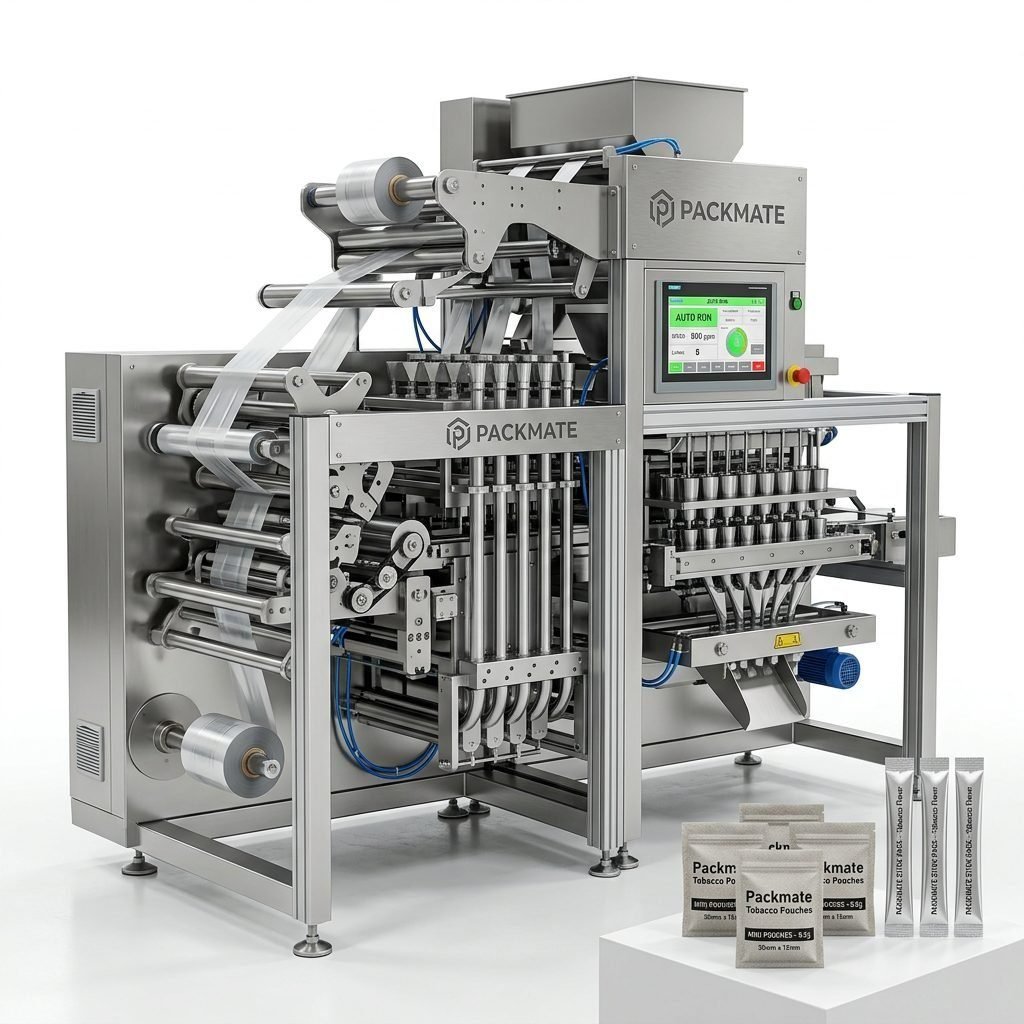
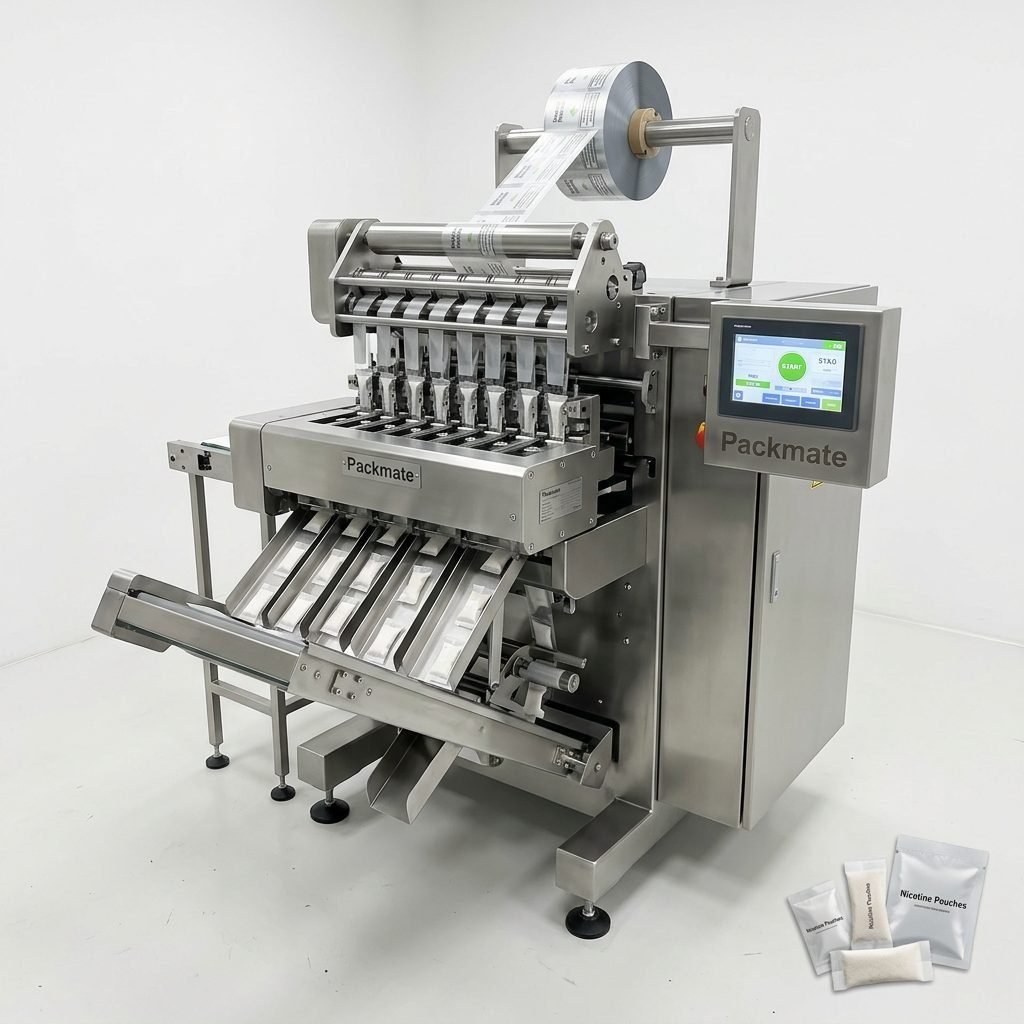
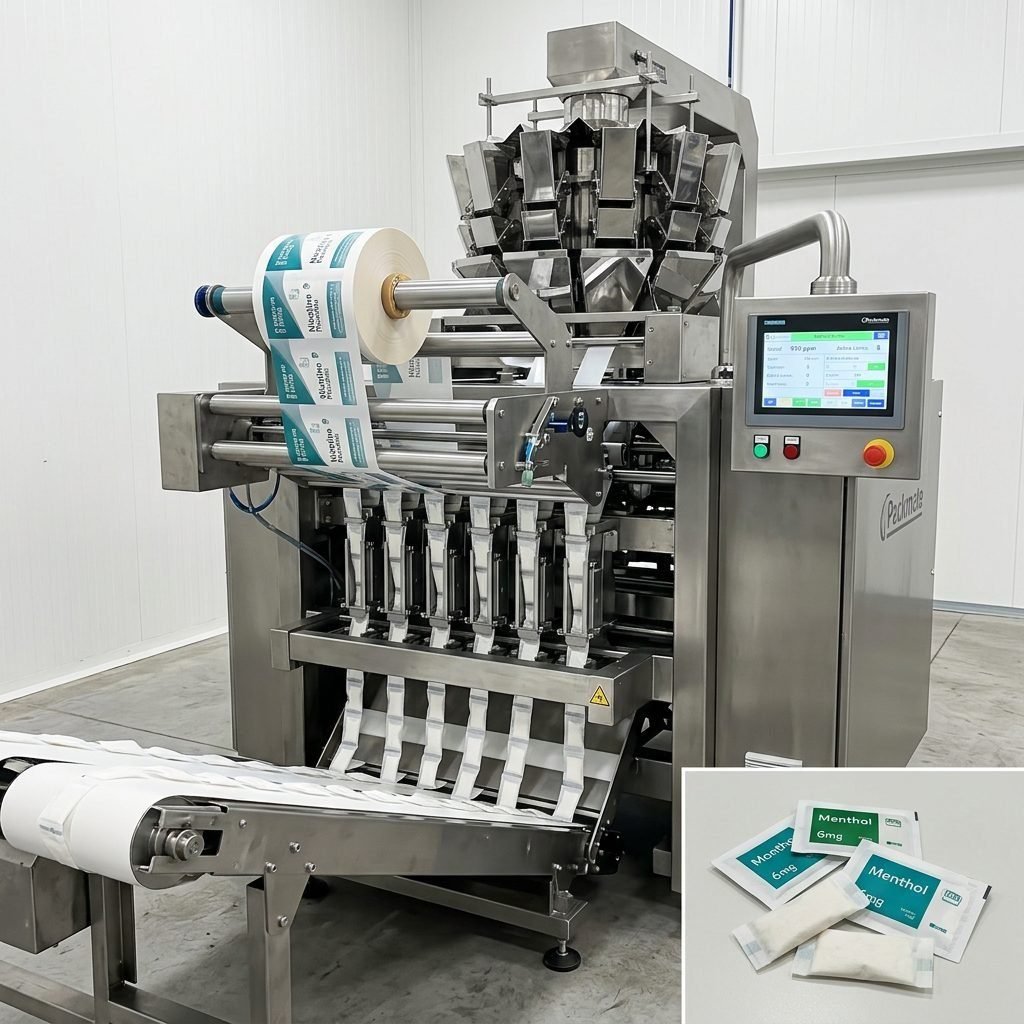
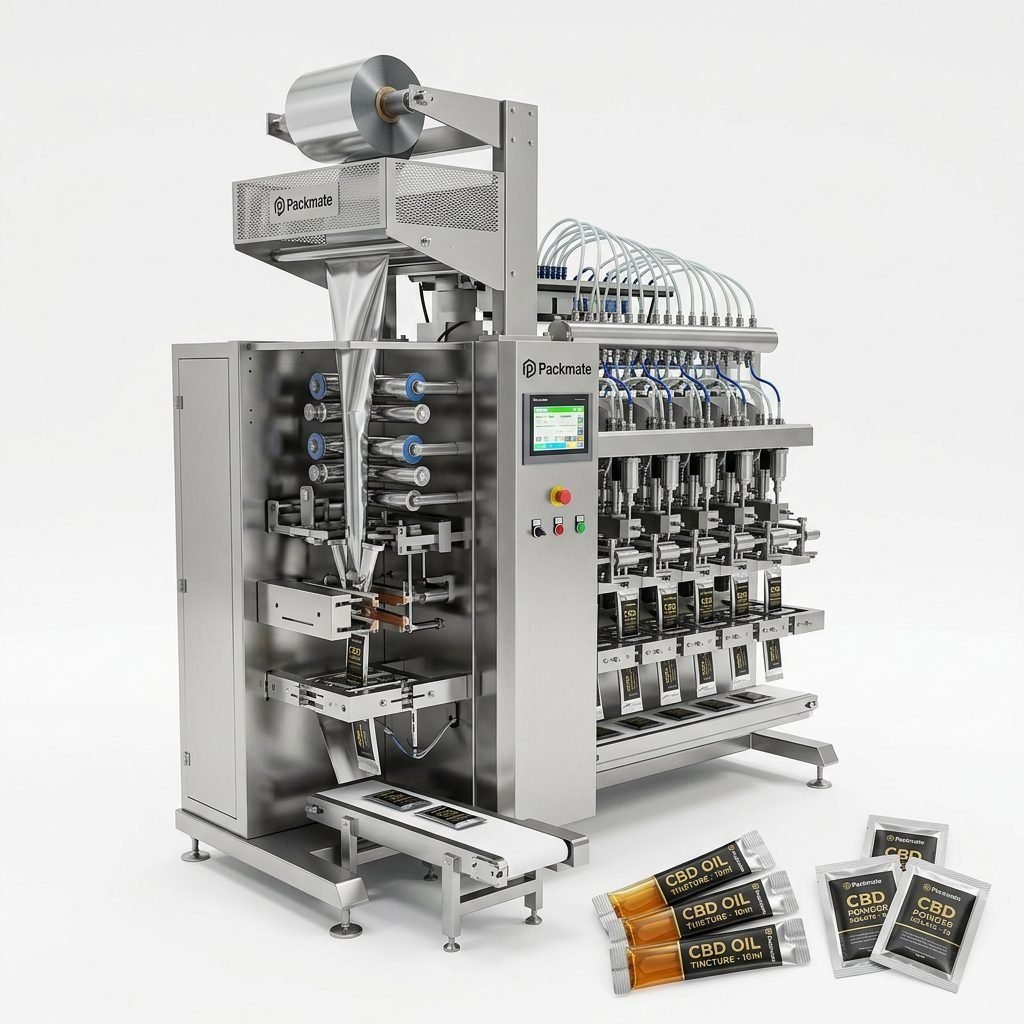
• Sachet & Stick Pack Machines — Ideal for single-dose pouches and small-format snus packs. These systems suit high-speed, discrete portioning for consumer-ready packaging. See examples at Sachet & Stick Pack Machines.
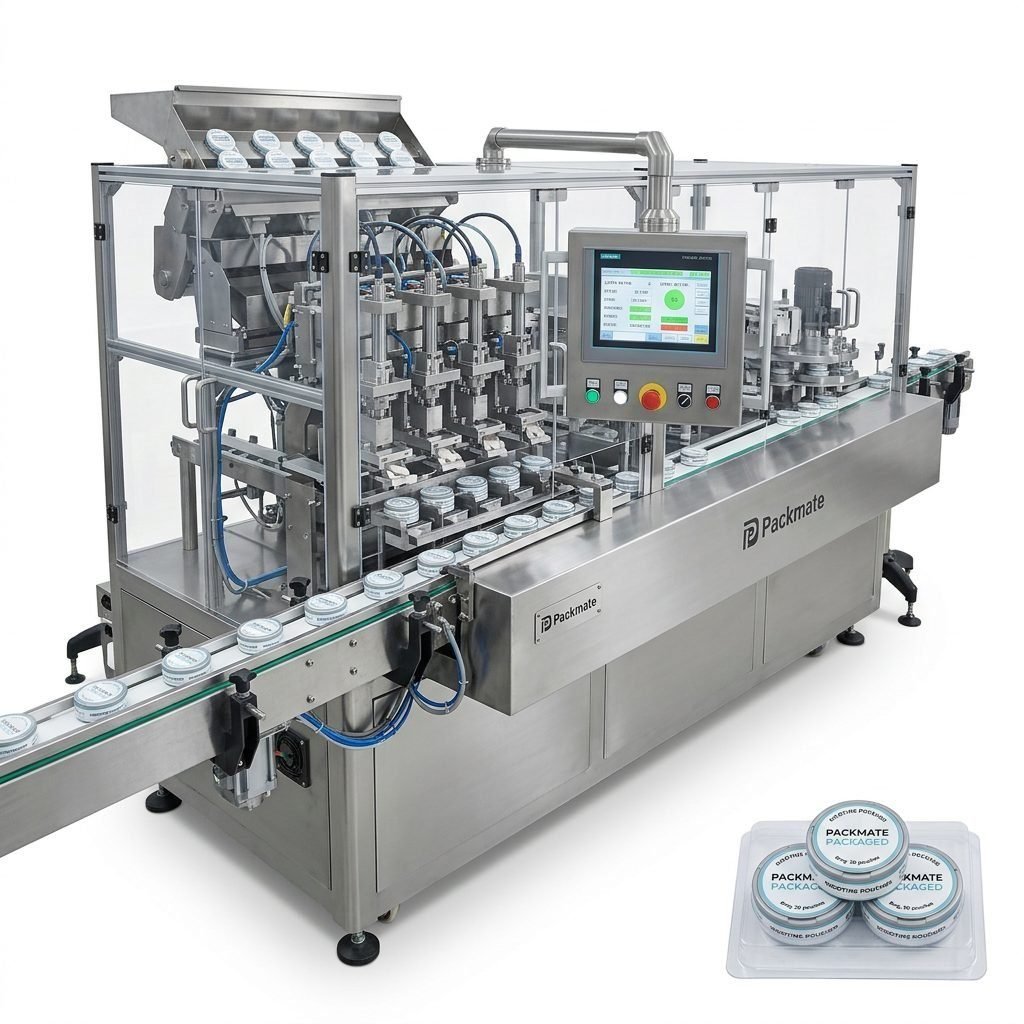
• Snus & Nicotine Packaging Machines — Specialized lines engineered for nicotine pouch consistency, moisture control, and precise dosing. Manufacturers with experience in this category are preferable for regulatory-sensitive products. Explore Snus & Nicotine Packaging Machines.
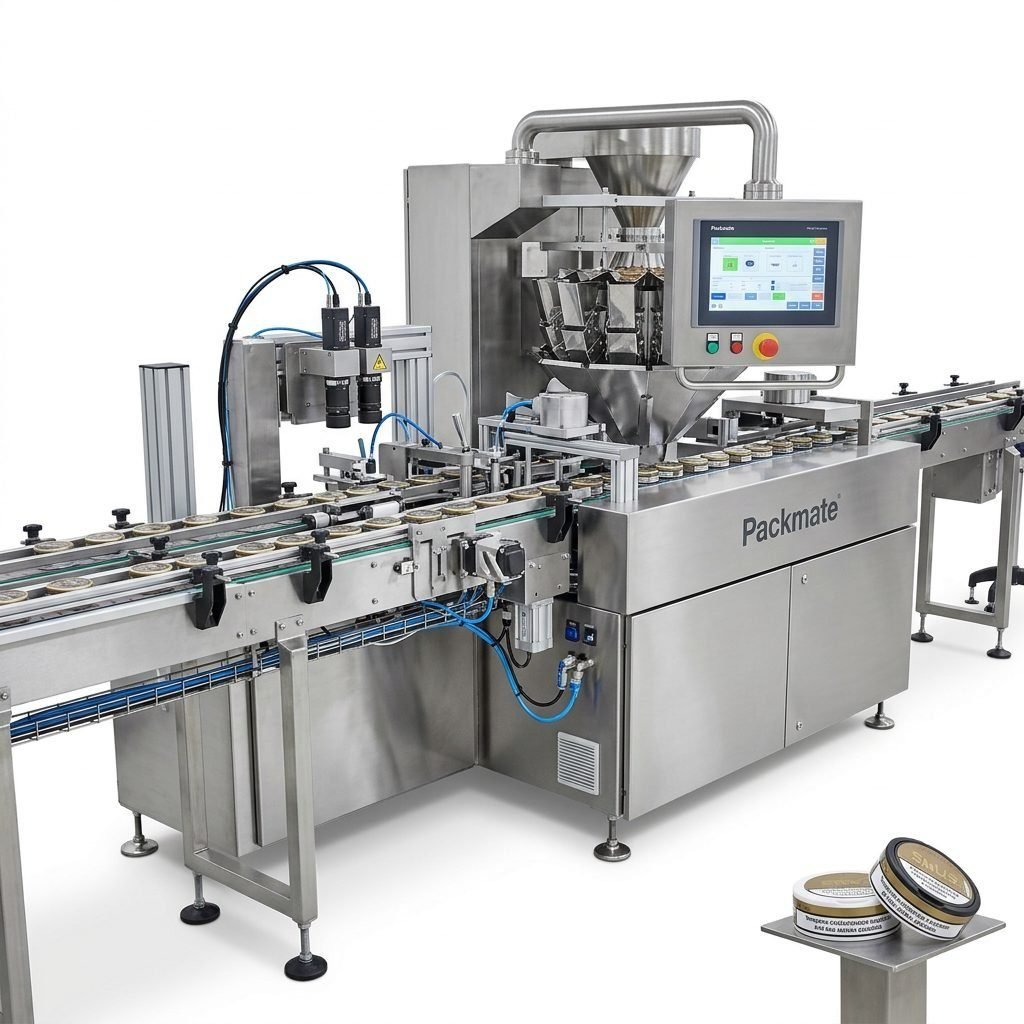
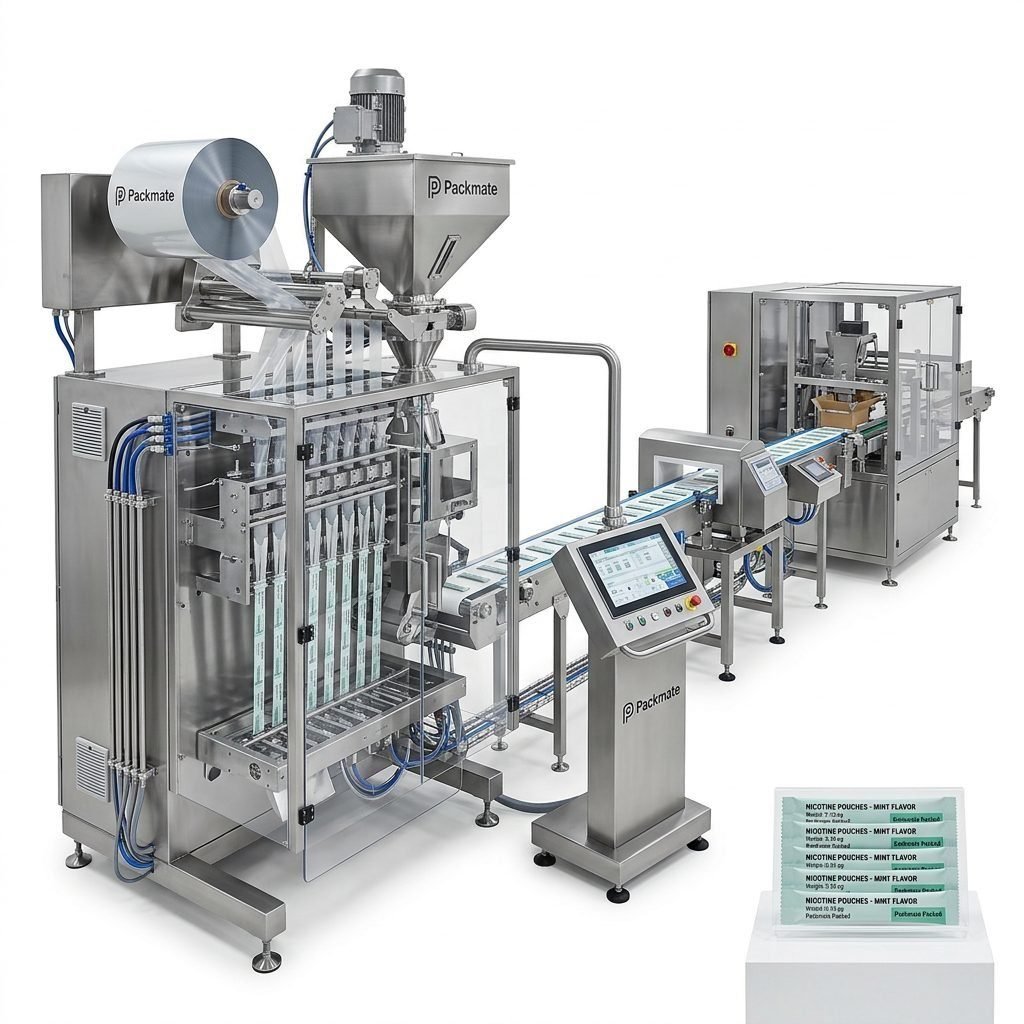
• Filling & Packaging Lines — For integrated production from dosing to final pouch sealing, complete filling lines reduce handling and increase throughput: Filling & Packaging Lines.
✅ Top Selection Criteria for a Snus Sachet Machine Manufacturer
Not all manufacturers are created equal. Use this checklist to vet potential suppliers thoroughly.
1. Industry Experience and Track Record
Manufacturers with decades of focused experience in snus or nicotine pouch equipment are more likely to deliver robust solutions. A provider with a documented history of continuous improvement and global installations demonstrates reliability. For example, companies with 20,000㎡ factories and 30+ years of engineering background typically have strong quality control and production capabilities.
2. Machine Variety and Customization
A manufacturer offering a broad model range — from single-lane sachet machines to multi-lane systems — can better match your capacity and budget. Look for suppliers that provide customized turnkey lines, including weighing systems, auxiliary equipment, and tailored PLC control for product specifics.
3. Quality, Safety & Certification
Certification is vital: CE, ISO, and other industry standards indicate adherence to safety and quality. Important manufacturing indicators include advanced CNC machining centers, precision assembly lines, and strict testing protocols.
4. After-sales Service and Spare Parts Availability
A strong after-sales network, availability of spare parts, and remote support reduce downtime. Confirm warranty terms, local service options, and training provisions for your operators and maintenance team.
📐 How to Evaluate Production Capacity and Throughput
When choosing a supplier, carefully assess machine speeds, multi-lane capabilities, and total line output. Vendors often provide theoretical maximums, but ask for real-world case studies and references.
Important: Verify the difference between lab-tested speeds and sustained production rates. Consider changeover time between formats, cleaning cycles, and maintenance windows when calculating effective throughput.
Factors That Impact Real Output
• Product consistency and mix (powder, granule, wet pouch) — some materials require slower dosing or specialized feeders.
• Multi-lane vs. single-lane design — multi-lane systems drastically increase output but add complexity.
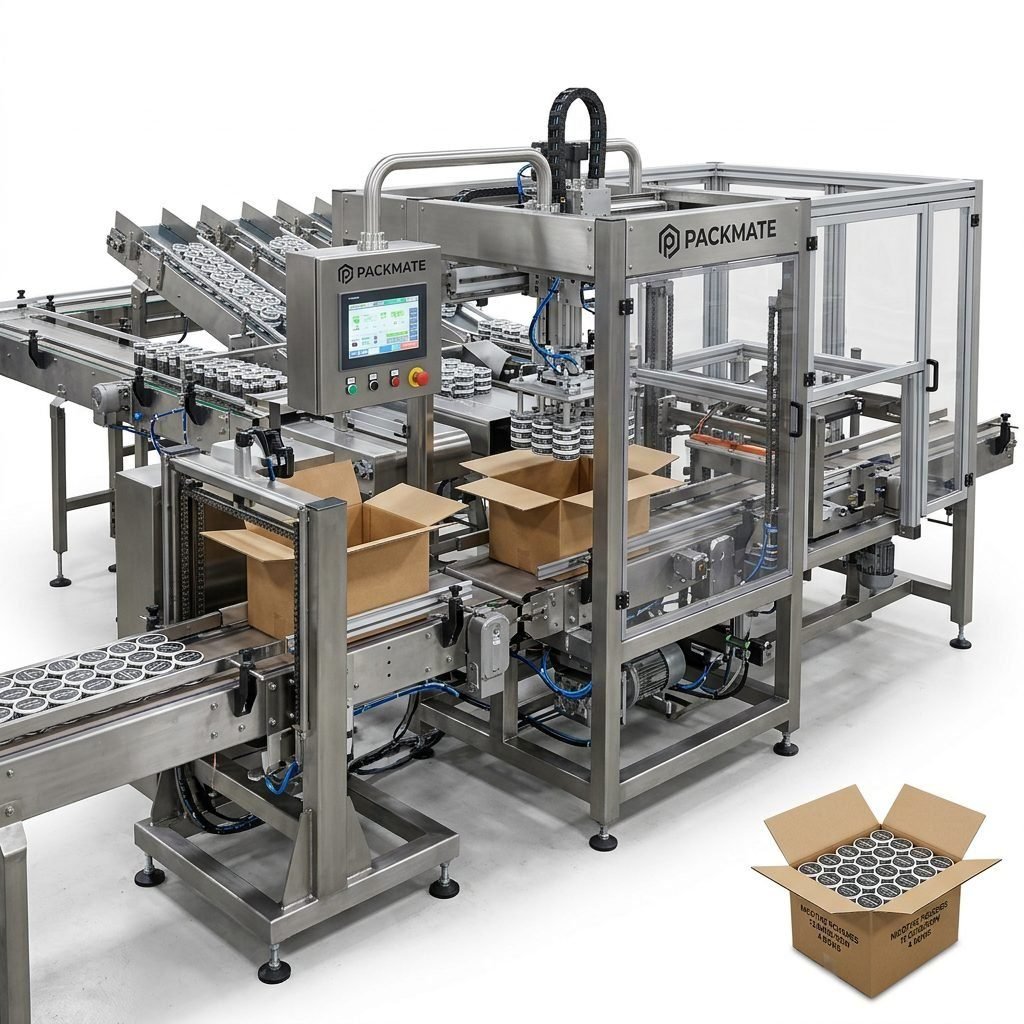
• Downstream packaging integration — reducing manual handling (cartoning, case packing) increases overall line efficiency.
⚙️ Technical Features to Prioritize
The best snus sachet machine manufacturers design for precision, hygiene, and adaptability. Key features to request during evaluation include:
• High-precision dosing modules with low CV (coefficient of variation) for consistent pouch weight.
• Quick-change tooling for rapid format changeovers.
• Hygienic design and easy-to-clean surfaces for compliance with food/drug-grade requirements.
• PLC and HMI interfaces with recipe management and traceability features.
• Integration readiness for weighing systems and downstream packaging modules — view options at Weighing & Packaging Systems.
📦 Turnkey Solutions: Why They Matter
A turnkey supplier delivers not only machines but also complete production lines, layout design, installation, and commissioning. Choosing a supplier that offers turnkey integration saves time and reduces the risk of compatibility issues between subsystems.
Pro tip: Ask for case studies of complete lines and references. A reliable supplier should provide performance data and customer testimonials. See real-world implementations in the Case section.
💼 Manufacturer Credentials and Factory Strength
Inspect a potential supplier’s manufacturing footprint. Facilities with advanced CNC centers, precision assembly lines, and dedicated testing areas typically produce more reliable, longer-lasting equipment.
Key factory indicators:
• Factory area and production capacity (e.g., 20,000㎡).
• Number of models and R&D depth (50+ machine models suggest a broad offering).
• Quality control labs and inspection protocols. Certifications such as CE and ISO confirm compliance and provide additional confidence.
🛠️ Service, Spare Parts & Training
After-sales support is as important as machine performance. Evaluate the supplier’s service network, spare parts inventory, and training programs for operators and technicians.
Checklist: Local service centers, remote diagnostics, documented preventive maintenance schedules, and availability of consumables and spare parts.
📈 Commercial & Logistical Considerations
Consider lead times, production scheduling, payment terms, and shipping logistics. Reliable manufacturers communicate realistic delivery dates and provide logistics support for international shipments.
Negotiation Tips
Secure detailed quotes that include installation, testing, spare parts kits, warranty terms, and training. Clarify responsibilities for customs clearance and on-site installation to avoid hidden costs.
🔎 How to Run a Supplier Audit (Onsite or Virtual)
Whether visiting in person or conducting a virtual audit, prepare a checklist focused on engineering depth, production quality, personnel expertise, and customer references.
Audit checklist highlights:
• Observe machine assembly and calibration practices.
• Verify testing procedures for stability and repeatability.
• Review documentation: wiring diagrams, user manuals, spare parts lists, and CE/ISO certificates.
• Speak with existing customers or request performance videos/demos.
📬 Contact & Next Steps
Once you narrow down potential partners, request detailed technical proposals, a factory visit or live demo, and a pilot production run if possible. Confirm contractual details, acceptance tests, and commissioning milestones.
Looking for a reputable supplier with extensive snus machine experience? Learn more About Packmate and visit the Contact Us page to arrange a consultation.
⚠️ Final Reminders
• Always insist on clear acceptance criteria and factory acceptance tests (FAT) before shipping.
• Factor in regulatory compliance and material traceability for nicotine-related products.
• Prioritize total cost of ownership (TCO) over initial purchase price — reliability, service, and uptime determine long-term value.
📌 Useful Resources
For more information on specific machine types and supporting equipment, check product categories like Bag & Pouch Packaging Machines and Auxiliary Packaging Equipment.
Common Questions
Q1: How do I determine the right machine speed for my product mix?
A1: Calculate required daily output, factor in changeover, cleaning time, and realistic uptime. Ask suppliers for sustained throughput figures and customer references for similar products.
Q2: What certifications should a snus machine manufacturer provide?
A2: Look for CE and ISO at minimum, plus any region-specific certifications relevant to your market. Confirm documentation and inspection records.
Q3: How important is customization for snus sachet machines?
A3: Very important. Product formulation, pouch materials, and dosing methods often require tailored solutions. Choose vendors who offer modular designs and local support.
Q4: Can I upgrade a single-lane machine to multi-lane later?
A4: Some vendors provide upgrade paths, but multi-lane systems are usually planned from the outset. Discuss scalability and modular options during procurement.
Q5: What after-sales services should I expect?
A5: Expect installation, commissioning, operator training, spare parts kits, preventive maintenance schedules, remote diagnostics, and clear warranty terms.