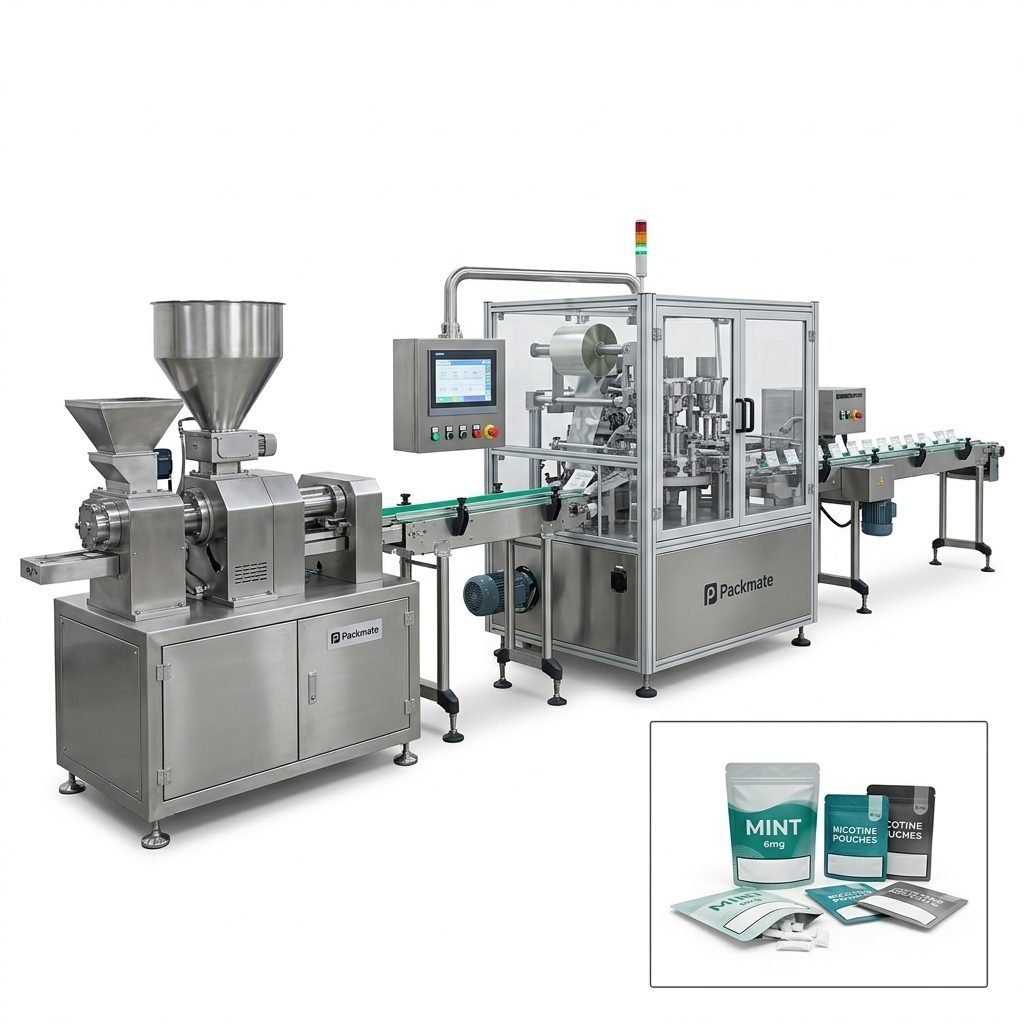
Choosing the right nicotine packaging machinery manufacturer for your business in Benin is a decision that affects production quality, regulatory compliance, and your ability to compete in local and regional markets. Whether you’re producing tobacco-free nicotine pouches, snus, or similar products, the right partner should combine proven engineering, reliable after-sales service, and an understanding of West African market realities. The following guidance walks you through technical, commercial, and cultural considerations to help you select a supplier who will deliver consistent value and long-term support.
Understand Local Market Needs and Regulations
In Benin, regulatory frameworks and consumer preferences differ from Europe or Asia. Local authorities may impose specific packaging and labeling rules, and import procedures can affect lead times and costs. Work with manufacturers who are familiar with international standards (CE, ISO) and can help adapt packaging materials and labeling to meet Benin’s regulatory and language requirements — French is widely used across government and business documents. A manufacturer who helps you prepare compliant documentation and provides machine adaptations for local labeling will shorten your time-to-market.
Prioritize Production Flexibility and Machine Types
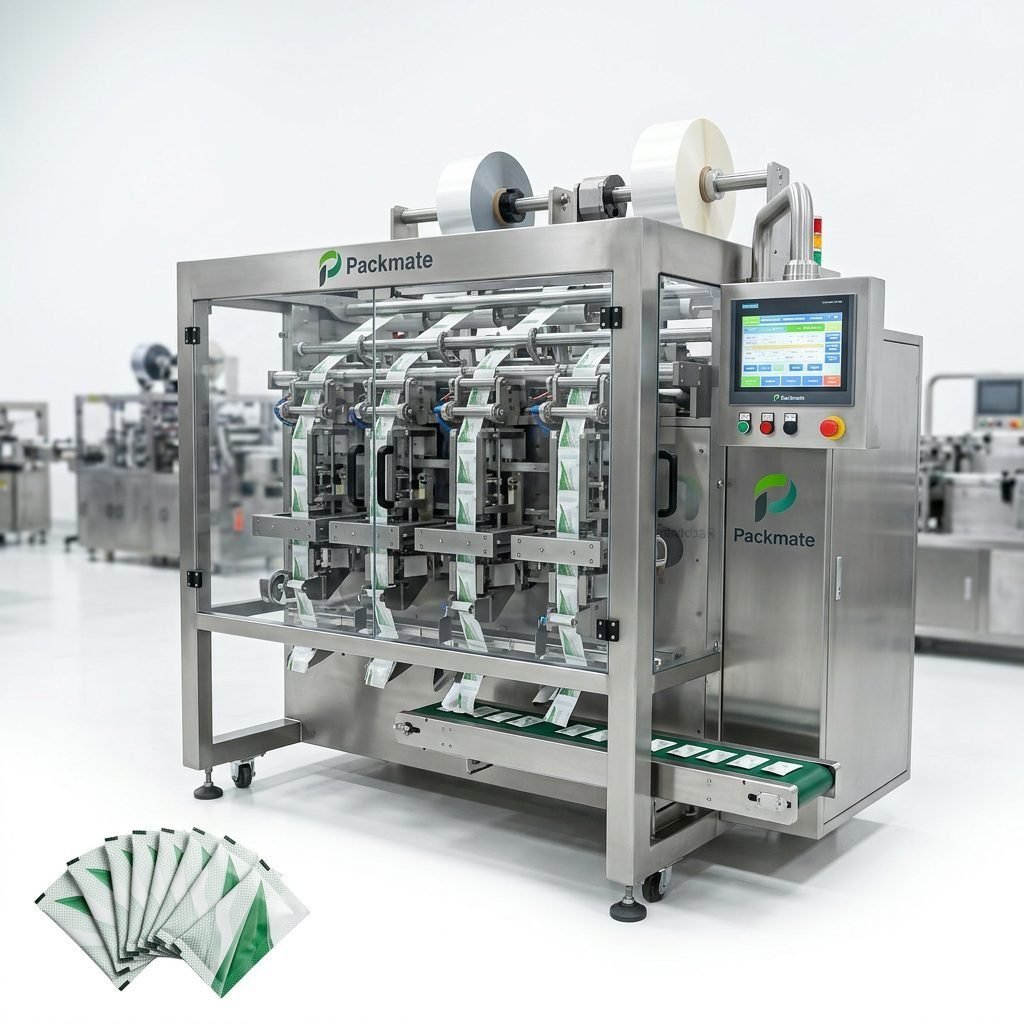
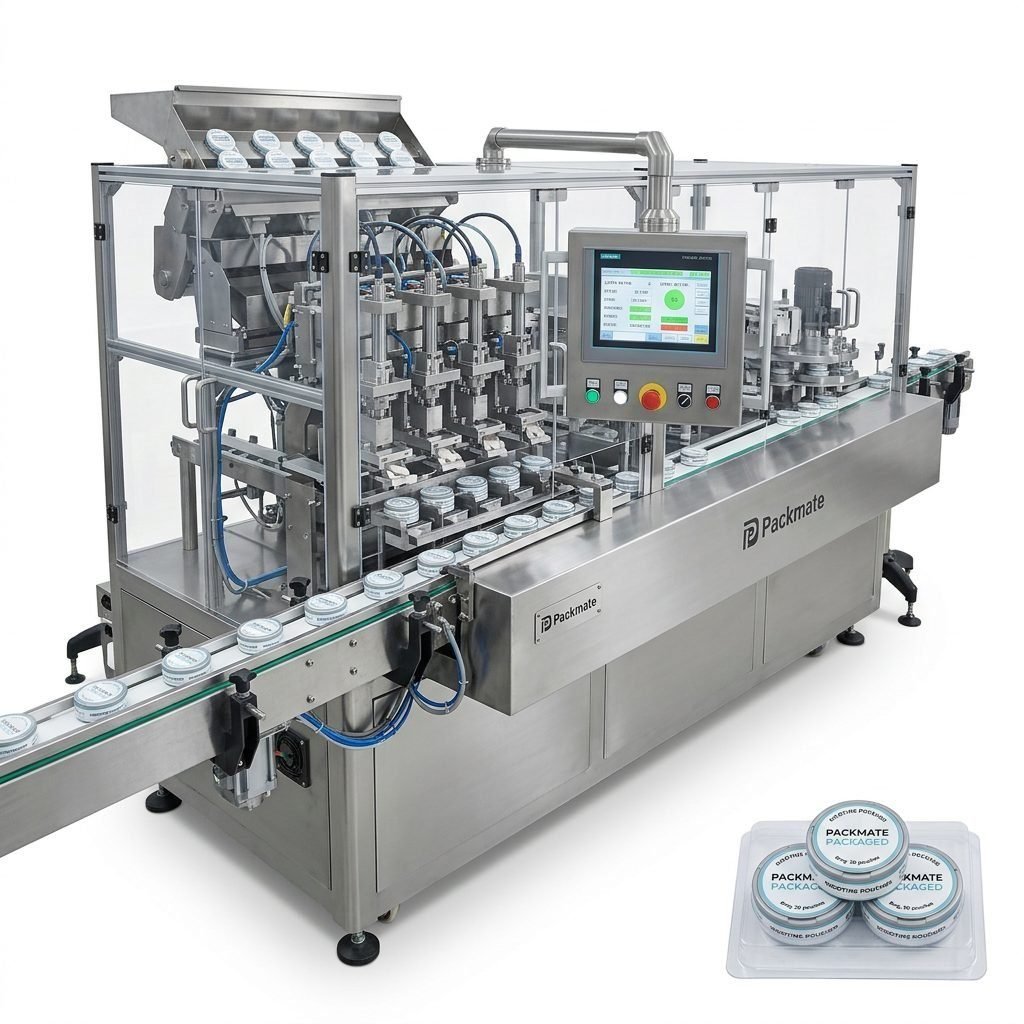
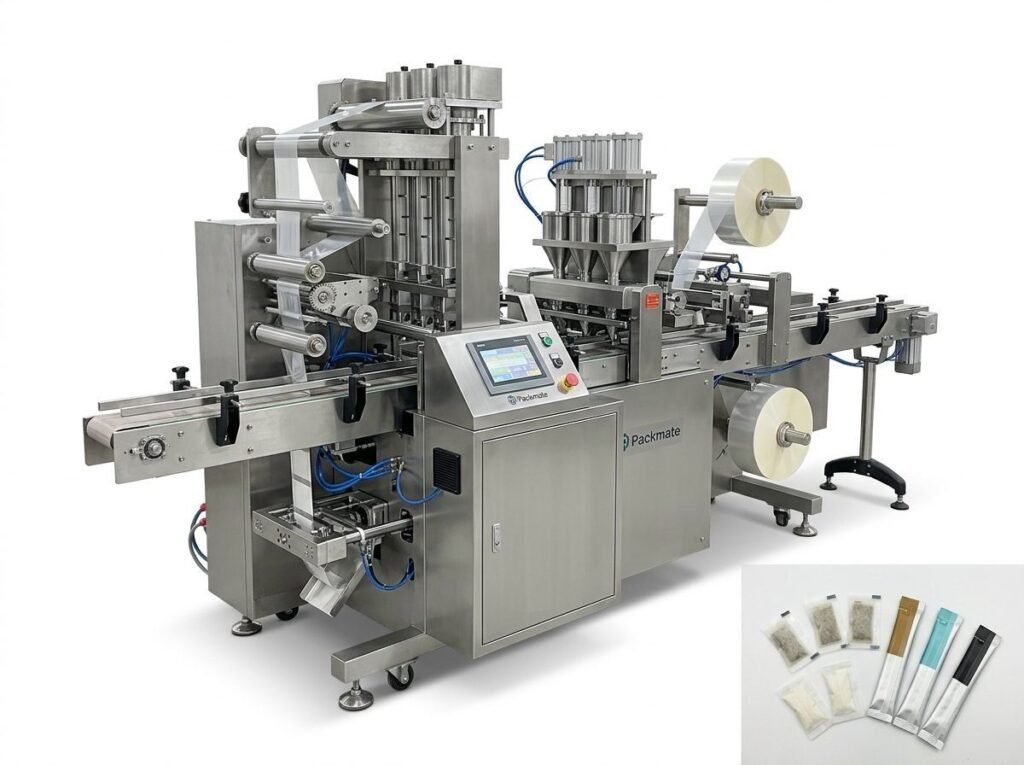
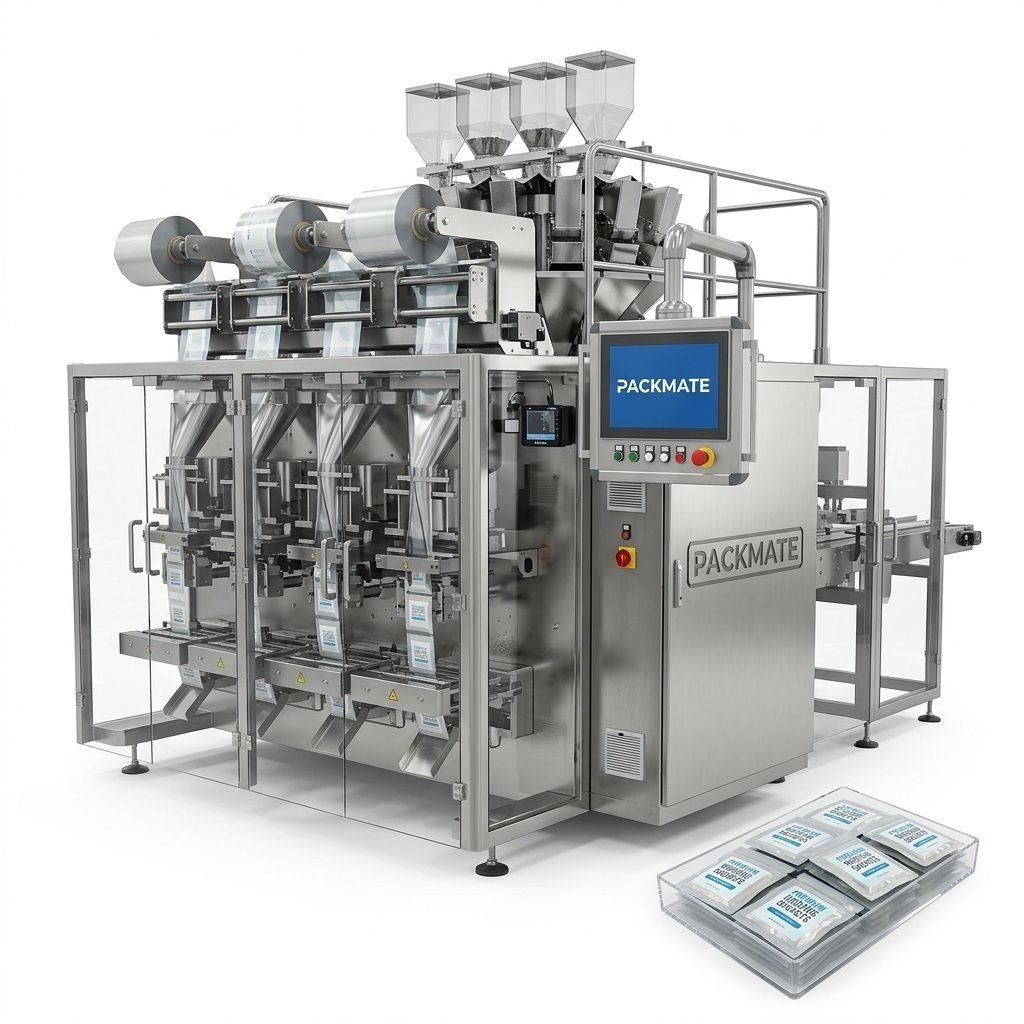
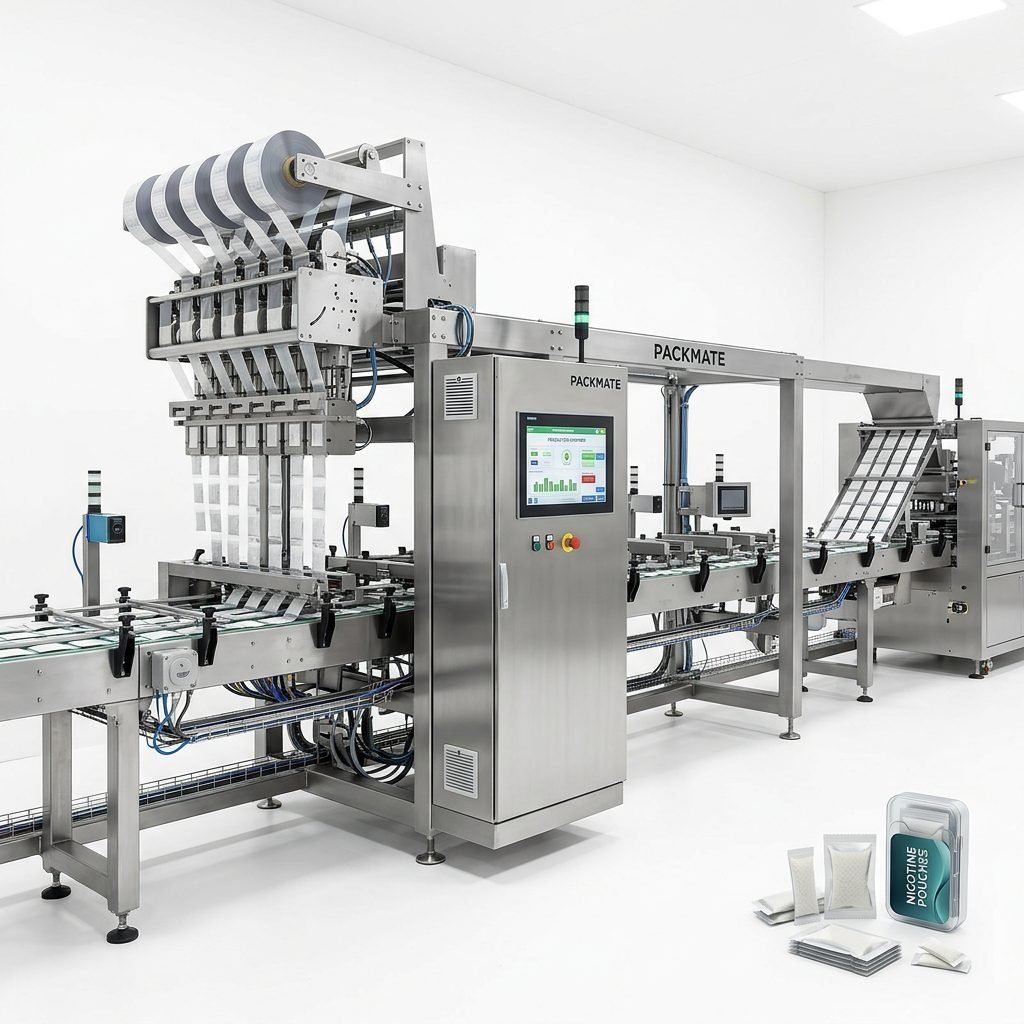
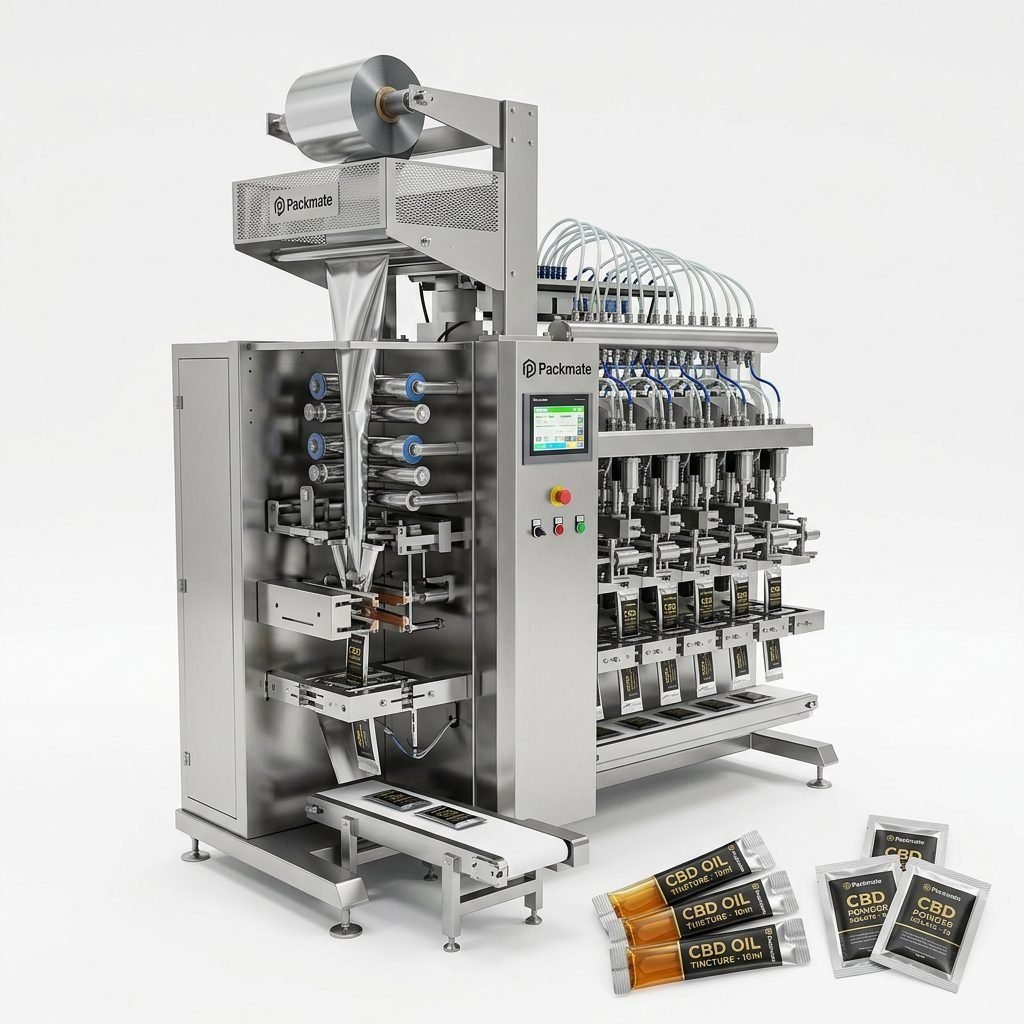
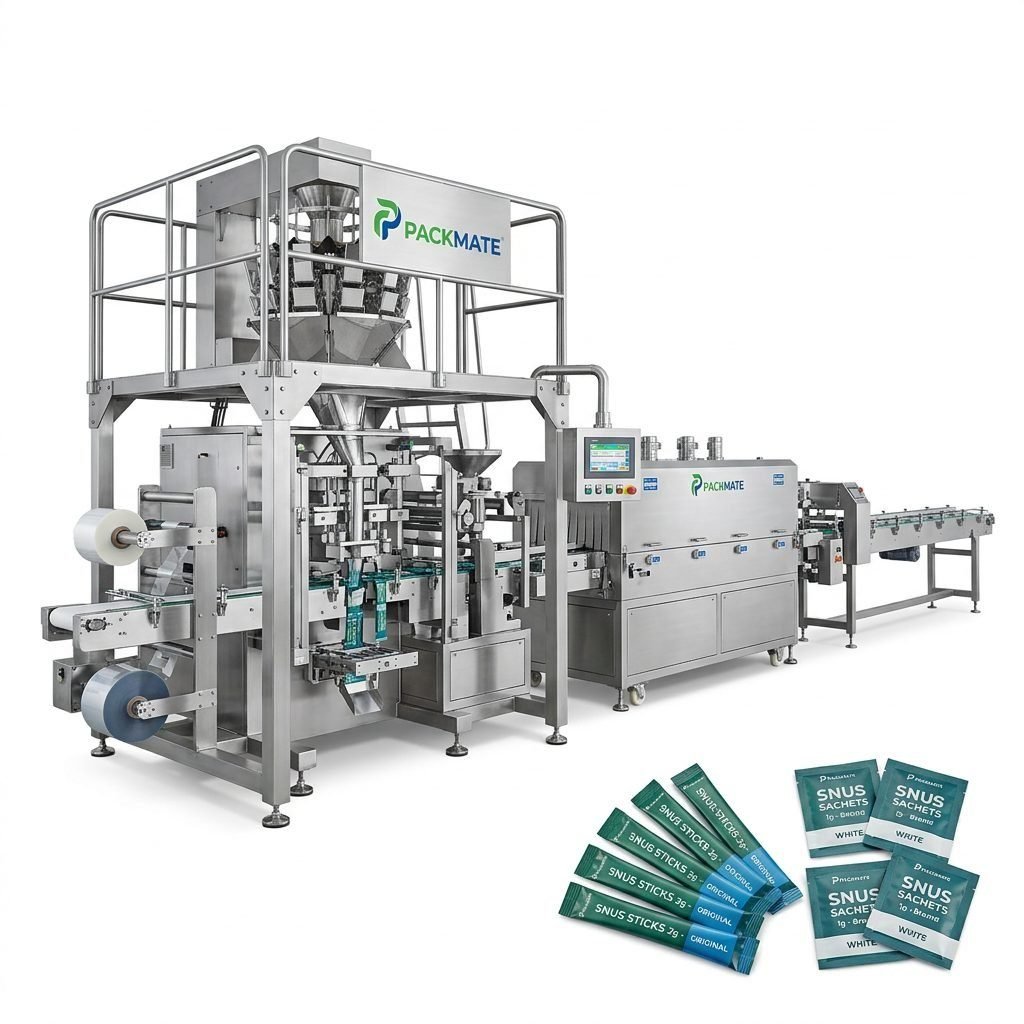
Different product formats require different systems. Consider whether you need single-lane stick packs, multi-lane sachet machines, or specialized snus / nicotine pouch systems. A flexible supplier offers a wide model range and modular options so you can scale from small-batch launches to high-volume runs. For example, Packmate provides multi-lane systems and stick pack machines suitable for small-dose nicotine pouches — features to look for include quick changeover, multi-lane synchronization, and precise portioning to minimize product waste and maintain consistent pouch weights.
Key Machine Capabilities to Evaluate
📌 Accuracy: consistent dose control for nicotine pouches is critical for compliance and customer trust.
⚙️ Modularity: ability to add lanes or upgrade to different pouch styles without full replacement.
🔍 Speed & Stability: stable operation at required speeds to achieve your target throughput with minimal downtime.
🛠️ Serviceability: ease of access for maintenance and availability of spare parts is crucial in Benin where lead time for imports can be long.
Evaluate Manufacturer Experience and Track Record
Experience speaks loudly in packaging machinery. A company with decades of machine R&D and international project deliveries demonstrates tested engineering practices and a mature supply chain. When reviewing potential vendors, look for: case studies, exhibition presence, and certifications such as CE and ISO. Packmate Snus Machine, for instance, has over 30 years of engineering experience, 50+ machine models, and a 20,000㎡ facility — indicators that the manufacturer can support complex projects and deliver repeatable performance.
Inspect After-Sales Support and Spare Parts Supply
In Benin, after-sales support is often the deciding factor between a good supplier and a great one. Evaluate lead times for spare parts, availability of remote troubleshooting, and whether the manufacturer offers on-site commissioning and operator training. Consider asking for local or regional service partners to shorten response times. Suppliers that provide comprehensive manuals, online diagnostics, and training in French and English will reduce downtime and help your teams operate machines confidently.
Support Checklist
✅ Remote diagnostics and PLC access for quick troubleshooting.
✅ On-site installation and commissioning services.
✅ Operator and maintenance training in your preferred language (French is important in Benin).
✅ Reasonable spare parts stock and clear ordering process to avoid long import delays.
Consider Logistics, Customs, and Local Infrastructure
Benin’s port and transport infrastructure can influence delivery schedules and total landed cost. Ask manufacturers about packaging for export, recommended freight forwarders, and whether they provide documentation for customs clearance. Additionally, consider local infrastructure such as stable electricity supply — machines may require voltage converters, UPS systems, or local wiring adjustments. A supplier that advises on packaging, shipping, and power requirements will reduce surprises during installation.
Assess Customization and Turnkey Capabilities
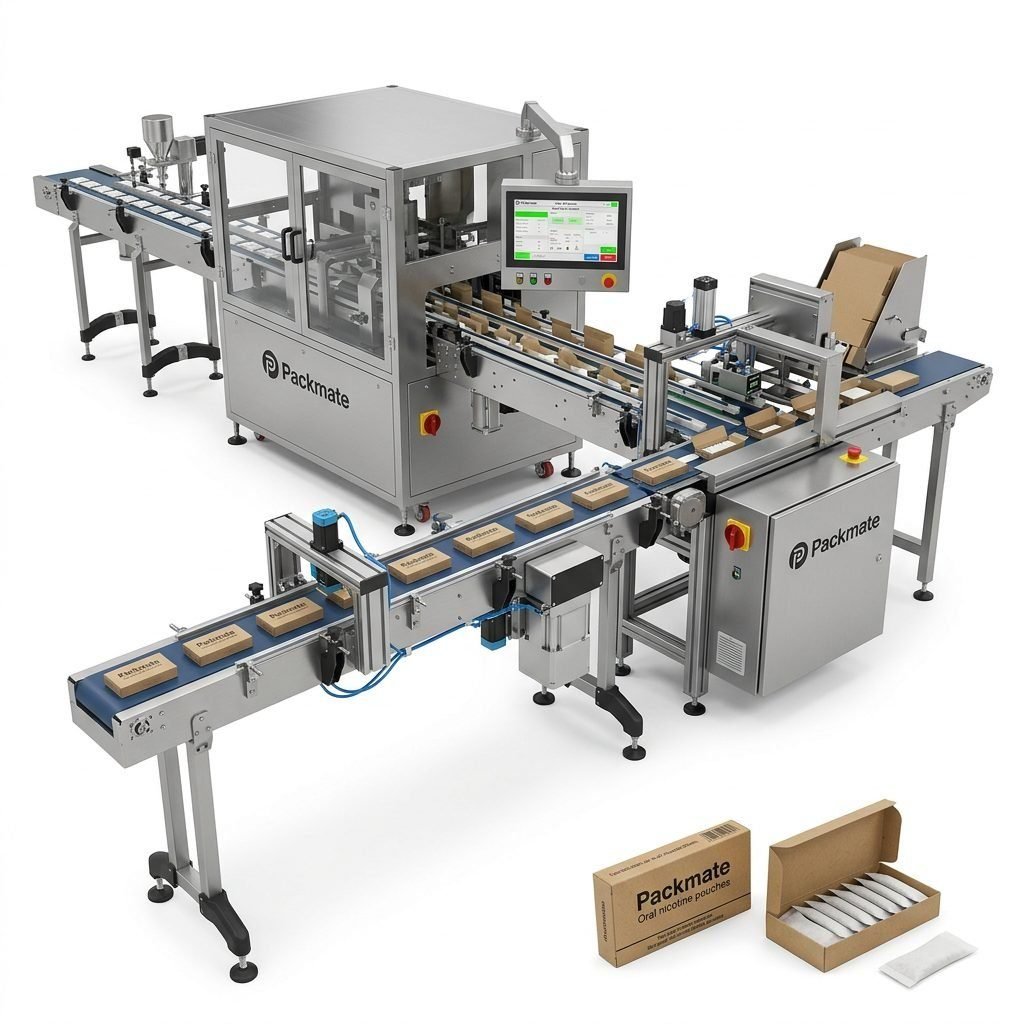
If you require a fully automated production line — filling, weighing, sealing, and end-of-line case packing — prioritize manufacturers who provide turnkey solutions. Turnkey suppliers coordinate the entire process: machine selection, line integration, electrical and mechanical installation, and user training. Packmate offers full packaging production lines for snus and nicotine pouches and can design multi-stage automated systems tailored to specific product specs and production volumes. This reduces integration risk and accelerates ramp-up.
Check Compliance, Certification, and Safety Features
Safety and regulatory compliance are non-negotiable. Ensure the machinery complies with CE and ISO standards and that safety guards, emergency stops, and interlock systems are included. For nicotine products, hygienic design and cleanability are important — select materials and surfaces that resist contamination and allow easy cleaning. Request documentation and certificates that demonstrate compliance and support customs inspections or local regulatory audits.
Document & Safety Requests
📄 CE and ISO certificates
🧾 Detailed Bill of Materials (BOM) and electrical diagrams
🧰 Maintenance manuals and spare parts list
🛡️ Machine safety risk assessment reports
Evaluate Total Cost of Ownership (TCO)
Price is only one component of cost. Consider the total cost of ownership: initial purchase, installation, spare parts, energy consumption, routine maintenance, downtime, and expected machine life. Reliable engineering and robust components often reduce operating costs and downtime. Ask manufacturers for references in similar operating conditions and request performance guarantees or acceptance tests to validate promised throughput and quality before final acceptance.
Look for Demonstrations, Factory Visits, and References
A live demonstration or factory visit is invaluable. Watching a machine run with your product or a similar material reveals build quality, ease of operation, and potential issues. Reputable manufacturers should provide video demonstrations, invite you to exhibitions, or arrange visits. Packmate exhibits globally and offers case studies — reviewing these references gives insight into their experience shipping to diverse markets.
For further reading and to explore machine models, consider reviewing product pages such as Snus & Nicotine Packaging Machines, Sachet & Stick Pack Machines, and the Case examples that highlight deployed lines and customer stories. These resources can help you compare specifications and identify which systems suit your production goals.
Negotiate Terms: Lead Time, Payment, and Warranty
Clear commercial terms protect both parties. Negotiate realistic lead times that account for manufacturing, testing, and export documentation. Agree on payment milestones tied to production stages and factory acceptance testing (FAT). Confirm warranty scope and response times for onsite service. Suppliers who openly discuss delivery schedules, spare parts logistics, and training commitments display transparency and build trust.
Plan Operator Training and Local Skill Transfer
Successful operation depends on trained staff. Include operator and maintenance training in the purchase agreement and request training materials in French and English if needed. Consider a phased handover where the manufacturer supports initial production runs and gradually transfers expertise to local technicians. This approach respects local workforce development, aligns with Beninese business customs, and reduces long-term reliance on foreign engineers.
Cultural & Practical Tips for Working in Benin
🤝 Build relationships and communicate clearly — initial meetings often set the tone for long-term cooperation.
🗣️ Use French for official documents and training where possible to ensure clarity with local staff and authorities.
🛠️ Factor in local power conditions and request recommendations for stabilizers or UPS to protect sensitive electronics.
📦 Clarify shipping terms and customs responsibilities to avoid unexpected fees or delays.
Make a Final Decision Based on Evidence
Compare shortlisted manufacturers on a balanced scorecard: technical fit, references, after-sales, TCO, and cultural fit. Request a factory acceptance test or trial run and confirm written guarantees for production performance. A supplier who offers transparent documentation, international certifications, and tailored support for Benin’s market will be a partner in your growth rather than simply a vendor.
If you’re ready to evaluate specific machine lines and turnkey options, explore the manufacturer’s overview and product catalog to better match machines to your needs. For example, detailed information about full production lines and support services can be found at About Packmate and Filling & Packaging Lines. When possible, request real-world case studies and references to validate claims.
Final Practical Checklist Before Signing
– Confirm machine specifications, acceptance criteria, and FAT/test reports.
– Verify certifications and safety compliance documents.
– Agree on training plan, spare parts kit, and warranty coverage.
– Clarify delivery terms, incoterms, and customs assistance.
– Ensure language compatibility for manuals and training, especially French.
Common Questions
Q1: How long does it typically take to receive and install a nicotine pouch packaging line in Benin?
A1: Lead time depends on machine complexity and export logistics. Expect several weeks to a few months for manufacturing, plus shipping and customs clearance. Plan additional time for on-site commissioning and operator training.
Q2: What after-sales services should I require from a manufacturer supplying Benin?
A2: Insist on prompt spare parts availability, remote support, local or regional service contacts, and initial on-site commissioning with operator and maintenance training in French and/or English.
Q3: Are turnkey solutions a better option than buying individual machines?
A3: Turnkey solutions simplify integration and responsibility, which can reduce risk and shorten ramp-up. If you lack in-house engineering or installation capability, turnkey is often the most efficient route.
Q4: How can I verify a manufacturer’s claims about throughput and accuracy?
A4: Request factory acceptance testing (FAT) with measurements, watch live demos with similar products, and ask for customer references who can confirm real-world performance.
Q5: Where can I find more information about machine models and case studies?
A5: Manufacturer websites often have product pages and case sections. For example, review Snus & Nicotine Packaging Machines and the Case page to see deployed solutions and real projects.