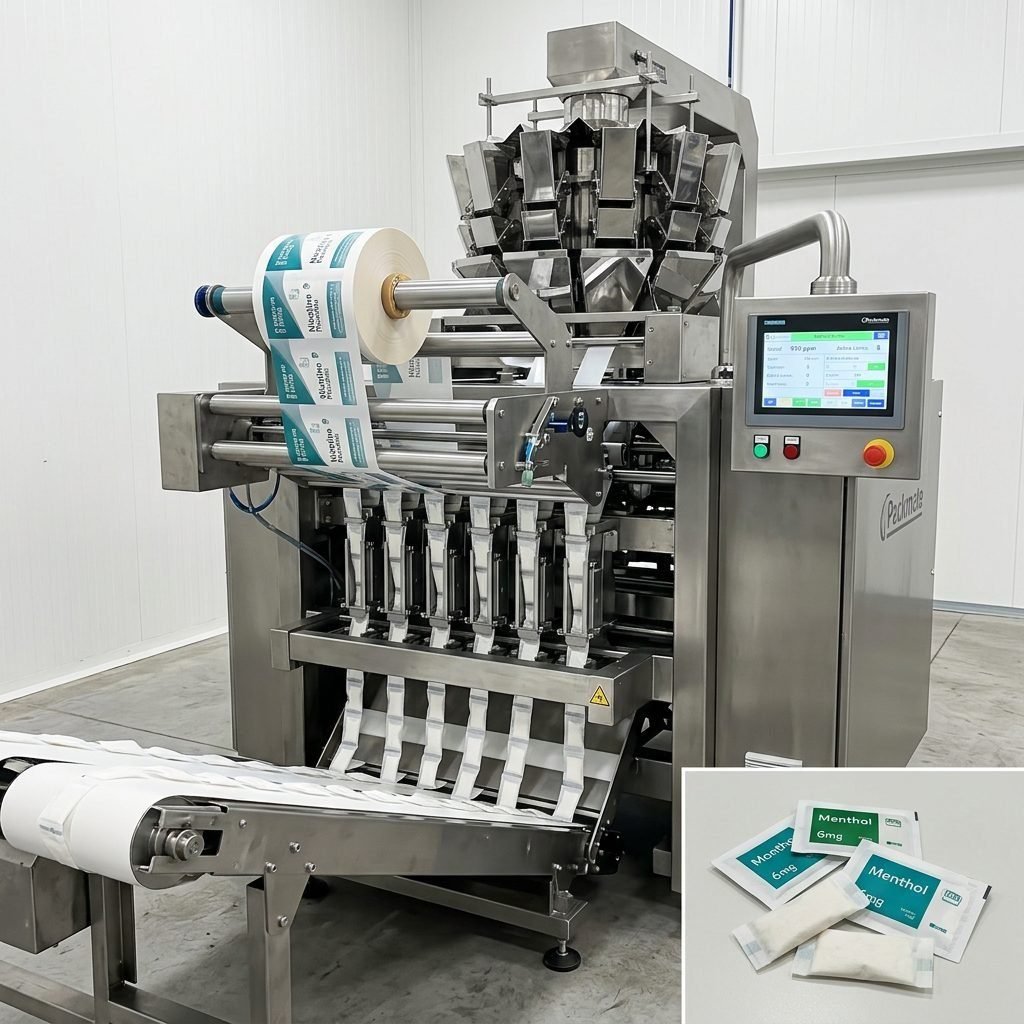
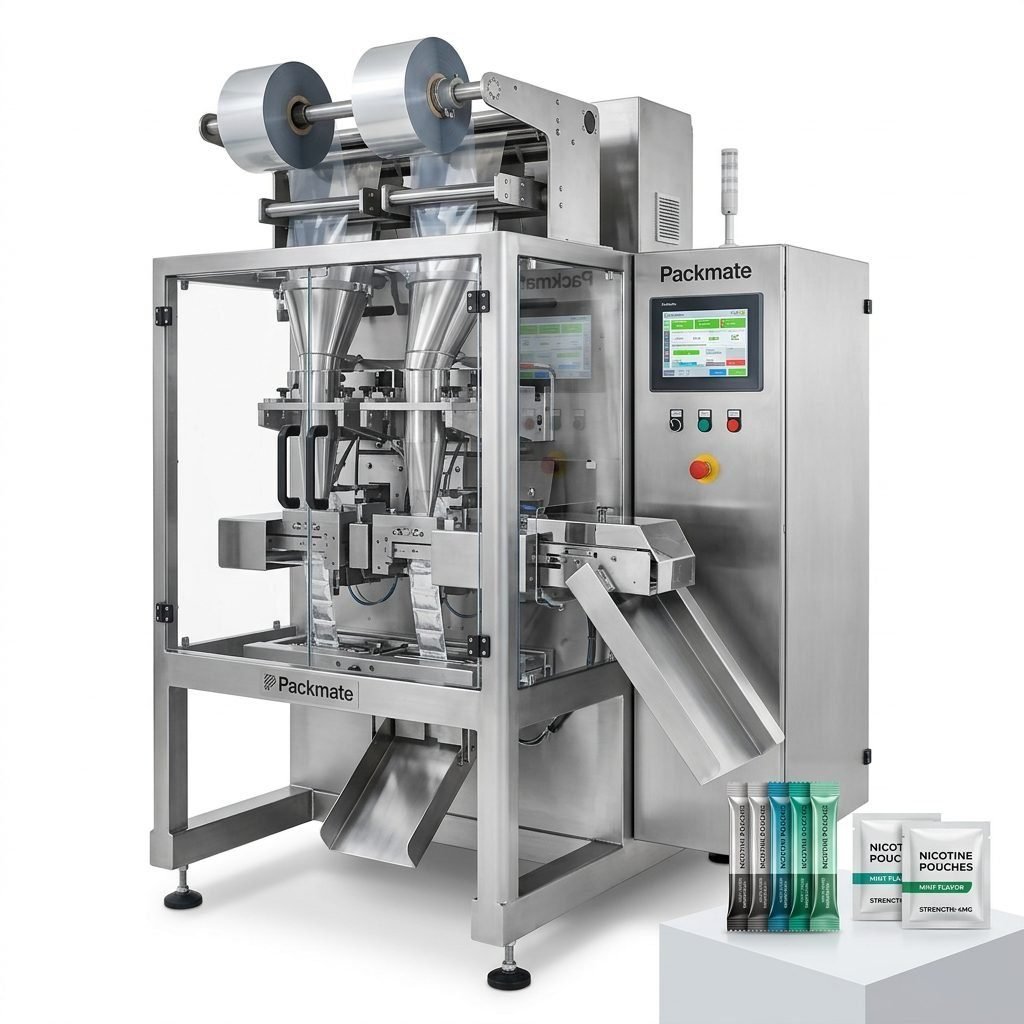
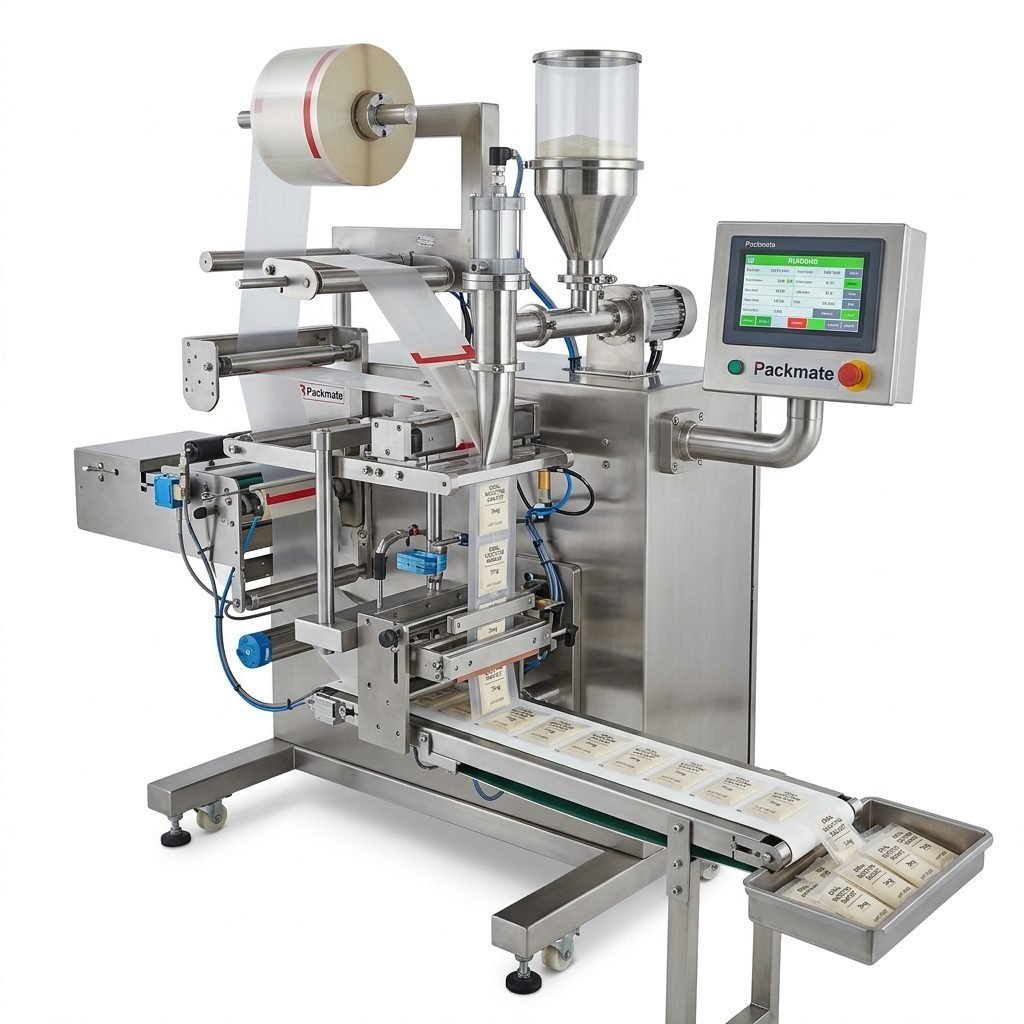
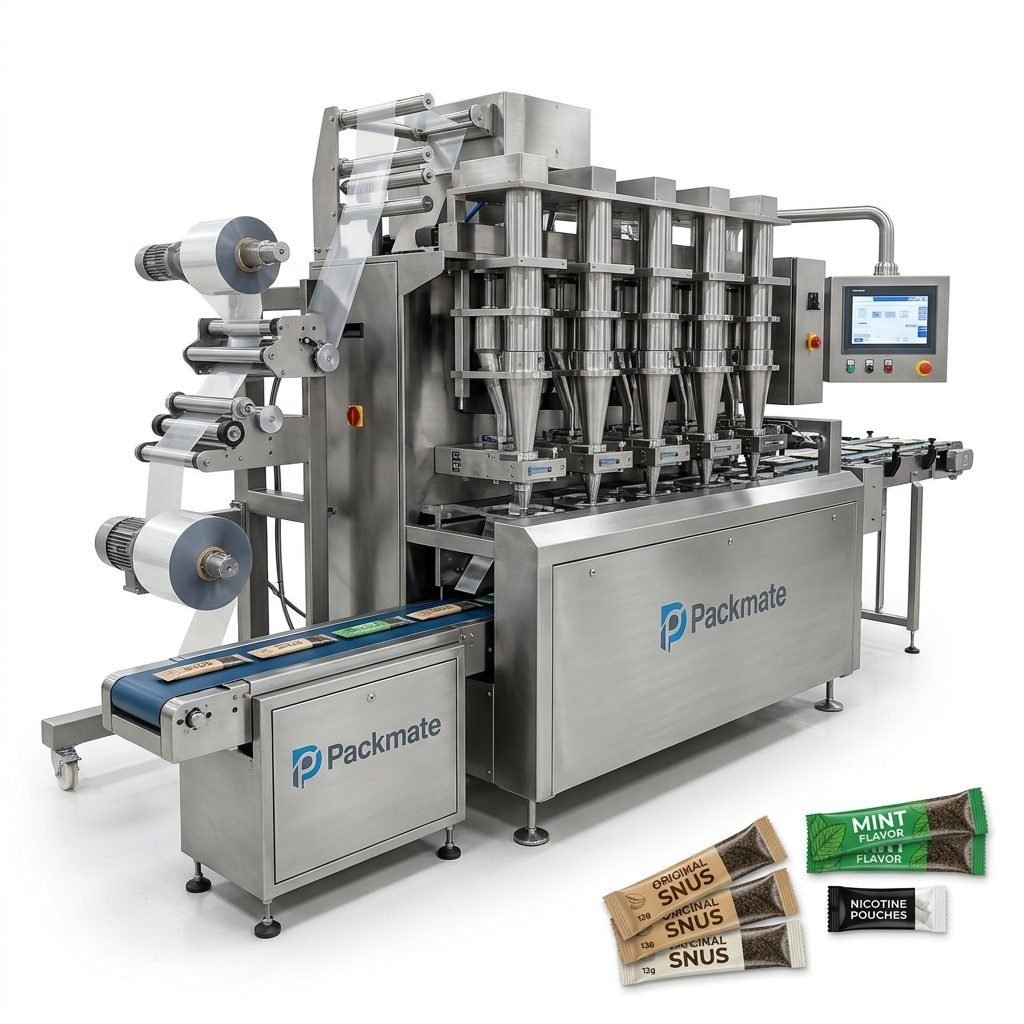
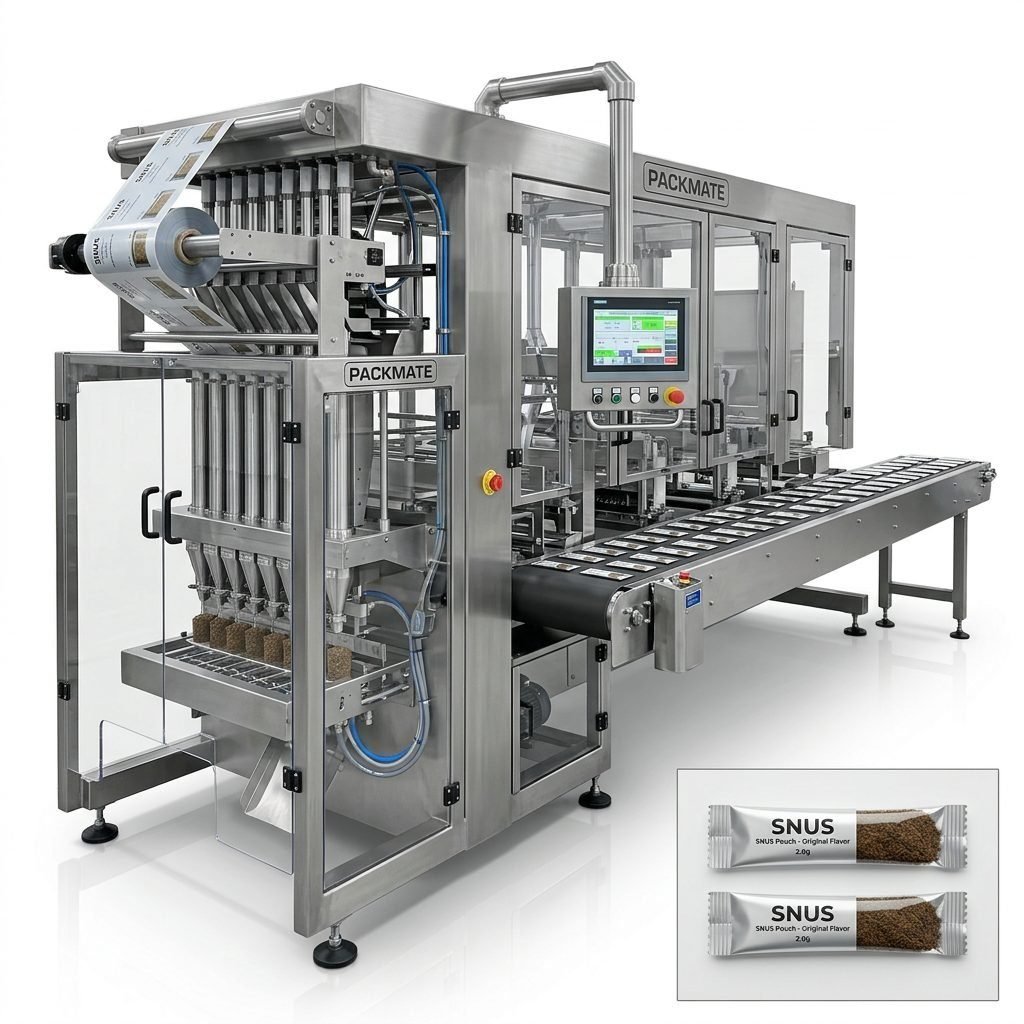
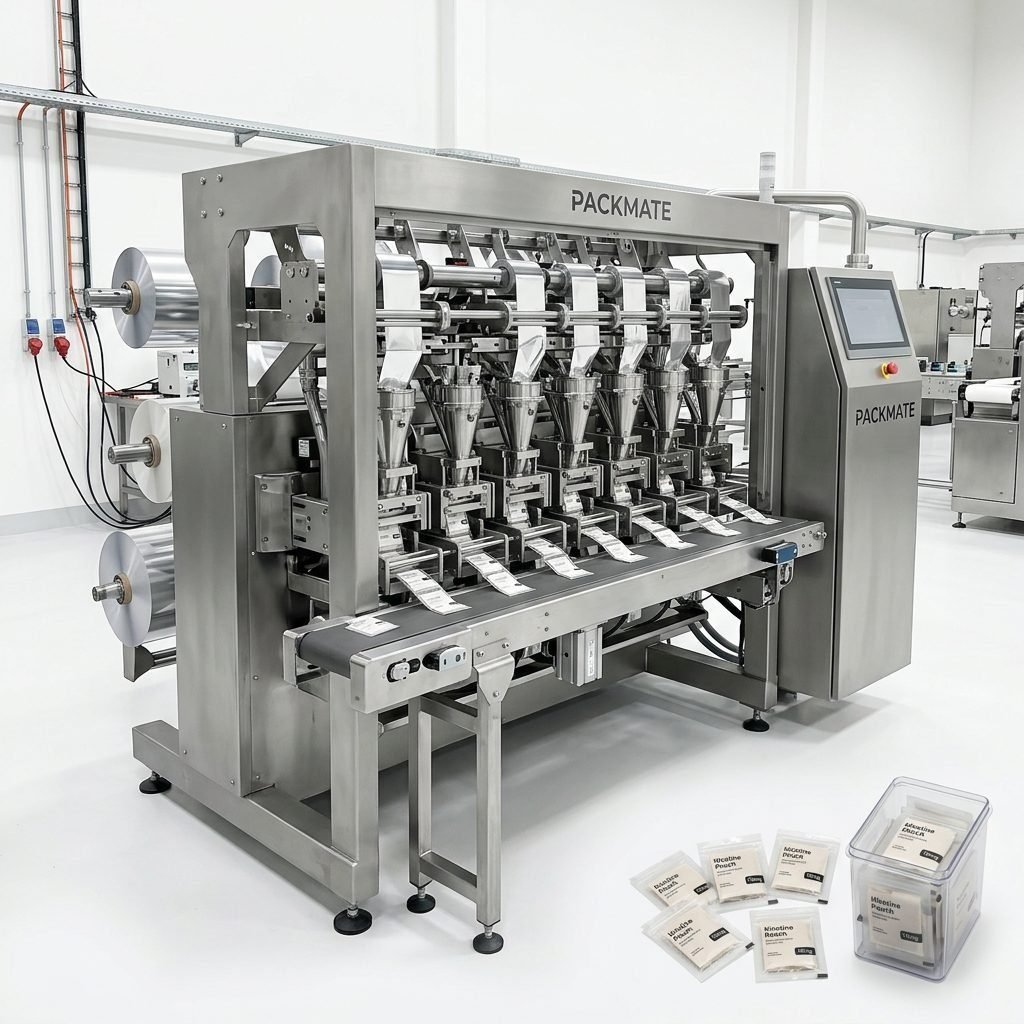
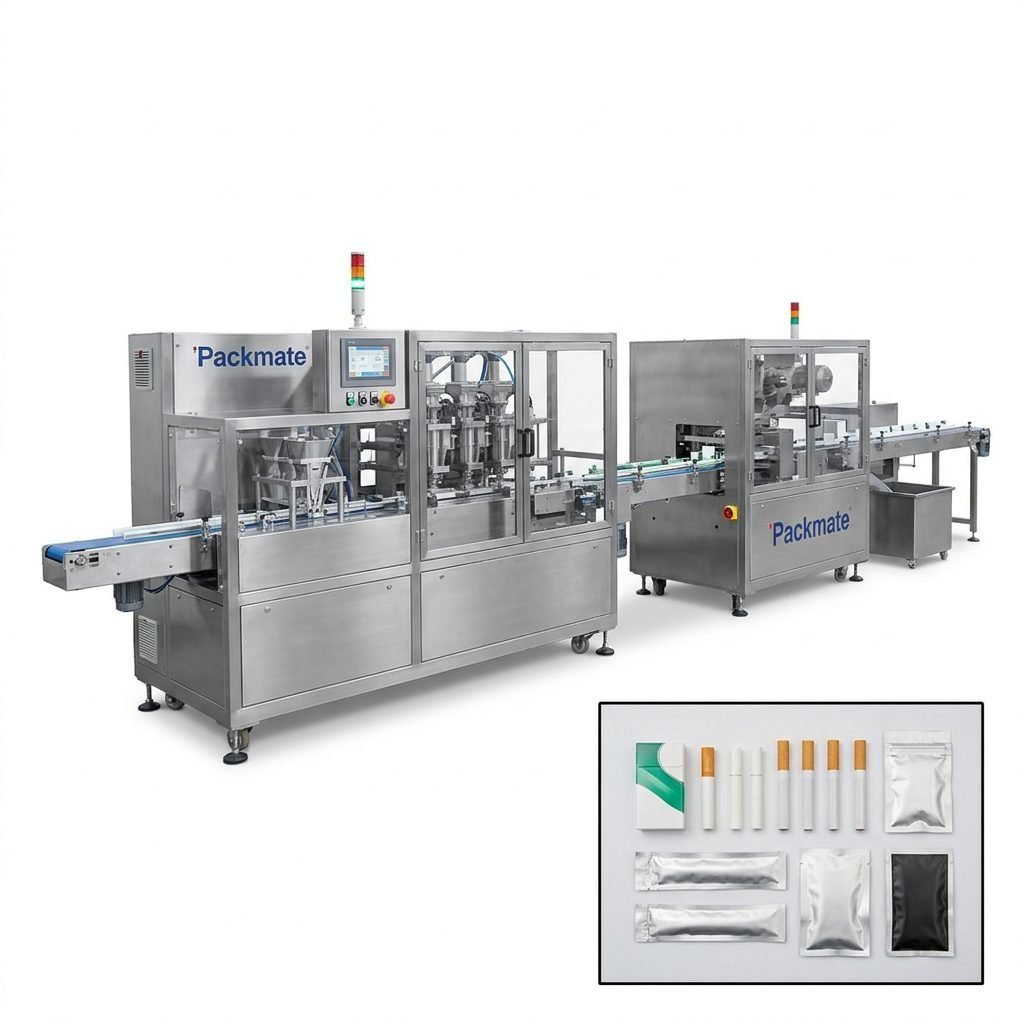
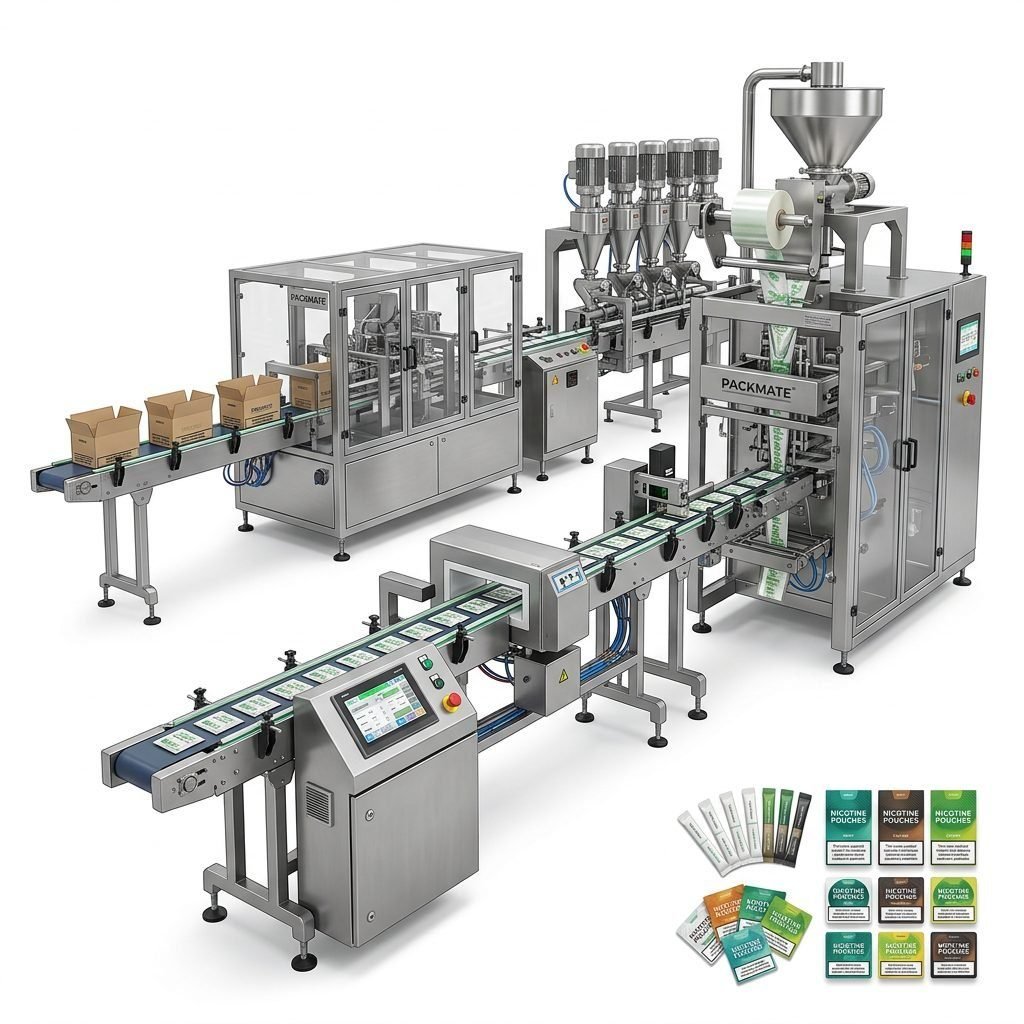
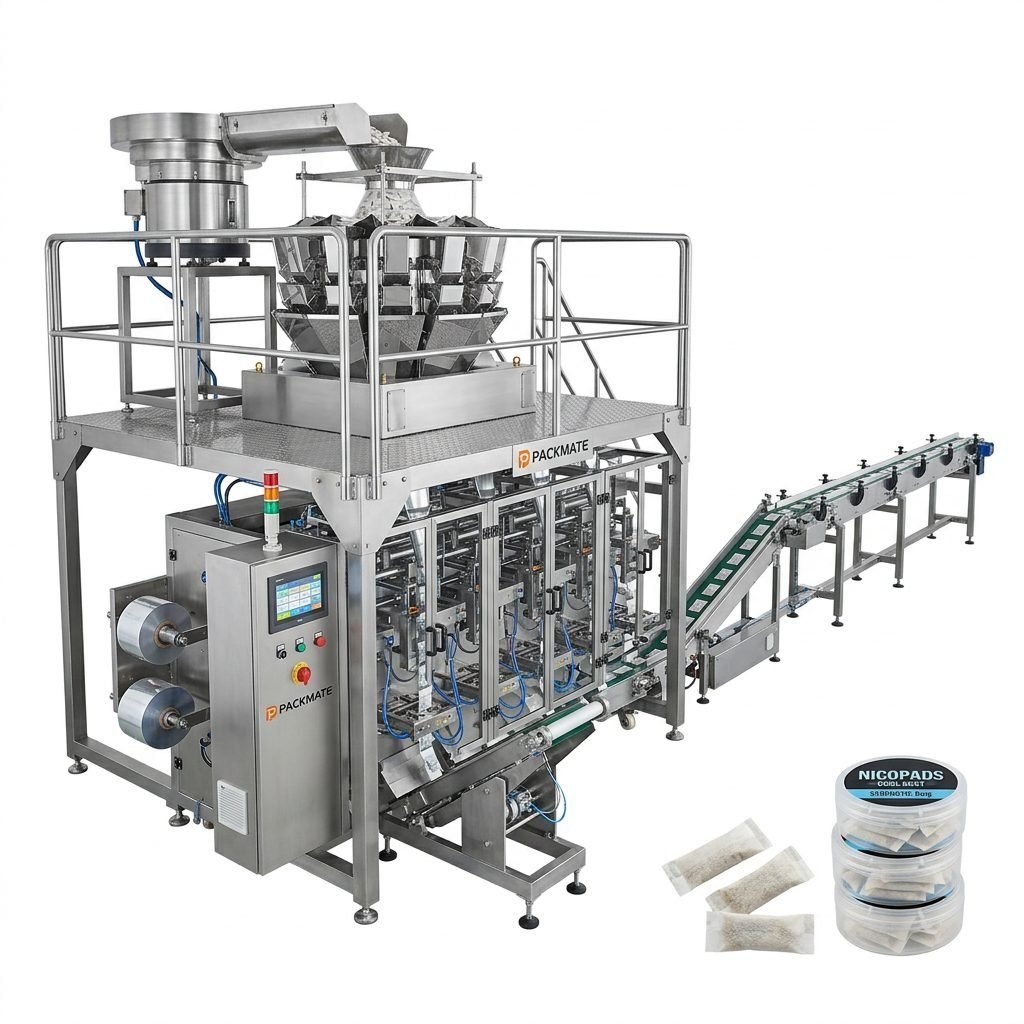
The rising global demand for nicotine pouches and snus has pushed manufacturers to find packaging solutions that balance performance with cost. Whether you operate a boutique startup or run a high-volume production line, choosing an affordable nicotine pouch filling machine that delivers consistent results is key to protecting margins and ensuring product quality. This article explores cost-effective options, practical ROI considerations, and why Packmate Snus Machine’s portfolio can be a smart choice for both small and large-scale producers.
🔧 Why affordability matters in nicotine pouch filling
The nicotine pouch market demands strict dosing accuracy, hygiene, and repeatability. However, the initial investment in machinery is often the biggest barrier for new entrants. Affordable filling machines do not simply mean lower price tags — they mean optimized total cost of ownership, easier maintenance, and scalable performance. Look for machines that combine reliable filling heads, simple changeovers, and energy-efficient drives to reduce both capital and operating expenses.
✅ Key affordability factors to evaluate
When assessing cost-effective solutions, consider the following: initial purchase price, spare part availability, labor requirements, energy consumption, speed versus accuracy trade-offs, and modular upgrade paths. A machine with competitive pricing but poor support can quickly become expensive due to downtime and inefficient throughput.
🔍 Packmate Snus Machine: Value propositions for different scales
Packmate Snus Machine has over 30 years of engineering experience and a wide product range designed for snus and nicotine pouch packaging. Their line-up includes compact single-lane machines ideal for startups and robust multi-lane systems for industrial production. Their 20,000㎡ facility and advanced CNC capabilities enable consistent quality control and continuous improvement — a crucial advantage when balancing cost and reliability.
Visit the company overview for more details: About Packmate.
📈 Return on investment (ROI): How to calculate real cost-effectiveness
Calculate ROI by comparing total production output and quality improvements against the combined capital and operational expenditures. Important variables include:
🔹 Throughput: Units per minute multiplied by effective uptime.
🔹 Yield: Percentage of acceptable pouches requiring no rework.
🔹 Labor savings: Automation reduces manual filling and inspection.
🔹 Maintenance costs: Availability of local support, spare parts, and service intervals.
🔹 Energy consumption: Efficient drives and controls lower monthly operating bills.
⚖️ Small-scale vs large-scale production: selecting the right configuration
Small-scale manufacturers should prioritize machines with low footprint, minimal setup time, and modular upgrades. Single-lane or low-speed multi-lane units help keep capital expenditure down while maintaining product consistency. For larger producers, multi-lane systems, inline weighing, and automated feeding systems are essential to hit high takt times and reduce per-unit costs.
Packmate provides a full spectrum of options from compact snus pouch machines to large filling & packaging lines. Explore technical models and product families: Snus & Nicotine Packaging Machines and Filling & Packaging Lines.
🔧 Features that reduce long-term costs
Machines with quick-change tooling, hygienic designs, PLC-based controls, and programmable recipes reduce downtime and training time when switching SKUs. Integrated quality checks (weight control, seal inspection) minimize waste. Standardized modules and a global parts supply chain also shorten lead times for critical spares.
🌍 Global compliance and manufacturing quality
Compliance with CE and ISO standards ensures machines can be shipped and operated in most global markets with minimal regulatory hurdles. Packmate’s adherence to international certifications and rigorous factory testing helps control long-term risks and supports customers in Europe, Asia, and the Americas.
Learn about real deployment examples and client cases here: Case Studies.
🛠️ Turnkey solutions and aftermarket support
A cost-effective supplier not only sells machines but provides turnkey production lines, installation services, commissioning, operator training, and spare parts availability. Packmate’s global support network and in-house manufacturing mean faster spare part fulfillment and streamlined service agreements, which reduce lifetime operating costs.
For inquiries and tailored solutions, contact the team: Contact Us.
🧩 Customization: keeping costs controlled while meeting specifications
Customization can appear expensive upfront but often results in lower per-unit costs and fewer changeovers. Choose vendors that offer modular upgrades — you can start with a basic filling line and expand lanes, integrate weighing systems, or add secondary packaging as demand grows. Packmate’s product catalog and modular machine families support staged investment, enabling fast ROI for expanding producers. See their catalog and product lines: Catalog.
📦 Practical tips for procurement and operations
– Standardize SKUs where possible to minimize tooling swaps.
– Request uptime guarantees and service-level agreements.
– Verify spare parts lead times and local stocking options.
– Ask for test runs with your actual formulation to validate yield and dosing accuracy.
– Consider total cost of ownership rather than just capital cost.
⚠️ Common pitfalls to avoid when choosing low-cost machines
Beware of suppliers offering significantly lower prices without verifiable build quality, certifications, or after-sale support. Low-quality components can increase downtime, scrap rate, and operator costs, negating any upfront savings. Prioritize reputable manufacturers with demonstrable experience in snus and nicotine pouch lines.
Explore additional product lines and auxiliary equipment to ensure full compatibility: Auxiliary Packaging Equipment.
🔎 Final considerations before purchase
– Run a pilot or request a demonstration at an exhibition to inspect machine stability and dosing consistency. See where Packmate showcases machines: Our Exhibition.
– Confirm electrical and pneumatic specs to avoid costly on-site modifications.
– Evaluate ease of cleaning and hygiene design if you plan to switch formulations frequently.
In summary, an affordable nicotine pouch filling machine is not just about price — it’s about selecting a solution that minimizes total cost of ownership, supports your growth strategy, and ensures product quality. With manufacturers like Packmate offering modular, certified, and globally supported machines, both small and large producers can find options that balance cost and capability.
Frequently Asked Questions
Q1: What is the typical payback period for a nicotine pouch filling machine?
A1: Payback depends on throughput, product margin, and utilization. Small lines can see payback within 12–24 months with steady demand; larger multi-lane installations often amortize faster due to lower per-unit costs and higher yields.
Q2: Can I upgrade a small single-lane machine to multi-lane later?
A2: Many modern machines are modular and can be upgraded. Discuss future scalability with suppliers during procurement to ensure compatibility and avoid expensive retrofits.
Q3: How important is certification (CE/ISO) when buying?
A3: Very important. Certifications streamline regulatory compliance, improve resale value, and typically indicate better manufacturing controls and safety practices.
Q4: Do affordable machines compromise on dose accuracy?
A4: Not necessarily. Affordable machines from experienced manufacturers use proven dosing mechanisms and quality control to maintain accuracy. Always request product-specific test data and samples.
Q5: Where can I see real machine demos or cases?
A5: Check vendor case studies and attend exhibitions. Packmate lists cases and upcoming shows where live demos are available: Case | Our Exhibition.