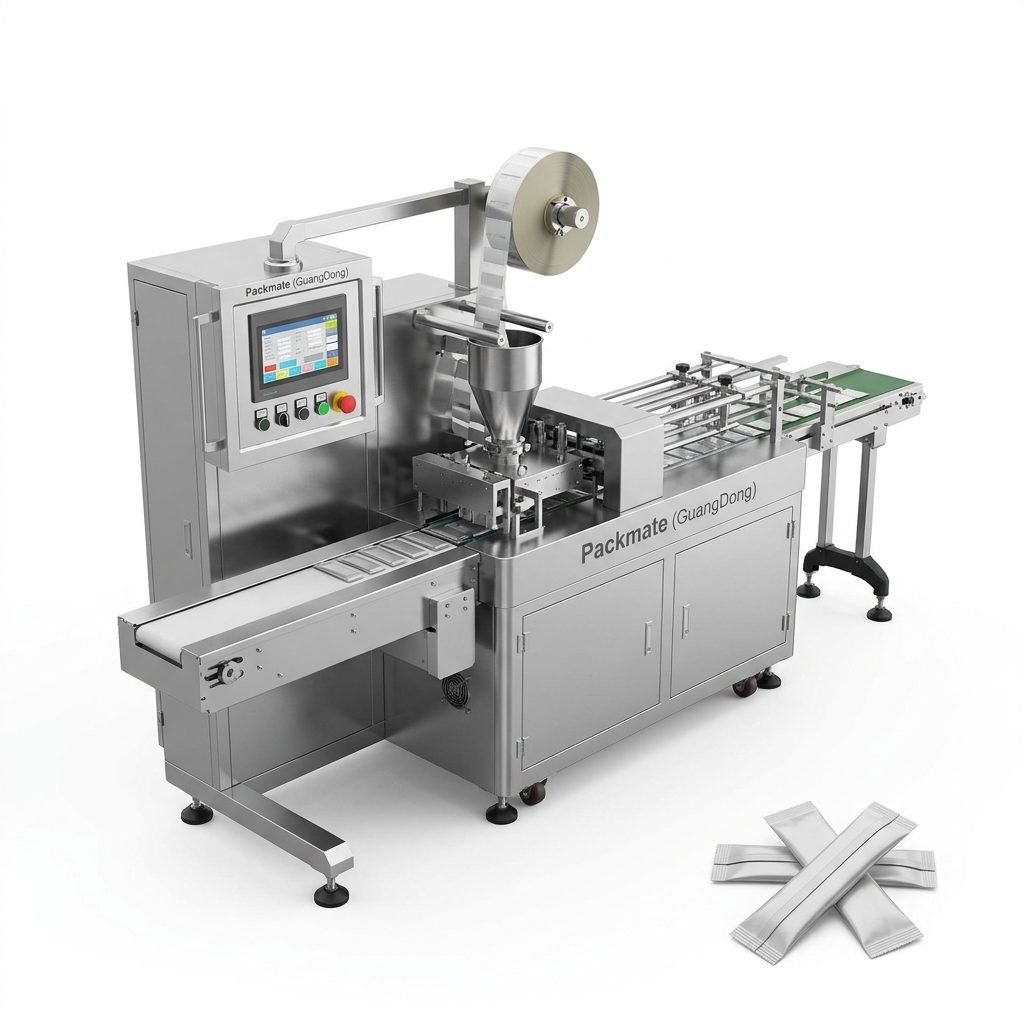
Ireland’s snus and nicotine pouch market is evolving quickly, and choosing the right snus packaging machine can define your production efficiency, compliance, and long‑term profitability. This buyer’s guide walks manufacturers through the technical, operational, and commercial factors to evaluate when selecting a snus packaging solution for the Irish market.
Understand the Irish Market & Product Requirements
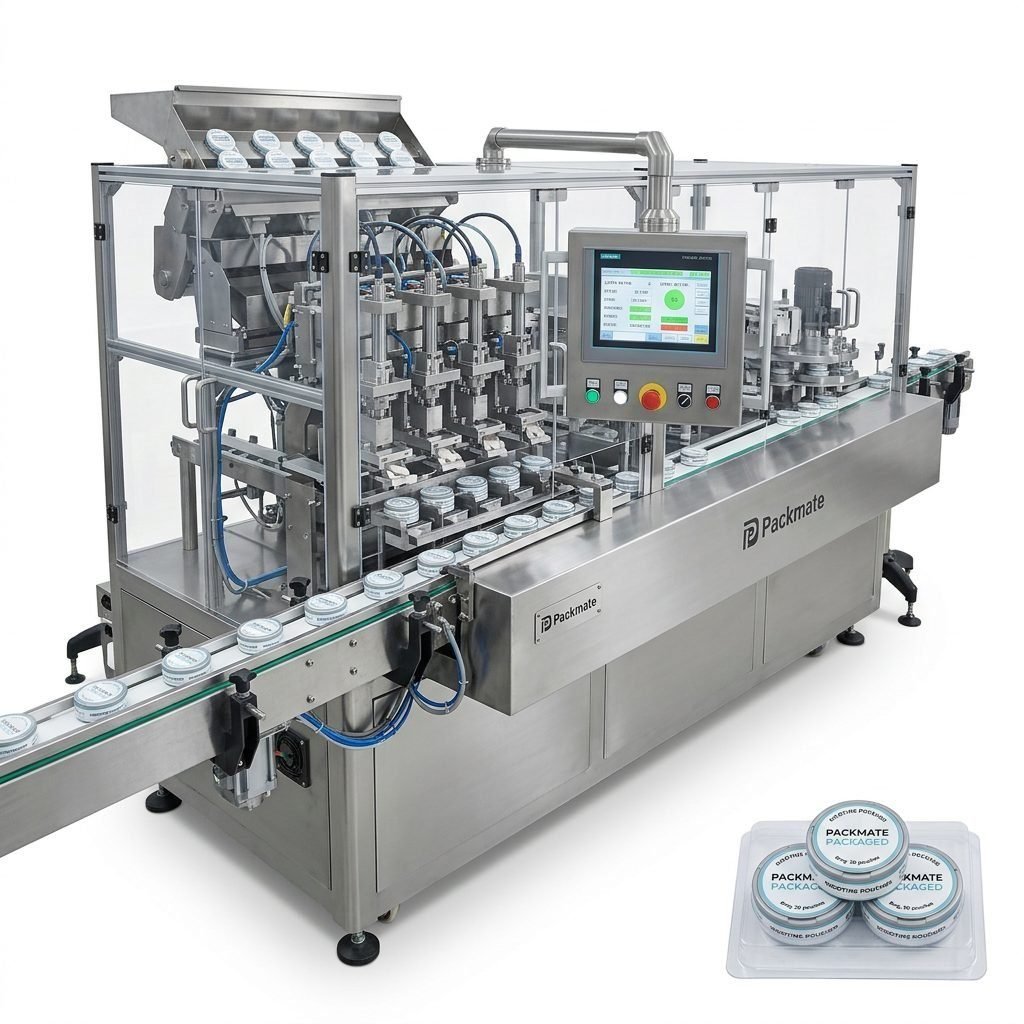
🔍 Before selecting equipment, clarify your product format (loose snus vs nicotine pouches), pouch size, dosing accuracy, and final pack type (single sachets, multi‑lane pouches, stick packs, or small-dose tins). Different product attributes drive machine choice: moisture level, powder vs granular mix, and whether an inner dosing sachet or pre‑formed pouch is required.
📌 Manufacturers serving Ireland must also consider local labeling, batch coding, and ingredient traceability. Ensure the machine you choose supports high‑resolution date/lot coders and label applicators if required.
Key Machine Types & When to Choose Them
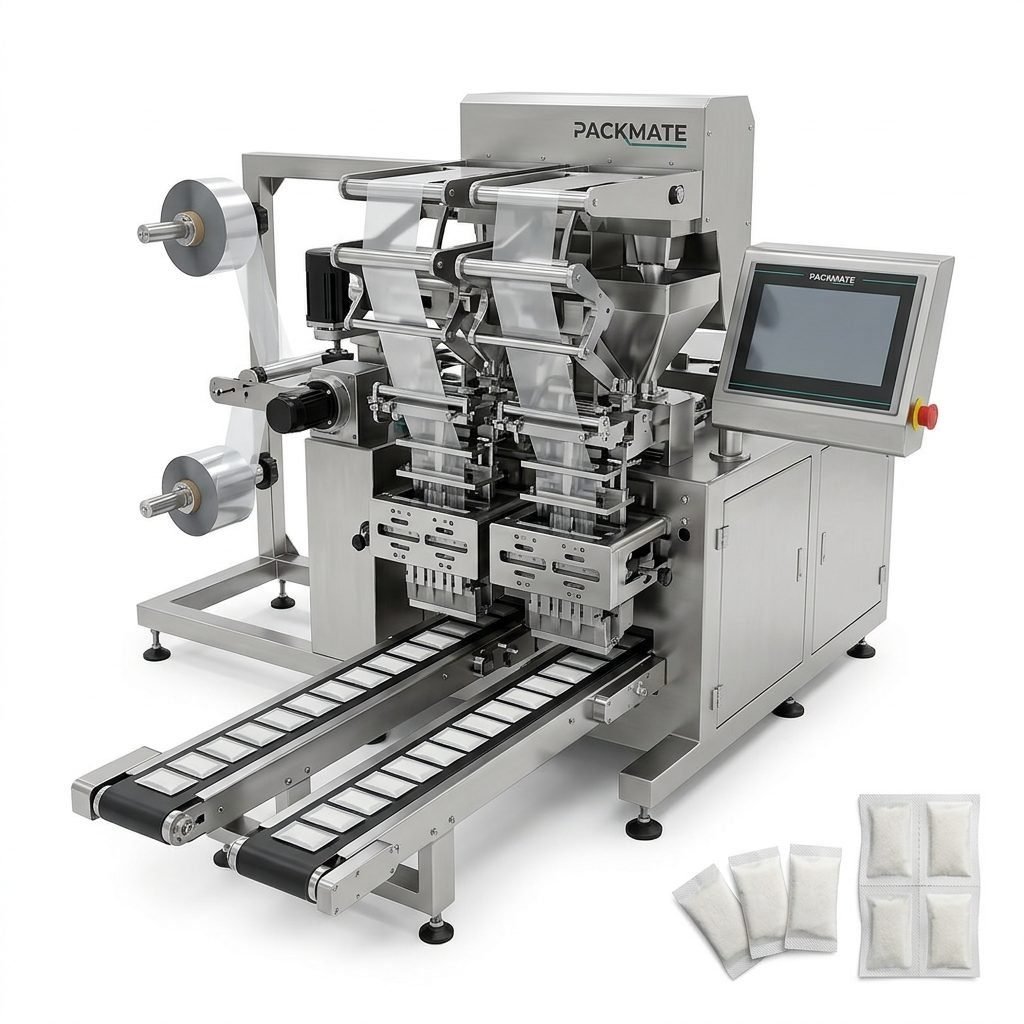
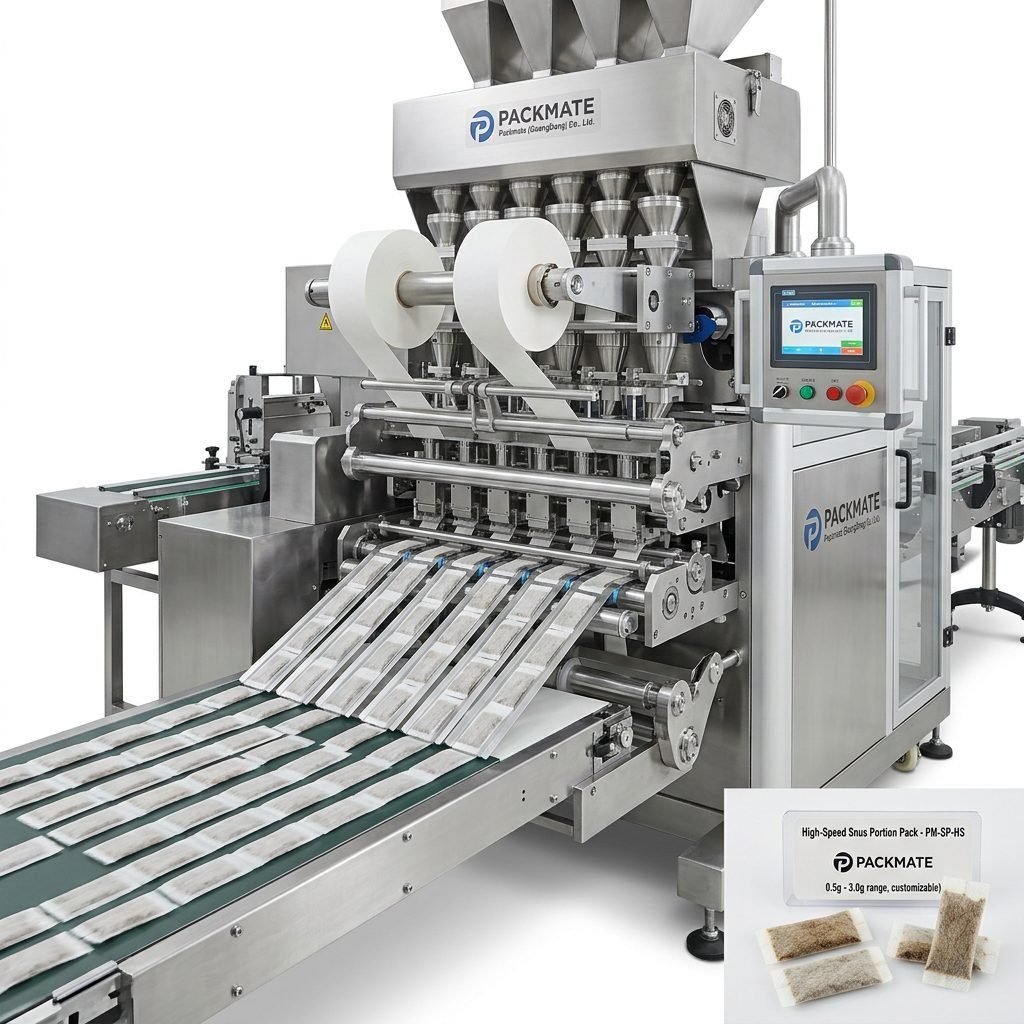
Multi-Lane Pouch Machines
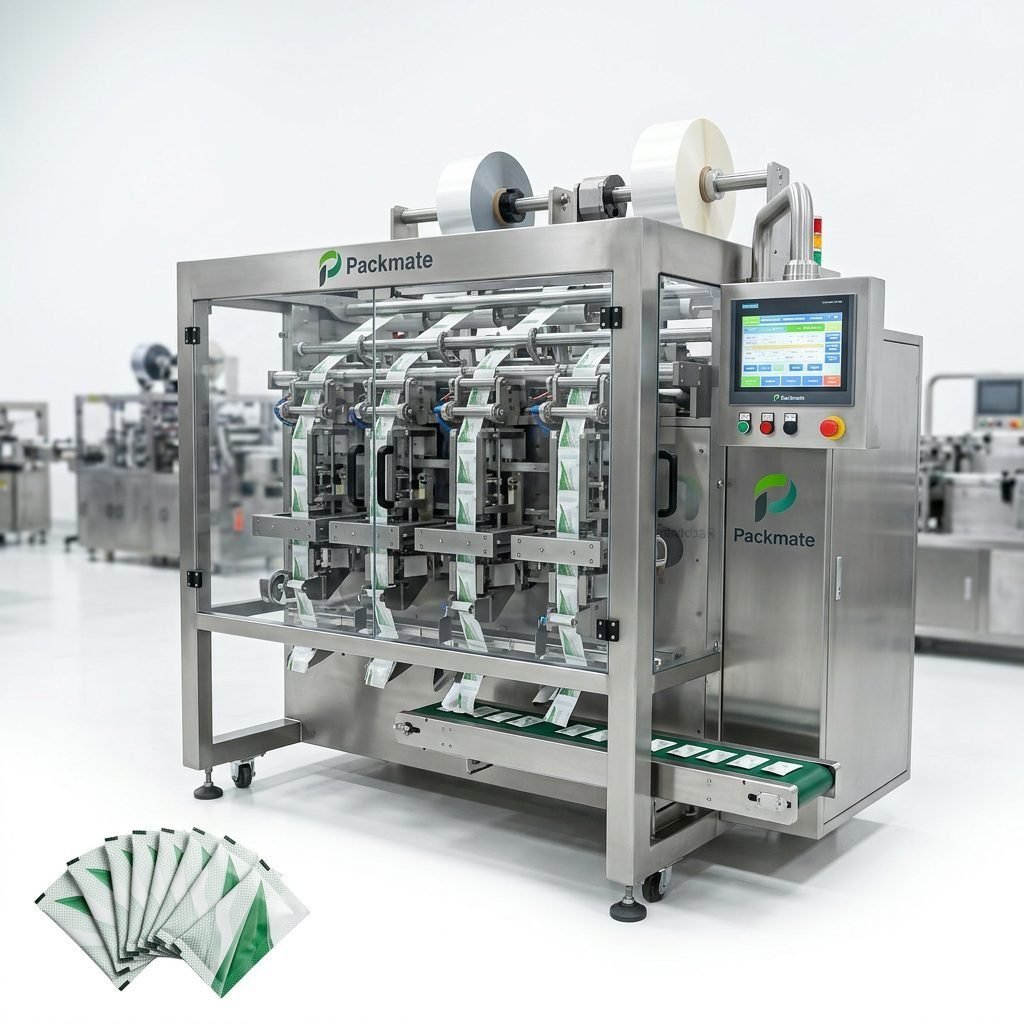
⚙️ Best for high throughput and small‑dose nicotine pouches. Multi‑lane systems dramatically increase output per cycle and are ideal when scaling production for distribution across Europe.
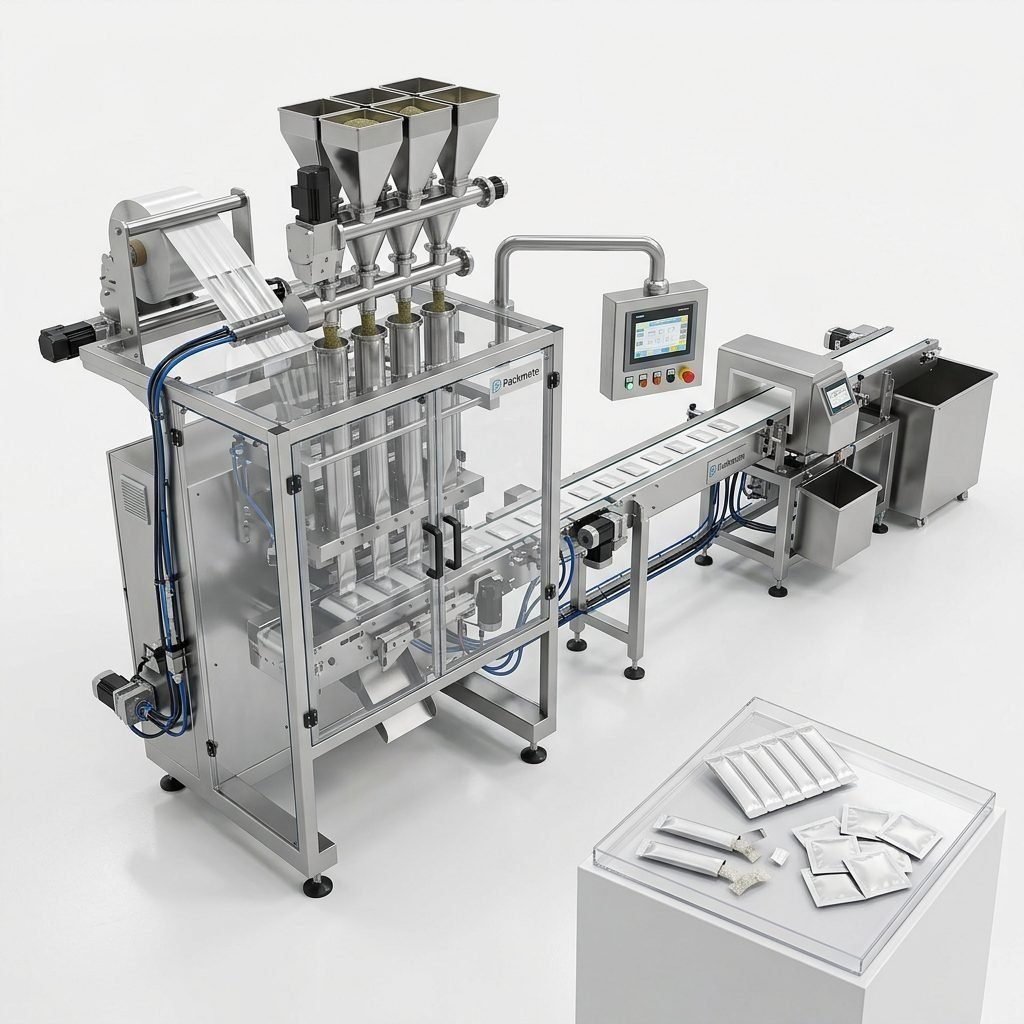
Stick Pack & Sachet Machines
📦 Cost-effective for single‑serve sachets and stick formats. If your market prefers single-use packaging, these machines provide simple packaging with competitive machine footprint and maintenance.
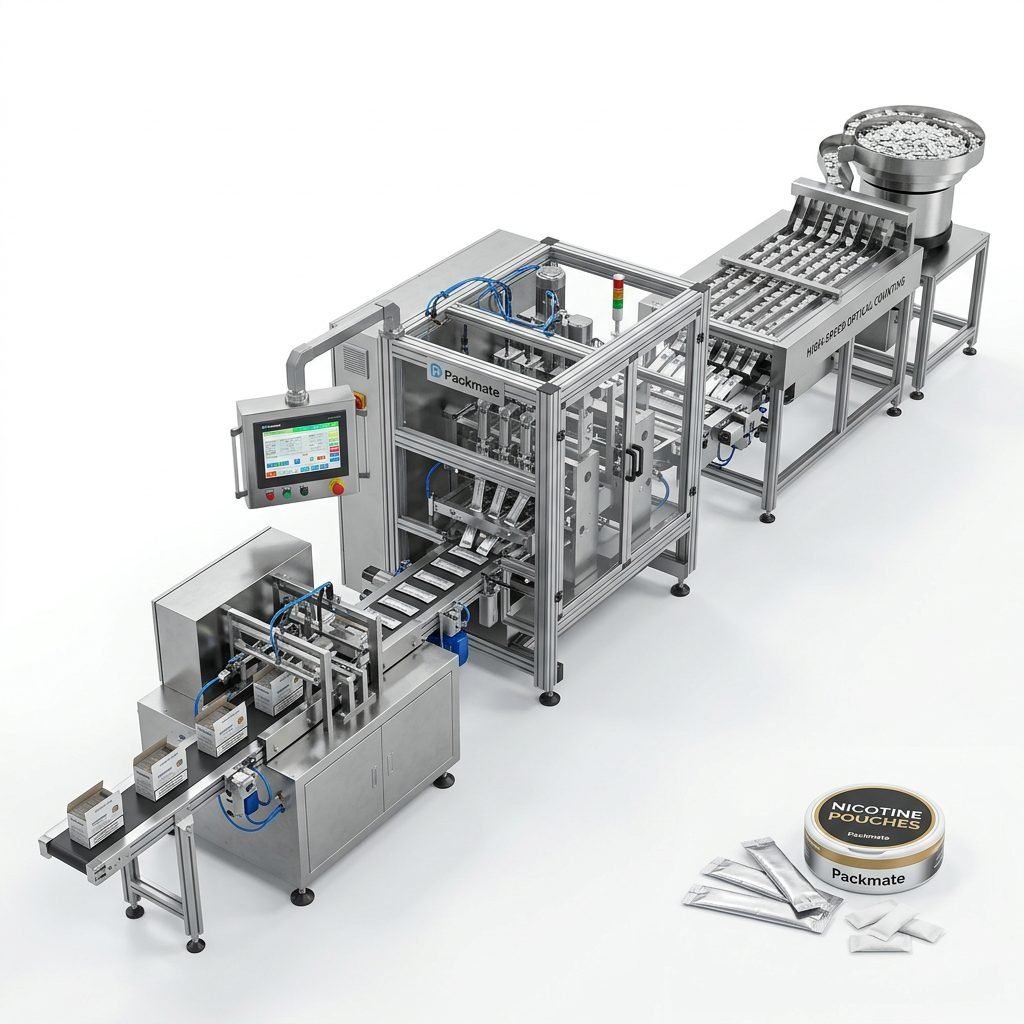
Integrated Filling & Packaging Lines
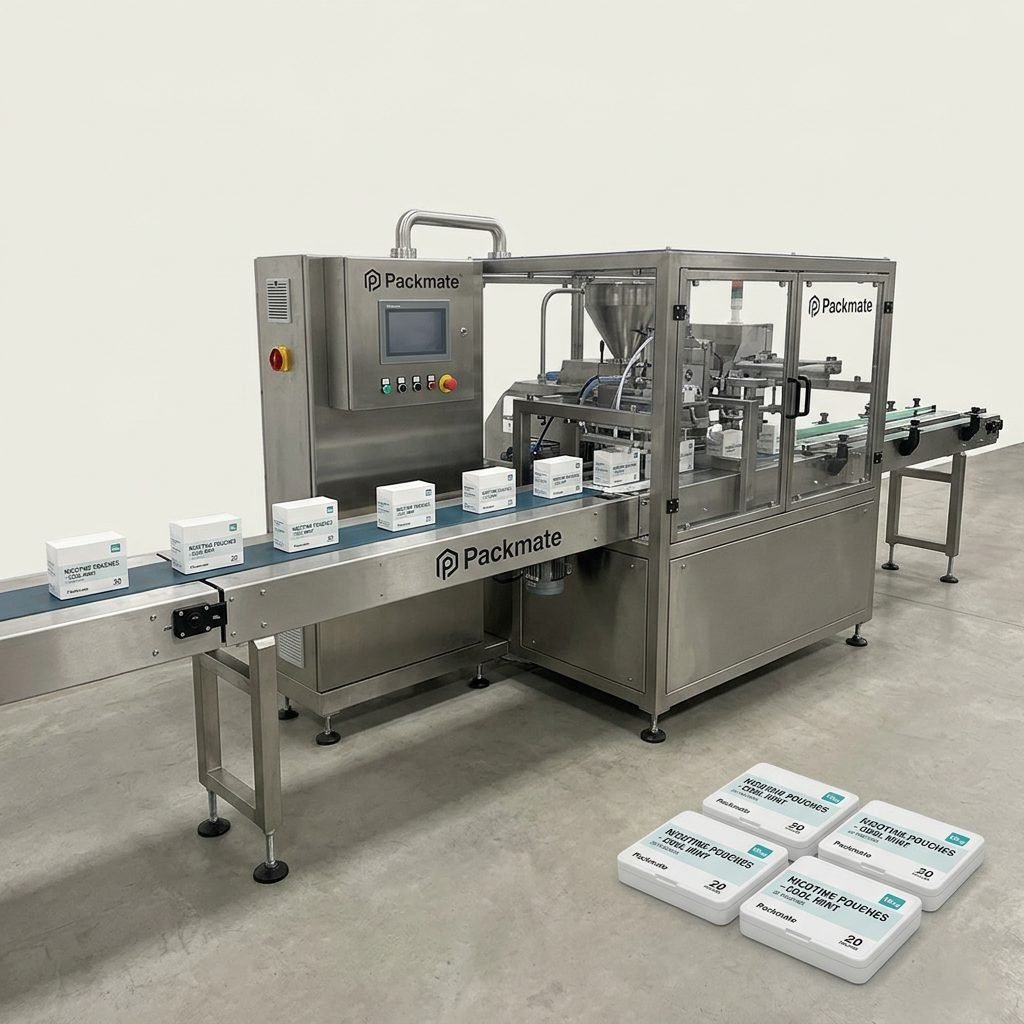
🔗 For turnkey production, combine dosing, weighing, pouch forming, and secondary packaging. Integrated lines reduce manual handling and improve traceability across the process.
Production Capacity & Speed Considerations
Throughput (packs/minute) determines whether a single‑lane machine suffices or a multi‑lane system is required. Estimate your target monthly throughput, factoring in downtime, maintenance, and product changeovers. For export customers or distributor networks, plan capacity for peak demand with some headroom (typically 20–30%).
Tip: Choose a machine whose nominal speed is above your average requirement to avoid production bottlenecks during growth phases.
Dosing Accuracy & Product Handling
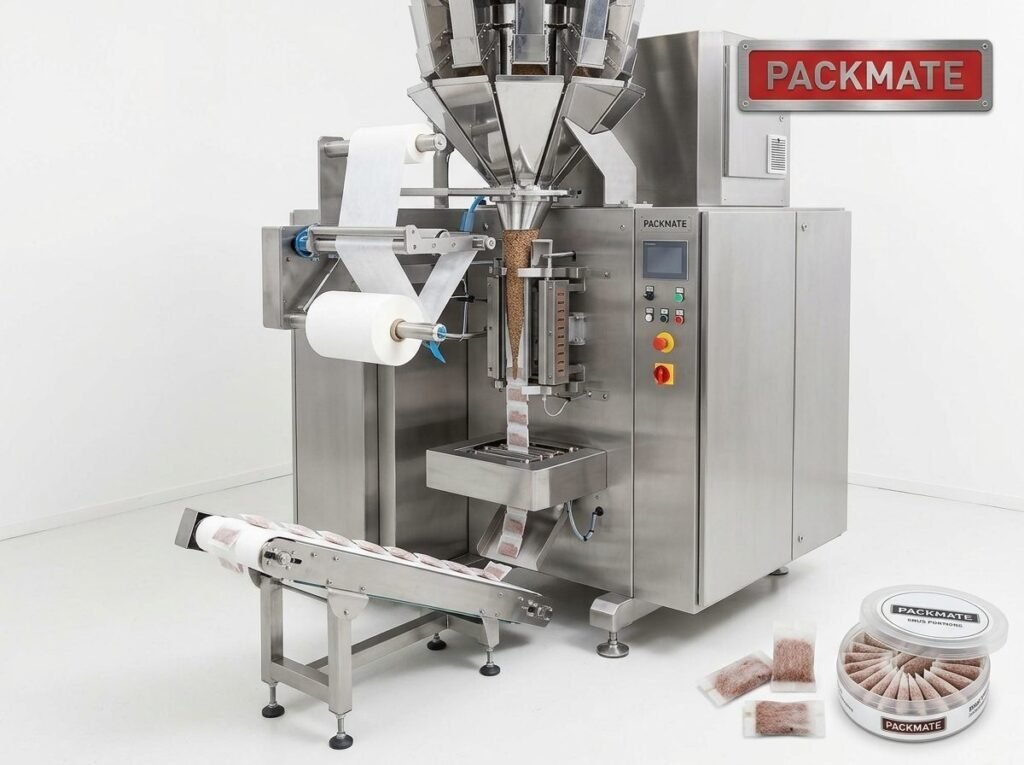
Accurate dosing is critical for nicotine products. Evaluate the machine’s dosing technology (volumetric, auger, vibratory, or weighing systems) and typical accuracy tolerance (±% of target). For powdered or hygroscopic blends, ensure the dosing system minimizes segregation and clumping.
Weighing & Checkweighing Integration
Integrated weighing systems improve quality control and compliance. Consider lines that interface with automated weighing systems to reject out‑of‑tolerance pouches and log batch quality data.
Hygiene, Material Contact & Cleanability
Stainless steel contact parts (SS304 or SS316) and sanitary design reduce contamination risk. For nicotine products, easy disassembly for cleaning and CIP (clean‑in‑place) compatibility can shorten changeover times and meet food/pharma hygiene expectations.
Regulatory Compliance & Certification
Verify that machinery meets international standards and relevant certifications. CE and ISO compliance are baseline requirements for European operations. Ask suppliers for certificates and factory quality documentation.
For trusted machine portfolios, review manufacturer pages such as Snus & Nicotine Packaging Machines and their Certificate listings.
Automation, Controls & Industry 4.0 Features
Modern machines incorporate PLC controls, HMI touchscreens, recipe management, and remote diagnostics. These features reduce setup time for multiple SKUs, allow fast troubleshooting, and enable predictive maintenance. If you plan to scale or integrate with MES systems, confirm standard communication protocols (OPC-UA, Ethernet/IP).
Customization & Turnkey Solutions
Many manufacturers offer modular machines and full turnkey production lines. If you need secondary packaging, cartoning, or end‑of‑line case packing, evaluate suppliers that provide integrated solutions and project management to simplify installation.
Learn about combined offerings such as Filling & Packaging Lines and Weighing & Packaging Systems when searching for end‑to‑end options.
Quality, Factory Strength & After‑Sales Support
Inspect supplier factory capabilities: CNC machining centers, precision assembly lines, and QC systems indicate consistent build quality. Suppliers with decades of experience in packaging machinery are better positioned to offer stable machines and spare parts supply.
Packmate Snus Machine’s profile demonstrates manufacturing scale and experience—consider reviewing supplier background pages like About Packmate and case studies at Case to assess reputation and delivered projects.
Quick Supplier Evaluation Checklist
✅ Machine CE/ISO certificates available; factory tours possible.
✅ Spare parts lead time and inventory guarantee.
✅ Service & installation support in Europe or rapid remote diagnostics.
✅ Clear warranty terms and preventive maintenance plans.
✅ References and documented case studies in similar product categories.
Costs, Financing & Return on Investment
Evaluate the total cost of ownership: purchase price, installation, tooling for different SKUs, spare parts, energy consumption, and projected downtime costs. ROI models should include labor savings from automation and reduced waste due to dosing accuracy.
Some suppliers offer leasing, staged payments, or trade-in programs for legacy equipment—compare options to preserve working capital.
Installation, Commissioning & Staff Training
Proper commissioning ensures machines meet promised speeds and accuracy. Confirm the supplier offers on‑site installation, operator training, and process validation. Remote training options and comprehensive manuals reduce ramp-up time.
Maintenance Best Practices
Implement a preventive maintenance schedule: daily lubrication checks, weekly inspections of wear parts, and monthly calibration of dosing systems. Maintain a small on‑site spare parts kit for common consumables (seals, belts, cutting blades).
Operational Tip
⚙️ Keep logbooks for changeovers and production anomalies. Over time this data helps you fine‑tune recipes, reduce downtime, and negotiate better service terms with suppliers.
Selecting a Trusted Vendor
Choose suppliers with demonstrable expertise in snus/nicotine pouch equipment, an established parts ecosystem, and global installation experience. Check exhibition participation and after‑sales footprint—suppliers who attend major trade shows and maintain local partners provide stronger reassurance.
For direct contact and inquiries, explore supplier service pages and contact channels such as Service and Contact Us.
Final Checklist Before Purchase
– Confirm production speed and accuracy targets.
– Verify material contact surfaces and cleanability.
– Ask for FAT (Factory Acceptance Test) videos or site visits.
– Validate spare parts availability and warranty terms.
– Ensure integration capability with your current packaging line or planned expansion.
Conclusion
Selecting the best snus packaging machine in Ireland requires balancing technical capability, regulatory compliance, production scalability, and supplier reliability. Prioritize dosing accuracy, hygienic design, and supplier support to protect product quality and ensure smooth market entry or expansion.
Frequently Asked Questions
Q1: How do I decide between a multi‑lane machine and several single‑lane machines?
A1: Choose multi‑lane for high throughput with limited floor space and consistent product formats; multiple single‑lane machines can offer flexibility for varied SKUs and simpler maintenance.
Q2: What certifications should I request from the manufacturer?
A2: Request CE, ISO quality documentation, and sanitary material certifications. Also ask for FAT records and references from similar projects.
Q3: Are turnkey lines more cost‑effective than piecing together equipment?
A3: Turnkey solutions reduce integration risk and shorten commissioning time, often providing better long‑term value despite higher upfront cost.
Q4: How important is local service support for machines in Ireland?
A4: Very important. Local or regional service partners reduce downtime and shipping time for spare parts; confirm your vendor’s European service capabilities.
Q5: Where can I view machine portfolios and case studies?
A5: Visit product and case pages such as Snus & Nicotine Packaging Machines and Case.